Category Archives: Radio History

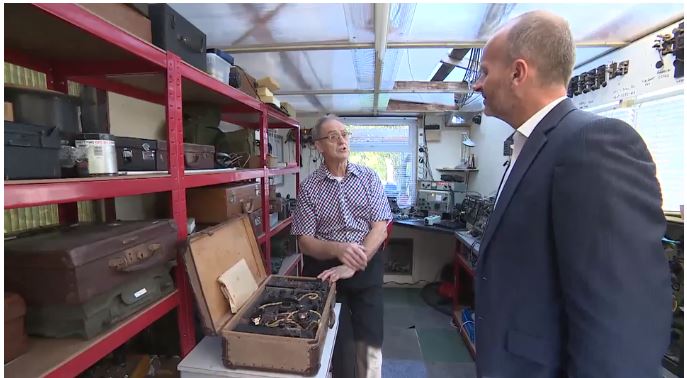
Ian Keyser’s collection of vintage spy radios

(Source: Southgate ARC)

Daring spies who broadcast from behind enemy lines

An ITV News report says: Owning just one of them in World War Two carried the death penalty, but Ian Keyser, G3ROO has more than a dozen – ensuring a piece of secret history is brought out into the open. So what are they?

They are, of course, spy radios – used to send messages back to base from behind enemy lines. And decades later, much of the collection is still in use. Tony Green has this special report.

Watch this ITV News video:
https://www.itv.com/news/meridian/2018-10-19/daring-spies-who-broadcast-from-behind-enemy-lines/

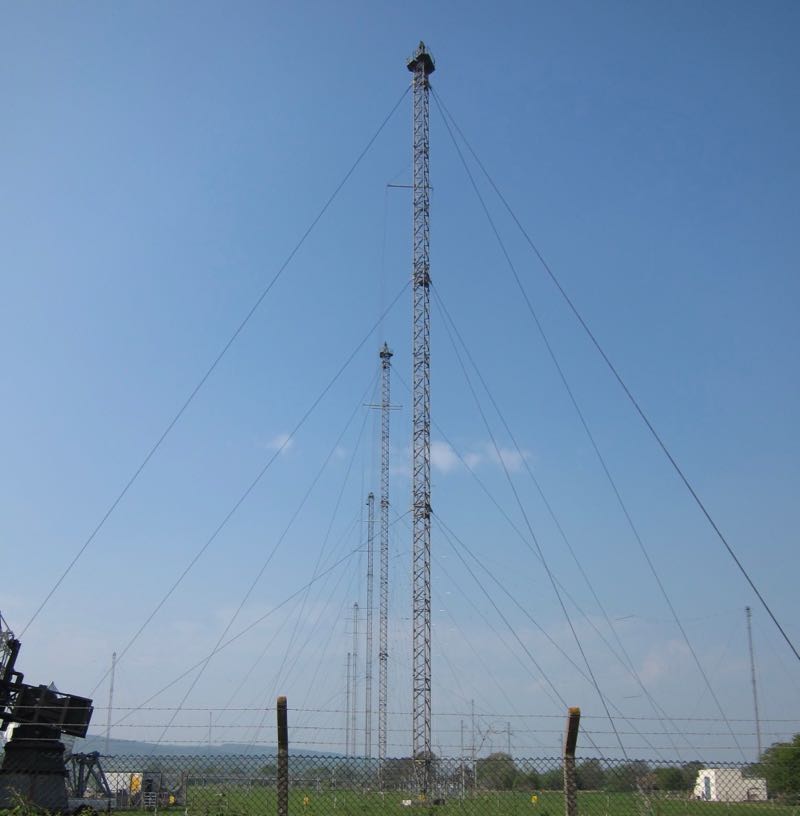
Woofferton Transmitting Station: 75 years of continuous operation

Photo by Flickt user Shirokazan via Wikimedia Commons.

Many thanks to SWLing Post contributor, Dave Porter, who notes:

Pleased to let you know that Woofferton Transmitting Station celebrated 75 years of continuous operation yesterday 17th October 2018.

It is now run by Encompass Digital Media to give it its full name!

Woofferton has certainly experienced and propagated a lot of world history!  Thank you for sharing Dave!

If you’d like to dive deeper into the station’s history, check out this book published around the time of Woofferton’s 50th Anniversary. Also, click here to check out Dave’s video tour of the Woofferton Transmitting Station.

Spoiler Alert: As we approach the SWLing Post’s 10th Anniversary next month, Dave is generously donating a little piece of Wooferton’s history that one lucky reader will win! Interested?  Stay tuned!

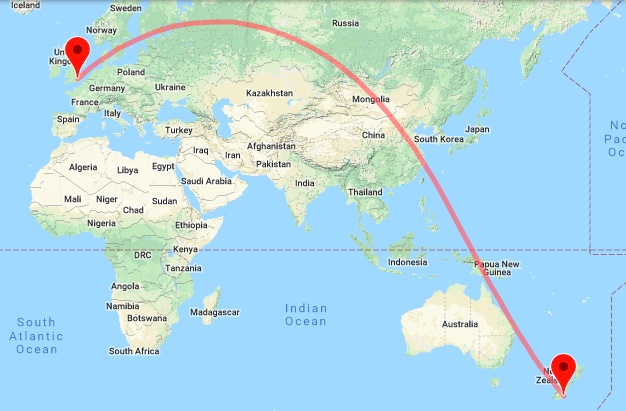
1917: First wireless transmission from New Zealand to London

(Source: New Zealand History via Andrea Borgnino)

First trans-global radio transmission to London

From the family sheep station in Shag Valley, East Otago, amateur radio operator Frank Bell sent a groundbreaking Morse code transmission received and replied to by London-based amateur operator Cecil Goyder.

Frank and his older sister Brenda were radio pioneers. Invalided home from the Western Front in 1917, Frank revived a boyhood interest in wireless communication while recuperating. He helped pioneer the use of short radio waves to communicate over long distances, initially through Morse-code telegraphy. He achieved a number of firsts, including New Zealand’s first overseas two-way radio contact with Australia and North America. But it was his radio conversation with London that made world headlines.

When Frank turned his attention to running the family farm, his sister Brenda took over the wireless station, becoming New Zealand’s first female amateur radio operator. In 1927 she was the first New Zealander to contact South Africa by radio. After the Second World War, Brenda Bell moved into professional radio as a writer and broadcaster for Dunedin station 4YA.

Click here to view this article and a photo of Frank Bell at New Zealand History.

Any favorite Soviet era radios?

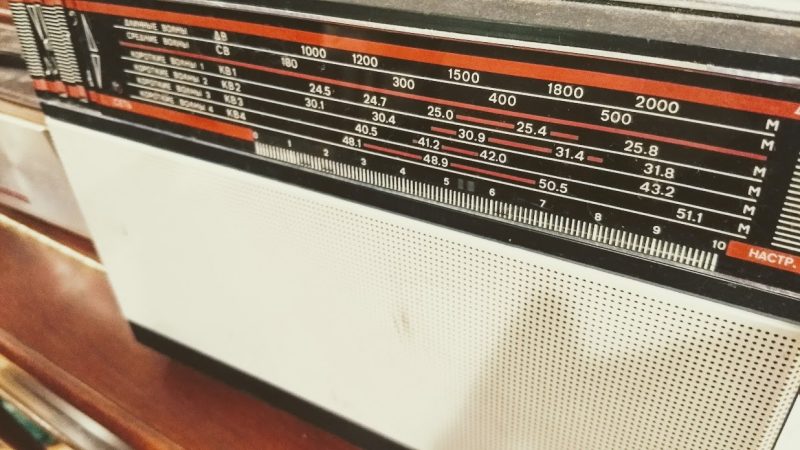
A vintage radio from Kim Andre Elliott’s collection.

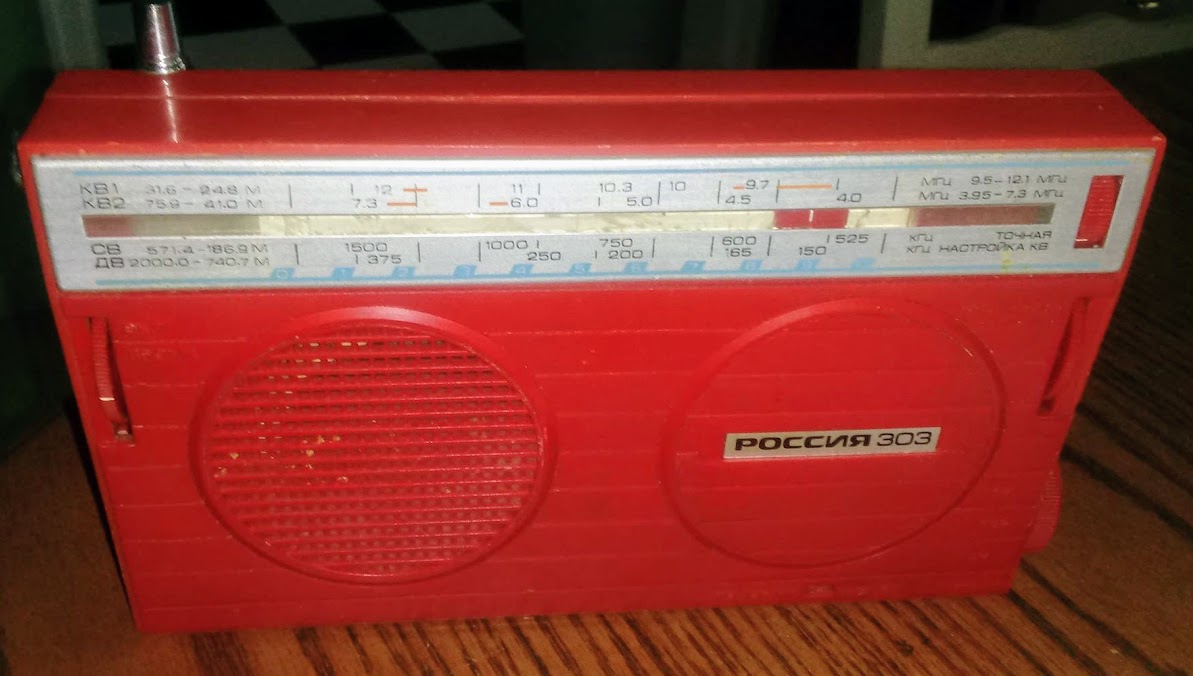
I was just chatting with my buddy Dave Cripe (NM0S) who recently snagged a cool Soviet-era vintage portable radio at ShopGoodwill.com.  It’s a beauty:

I’ve always been fascinated with Soviet and Eastern European designs from the 60s, 70s and 80s, but I’ll be the first to admit that I know little-to-nothing about them.

I’m curious if any readers could shed light on some of their favorites makes and models?  Are there any exceptional performers? Any that are highly valued?  If you have photos, consider sharing them as well. Please comment!

Swan Island featured in philately magazine

Many thanks to SWLing Post contributor, Stan (WA1LOU), who writes:

Besides being a radio aficionado, I also dabble in philately and subscribe to a couple of stamp magazines.

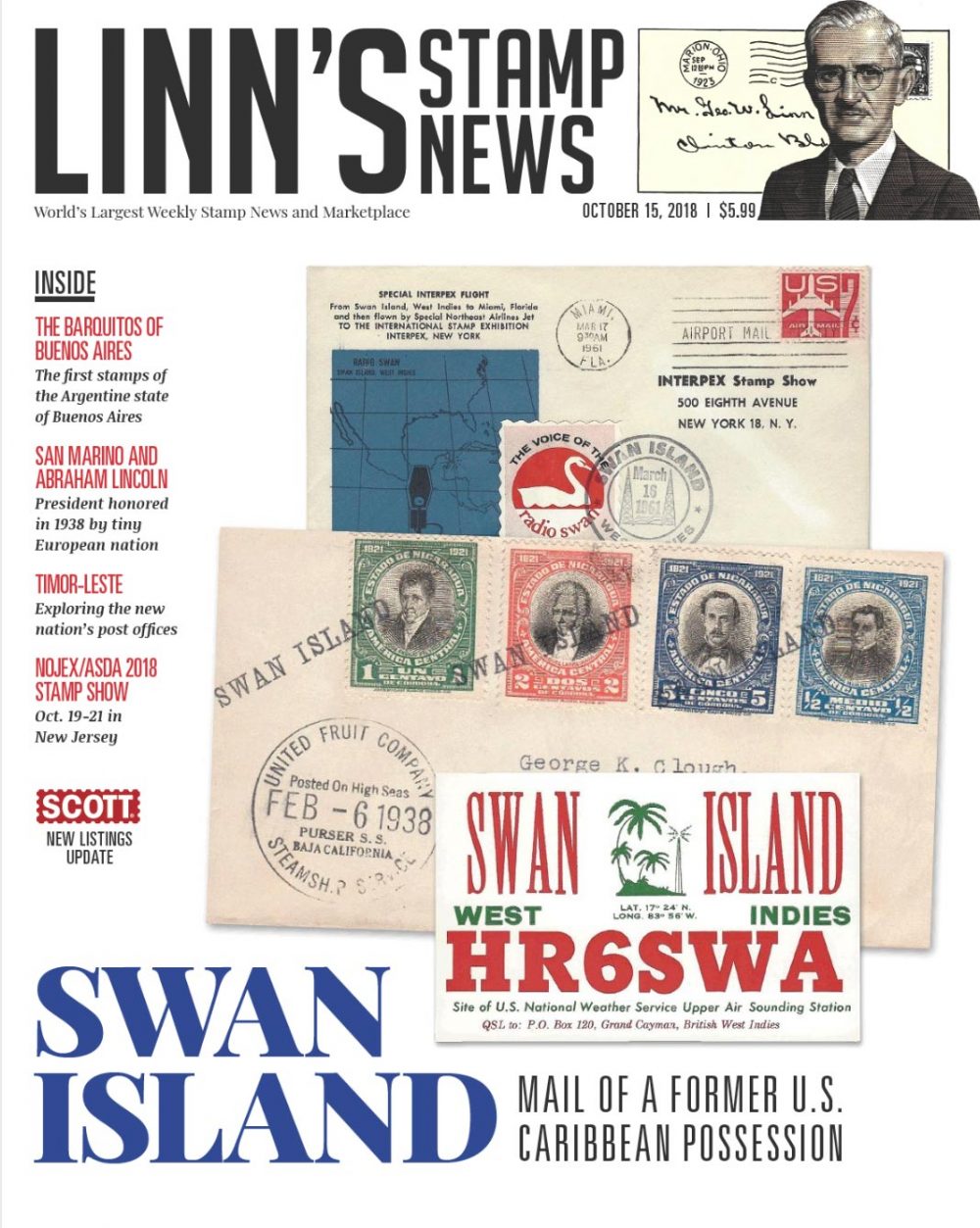
The cover of the October 15 issue of Linn’s Stamp News caught my eye displaying a QSL card from Swan Island (HR6SWA) (see attached). As it turns out, the magazine contains an extensive article about the history of Swan Island and its various  inhabitants (including the RF variety).
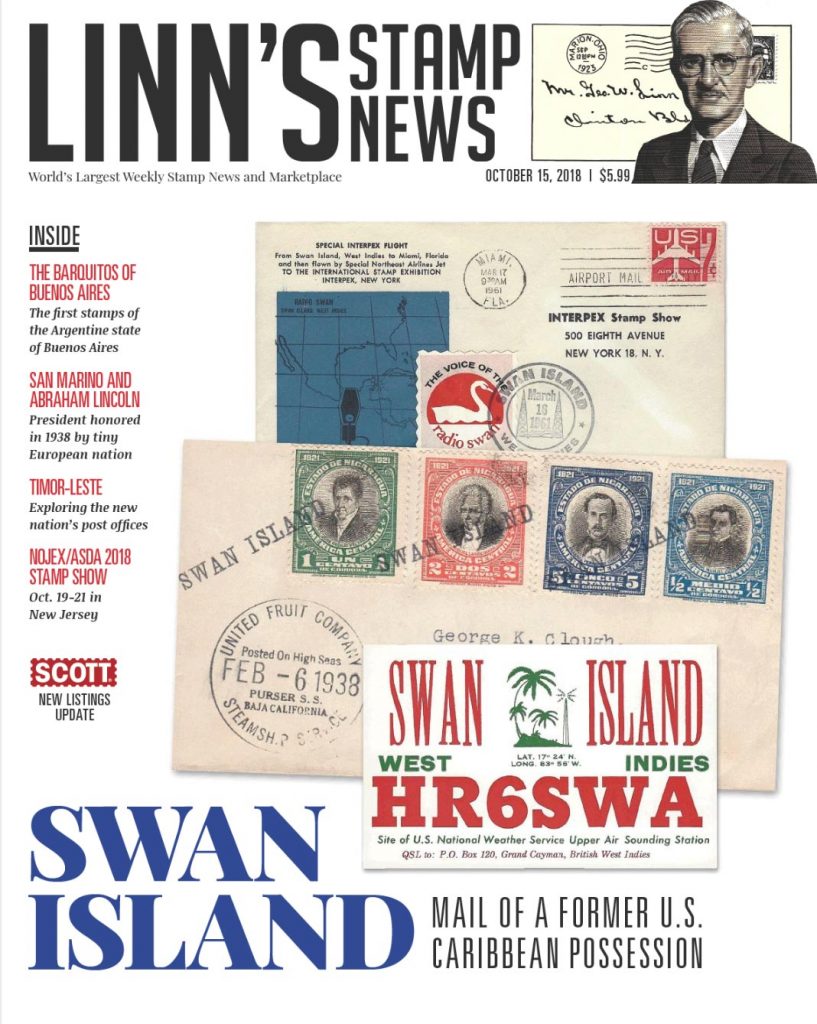
Being a philately magazine, the article concentrates on how mail was handled to and from the island, but its mention of the radio operations is interesting nonetheless. The article is well illustrated and includes a number of QSL cards from the various Swan radio operations.

I found the article interesting from both a radio and philately perspective.

And I’m sure glad I kept the envelope that delivered my Radio Americas QSL card!

I bet you are happy you kept that envelop, Stan!

Thank you for sharing this. While I’ve never been a stamp collector, I’ve always had a deep appreciation for stamps from around the world. I’m sure much of this has to do with being a radio listener and receiving QSL cards and listener material with all of those amazing stamps affixed.

We actually have a collection of articles about radio philately here on the SWLing PostClick here to read articles from our archive.

The temporary impact of Allied bombs on the ionosphere

Many thanks to a number of SWLing Post contributors including, Mike, Dan, Ron and Bob who all shared this article from the BBC World Service:

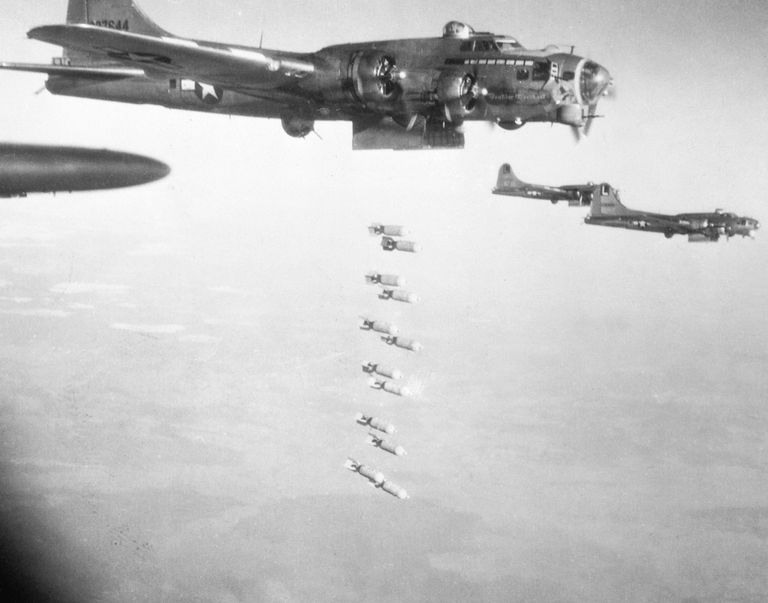
The bombs used by Allied forces during World War II were so large, they weakened the Earth’s upper atmosphere.

The air raids turned towns to rubble and ash, but now new research shows shockwaves could be felt up to 1,000 km above the UK.

Chris Scott, from the University of Reading said: “I was absolutely astonished [when I found out].

“Each raid released the energy of at least 300 lightning strikes.”

It’s now hoped the research will give us a better understanding of how natural forces such as lightning, volcanic eruptions and earthquakes can affect Earth’s upper atmosphere.

[…]But Chris Scott admits “these were very temporary effects which heated the atmosphere very slightly.”

[…]Chris Scott said: “This [research] is really important if we’re going to understand the ionosphere as a whole.

“We know the ionosphere is controlled by solar activity but it varies much more than can currently be explained.”[…]

Click here to review the full article at the BBC World Service.

Ed spots a Super-Power Long Range Panoramic 11-71 in “The Interview”

Many thanks to SWLing Post contributor, Ed, who writes:

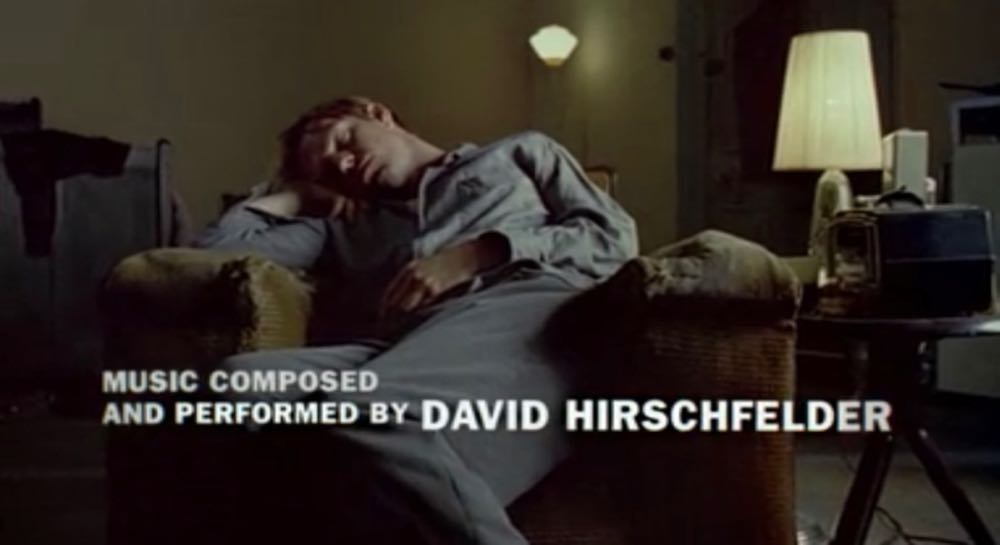
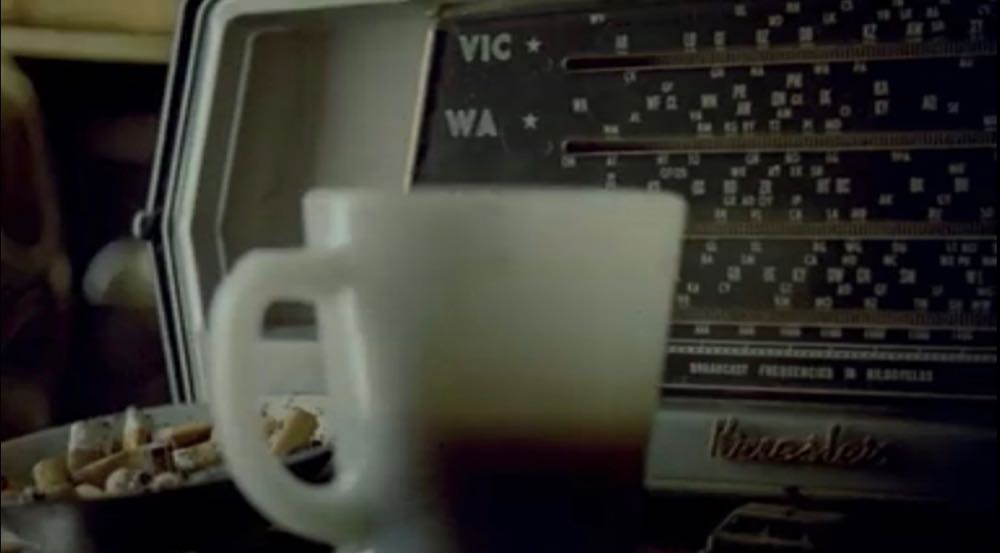
Whilst watching the 1998 movie The Interview on Netflix, I spotted a Kriesler Radio Company Super-Power Long Range Panoramic 11-71 made in Newtown (Sydney) Australia about
1:11 into the movie (the opening scene.)

More information here: https://www.radiomuseum.org/r/kriesler_11_71_117.html

I’d never heard of the Kriesler Radio Company before, probably because they were in Australia. The Super-Power Long Range Panoramic 11-71 was made in the late 50’s is beautiful, and it has interesting bandspread markings.

I agree, Ed! The bandspread/dial on the Kriesler is beautiful. I was not at all familiar with this Australian radio–thank you for sharing!

I’ll add this post to our ever growing archive of radios in film.