Tag Archives: Vintage Radio

Don Moore’s Photo Album: Old Radios in Salamanca

By Don Moore

More of Don’s traveling DX stories can be found in his book Tales of a Vagabond DXer [SWLing Post affiliate link]. If you’ve already read his book and enjoyed it, do Don a favor and leave a review on Amazon.

I’m spending April and May wandering around northern Spain and northern Portugal. My goal is to visit places I haven’t been to before, but I also have to return to Salamanca. I had been there twice before, but Salamanca is the kind of place that draws a person back. I love to wander the back streets of the old city. I also wanted to find some things I hadn’t done before, and that’s how I came across the Museo del Comercio (Commerce Museum) in a modern neighborhood east of downtown. That may not sound very interesting, but I knew immediately that I would have to go. One of the two main permanent exhibits is a collection of old radios.

Most of the items on display came from the collection of Agustín De Castro. Agustín was born in Salamanca in 1928 and began building radios when he was eight years old. Here’s one of his early radios.
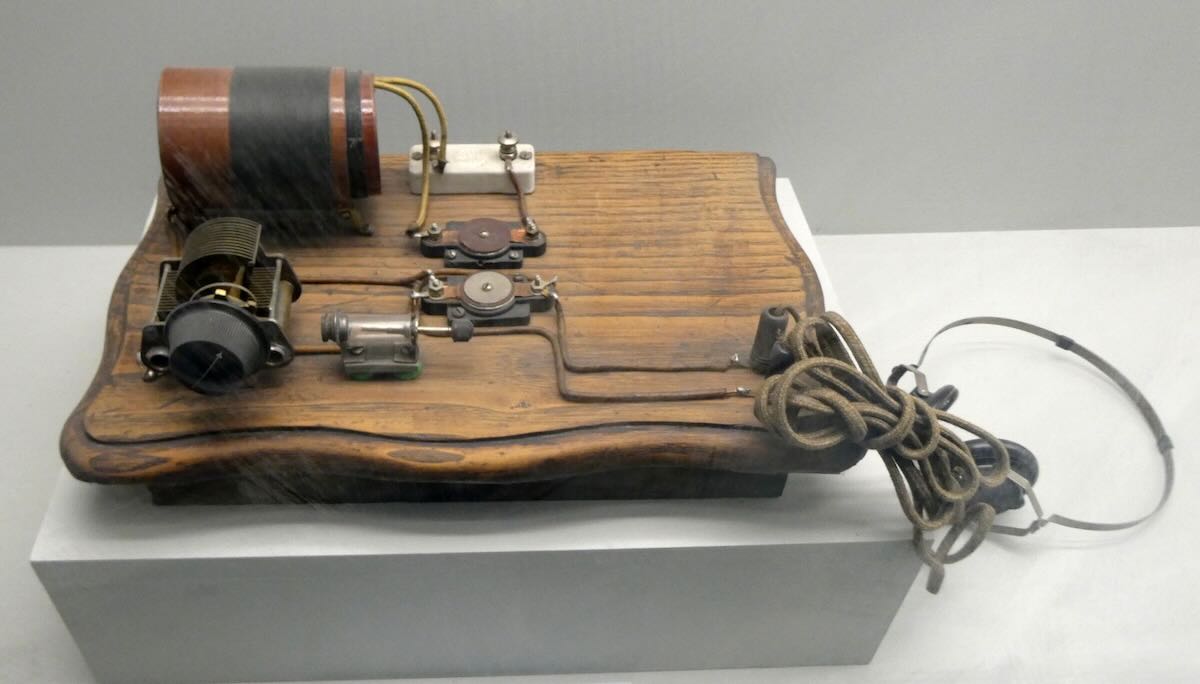
As a young man, he went into electronics and eventually operated his own radio store and radio repair business in Salamanca. He donated his vast collection to the city in 2002, and in 2006, it became part of the new Museo del Comercio, which was opened in Salamanca’s old underground brick water cistern.

I might only DX on modern SDRs these days, but I still love looking at old radios. Everything here is in excellent condition and is kept in glass display cases to keep it that way. Unfortunately, that does make it harder to get good photos without getting glare or reflections. But I think these came out pretty well.
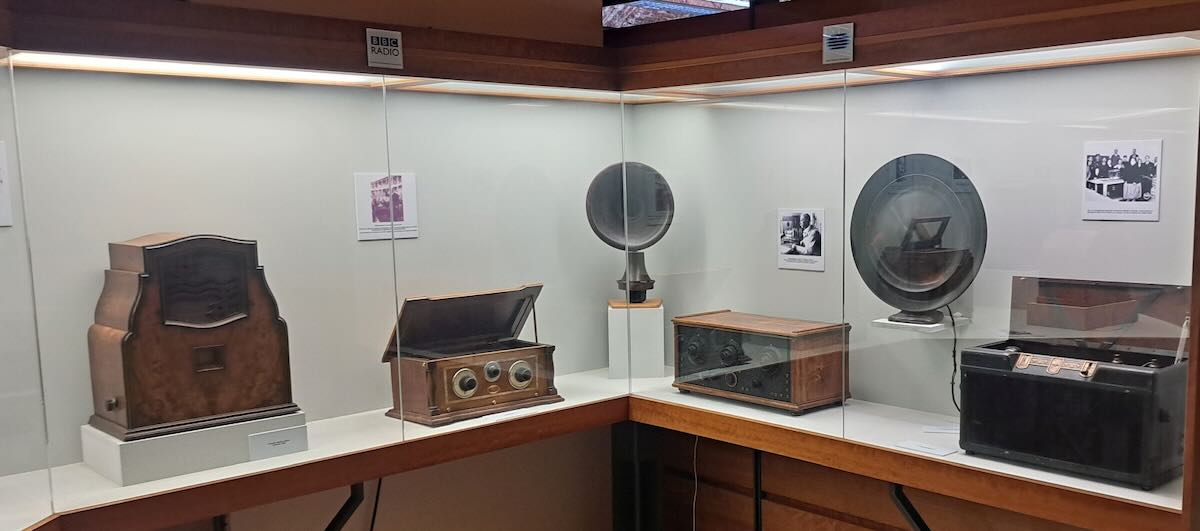
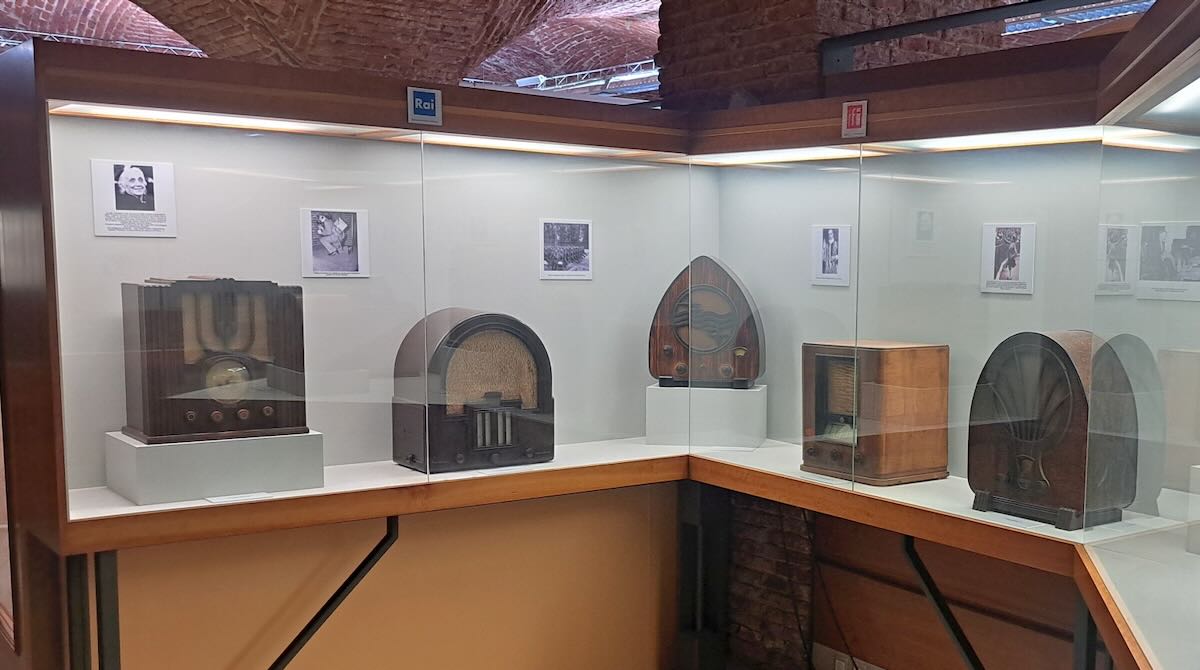
Let’s start with a closer look at a few of the more usual pieces.

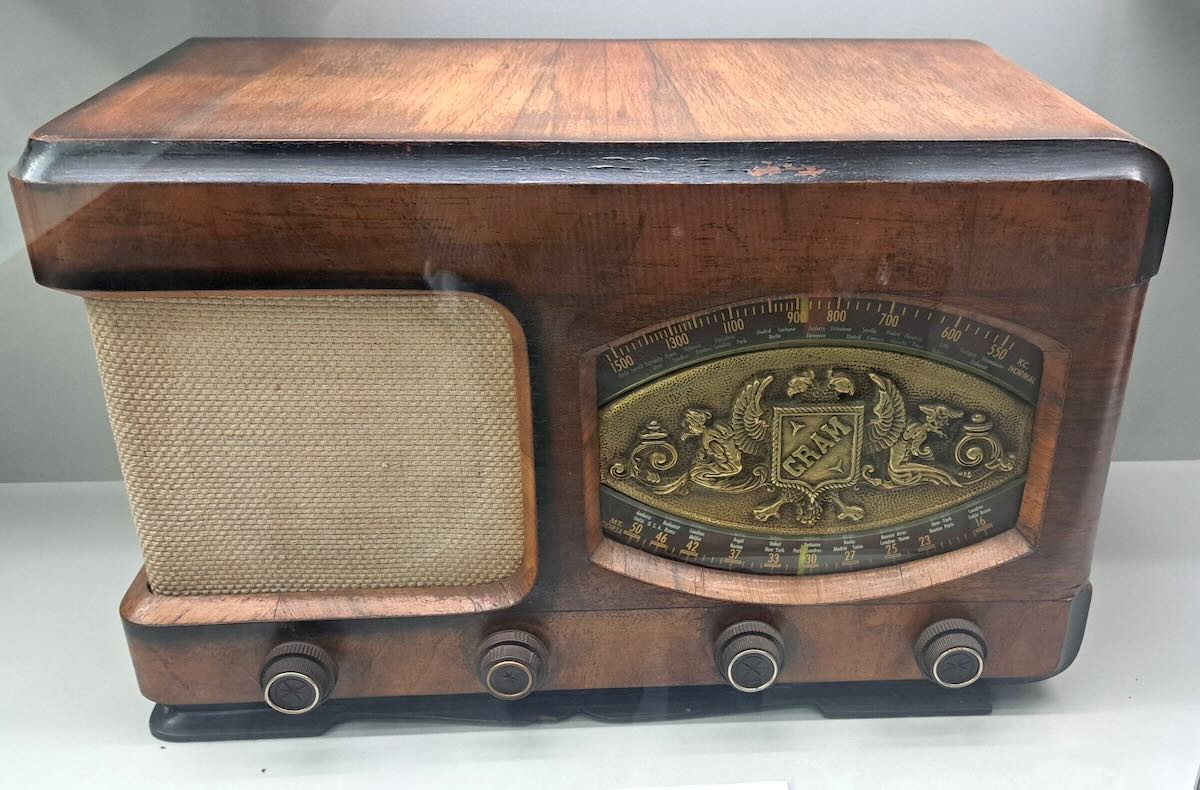
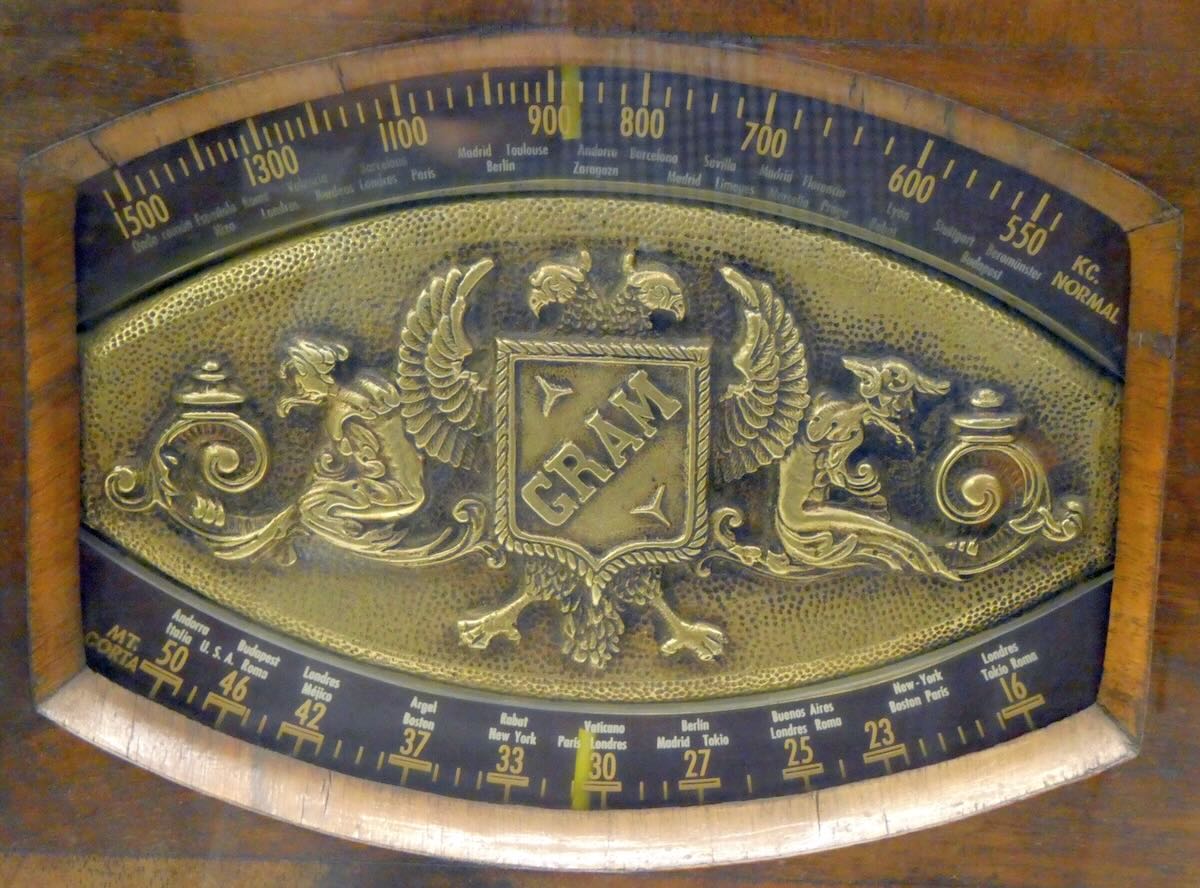
The Gram Model 157 was built in Spain in 1947. I liked this one for the fancy logo on the dial. Note that while the medium wave band at the top is marked in kilocycles, the shortwave band at the bottom still used meters.
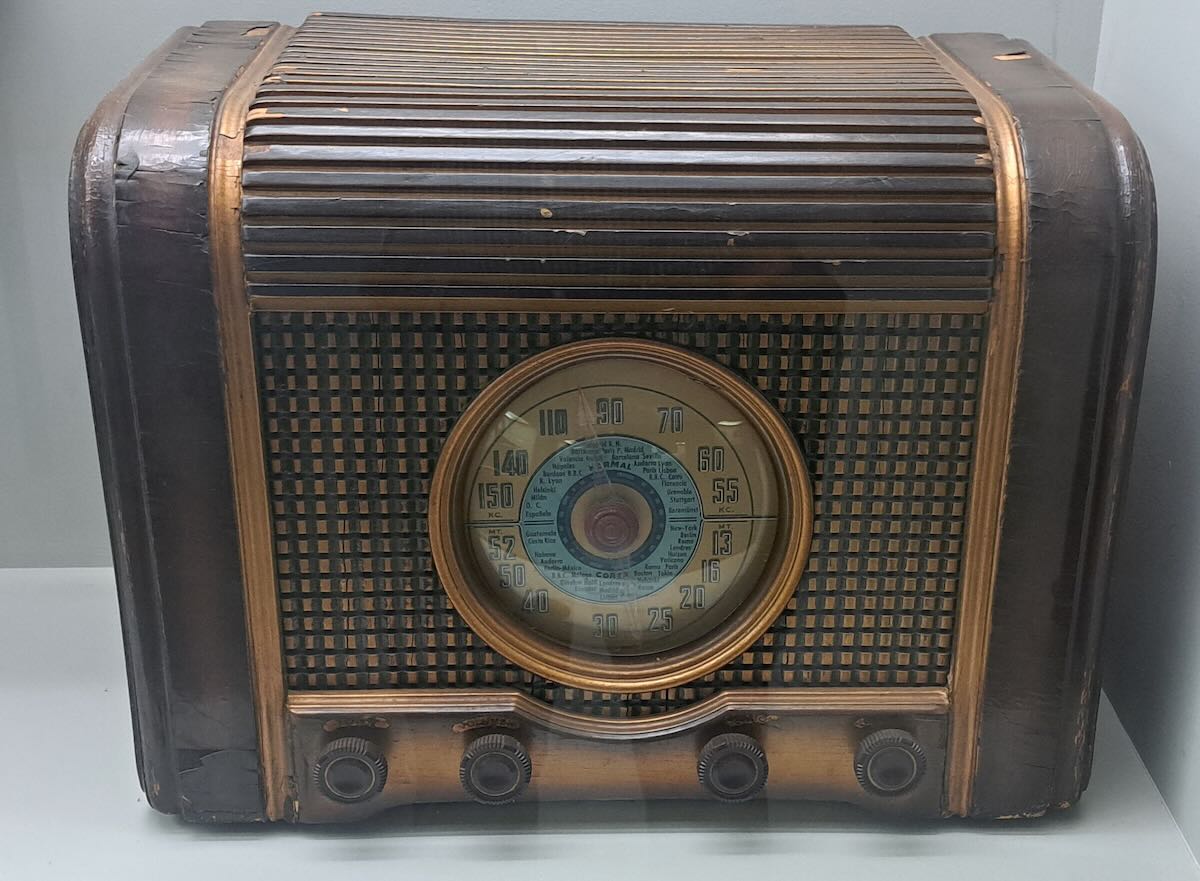
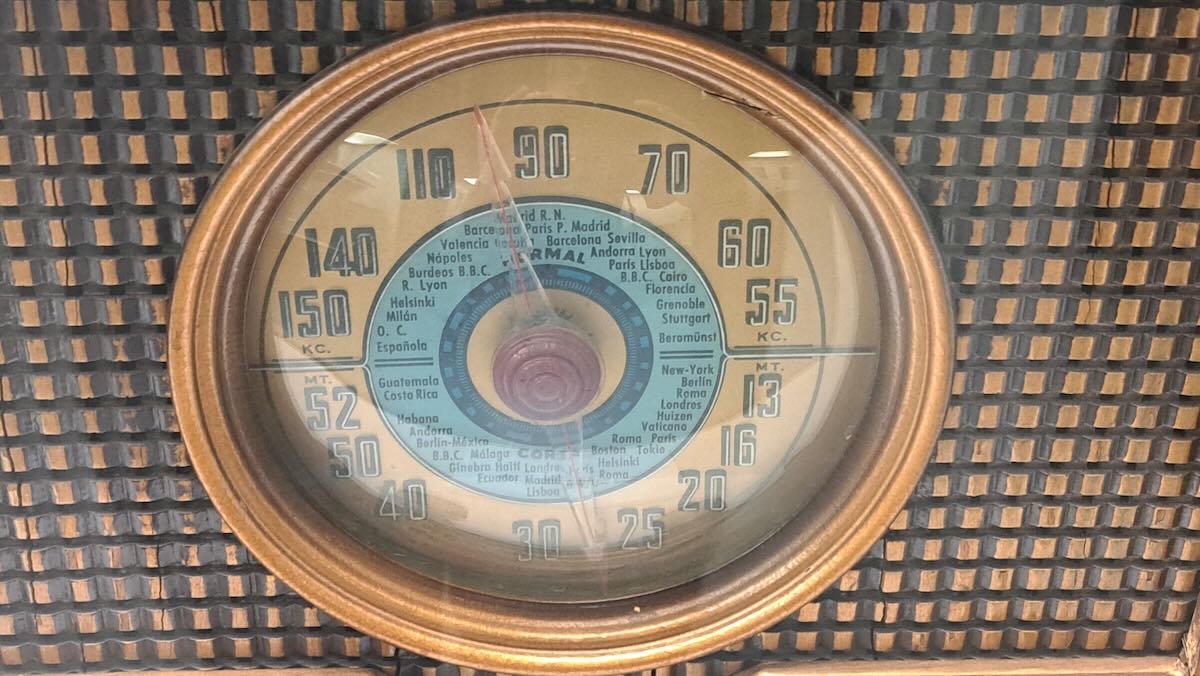
The Fono model 140 was also made in Spain in 1945. Again, the dial used kilocycles for medium wave and meters for shortwave.
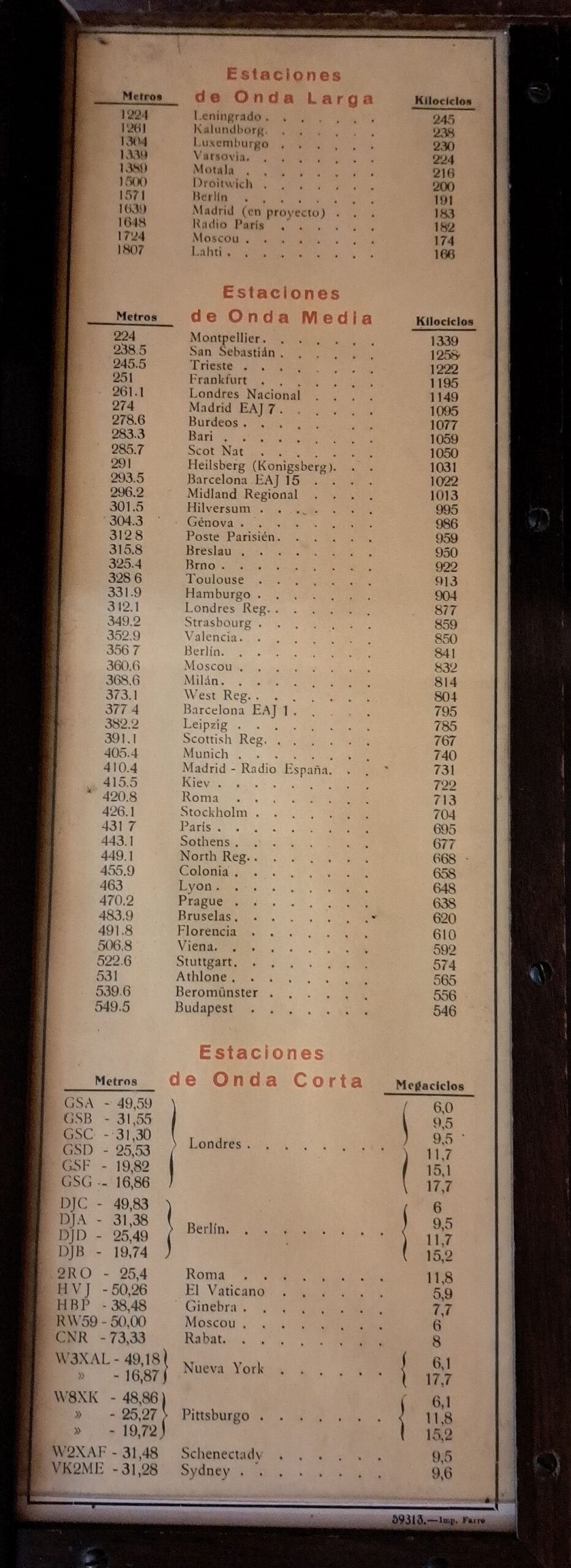
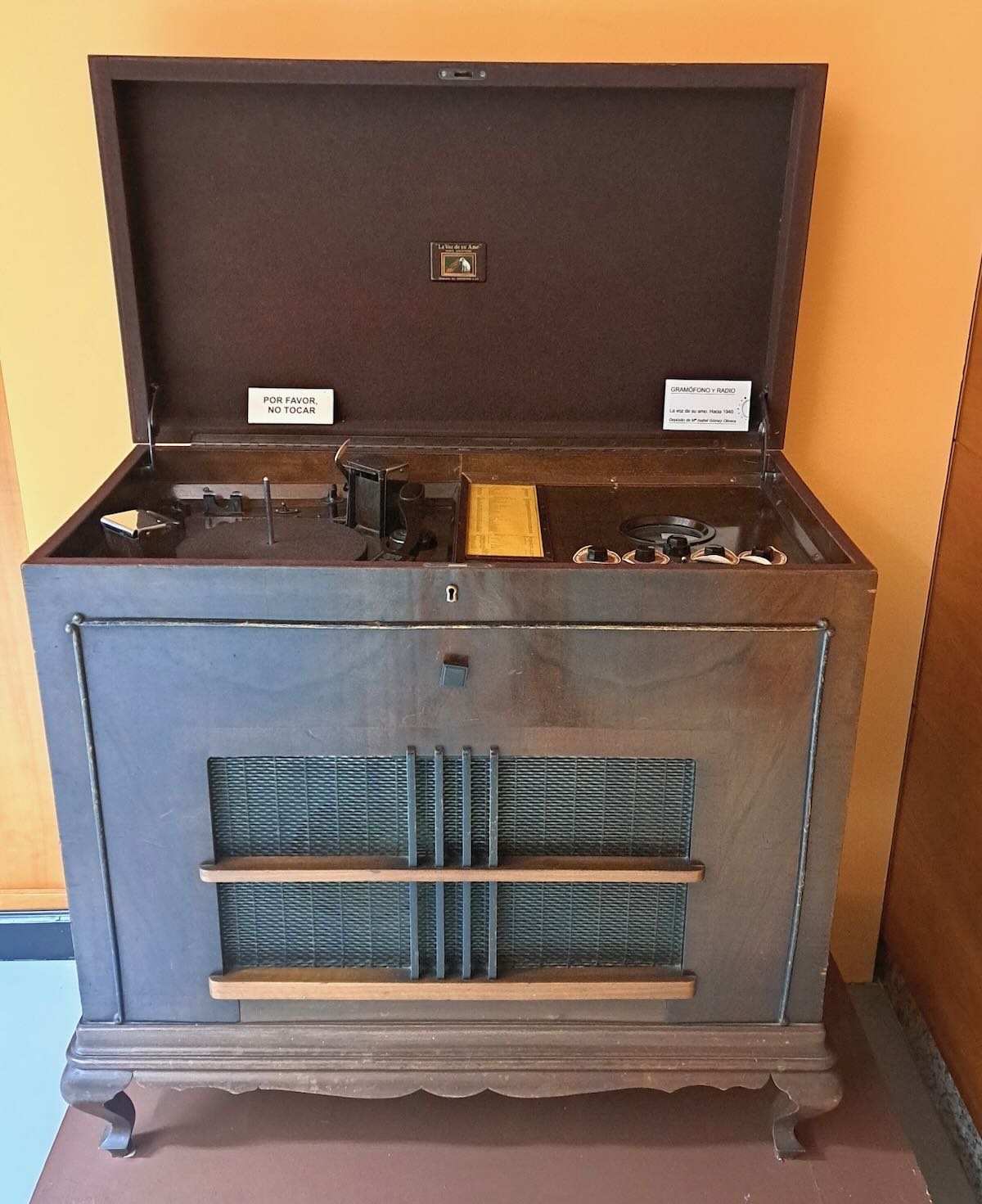
This 1940 RCA radio/phonograph is one of the few items that didn’t belong to Agustín De Castro. What caught my eye was the original station list inside.
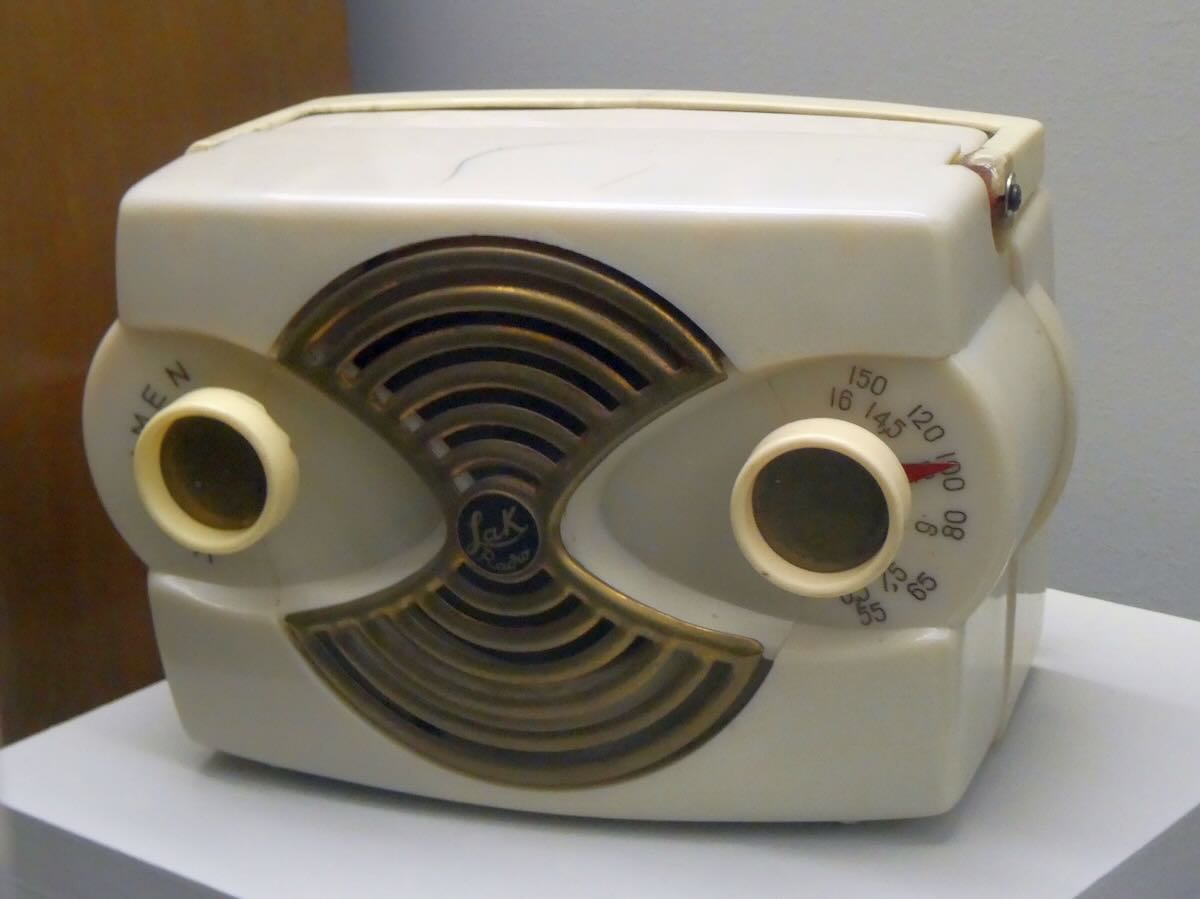
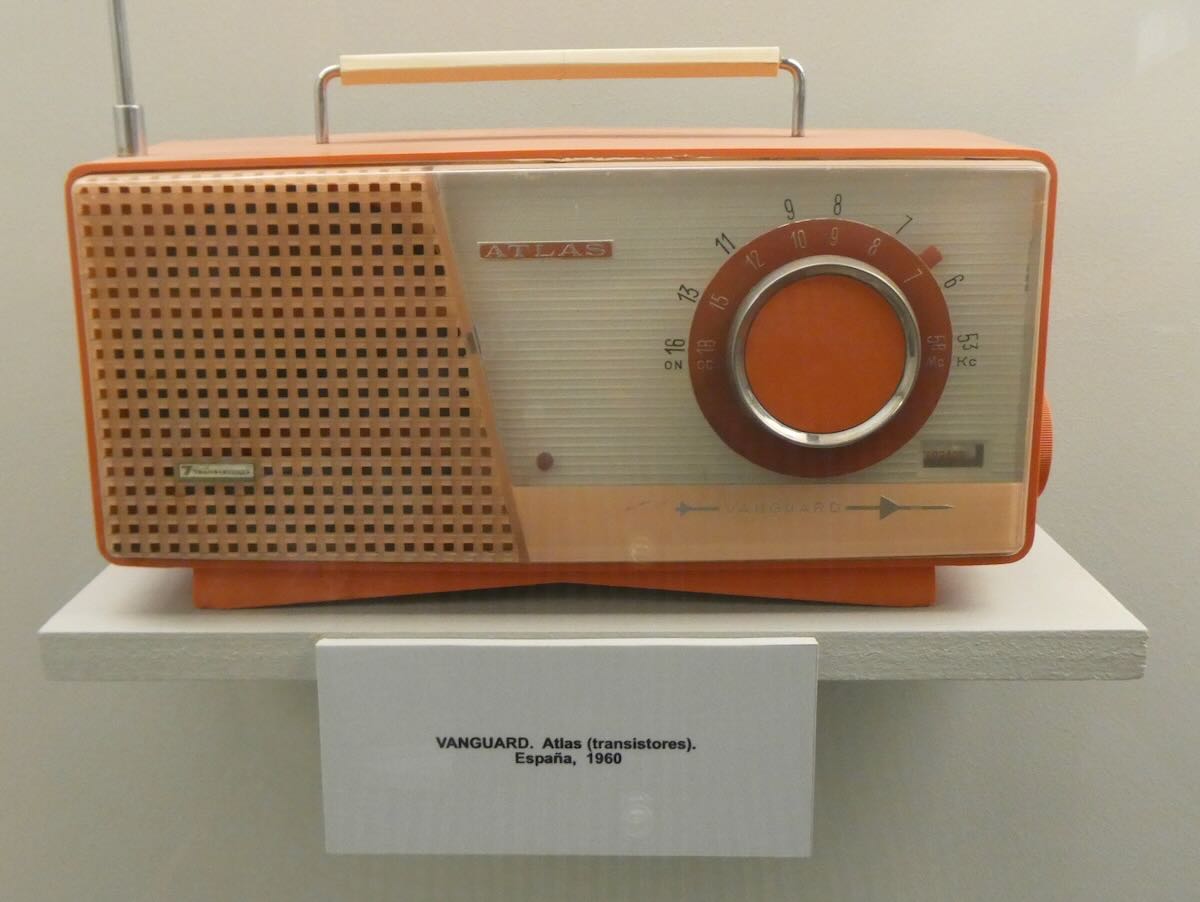
The LAK Radio was a small set made in Spain in 1950. It’s also medium wave and shortwave, but now the shortwave dial has frequencies instead of wavelengths. Likewise, the 1960 Vanguard Atlas from Spain uses only kilocycles.
Two Unusual Designs

The next two sets will show that there were some rather unusual designs coming out of France. This first set is a Philips A-48-U made in France in 1942. The dial is on a panel that folds down when the radio is being used and then snaps back up when it’s not in use. I think the idea is to give the user a way to put the radio away without having to move it. Notice that the knobs are also mostly hidden. The tuning knob just barely sticks out from the front of the fold-down panel. Two other knobs are at the bottom of the speaker grill on either side.
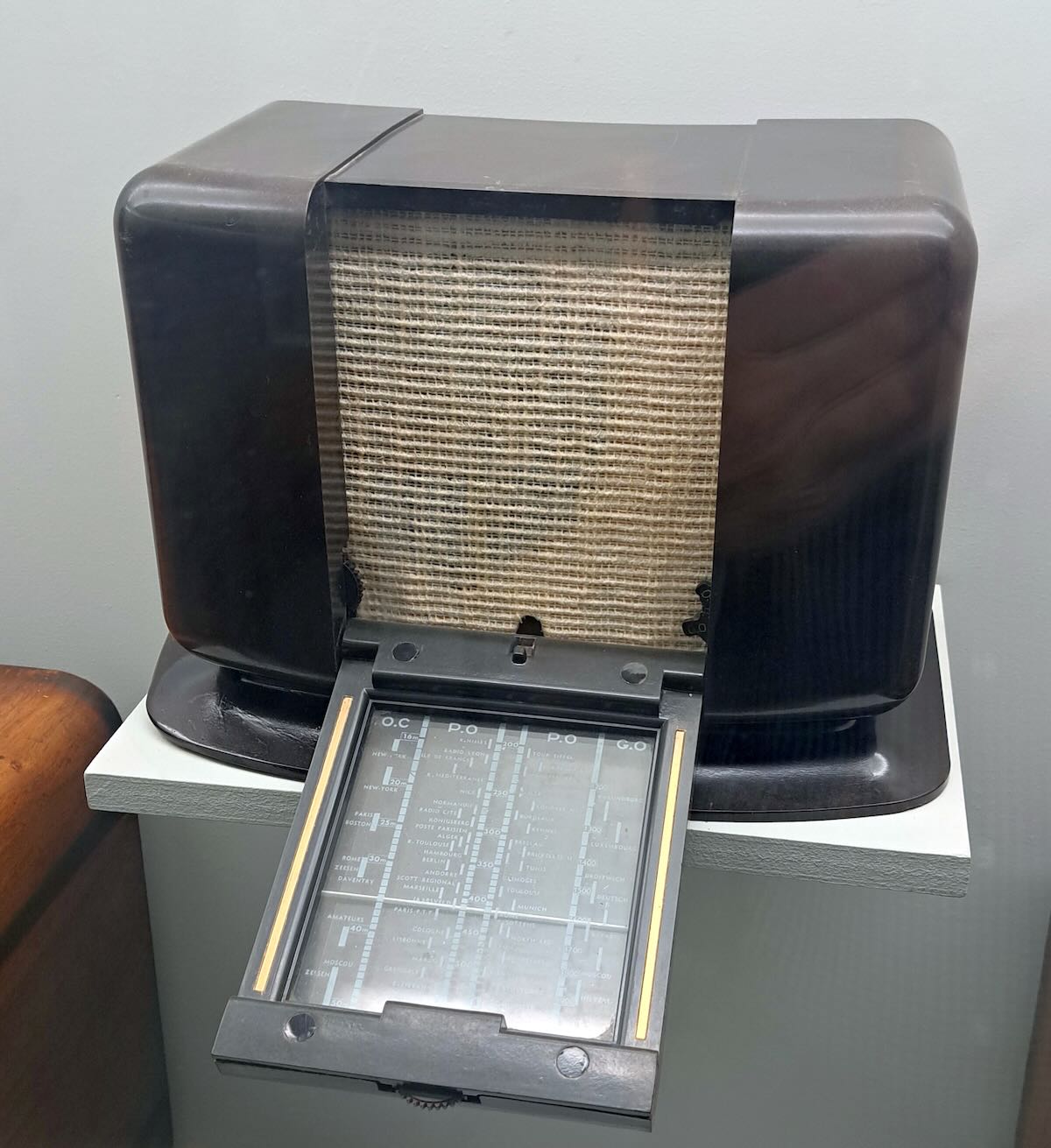
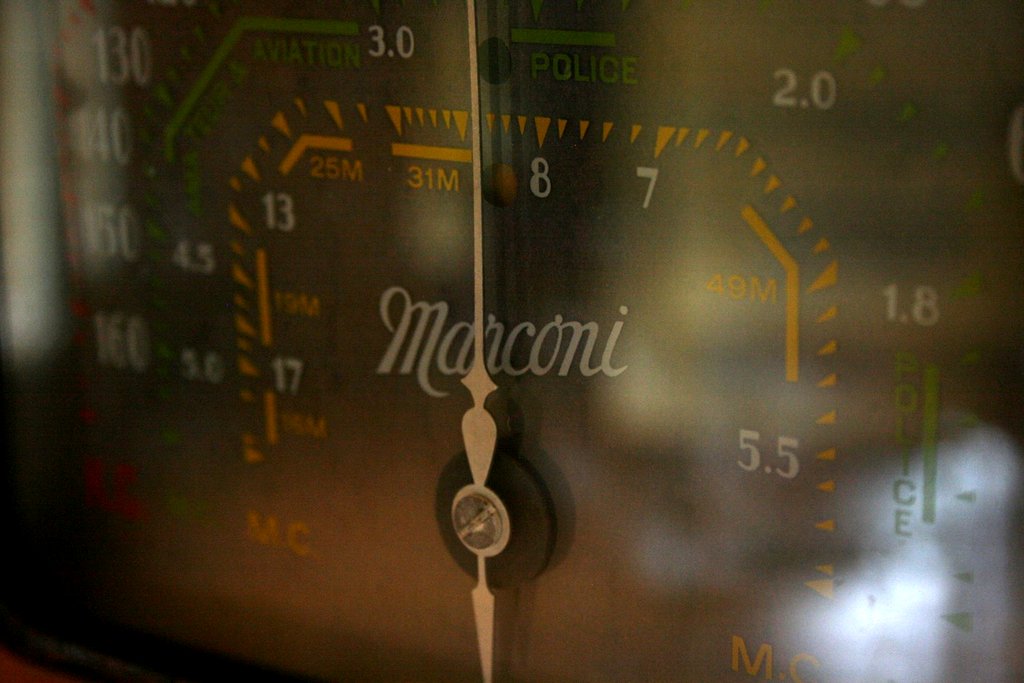
I wish I could have gotten a better picture of the dial markings on this, but there was too much glare at other angles. The A-48-U was only produced in 1941-42 in Paris, which would have been under Nazi occupation at the time. Nevertheless, the dial still lists Daventry, London, and Droitwich, although it would have been illegal to listen to those British stations in occupied France. The dial also shows New York, Boston, and Moscow, but it’s possible the plates were made before the USA and USSR were part of the war. Continue reading
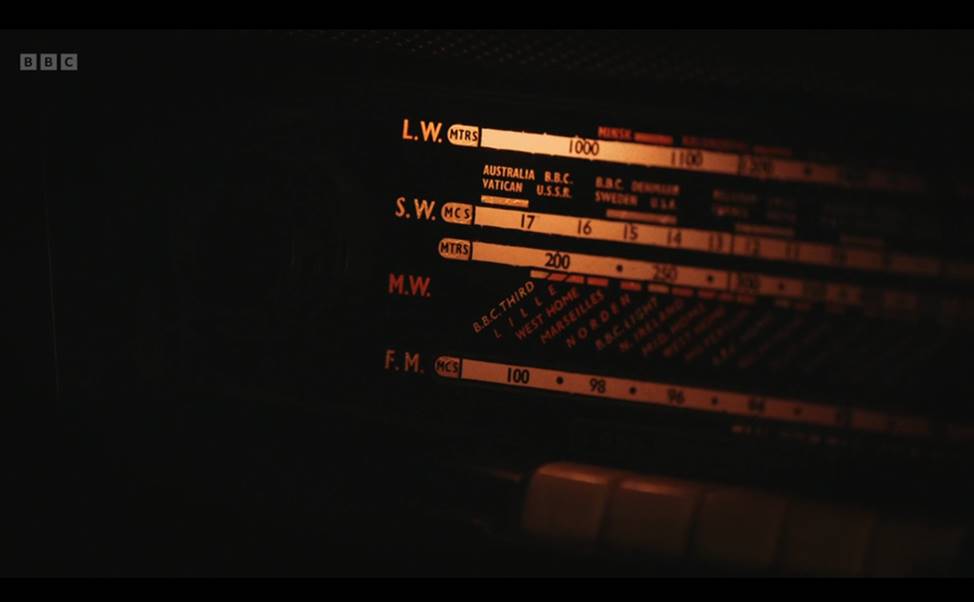
Anachronism Alert: FM on a Radio in the WWII Blitz?

Many thanks to SWLing Post contributor Paul, who writes:

Hi Thomas, while watching this documentary from the BBC telling how people Northern Ireland survived the Blitz in World War 2. I spotted this glitch. The picture is from a scene when Prime Minister Neville Chamberlain declared war on Germany.

It will be noted that the radio’s dial has an FM band. FM broadcasting commenced in the UK in 1955.

Cheers

Paul
Christchurch,
New Zealand

You’ve a keen eye for detail, Paul. Thanks for sharing.

VON Shortwave Revival and New Vintage Radio Book

Image Source: Elektor Magazine

Many thanks to SWLing Post contributor David Iurescia, who shares the following two tips:

VON DG pledges reforms, revival of shortwave broadcasting
In a recent announcement, the Director-General of the Voice of Nigeria pledged significant reforms, including a revival of shortwave broadcasting. This could mark an important step in restoring global access to VON programming, especially for listeners in areas with limited internet infrastructure.
Read the full article at The Guardian Nigeria

New book explores vintage radio equipment
If you love classic radio gear, you might enjoy this newly available book that explores vintage radio equipment, covering both its historical significance and technical details.
Read the Elektor review and learn more

A Vintage Radio Sparks Family Connection

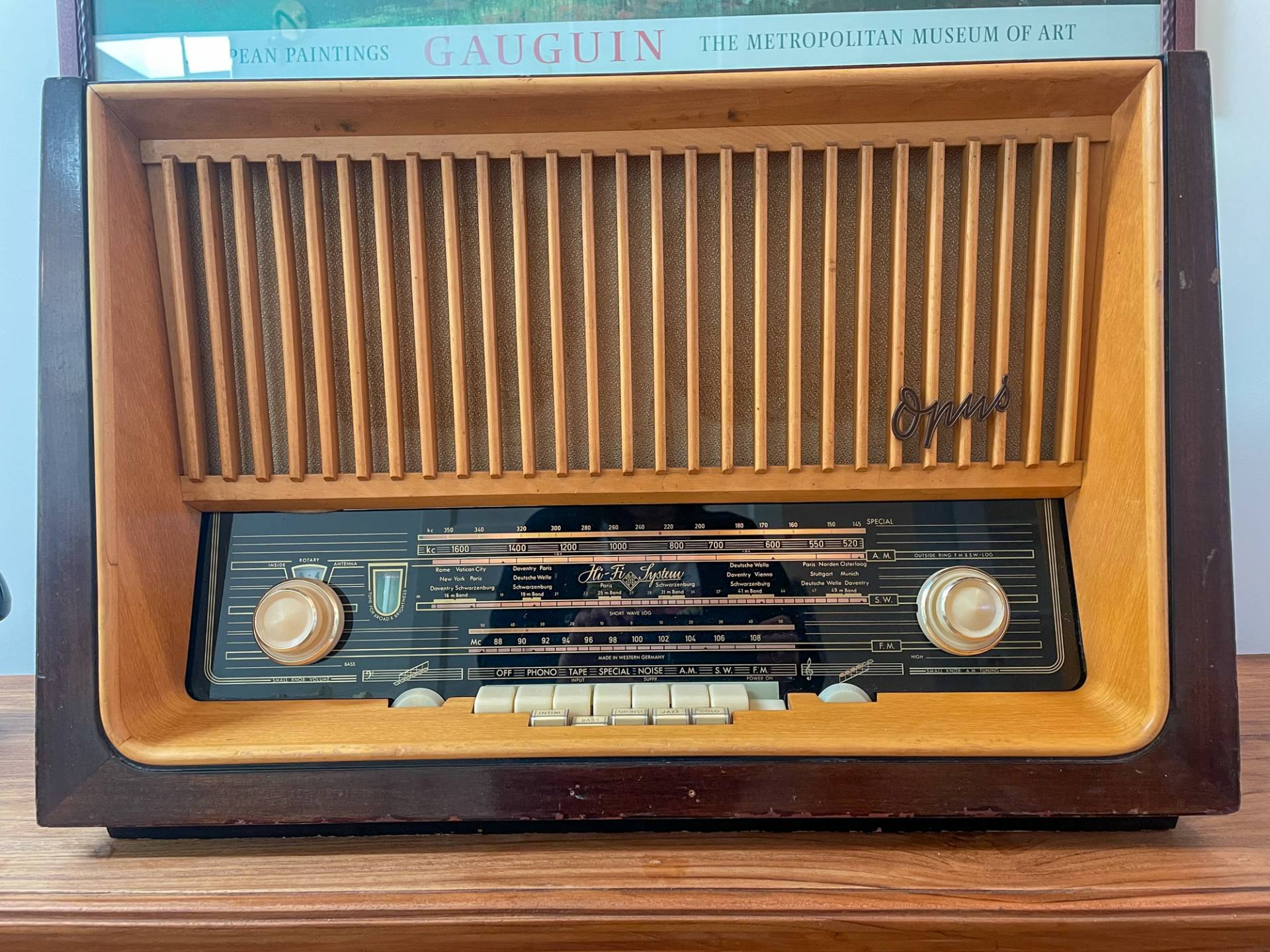
Rachael Myrow discovered her father’s Telefunken Opus 7. (Photo: KQED)

Many thanks to SWLing Post contributor David Iurescia for sharing this touching story from KQED: “How a 1957 Vintage Radio Rekindled a Daughter’s Bond With Her Dad.”

A beautiful piece about memory, connection, and the emotional power of radio.

Read it here: https://www.kqed.org/news/12047317/how-a-1957-vintage-radio-rekindled-a-daughters-bond-with-her-dad

Famous Collins Transceiver in Apocalypse Now

by Dan Robinson

We have seen so many great receivers and other equipment appear in movies, it’s surprising that this one may have slipped by our Radios in Movies radar.

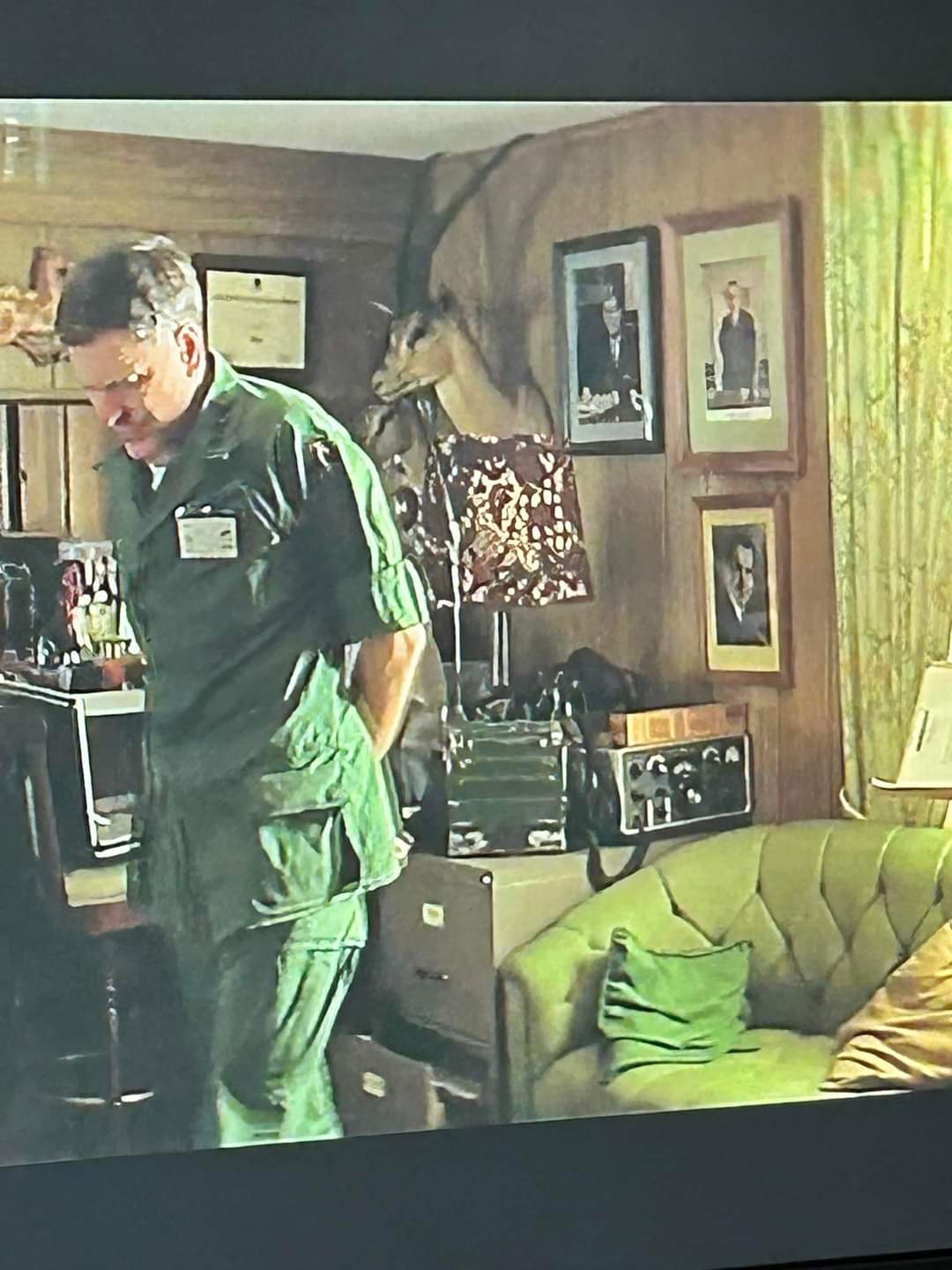
In Apocalypse Now, the classic 1979 epic war film produced and directed by Francis Ford Coppola, Captain Willard (Martin Sheen) is briefed in a hotel room in Saigon about Colonel Kurtz (played by Marlon Brando), the renegade Special Forces officer who is accused of murder and presumed insane. The scene includes Harrison Ford (by the time the movie came he had become a big star with Star Wars) who tells Sheen that Kurtz is to be “terminated”.  

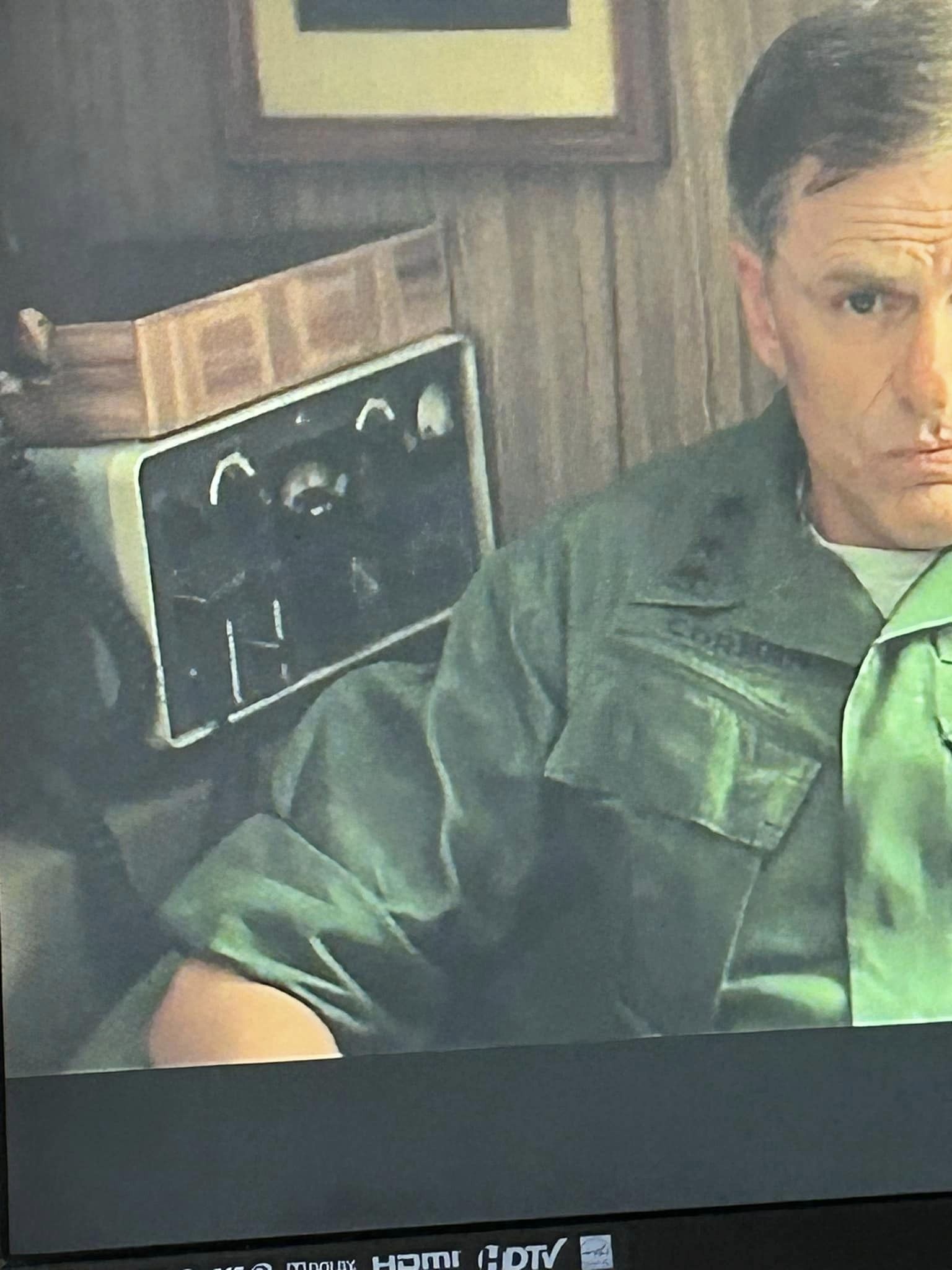
But as we’re reminded in a post on the Collins Collectors Facebook page, a famous radio is sitting on a file cabinet in this scene — identified in the collector group as a KWM-2A.

It’s another reminder of how many great examples of amateur radio and other equipment have played roles in great movies!  


Back When You Had to Pay: Radio Receiving Licences in Canada

Many thanks to SWLing Post and SRAA contributor, Dan Greenall, who shares the following guest post:


THE DAY YOU HAD TO PAY: Radio Receiving Licences in Canada

by Dan Greenall

MANY of us who are licensed [Canadian] amateurs can appreciate the fact that we are no longer subject to an annual licence renewal fee. As of April 1, 2000, that practice was discontinued by Industry Canada as a new streamlined authorization procedure was put in place for the amateur radio service. This came as a pleasant surprise to many who were paying $24 per annum per licence up until that point.

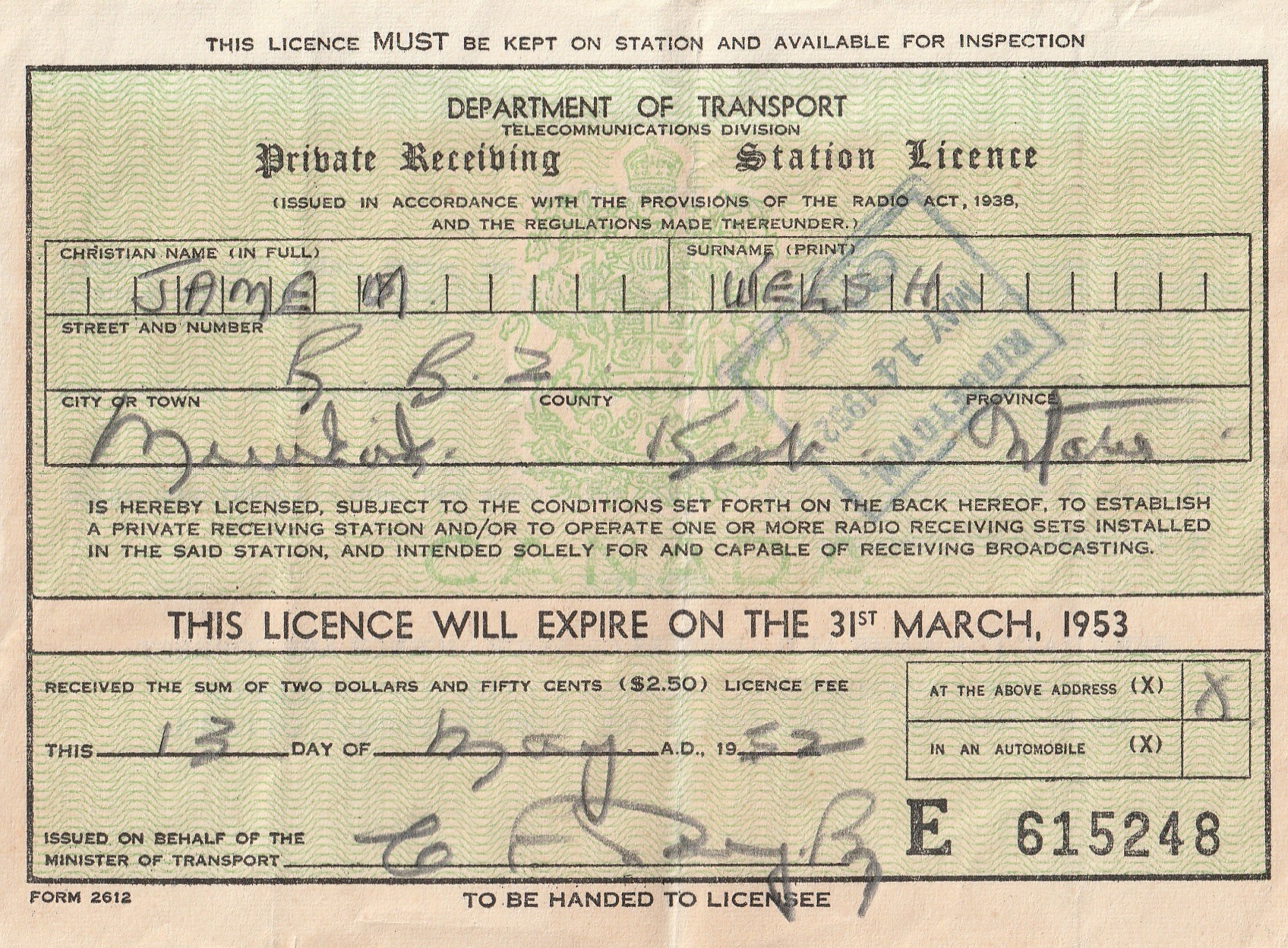
What many of us may not realize is that, prior to 1953, Canada had a licensing system in place for your radio receiver. Under the Radiotelegraph Act of 1913, a government minister (for most of this period, the Minister of Marine and Fisheries) had the power to license radio broadcasting stations and to charge a $1 licence fee on each receiving set. By 1929 three hundred thousand licenses were bought at $1.00 each.

An article appearing on the Friends of Canadian Broad- casting website a few years ago stated that the annual licence fee for receiving sets doubled to $2.00 in 1930. It was also noted that this was a lot of money during the Depression days that followed and two bucks could buy more than 40 loaves of bread. As a result, so the story goes, “harassed citizens” would try to outwit approaching government collectors by passing word along in time for their neighbours to shut off their radios and lock their doors.

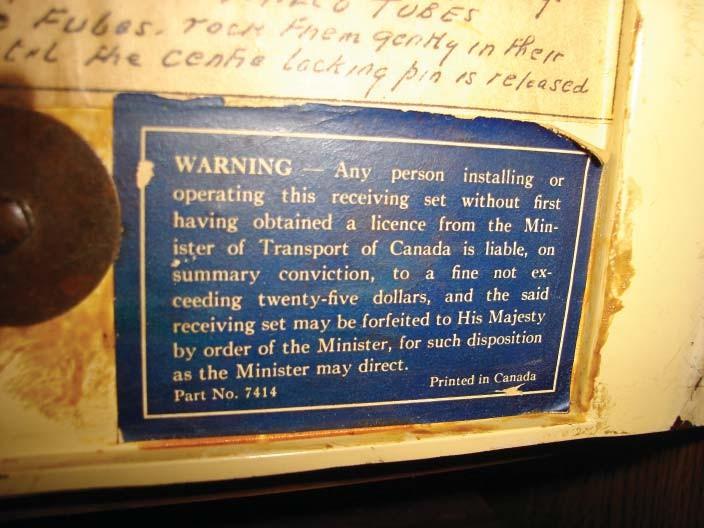
During much of this period, radios that were made in Canada bore a “Warning” sticker such as the one in the accompanying photo. It stated that anyone convicted of operating the receiving set without first having obtained the proper licence could be liable to be fined for up to $25 and have their equipment confiscated. As noted in the book Radios of Canada by Lloyd Swackhammer, the penalty in 1924 was $50.

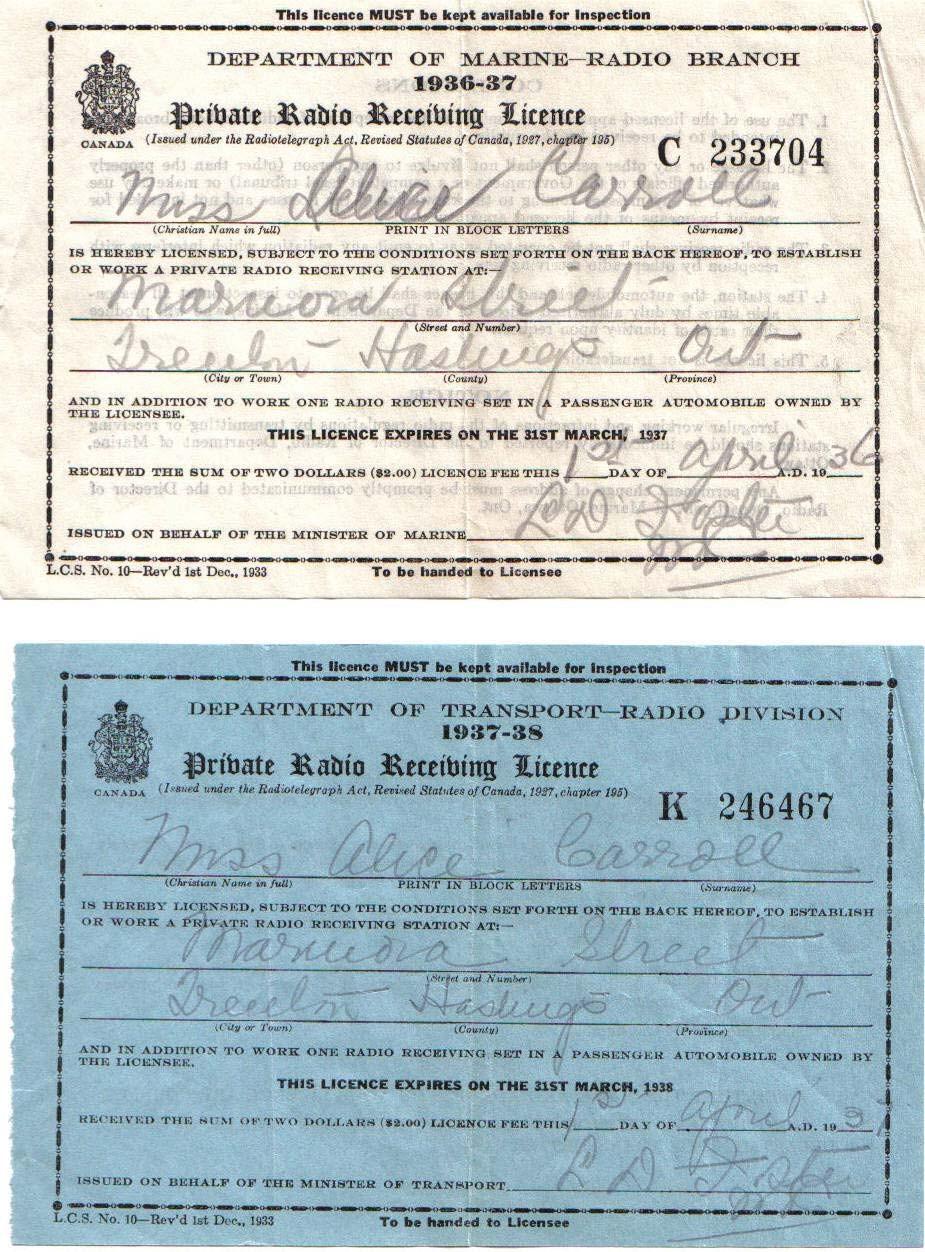
As you can see from the attached copies, such licences were being issued by the Department of Marine Radio Branch in 1936. In 1937, it was the responsibility of the Department of Transport – Radio Division.

Then in 1938, the DOT upped the fee to $2.50. It was another 15 years until this practice was finally abandoned.

So the next time you sit back and flip on the switch of your receiver, you might now have a greater appreciation of a privilege that most of us now take for granted.

The Sony ICF-8000: Bob’s nostalgic journey

Many thanks to SWLing Post contributor, Bob Butterfield, who shares the following guest post:


The SONY ICF-8000

By Bob Butterfield

As many radio enthusiasts have experienced there are some pieces of equipment that come and go for a variety of reasons.  Many times, there are regrets about radios or accessories that are here one day and then gone another.  Years ago, I was gifted a Sony ICF-8000 “Super Sensitive” FM/MW/SW portable radio.  My ICF-8000 was one of those that “went.”  To tell you the truth, I am not actually sure where it went off to!  In those days I used my “Super Sensitive” radio on vacation trips, on the back deck, and for local MW/FM and casual SW listening.  When a new position with the Government necessitated relocation, I left this radio behind at my parents’ house where it was regularly used by my mother in the kitchen.  That is when things get fuzzy.  Suffice it to say that I am not sure what happened to it.

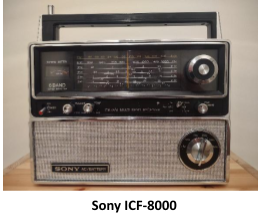
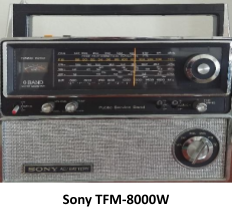
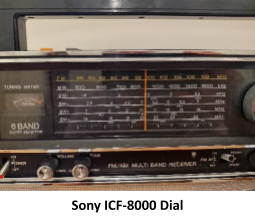
As far as I can determine, the Sony ICF-8000 is a close relative of the earlier Sony TFM-8000W, another “Super Sensitive” model.  What sets them apart is that the Sony TFM-8000W has the Public Service Band (PSB) and the Sony ICF-8000 does not.  The ICF-8000 has its SW bands spread out into 4 bands: 1.6 to 3.5, 3.5-7, 7-14, and 14-26.1 MHz.  In contrast the TFM-8000W has a slightly shorter SW frequency range split into three bands: 1.6-4, 4-10, and 10-22 MHz.  Both radios have continuous coverage with no gaps from MW to SW as well as FM.  These radios are almost identical in appearance.  Other than the PSB and three SW bands on the TFM-8000W, the only other visual differences from the ICF-8000 are how the bands are arranged, identification of the Public Service Band on the face plate, and the addition of an on/off squelch toggle switch for the PSB.  Internally the TFM-8000W has a couple more semi-conductors.  In line with these two radios is the older Sony TFM-1600W “Super Sensitive” which came out circa 1971, has its own distinctive but similar appearance, and is set up like the ICF-8000 with FM/MW/SW.

A while ago the “I used to have that radio nostalgia bug” hit me, and I have been searching since for a decent ICF-8000 to purchase.  Sony TFM-8000Ws in decent shape are up for sale on eBay on occasion, but I was looking for the ICF-8000.   Finally, I spotted one recently (which was listed as a TFM-8000W!) at a price and condition I was comfortable with.  After negotiation with the seller, I purchased it.   There is some useful information on the Web about the Sony TFM-8000W.  Jay Allen has a good piece on this unit worth checking out.  The Sony ICF-8000 appears to be much harder to find, information on the Web is skimpier, and I am not sure how long they were produced.  It is quite possible that its production run was limited.  Manufacturing likely started in 1976 when it probably replaced the Sony TFM-8000W.  One reference I located on the Web listed the ICF-8000 being made as early as 1974 but provided no source.   I also found evidence of at least two versions of ICF-8000s being produced; one with a switch located in the battery compartment allowing multiple different voltages including that for Japan, and one operating on 120 volts only.  The corresponding model number identification panels on the rear are annotated accordingly with voltages available.  Both versions have “FM/AM Multiband Receiver” lettering on the face plate.   Sony, like Panasonic, often tweaked models for domestic and foreign markets, adding or modifying features to fit those markets accordingly.  If anyone has more information on these models, year(s) manufactured, availability of free manual copies, etc., drop them in the comments section.

The Sony ICF-8000 I purchased was in very good shape having just some minor imperfections showing on the faceplate paint. No cleaning was necessary, nevertheless I gave it one.  All switches were quiet and functioned as they should.  A nice feature of the ICF-8000 is its exceptionally smooth tuning mechanism which utilizes a flywheel.  In addition, on my radio, the tuning scale is practically spot-on on all the bands.  Not usually the case in an analog set of this type forty-five plus years old.  When added to the fact that the SW frequencies are spread out in four bands instead of three, tuning is easy.  The presence of a fine-tuning knob is a nice touch and can be useful.  Also available is a tone control knob, signal/battery strength meter, a lighted dial, AC/DC capability, external antenna connection, world time calculator wheel (at the rear on the battery compartment cover), and a dual FM AFC and AM Broad/Sharp bandwith control.

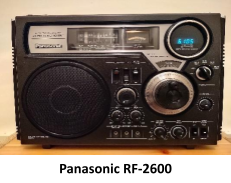
Nostalgia aside, the Sony ICF-8000 has provided reliable performance on all bands so far.  MW sensitivity is adequate while SW reception is above average using the built-in telescoping antenna which measures 44 inches (111.75 cm) in length.  I did a limited shortwave reception comparison in the 49-meter band between the ICF-8000 and the Panasonic RF-2600 with its 37 inch (94 cm) built-in telescoping antenna and found the Sony performing equally with the Panasonic; at times even better perhaps due to its longer antenna.  When connected to an external 75-foot (22.86 meters) longwire I found the ICF-8000 shortwave reception to be particularly good.  I did not experience any overloading, nor did I encounter multiple images.  The sound was, as others have attributed to the TFM-8000W, “mellow”.  If this is not to your liking on the shortwave bands the tone adjustment is useful.   Noise levels were well tolerated.  I suspect that the Sony TFM-8000W would perform similarly.

Is the Sony ICF-8000 a fantastic DX machine?  No, it is not.  Is it “super sensitive”?  Maybe not “super,” but definitely above average, and surely sensitive enough for general listening.  Is it an attractive, affordable classic, easy to use, and sturdy radio with decent performance that can hold up through the years?   I think so.  Does it bring back fond memories?  Absolutely!