
Tag Archives: SOS

Video: The Origins of the SOS Distress Signal

Many thanks to SWLing Post contributor Fred Waterer for sharing this video from the YouTube channel “Today I Found Out” about the origins of the SOS distress signal:

How Did ‘SOS’ Become The Universal Distress Signal?

Three dots. Three dashes. Three dots. Even if you don’t know a single other letter of International Morse Code, chances are you immediately recognized the unmistakable rhythm of “SOS”. It is the universal distress signal, understood in nearly every country and language and appearing everywhere in pop culture including songs by artists as diverse as ABBA, Rihanna, and Great Big Sea. And with good reason: endlessly versatile, SOS can be tapped out on a telegraph key or spoken aloud over voice radio, flashed using a signal mirror or flashlight, written out in the snow or sand, or – if you happen to be held under duress – blinked out with your eyelids. But how did this seemingly random string of letters come to be the universal code for shit hitting the fan, and do the letters actually mean anything? Well, tune your radio transmitters, warm up your signalling fingers, and let’s find out, shall we?

Author: Gilles Messier
Host: Simon Whistler
Editor: Daven Hiskey
Producer: Samuel Avila
Click here to view on YouTube.

The first maritime radio distress call

(Source: The Telegraph via Mike Barraclough on Facebook)

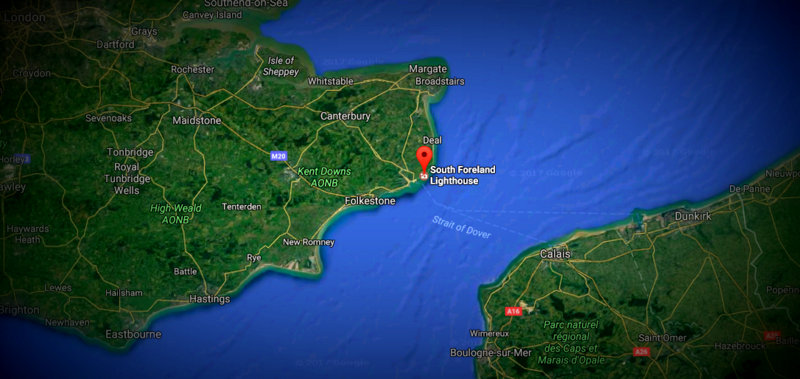
On 17 March 1899, the East Goodwin Sands Lightship, operating under a licence from the General Post Office, BT’s predecessor, sent a signal on behalf of the merchant vessel Elbe, which had run aground on the treacherous Goodwin Sands off the coast of Kent.

The message was received by the radio operator on duty at the South Foreland Lighthouse, who was able to summon the aid of the Ramsgate lifeboat.

Goodwin Sands featured again a few weeks later when, on 30 April 1899, the East Goodwin Sands Lightship sent a distress message on her own account when she was rammed by the SS R F Matthews.

Rather than the now-famous signals of “SOS” or “Mayday”, the recognised call sign for ships in distress at the time was “CQD”. Devised in 1904 by the British Marconi Society, it was popularly mistaken to mean “Come Quick – Danger” or, more bleakly, “Come Quickly – Drowning!”. However, its actual official meaning came from the land telegraph signal CQ – “sécu” from the French word sécurité – followed by D for Distress.

The “SOS” Morse code signal – three-dots/three-dashes/three-dots – was established as an International Distress Signal, agreed at the Berlin Radio Conference on 3 October 1906 – though the signal wasn’t formally introduced until 1 July 1908.

Continue reading the full story at The Telegraph online.