
 by Dan Greenall
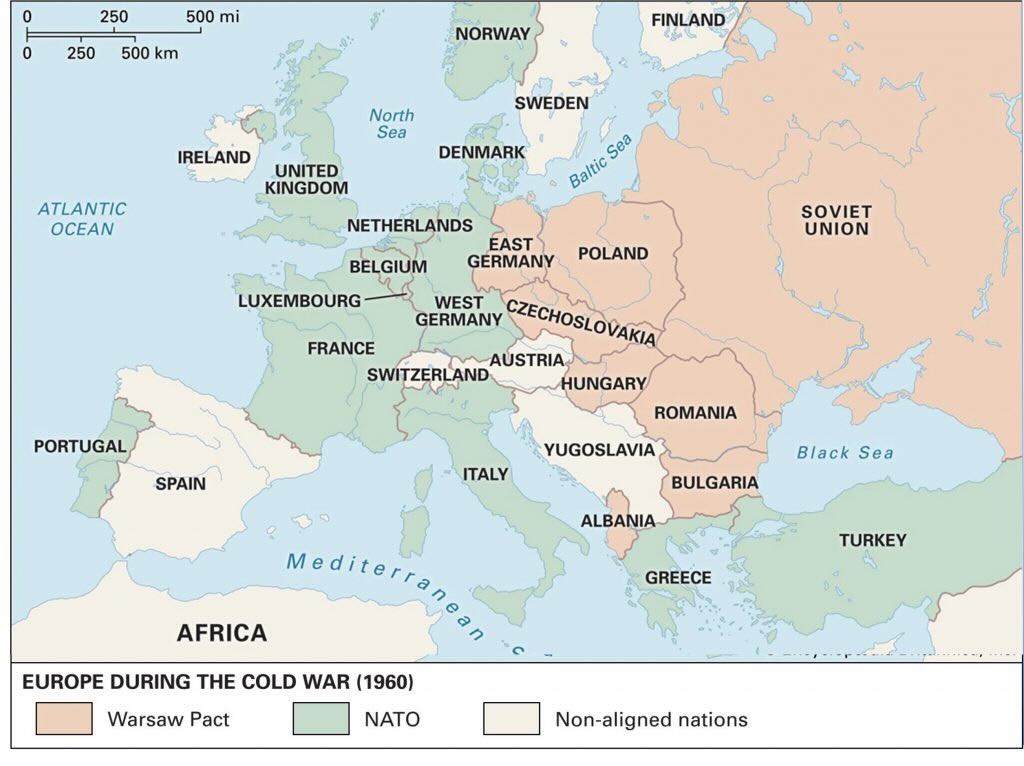
During the Cold War years, many different signals could be found on shortwave that cannot be heard today. For example, there were two Germanys, several broadcasters from the USSR not including Radio Moscow, Radio Free Europe and others.
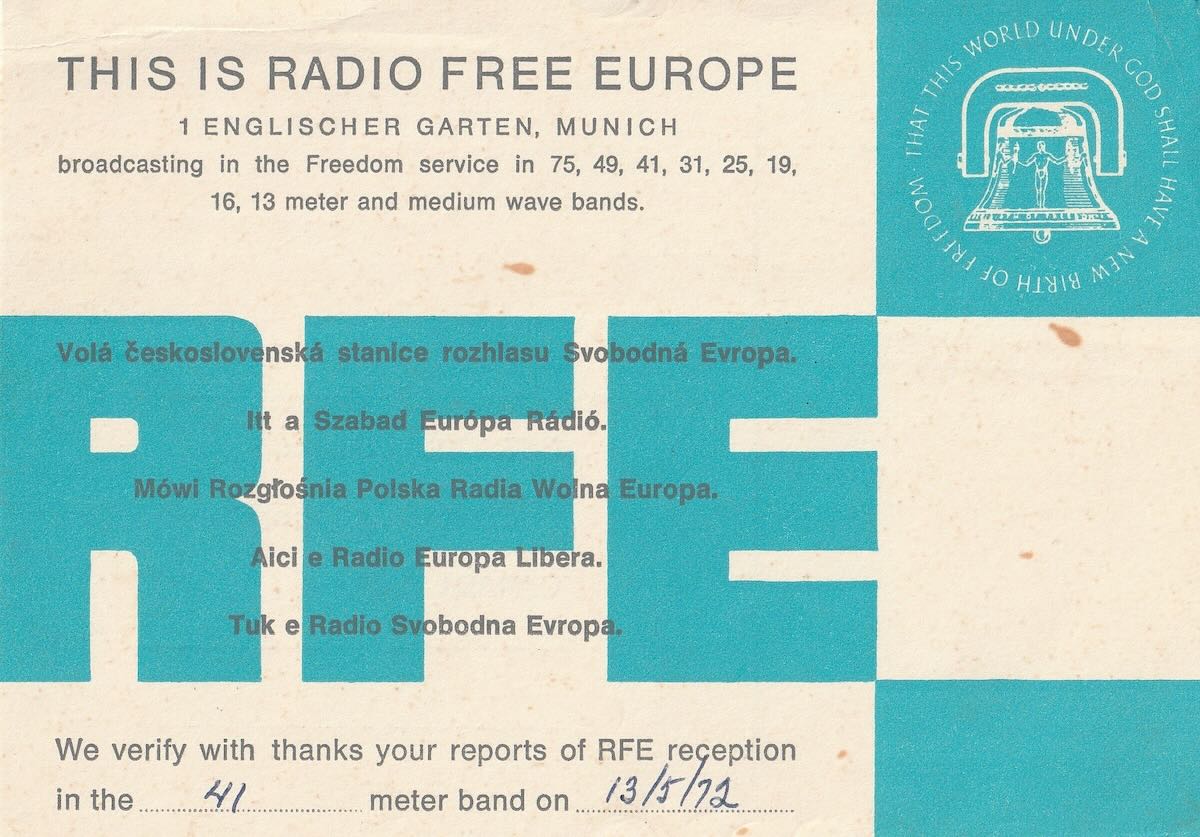 I have uploaded audio clips of these stations and others to the InternetArchive.
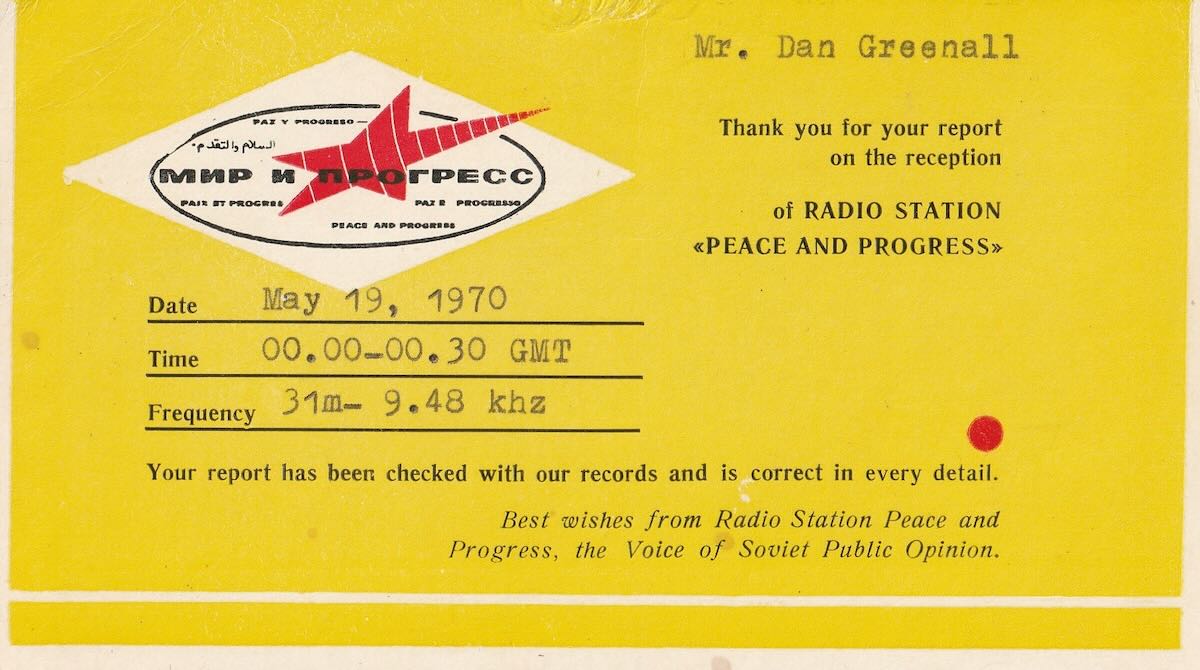 Here are a few of the links.
https://archive.org/details/rbi-berlin-gdr-1970
https://archive.org/details/radio-rodina
https://archive.org/details/radio-free-europe-1971
If you were adventurous like me, willing to tune outside of the regular assigned broadcast bands, and flip the BFO switch “on”, stations with odd sounding names like Giant Step, Sky King, Fanfare or Ivanhoe could sometimes be heard. These were typically tactical calls used by the U.S. military.
I recently dusted off an old 3-ring binder to look up what were some of the tactical callsigns that I was able to log from my southern Ontario listening post. They included Missionary, Toreador, Democrat, Retail, and Capsule.
My old recordings of stations “Pawnee” and “Fanfare” can be found on the Internet Archive here:
https://archive.org/details/u.-s.-navcomsta-aok-rota-spain-pawnee
Pawnee:
Fanfare:
Information about these stations was hard to find, however, radio hobby magazines and SW club monthly bulletins were a good place to look. I have reprinted (below) some related material from Communications World magazine, which ran from 1971 to 1981.
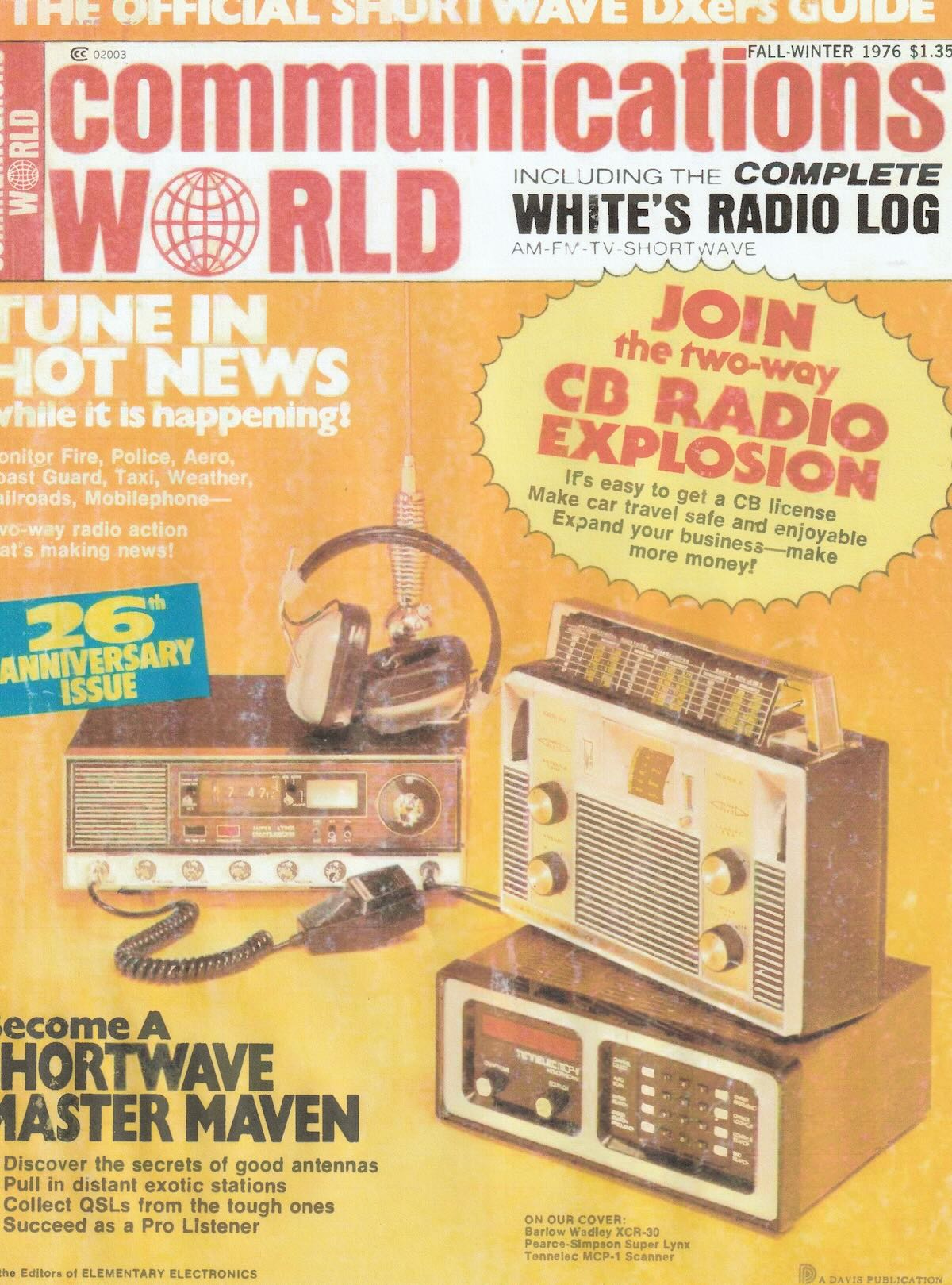 If you would like to browse through all of their publications, follow this link:
https://www.worldradiohistory.com/Communications_World.htm
CW Fall-Winter 1973 pages 32-3
“The Navy also has its point-to-pointers, including NSS, Washington D.C.; NPM, Pearl Harbor, Hawaii; and NPG, San Francisco. Overseas there are Navy stations in many locations, such as Naples, Italy (NNI), Londonderry, Northern Ireland (NST), Roosevelt Roads, Puerto Rico (NRR), San Miguel, Philippines (NPO), and elsewhere. Some military stations use tactical call names, rather than call letters, which makes the DXer’s hopes of identifying them rather slim. For security reasons these stations identify with names such as Overland, Kingfisher and the like. These call names are changed frequently and seldom is the hobby listener able to figure out just where the station he’s hearing is located. Some of these identifiers have been used so consistently, over the years. that DXers have managed to figure out their real identities. Toreador, for instance, is a name used by Navy Operational Radio, San Francisco; Pacific Radio is at Pearl Harbor; Ivanhoe is the U.S. Naval Communications Station, Norfolk, Virginia; and a whole series of stations using the code name Raspberry (as in Raspberry Jax, located at the Naval Air Station, Jacksonville”
CW Spring-Summer 1975 page 36
“SWLs will soon note that the armed forces don’t always use call letters. Instead, tactical call signs may be used to identify the station. You might, for instance, hear a station calling itself Ivanhoe or Capsule. Looking Glass or Migraine. Some tactical calls are changed frequently, others are used year after year and, as a result, no longer pose identification problems for the utility SWL. “Ivanhoe” is the identifier used by the Navy’s important Norfolk, VA base. Navy installations in Morocco. Iceland and Spain identify as “Fanfare,” “Port Call,” and “Pawnee,” respectively. The U.S. Air Force’s Strategic Air Command (SAC) has for years maintained a regular airborne alert. It is no military secret that at any time, day or night, SAC has jumbo bombers aloft—supposedly loaded with nuclear armaments—in readiness to retaliate should this country ever come under attack from an enemy. Clearly it is essential that these planes keep in continuous contact with ground command stations. Shortwave radio is one of the means employed. This SAC radio network is known as Sky King. Coded communications pass between SAC bases and the jets probably several times each hour. SWLs who stumble on these transmissions will hear, as part of the routine radio traffic, authenticator codes, usually two phonetic letters such as “Alfa-Tango.” The purpose of these codes is to assure plane commanders that the rest of the message is genuine. Various Air Force bases identify themselves in radio communications either by base name, such as “Hickam” (Hawaii’s Hickam Air Force Base), or by tactical calls. “Democrat” is used by March AFB, CA, and “Retail” is the call of Barksdale AFB, LA. SAC also has a flying command post, a back-up measure that supposedly would take command of SAC forces should “a nuclear attack wipe out the headquarters at Offutt AFB, NE. The command post in the sky uses the tactical call “Looking Glass.” Some SAC frequencies to watch are 6,762, 9,027, 11,220, 13,245, 14,744 and 17,875 kHz. There are other Air Force frequencies to watch for plane-to-ground. and vice versa, transmissions. Among them are 6,738, 8,764, 8,988, 9,020, 11,200. 13,201 and 17,993 kHz. “Raspberry” is a network tactical call used by naval air stations. “Raspberry Miramar” is the station at Miramar NAS, CA, and “Raspberry Jax” is Jacksonville, NASFL. You can find naval air communications in the 6.7, 8.7, 8.9, 11.2, 13.2 and 15.0 MHz frequency areas.”
CW (Fall-Winter 1976) pages 19-20
“The list of tactical calls is as long as your arm and most DXers find it very tough to connect a certain call with a particular service or military base. But here is a partial list of calls used by Air Force, Navy and a few Army operations. (Bergstrom AFB, TX), “Condor” (land mobile units), “Raymond 6” (George AFB, CA), “Raymond 24” (Little Rock AFB, 4LR). Pacific Missile Firing Range Network: “Plead Control” (Pt. Mugu, CA), “Outrider Control” (Barking Sands, HI). Strategic Air Command: “Skyking” (general call for airborne aircraft), “Outway” (Offutt AFB, NE), “Retail” (Barksdale AFB, LA), “Democrat” (March AFB, CA). Other Air Force “tacticals”: “Beaver Operations” (Ellsworth AFB, SD), “Letterman” (Hickam AFB, HI), “Hornpipe” (Cannon AFB, NM), Air Force Tactical Air Command: “Mainsail” (general call), “Fireside 1” (Langley AFB, VA), “Fireside 5” “Glucose” (Seymour -Johnson AFB, NC), “Lactose” (Shaw AFB, NC), “Fertile” (Homestead AFB, FL), “Acrobat” (Andrews AFB, MD), “Ringmaster” (NORAD Hq, Cheyenne Mt., CO), “Gull Monitor” (Keesler AFB, MS), “Format” (McGuire AFB, NJ). Navy Atlantic Command: “Ivanhoe” (Norfolk, VA), “Hampshire” (Ft. Allen, Puerto Rico), “Sheriff” (Bermuda) “Phenomenon” (Jacksonville, FL). Navy Pacific Command: “Butterfield” (San Diego, CA), “Dunkirk” (Honolulu) Other Navy “tacticals”: “Climax” (USS Enterprise), “Eagle Cliff” (USS .John F. Kennedy), “Jitterbug” (Balboa, Canal Zone), “Artesia” (Keflavik, Iceland) “Orange Juice” (Guam), “Missionary” (Norfolk, VA), “Top – hand” (Chief of Naval Operations), “T – Bone” (Adak, AK), “Sleepy Hollow” (Cutler, ME). Army “tacticals”: “Agitator” (Ft. Bliss, TX), “Civil Genius” (Ft. Huachuca AZ), “Popeye” (Ft. Bragg, NC), “Avon Studio” (Ohio National Guard), “Contact Tippic” (Indiana National Guard), “Flame Ivory” (Pennsylvania National Guard).”
I wonder if anyone else recalls hearing these? Please comment!