
Tag Archives: Antarctic Midwinter Broadcast

Please share your recording of the 70th Anniversary BBC Midwinter Broadcast to Antarctica here!

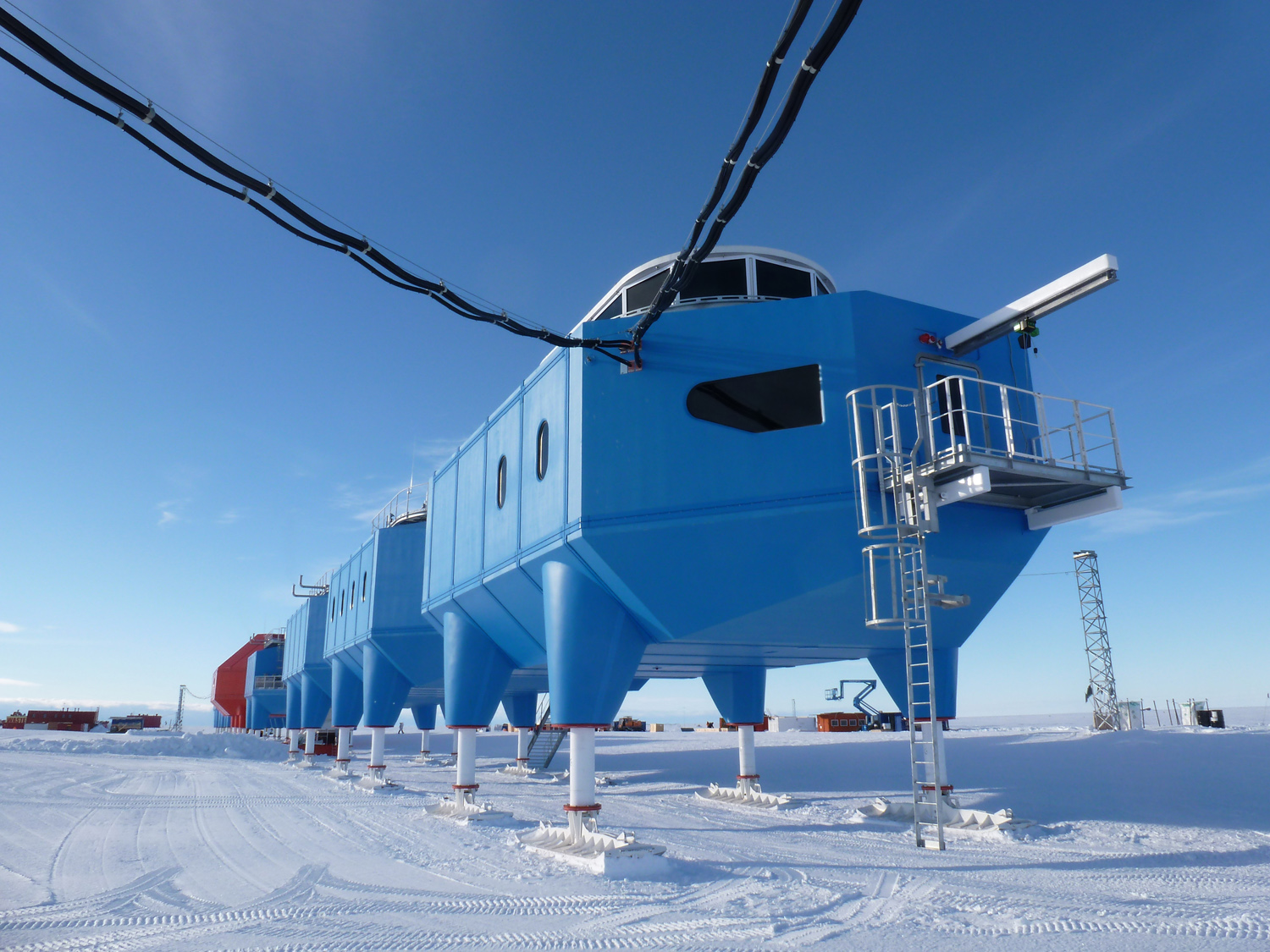
Halley VI Antarctic Research Station

In the comments section of this post, I’d like you to share your recording of the 2025 BBC Midwinter Broadcast to Antarctica!

Time and frequencies

Our intrepid contributor, Richard Langley, reports the following message from the British DX Club:

Shortwave schedule 2130-2200 UTC on 5960 UAE, 9575 Ascension Island, 12065 Woofferton (UK), 13810 Woofferton (UK).

Please comment with your recording on this post!
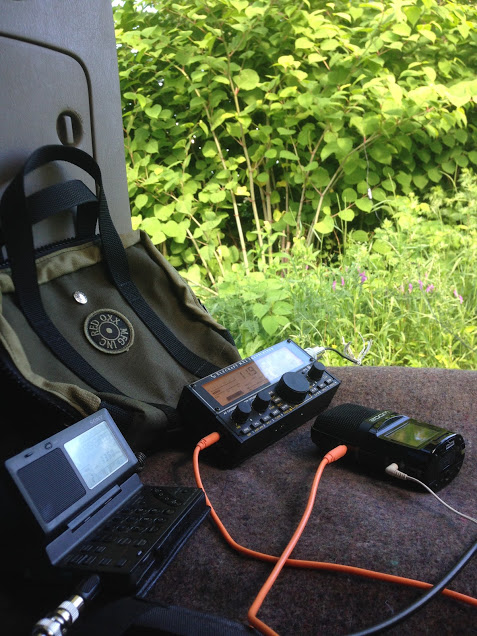
Listening to the 2017 BBC Antarctic Midwinter Broadcast from the back of my vehicle in Saint-Anne-de-Beaupré, Québec, Canada.

I’ve created this dedicated post where you can comment and include links to audio and video of your 2024 Midwinter Broadcast recordings. This will allow you to post your logs and recordings at your convenience without my availability becoming the bottleneck.

Here’s the format I’d like you to leave in your comment of this post:

Name:

Listening location:

Notes: (Include frequencies and any details about your receiver and antenna.)

Link to audio or video: (YouTube, Vimeo, Internet Archive, SoundCloud, etc.)

Video and Audio Recordings
There is no way to directly upload audio in your comments, however, you can link to the recordings if you upload them to the Internet Archive (which I’d highly recommend) or any of the video streaming services like YouTube and Vimeo–or audio services like SoundCloud.

To be clear: I will not have the ability to upload your videos for you–so please don’t email me your video files–you’ll simply need to upload them to a service above and share them here with a link in the comments. 🙂

As with each year, I’ll make sure the BAS team and the BBC receive a link with all of your recordings!
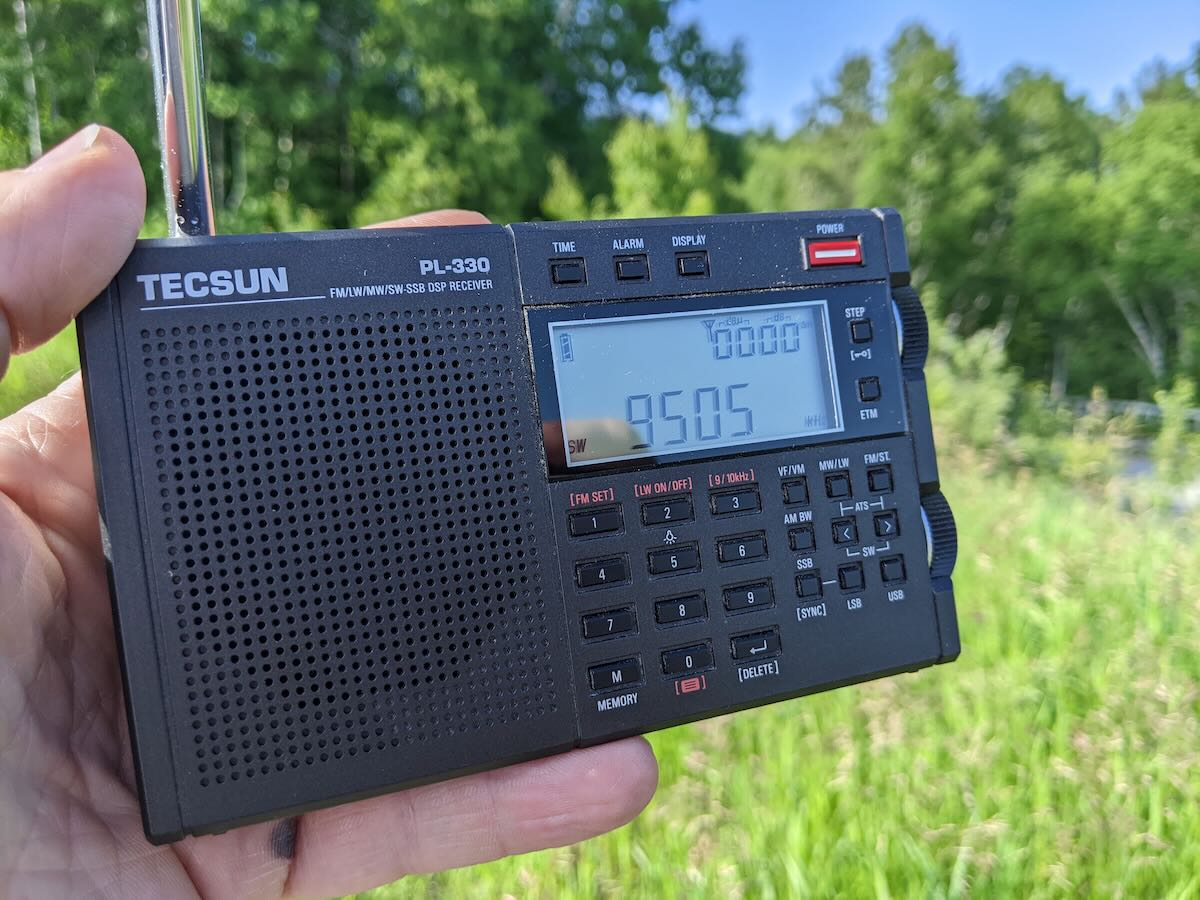
Help record the 2025 BBC Antarctic Midwinter Broadcast later today (June 21, 2025)

Every year, the BBC broadcasts a special program to the scientists and support staff in the British Antarctic Survey Team. The BBC plays music requests and sends special messages to the small team located at various Antarctic research stations. Each year, the thirty minute show is guaranteed to be quirky, nostalgic, and certainly a DX-worthy catch!

After successful listener events from years past, I’m once again calling on all SWLing Post readers and shortwave radio listeners to make a short recording (say, 30-60 seconds) of the BBC Antarctic Midwinter Broadcast today and share it here on the SWLing Post. Details on this below.

Time and frequencies

Our intrepid contributor, Richard Langley, reports the following message via the British DX Club:

Shortwave schedule 2130-2200 UTC on 5960 UAE, 9575 Ascension Island, 12065 Woofferton (UK), 13810 Woofferton (UK).

A slightly shorter version will be carried the same day from 1832-1900 UTC on BBC World Service English streams online as well as via DAB in the UK.

Recording the Midwinter Broadcast has become an SWLing Post community tradition! Read our previous post for more details.

I’m especially fond of this broadcast as it always falls on my birthday and it’s always fun capturing this unique DX!

Share your recording and notes with us!

Comment with your recording!

During the Midwinter broadcast, I will publish a dedicated post where you can comment and include links to audio and video of your 2024 Midwinter Broadcast recordings. When this post is available, I will link to it here. This will allow you to post your logs and recordings at your convenience without my availability becoming the bottleneck.

So that there’s no confusion, I’ve turned off comments on this post so that comments are left on the appropriate article.

Here’s the format I’d like you to leave in your comment of the dedicated post:

Name:

Listening location:

Notes: (Include frequencies and any details about your receiver and antenna.)

Link to audio or video: (YouTube, Vimeo, Internet Archive, SoundCloud, etc.)

Video and Audio Recordings

There is no way to directly upload audio in your comments, however, you can link to the recordings if you upload them to the Internet Archive (which I’d highly recommend) or any of the video streaming services–like YouTube and Vimeo–or audio services like SoundCloud.

If you have a photo you’d like to include in your comment, send me an email from the same address you used in your comment. I’ll manually post the image at the top of your comment when time allows.

As with each year, I’ll make sure the BAS team and the BBC receive a link with all of your recordings!
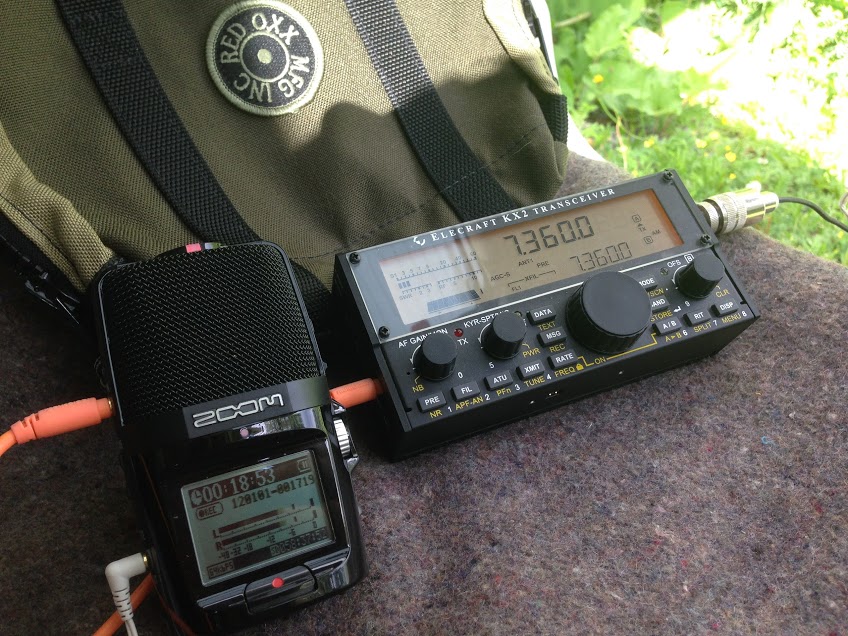
Antarctic Midwinter Broadcast 2025 – 70th Anniversary Edition: Tune in Saturday, June 21, 2025

Each year, we look forward to one of the most unique traditions in the world of shortwave radio: the BBC’s Antarctic Midwinter Broadcast—a special program beamed to a handful of overwintering scientists and support staff at British Antarctic research stations.

This year marks the 70th anniversary of the broadcast, and it promises to be a particularly memorable one. Hosted by Cerys Matthews, the program features personal messages from friends and family back home, as well as music requests from those wintering in Antarctica.

Halley VI: The British Antarctic Survey’s new base (Source: British Antarctic Survey)

SWLing Post readers around the globe regularly tune in and make off-air recordings of this remarkable broadcast, sharing reception reports and recordings from every corner of the planet. It’s one of our favorite annual traditions!

SWling Post contributor Richard Langley, noted that a test broadcast last Saturday (20:30 UTC) used the following frequencies:

  • 5960 kHz – UAE
  • 9575 kHz – Ascension
  • 13810 kHz – Woofferton

UPDATE (19 June 2025) – Richard adds the following:

According to the British DX Club:
“Saturday 21 June 2025: at 1832-1900 and 2130-2200 UTC.

BBC World Service annual mid-winter broadcast to Antarctica for British Antarctic Survey staff working at UK bases on Antarctica’s midwinter’s day.

Shortwave schedule 2130-2200 UTC on 5960 UAE, 9575 Ascension Island, 12065 Woofferton (UK), 13810 Woofferton (UK).

A slightly shorter version will be carried the same day from 1832-1900 UTC on BBC World Service English streams online as well as via DAB in the UK.”

Frequencies will likely be posted on this page for the official broadcast: https://www.bbc.co.uk/programmes/w3ct7zyv

As always, we’ll post an article here on Saturday as the broadcast begins, where you can share your own reception reports, audio clips, and impressions in the comments section—just as we’ve done in years past.

Stay tuned—once the official frequencies are confirmed, we’ll post them here as well.

Happy DXing, and let’s celebrate midwinter together—wherever you are in the world!

You Can Help: BBC Seeks Archived Recordings of Antarctic Midwinter Broadcasts

Halley VI Research Station on the Brunt Ice Shelf in Antarctica (Source: British Antarctic Survey)

Many thanks to SWLing Post contributor Richard Hollingham, Executive Producer of the BBC World Service Antarctic Midwinter Broadcast, who reached out with a special request to the SWLing community:

“It turns out that it’s now 70 years since the BBC partnered with the forerunner of the British Antarctic Survey to commence broadcasts, and we’re planning to include some archive in the podcast version of this year’s broadcast.”

Here’s the problem:

“Unfortunately, it turns out that the only recordings of the programme we—or the BBC—have are the ones that we have made [since about 2005]. Pre-2005 programmes have not been archived (tape was typically recycled).”

Richard is hoping that SWLing Post readers might have off-air recordings of the Antarctic Midwinter Broadcast from the 1970s, 80s, or 90s. If you’ve been collecting or archiving shortwave audio over the decades, please check your tapes, reels, or digital archives—you just might have a piece of lost radio history!

If you find a recording or think you may have something of interest, feel free to comment on this post and they’ll follow up with you directly.

Let’s help the BBC reconnect with this remarkable tradition and fill in the missing chapters!

Help record the 2024 BBC Antarctic Midwinter Broadcast later today (June 21, 2024)

Every year, the BBC broadcasts a special program to the scientists and support staff in the British Antarctic Survey Team. The BBC plays music requests and sends special messages to the small team located at various Antarctic research stations. Each year, the thirty minute show is guaranteed to be quirky, nostalgic, and certainly a DX-worthy catch!

After successful listener events from years past, I’m once again calling on all SWLing Post readers and shortwave radio listeners to make a short recording (say, 30-60 seconds) of the BBC Antarctic Midwinter Broadcast today and share it here on the SWLing Post. Details on this below.

Time and frequencies

Our intrepid contributor, Richard Langley, reports the following message from the British Antarctic Survey:

The BBC Antarctic Midwinter Broadcast will be transmitted at 21.30 GMT on 21 June on shortwave frequencies: 9585kHz, 11685kHz and 9870kHz.

Recording the Midwinter Broadcast has become an SWLing Post community tradition! Read our previous post for more details.

I’m especially fond of this broadcast as it always falls on my birthday and it’s always fun capturing this unique DX!

Share your recording and notes with us!

Comment with your recording!

During the Midwinter broadcast, I will publish a dedicated post where you can comment and include links to audio and video of your 2024 Midwinter Broadcast recordings. When this post is available, I will link to it here. This will allow you to post your logs and recordings at your convenience without my availability becoming the bottleneck.

So that there’s no confusion, I’ve turned off comments on this post so that comments are left on the appropriate article.

Here’s the format I’d like you to leave in your comment of the dedicated post:

Name:

Listening location:

Notes: (Include frequencies and any details about your receiver and antenna.)

Link to audio or video: (YouTube, Vimeo, Internet Archive, SoundCloud, etc.)

Video and Audio Recordings

There is no way to directly upload audio in your comments, however, you can link to the recordings if you upload them to the Internet Archive (which I’d highly recommend) or any of the video streaming services–like YouTube and Vimeo–or audio services like SoundCloud.

If you have a photo you’d like to include in your comment, send me an email from the same address you used in your comment. I’ll manually post the image at the top of your comment when time allows.

As with each year, I’ll make sure the BAS team and the BBC receive a link with all of your recordings!
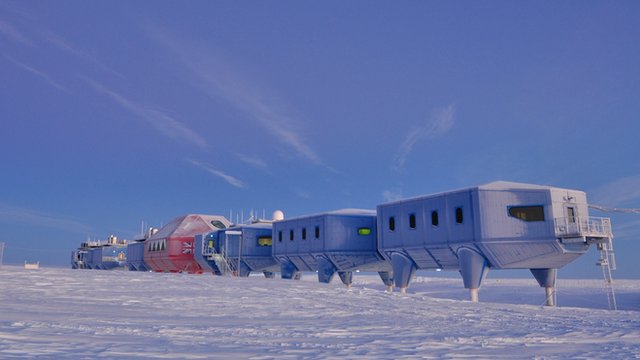
Please share your recording of the 2023 BBC Midwinter Broadcast to Antarctica here!

Halley VI: The British Antarctic Survey’s new base (Source: British Antarctic Survey)

In the comments section of this post, I’d like you to share your recording of the BBC Midwinter Broadcast to Antarctica!

In years past, I’ve created a post with all of the Midwinter recordings curated in one article. This usually takes me 12+ hours to prepare over a couple of weeks as many of the audio clips and video recordings must be formatted for the site and embedded. There is also a lot of discussions back/forth confirming details with listeners. This year once again, my schedule is such that if I try to piece one of these articles together I might not have it published for many, many weeks.

The past two years, this format worked brilliantly, so we’re doing it again…

Time and frequencies

Our intrepid contributor, Richard Langley, reports:

According to a posting on Glenn Hauser’s World of Radio IO group, the following frequencies are confirmed for the broadcast on 21 June 2023 [at 21:30 UTC]:

    • 7255 kHz Dhabbaya 250 kW
    • 12005 kHz Woofferton 300 kW
    • 13810 kHz Woofferton 250 kW
      (Ascension relay – not being used)

Please comment with your recording on this post!

Listening to the 2017 BBC Antarctic Midwinter Broadcast from the back of my vehicle in Saint-Anne-de-Beaupré, Québec, Canada.

I’ve created this dedicated post where you can comment and include links to audio and video of your 2023 Midwinter Broadcast recordings. This will allow you to post your logs and recordings at your convenience without my availability becoming the bottleneck.

Here’s the format I’d like you to leave in your comment of this post:

Name:

Listening location:

Notes: (Include frequencies and any details about your receiver and antenna.)

Link to audio or video: (YouTube, Vimeo, Internet Archive, SoundCloud, etc.)

Video and Audio Recordings

There is no way to directly upload audio in your comments, however, you can link to the recordings if you upload them to the Internet Archive (which I’d highly recommend) or any of the video streaming services like YouTube and Vimeo–or audio services like SoundCloud.

If you have a photo you’d like to include in your comment, send me an email from the same address you used in your comment. I’ll manually post the image at the top of your comment when time allows.

As with each year, I’ll make sure the BAS team and the BBC receive a link with all of your recordings!
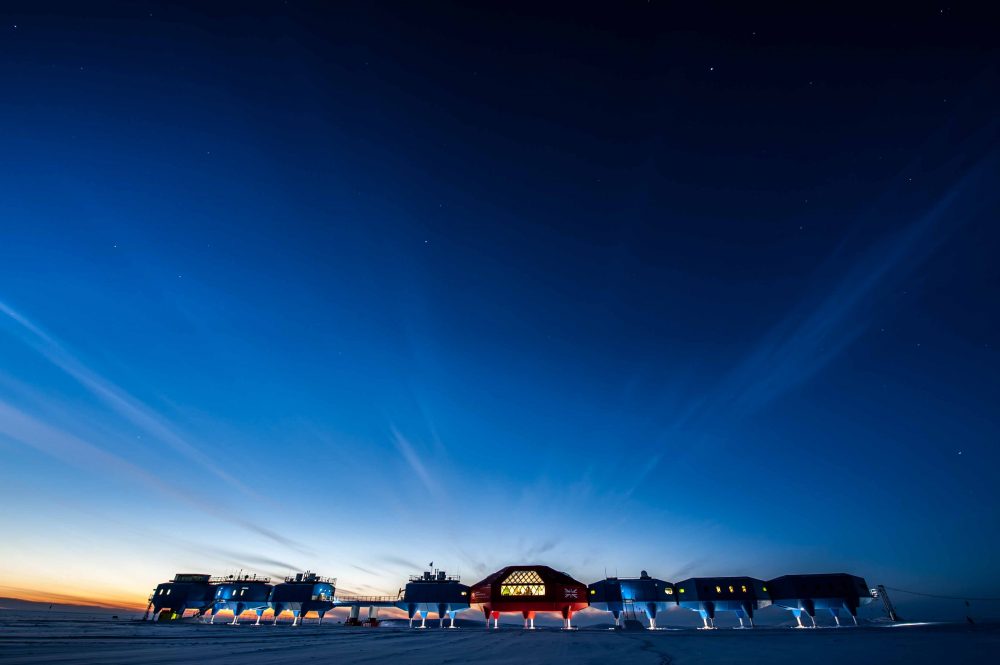
Click here to comment with your recording of the 2023 BBC Midwinter Broadcast to Antarctica!

Help record the 2023 BBC Antarctic Midwinter Broadcast today (June 21, 2023)

Every year, the BBC broadcasts a special program to the scientists and support staff in the British Antarctic Survey Team. The BBC plays music requests and sends special messages to the small team located at various Antarctic research stations. Each year, the thirty minute show is guaranteed to be quirky, nostalgic, and certainly a DX-worthy catch!

After successful listener events from years past, I’m once again calling on all SWLing Post readers and shortwave radio listeners to make a short recording (say, 30-60 seconds) of the BBC Antarctic Midwinter Broadcast today and share it here on the SWLing Post. Details on this below.

Time and frequencies

Our intrepid contributor, Richard Langley, reports:

According to a posting on Glenn Hauser’s World of Radio IO group, the following frequencies are confirmed for the broadcast on 21 June [at 21:30 UTC]:

    • 7255 kHz Dhabbaya 250 kW
    • 12005 kHz Woofferton 300 kW
    • 13810 kHz Woofferton 250 kW
      (Ascension relay – not being used)

Recording the Midwinter Broadcast has become an SWLing Post community tradition! Read our previous post for more details.

I’m especially fond of this broadcast as it always falls on my birthday and it’s always fun capturing this unique DX!

Share your recording and notes with us!

Comment with your recording!

During the Midwinter broadcast, I will publish a dedicated post where you can comment and include links to audio and video of your 2023 Midwinter Broadcast recordings. When this post is available, I will link to it here. This will allow you to post your logs and recordings at your convenience without my availability becoming the bottleneck.

So that there’s no confusion, I’ve turned off comments on this post so that comments are left on the appropriate article.

Here’s the format I’d like you to leave in your comment of the dedicated post:

Name:

Listening location:

Notes: (Include frequencies and any details about your receiver and antenna.)

Link to audio or video: (YouTube, Vimeo, Internet Archive, SoundCloud, etc.)

Video and Audio Recordings

There is no way to directly upload audio in your comments, however, you can link to the recordings if you upload them to the Internet Archive (which I’d highly recommend) or any of the video streaming services–like YouTube and Vimeo–or audio services like SoundCloud.

If you have a photo you’d like to include in your comment, send me an email from the same address you used in your comment. I’ll manually post the image at the top of your comment when time allows.

As with each year, I’ll make sure the BAS team and the BBC receive a link with all of your recordings!