
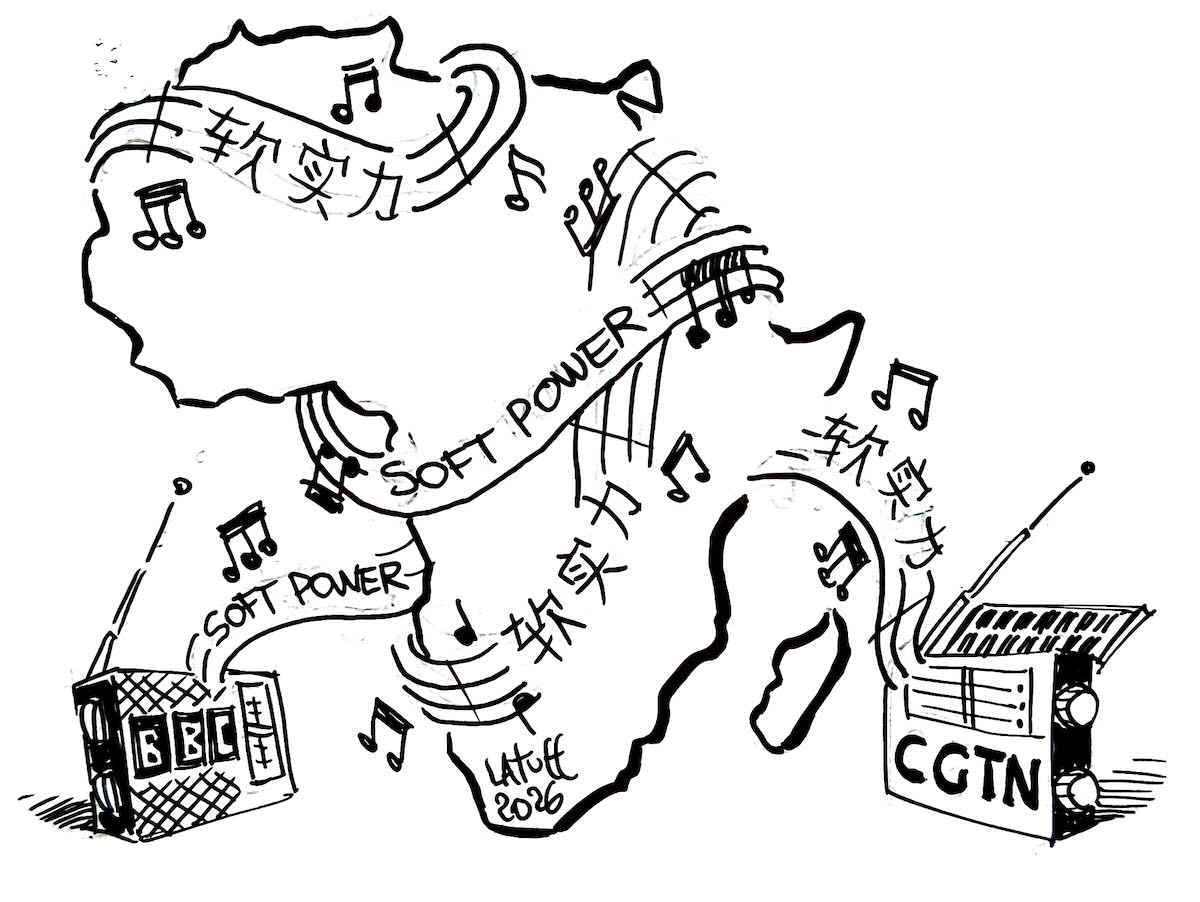
by Carlos Latuff
I found it strange to come across interference from a Chinese radio station on the BBC’s shortwave broadcast. For about a month, between April and May 2026, I was monitoring this special BBC radio service, transmitted from a station in Madagascar and aimed at Sudan and Gaza in Arabic. Aside from some technical and propagation issues, this was the first time I had encountered this kind of interference.
At first, I thought it was some sort of technical problem. The interference from the Chinese radio made it impossible to understand what was being said on the BBC broadcast. I tried again on other days, and the problem persisted. On May 25 at 17:00 UTC, I tuned into another BBC broadcast, this time transmitted from Ascension Island and aimed at West Africa in English, on the frequency 17780 kHz. To my surprise, the BBC broadcast was once again overpowered by the signal of a Chinese station — I couldn’t tell whether it was China National Radio or China Radio International (also known as CGTN Radio).
This monitoring was done on an Ecopower EP-F23B radio — a white-label model — with DSP technology and manual tuning. I wondered if it might be a problem with the device itself. So I used a digital Xhdata D808 radio, and when I tuned precisely to the frequency, I determined that the issue wasn’t a technical fault with my equipment, but rather deliberate interference with the BBC broadcast.
Faced with this situation, I started to believe this wasn’t a technical problem but an intentional act. I decided to investigate online, and it didn’t take long to find confirmation of my suspicions.
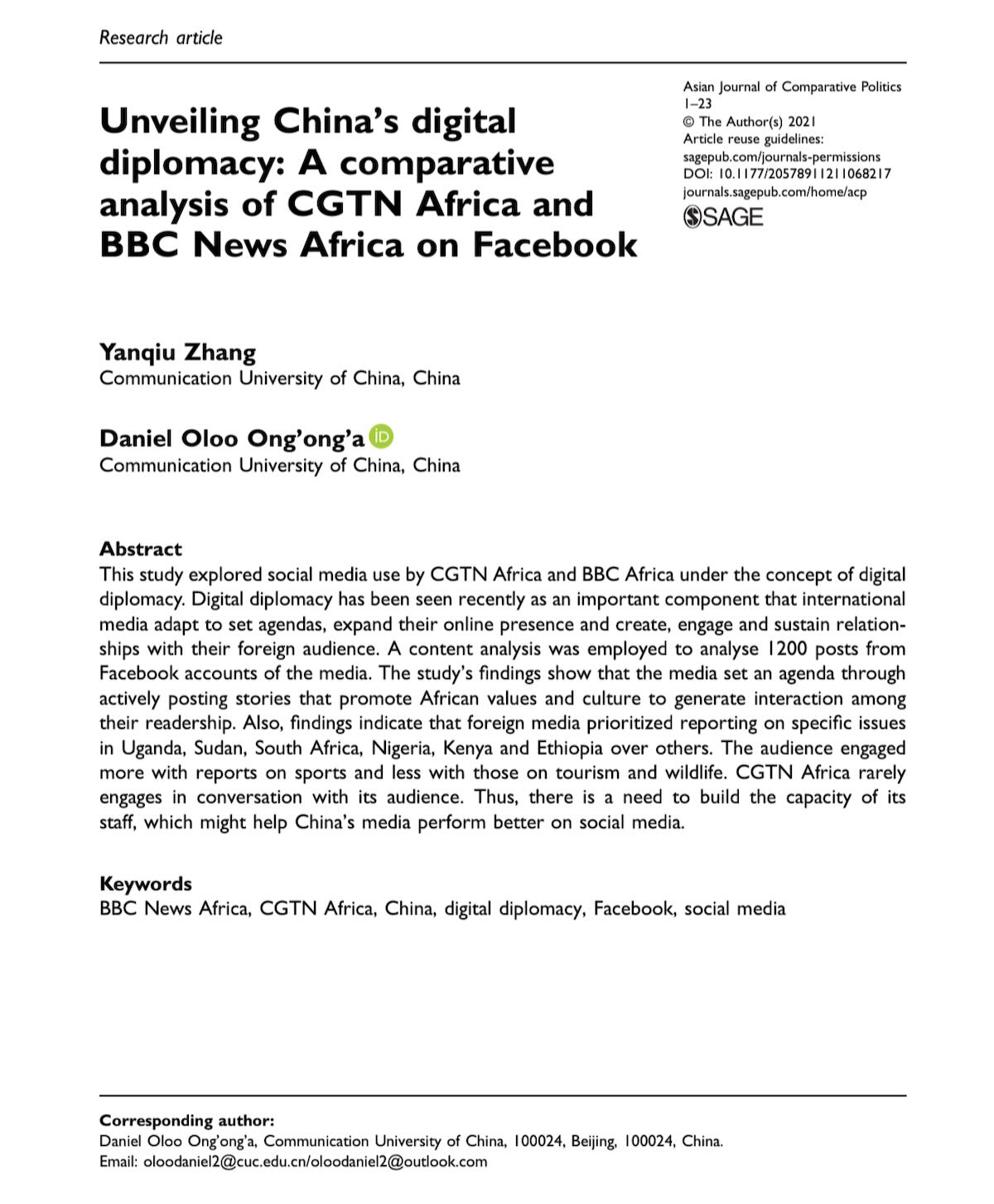
I found an article written in 2021 by two communication scholars, Yanqiu Zhang and Daniel Oloo Ong’ong’a, titled “Unveiling China’s digital diplomacy: A comparative analysis of CGTN Africa and BBC News Africa on Facebook.” It became clear to me that radio waves were once again the stage for geopolitical rivalry. The article focuses on the clash between the two broadcasters on social media, but clearly, this battle isn’t limited to the internet.
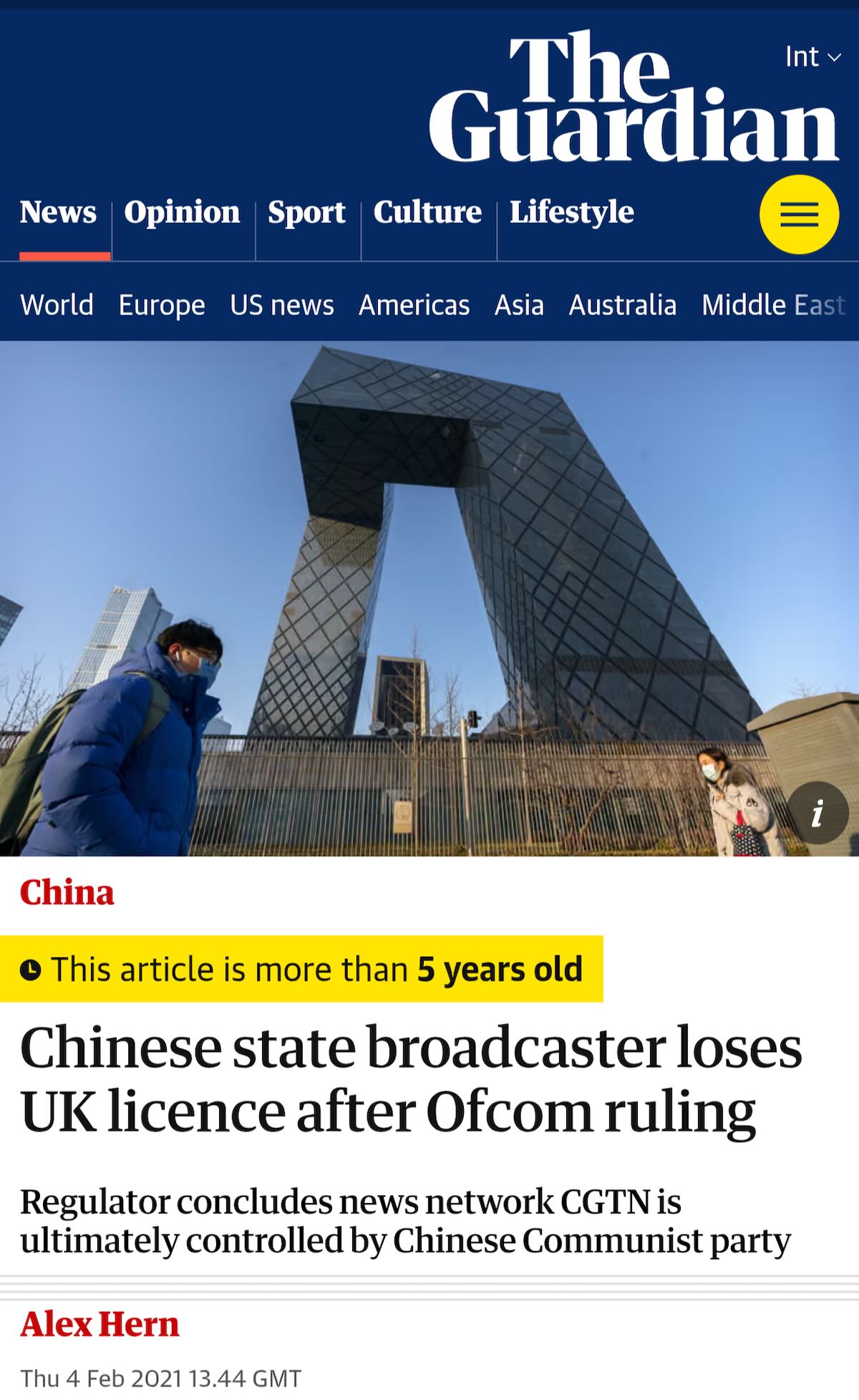
Continuing my research, I found news reports that illustrated this conflict well. On February 4, 2021, The Guardian reported: “Chinese state broadcaster loses UK licence after Ofcom ruling; Regulator concludes news network CGTN is ultimately controlled by Chinese Communist party.”
Well, well, ladies and gentlemen — we’re back to the good old days of the Cold War, aren’t we?
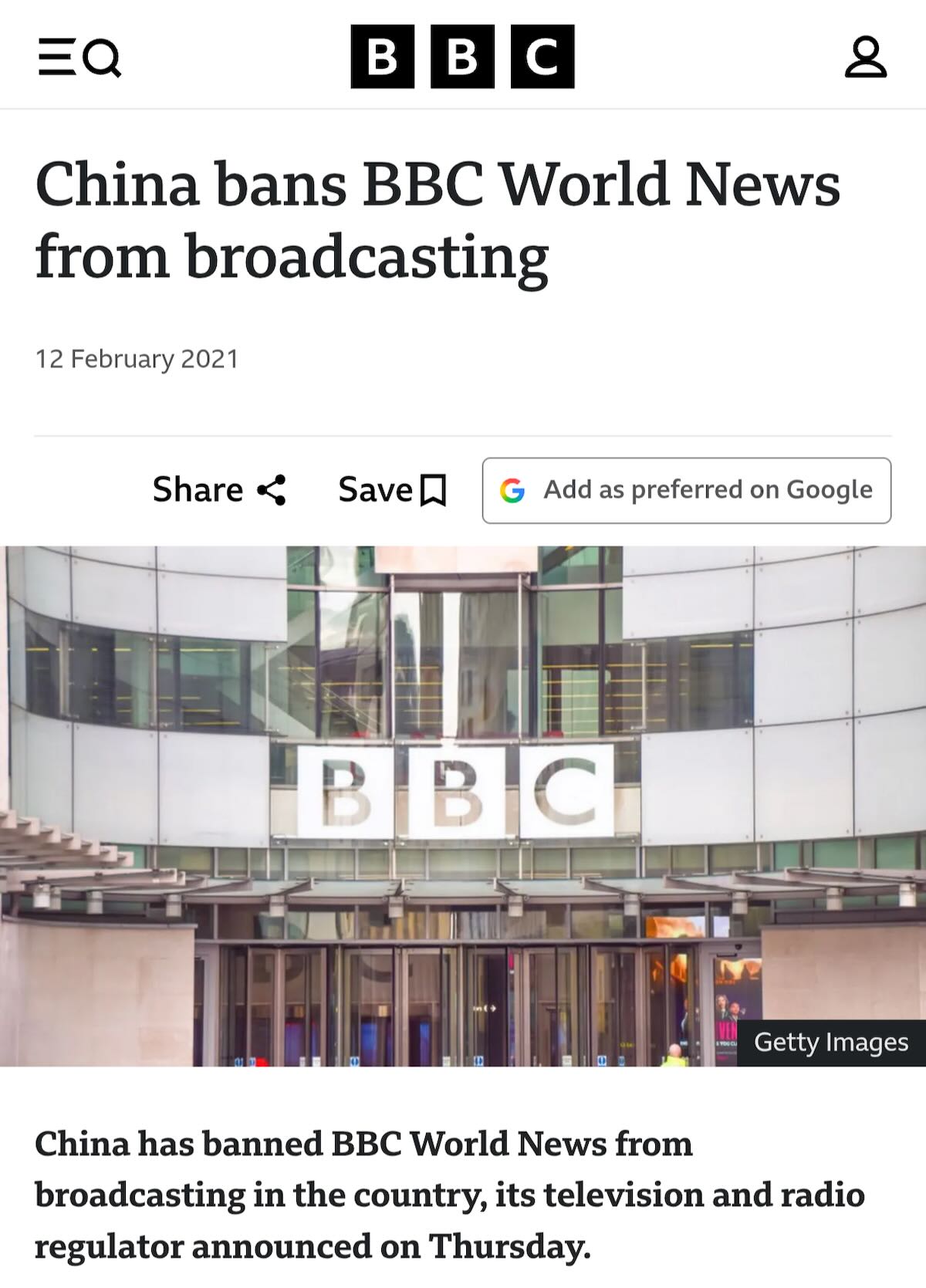
Following this arbitrary decision by the British government, the Chinese government quickly responded, as reported by the BBC itself on February 12 of that same year: “China bans BBC World News from broadcasting.”
Despite the differences between the BBC (a public service broadcaster) and CGTN (a state broadcaster), the fact is that both represent the interests of their respective nations.
In the 19th century, the British Empire — “on which the sun never set” — had colonies in Africa. The BBC, founded in 1922, was the voice of that empire. Indeed, in 1932 it created the Empire Service, the forerunner of the World Service. The British crown thus exerted its soft power through the microphones of the BBC and its hard power through the rifles and bayonets of its soldiers.
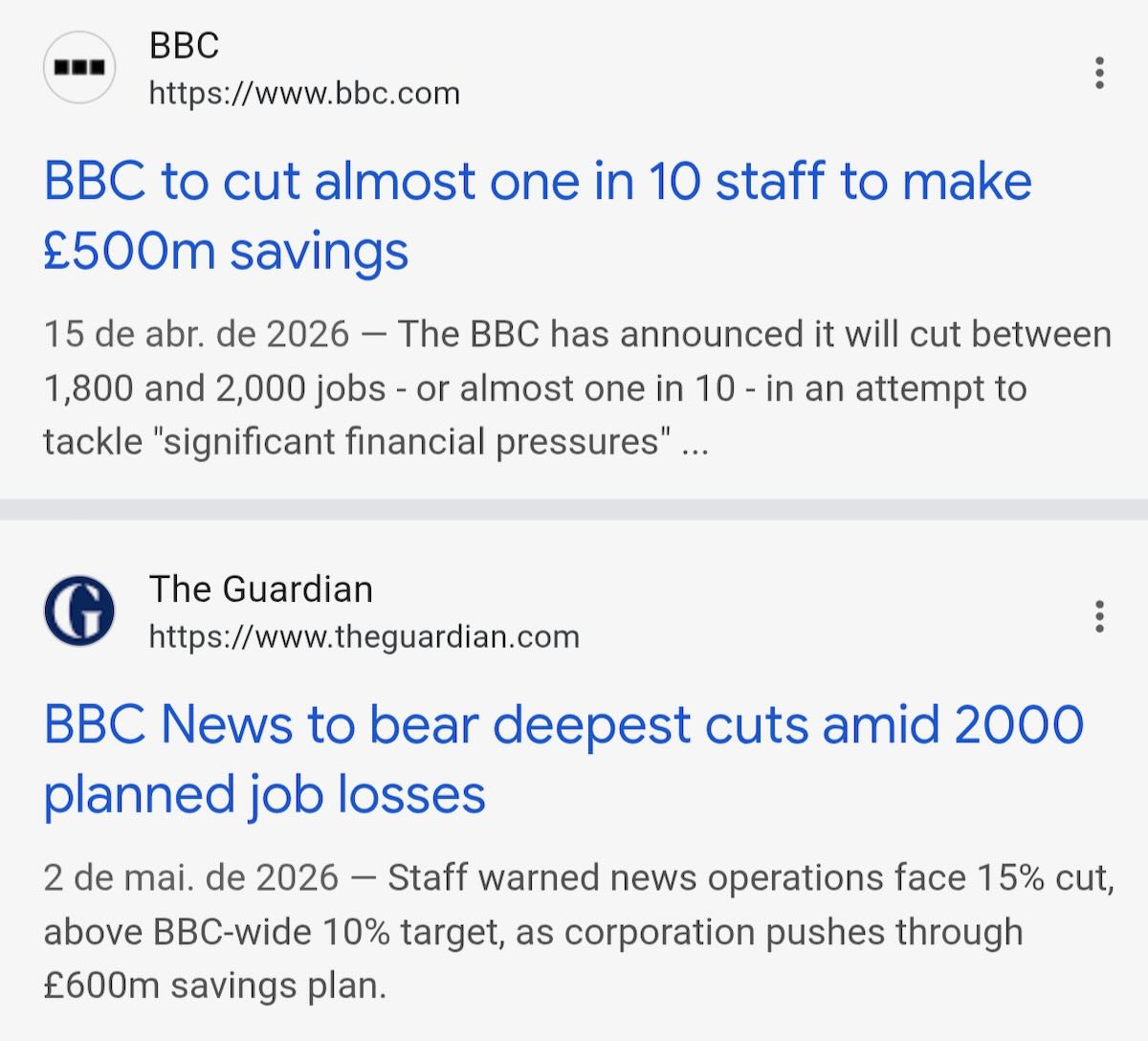
But the days of the redcoats are long gone. After much struggle and much bloodshed, African peoples expelled their British colonizers. However, the post-colonial BBC continues to defend the interests of the British state, even as it faces major financial difficulties. Due to budget cuts, the BBC has bet on digital platforms, cut radio programs in other languages, reduced its shortwave presence, and has been carrying out mass layoffs.
In contrast to the British broadcaster, Chinese CGTN has expanded its reach across the African continent, investing in digital platforms, but also in radio transmitters, programming in multiple languages, and the production of low-cost radios — with AM, FM, and shortwave, plus a flashlight and solar panel — taking into account that a large portion of Africa’s population has limited access to electricity and the internet.

A Chinese-made radio, with a solar panel, flashlight, AM, FM and shortwave bands, advertised by an electronics store in Nigeria for the equivalent of US$11.
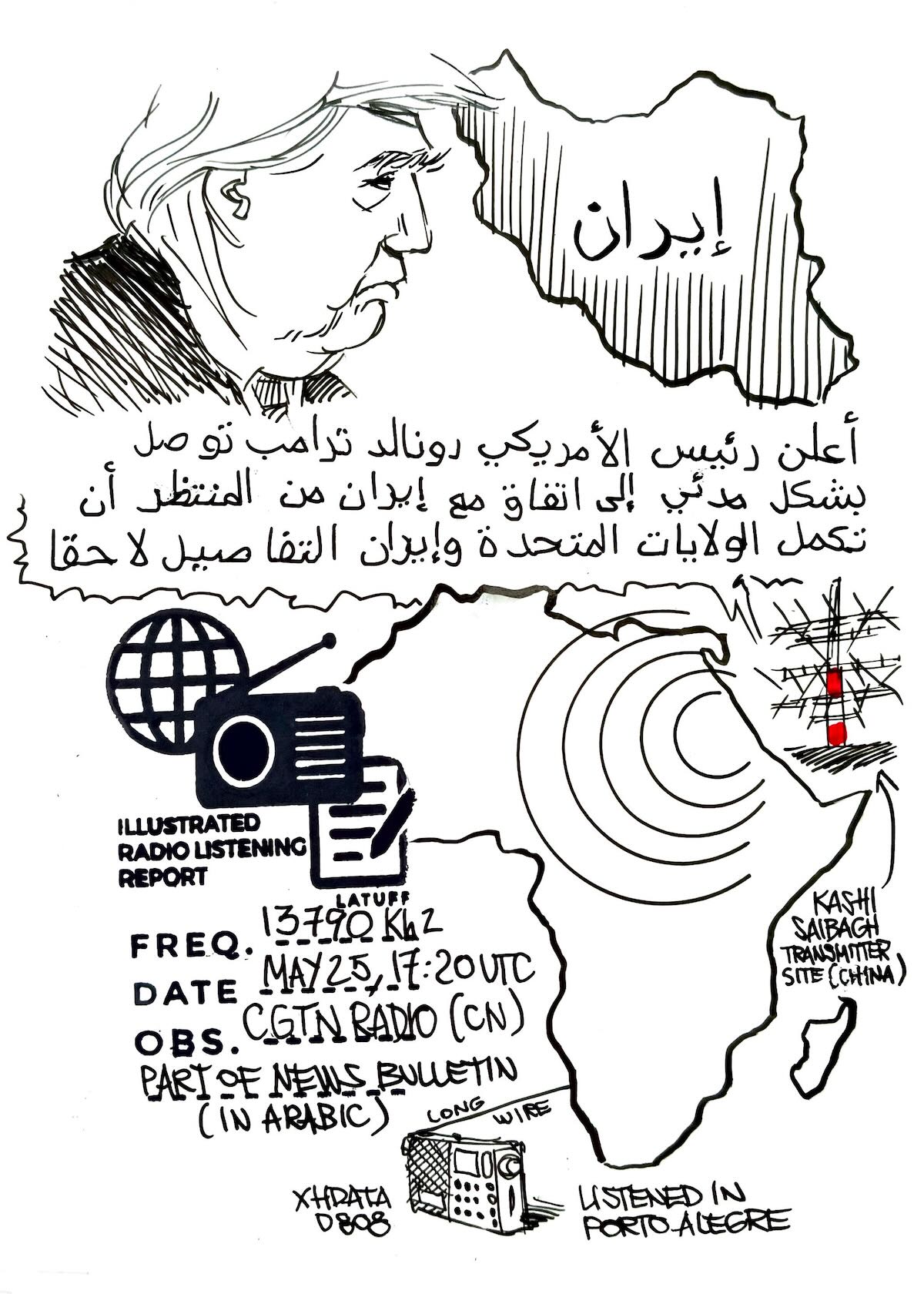
Illustrated Radio Listening Report related to CGTN broadcast in Arabic. While the BBC announced in 2023 the end of its Arabic broadcasts, CGTN broadcasts in that language on 7 different frequencies daily.
The BBC’s soft power in Africa was built in the wake of Britain’s colonial past. CGTN, on the other hand, reflects the relationship China has consolidated with the African continent as its largest trading partner.
The BBC, like the United Kingdom, is no longer the empire it once was, struggling to maintain what little influence it has left with whatever budget remains. CGTN, however, is the portrait of a rising economic power — a China that builds its soft power the same way it built its economic leadership: with persistence and patience.
In January of this year, UK Prime Minister Keir Starmer visited the president of China Xi Jinping in an attempt to resolve differences between the two nations. Meanwhile, the shortwave battle between the CGTN and BBC continues. A clash between a declining power and an emerging one. This isn’t about chasing ratings. It’s geopolitics, played out on the radio waves, before the ears of the world.
In any case, these are conclusions I drew from the recent history of animosity between the United Kingdom and China, notably involving the BBC and CGTN. It’s possible the interference I detected is just technical problems, who knows? Perhaps a simple coincidence.
The Western world, is becoming a victim of Thucydides Trap, the Ancient Greeks learned this lesson the hard way, now the west will do the same. History repeats itself. I think this will guarantee the future of radio.
Good point, Mark. In fact, Thucydides Trap was mentioned by Xi Jinping in his recent meeting with Donald Trump.
Great piece of proper journalism and illustrations as always, Carlos!
Thanks Ollie. I understand that this article is just the tip of the iceberg. I think this topic could be explored further. Not only the post-colonial role of the BBC and RFI in Africa, but also the counter-hegemonic efforts of CGTN on the continent.
It is a sad but true fact that China is the absolute king of the Shortwave spectrum, since all the other Nations have mostly exited the radio & gone “digital”. They don’t tolerate anything that may interfere with the message that they are promoting and have the transmitters all over the World to interfere with what ever they like.
It may be possible to use a phaser (often sold as a “QRM eliminator”) to have one antenna hearing the Chinese signal louder that the other & phase the Chinese interference (mostly) out to hear the station you want, but only if one signal is stronger than the other. Tuning a phaser is an art form, but they do work! Ironically, cheap phasing QRM eliminators are sold by… China.. 😉
You know, Neil, one thing that amazes me is that while the West disdains radio, associating it with something from the past, old fashioned, and increasingly betting on the Internet and social platforms, China, a rapidly expanding economic power that works in the present with a focus on the future, recognizes the potential of radio and invests heavily in this means of communication, without, of course, neglecting to invest in the Internet as well. I think the West will still pay a high price for this disdain for radio, even more so with the advance of climate change. Time will tell.
100% agree Carlos! It is also VERY easy to cut access to internet and other digital systems, but HF radio transcends borders.