Category Archives: Shortwave Radio

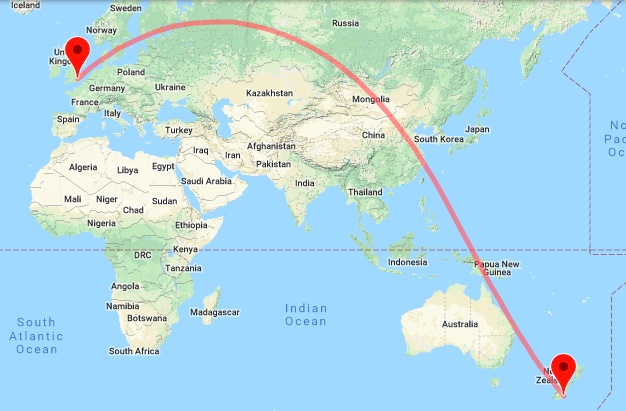
1917: First wireless transmission from New Zealand to London

(Source: New Zealand History via Andrea Borgnino)

First trans-global radio transmission to London

From the family sheep station in Shag Valley, East Otago, amateur radio operator Frank Bell sent a groundbreaking Morse code transmission received and replied to by London-based amateur operator Cecil Goyder.

Frank and his older sister Brenda were radio pioneers. Invalided home from the Western Front in 1917, Frank revived a boyhood interest in wireless communication while recuperating. He helped pioneer the use of short radio waves to communicate over long distances, initially through Morse-code telegraphy. He achieved a number of firsts, including New Zealand’s first overseas two-way radio contact with Australia and North America. But it was his radio conversation with London that made world headlines.

When Frank turned his attention to running the family farm, his sister Brenda took over the wireless station, becoming New Zealand’s first female amateur radio operator. In 1927 she was the first New Zealander to contact South Africa by radio. After the Second World War, Brenda Bell moved into professional radio as a writer and broadcaster for Dunedin station 4YA.

Click here to view this article and a photo of Frank Bell at New Zealand History.
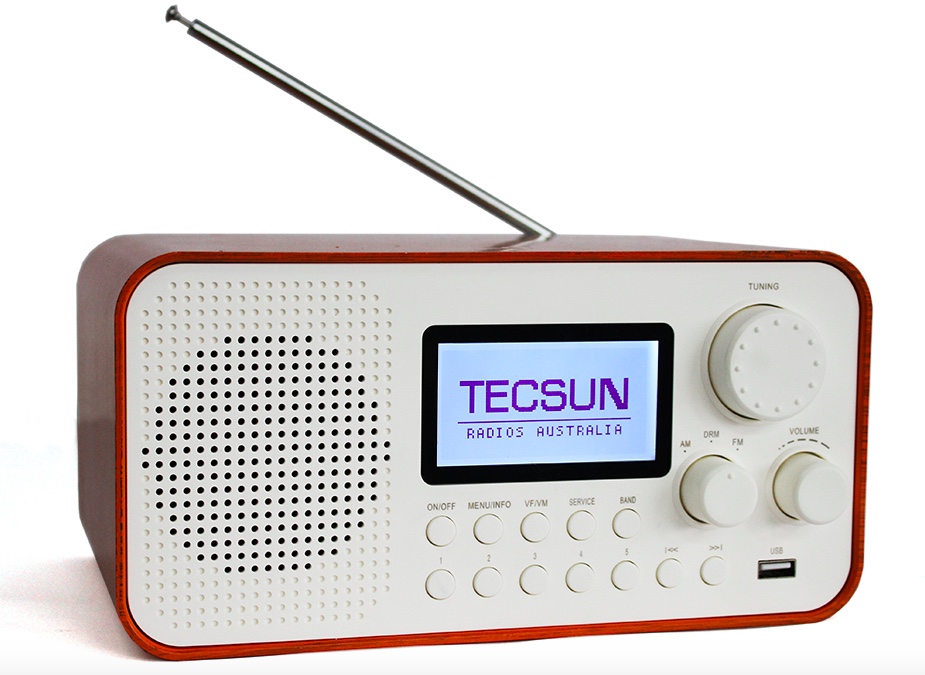
The “Tecsun Radios Australia Q-3061” DRM Shortwave Radio

Many thanks to SWLing Post contributor, Alan Hughes, who notes that Tecsun Radios Australia have announced a new DRM stand-alone receiver: the Q-3061.

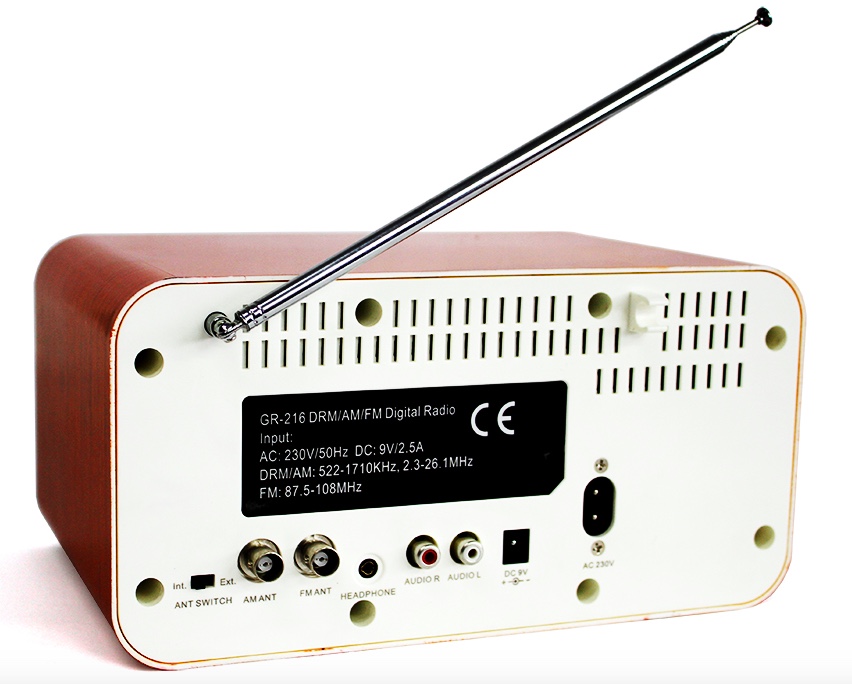
When I first received Alan’s tip, I was surprised that I had not been been given some advance notice or even a hint about Tecsun developing and producing a DRM radio. Then I saw the Q-3061 product image and it looked to be a spitting image of the Gospell GR-216 DRM radio. A quick look at the radio’s back panel and the connection with the GR-216 was confirmed.

Reading through the product description, it appears they worked with Gospell to badge this for Tecsun Radios Australia’s primary markets:

“The Tecsun Radios Australia Q-3061 DRM Shortwave Radio is for experienced shortwave users. There a limited number of DRM signals available in our region although the total number of DRM broadcasts are increasing. This radio is squarely aimed at radio enthusiasts and DXers, most signals require an external antenna, experience, and patience. We recommend our Tecsun Radios Australia Q-3061 DRM Shortwave Radio be used in conjunction with our Tecsun Shortwave and AM Outdoor Antenna for the best results (this is the setup we have in our Brookvale NSW office).

The Tecsun Radios Australia Q-3061 DRM Shortwave Radio is the culmination of several years work. Tecsun Radios Australia has worked in close co-operation with the manufacturer providing testing results from locations across the Pacific, including Samoa, Vanuatu, Solomon Islands, Fiji, and New Zealand. Reception of DRM signals in Australia requires many factors to be optimised, because we are outside the traditional coverage area of most broadcasters. Nevertheless, with an optimised antenna, correct selection of DRM broadcaster, schedule and good propagation conditions DRM signals can be received. New DRM broadcasters are appearing every month.”

After the product description they also include this disclaimer:

Note: This DRM radio has no association with Tecsun of China and is an exclusive initiative and product of Tecsun Radios Australia

The price is $500 AU or approximately $357 US.

To recap, this isn’t a new Tecsun DRM radio, rather it’s a rebadged GR-216 for the retailer/distributor Tecsun Radios Australia.

Click here to read about the Q-3061 at Tecsun Radios Australia.

Click here to read a review of the Gospell GR-216 DRM receiver.

Do you enjoy the SWLing Post?

Please consider supporting us via Patreon or our Coffee Fund!

Your support makes articles like this one possible. Thank you!

Icom IC-R30: Free RS-R30 remote control software available

(Source: Southgate ARC)

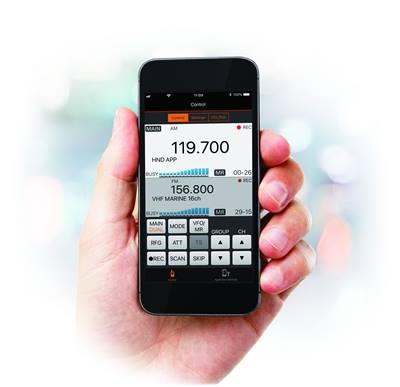
After recently being demonstrated at the Tokyo Hamfair, we are pleased to announce that the new RS-R30I (for iOS)/RS-R30A (for Android) remote control software for the IC-R30 Communications Receiver is now available to download for FREE from the App Store and Google Play.

The RS-R30I and the RS-R30A enable you to wirelessly connect to the IC-R30 and remotely control VFO operation, memory channels, a variety of scans and the voice recording functions. Using the optional VS-3, Bluetooth headset, the VS-3 and iOS™/Android™ device can be wirelessly connected to the IC-R30 at the same time. You can control the IC-R30 from the connected device while listening to the received audio on the VS-3 optional Bluetooth headset.

To download either remote control software follow these links.

•  RS-R30I remote control software (for iOS)
•  RS-R30A remote control software (for Android devices)

For more details about the IC-R30 visit the dedicated  IC-R30 Wideband Communications Receiver Product Page .  More details and further documentation about the RS-R30 can be found on the RS-30 Product Page.

Any favorite Soviet era radios?

A vintage radio from Kim Andre Elliott’s collection.

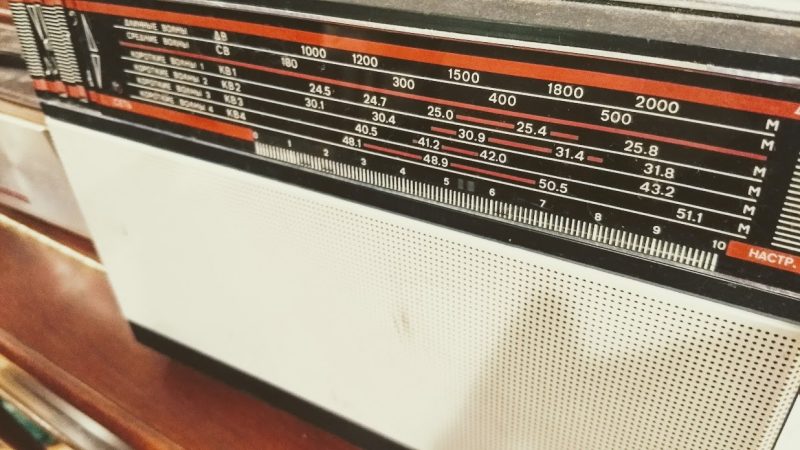
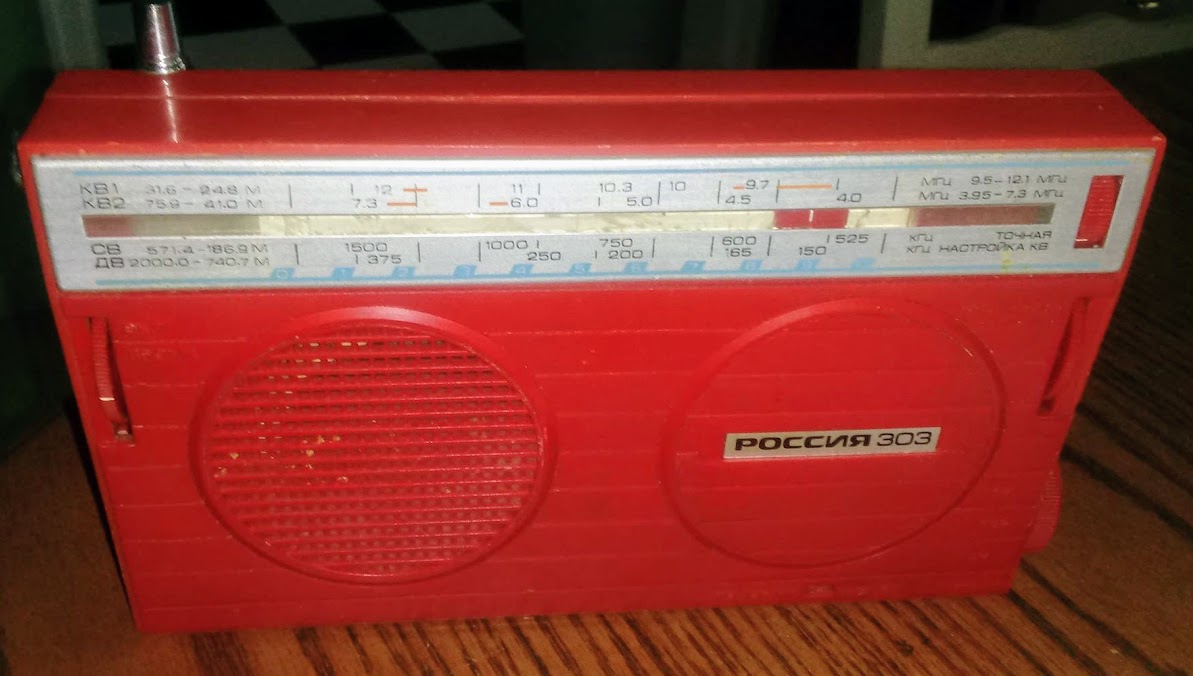
I was just chatting with my buddy Dave Cripe (NM0S) who recently snagged a cool Soviet-era vintage portable radio at ShopGoodwill.com.  It’s a beauty:

I’ve always been fascinated with Soviet and Eastern European designs from the 60s, 70s and 80s, but I’ll be the first to admit that I know little-to-nothing about them.

I’m curious if any readers could shed light on some of their favorites makes and models?  Are there any exceptional performers? Any that are highly valued?  If you have photos, consider sharing them as well. Please comment!

Holger Czukay: another musician fascinated with shortwave

Holger Czukay

Many thanks to SWLing Post contributor and resident shortwave music specialist, Justin Moore, for sharing the following from his blog, Sothis Medias:

Holger Czukay was another musician who was fascinated with the sounds of shortwave listening. He brought his love of radio and communications technology on board with him when he helped to found the influential krautrock band Can in 1968. Shortwave listening continued to inform Czukay’s musical practice in his solo and other collaborative works later in his career. It all got started when he worked at a radio shop as a teenager.

Holger had been born in the Free City of Danzig in 1938, the year before the outbreak of World War II. In the aftermath of the war his family was expelled from the city when the Allies dissolved its status as free city-state and made it become a part of Poland. Growing up in those bleak times his formal primary education was limited, but he made up for it when he found work at a radio repair shop. He had already developed an interest in music and one his ideas was to become a conductor, but fate had other plans for him. Working with the radios day in and day out he developed a fondness for broadcast radio. In particular he found unique aural qualities in the static and grainy washes of the radio waves coming in across the shortwave bands. At the shop he also became familiar with basic electrical repair work and rudimentary engineering. All of this would serve him well when building the studio for Can. In his work with the band he not only played bass and other instruments but acted as the chief audio engineer.

Click here to read the full article at Sothis Medias.

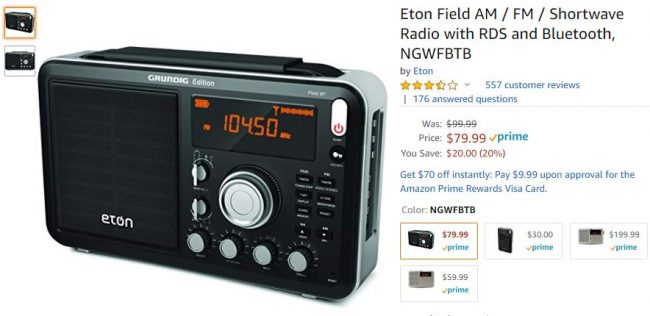
Radio Deal: Eton Field BT for $79.99 shipped

Many thanks to SWLing Post reader, Christian, who writes:

Hi Thomas. Amazon have dropped the price of the Field BT once again. This time to $79.00 shipped! This is the lowest price I’ve ever seen for this model. I already have one now but thought I’d “share the love.” This is Amazon, so who knows how long the price will remain.

Thanks for the tip, Christian!

Click here to check out on Amazon.com (affiliate link).

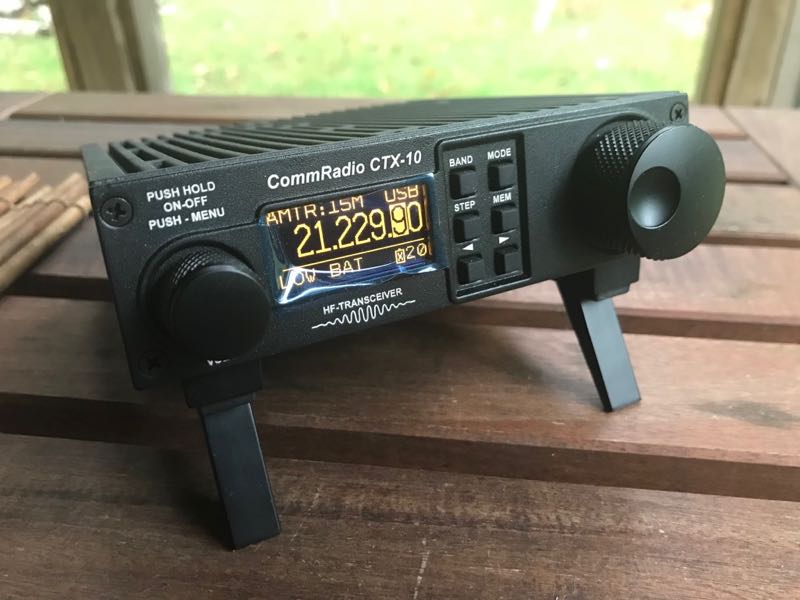
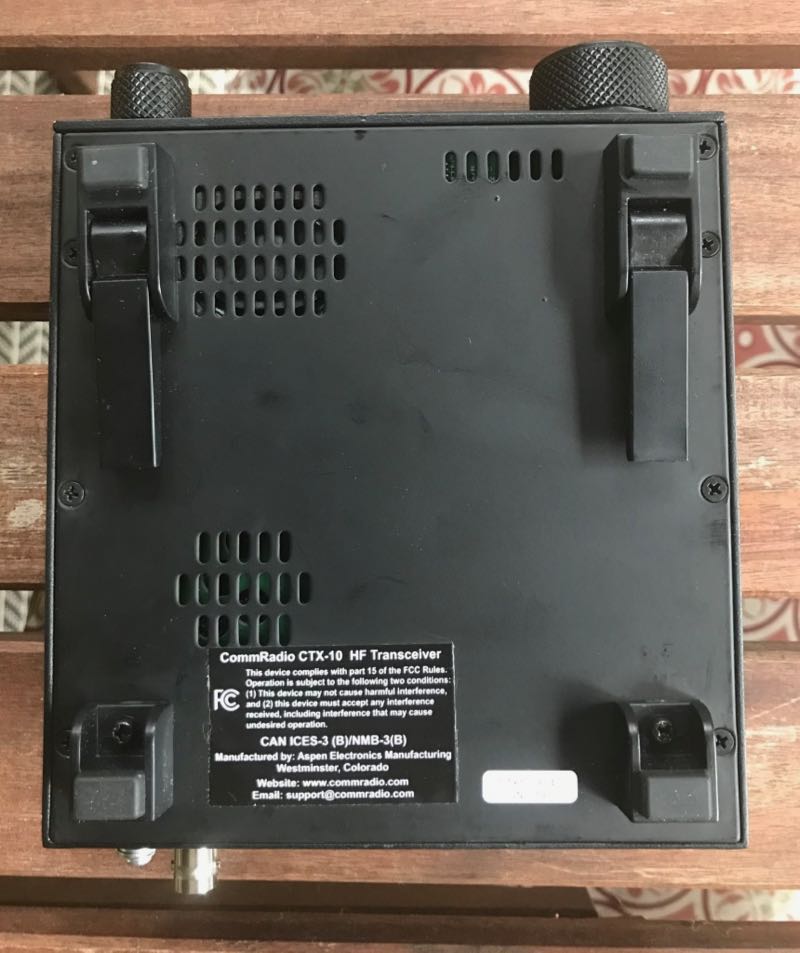
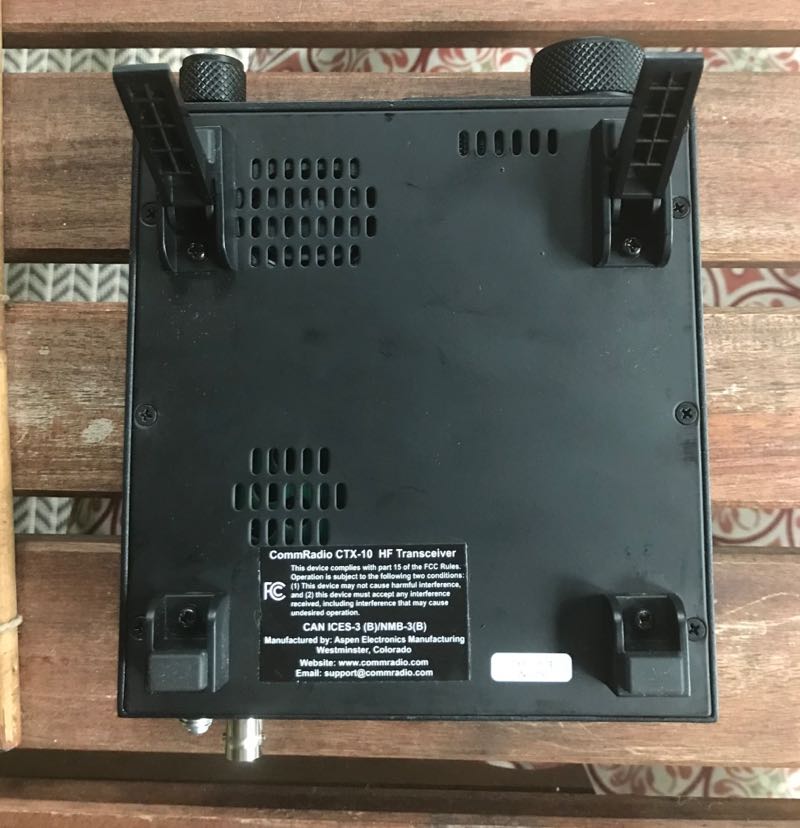
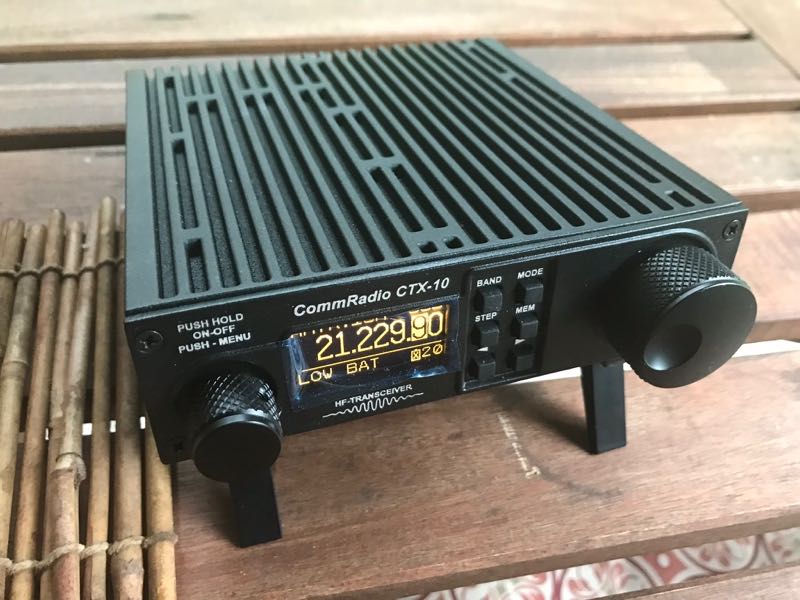
The CommRadio CTX-10 has landed

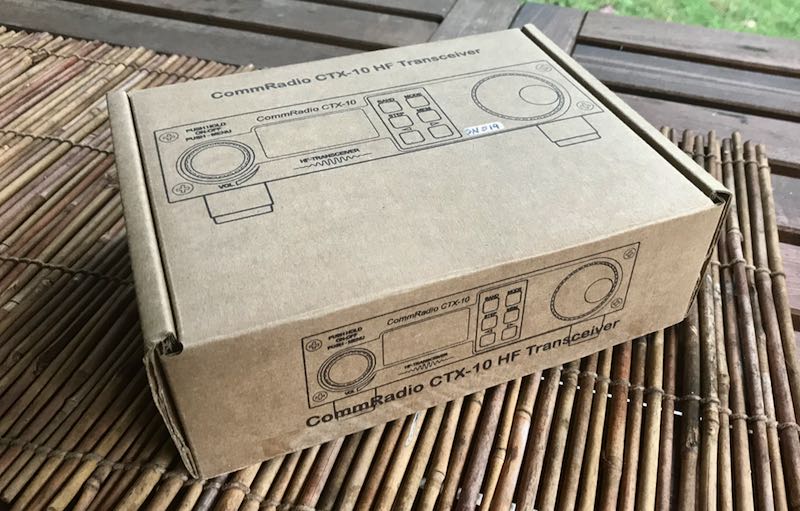
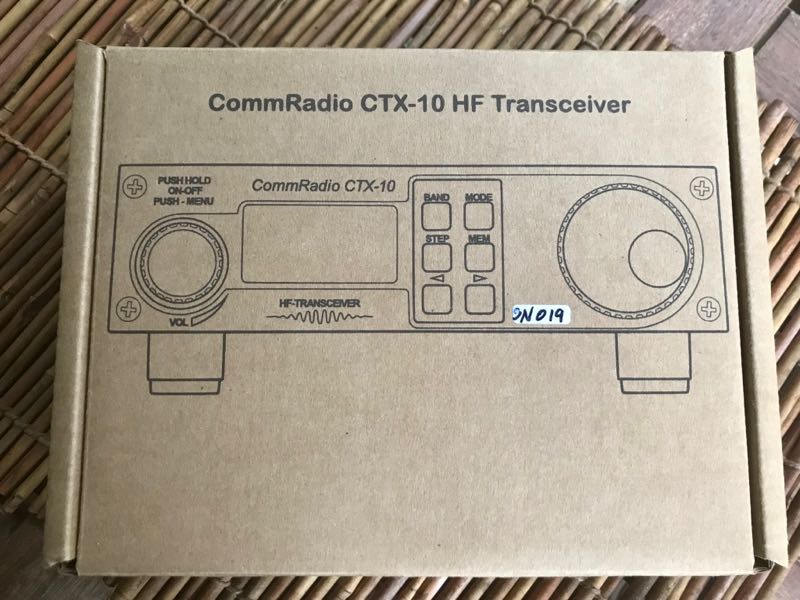
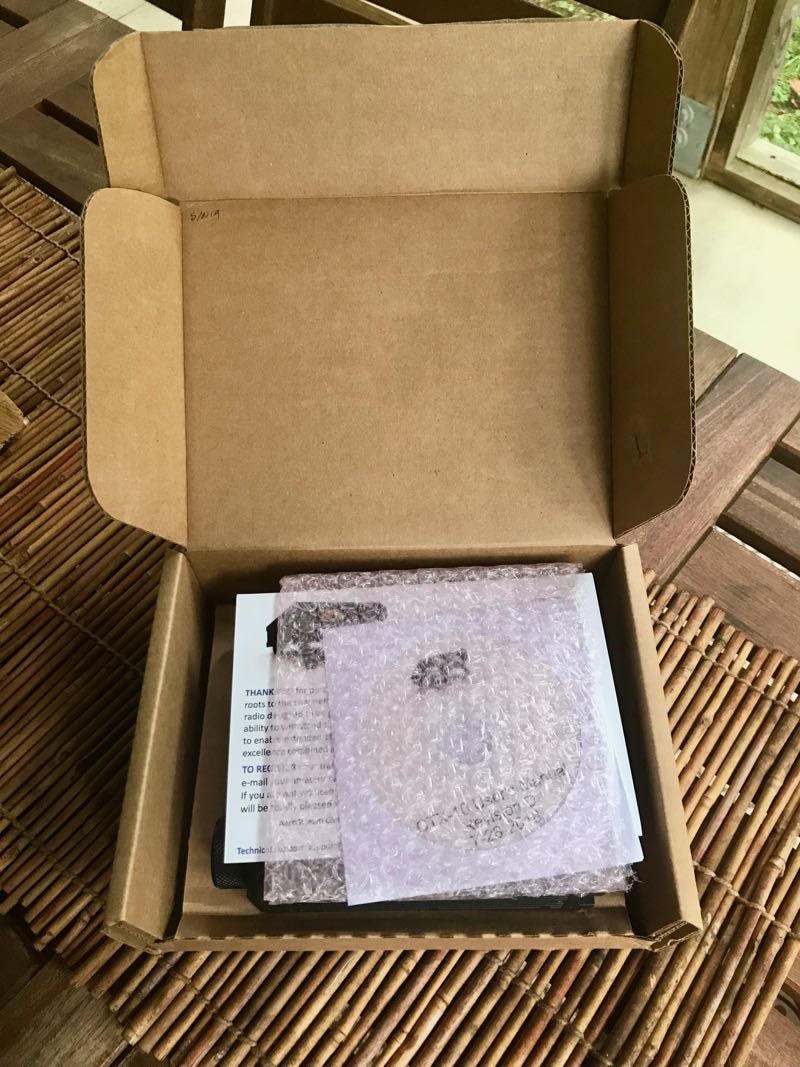
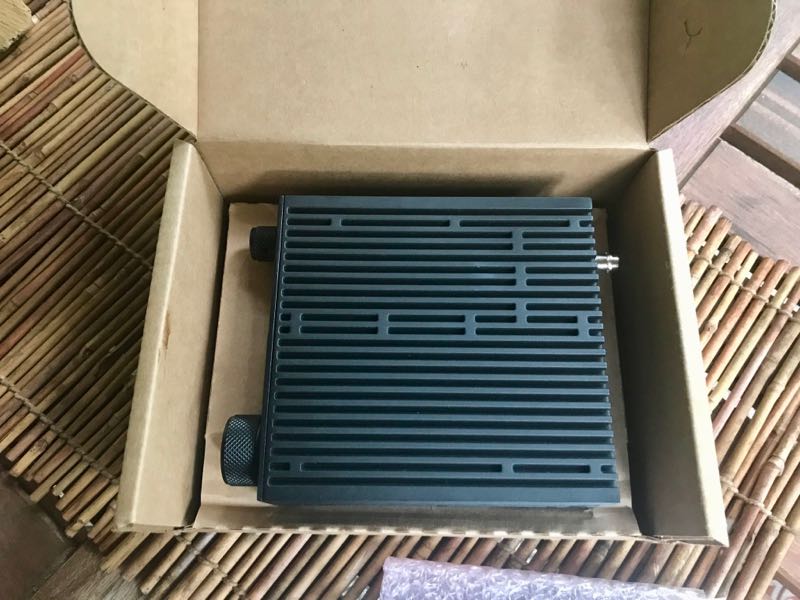
Yesterday, UPS delivered a much-anticipated package: the CTX-10 QRP transceiver from CommRadio.

CommRadio dispatched this loaner CTX-10 for evaluation and I’m excited to get my hands on it since it’s not everyday I get to evaluate a transceiver designed around field portability (my favorite category of gear).

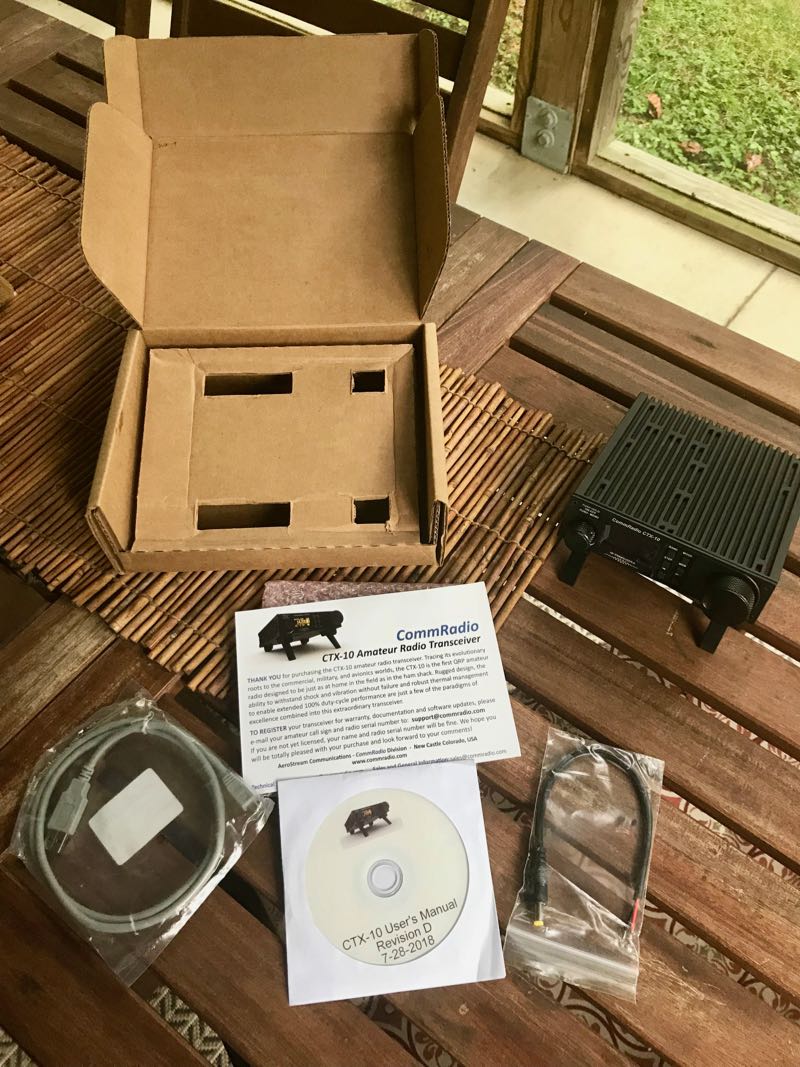
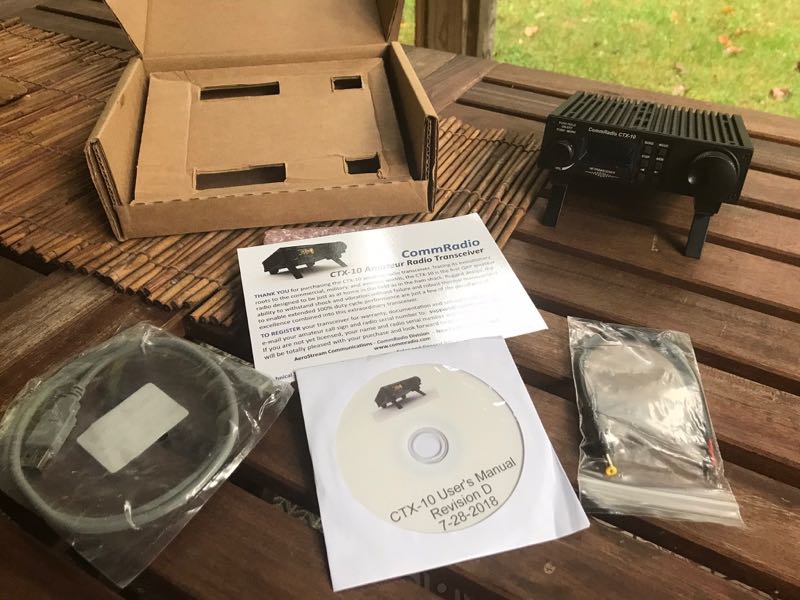
Yesterday, I took a few shots of the CTX-10 as I unpacked it:

I’ll need to build a fused power cable with the supplied pigtail and also sort out an 8 conductor (Yaesu compatible) modular plug microphone. Of course, I’ll give this radio a thorough review testing it on SSB, CW and digital modes (especially FT8).

Since the CTX-10 is built on the CommRadio CR-1 and CR-1A I anticipate a capable receiver section (in other words, expectations are high). Of course, I’ll test the CTX-10’s ability as a broadcast receiver as well.

Follow my progress by following the tag: CTX-10