Tag Archives: Dan Greenall

Dan Unearths Radio Memories: A 1990s Treasure Trove of Broadcast Ephemera

Many thanks to SWLing Post contributor Dan Greenall, who writes:

Hi Thomas

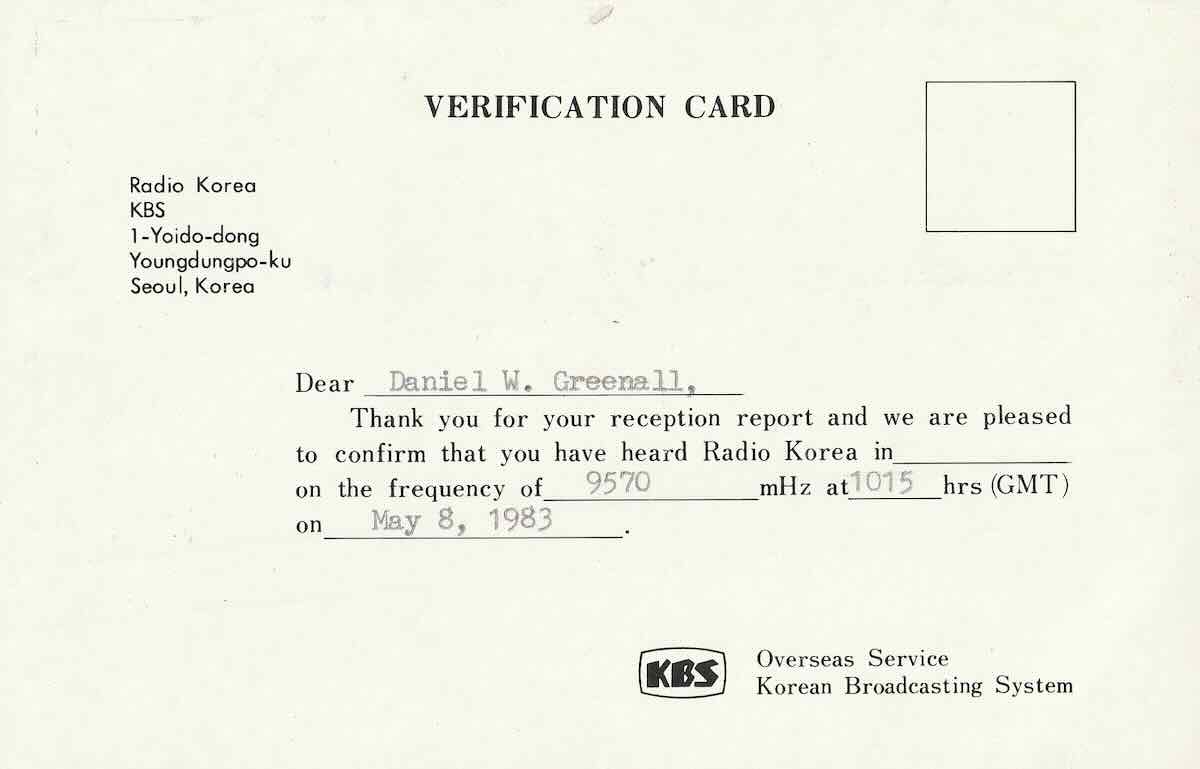
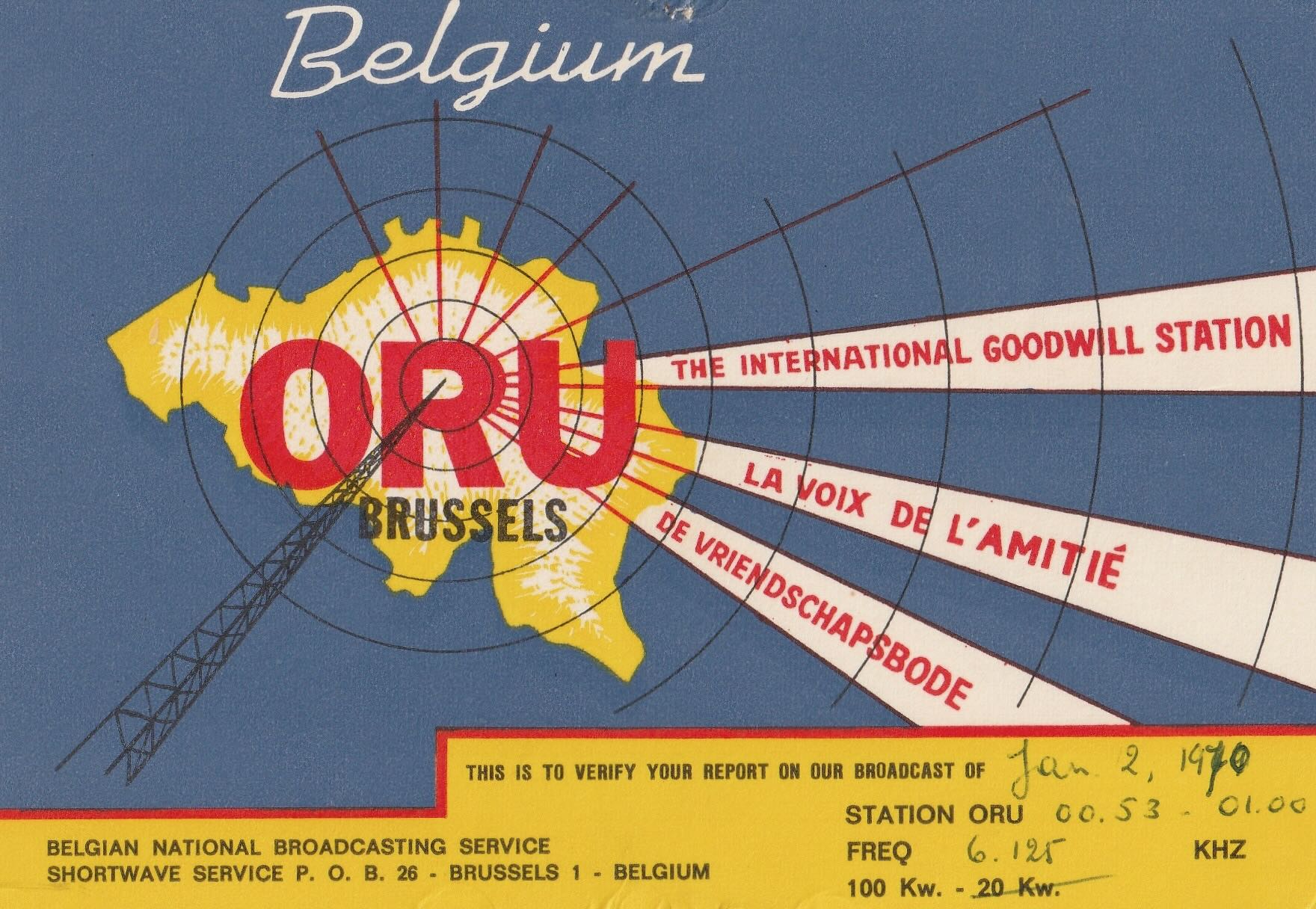
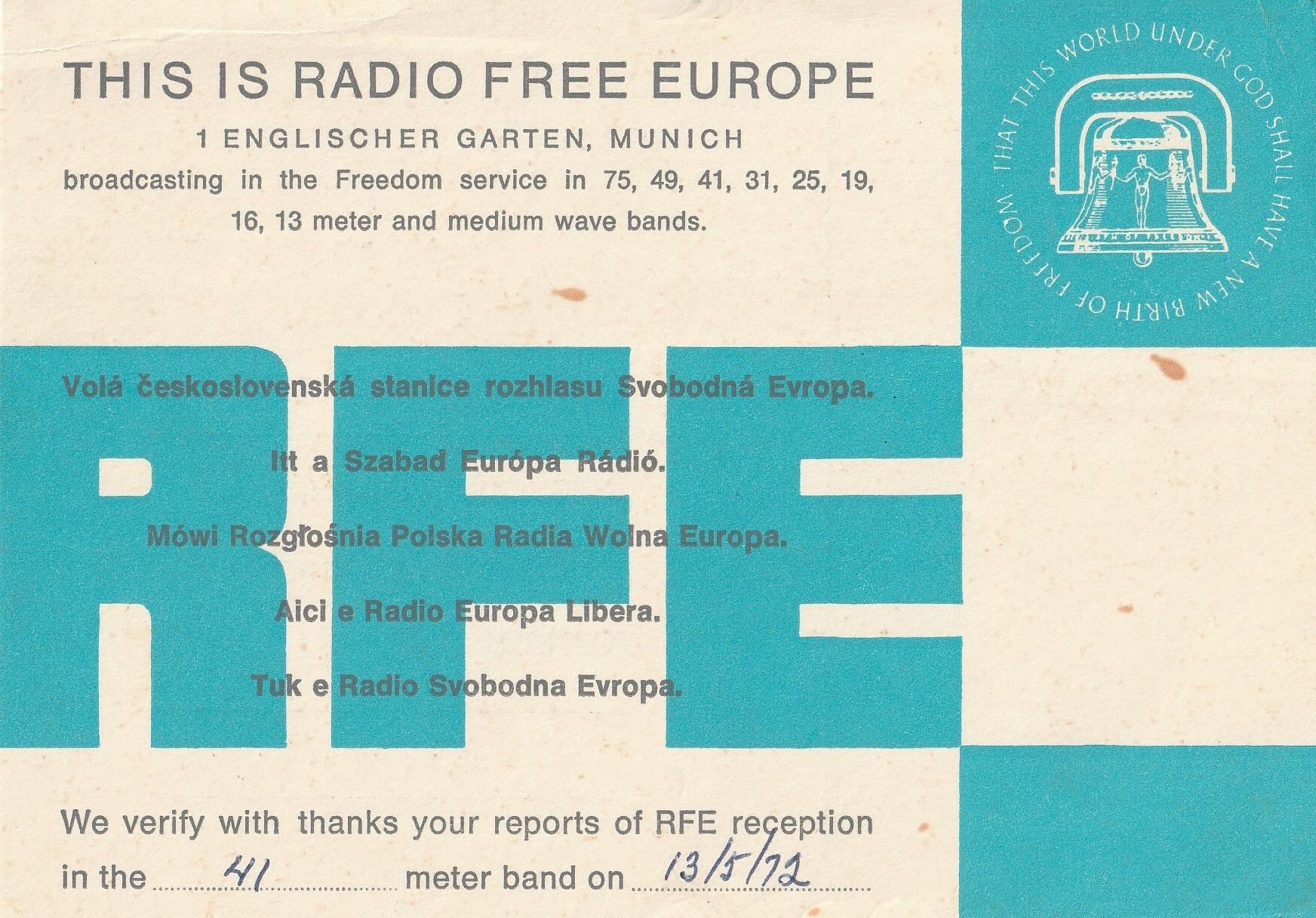
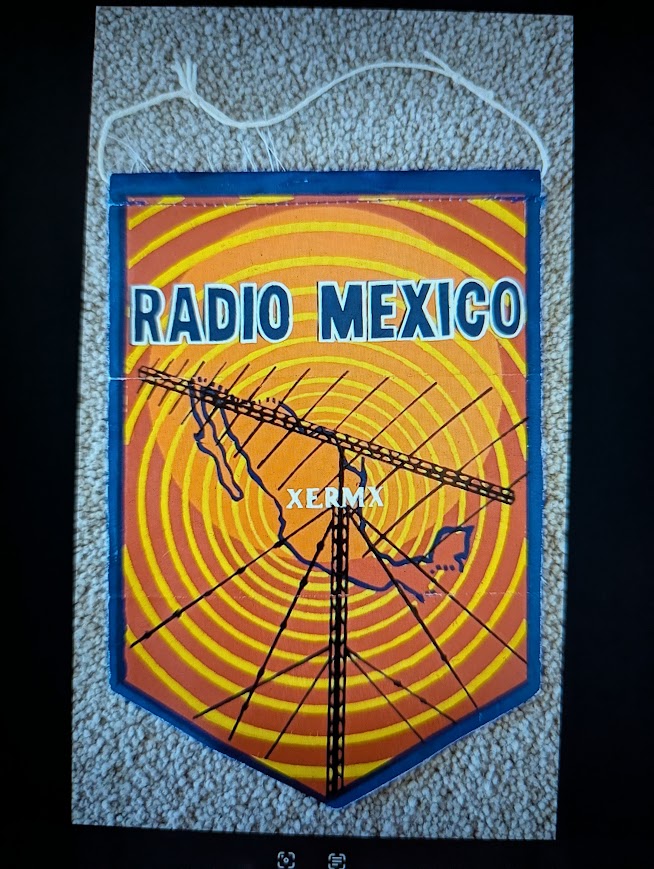
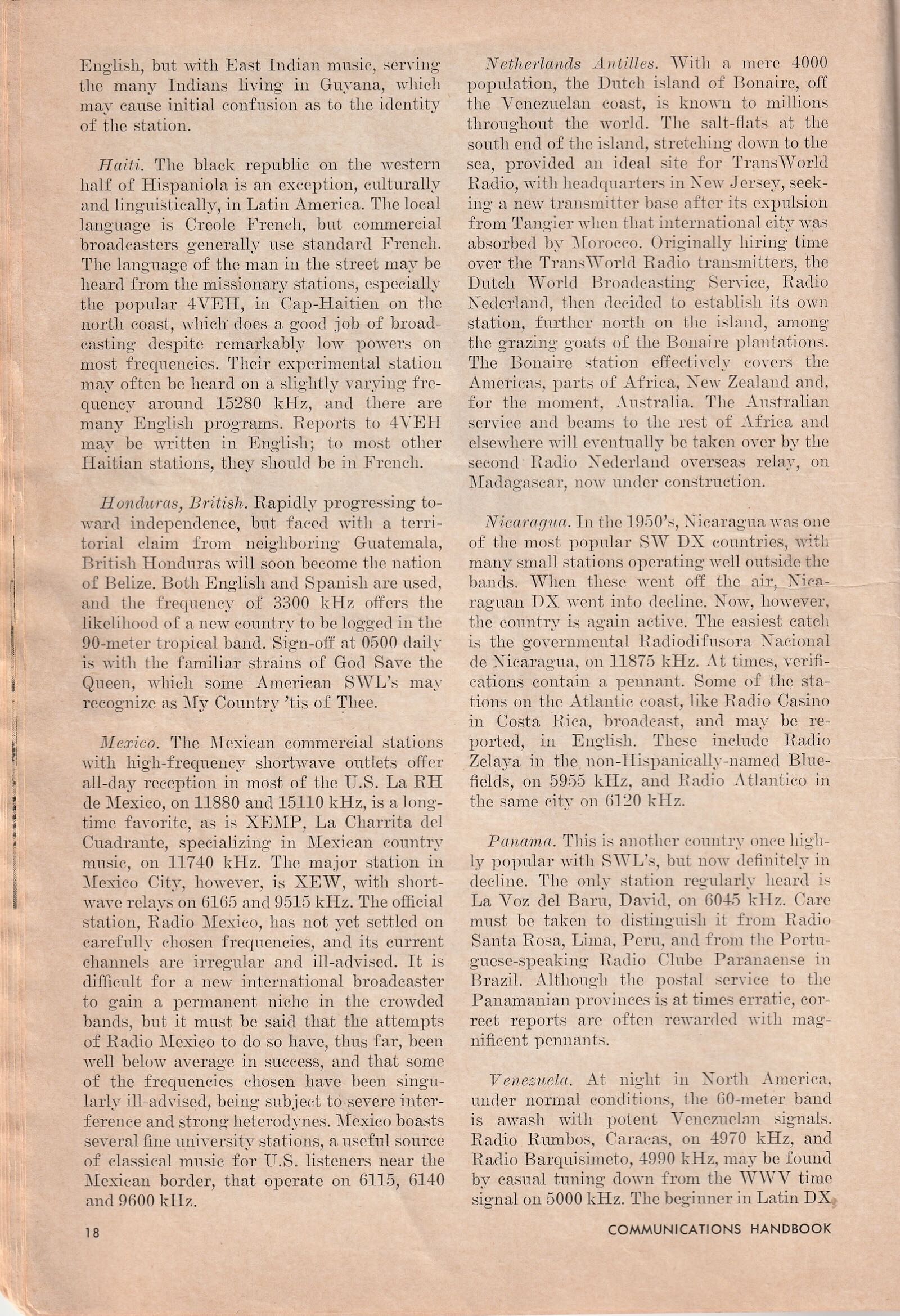
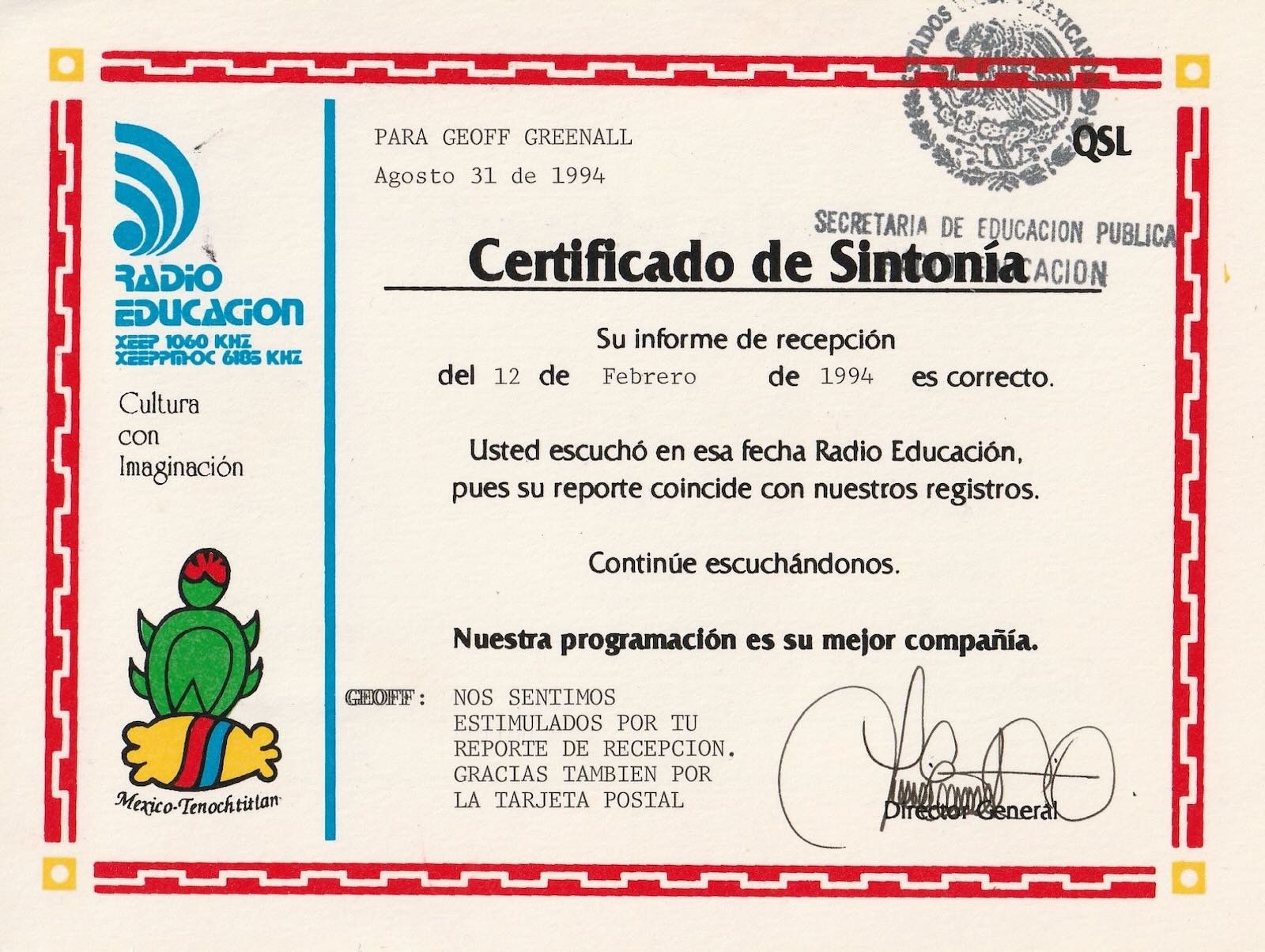
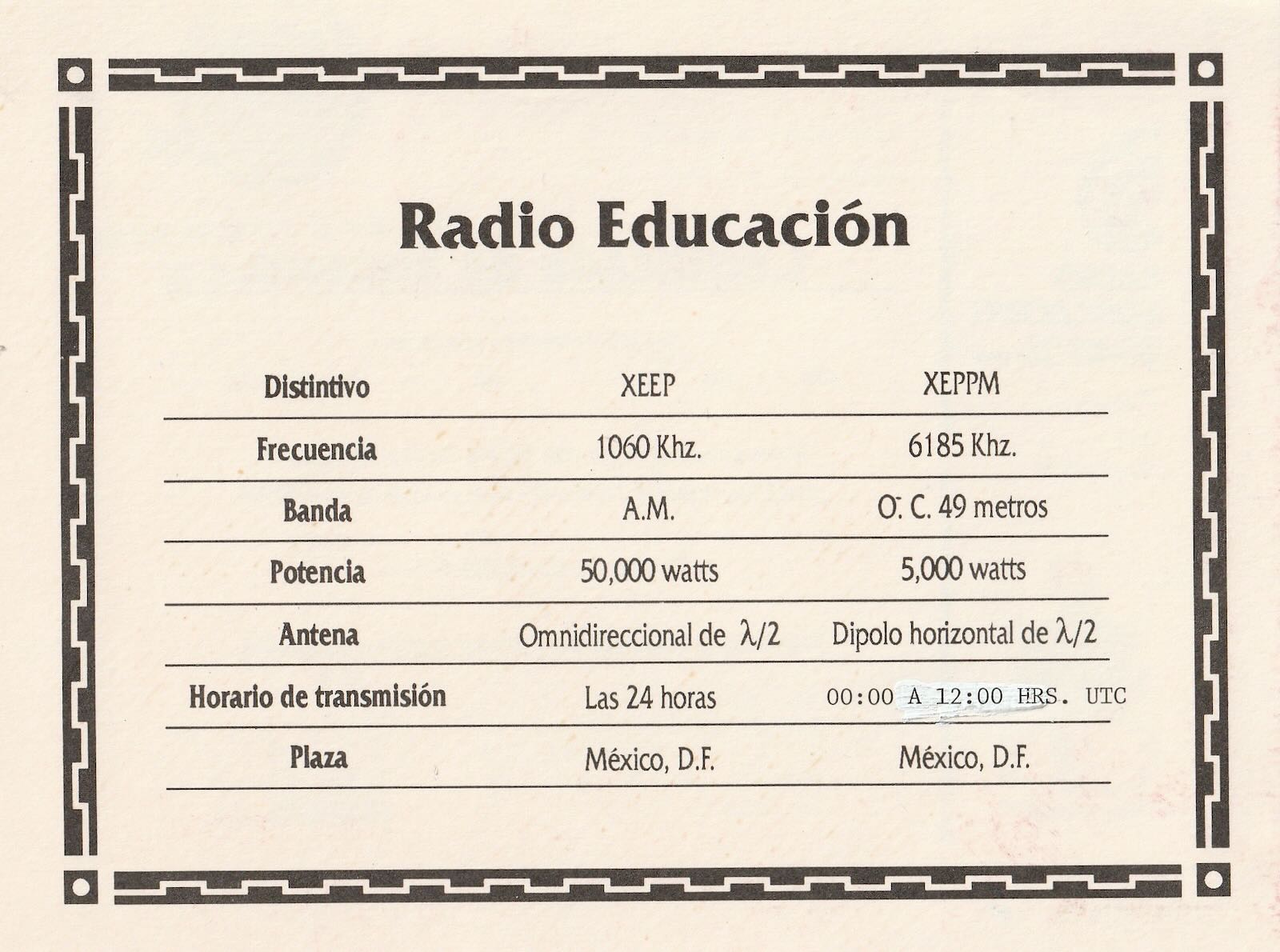
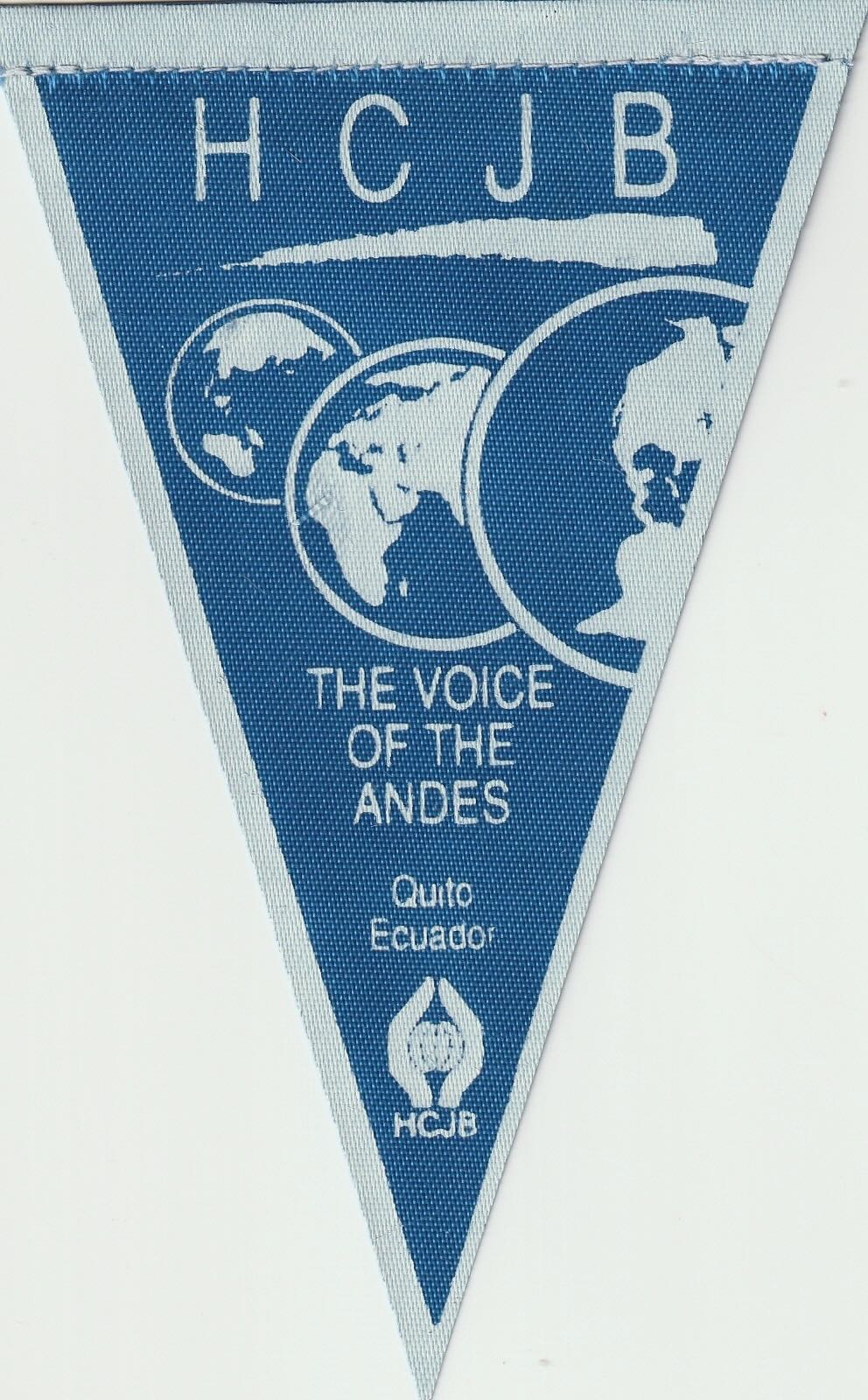
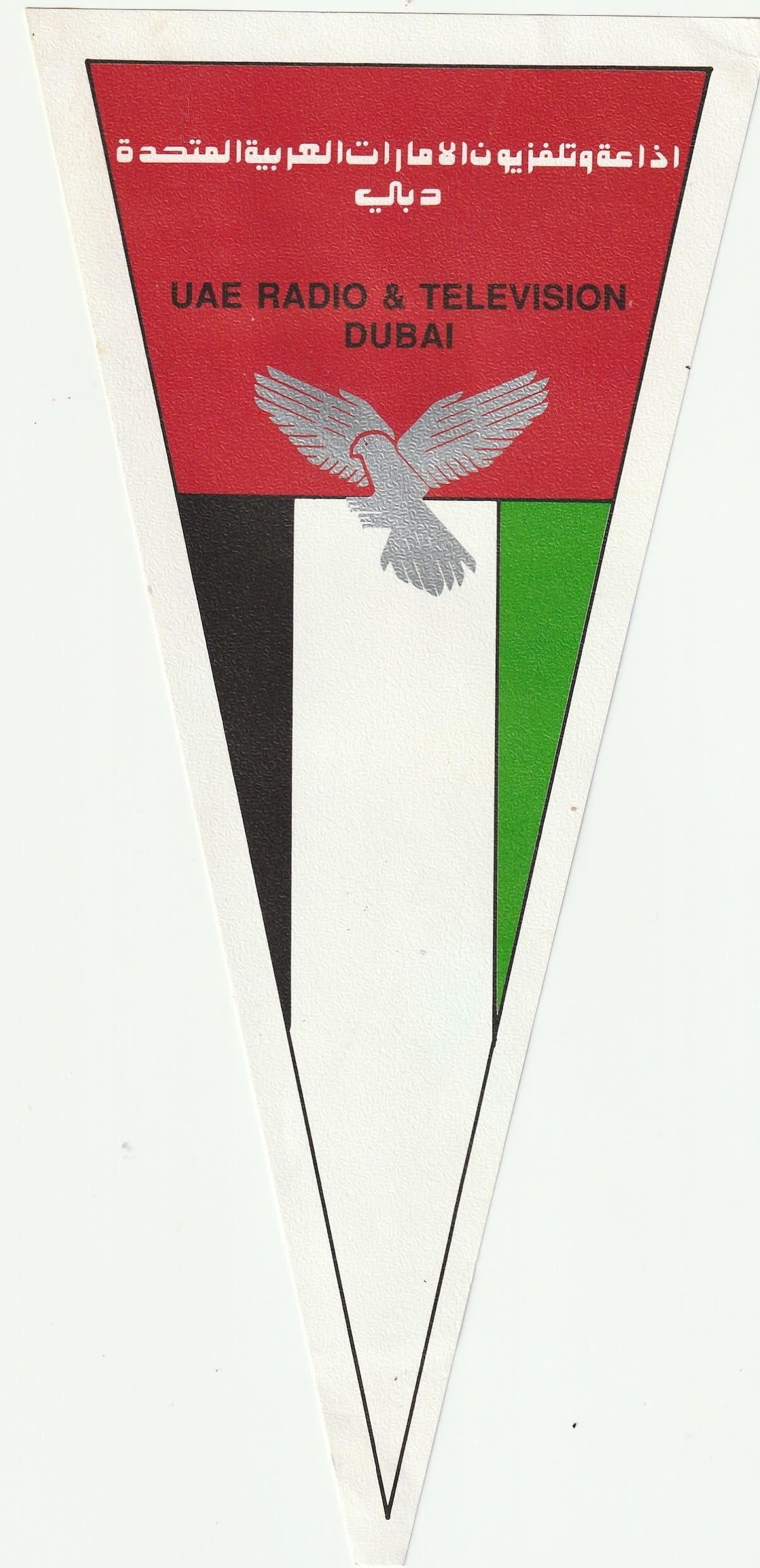
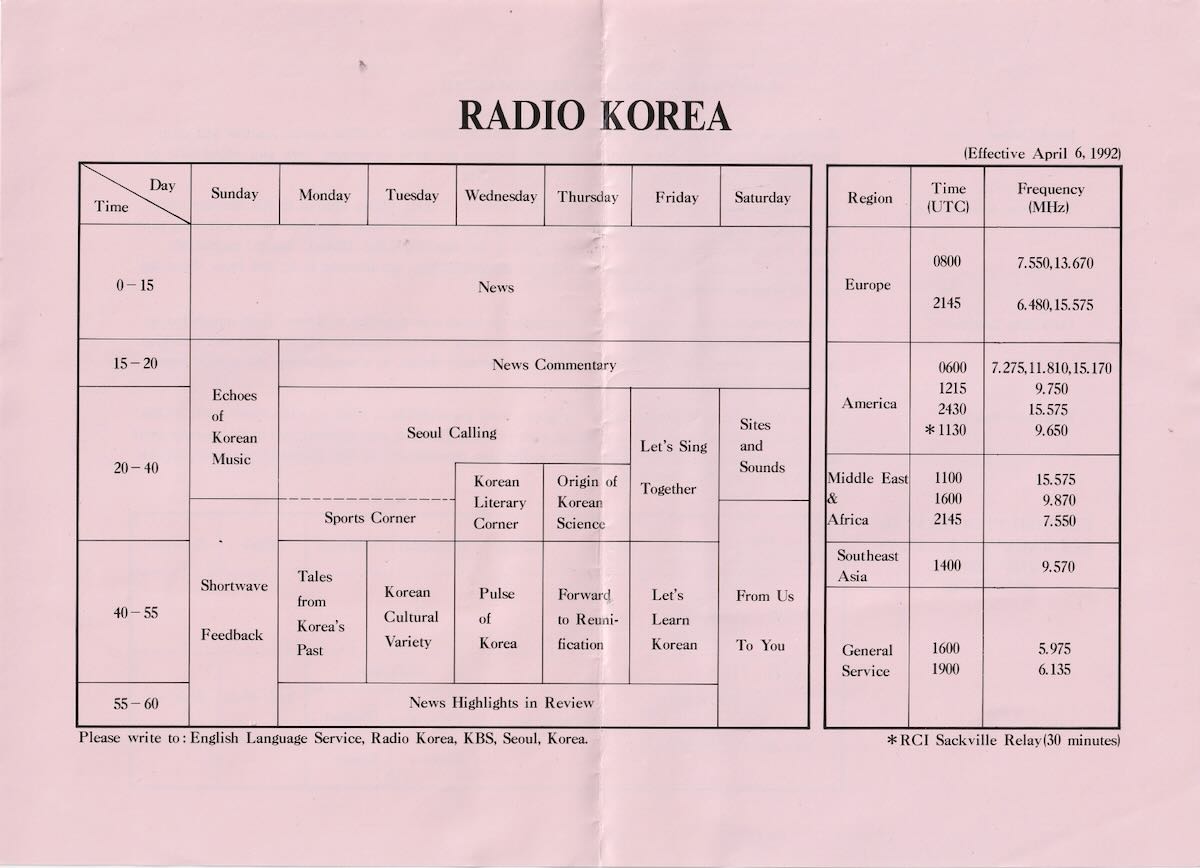
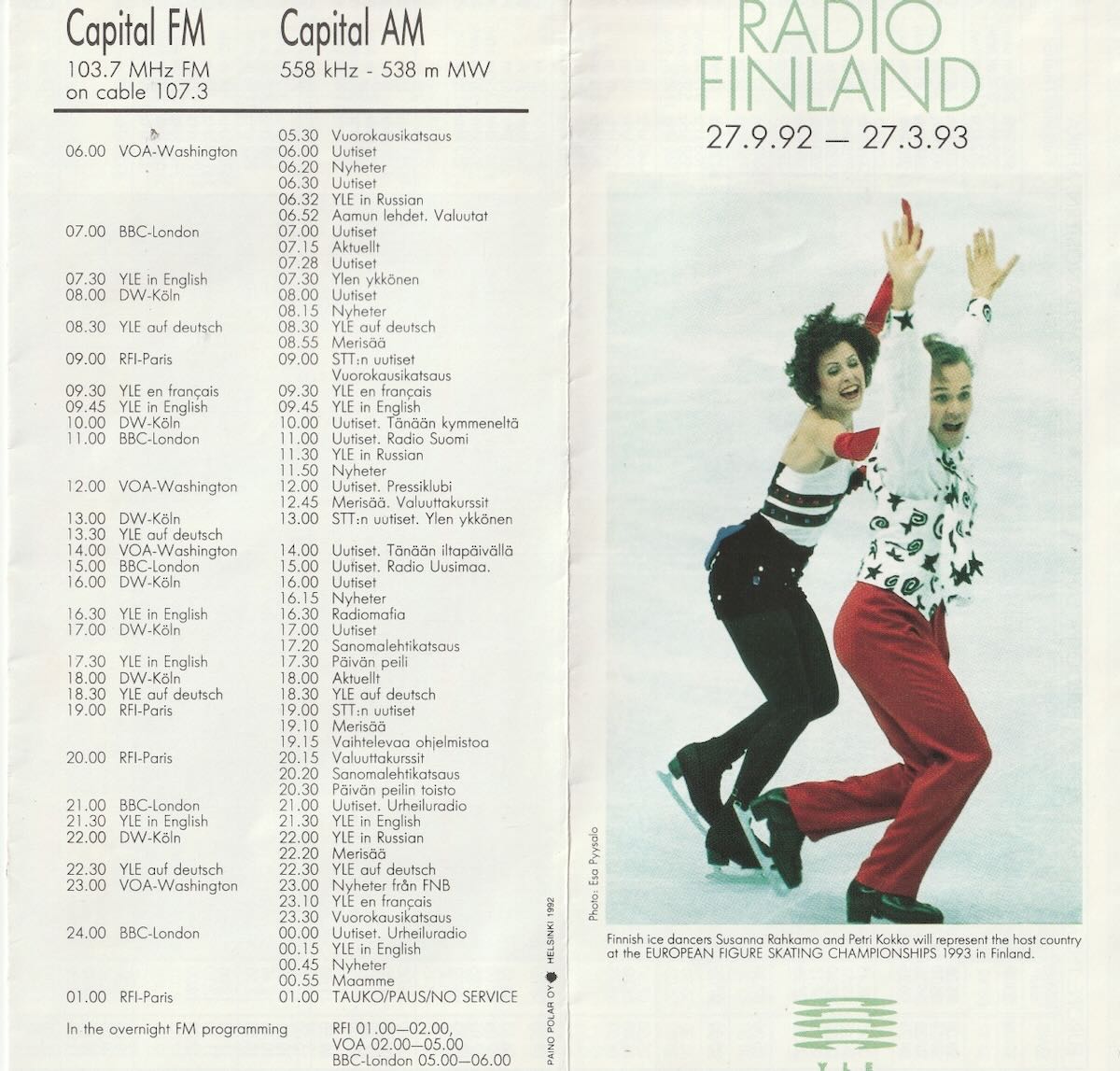
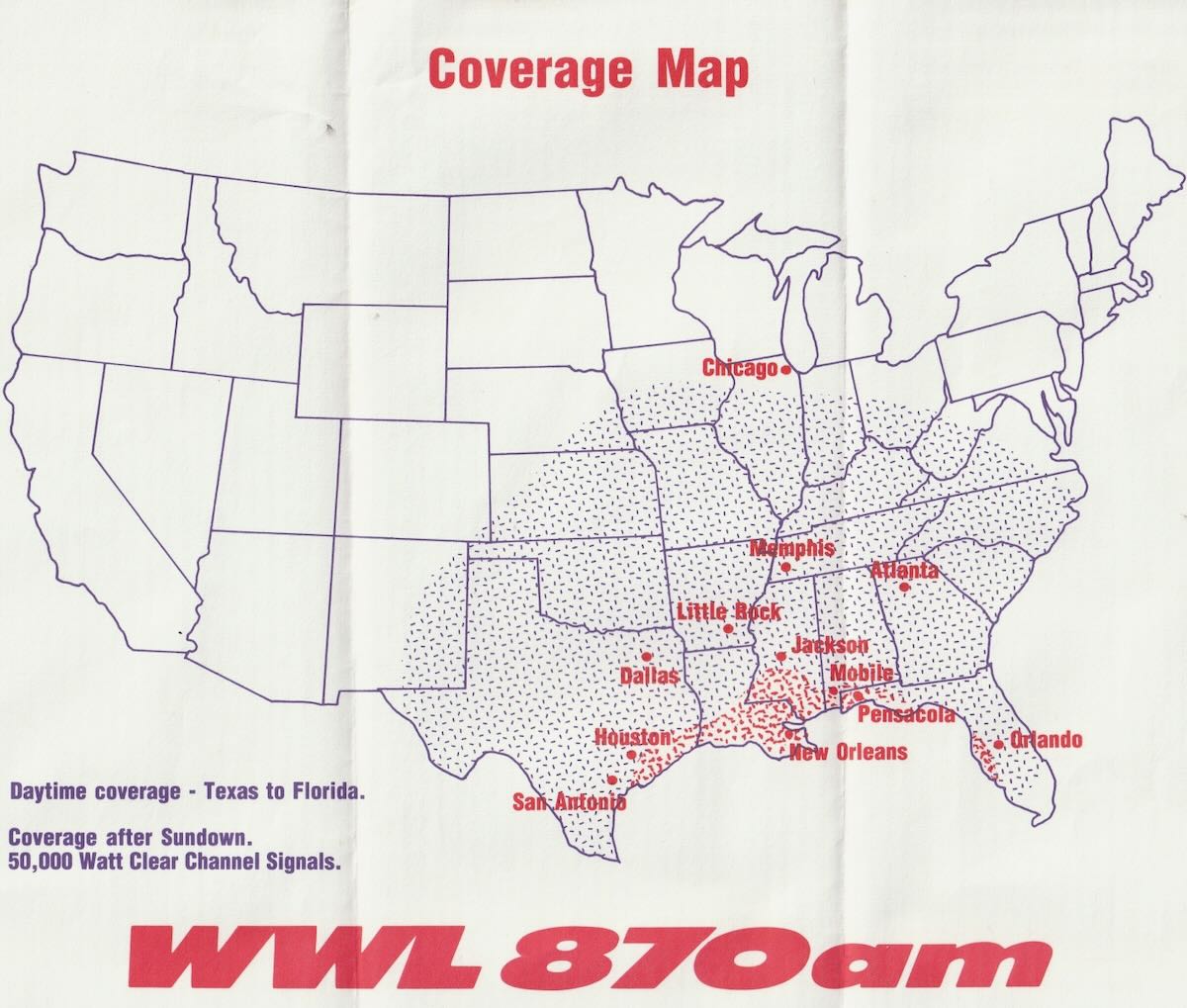
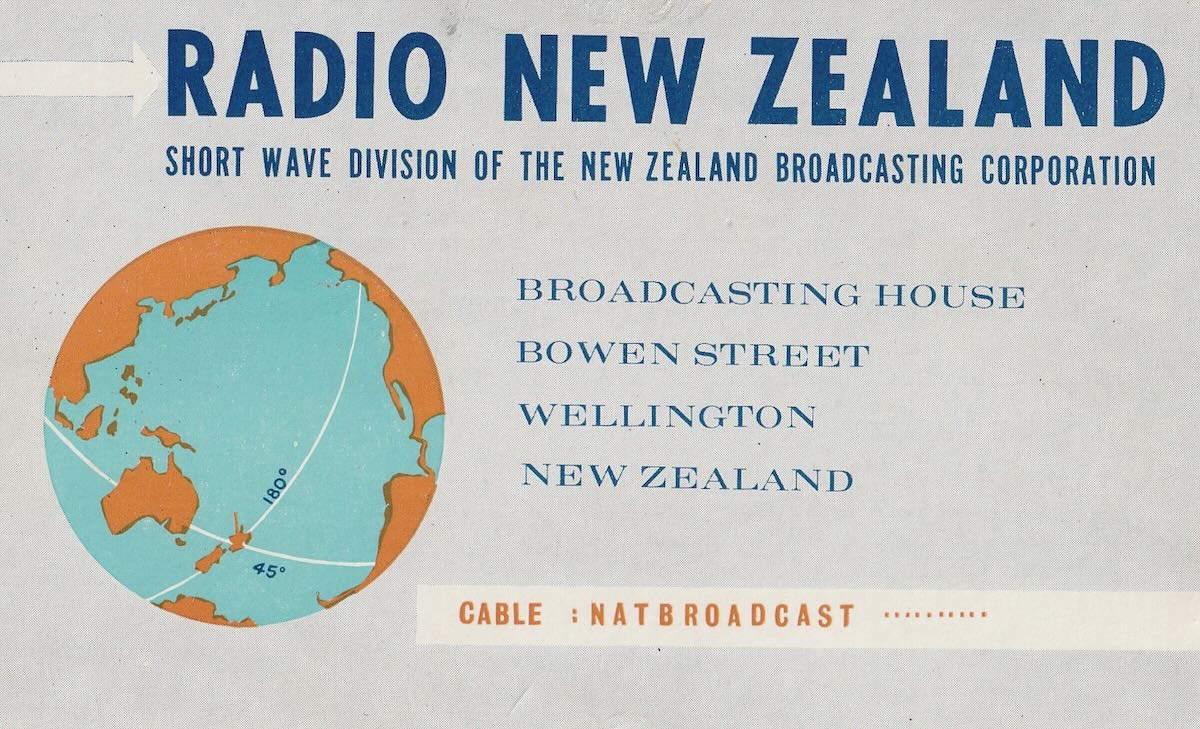
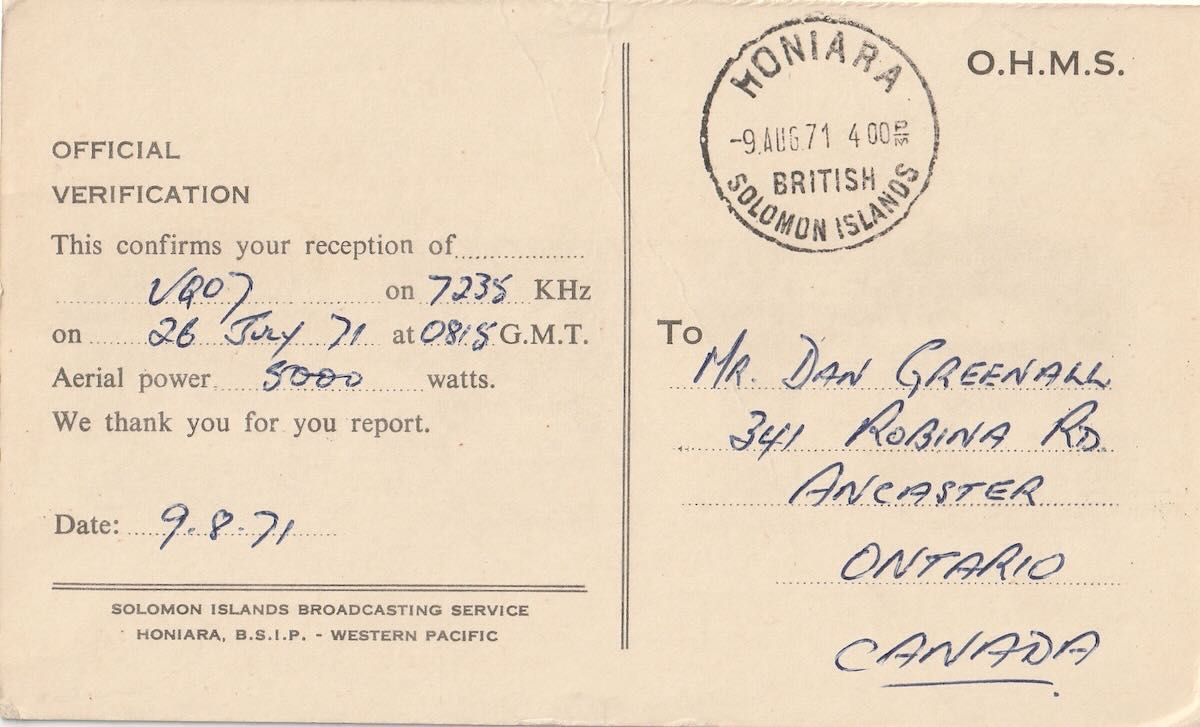
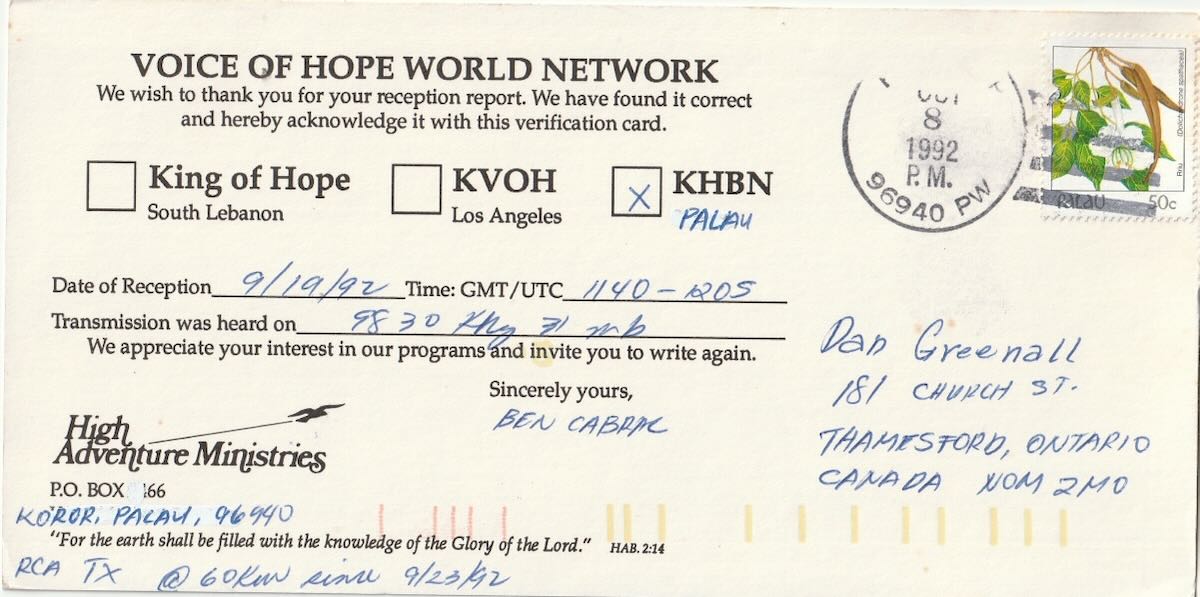
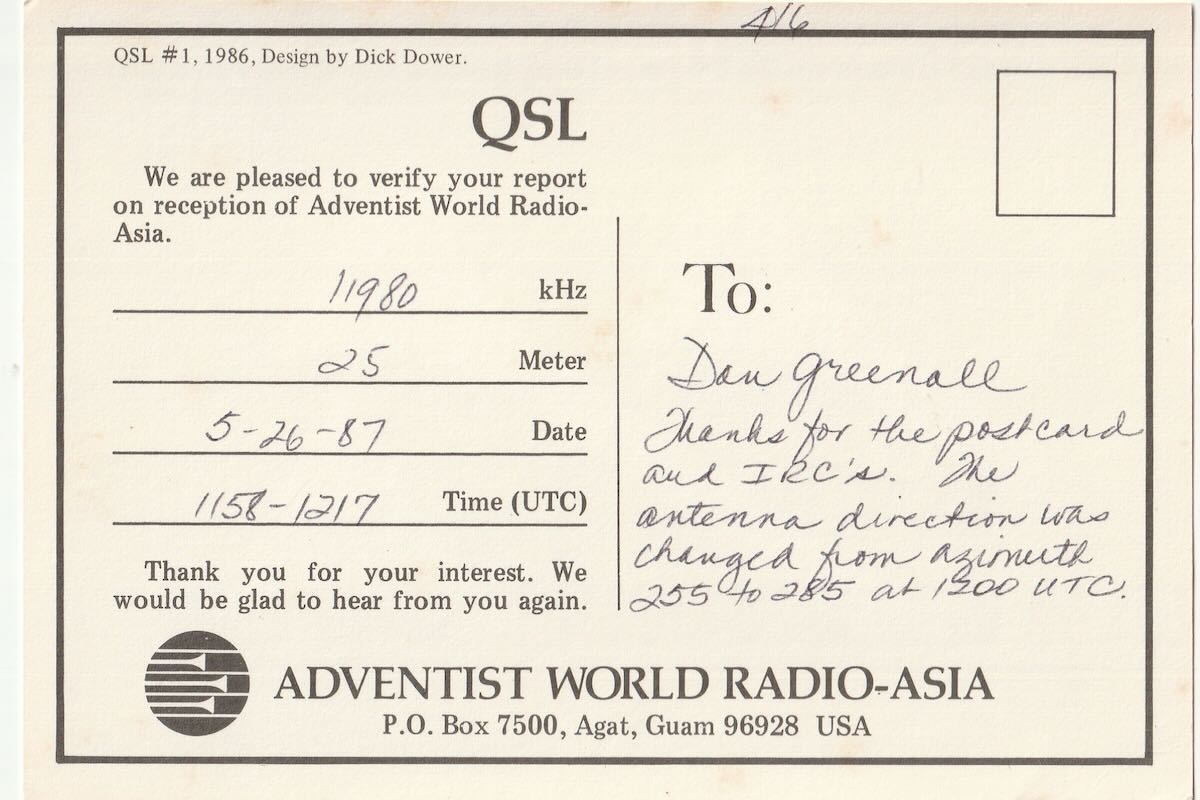
Before the days of the internet and e-mail, handwritten or typed reception reports mailed out to broadcast stations would often net the lucky DXer other goodies, including station brochures, program schedules, frequency guides, station stickers, blank reception report forms, pennants, booklets, and other items in addition to that coveted QSL verification.

The QSLs were stored carefully away in albums or shoe boxes, while much of the other paper ephemera eventually (over the years) made its way into a recycle bin. Recently, while cleaning out some storage boxes in the basement, I came across a number of envelopes containing some of the aforementioned items from the early to mid-1990s. To preserve these newly discovered pieces of radio history, I have scanned much of the material and included it here.

Here’s a sampling:

There are 39 JPEG and 7 PDF files to view: https://archive.org/details/radio-finland-program-guide-1992-3-page-2

73

Dan Greenall VE3HLC, Ontario, Canada

Thank you so much for archiving and sharing these, Dan! Pure radio nostalgia.

Dan takes us on a South Pacific Tour!

Many thanks to SWLing Post contributor, Dan Greenall, who writes:

In years gone by, many Pacific island nations relied on shortwave radio to air their programs across the vast expanses of ocean. These included countries such as Kiribati, Tahiti, Fiji, Saipan, New Caledonia, the Marshall Islands, Cook Islands, and Papua New Guinea. There are recent reports that the latter is seriously looking at a return to shortwave by 2030. https://swling.com/blog/2025/05/papua-new-guinea-plans-shortwave-comeback-by-2030/ Even in Hawaii, the licence of World Harvest Radio KWHR expired in 2009.

While the above nations can no longer be found on shortwave, a handful of other stations are still operating in 2025 and make excellent DX targets for listeners around the world. If you prefer optimal quality reception, choose to listen through a remote SDR closer to the transmitter site.

Click on the various links below to hear samples of audio from some of the remaining broadcasters located in the South Pacific region.

Radio New Zealand 

Radio Vanuatu

Solomon Islands Broadcasting Corporation (SIBC)

T8WH Hope Radio (Palau)

KSDA Adventist World Radio (Guam)

Trans World Radio (Guam)

Note: this one is scheduled for closure by the end of October 2025

Sit back, relax and enjoy the tour!

73

Dan Greenall, Ontario, Canada

This is wonderful! Thank you for taking us on the tour, Dan! We always appreciate your recordings, QSLs, and insights!

The Voice of Mongolia – Then and Now

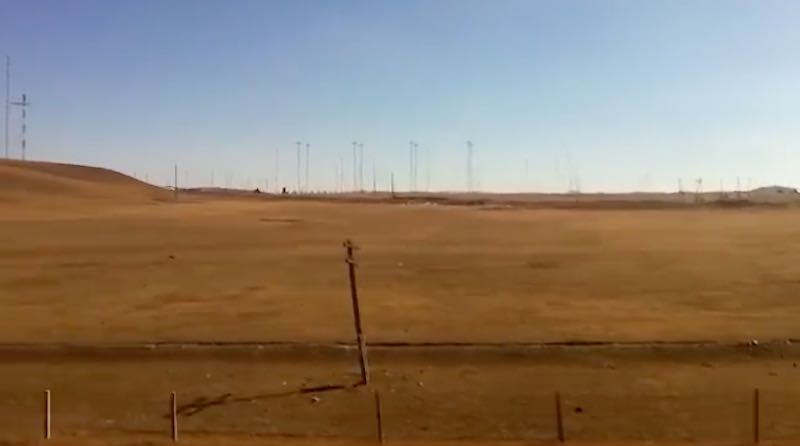
Voice of Mongolia Transmitter Site (Photo by Mark Fahey)

Many thanks to SWLing Post contributor Dan Greenall, who writes:

The Voice of Mongolia from Ulaanbaatar was always tough to hear from my location in southern Ontario, Canada. Relatively quiet conditions and a clear frequency eventually allowed me to make a recording of their interval signal and bilingual identification (presumed Mongolian and English) on November 1, 1998. This was on 12085 kHz at 1230 UTC. I was using a Panasonic RF-3100 portable receiver and a very long wire antenna.

Recording #1 November 1, 1998 1230 UTC 12085 kHz sign on in English (received in Ontario, Canada)

Today, reception of their programs still seem to be challenging, even with the use of remote SDR’s. Their schedule runs from 0900 to 1100 UTC on 12085 kHz, and again from 1300 to 1500 hours on 12015 kHz. Half hour English language segments begin at 0900 and 1430. Their distinctive interlude tune has remained the same through the years.

Recording #2 July 11, 2025 1300 UTC 12015 kHz sign on in Japanese (used Korean SDR)

Recording #3 July 12, 2025 1430 UTC 12015 kHz Chinese ending then sign on in English (used Korean SDR)

73

Dan Greenall, Ontario, Canada

Thank you for sharing these fine recordings, Dan!

Radio Marti Logs & Recordings: July 4, 2025

A portion of the Edward R Murrow Transmitting Site’s antenna farm.

Many thanks to SWLing Post contributor, Dan Greenall, who shared the following message and recordings yesterday, July 4, 2025. Dan writes:

Hi Thomas

Happy Independence Day!

Just finished listening to Radio Marti as follows:

9565 kHz strong then abruptly off at 2200 UTC (recording below)


11860 kHz strong then abruptly off at 2201 UTC

11930 kHz strong then abruptly off at 2201+ UTC

13605 kHz not heard today but strong on July 1st (recording below):

73

Dan Greenall

Thank you for sharing these logs and recordings, Dan! I hope you had a wonderful Canada Day on the 1st of July as well!

FEBA, Then and Now

Many thanks to SWLing Post contributor, Dan Greenall, who writes:

It seems that fewer shortwave broadcasters utilize an interval signal these days. However, of the ones that do, at least a couple seem to have stood the test of time, going back over 50 years. The bellbird from Radio New Zealand comes to mind, and then FEBA, once broadcasting from the Seychelles Islands, and now airing programs from different transmitter sites, continues to use “What a Friend We have in Jesus”.

Listen to this signature tune here:

FEBA Seychelles recorded February 22, 1973 around 1800 UTC on 11955 kHz, as heard in Ancaster, Ontario, Canada:

FEBA radio via transmitter at Al-Dhabbiyah, UAE (using SDR at Riyadh, Saudi Arabia) recorded June 24, 2025 signing off at 0230 UTC on 9540 kHz:

Can you think of any others?

73

Dan Greenall,

KTWR Guam: Dan suggests you log a piece of radio history…today!

Many thanks to SWLing Post contributor Dan Greenall, who writes:

Hi Thomas

Regarding your recent post on June 5: https://swling.com/blog/2025/06/twr-guam-to-end-broadcasting/

KTWR, Trans World Radio has recently announced they will be ending their shortwave broadcasts from Agana, Guam by October 31, 2025. However, unlike some stations that have vanished somewhat abruptly, there are still a few months remaining to log this station before they are gone from the airwaves forever. As well, with the help of various SDR’s located around the globe, this task should not be too difficult. The attached recording was made this past weekend on June 8, 2025, through the use of a Kiwi SDR located in northern Thailand on a frequency of 11965 kHz. At first, there is just background noise, but then, you will hear their transmitter come onto the air and power up for a few seconds. Their interval signal is played a number of times followed by sign on in English at 1100 hours UTC.
73

Dan Greenall, Ontario, Canada

Dan says it’s, “Just like the good ol’ days on 60 meters.”

Many thanks to SWLing Post contributor Dan Greenall, who writes:

Hi Thomas:

One of the benefits of DXing in 2025 is the ability to tune into a signal far from your listening post, yet still get strong, generally clear reception, all by simply finding a suitable receiver much closer to the station’s transmitter site. Well, sometimes it is not quite that simple. For example, the selection of Kiwi SDR’s from which to choose, is far less in Africa and South America than what is available in Europe or the USA.

Tonight, I came across a decent signal on 4775 kHz while listening on a Kiwi located in Lima, Peru. Just after 2300 UTC (when I began this brief recording), the announcer began rattling off a bunch of station call letters and frequencies in Spanish. This was followed by “Transmite Radio Tarma. Desde Tarma, Peru en America del Sur.”  The program that followed was called “Antena Deportiva”, or Sports Antenna in English. This program can be found listed on their website.

Recording:

Tarma, Peru is nestled in the Andes Mountains somewhat northeast of Lima. According to Short-wave.info, their power is listed as 1 kw.

73

Dan Greenall

London, Ontario, Canada

Thank you for sharing this, Dan! Readers, if you’d like an up-close look at Radio Tarma, check out this post from our archives by our friend and vagabond DXer, Don Moore!