
Many thanks to SWLing Post contributor Dan Greenall, who shares the following guest post:
The 90 metre band – Then and Now
by Dan Greenall
A few decades ago, the 90 metre shortwave broadcast band used to be full of interesting and challenging-to-hear DX signals. In the 1974 edition of The Complete Shortwave Listener’s Handbook, author Hank Bennett reports on what you might expect to hear on these frequencies. There is a copy of this book on the Internet Archive. Here is a link to that specific page.
Also, this sample page from White’s Radio Log in the 1972 Communications World magazine shows a number of stations that could be logged in 90 metre band.
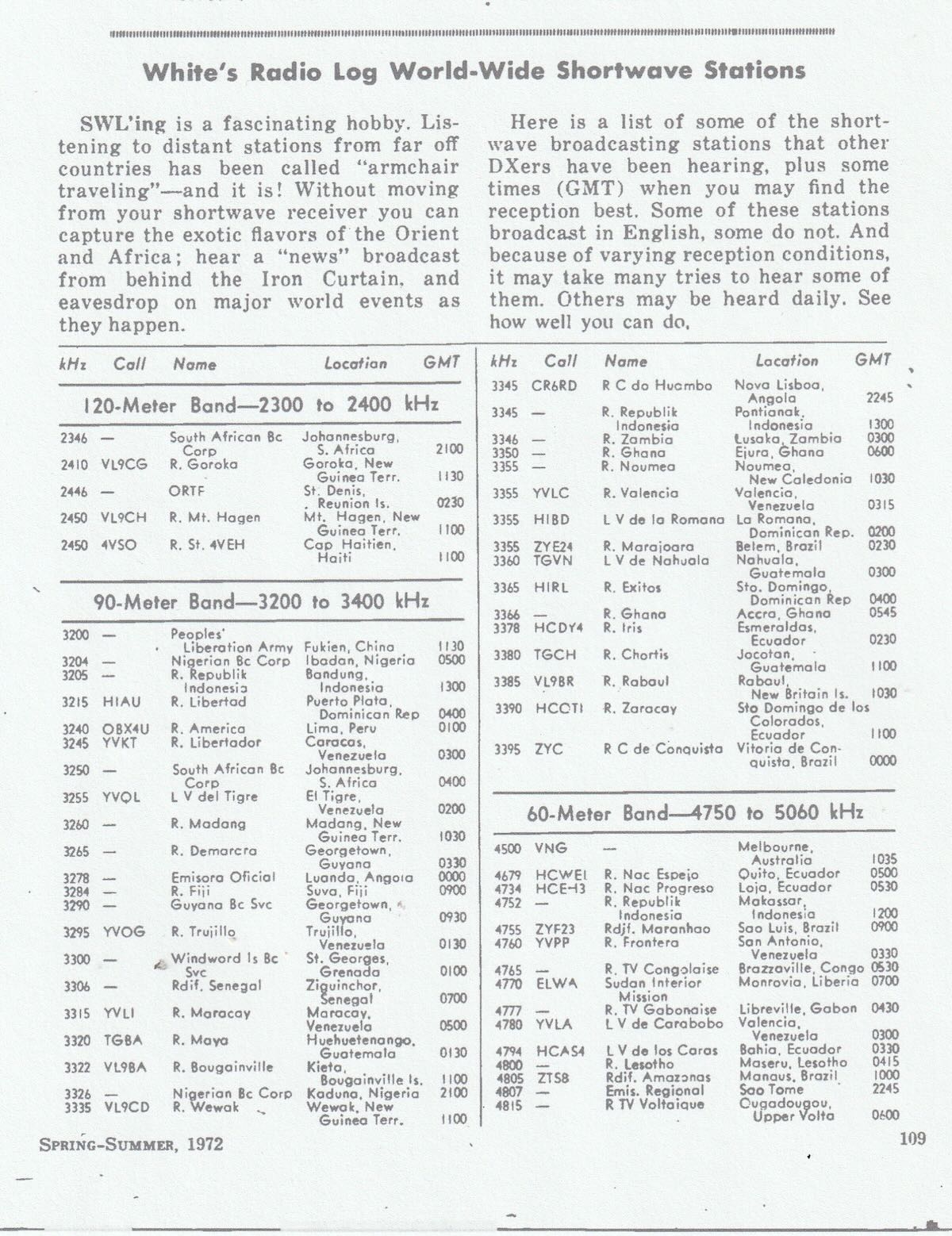 Here are a few links to recordings from my personal collection that have survived through the many years. These were all made between 3200 and 3400 kHz from my listening post in southern Ontario, Canada.
[Note: Click on each broadcast link to open the associated Internet Archive page with more info.]
Radio Bougainville, PNG 1971
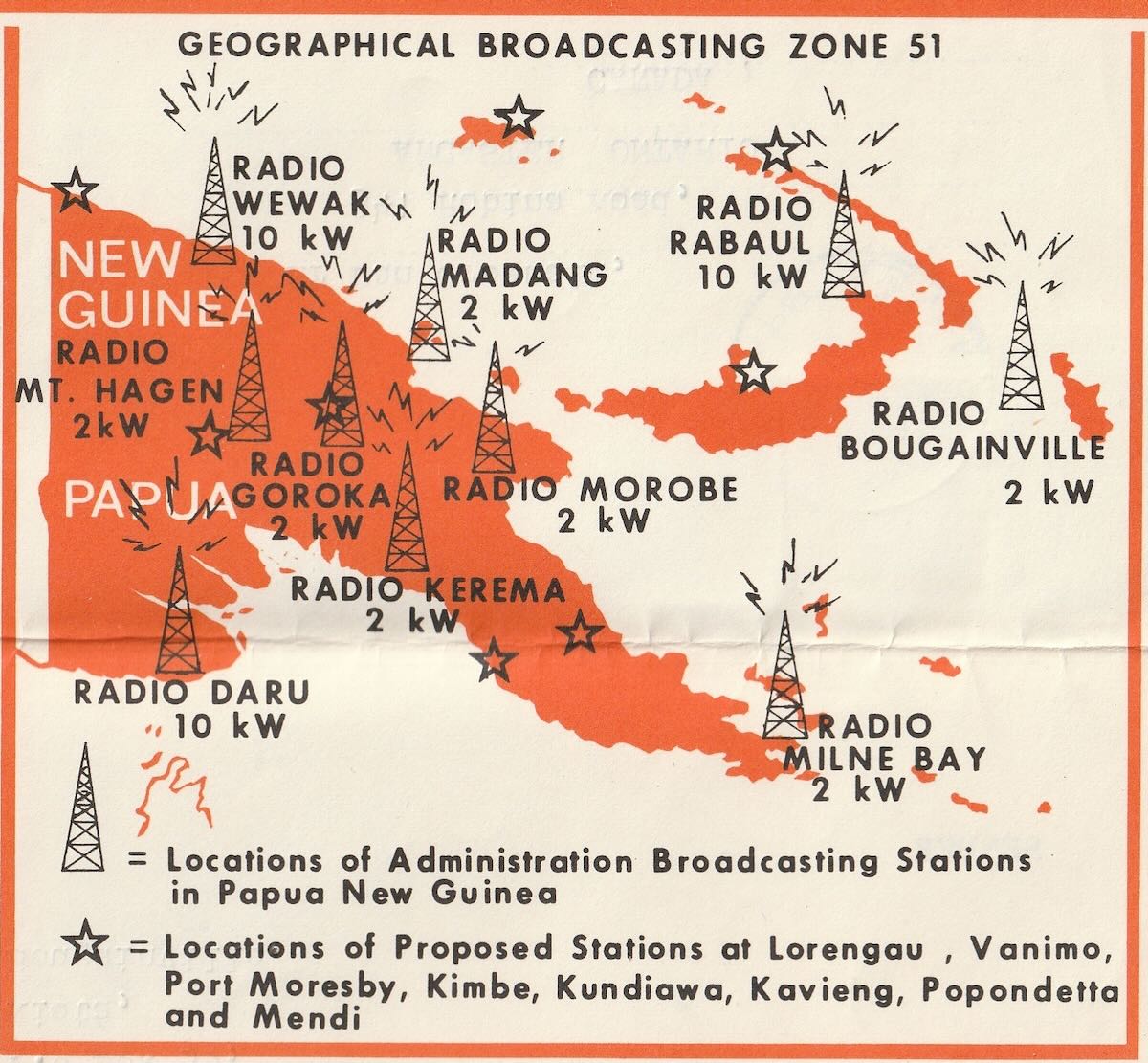 Radio Rabaul, PNG 1971
Radio Santiago, Dominican Republic 1971
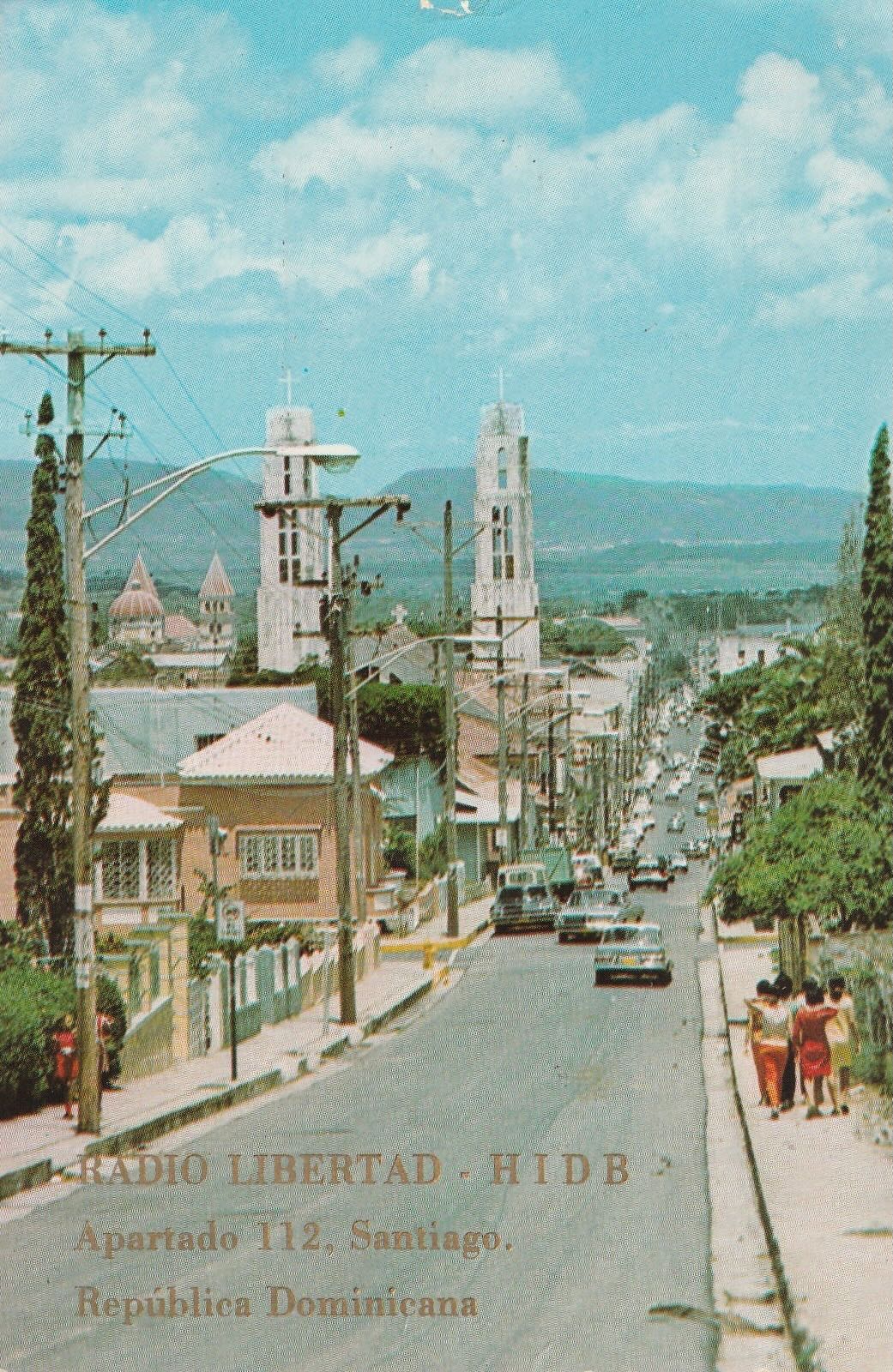 Radio Libertad, Santiago, Dominican Republic 1971
Action Radio, Guyana Broadcasting Service 1972
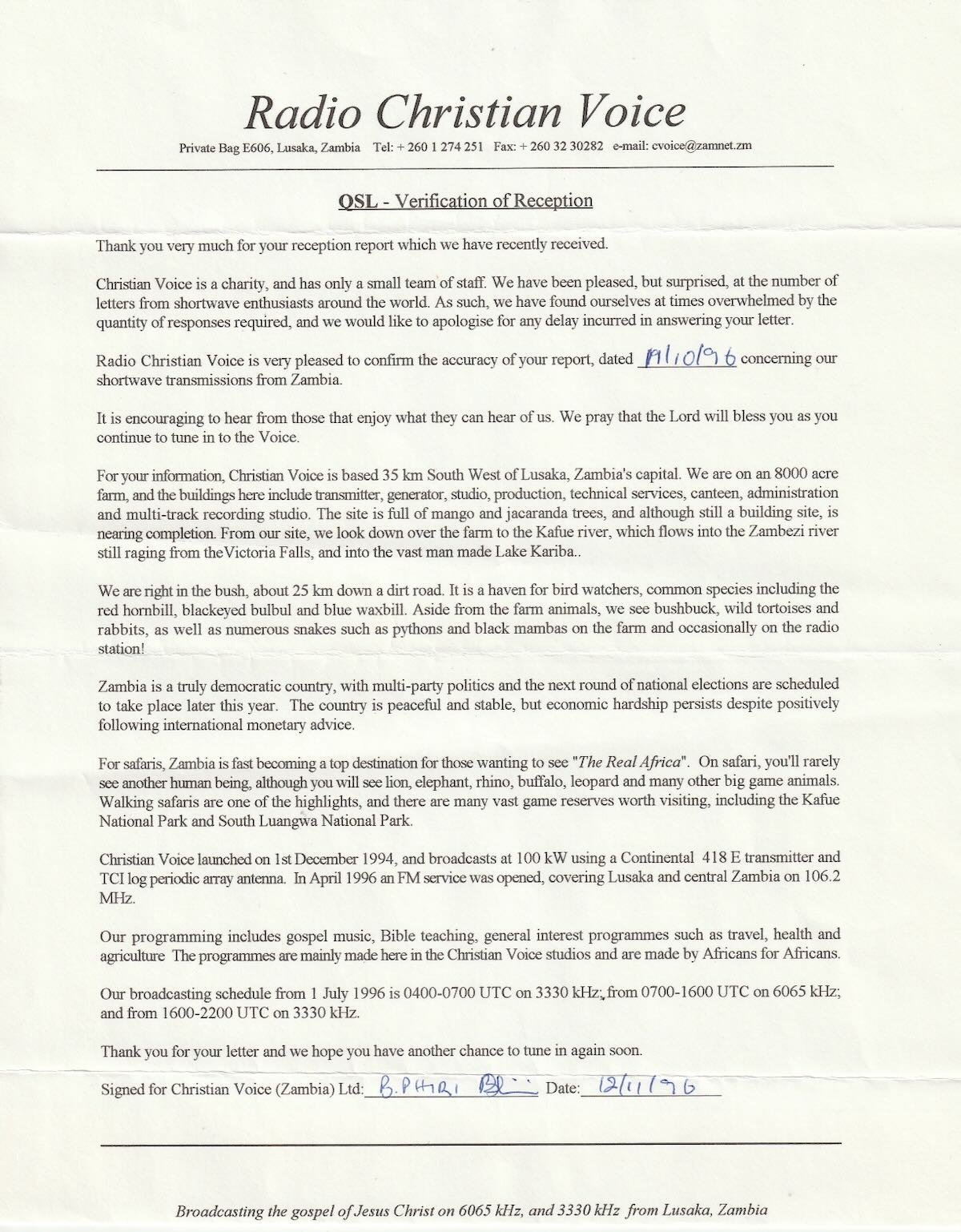
Radio Christian Voice, Zambia 1996
Malawi Broadcasting Corporation (MBC) 1997
Radio Maya TGBA, Guatemala early 1970’s
Radio Exitos, Dominican Republic 1971
Today, it seems that only a handful of stations can be found broadcasting in the 90 metre band. These would include WWCR in Nashville, the Voice of Indonesia, KCBS Pyongyang and Radio Mosoj Chaski in Cochabamba, Bolivia. As well, the Canadian time signal station CHU still continues to use 3330 kHz.
A recent recording of Mosoj Chaski Radio, a Christian broadcaster logged using a remote SDR in Lima, Peru, is presented here.
Although not in English, listen carefully and you can hear them give their frequency of 3310 kHz in the 90 metre band as well as their location of Cochabamba, Bolivia.