Radio Waves: Stories Making Waves in the World of Radio
Welcome to the SWLing Post’s Radio Waves, a collection of links to interesting stories making waves in the world of radio. Enjoy!
Many thanks to SWLing Post contributors Dennis Dura, NT, and Mark Pascoe for the following tips:
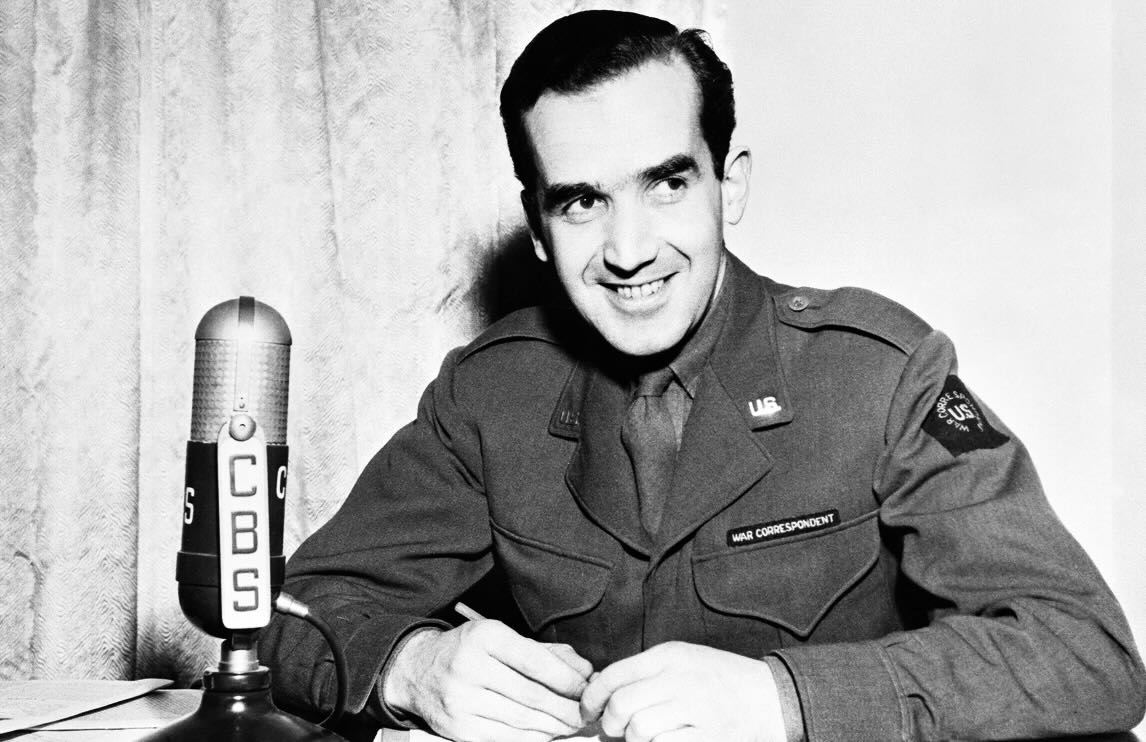
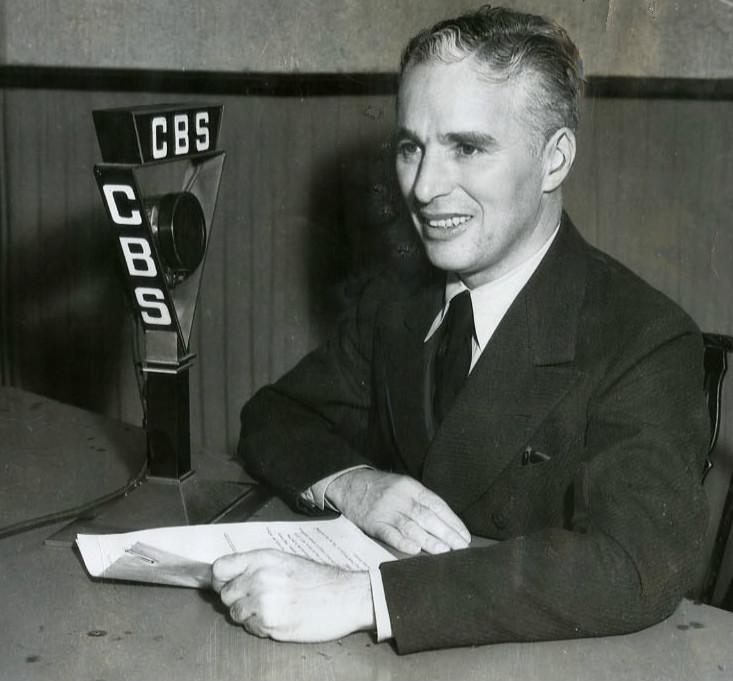
Remembering CBS Radio’s Beginnings (Radio World)
The recent news that CBS is shuttering its radio network caused us to reflect on the glorious 99-year history of the company’s radio business, and gaze backward from this stretch of the road toward the media organization’s beginnings.
In the 1920s, Arthur L. Judson was a well-known manager of musical artists. After a meeting with RCA chief David Sarnoff, he thought he had a verbal agreement to provide musical talent for the new National Broadcasting Company, but he soon discovered that Sarnoff had instead set up his own NBC artist’s bureau. Furious over the humiliation of being outmaneuvered, Judson resolved to start his own radio network, to be called the United Independent Broadcasters.
He lined up a few investors, rented studio space at WOR in New York and signed up 16 stations. The network would pay the stations for carrying its programs, plus the talent costs and the hefty AT&T network line charges. All expenses would be paid for by advertising. The Columbia Phonograph Company agreed to provide an infusion of cash, and it became the Columbia Phonograph Broadcasting System. [Continue reading….]
After CBS: Let’s Take Back the Airwaves (Radio World)
It’s a wakeup call. Our future should belong to Main Street not Wall Street
The announcement of the pending shutdown of CBS News Radio isn’t just another media headline — it’s a wake-up call.
A clear example of what happens when decisions about our information, our communities and our voices are made in corporate boardrooms disconnected from real life.
This wasn’t a programming failure. It wasn’t a lack of audience. It was an accounting decision — made by people who don’t live in the communities radio serves, don’t rely on it and don’t understand its true value.
And that’s exactly why they got it wrong.
Radio has never been more important. In an era flooded with misinformation, algorithm-driven content and faceless digital noise, radio remains immediate, local and — most importantly — trusted. It’s the one medium that still shows up live, every day, in real time, for real people. [Continue reading…]
Empowering Airwaves: Women-Led Radio Stations Amplify Unheard Voices (Nieman Reports)
On March 8, 2021, a new radio station launched in Kabul: Radio Begum, run by women, for women. The timing was deliberate — the station opened on International Women’s Day, and just as the United States military was withdrawing from Afghanistan.
“I decided to launch this radio station in order to be ready for the day the Taliban takes power,” said Hamida Aman, the station’s founder. “We knew that as soon as they take power, it will be segregation, and again, it will be against women.”
Five months later, the Taliban retook Kabul and imposed new laws restricting women’s access to schools and their movements in public. Five years later, Radio Begum is still on the air. The station follows the letter of the law, even as restrictions tighten. It doesn’t cover politics or any subjects that are off-limits to public discussion among women under Taliban edicts. Instead, it focuses on health, religion, and providing educational programs to replace the schooling women are now prohibited from receiving.
“They banned schools, but not education,” Aman said. [Continue reading…]
Does a ‘Great Firewall’ loom? Why Russians are buying up walkie-talkies and road maps (SBS News)
Pagers, walkie-talkies and portable radios have reportedly been flying off the shelves of Moscow after the city’s roughly 13 million residents were hit with week-long internet disruptions, which some believe could be part of the Kremlin’s trial of a nationwide internet censorship system.
The blackout, which was first reported on 5 March, occurred initially in some of out suburbs in the capital, Moscow, before later spreading through the city’s downtown areas.
During the disruption, many foreign websites were blocked on mobile phones, while online government services, top banks and taxi apps also stopped working.
Russian media outlet Kommersant estimated that a five-day shutdown cost the city’s businesses between $54 million and $89 million. [Continue reading…]
An Audience Crisis at WLRH (Michael Krall – Blog)
The latest audience numbers from WLRH reflect a new reality — the audience that once listened for NPR programming is gone.
The station posted a 1.3 share for January 2026 (Nov-Dec-Jan).
This is a real loss caused directly by the format change.
Because WLRH dropped all NPR programming on October 1, 2025, this book represents the first full three months of the new format. (See my previous post for a more detailed explanation on how the Huntsville radio market is measured.) [Continue reading…]
Do you enjoy the SWLing Post?
Please consider supporting us via Patreon or our Coffee Fund!
Your support makes articles like this one possible. Thank you!