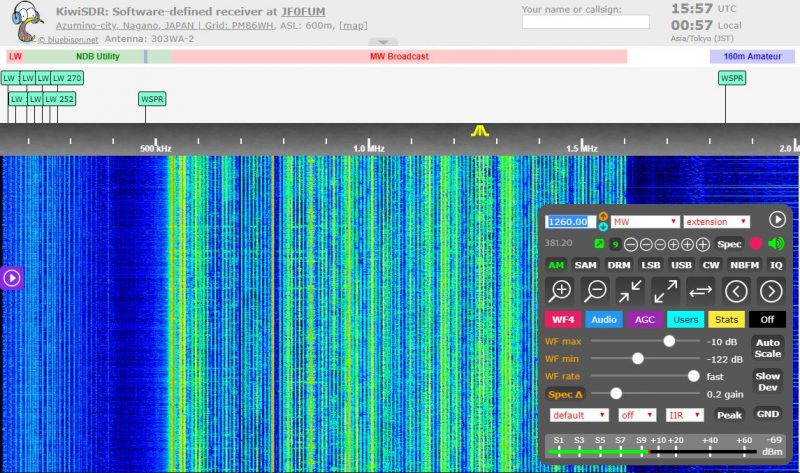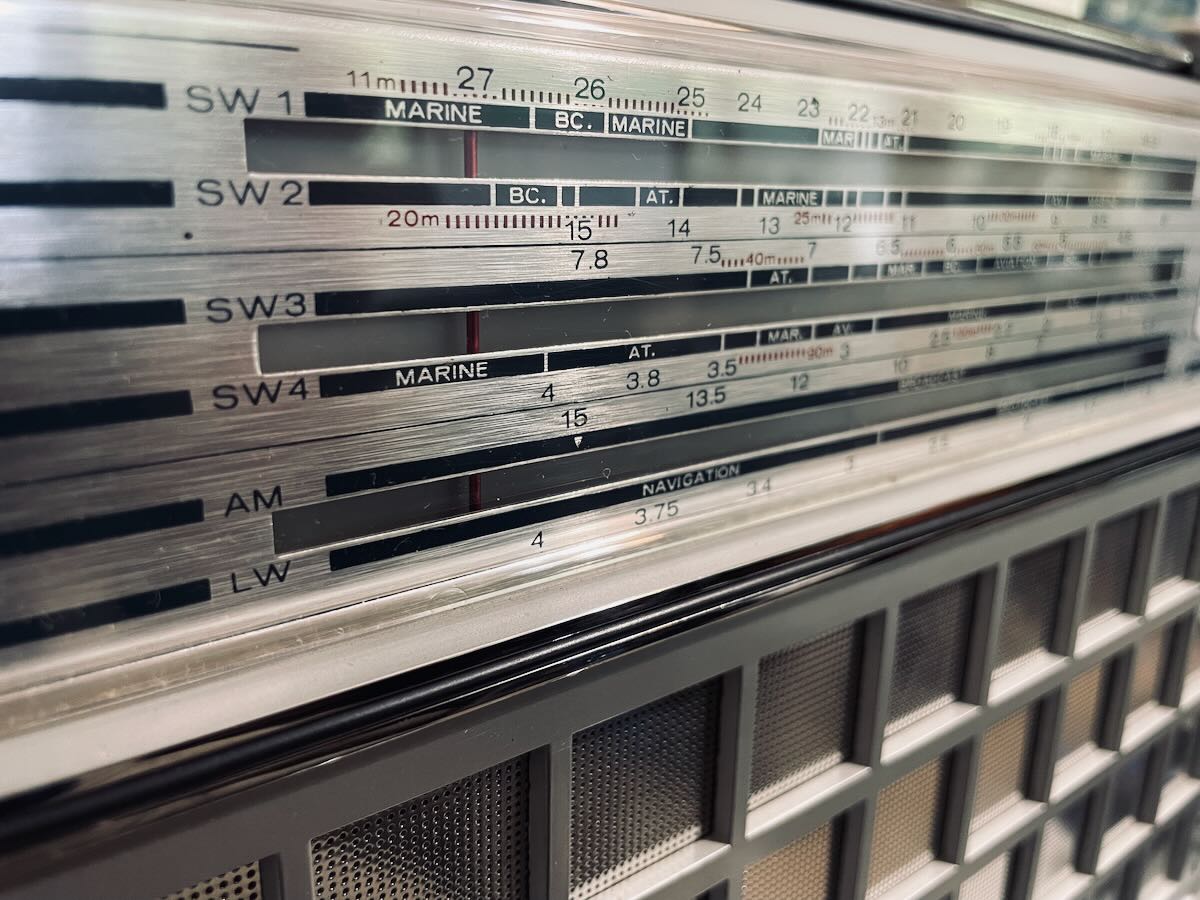
Many thanks to SWLing Post contributor Fred Waterer who shares this article from Radio World that takes a closer look at how online SDR networks have transformed shortwave listening. Even for those of us who regularly use Web SDRs, it’s an interesting perspective on how these global receiver networks continue to evolve and expand the reach of radio in the 21st century.
Tag Archives: Radio World
“NOAA Weather Radio Disruptions Highlight Need for EAS Backups”
Many thanks to SWLing Post contributor Dennis Dura for sharing an article from Radio World that highlights recent NOAA Weather Radio outages and the broader implications for emergency alerting systems. A timely reminder of the vital role EAS backups play in public safety infrastructure.
Read the full article here: NOAA Weather Radio Disruptions Highlight Need for EAS Backups
Sporadic-E and FM DXing
Many thanks to SWLing Post contributor Alan, who shares this Radio World piece which explores the fascinating world of long-distance FM reception via sporadic-E (E-skip), including rare double-hop events: Double-Hop Dreams and the Mystery of Long-Distance FM
A great read for anyone interested in the world of VHF propagation!
Alan also shared these resources:
- Australian Bureau of Meteorology – Propagation Modes: Learn about various propagation mechanisms, including transequatorial propagation.
- HeyWhatsthat.com Path Profiler: Calculate great-circle paths, view terrain profiles, and check Fresnel zones. Ideal for evaluating DX paths and terrain obstructions.
- FCC FM Query: Look up FM station data, including transmitter location, ERP, and HAAT—helpful for assessing potential reception range, even for low-power stations.
Thanks, Alan!
Armstrong Broadcast Returns to New Jersey on June 19, 2025

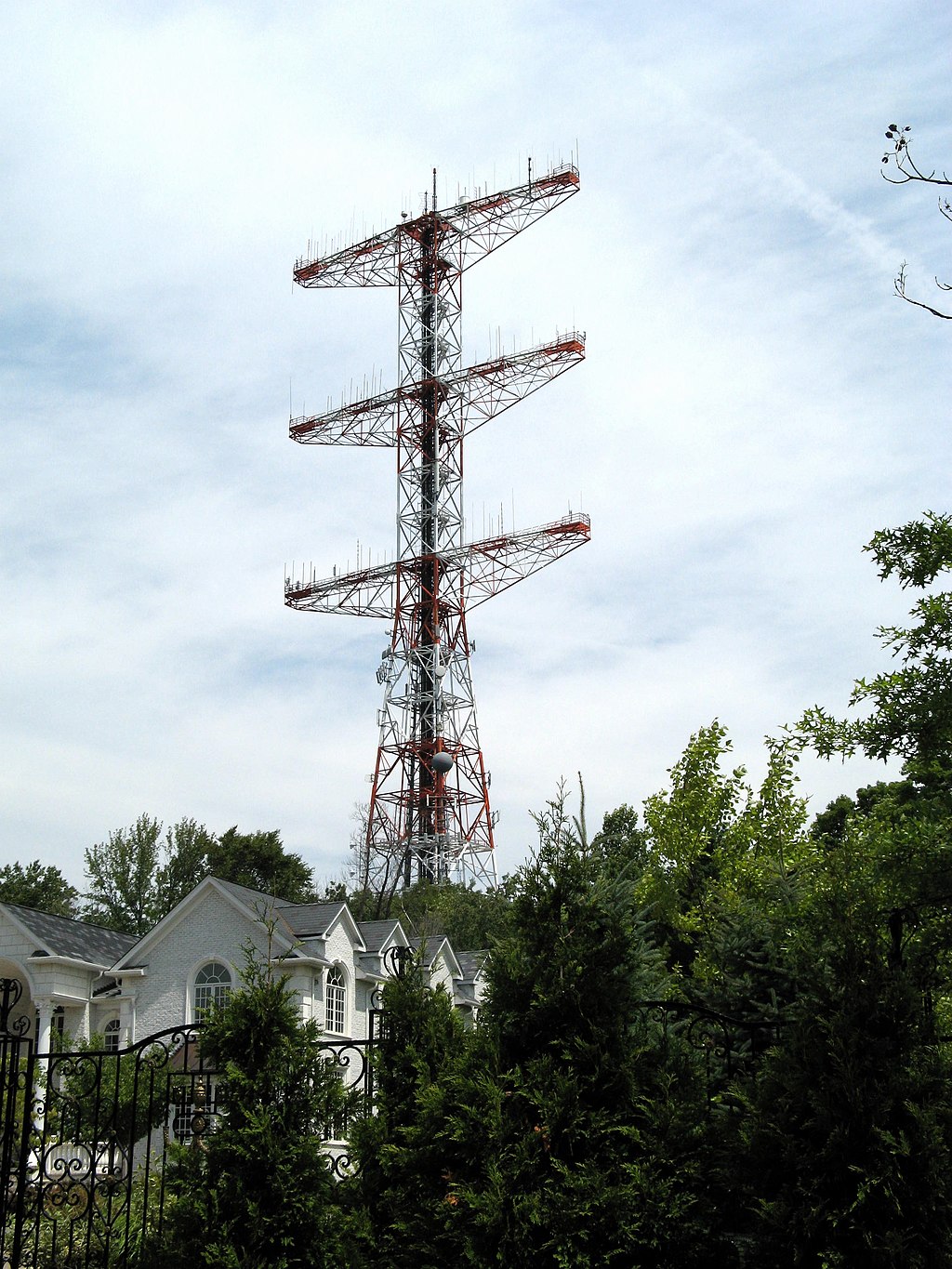
The Armstrong Tower in Alpine, NJ (Photo by Ww2censor via Wikimedia Commons)
Many thanks to SWLing Post contributors Alan and Conrad for sharing the news that the annual Armstrong Radio Broadcast event will return to Alpine, New Jersey, on Thursday, June 19, 2025, beginning at 12 p.m. ET. The commemorative broadcast will air on 42.8 MHz, the original low-band FM frequency used by Edwin Howard Armstrong. This special transmission, using vintage equipment, will cover much of the New York City Tri-State area. ?
In addition to the broadcast, there will be a public event on-site at the historic Armstrong Tower in Alpine—an opportunity to gather with fellow radio enthusiasts at a truly iconic location in broadcasting history.
Radio World: Three Mysterious New Shortwave Stations Approved in the U.S.
From Radio World: In a rare move, the FCC has approved two new construction permits and granted a full license for international shortwave broadcasting—prompting questions about their true purpose. All three applicants—DPA Mac, Parable Broadcasting, and Turms Tech—claim intentions to use the DRM standard, yet past filings and meeting summaries suggest possible ties to high-frequency financial data transmissions, a purpose not authorized under current broadcast rules. Who are these new players, and what exactly do they plan to transmit?
Nick Langan unpacks the story in Radio World. Click here to read the full article.
DRM: Should the U.S. Take the Leap?
Many thanks to SWLing Post contributor, Alan, for his recent article in Radio World titled “The Modernization of Broadcast Radio.” In it, Alan argues that the proposed “AM Radio for Every Vehicle Act” in the U.S. should go beyond preserving legacy systems and instead embrace Digital Radio Mondiale (DRM) as the future of terrestrial broadcasting. Drawing comparisons with digital transitions in countries like Norway, Switzerland, India, and China, Alan highlights the potential to reduce transmission costs, increase coverage reliability, and enhance emergency communications — all while offering a path to modernize U.S. broadcasting infrastructure.
Radio World: NRSC Studies RF Noise on Various Roadway Types
Many thanks to SWLing Post contributor, Dennis Dure, who shares the following item from Radio World:
NRSC Studies RF Noise on Various Roadway Types (Radio World)
Radio World asked Cris Alexander to read the report and comment
The National Radio Systems Committee recently published the results of a study on AM band noise.
The report, principally authored by John Kean, is titled NRSC-R102, “Measurement of AM Band RF Noise Levels and Station Signal Attenuation.” It was released in January.
The study consisted of several measurement series conducted along roadways both in urban and rural areas, measuring the signal strength of three different Baltimore/Washington 50 kW AM stations as well as the RF noise on three different unoccupied AM band frequencies.
Measurements were made across five environments: rural, rural-suburban, suburban, urban and dense urban. The results were mostly as one would expect, but there were a few surprises. [Continue reading…]