
by Dan Greenall
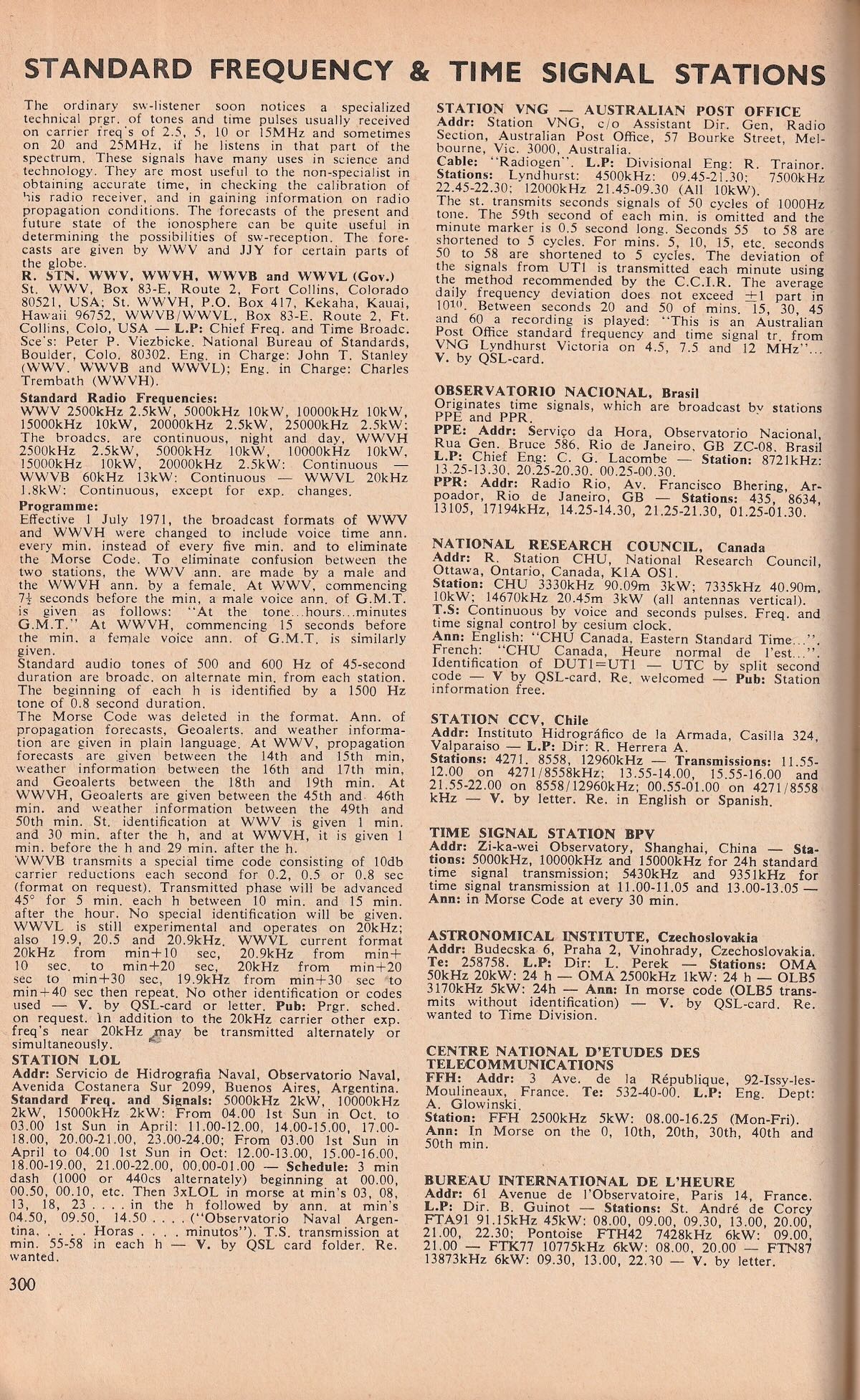
Time and standard frequency stations have been around for a long time. In my early years of DXing, there were more than 20 of them scattered all over the globe. These two pages from the 1972 World Radio TV Handbook show what could be heard back then, along with the frequencies used.
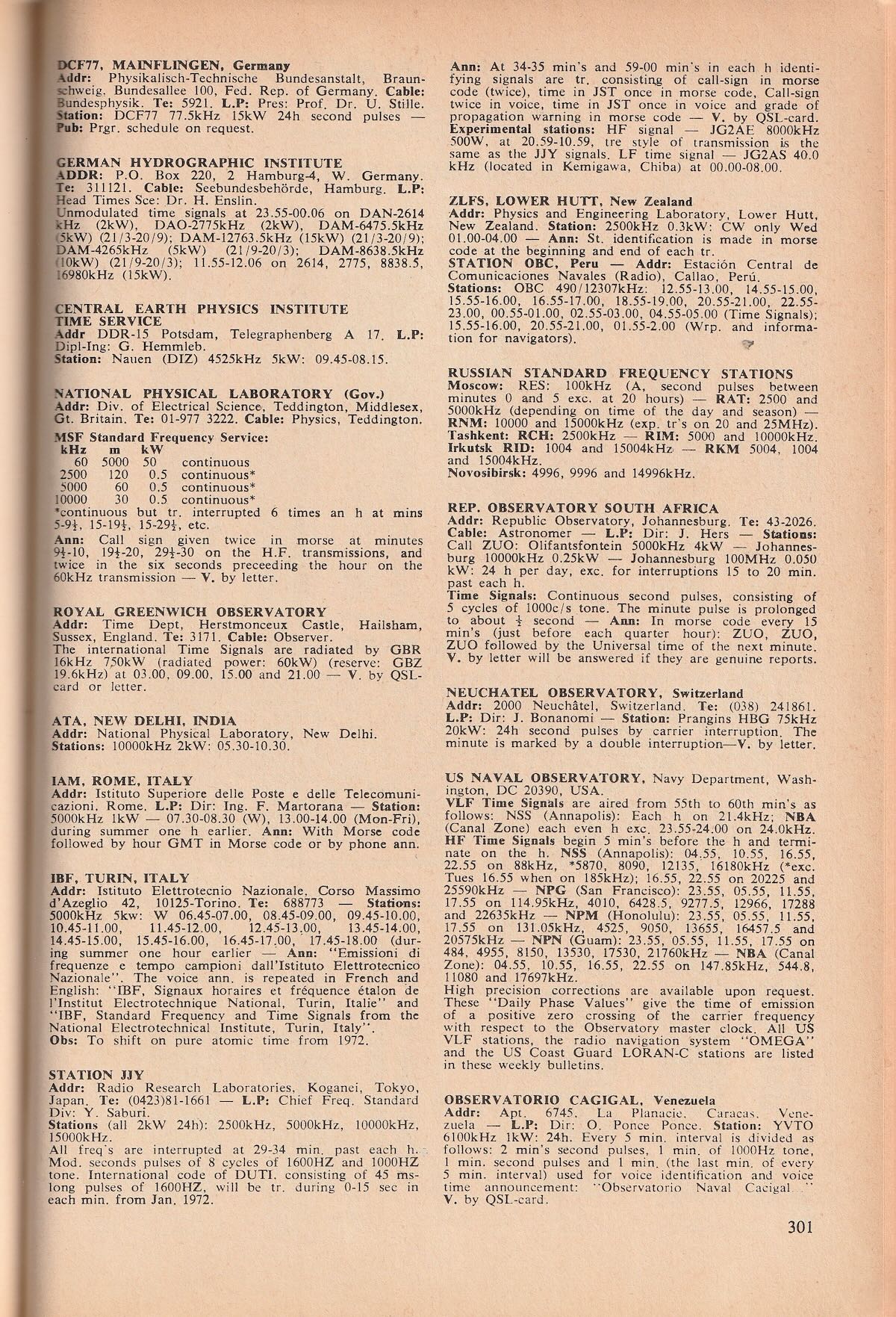
A page from the 1975 WRTVH indicates the arrival of BPM.
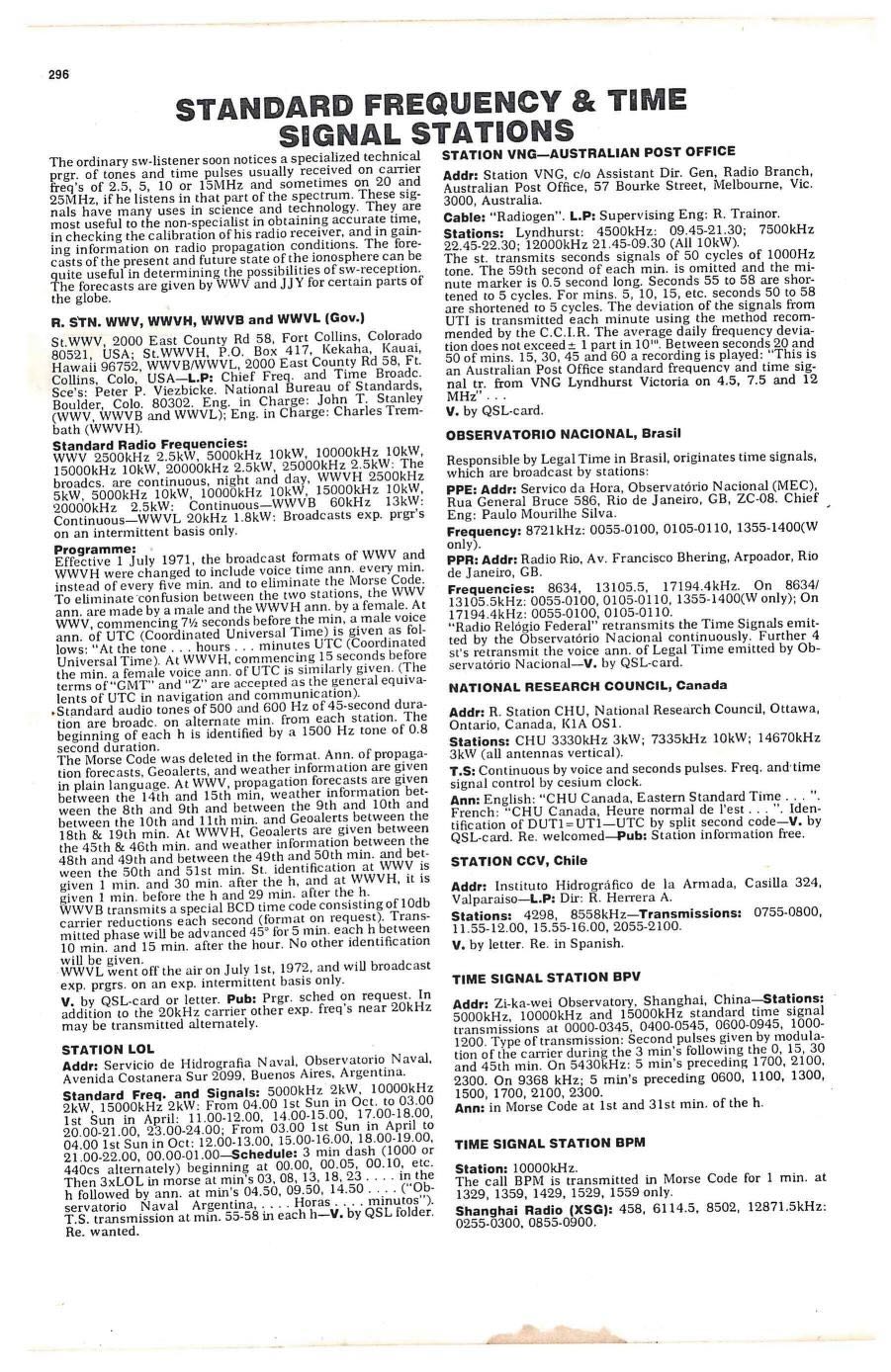
I managed to log at least ten of them from my listening post in southern Ontario, Canada. They are listed below, some of them including links to recordings I made, have survived for over half a century.
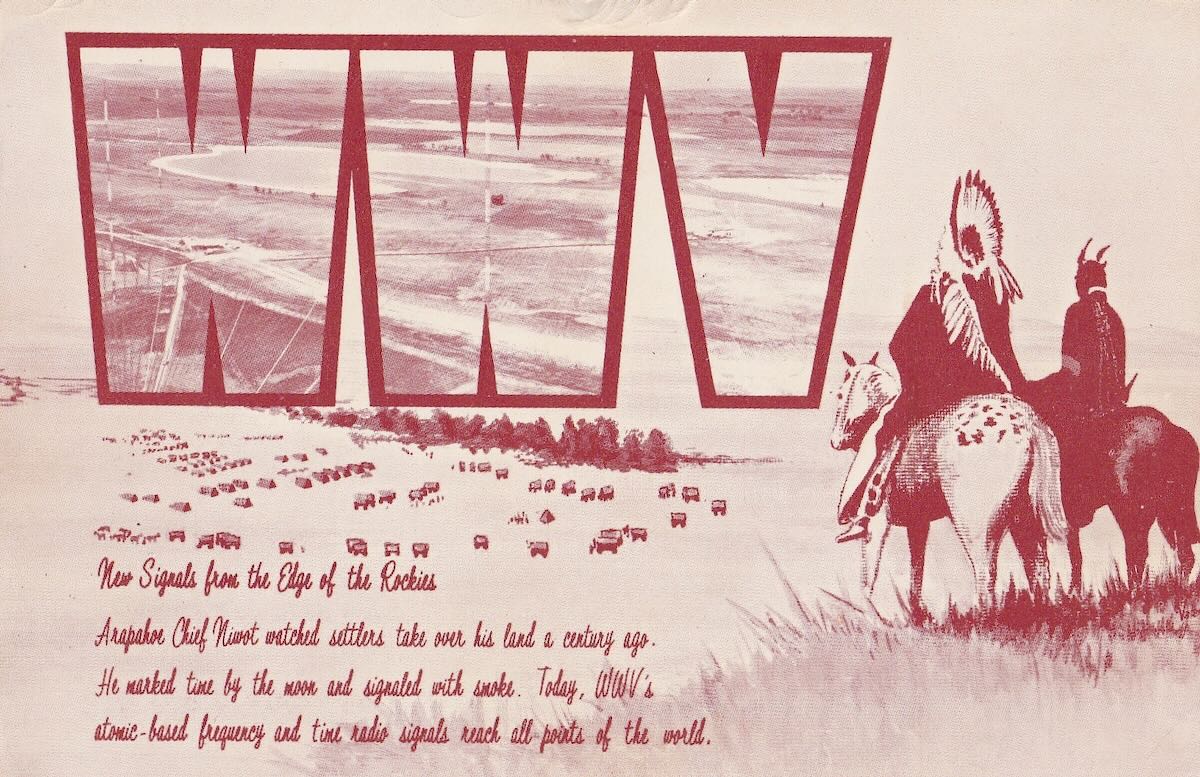 WWV, Fort Collins, CO (change of format in 1971)
VNG, Lyndhurst, Victoria, Australia
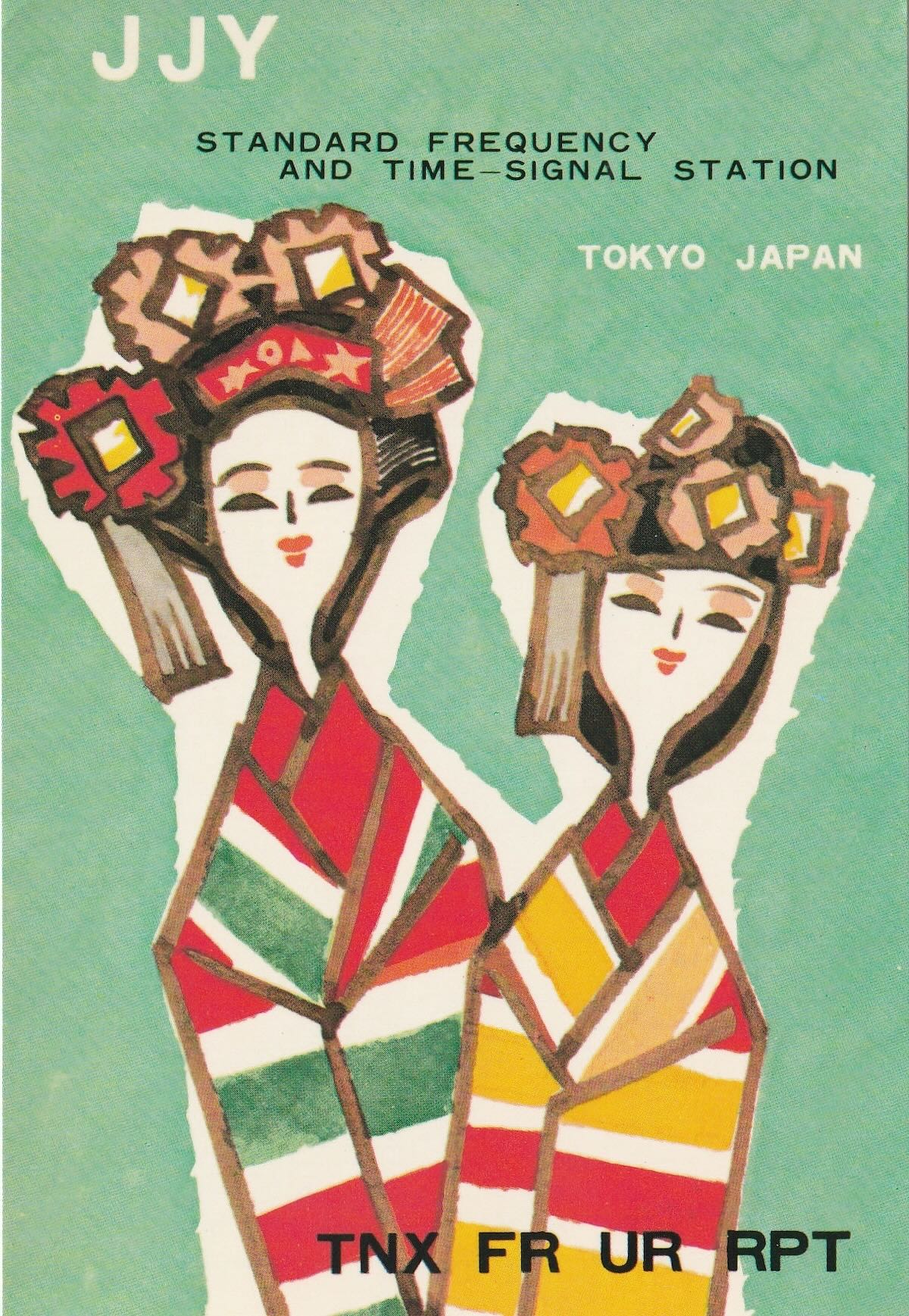 JJY, Tokyo, Japan
BPM, Shaanxi Province, China
CHU, Ottawa, Ontario, Canada
RID, Irkutsk, USSR
FTK77, Bureau International de l’Heure, Paris, France
A link to some of their vintage QSL cards can be found here: https://archive.org/details/vng-australia-1971
Time stations in 2026
Today, only a handful of these time signal stations remain on shortwave. Most are listed below.
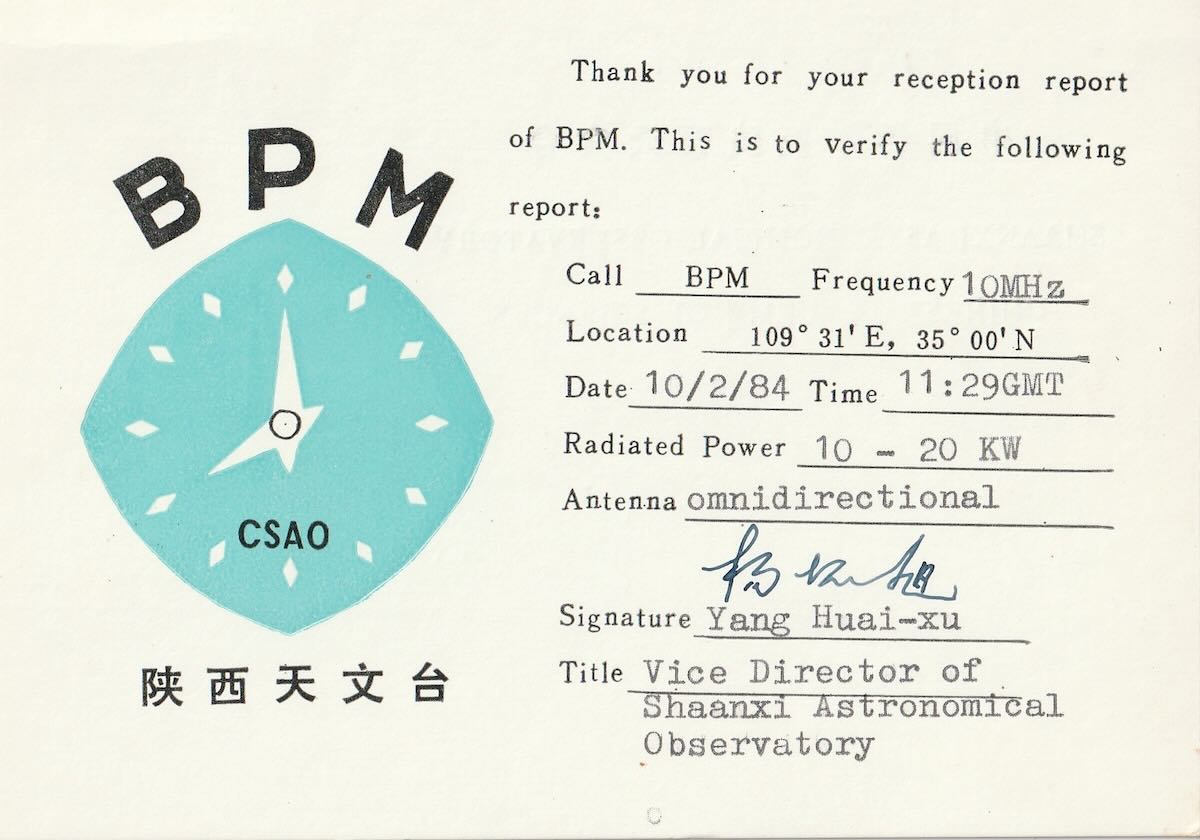 BPM, Shaanxi Province, China (70 km northeast of Lintong) 2500, 5000, 10000 and 15000 kHz
ID given twice per hour during the 29th and 59th minute. BPM was sent 10 times in CW, then the announcement in Chinese was given twice.
RWM, near Moscow, Russia 4996, 9996 and 14996 kHz
ID’s given twice per hour. During 9th and 39th minute, RWM sent 21 times in CW.
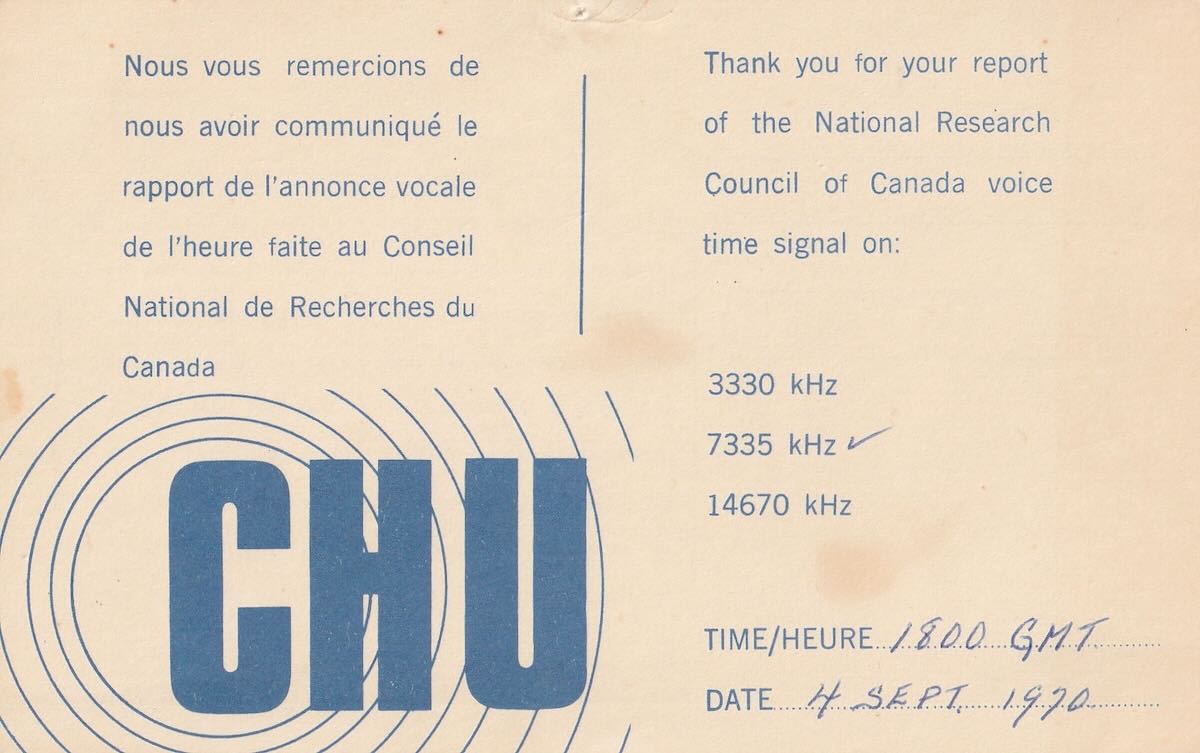 CHU, Ottawa, Ontario Canada 3330 kHz, 7850 and 14670 kHz
ID and time announcement (English/French) in UTC, last 9 seconds of each minute. Scheduled to close June 22, 2026.
WWV, Fort Collins, Colorado, USA 2500, 5000, 10000, 15000, and 20000 kHz
Time announcement (UTC) in English, each minute (male voice). Station ID at :00 and :30 minutes.
WWVH, Kekaha, Kauai, Hawaii 2500, 5000, 10000 and 15000 kHz
Time announcement (UTC) in English, each minute (female voice). Station ID at :29 and :59 minutes.
Best to log the remaining ones before their time runs out.
I seem to remember a station from South America (Ecuador?) on 3810kHz, with time pips and a Spanish voice at the minute. Great for determining propagation on 80m at the time
That was HD2IOA. Not sure if they’re still around.
I wonder if anyone knows when CHU changed their format. Going way back, they used to give the time in Eastern Standard, and would alternate every other minute between English and French. Something like this:
“CHU Canada heure normale de l’Est dix-neuf heures trente-sept minutes nineteen hours thirty seven minutes”
“CHU Canada Eastern Standard Time nineteen hours thirty eight minutes dix-neuf heures trente-huit minutes”
It looks like they switched from EST to UTC on April 1, 1990.
https://nrc.canada.ca/en/certifications-evaluations-standards/canadas-official-time/nrc-shortwave-station-broadcasts-chu
Dan —
Thank you! Very interesting information.
I especially enjoyed the WWV recording of the format switch. I had vaguely remembered the “buzz-saw” protocol” in the 5-minute sequence, but it was nice to hear it again. Took me back to the Lafayette “Explor-Air” kit radio my father built for me when I was perhaps 10 years old!
Amazing archive, when people not need a Smarth Watch only a radio with batteries. Thanks for share.