Monthly Archives: June 2026

More 250 year celebrations and WHFM

Hi to all SWLing Post community. Here’s news of what Imaginary Stations will be bringing to the ionosphere this week.

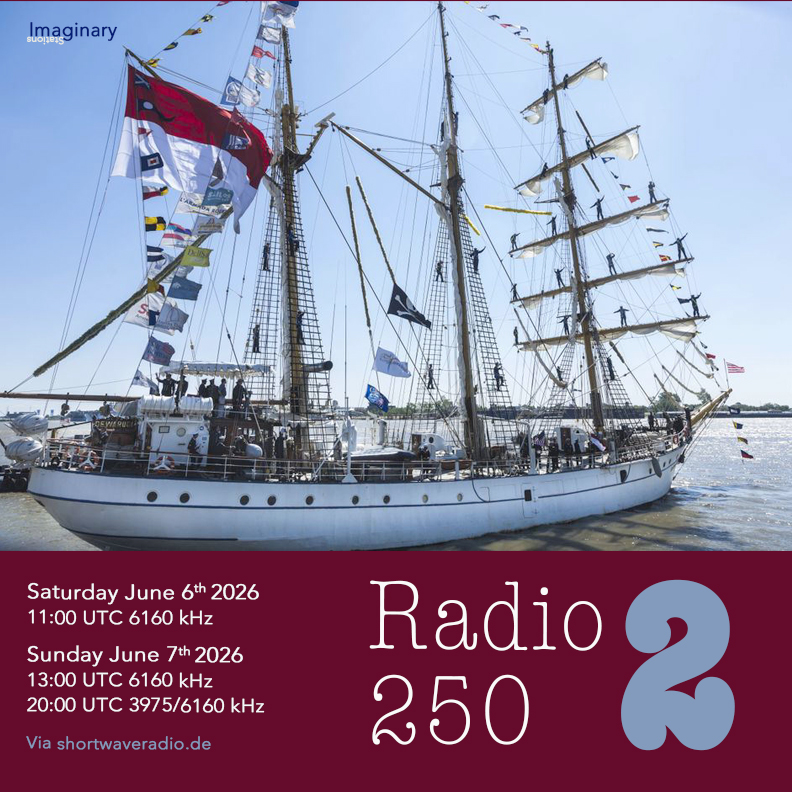
We have the second episode of Radio 250 via Shortwave Gold, which is full with all sorts of genres of music celebrating and bringing you more of a musical history lesson over the shortwaves. The schedule for the show is on Saturday 6th June at 1100 hrs UTC on 6160 kHz and then again on Sunday 7th June at 1300 UTC on 6160 kHz and 2000 hrs on 3975 kHz/6160 kHz. Tune in for another salute to the United States of America!
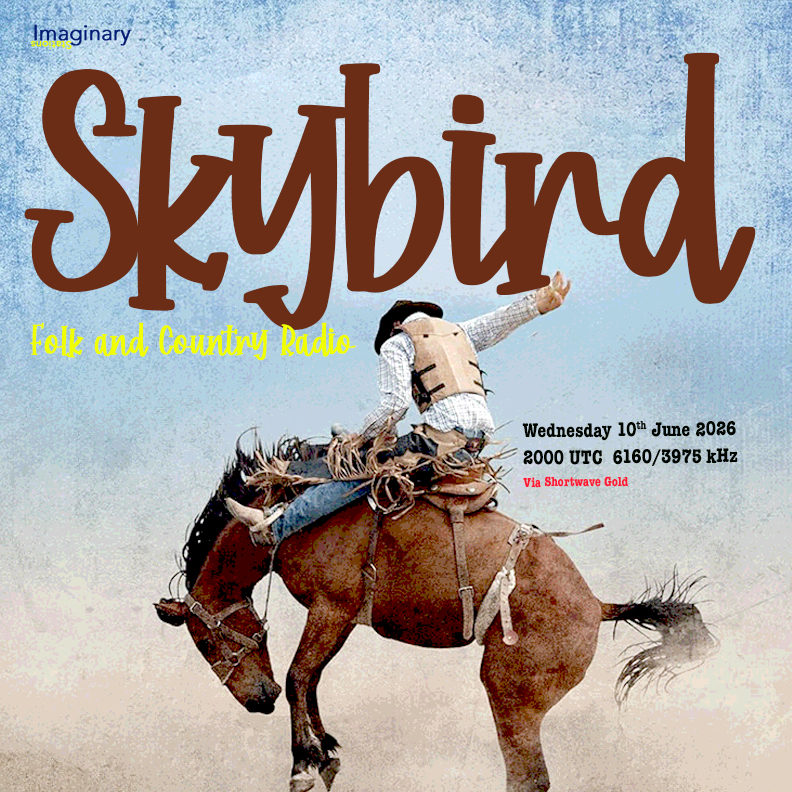
Also on Wednesday June 10th at 2000 UTC on 3975 kHz/6160 kHz we bring you Skybird Folk & Country Radio (repeated on June 17th). If you’re into both those genres you are going to love this show! There’s a large saddlebag’s worth of electric and acoustic tunes for your listening delight. We welcome listeners to wear cowboy boots and denim for this special transmission
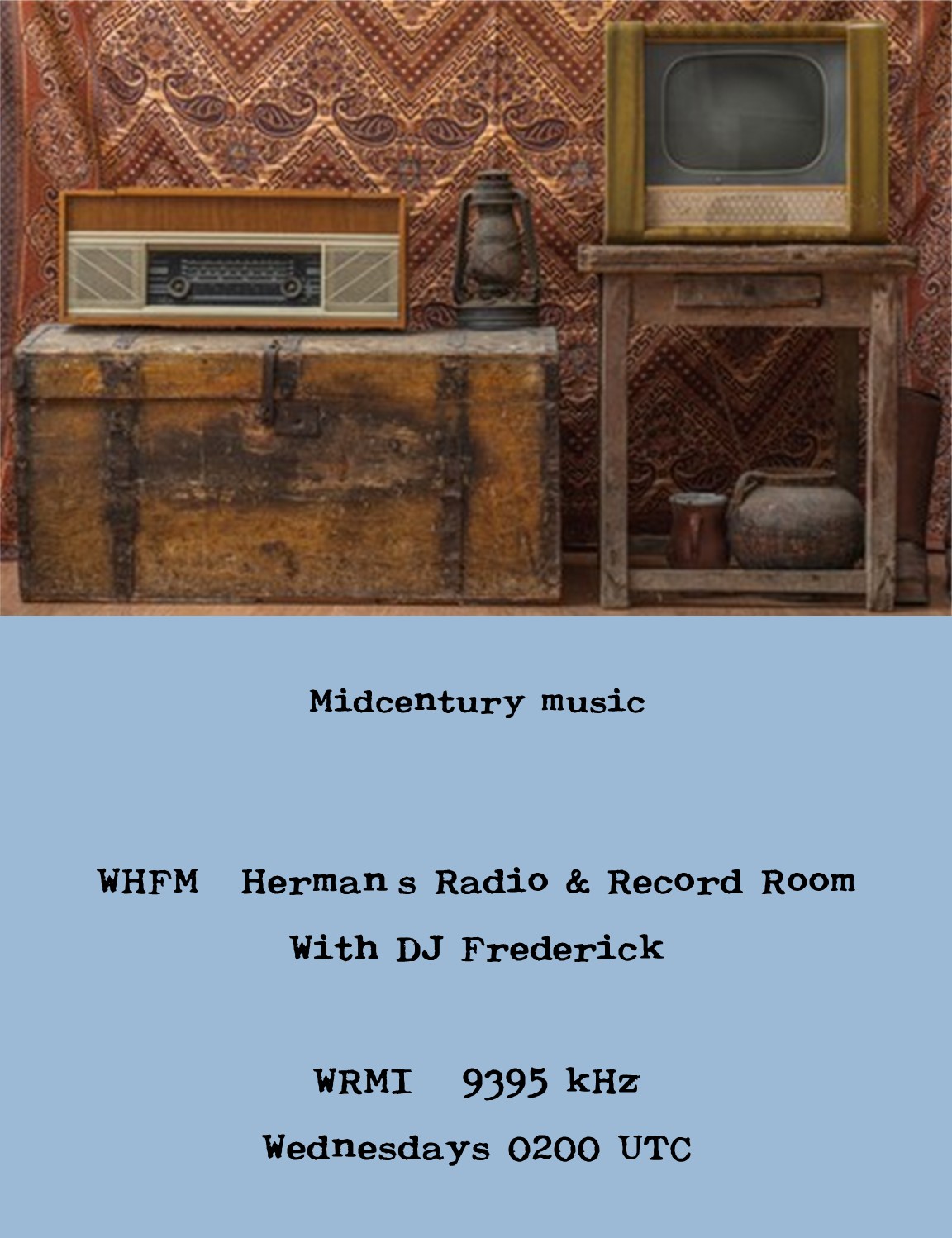
Also on Wednesday 10th June 2026, at 0200 UTC on 9395 kHz on WRMI we have WHFM – Herman’s Radio and Record Room. This is the second in a series of programmes recorded by DJ Frederick Moe in memory of his father Herman (1919-2001) and feature mid-century sounds including country, jazz, folk and easy listening.

For more information on all our shows, please write to us at [email protected] and check out our old shows at our Mixcloud page here.

FastRadioBurst23
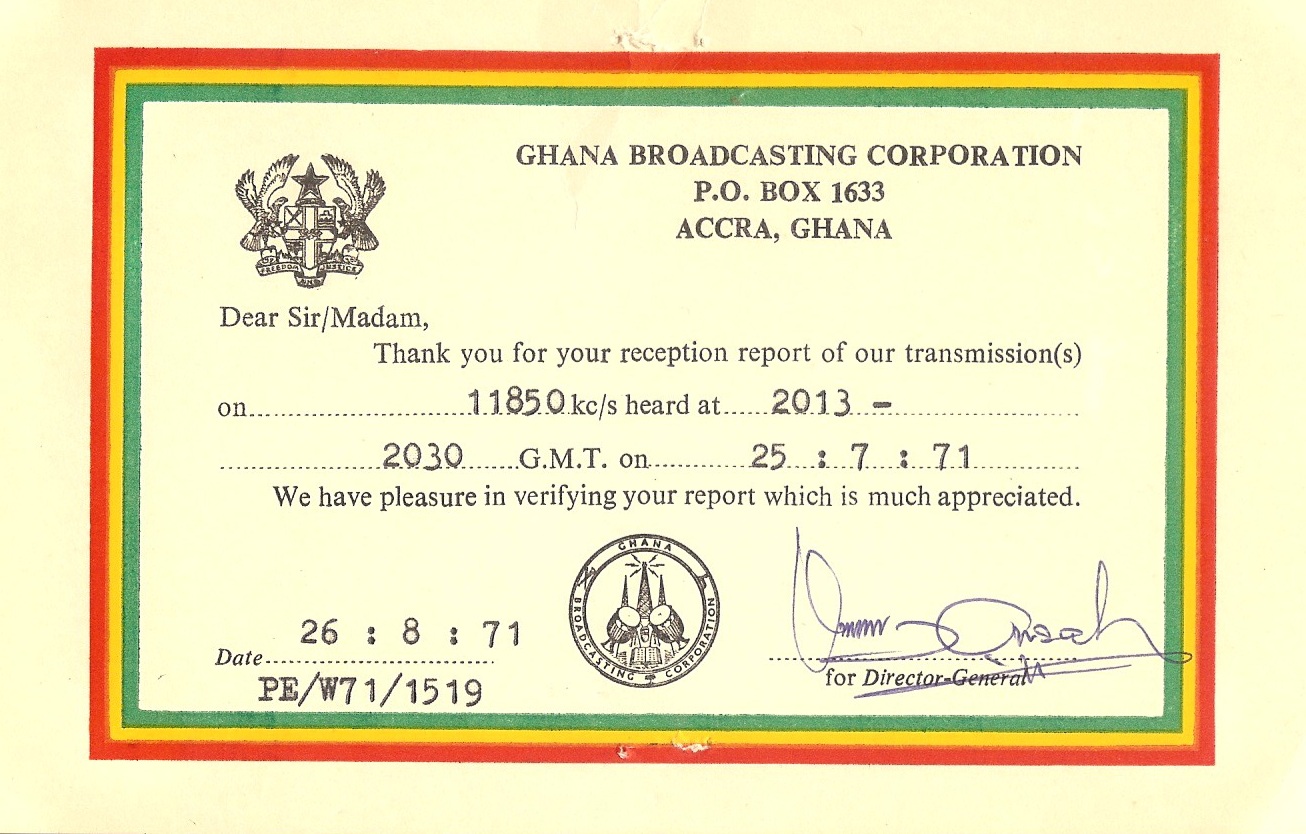
Shortwave Memories — Ghana’s North American Service

by Karl D. Forth

Many of the African nations achieved independence in the 1960s, and as they raised their new national flag they wanted to be connected to the outside world. One of the first things they often did was build an airport so they could be accessible. The second was setting up a shortwave radio station so their national voice could be heard both domestically and internationally.

Radio Ghana, an early independent country (1957), took this a step further by establishing a North American shortwave service, audible in the mid-afternoon in the eastern United States. In my early listening months, this was one of the more exotic places I could receive on my portable shortwave radio.

I sent them a letter, seeking a QSL card verifying reception, and more information. Employees at the Accra General Post Office gathered letters, rather infamously so, and a few weeks later I received a pen pal aerogram from a postal worker in Accra. At the time, this was welcome and a little bit exciting. I remember showing the first letter to my mother and father. They seemed to approve, with a reaction of “this hobby may not be so bad.”

My correspondence with the postal employee continued for a year or two, beyond the life of the North American service. He never did ask for money or anything else (many other listeners received requests for money from other postal workers), but he did dispense a bit of advice that I’ve always remembered. After learning that I was a high school student, he advised: Don’t Play With Books. That means don’t screw around with your educational opportunity.

Ghana Broadcasting Corp. had a number of frequencies for domestic broadcasts in places such as Ejura and Tema. The external service was based in the capital, Accra, and its broadcasts included two frequencies to North America from 2000 to 2100 GMT daily.

For many years after the North American service ended, Ghana could be heard on several 60 meter frequencies in the late evening and sometimes during late winter afternoons.

Karl D. Forth has been interested in radio and DXing for more than 50 years. This story was included in the book Radio Nights and Distant Signals.

Please note: all Amazon links are affiliate links that support the SWLing Post at no cost to you.

A New Media Tech Museum Opens in Kansas City

Many thanks to SWLing Post contributor, David Iurescia, who shares the following news item about a new museum dedicated to the history of media and communications technology. Located in Kansas City’s Crossroads Arts District, the Media Tech Museum features more than 900 artifacts tracing the evolution of communication—from telegraphy and early radio to television, film, and digital media.

Click here to read and watch via KCTV.