On shortwave, sometimes it’s what’s not heard that speaks volumes.
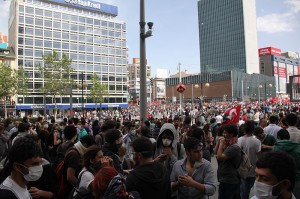
Gezi protest in K?z?lay Square, Ankara (Source: Wikimedia Commons)
Turkey has been in the world headlines now for well over a week. In case you’re not up-to-date, here’s a summary of what has happened:
On May 28, 2013, about fifty environmentalists led a small protest in Istanbul to oppose the replacement of Taksim Gezi Park with a reconstruction of the Taksim Military Barracks. The protests escalated when the group occupying the park was attacked with water cannons and tear gas by the Turkish police. This event led to riots, which were soon widespread; the protests, meanwhile, broadened their scope into full-fledged anti-government demonstrations across the country and even into the Turkish diaspora across the globe.
Yesterday, I turned to the Voice of Turkey on shortwave radio to hear about the active protests currently ongoing throughout the country…
But what did I hear? The only mention I heard of the Gezi Park protests in the Voice of Turkey’s English language service were in a passing Turkish press report on the reaction to the protests by the US Secretary of State, John Kerry. The item, moreover, was completely buried in their broadcast and certainly not something upon which they elaborated in the least (listen, beginning at 12:50 below).
I’ve always loved listening to the Voice of Turkey, but events like this remind me of the simple fact that many international broadcasters are still very much the mouthpieces of their governments.
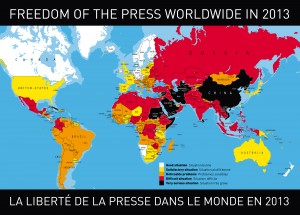
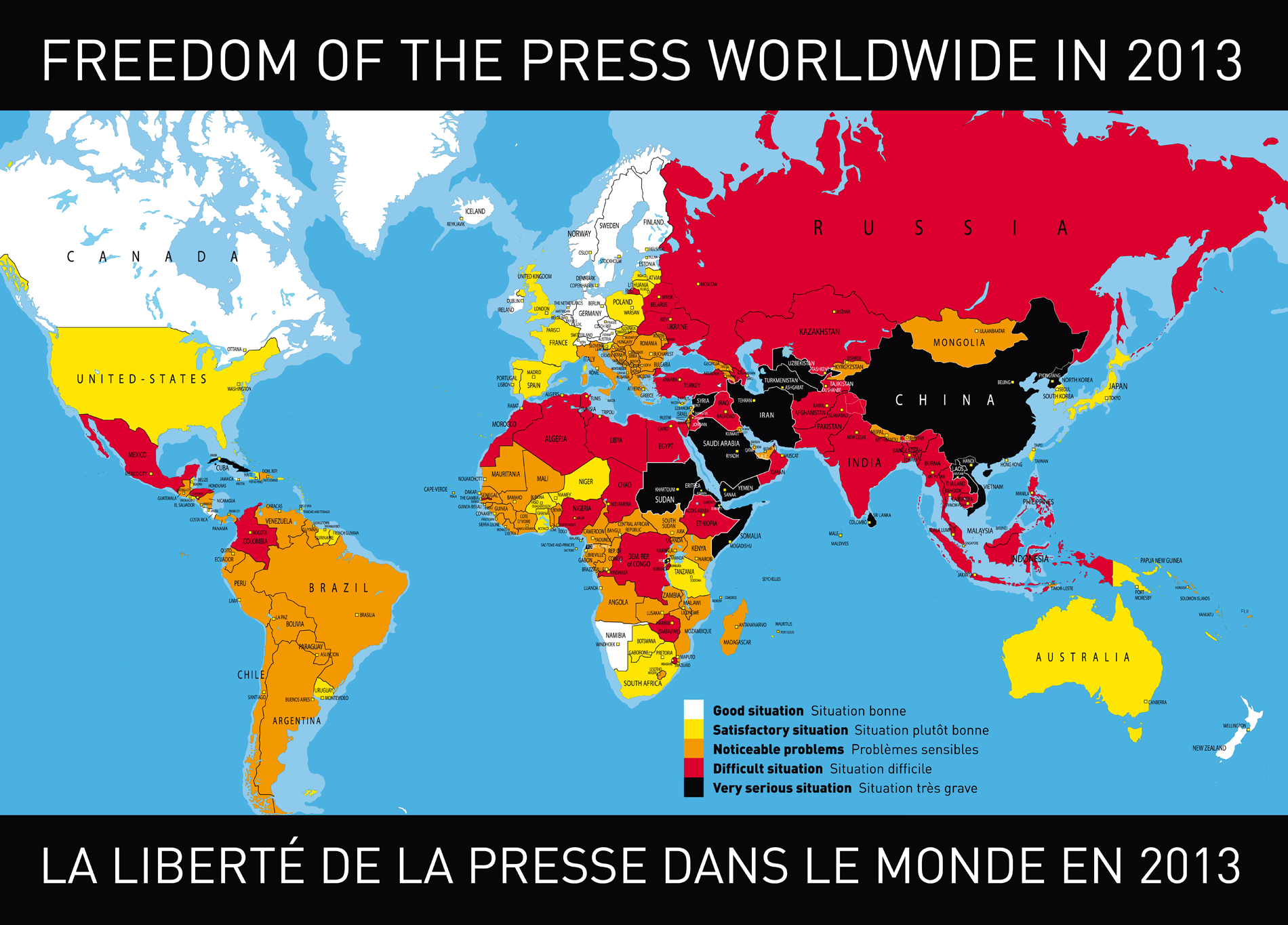
Click to enlarge (Source: Reporters Without Borders)
Of course, Turkey certainly would not win an award for press freedom; not even close. Reporters Without Borders list Turkey as a country with a “Difficult Situation” with regards to press freedoms, ranking them 154th out of 179 countries in their 2013 Press Freedom Index. To put this in perspective, Finland and the Netherlands occupy the top two spots as models of press freedom, the USA is number 32, and North Korea and Eritrea occupy the bottom spots (numbers 178 and 179, respectively) obviously countries without press freedoms.
I’d like to think that the news readers at the Voice of Turkey would rather give this news the attention it deserves, or at least offer the Turkish government’s perspective on the demonstrations. Instead, what we heard was…nothing. And we heard that loud and clear.
Indeed, the world is paying attention to the lack of news coming out of Turkey right now. Time Magazine posted this article article yesterday, which begins:
As epic clashes between anti-government protesters and riot police turned downtown Istanbul into a battle zone last weekend, the country’s two main news channels had, well, not much to report. One ran a documentary on penguins. The other, a cooking show. To many Turks, their silence was symptomatic of the self-censorship Turkey’s media have practiced under Prime Minister Recep Tayyip Erdogan’s tightfisted 10-year rule. Penguin T-shirts, penguin jokes and penguin costumes now abound — the bird has become a symbol of protesters’ frustration with the mainstream media.
 One of the most amazing things about shortwave radio is that by really listening, you can hear the unfiltered voices of regional broadcasters, the clandestine organizations, and the media representatives of their respective countries.
If this story had broken twenty years ago, moreover, I would have heard it as a headline from every respected international broadcaster. Then, upon turning to the in-country “news source,” as I attempted to do yesterday when I tuned in the Voice of Turkey and was subjected to a total lack of news, I would therefore be instantly made aware of what the Turkish government didn’t want me to hear.
Unfortunately I feel we’ve lost a bit of this comparative news consumption, not just because of the exodus of many trusted radio broadcasters from the field, but because we’ve been trained to consume news in (palatable) bites. Our attention spans and interest seem to have diminished to the point that we now often rely on our news sources to interpret for us. A sad fact…especially considering politically-evolving countries like Turkey still need our attention, interest, and thoughtful support.
Listen to the same Voice of Turkey broadcast I heard yesterday, by downloading the off-air recording or by listening via the embedded player below:

 (Source: VOA Radiogram)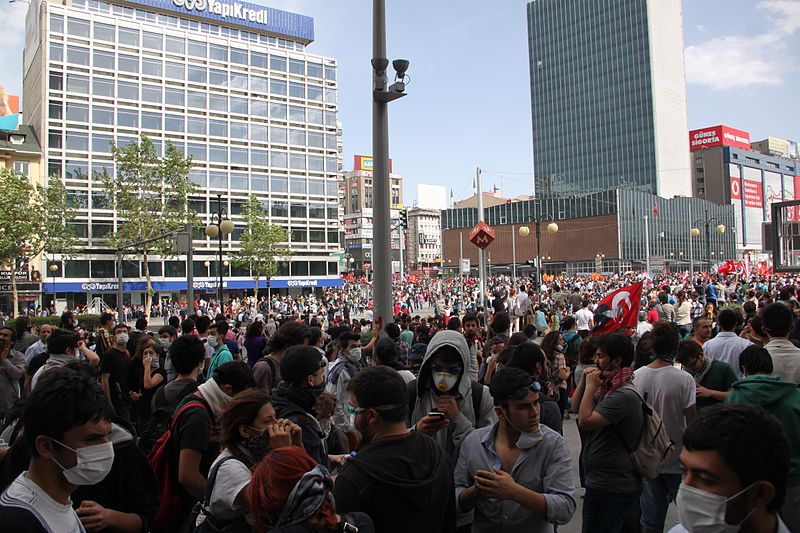
 (Source: