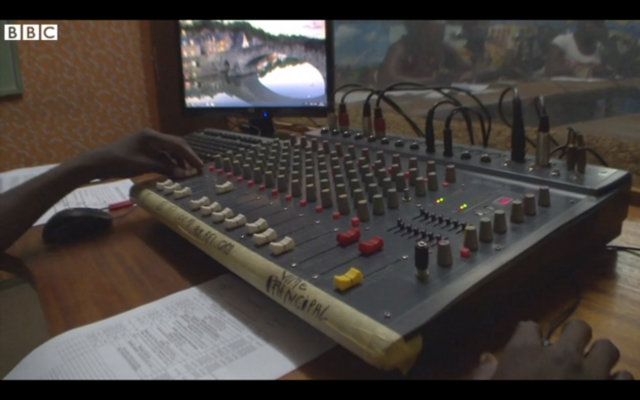
Many thanks to SWLing Post reader, Ulis, for sharing this video via the BBC News:

Many thanks to SWLing Post reader, Ulis, for sharing this video via the BBC News:

After publishing the post about Geoff Hanley and the Radio Security Service last week, I discovered this brilliant 1979 documentary from the BBC which highlights civilian involvement in radio-based intelligence during WWI and WWII.
Here’s a description from the East Anglian Film Archive:
“It was the tireless work of amateur radio enthusiasts during World War I, that initially convinced the Admiralty to establish a radio intercept station at Hunstanton. Playing an integral role during the war, technological advances meant that radio operators could pinpoint signals, thus uncovering the movement of German boats, leading to the decisive Battle of Jutland in 1916.
Wireless espionage was to play an even more important role during World War II, with the Secret Intelligence Service setting up the Radio Security Service, which was staffed by Voluntary Interceptors, a band of amateur radio enthusiasts scattered across Britain. The information they collected was interpreted by some of the brightest minds in the country, who also had a large hand in deceiving German forces by feeding false intelligence.”
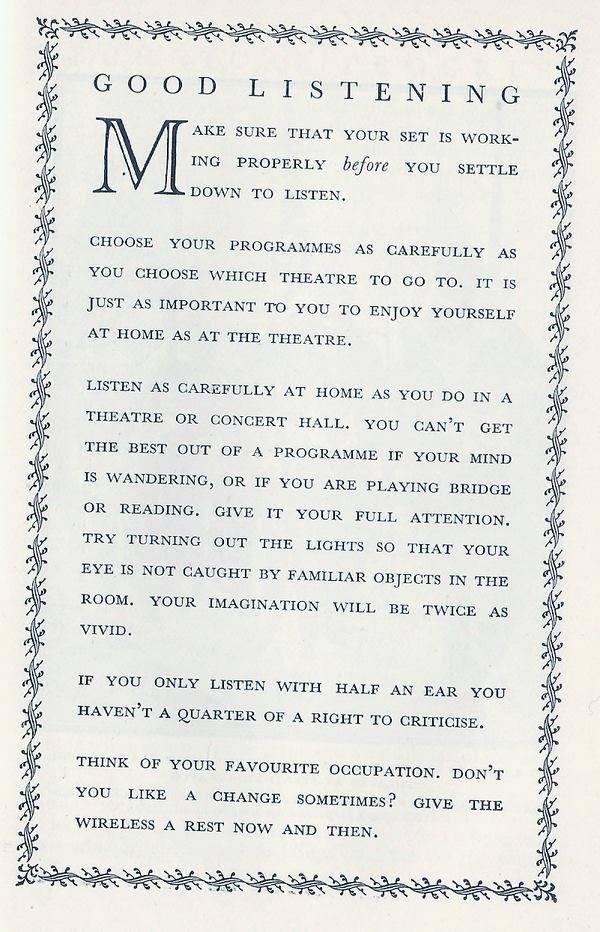
Many thanks to David Goren for sharing this article from Open Culture:
A comparison between the invention of radio and that of the Internet need not be a strained or superfical exercise. Parallels abound. The communication tool that first drew the world together with news, drama, and music took shape in a small but crowded field of amateur enthusiasts, engineers and physicists, military strategists, and competing corporate interests. In 1920, the technology emerged fully into the consumer sector with the first commercial broadcast by Westinghouse’s KDKA station in Pittsburgh on November 2, Election Day. By 1924, the U.S. had 600 commercial stations around the country, and in 1927, the model spread across the Atlantic when the British Broadcasting Corporation (the BBC) succeeded the British Broadcasting Company, formerly an extension of the Post Office.
Unlike the Wild West frontier of U.S. radio, since its 1922 inception the BBC operated under a centralized command structure that, paradoxically, fostered some very egalitarian attitudes to broadcasting—in certain respects. In others, however, the BBC, led by “conscientious founder” Lord John Reith, took on the task of providing its listeners with “elevating and educative” material, particularly avant garde music like the work of Arnold Schoenberg and the Second Viennese School. The BBC, writes David Stubbs in Fear of Music, “were prepared to be quite bold in their broadcasting policy, making a point of including ‘futurist’ or ‘art music,’ as they termed it.” As you might imagine, “listeners proved a little recalcitrant in the face of this highbrow policy.”
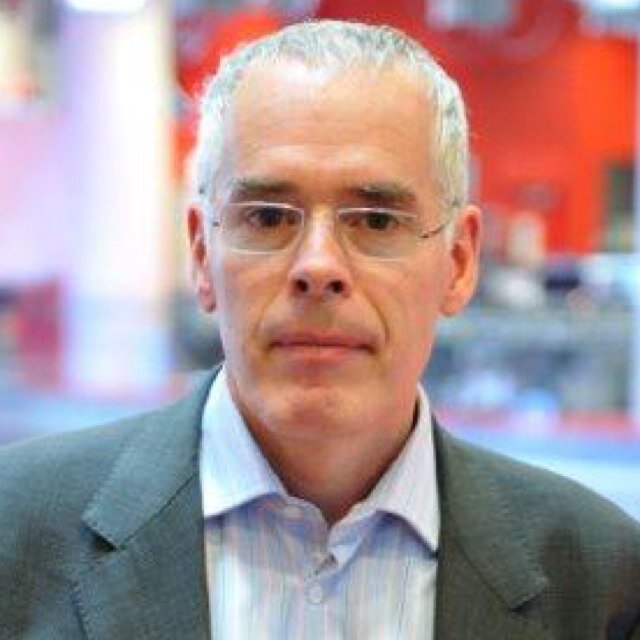
BBC World Service Director, Peter Horrocks (Source: BBC)
Another hat tip to Jonathan Marks for this press release from the BBC:
(Source: BBC Media Centre)
Peter Horrocks, Director of the BBC World Service Group, today announced that he will be leaving the BBC in the new year.
Peter Horrocks has been Director of the World Service since 2009 and has worked at the BBC for 33 years.
Under Peter’s leadership weekly audiences for the BBC’s global news services – BBC World Service, BBC World News and BBC.com – have reached a record 265m.
Peter has led the World Service through some of its most challenging times, responding to funding cuts by modernising the World Service for the digital age.
He successfully oversaw one of the biggest changes in the history of the World Service as it moved from Foreign and Commonwealth Office (FCO) funding into the licence fee, leaving its historic headquarters of Bush House for the BBC’s New Broadcasting House.
BBC World News has undergone a creative renewal that is being appreciated by audiences around the world and bbc.com/news now regularly achieves one billion page views a month. BBC News is the most retweeted news source in the world.
Peter Horrocks said: “It has been a privilege to be Director of the BBC World Service, which is loved and trusted by hundreds of millions of people around the world.
“I am hugely proud of the dedication, the creativity and the reinvention shown by my team. The World Service now has its largest ever audience, an expanding number of languages, and is modernised and transformed for a digital age.
“Having overseen this recovery and taken the World Service into the new era of licence fee funding, it is time for me to move on to my next challenge. I will miss the BBC but am confident that the BBC’s global news services are in strong shape for the future.”
Director-General of the BBC, Tony Hall, said: “Peter’s remarkable career at the BBC has spanned more than three decades. Starting as a News trainee, he established himself as the youthful editor of Public Eye before going on to lead teams that produced some of the BBC’s most important news programmes, including Newsnight and Panorama. He also edited general election programmes before running several News departments, latterly the World Service Group.
“Those who have worked with him know of his energy, drive, his passion for journalism and his innovation but they have also come to appreciate his editorial integrity and his deeply rooted sense of BBC values. He leaves us as one of our most respected leaders. He is a force of nature and we will miss him.”
Director of BBC News and Current Affairs, James Harding, said: “Peter Horrocks has been a defining figure in the modern history of the BBC World Service and global news. He has demanded the highest standards of its journalism, he has driven innovation in the ways we tell stories and deliver the news, he has opened the BBC to new voices and fresh ideas and he has presided over the extraordinary growth of the BBC’s worldwide audience.
“His sharp intellect, open-mindedness and good judgment have shaped BBC News and Current Affairs for three decades. He has recruited and inspired hundreds of people here in the UK and around the world. And, like few others, he has set his stamp on both the programmes and the personality of the BBC.
“Since I joined the BBC last year, Peter has been a constant source of good advice, organisational wisdom and personal support. Of course, I respect Peter’s decision to move on, but, both personally and as an organisation, we will miss him.”
The BBC will advertise for Peter’s successor as Director, World Service Group.
About Peter Horrocks:
Peter Horrocks has worked in a wide variety of roles across BBC News since 1981. He has been editor of Newsnight and Panorama and produced TV election results programmes in 1992 and 1997. He has been Head of Current Affairs, Head of TV News and he created the BBC’s multimedia newsroom department in 2007.
As Director of the World Service Group Peter Horrocks has responsibility for World Service English radio, multimedia services in 28 languages, BBC World News TV, BBC.com/news and BBC Monitoring. He also chairs the BBC’s international media charity BBC Media Action.
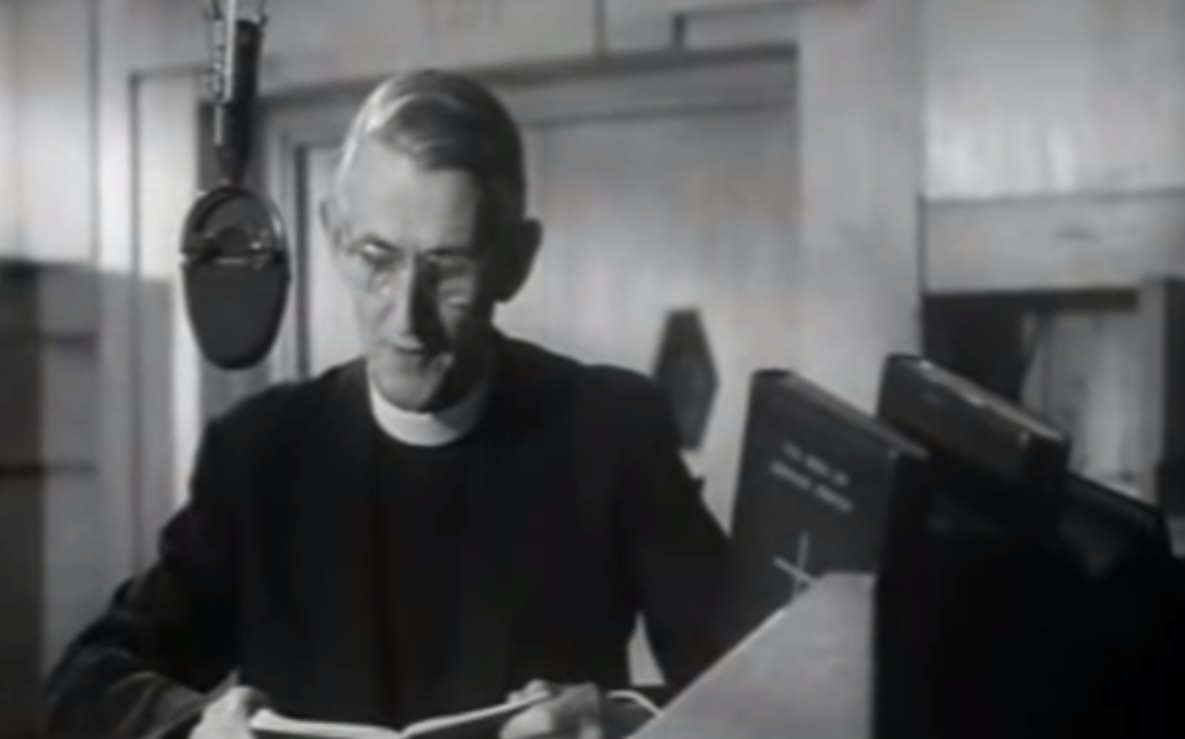
Many thanks to Jonathan Marks who apprised me of this excellent 1960 film from the BBC. As Jonathan notes, it’s heavily scripted, but fascinating nonetheless.
Click here to view the full video on YouTube or watch via the embedded player below:
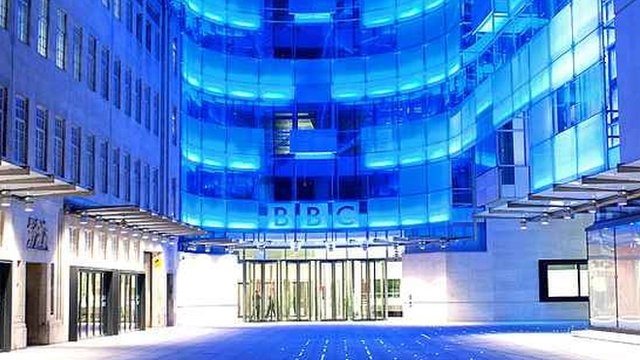 Many thanks to SWLing Post reader, Richard Cuff, for sharing:
(Source: BBC News)
The BBC’s News department is to axe 415 jobs as cost-cutting measures continue, the BBC’s director of news James Harding has announced.
The move is part of £800m efficiency savings required after the licence fee was frozen in 2010.
The latest cuts are expected to save £48m by 2017.
BBC News currently employs around 8,400 people, including around 5,000 journalists, based in London, around the UK and overseas.
He also set out plans to substantially restructure the news division and put the BBC at the forefront of producing news for the digital age using new technologies.
A total of 195 new posts will be created to fulfill this plan, meaning a net reduction of 220 full-time jobs overall.
Around 70% of the annual running costs of BBC News are staff-related, meaning there would inevitably be an impact in this area, Mr Harding said.
The article continues by outlining all of the cuts and gains to the BBC.
I took note that BBC Radio 4’s The World Tonight and the World Service program Newshour will be consolidated under a single editor. The BBC World Service’s budget, however, will increase from £245m this year to £250m in 2016-17. (Perhaps the most positive news in international broadcasting circles this week.)
Also check out Jonathan Mark’s comments on Critical Distance.