Tag Archives: Paul Jamet

Radio Bulgaria Marks Its 90th Anniversary with a New QSL Card Series

Many thanks to SWLing Post contributor Paul Jamet, who shares the following update and QSL card images related to Bulgarian National Radio (BNR) and Radio Bulgaria.

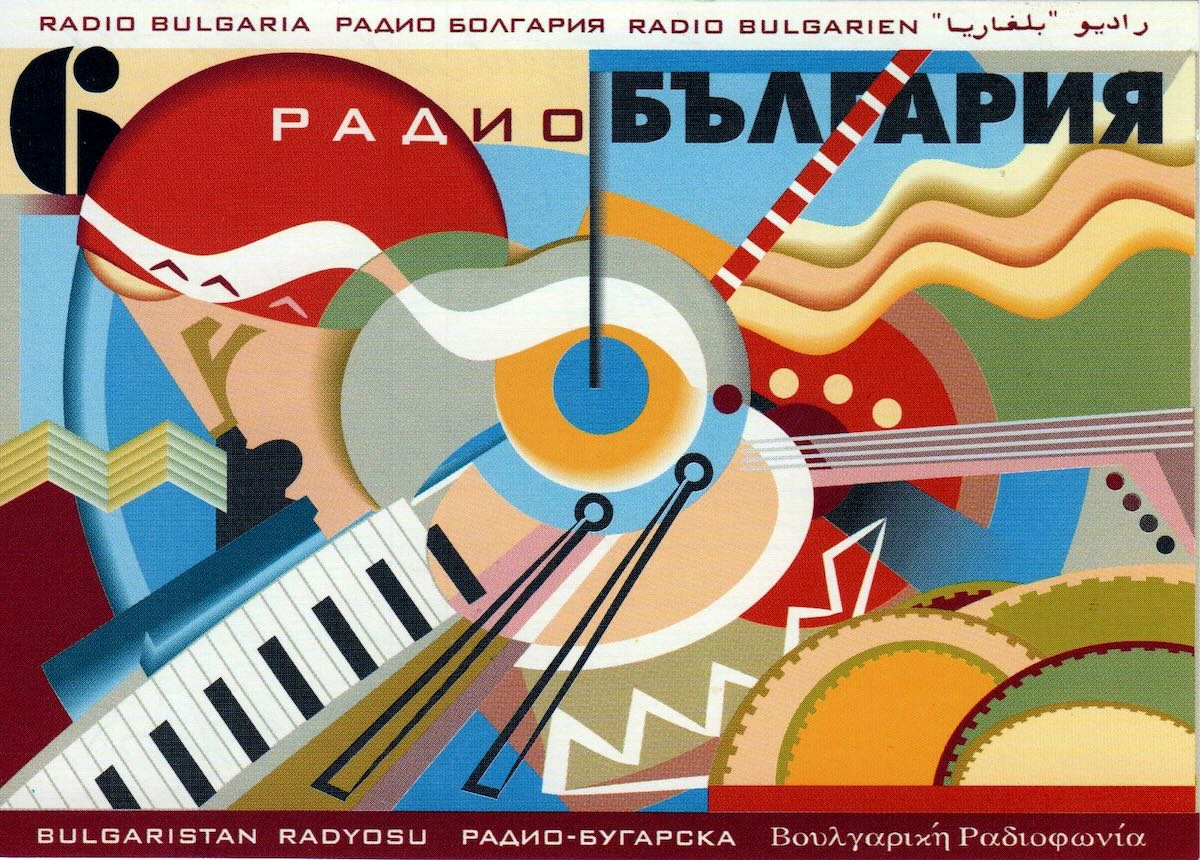
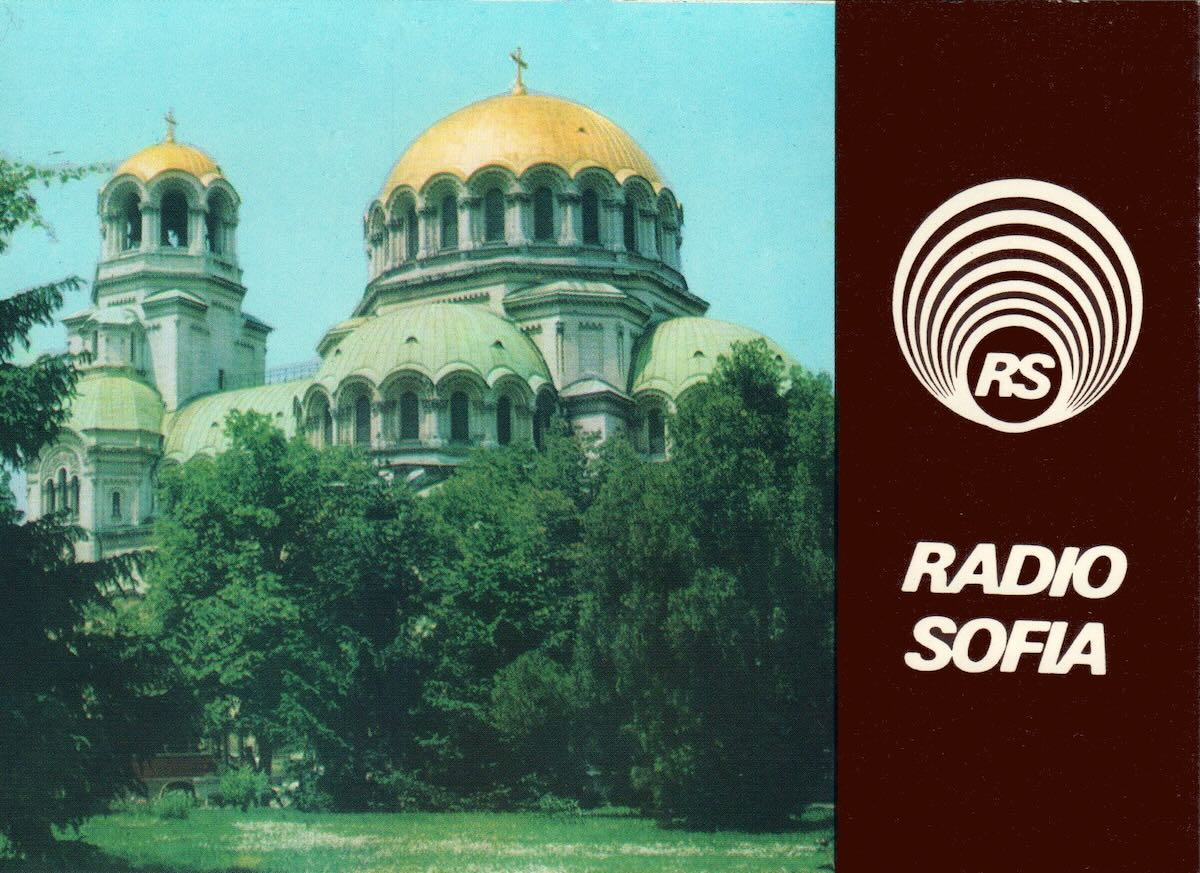
As Radio Bulgaria looks ahead to its 90th anniversary in 2026, Bulgarian National Radio has announced a new commemorative QSL card series for listeners who submit reception reports. The series will include 12 different QSL cards, each highlighting a key moment from the history of BNR and the Radio Bulgaria service. According to BNR, a new card will be released each month, along with a short publication explaining the historical background behind the featured image.

One of the cards commemorates Bulgaria’s first radio transmission in 1929, an important milestone that marked the beginning of organized radio broadcasting in the country. Additional background articles from BNR revisit the early days of Radio Bulgaria and trace how the service evolved into an international broadcaster with listeners around the world.

Paul also points to a broader retrospective titled “BNR at 90 – A Story of Pride and No Prejudice,” which looks back on nine decades of Bulgarian National Radio. The piece reflects on BNR’s history through periods of political change and technological transition, while underscoring the role of public broadcasting in preserving culture and maintaining a connection with international audiences.

Attached at the top and bottom of this post are two QSL cards from Paul’s own collection.

Many thanks again to Paul for sharing both the news and the QSL images!

RTI: One-Hour English Broadcast from Taiwanese Students to Norway

Many thanks to SWLing Post contributor Paul Jamet, who shares the following tip: 

Dear Thomas,

This morning I received a message from Meg Wang, Head of the French Service at Radio Taiwan International. Although this message is intended for listeners of RTI’s French and German services, I think it may be of interest to all DXers, especially English-speaking DXers:

Dear listener,

As part of an exchange between Yilan Senior High School and the municipality of Vardø in northeastern Norway, RTI is going to broadcast a one-hour program in English produced by Taiwanese high school students for listeners in Vardo. Tune in to 15150 kHz to listen to this shortwave program on January 22, from 08:00 to 09:00 UTC, which corresponds to 09:00 to 10:00 local time in Norway.

The transmission will be broadcast from the Tamsui transmitter site in northern Taiwan, on 15150 kHz, with a power of 300 kW and a beam heading of 325 degrees.

RTI invites listeners of the French and German services to send us an audio recording of the program as received at your location, which we will pass on to the Yilan students.

For every recording sent, you will receive a mobile phone shoulder strap and a pad of sticky notes featuring the Formosan blue magpie, along with the RTI logo.

Thank you for sharing this information around you.

Thank you in advance!

RTI French Service.

RTI’s English service is expected to publish an announcement on its Facebook page: https://www.facebook.com/RadioTaiwanInternational/

Have a nice day. Best regards.

Paul JAMET

Paul Reviews the Radtel RT-880G

by Paul Jamet

Looking for a versatile radio?

Which radio listener hasn’t dreamed of owning a portable multi-band receiver allowing them to explore the widest possible radio spectrum?

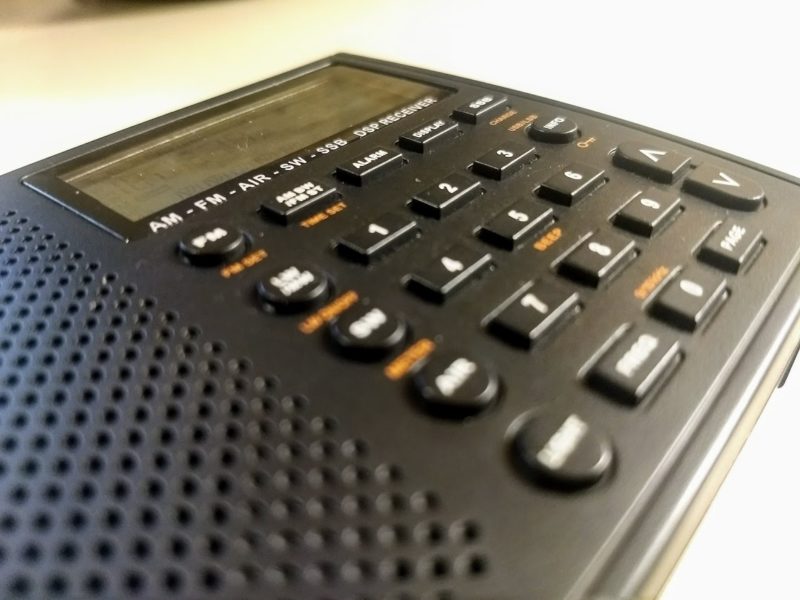
For nearly a year now, walkie-talkies have appeared on the market which, beyond the classic VHF–UHF functions, also allow listening and transmitting on CB (27 MHz) as well as listening to LW/MW/SW bands (LSB/USB/CW). The RADTEL RT-860 has won over those who have tested it.

Read here: Dan Reviews the Radel RT-860

The arrival of the Quansheng TK-11 — available in three versions — has caused quite a stir on social networks. Then, almost at the same time, the RADTEL RT-880 and RT-880G (G for GPS) appeared, also sold under other names such as iRadio UV98.

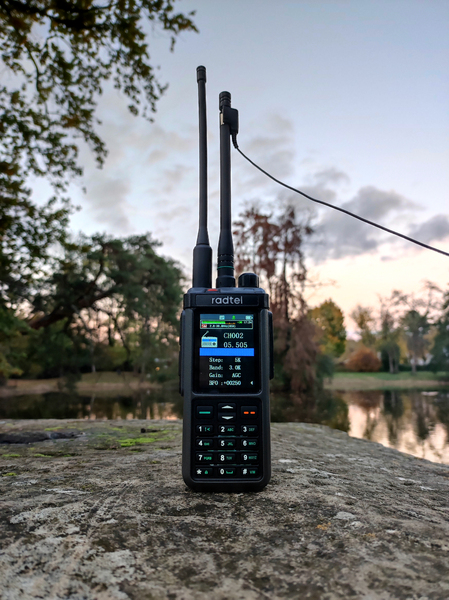
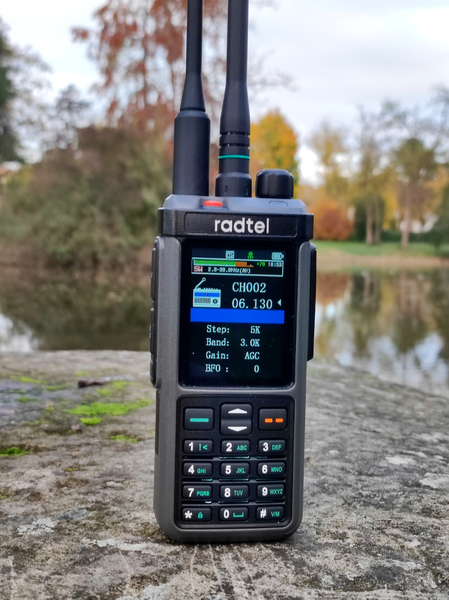
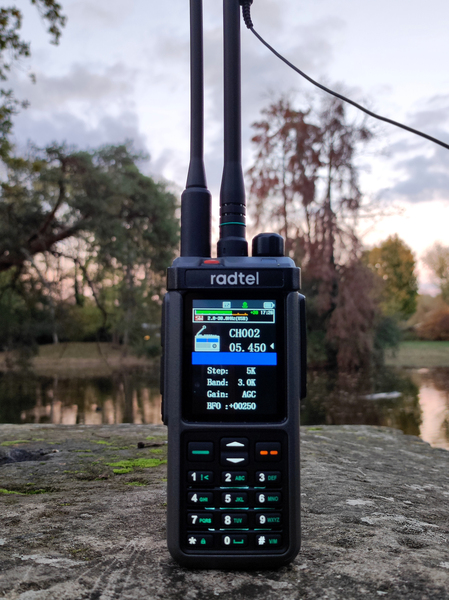
Among all these available models, I chose — as a radio listener, especially when I’m traveling — the RADTEL RT-880G. My choice is explained mainly by its antenna connectors (SMA-Female and SMA-Male), its large color display, its GPS module, its thousand memory channels, and the possibility of simultaneously monitoring three VHF/UHF frequencies. This device is highly customizable, but its user manual would deserve to be much more detailed and explicit.

The RT-880G comes with a “standard” 18 cm antenna for VHF-UHF bands, which is also used for FM station reception. I haven’t yet tested the device on the 27 MHz (CB) band, for which a dedicated antenna is preferable. No antenna is provided for LW/MW/SW listening.

For listening to LW/MW/SW bands, the device is often shown with small donut-type loop antennas (10 cm diameter).

However, for easier transport, I simply chose this small telescopic SMA-Male antenna, 48 cm long (weight: 20 g): to which it is possible to clip a wire antenna, such as the SONY AN-71, which can prove very useful.

I also used an antenna normally intended for CB, the ABBREE 27 MHz telescopic antenna (130 cm), admittedly heavier (weight: 78 g) and bulkier, but which gives very good results for the HF band.

The purpose of this contribution — which concerns only listening — is to arouse curiosity among mobile (or stationary) listeners, to invite those who own this walkie-talkie to come here and share their experience, and to collect your comments. It is therefore not a full review of the RT-880G, but simply an illustration of what it offers for listening to LW/MW/SW bands.

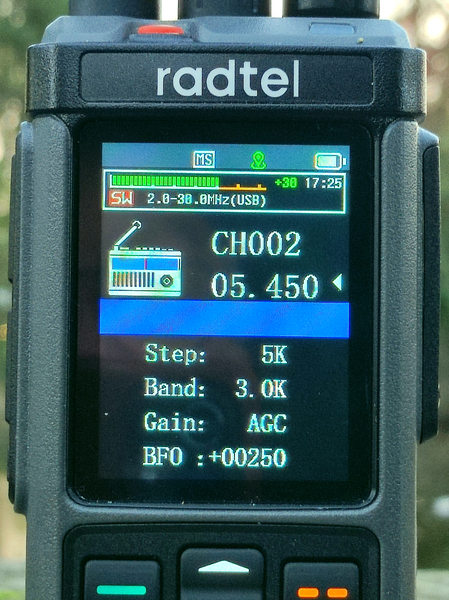
For LW/MW/SW bands, the RT-880G allows you to set the:

  • step to 1 – 5 – 10 – 50 – 100 – 500 – 1,000 – and 9 kHz],
  • bandwidth [0.5 – 1.0 – 1.2 – 2.2 – 3.0 – 4.0],
  • AGC (Automatic Gain Control)
  • BFO – (Beat Frequency Oscillator) – used for fine tuning SSB reception (the minimum step being 1 kHz).

Sample Recordings

Local park where some of the recordings were made.

Here are a few audio files that will help you form an opinion.  The recordings were made with a smartphone placed near the receiver.  The recordings were made using a smartphone placed near the receiver. The sound quality is quite good, even surprising. Continue reading

Radio Europe Shares Station Details and Photos with Paul Jamet

Many thanks to SWLing Post contributor Paul Jamet, who shares a follow-up to his recent reception reports of Radio Europe on 6130 kHz.

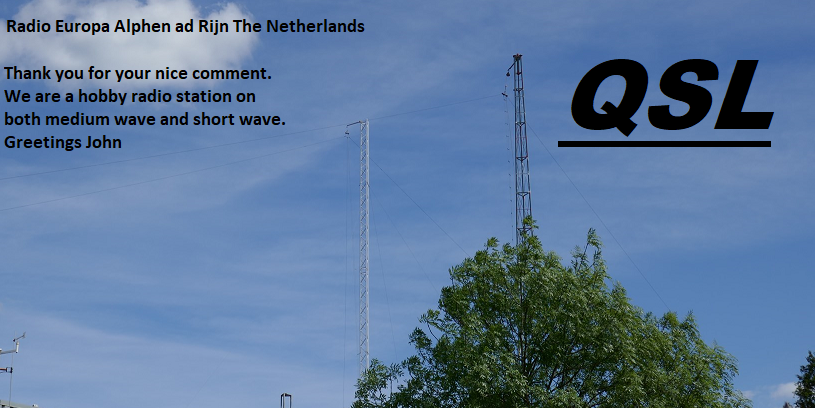
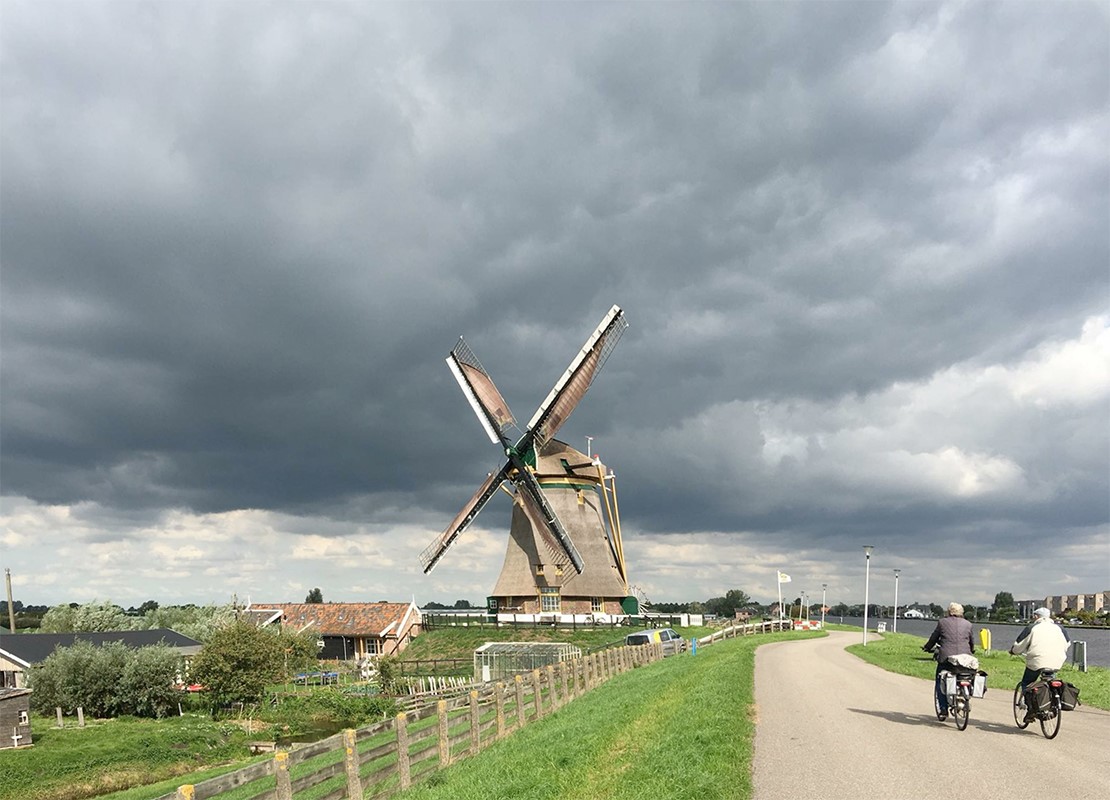
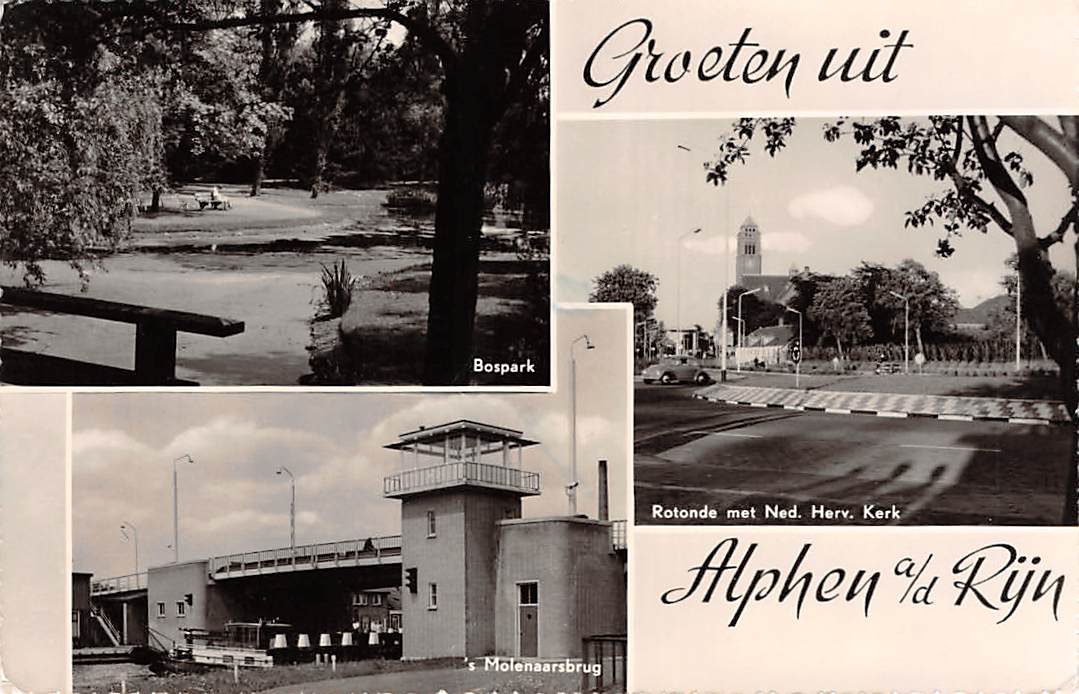
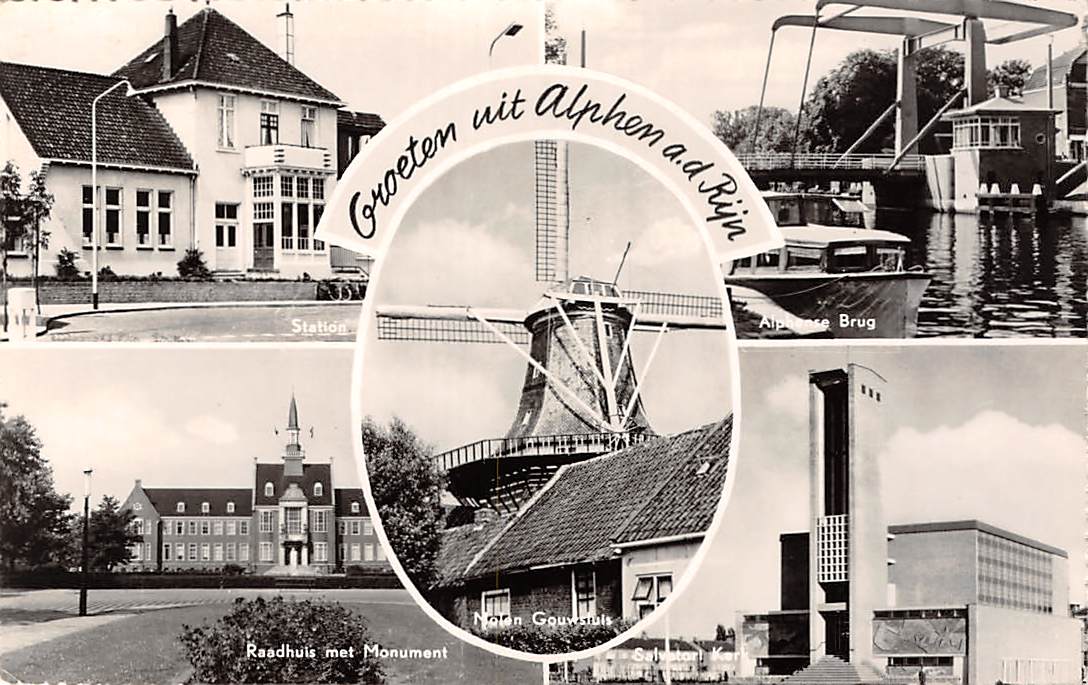
Paul not only received a QSL card (see above) from the station but also exchanged several friendly messages with the team behind Radio Europe—three brothers from the Netherlands who have been active in radio since the 1970s. They also included the following photos and postcards:

In their replies, the Radio Europe team wrote (English translation):

Hi Paul,

Great photos and thanks again for the recording and comment.

I’ll add a little more about who we are. We are three brothers who have been involved in this wonderful hobby since the 1970s. We started out on 27 MHz, and after obtaining some licenses, we started building radio tubes, transmitters, receivers, and antennas, including loop antennas for broadcasting on legal frequencies.

For years, John, the owner of RadioEuropa, used homemade tube transmitters. For several years now, we have been using factory transmitters, which consume less energy.  We also use sound processors to make the audio sound as good as possible. We also work with a V-type antenna inverter that is located a few meters above the ground. The photo shows the old situation high up, but since the move, everything is now on the ground floor.

Based on the responses, we believe that the antenna and transmitter are working well.  Given that it can sometimes be windy, John plans to keep the antenna low for the time being, because on shortwave, the sound can always vary or be heard differently.  This also makes it very interesting for us.

Thanks again.

You have a beautiful radio and antenna.
Best regards from the Netherlands.
Radioeuropa

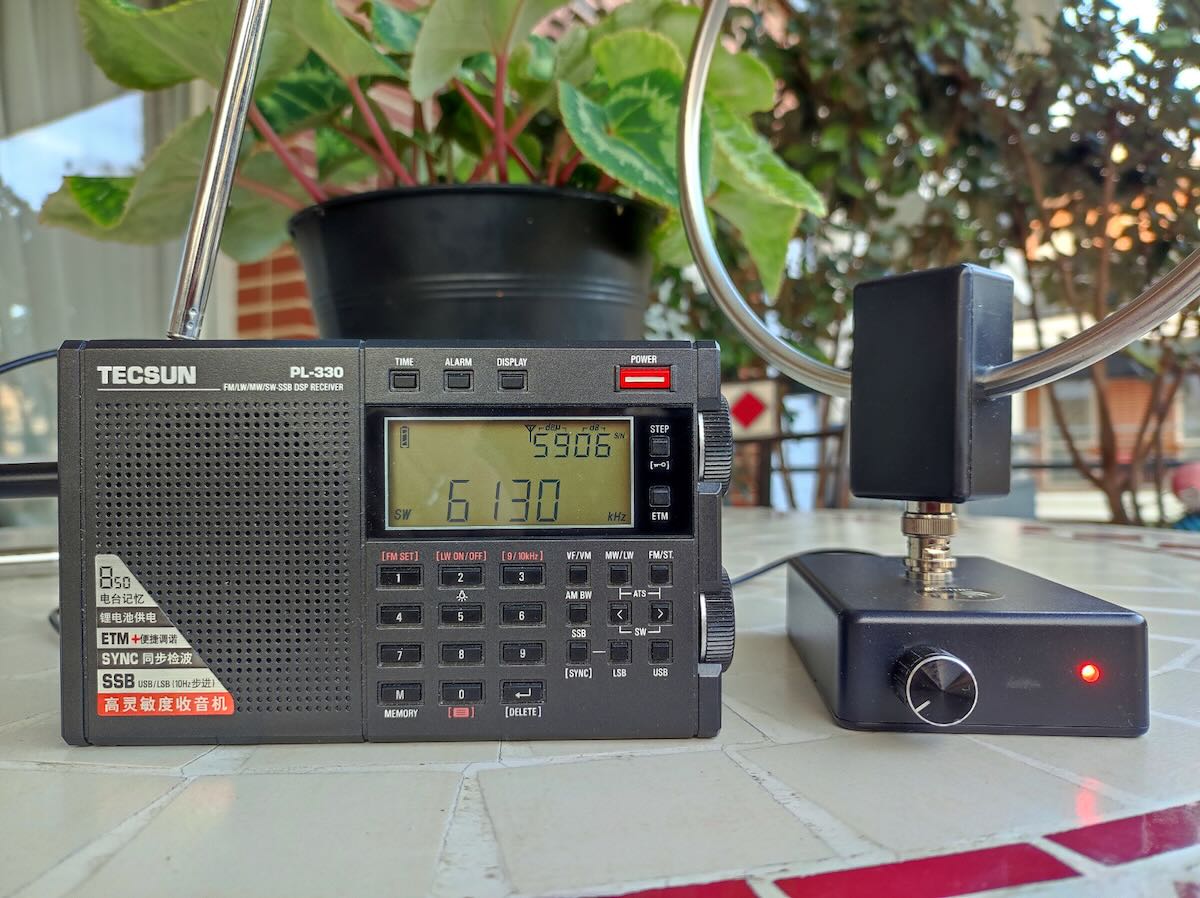
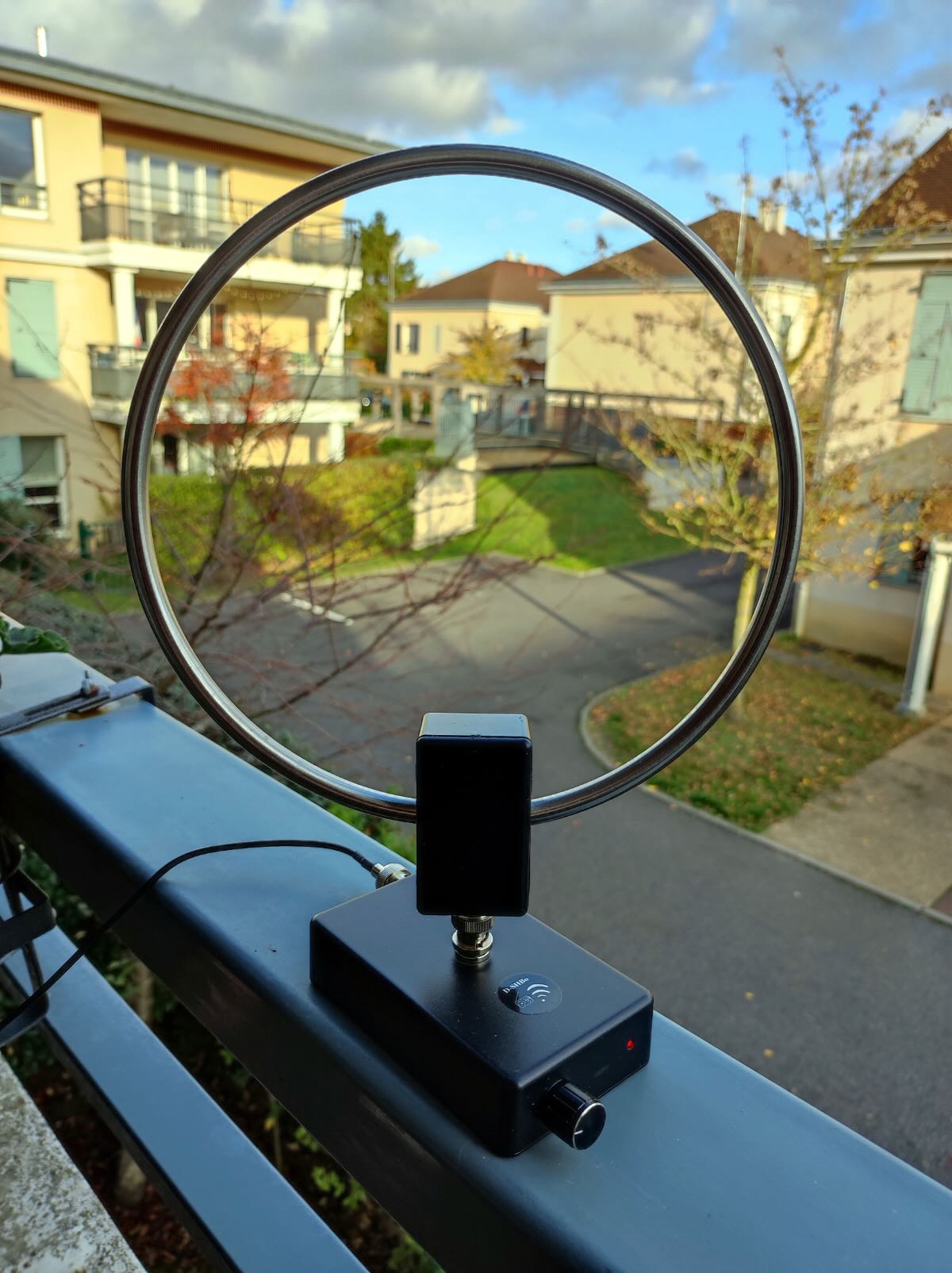
Paul also shared his most recent recording of Radio Europe made from his balcony in France, using a TECSUN PL-330 receiver and a Deshibo GA-450 loop antenna (20 cm diameter–see photos above and below). Even from a city location surrounded by small buildings, reception was quite good.

“This little loop antenna from Deshibo sometimes gives interesting results,” Paul notes. “The TECSUN PL-330 is a safe bet.”

Many thanks again to Paul for sharing his listening reports, correspondence, and these great insights into one of Europe’s independent shortwave broadcasters!

Radio Europe on Shortwave: Two Short Recordings from Paul Jamet

Many thanks to SWLing Post contributor Paul Jamet, who writes: 

I read the article about Radio Europe transmitting to Western Europe on 6130 kHz.

Here are two recordings:

One made from my balcony with the XHDATA D-808 and a 3m wire antenna. Recording with my smartphone near the speaker. There’s fading after 1 minute.
Note that I live 410 km from Amsterdam as the crow flies:

The other with Twente’s web SDR; very good SINPO! 55555

The Kall Krekel transmitter, which broadcasts RSI programs from Slovakia with 1 kW, does not give such good results.

Best and 73

Paul JAMET

Thank you for sharing this, Paul! Both you and Bob have given me good reason to (at least attempt to) catch Radio Europe on the air!

An Uncertain Future for Radio Slovakia International

Many thanks to SWLing Post contributor Paul Jamet, who shares the following message:

Hello Thomas,

The future of RSI is uncertain!

Read:  https://mt-shortwave.blogspot.com/2025/10/radio-slovakia-internationals-future.html

I spoke on the phone with RSI’s French service, and during the program “Entre Nous – Courrier des auditeurs” on Sunday, October 26, 2025, the presenters asked listeners to respond and write to the Director General of STVR, Ms. Martina Flašíková.

Here is a text I wrote to inform people about the plan to shut down RSI – Radio Slovakia International by the end of 2025 and, above all, to support this station: https://rsi.stvr.sk/

I do invite all RSI listeners around the world to write to:


Paul’s Message

Support for Radio Slovakia International: Let’s not silence a precious voice of Slovakia

I was deeply saddened to learn about the planned closure of Radio Slovakia International (RSI). As a loyal listener for more than thirty years,

I wish to express my strong attachment to this radio station and to emphasize its vital role in promoting the culture, history, and vitality of Slovakia throughout the world.

Since its creation, RSI has managed to project an open-minded, thoughtful, and respectful voice, contributing to international understanding and enhancing

Slovakia’s global image. In my view, RSI is much more than a radio station — it is a true instrument of soft power, a cultural ambassador that strengthens the positive perception of the Slovak Republic.

Over the years, RSI’s team has built an authentic human connection with its listeners — one based on respect, loyalty, and friendship.

This international community is an invaluable intangible asset that deserves to be preserved, not dismantled.

While I fully understand the budgetary challenges faced by public broadcasters, I am convinced that other solutions exist: modernizing broadcast formats, strengthening online presence, and expanding cooperation with cultural and diplomatic institutions. Closing RSI would mean extinguishing a remarkable showcase of Slovakia and depriving the country of a respected and credible international voice.

I sincerely hope that the Slovak authorities will recognize the enduring value of this unique media and find ways to keep this wonderful radio adventure alive.

Paul Jamet – French service listener for over 30 years

L’Isle-Adam – France, October 27, 2025


Of course, everyone is free to personalize their own message of support based on their relationship with RSI.

Thank you and have a nice day. Best regards.

Paul JAMET

Radio Club du Perche.

KPH Crypto Transmission on August 30, 2025 at 20:00 UTC

Many thanks to SWLing Post contributor Paul Jamet, who notes that the Maritime Radio Historical Society is hosting another Crypto Transmission from KPH on Saturday, August 30, 2025 at 20:00 UTC.

Click here for full details about the event and how you can participate on the Maritime Radio Historical Society website.