Tag Archives: PK’s Loops

Mark’s First Impressions of the PK MW Loop

by Mark (M7MHY)

It was while travelling in the Greek islands a few weeks ago, I first spoke to Paul Karlstrand.

I’d sent him an email, requesting a shipping quote from his home country in Australia to mine, Scotland, UK. I got a prompt reply, and he was only too happy to answer any questions I had, not only regarding shipping, but with any other queries I may have had concerning his loops. What a nice guy.

Fast forward to present day and I’ve been using his 36cm MW passive loop (catalogue code ‘TAM’) for a few days now. From paying the invoice through PayPal, the loop being built and assembled, to arriving on my doorstep around 11,000 miles later – it took just 10 days.
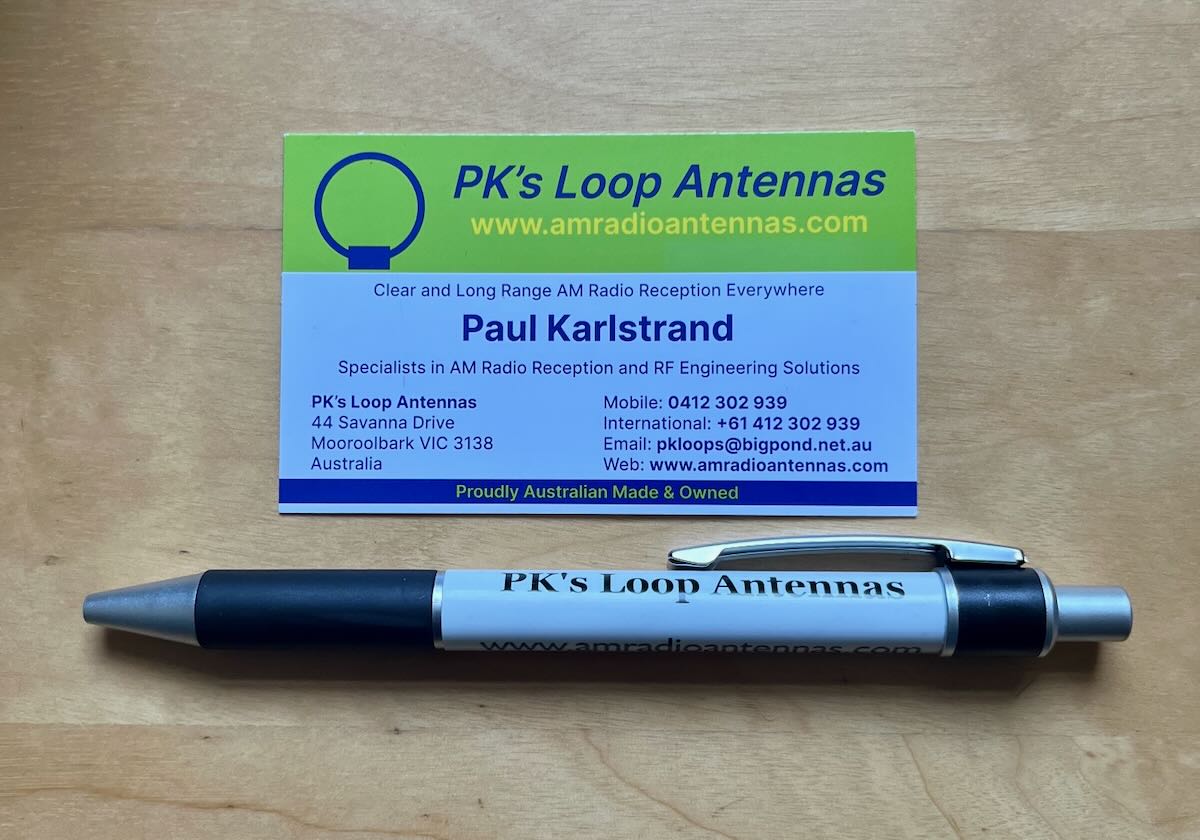
The free pen is a nice touch!

This is most certainly not a review of the antenna, it’s just a quick note on my observations and experience from the hours of enjoyment I’ve now had using it.

My conclusion? It’s brilliant.

I’ve caught several stations now generally not audible through the day with the Tecsun AN-200. The signal gain of the larger 36cm diameter PK loop compared with the 22cm Tecsun, improves reception quite drastically. Combined with a ‘split band?’ switch from 525 to 710kHz in the left position and from 710 to 1725kHz on the right, it does a great job of matching the radio’s tuned frequency to the loop without feeling finicky while turning the knob.
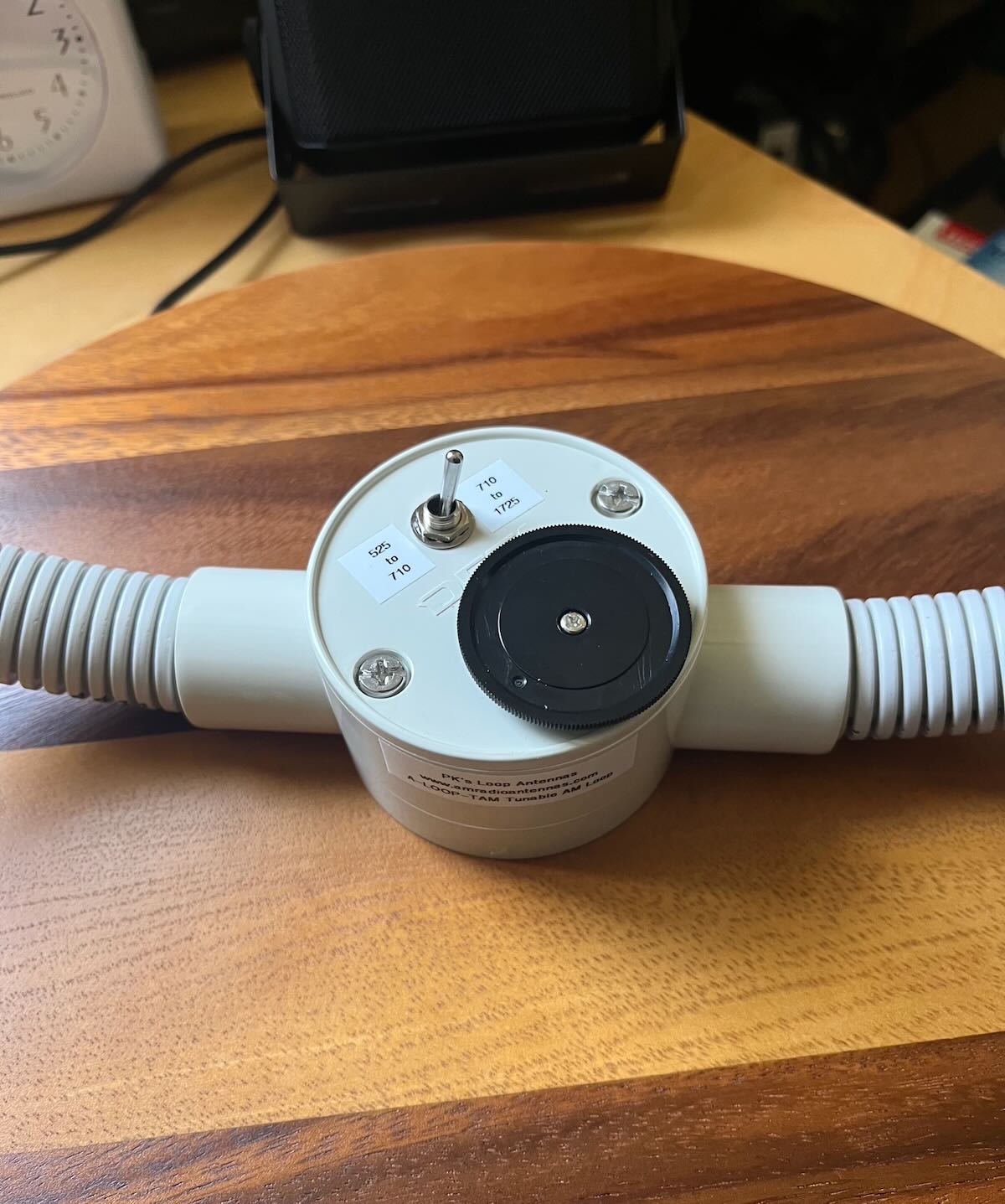
MW band is split into two sections

Of course, during grey line propagation or after dark, things just keep getting better. I have a few low power ‘test’ stations that I’ll use to check conditions and test radios and antennas with and am pleased to report, that the PK Loop 36cm performed remarkably in its job of funneling those weak signals into my receiver.
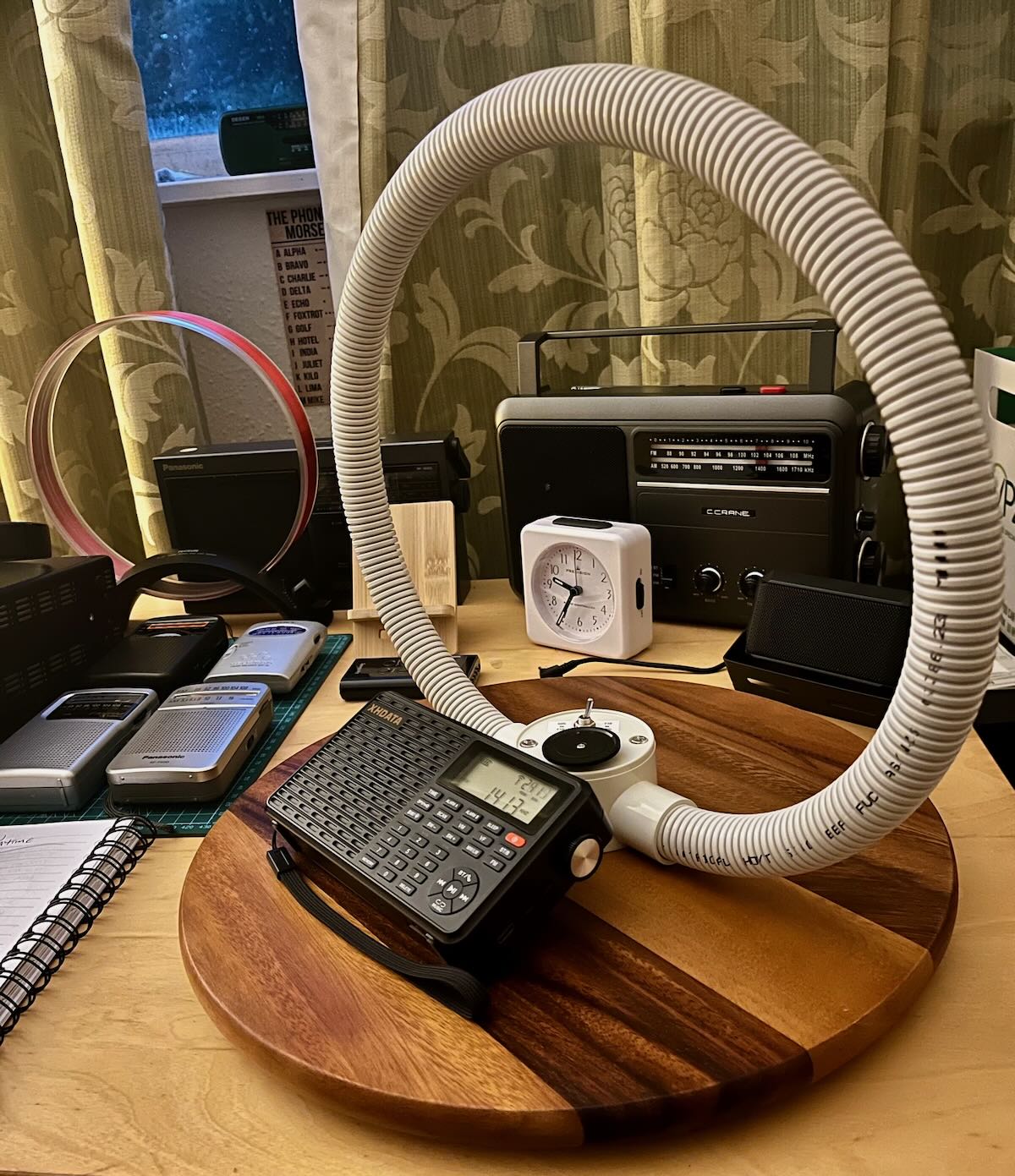
Pulling in some weak signals during the twilight hours

These products are very well made and are obviously manufactured with passion, care and attention. I think it would be very difficult to break or damage one, within the confines of normal use.

As soon as I can think of an elaborate enough story to tell my other half, explaining why another large package has arrived from Australia – I can see myself ordering the larger 50cm version from Paul, too.

Click here to check out PK’s Loop Antennas.

73

Mark (M7MHY)

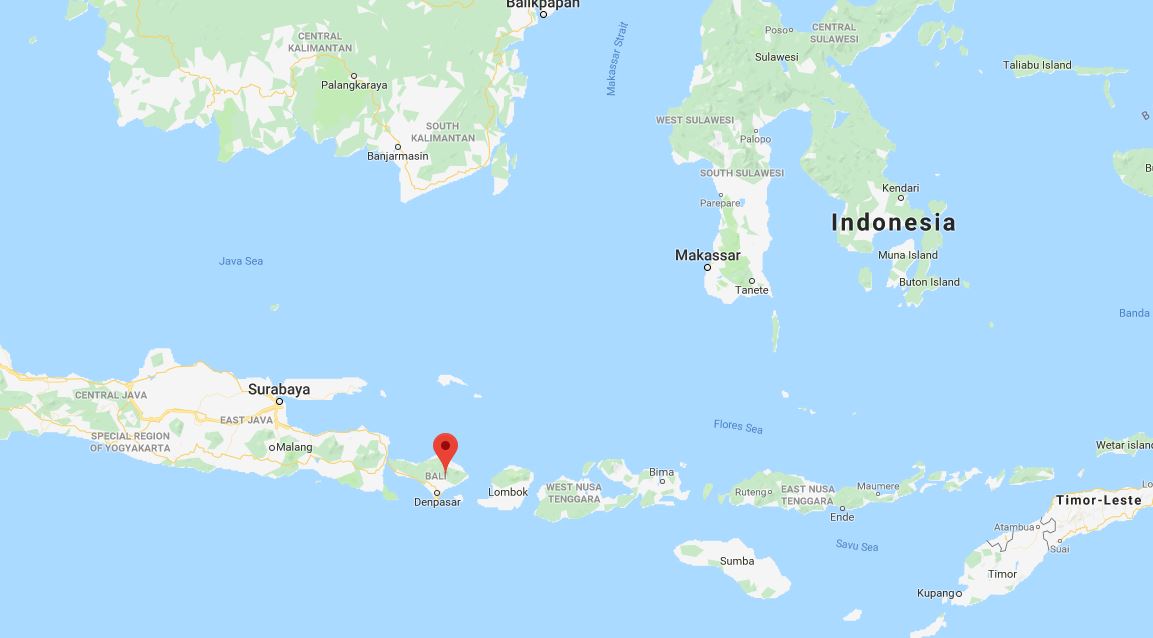
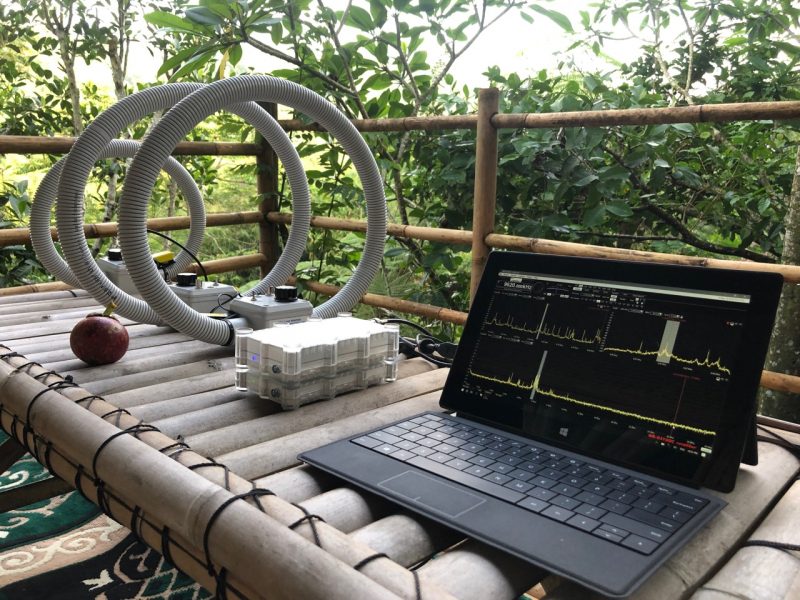
Mark’s Tree House DXpedition in Bali

I recently received an email from SWLing Post friend, contributor and Patron, Mark Fahey, who is currently enjoying a fascinating DXpedition.

Many thanks to Mark who has allowed me to share a few of his notes from the trip. Mark writes:

I am at Susut, in the Bangli Regency, on the Indonesian island of Bali.

This treehouse is at the base region of Mt Agung, an active volcano, so the earth rumbles a few time each day.

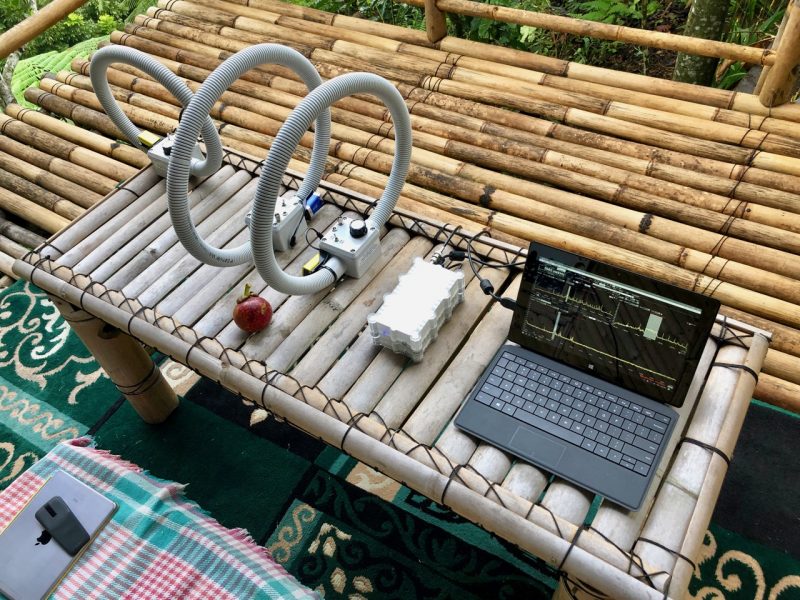
For the next week and a half, I am alone in the Indonesian jungle with my WinRadio Excalibur a collection of loops and wire antennas and lots of storage for spectrum recording. No QRM, I am running on DC, but charge my gear during the day from an AC mains supply.

DX is fantastic – best today being CNR in DRM locked solid!

But the big disappointment is just like Malaysia, MW in most of Indonesia is now just white noise, nothing at all – and hardly any RRI (Radio Republik Indonesia) on the tropical bands now.

But FM jam-packed, I expect many are community pirate stations as well. I came all setup for FM capture as well.

Wow! What a brilliant DXpedition location, Mark! It appears you’ve truly removed all other distractions being in such a remote area.

Sign me up! I’m ready for some Indonesian tree house DXing!

Thanks for sharing, Mark! [And by the way, I’m not at all envious. Okay, maybe just a little. Or a lot.]

Post readers: Have you ever been on a DXpedition in an exotic or unique location?  Please comment!


Do you enjoy the SWLing Post?

Please consider supporting us via Patreon or our Coffee Fund!

Your support makes articles like this one possible. Thank you!

A follow-up review of the PK Loop C-LOOP-HDSW6-18 antenna

In 2016, I purchased portable shortwave magnetic loop antenna designed and built by Paul Karlstrand in Australia. I posted a “preliminary” review of this antenna in 2016 and since then have taken this loop on many travels.

SWling Post contributor, Ron, recently noted that Jay Allen reviewed one of Paul’s inductively-coupled mediumwave magnetic loop antennas. Jay gave it good marks on performance as it compares favorably with the Grundig AN-200, Select-A-Tenna M, and Terk Advantage AM–even having a performance edge due to it’s larger loop diameter. (Note that Paul makes a number of loop sizes–click here to download PDF of catalog.)

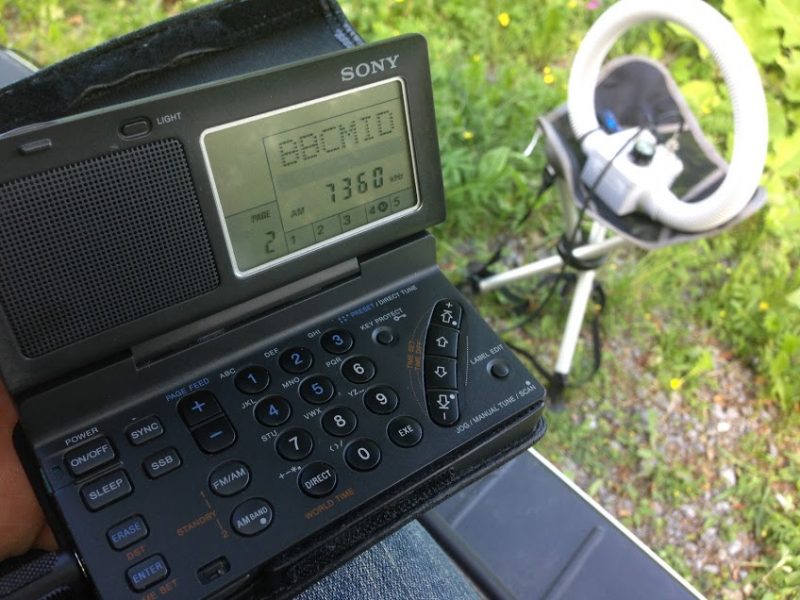
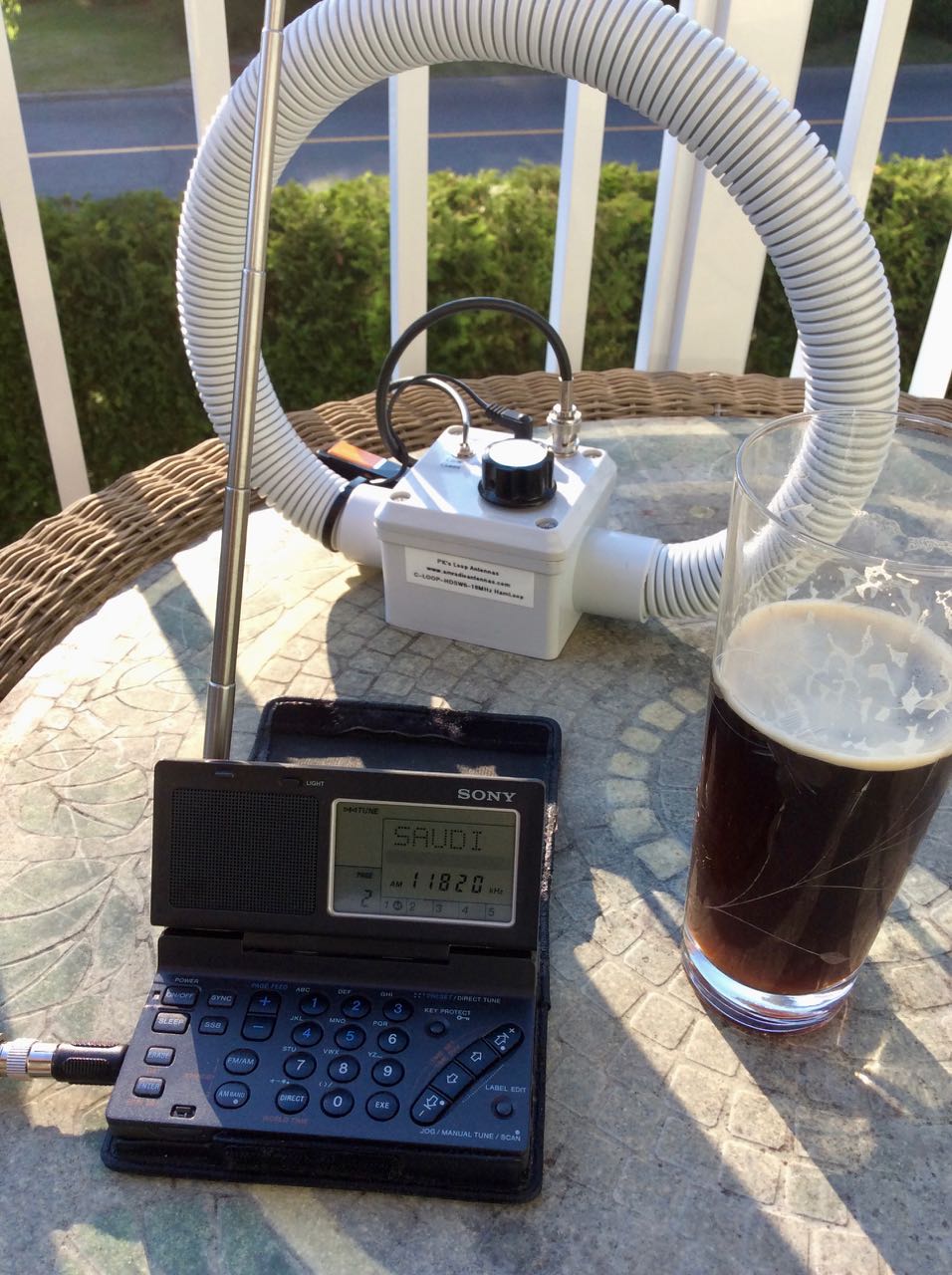
In Canada last summer, I used the PK Loop on a number of field radio listening sessions.

But what really sets the PK Loop apart from its competitors is its durability. PK’s Loops are built to be incredibly rugged. I routinely throw my PK Loop antenna in bags/packs and–unlike most of my other radio components–never worry about how it’s padded or protected. There’s little to damage unless you’re intentionally abusive to this antenna. My Grundig AN-200 antenna, on the other extreme, has exposed coated wires around its loop that I’m constantly concerned about harming in transit.

Following up…

Ron’s message reminded me that I never followed up after posting a preliminary review of the PK Loop C-LOOP-HDSW6-18 in 2016.

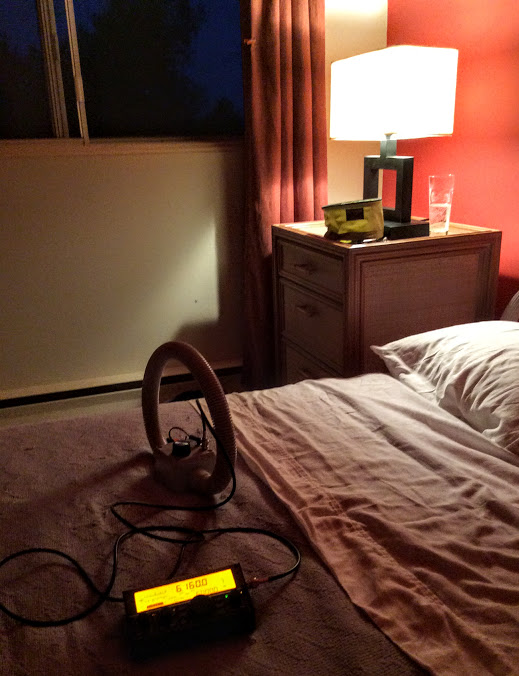
Shortly after publishing the review, I had a fantastic opportunity to evaluate how well the PK Loop would perform in a typical hotel room. My buddies Eric (WD8RIF), Miles (KD8KNC) and I stayed overnight in a hotel on Wright-Patterson Air Force Base during our mini National Parks On The Air DXpedition.

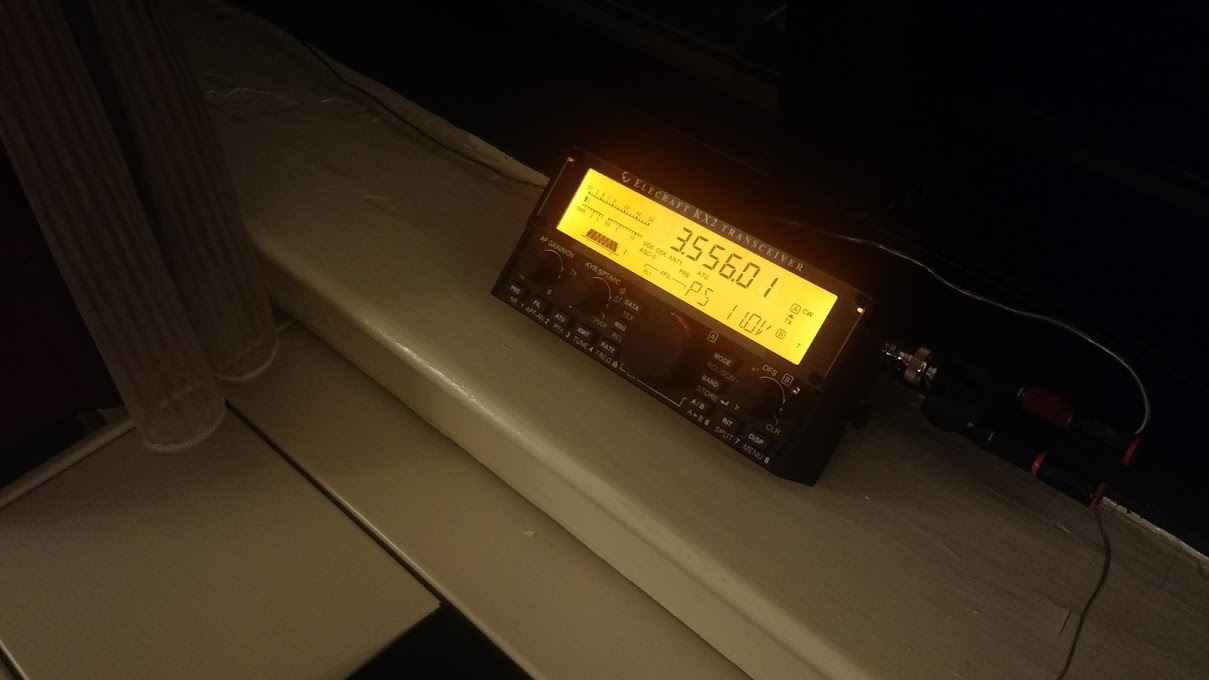
My Elecraft KX2 connected to an external random wire antenna.

The hotel room was indeed dense with RFI.

We hooked my Electraft KX2 to both the PK Loop and to a simple random wire antenna.

Without a doubt, the PK Loop was much better at mitigating radio noise than the wire antenna we hung on the inside of the hotel window.

Unlike most modern hotels, however, this one actually had operable windows, so we tossed the random wire out the window and made another comparison. In this case, the external wire antenna consistently outperformed the PK Loop, no doubt because it had the advantage of being outside the radio noise cloud within the hotel’s walls. It goes to show that outdoor antennas–even if simply hanging from a room window–will almost always outperform comparable indoor antennas.

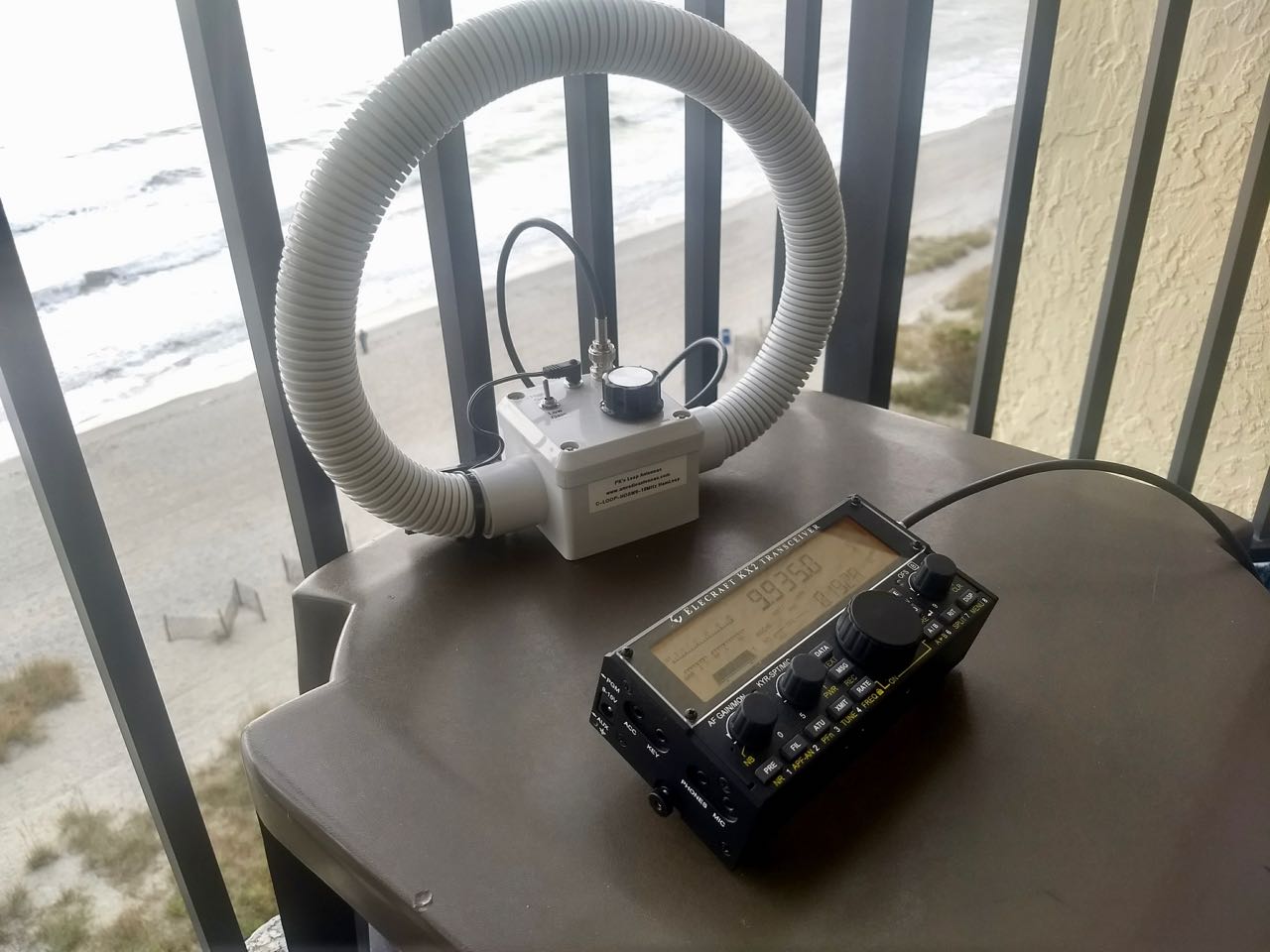
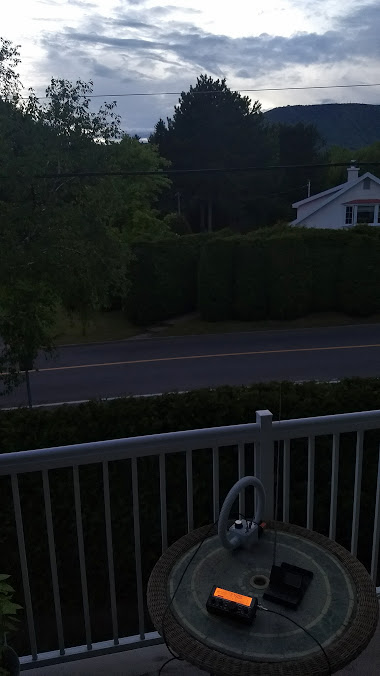
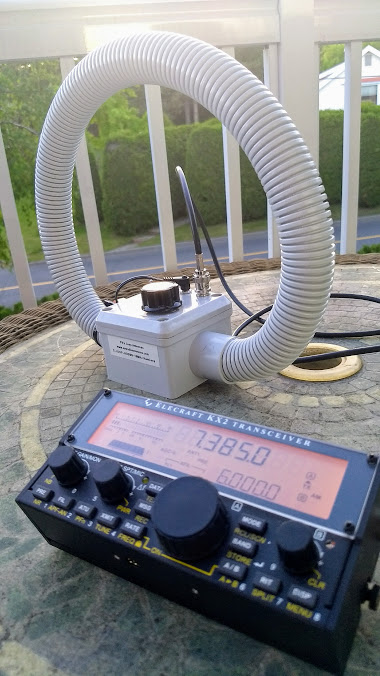
A late evening listening session on the condo balcony.

Last summer, I also spent two months in a condo near Québec City. The condo was dense with RFI–the PK Loop made the experience much more bearable.  The loop couldn’t completely eliminate all of the persistent wideband noise, of course, but it did reduce noise to a level that I could enjoy some of my favorites like RRI, VOG, VOT, REE, WRMI, RNZI and even weaker stations in North America like the BBC and DW.

Even the shortwave version of the PK Loop can null out QRM to some degree by rotating the loop perpendicular to noise. I became quite adept at this by the end of our stay.

Summary

Since I purchased the PK Loop, it’s been a constant travel companion and I highly recommend it. I don’t believe you’ll find a more durable or effective portable mag loop antenna on the market.

PK Loops are built by Paul Karlstrand in Australia who has a stellar reputation with his customers. For those of us living outside Australia, there will be additional shipping costs, but they’re negligible and Paul has been exporting these loops for many, many years. I believe I received my loop within a couple of weeks of ordering it.

Click here to view a PDF catalog of Paul’s loops and products.

As an added convenience, Paul also has an eBay store where he sells the following antennas:

This year, I plan to purchase PK’s largest mediumwave loop, the model HDXLTAM that boasts a 20″ diameter. Please comment if you have experience with this loop or any of Paul’s loops!