Tag Archives: Radio Prague International

Radio Waves: SAQ UN-Day Broadcast & Test Transmission, Radio Bulgaria QSL 10, Liblice Transmitter Masts Demolition, and Source for Streaming Station URLs

Radio Waves: Stories Making Waves in the World of Radio

Welcome to the SWLing Post’s Radio Waves, a collection of links to interesting stories making waves in the world of radio. Enjoy!

Many thanks to SWLing Post contributors Paul Jamet, David Iurescia, and Alon for the following tips:


SAQ Grimeton scheduled to air on UN-Day, Oct 24th 2026 (SAQ)

SAQ was put into commercial radio traffic on December 1st 1924, at first on 16.2 kHz. In mid December 1924, the frequency was changed to 16.1 kHz and on Dec 24th 1926 it was changed back to 16.2 kHz. On March 10th 1927 SAQ’s frequency was again changed, this time to 17.0 kHz, a frequency previously used by Italian station IRC in Rome.

Only two weeks later, on April 3rd 1927 SAQ’s frequency was again changed, now to 17.2 kHz, a frequency previously occupied by LPV in Buenos Aires, in order to provide “suitable noninterfering wave channel for new Belgian station ORU Ruysselede”, according to the traffic manager at RCA.
17.2 kHz has since then, except for a short period in the 1950’s when SAQ was transmitting on 17.25 kHz, been the frequency we all now belongs to the historical Alexanderson alternator SAQ at Grimeton Radio Station in Sweden.

On UN-Day, October 24th, 2026, SAQ is scheduled* to spread a peace message to the World on 17.2 kHz CW.

[Click here to view full broadcast and test transmission schedules]


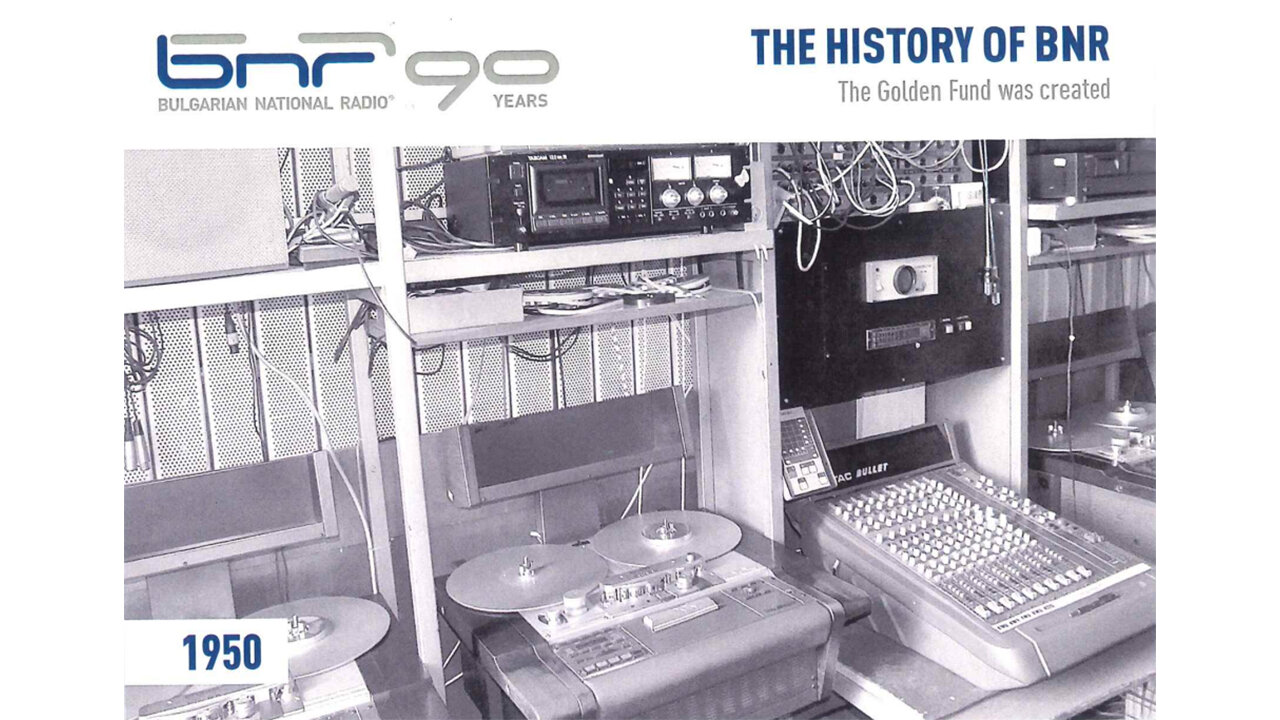
QSL No. 10: 1950 – Establishment of the Bulgarian National Radio’s Golden Fund (BNR News)

Throughout 2026, Radio Bulgaria is confirming listeners’ reception reports with a new series of 12 QSL cards. Each card highlights a significant moment from the history of the Bulgarian National Radio (BNR) and Radio Bulgaria, which is celebrating its 90th anniversary this year. At the beginning of each month, we present the story behind the image featured on the latest card.

The tenth QSL card for 2026 is dedicated to the establishment of the Bulgarian National Radio’s Golden Fund

The idea of preserving valuable recordings for future generations dates back to the first director of the National Radio, Sirak Skitnik. At his initiative, tape recorders were purchased specifically for this purpose in 1938. In 1950, an order was issued to establish the Bulgarian National Radio’s Golden Fund, but it began operating systematically and in its current form as a specialized archive in November 1957.

[Continue reading…]


Central Bohemian skyline to lose distinctive landmark when Liblice transmitter masts come down (Radio Prague International)

The two 355-metre-high masts of the Liblice transmitter near ?eský Brod are due to be demolished by controlled explosions in October 2026. In its time, the complex, built in 1976, was the most powerful medium-wave transmitter in Central Europe, with an output of 1.5 megawatts. Czech Radio broadcast from the site until the end of 2021, after which the transmitter was temporarily used by Country Radio. Broadcasting from Liblice finally ended in March 2025.

[Continue reading…]


Free CC0 M3U files of working stream URLs for WiFi radios

Hi Thomas,

Your April post on finding and fixing missing streams on Skytune radios prompted this. I keep a free, open project that may help readers with “add by URL” WiFi radios (CCWiFi3, Ocean Digital, Sangean and others), and with VLC or Kodi.

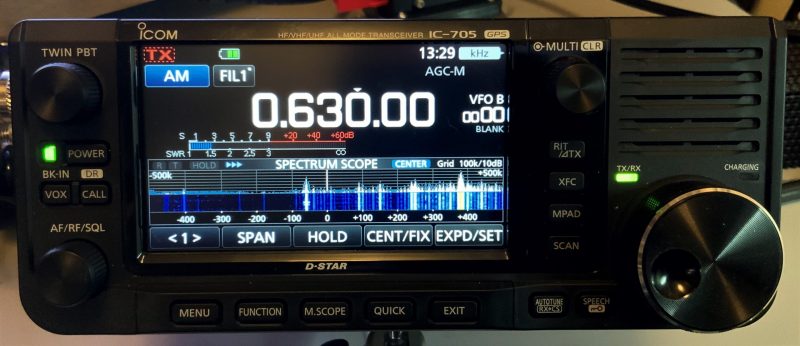
https://github.com/AlonDrilich/radio-playlists (browsable site: https://alondrilich.github.io/radio-playlists/) publishes M3U playlists every week, built from the public Radio Browser directory: one file per country (170) and per genre (60), only stations that passed the directory’s latest stream check. The data is CC0 and the script is MIT, and you can open any file in a text editor to copy a single stream URL. About 40% of the entries are plain http://, which helps older radios that cannot play https streams.


Do you enjoy the SWLing Post?

Please consider supporting us via Patreon or our Coffee Fund!

Your support makes articles like this one possible. Thank you!

Radio Waves: Radio Prague Support, AirDrift, and AM Radio Mandate Faces Congressional Clock

Radio Waves: Stories Making Waves in the World of Radio

Welcome to the SWLing Post’s Radio Waves, a collection of links to interesting stories making waves in the world of radio. Enjoy!

Many thanks to SWLing Post contributors David Iurescia and Aaron Hughes for the following tips:


Your support means the world to Radio Prague International (Radio Prague International)

All of us here at RPI would like to thank our listeners for the wave of support and solidarity you showed in response to news of the threat of closure earlier this year. Without you, our broadcasts could not fulfil their most important mission: building a bridge between Czechia and the world.

To highlight the strong bond that has survived and grown over the 90 years of our existence, we are publishing excerpts from some of the many letters, emails and audio messages we received.

[Continue reading…]


AirDrift Internet Radio Browser (Airdrift)

SWLing Post contributor, Aaron Hughes (author of AirDrift) writes:

Air Drift is internet radio the way it used to be: open the page, pick a station, and it plays. There’s no account, no app, and no signup. If you don’t know what you want, press Drift. It spins a globe, hunts through the dial, and lands you on a random live station somewhere in the world.

There are about 50,000 stations from the Radio Browser directory, and you can browse by country, genre, or a 3D globe. It’s made for people who just want to turn on the radio: quick, easy and simple.

[Check it out here!]


Can the AM Radio Car Mandate Beat the Congressional Clock? (Radio World)

As the U.S. Senate adjourns until after the November midterm elections, a familiar concern for backers of the AM Radio for Every Vehicle Act has surfaced: Will time run out?

The next step for the legislation, as we’ve covered, is for it to move through the Senate. There was palpable momentum after the bill cleared the house in September. And previously, Sens. Edward J. Markey (D-Mass.) and Ted Cruz (R-Texas) secured filibuster-proof majority with 61 senators supporting it.

[The] bill has to reach the Senate floor for a vote first, and there’s a scant few days left in this current congressional cycle. The 2023 version failed to pass in the Senate after efforts that December fell short.

[Continue reading…]


Do you enjoy the SWLing Post?

Please consider supporting us via Patreon or our Coffee Fund!

Your support makes articles like this one possible. Thank you!
Radio Prague Celebrates 100 Years with Special Program & QSL Card on May 18, 2023

Many thanks to SWLing Post contributor, David Iurescia (LW4DAF), who shares the following story from Radio Prague International:


Celebrate 100 years of Czech Radio by telling us where you listen to us! (Radio Prague International)

To mark Czech Radio’s centenary, Radio Prague International is preparing a special show for you on Thursday 18 May. Listen to it and write to let us know where you heard it to receive a special Czech Radio QSL card made especially for the anniversary!

Regular public radio broadcasting in Czechoslovakia began on 18 May 1923. At 8.15 pm on that day, from a canvas tent lent to the radio by a local scout troop in Kbely on the outskirts of Prague, the words “Hello, hello, this is the broadcasting station Radiojournal” could be heard sounding out.

The broadcast lasted about an hour. Although it was mostly only listened to by technology enthusiasts in its first few months, Czechoslovakia nevertheless became the second European country after the United Kingdom to have regular radio broadcasts.

For May 18, we have prepared a special programme for you from behind the scenes of Czech Radio. Tell us which town or city and country you listened to it in so that, 100 years after the first transmission, we can map where Czech Radio’s broadcasts reach today. We would be especially grateful if you could enclose a photo of yourself in the place where you listen to us along with your message.

Write to us at: [email protected]

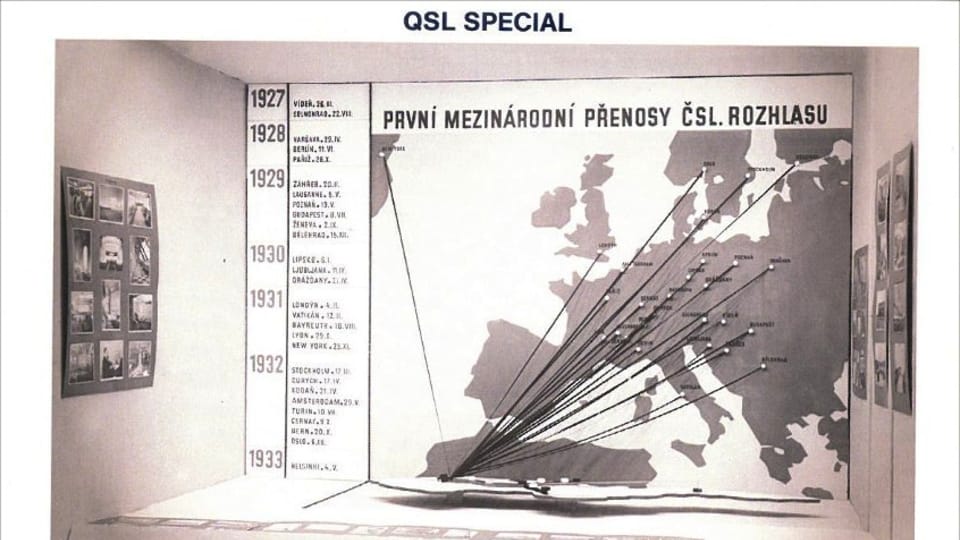
In return, we’ll send you a special QSL card issued to mark the centenary, which comes from a 1933 radio exhibition and shows where the first international radio transmissions from Czechoslovakia were received.

Those of you who are interested in receiving a physical QSL card can send us a postal address. Otherwise, we will send you a digital copy by email.

Click here to read this article at Radio Prague International.

Radio Prague celebrates 85 years on the air

Many thanks to SWLing Post contributor, Jonathan Marks, who recommends this video tour of the Czech Radio Building from Radio Prague’s Facebook page.

Jonathan notes: “[The video os very] nicely done. It compliments episode 4 of the video I made with Olrich Cip”:

Many thanks for sharing this, Jonathan, and for documenting this important piece of our international broadcasting story.

Post readers: If you’d like more information about the 85th Anniversary of Radio Prague, check out this (and other) stories on the Radio Prague Website:

Radio Prague International celebrates 85 years on the airwaves

Although the origins of foreign language broadcasting on Czech Radio stretch as far back as 1926 – in the form of English and French lectures about Czechoslovakia – the birth of the foreign language service is traditionally dated to August 31, 1936, when the Technical Director of Czechoslovak Radio Eduard Svoboda officially announced the beginning of regular foreign language broadcasting.
Continue reading →

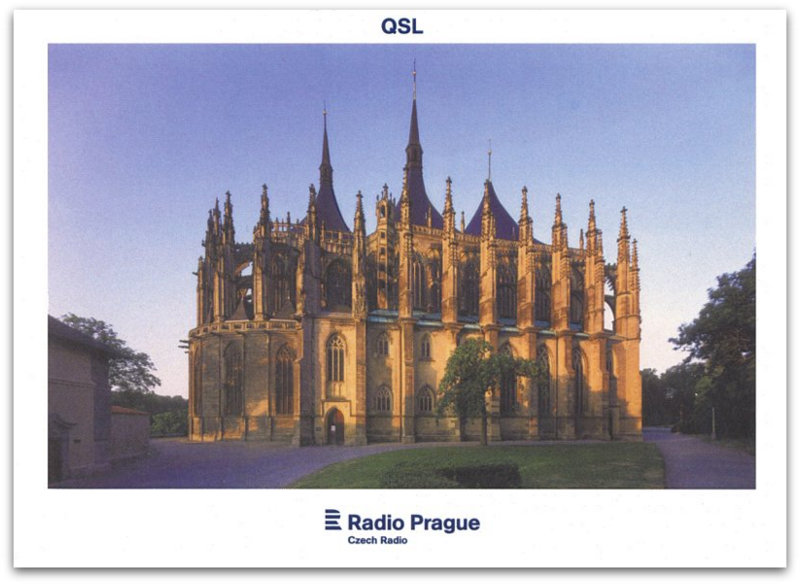
Radio Prague’s 2021 QSL Cards

(Source: Radio Prague International via David Iurescia)

The three letters – QSL – constitute one of the codes originally developed in the days of the telegraph. All codes consisted of three letters beginning with “Q”. Later some of these “Q” codes were adopted by radio-telegraphists and radio listeners. QSL means “contact confirmed” or “reception confirmed”.

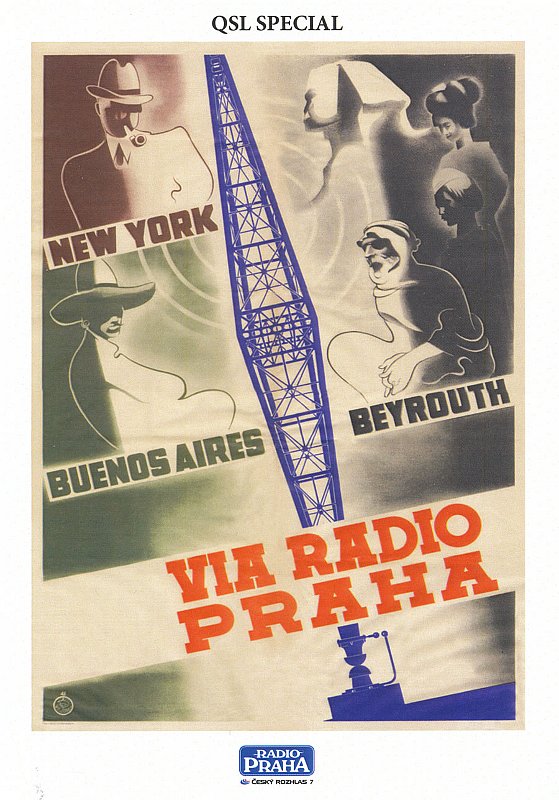
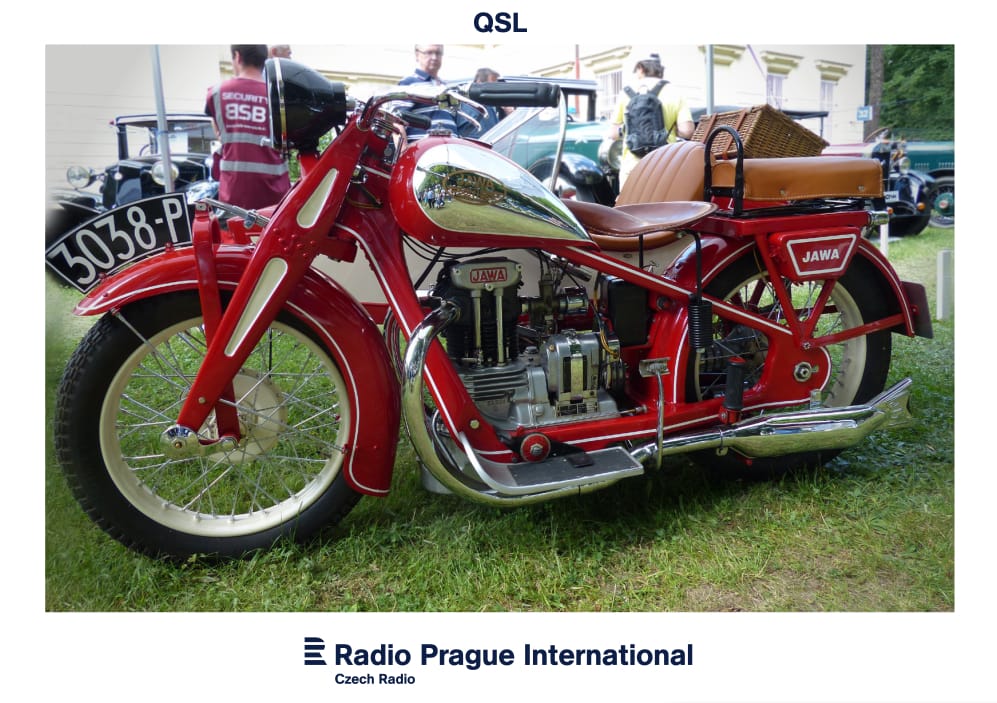
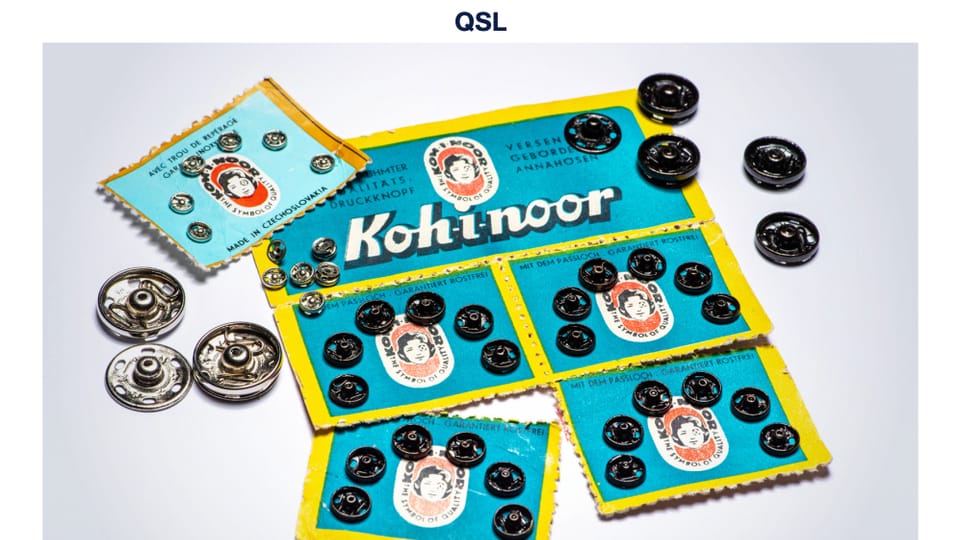
The expression “QSL card” or just “QSL” gradually came to be used among radio-amateurs and then more broadly as radio began to develop as a mass medium. Radio stations were keen to know how well and how far away their programmes could be heard and began to send their listeners “QSL cards” in return for reception reports. The card would include letters making up the “call sign” of the station – the system still used in the United States – or the broadcasting company’s logo or some other illustration. The card would also include a text stating the frequency and the transmitter output power, and a confirmation of when the listener heard the station.

Domestic broadcasters do not tend to use QSL cards these days, but their popularity remains among radio stations broadcasting internationally. They are still keen to know how well they can be heard in the parts of the world to which they broadcast. In the era of shortwave broadcasts Radio Prague sent out QSL cards for reception reports received. Today we also send QSL cards to those who listen to us on the internet.

https://english.radio.cz/reception-report

Click here to view all of the 2021 QSL Cards at Radio Prague International.

Radio Prague now Radio Prague International

Radio Prague QSL card.

(Source: Radio Prague International via David Iurescia)

For 83 years now listeners of Czech Radio’s external service broadcasts have been accustomed to hearing our specific call-sign. Both the call sign and the station’s name have changed over the years. Another small change is now in the pipeline. As of September 1, Radio Prague will become Radio Prague International. Use our audio slider for a walk down memory lane…

Click here to view on YouTube.