Shortwave listening and everything radio including reviews, broadcasting, ham radio, field operation, DXing, maker kits, travel, emergency gear, events, and more
Many thanks to SWLing Post contributor Dan Greenall, who shares the following guest post:
Europe on shortwave in the 1970’s
by Dan Greenall
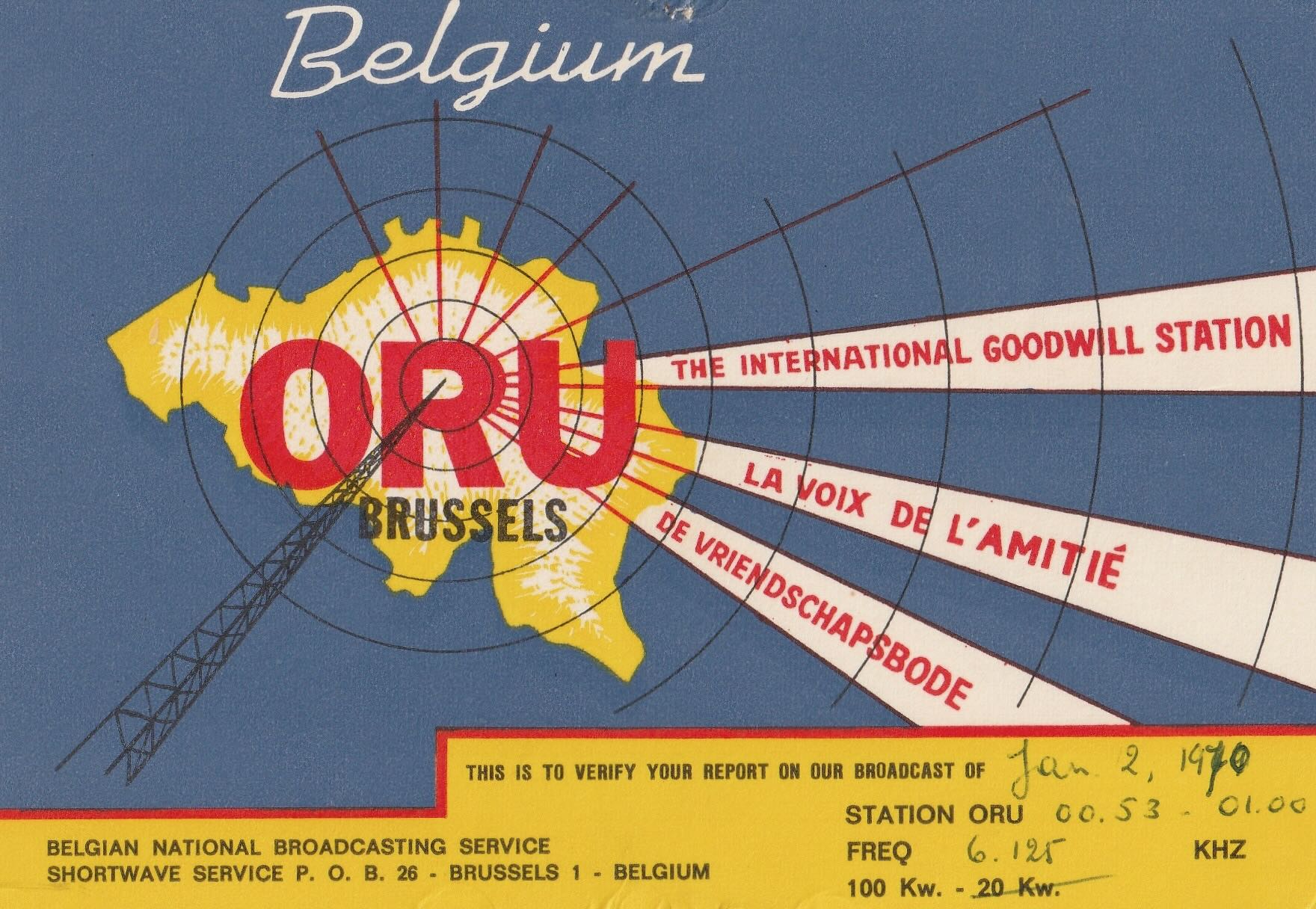
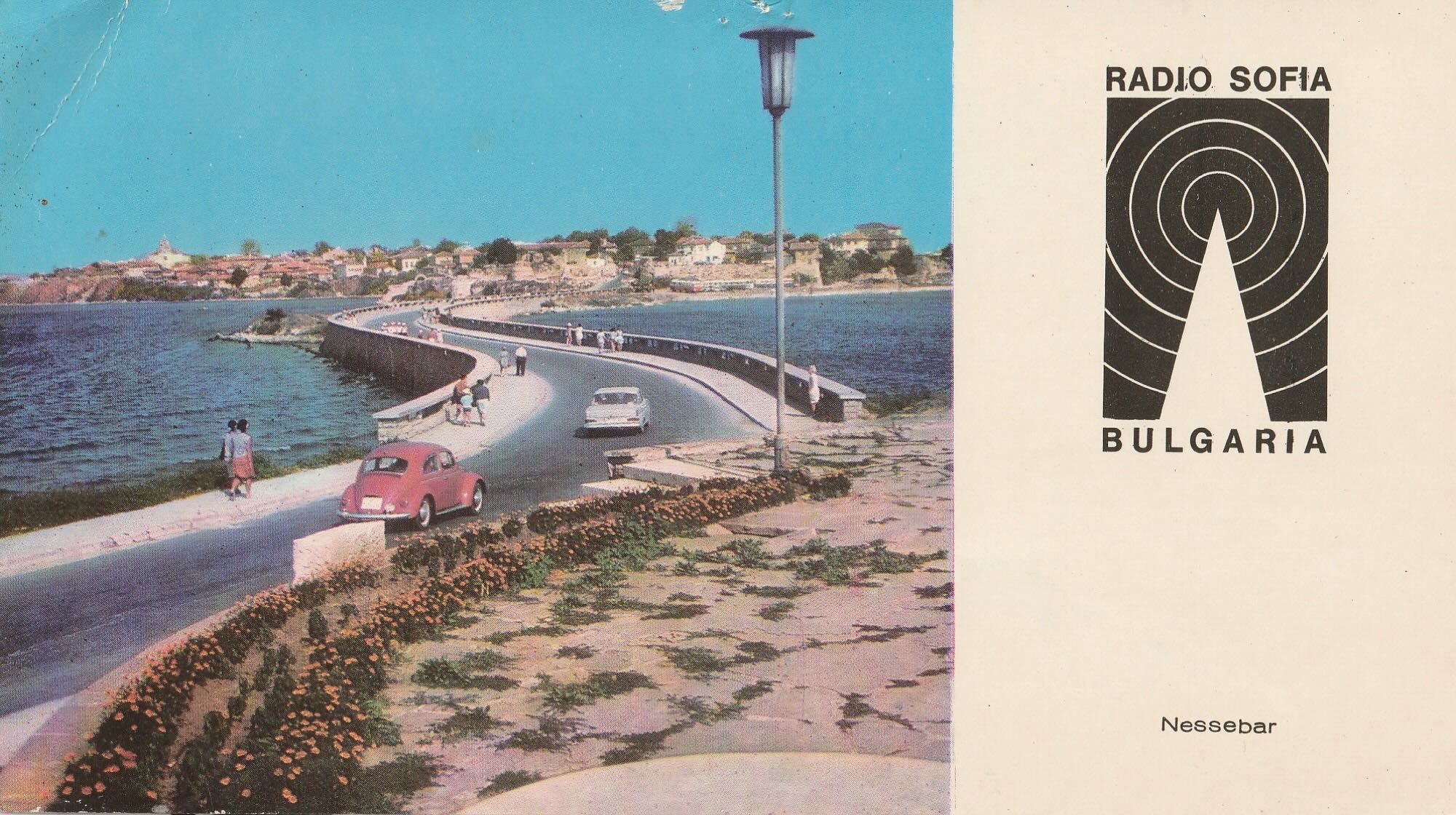
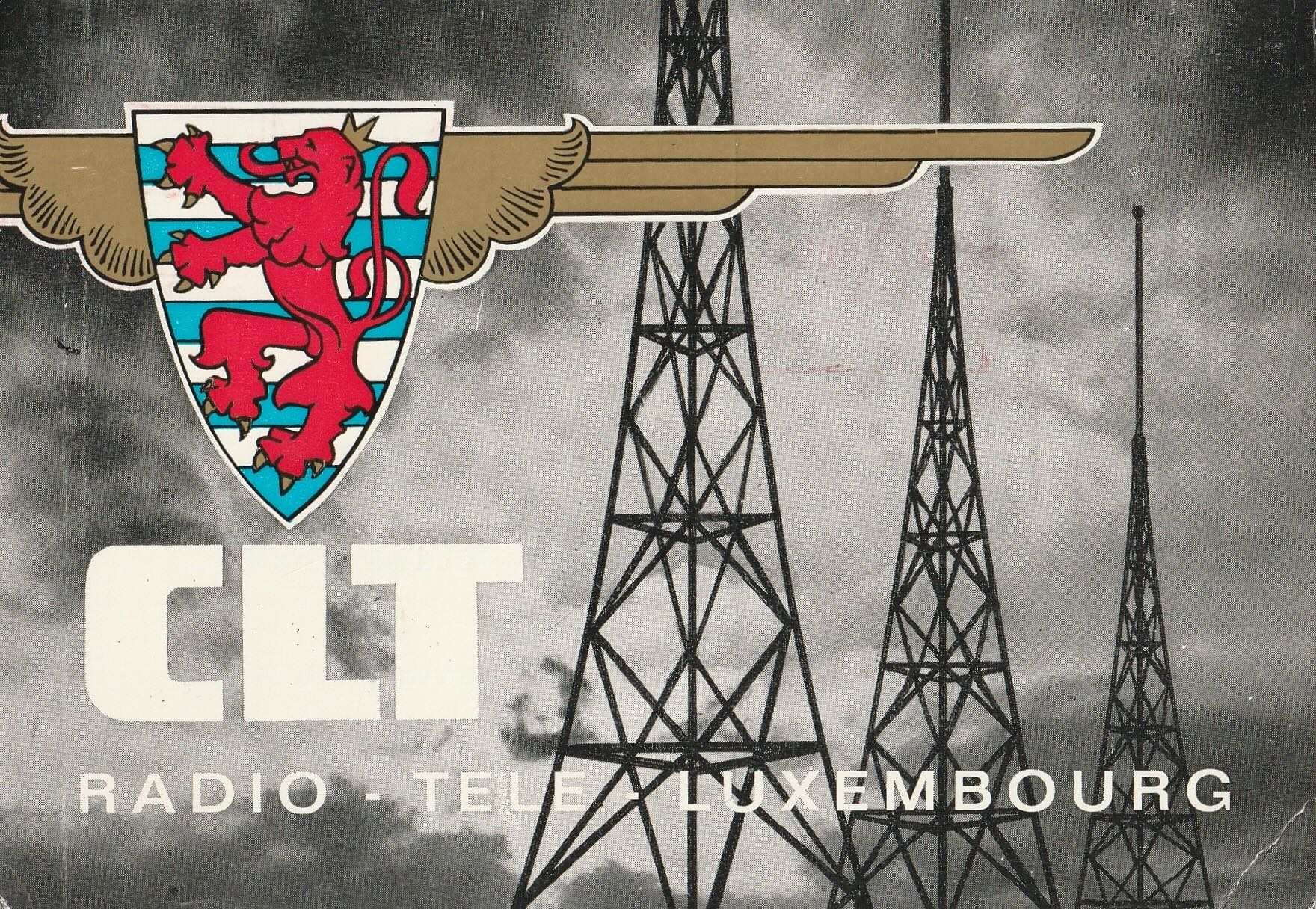
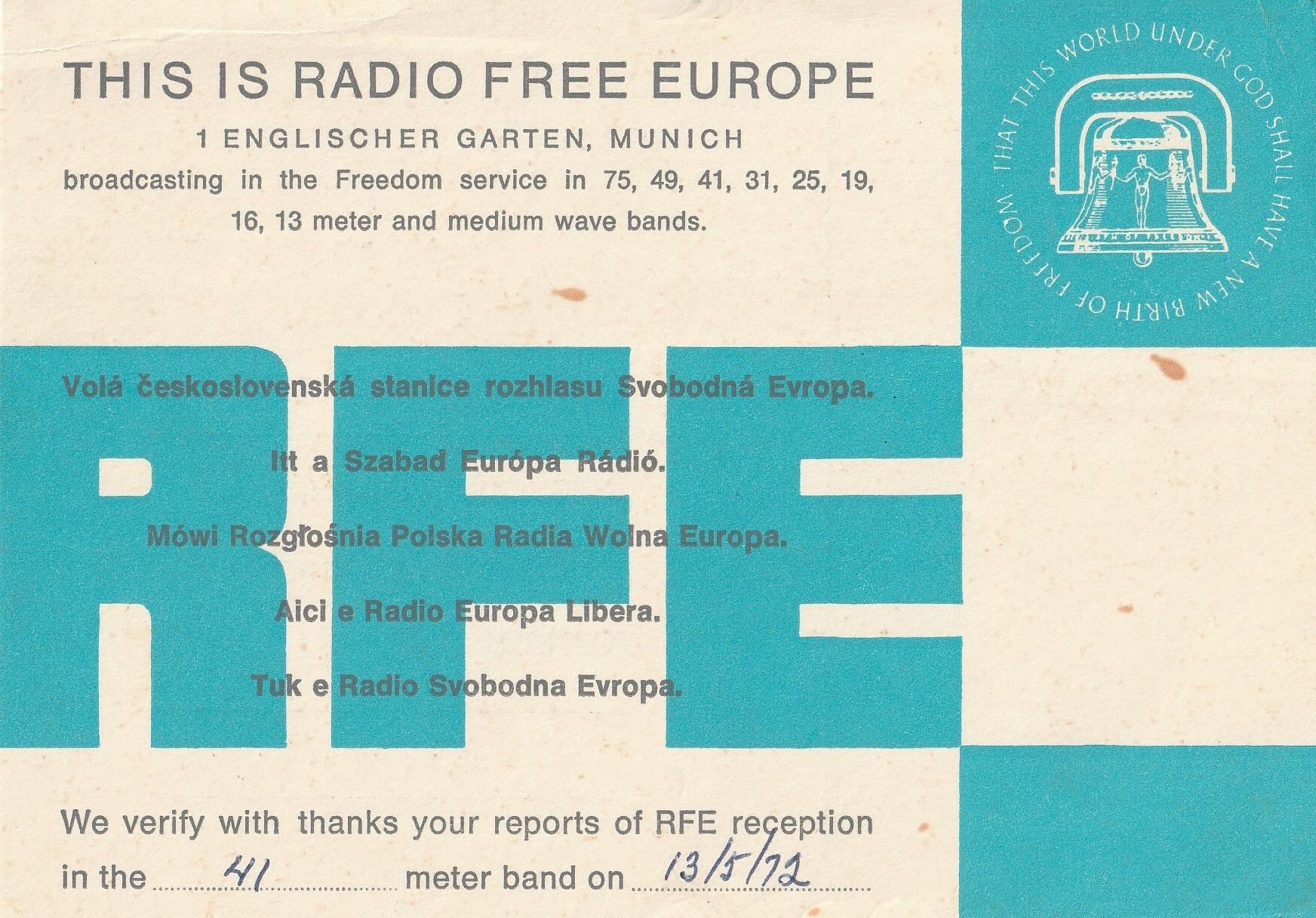
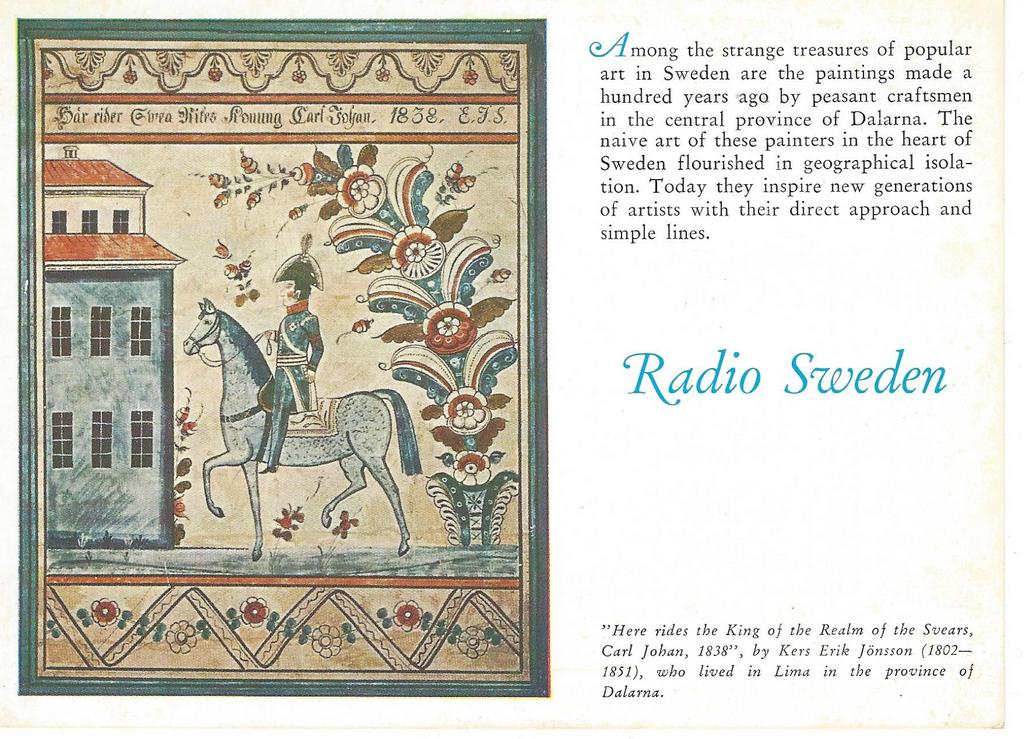
During the golden years of shortwave listening, many European countries had an international shortwave service and broadcast programs to North America (where I live) in English. As a result, these stations were usually among the first that a newcomer to the hobby would find. However, since there was no internet or e-mail, schedules often had to be found in the various club bulletins and hobby magazines. QSLs arrived through the postal system and could often take months to arrive.
I soon developed the habit of making a brief recording of each station as additional “proof of reception,” and many of these have survived to this day. These were typically made by placing the microphone directly in front of the speaker of my receiver. In recent years, they have been uploaded to the Internet Archive, and links to some of them from the early 1970s can be found here.
[Note that each title links to the Archive.org page where you can find more information and QSLs.]
Radio Waves: Stories Making Waves in the World of Radio
Because I keep my ear to the waves, as well as receive many tips from others who do the same, I find myself privy to radio-related stories that might interest SWLing Post readers. To that end: Welcome to the SWLing Post’sRadio Waves, a collection of links to interesting stories making waves in the world of radio. Enjoy!
On January 2nd 1923, John Reith interviewed Miss Frances Isobel Shields for a job at the BBC, to be his secretary. At the time the BBC had four or five male staff members. Miss Shields started work on January 8th, instantly making the BBC a 20% female organisation. It’s been greater than that ever since.
This episode’s fab guest is Dr Kate Murphy: academic, former producer of BBC’s Woman’s Hour and author of Behind the Wireless: A History of Early Women at the BBC. Her book is brilliant and highly recommended for a deep dive into the subject.
Hear Isobel Shields’ tale, plus the women who broadcast before her: Britain’s first DJ Gertrude Donisthorpe, 2LO’s first children’s presenter Vivienne Chatterton, and one of our first broadcast comedians Helena Millais. (You can hear their fuller tales if you go back to the earlier episodes on this podcast.)
And hear about some of the women who joined the BBC soon after Miss Shields, like telephonist Olive May and women’s staff supervisor Caroline Banks. Plus hear about some of John Reith’s unusual management practices, from taking his secretaries to the cinema to his brutal firing criteria.
But we dwell on his hiring not firing, as well tell the origin story of British broadcasting. [Continue reading…]
The link between The Exorcist, Amateur Radio and Alan Turing.
A quick look at how the movie The Exorcist from 1973 has links to the late great Alan Turing via Mike Oldfield’s album Tubular Bells, Scotland and Amateur Radio. It’s Halloween so figured why not throw some horror in the mix.
When Mike Oldfield recorded Tubular Bells in 1973 he had no idea his first album on Virgin Records would be chosen as the soundtrack to The Exorcist later that year. Neither did he know that recording with Virgin Records would have an unintended consequence of hiding a secret message which dates back to 1926, shortly after World War One.
Tubular Bells was famously recorded at The Manor Studio which was owned by Richard Branston and used as a recording studio for Virgin Records. The building is located in Shipton-on-Cherwell, England. Mike was given one week to record the album, on which he played almost all the instruments himself.
The album initially struggled to sell. Then, later the same year, it was chosen as the soundtrack for the movie The Exorcist. It then experienced massive success and has since sold over 15 million copies worldwide. [Continue reading…]
Roger Wallis from “The Saturday Show” on Radio Sweden passes away
Many thanks to SWLing Post contributor, Lennart Wennberg, who notes:
Just got the news that Mr Roger Wallis has died at the age of 80.
I remember him from Radio Sweden’s Saturday Shows on MW in the 70s. He was “Big Bad Roger” and hosted together with Kangaroo Kim.
Roger Wallis (8 August 1941 – 22 January 2022) was a British-born Swedish musician, journalist and researcher.[1]. He was an adjunct professor of multimedia at the Royal Institute of Technology in Stockholm.[2]
Between 1967 and 1981, Wallis was the main presenter of the English language The Saturday Show on Radio Sweden. Wallis also co-wrote “Judy, min vän”.

 Many thanks to SWLing Post contributor Dan Greenall, who shares the following guest post: