Author Archives: Thomas

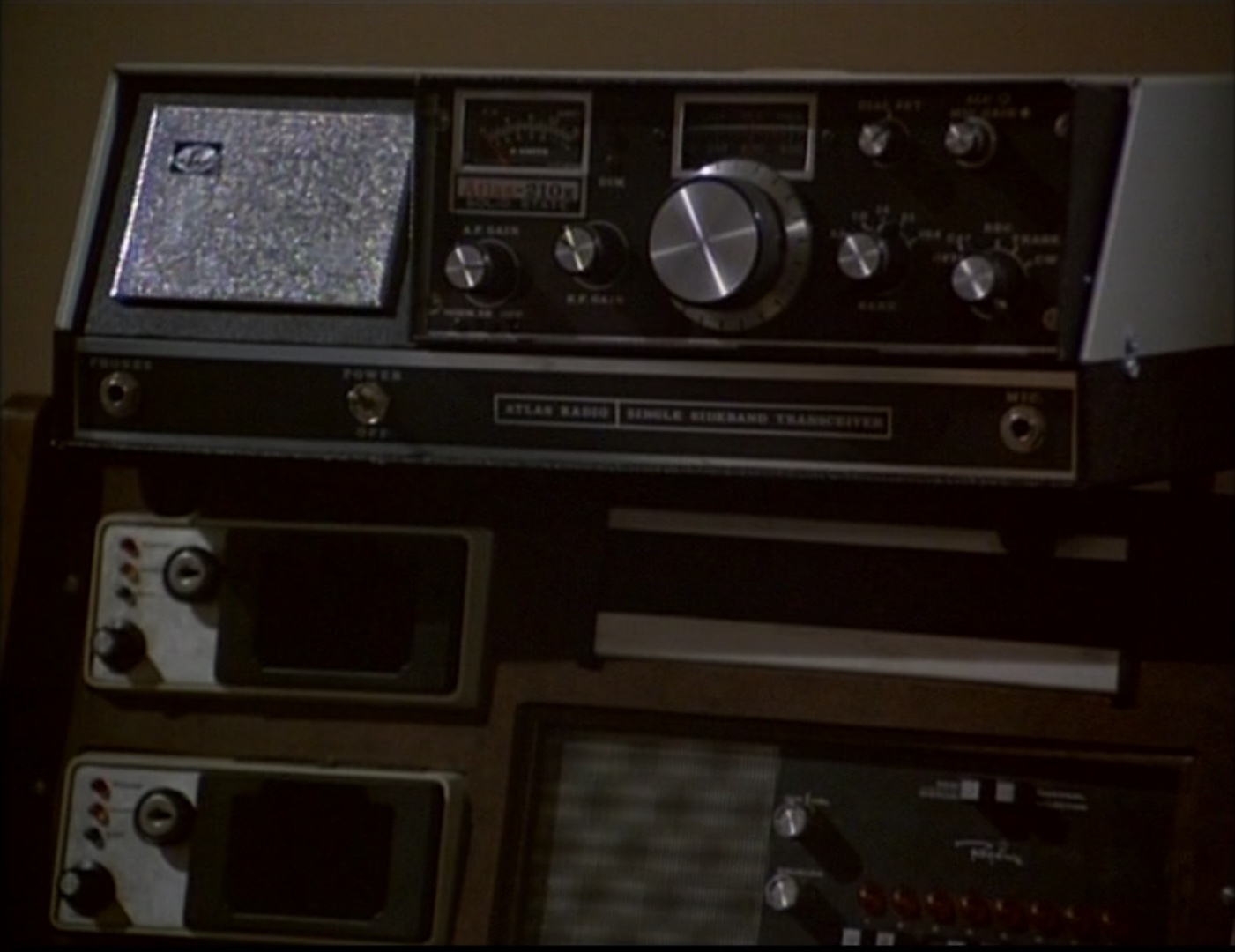
Mark Spots an Atlas in “The Rockford Files”

Many thanks to SWLing Post contributor, Mark Hirst, who writes:

Thomas,

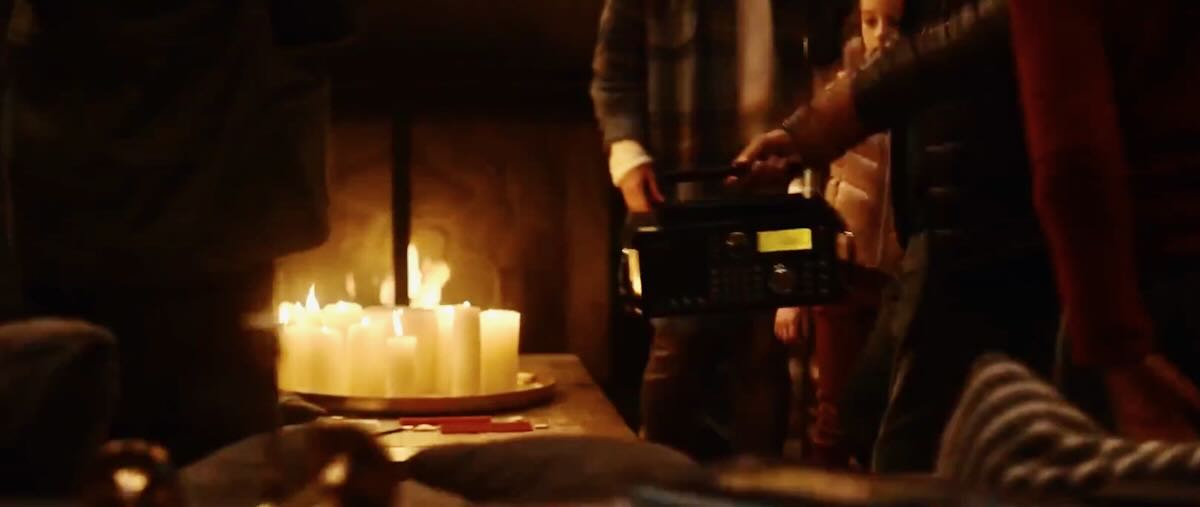
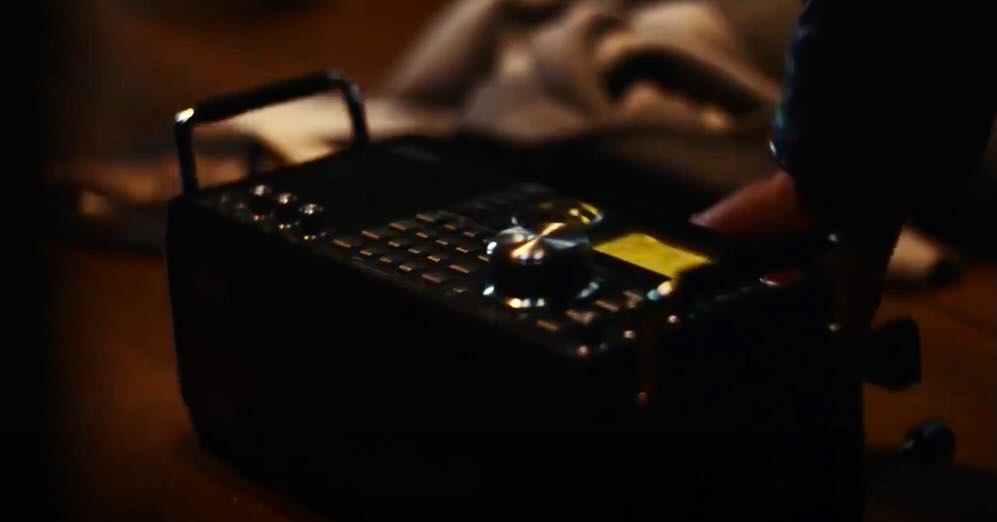
I spotted this radio from an episode of the Rockford Files in a story about Russian spies.

According to IMDB, the episode, “A Material Difference” aired in February 1979.

https://www.rigpix.com/atlas/210x.htm

Mark

Thanks so much for sharing this, Mark. You’ve got sharp eyes!

I remember watching The Rockford Files as a kid. I think it’s time to re-watch some of those episodes. Thanks again, Mark!

Radio Waves: Fast Radio Bursts, Czechia DRM AM Trial, Kumartuli Radio Shop, and Ekho Moskvy Off Air

Radio Waves:  Stories Making Waves in the World of Radio

Welcome to the SWLing Post’s Radio Waves, a collection of links to interesting stories making waves in the world of radio. Enjoy!


Astronomers detect a radio “heartbeat” billions of light-years from Earth (MIT)

The clear and periodic pattern of fast radio bursts may originate from a distant neutron star.

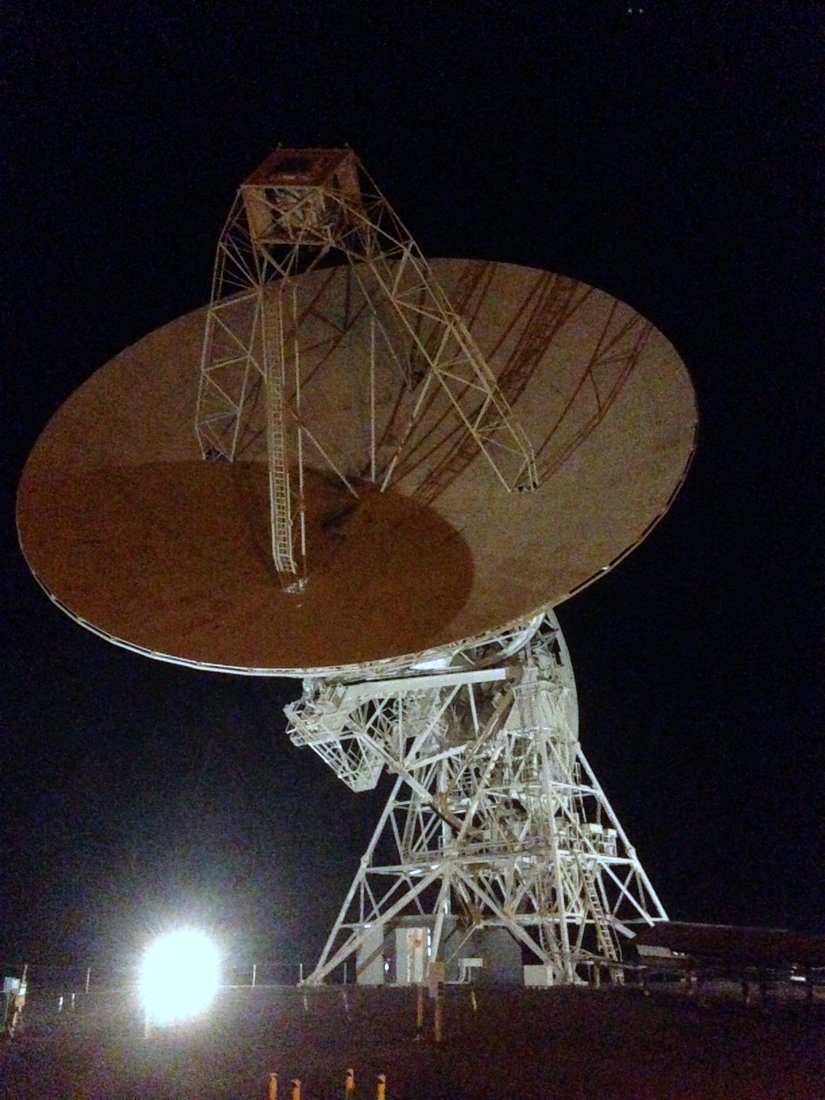
Astronomers at MIT and universities across Canada and the United States have detected a strange and persistent radio signal from a far-off galaxy that appears to be flashing with surprising regularity.

The signal is classified as a fast radio burst, or FRB — an intensely strong burst of radio waves of unknown astrophysical origin, that typically lasts for a few milliseconds at most. However, this new signal persists for up to three seconds, about 1,000 times longer than the average FRB. Within this window, the team detected bursts of radio waves that repeat every 0.2 seconds in a clear periodic pattern, similar to a beating heart.

The researchers have labeled the signal FRB 20191221A, and it is currently the longest-lasting FRB, with the clearest periodic pattern, detected to date.

The source of the signal lies in a distant galaxy, several billion light-years from Earth. Exactly what that source might be remains a mystery, though astronomers suspect the signal could emanate from either a radio pulsar or a magnetar, both of which are types of neutron stars — extremely dense, rapidly spinning collapsed cores of giant stars.

“There are not many things in the universe that emit strictly periodic signals,” says Daniele Michilli, a postdoc in MIT’s Kavli Institute for Astrophysics and Space Research. “Examples that we know of in our own galaxy are radio pulsars and magnetars, which rotate and produce a beamed emission similar to a lighthouse. And we think this new signal could be a magnetar or pulsar on steroids.”

The team hopes to detect more periodic signals from this source, which could then be used as an astrophysical clock. For instance, the frequency of the bursts, and how they change as the source moves away from Earth, could be used to measure the rate at which the universe is expanding. [Continue reading…]

CRA Runs DRM Digital AM Trial in Czechia (Radio World)

Transmission company CRA looks at possibility for reusing analog transmission facilities

Czech transmission services company ?eské Radiokomunikace (CRA) is testing the DRM medium-wave digital radio system on 954 kHz.

According to a tweet from Marcel Prochazka, director of legal and regulatory affairs for CRA, the transmissions are originating from ?eské Bud?jovice in South Bohemia and operating at a power of 3.16 kW from a 107-meter HAAT antenna. Continue reading

W9IMS: From the Speedway to Your Wall

From the Speedway to Your Wall: Taking the W9IMS Checkered Flag

By Brian D. Smith, W9IND

The Checkered Flag is in sight – for hams and SWLs who’ve completed two-thirds of the chase for the annual W9IMS certificate. And for those who haven’t, there’s still a special QSL card awaiting all who snare the final contact during the coming week.

As its initials imply, W9IMS stages special events in honor of the Indianapolis Motor Speedway’s three major races. The third and final operation of 2022 – commemorating the NASCAR 200 at the Brickyard – will activate between the hours of midnight Indy time (0400 UTC) Monday, July 25, and midnight Sunday, July 31 (0400 UTC Tuesday, August 1).

Earning the 2022 Checkered Flag Award depends on working or tuning in each of the three special events. Since the first two races (the IndyCar Grand Prix and the Indianapolis 500) ran in May, it’s obviously too late to claim the clean sweep.

However, W9IMS also issues collectible QSL cards for the three individual races, so there’s still time to get a piece of the action.

Where to start? Well, W9IMS favors 20 and 40 meters, sometimes adding 80 meters later in the week (not to mention 2 meters on Race Day for locals and fans in the stands at the Speedway). Preferred frequencies are 14.245 and 7.245 SSB, plus or minus QRM.

But rather than spin the dial, try scanning the following tips for finding W9IMS on the air:

  1. Check DX Summit (www.dxsummit.fi) for spots listing the current frequency or frequencies of W9IMS, if any. By typing “W9IMS” in the search box at upper right, you can customize it to show reports for only Indianapolis Motor Speedway special events. Naturally, you’ll be interested in only the ones from July 2022.
  2. Go to the W9IMS web page (www.w9ims.org) and look for the heading, “2022 Operating Schedule.” Click on the NASCAR 200 link, which opens into a weeklong schedule listing individual operators and their reserved time slots. Your odds of catching W9IMS on the air improve significantly during these hours.
  3. Prime operating time on weeknights is 6 to 10 p.m. Indy time (2200-0200 UTC). However, W9IMS can appear anytime, even on two bands at once, between 0400 Monday, July 25, and 0400 Sunday, July 31.
  4. Remember that the published schedule can be shortened by adverse circumstances, such as noisy band conditions, local thunderstorms or a lack of calling stations. Don’t wait till the final hour to chase W9IMS!
  5. Operators often get on the air at unscheduled times. That’s why DX Summit is your best bet for locating W9IMS’s current spot(s).
  6. If you plan on going for the 2023 Checkered Flag Award, remember that the three required W9IMS special event QSOs (or reception reports) must come from each of the year’s three races – the Grand Prix, the 500 and the Brickyard. Making three contacts during the coming week still earns you the colorful Brickyard QSL card, but no extra credits toward the 2022 certificate.

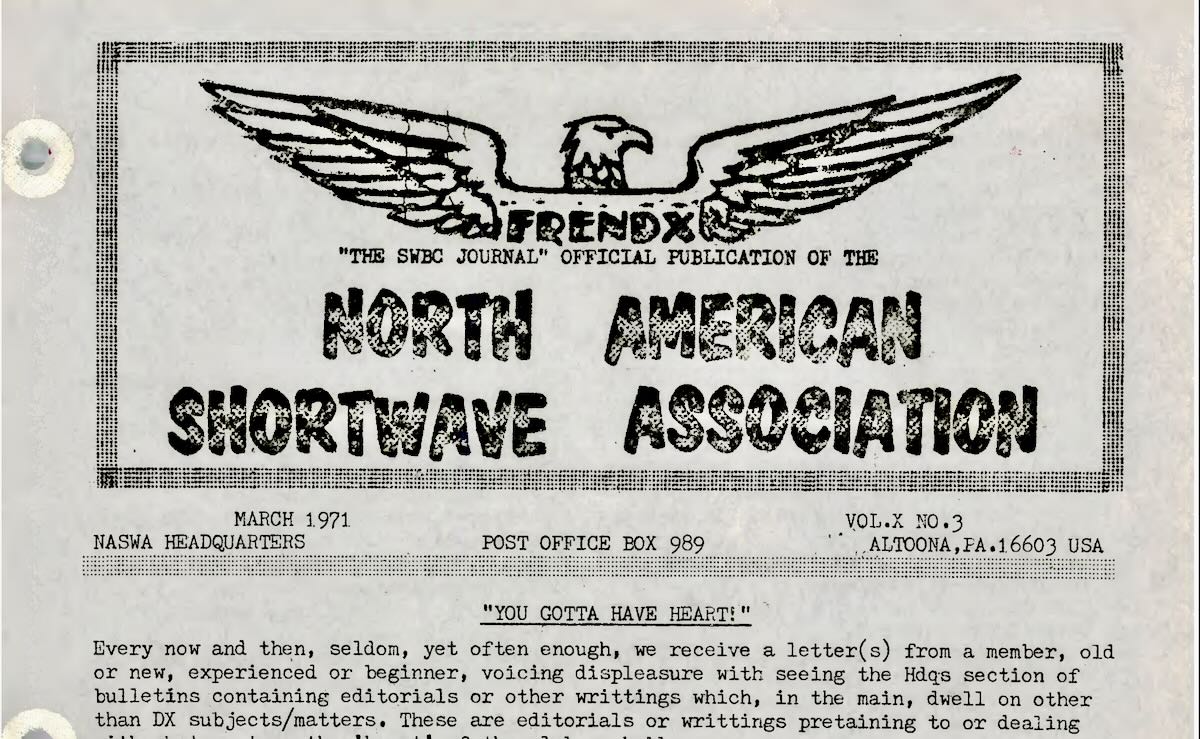
Archive of NASWA FRENDX Journals on World Radio History website

Many thanks to SWLing Post contributor, Tom Gavaras, who writes:

Hi Thomas,

I hope you are having a great summer.

In the event you are not aware, there is a large collection of NASWA magazines available online from 1971-2008 including an issue from 1962.: https://worldradiohistory.com/NASWA_Frendx.htm

I see that there are also many issues from SPEEDX from 1971-1995: https://worldradiohistory.com/Speedx.htm

Best regards,

Tom

Many thanks for the tip, Tom!  The World Radio History website is such a treasure trove of radio history and nostalgia! 

I opened and read a few 1970s era NASWA journals this morning and am so happy to see quite a few names of SWLs/DXers who are still active radio enthusiasts!

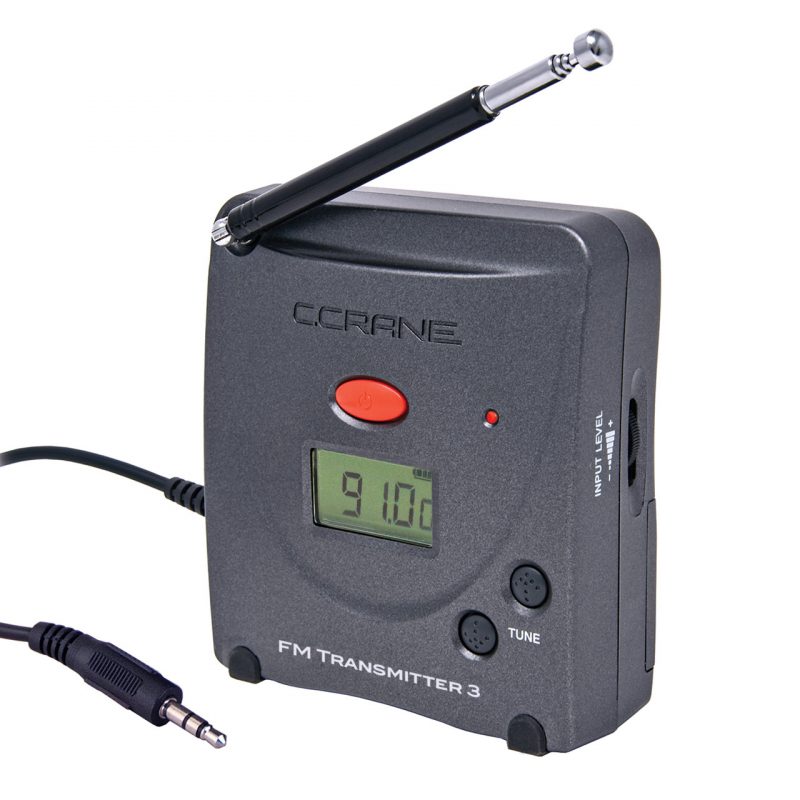
The C.Crane Digital FM Transmitter 3

Many thanks to SWLing Post contributor, Ron, who shares information about the latest C.Crane FM transmitter:

Check out the new C.Crane FM Transmitter 3.

Everything is the same as the previous model except it now covers 87.7 to 108 MHz.

People have been reported as being in big trouble for using 87.7 MHz, or is it because of their competitor, the Whole House FM Transmitter? This also covers the entire band but has serious build quality defects according to the Amazon reviews and costs more than the C.Crane FM-3.

Click here to check out the C.Crane FM Transmitter 3.

Thanks for the tip, Ron! Like many, I use FM and AM transmitters to pipe Internet radio streams throughout my house: especially the UK 1940s Radio Station!

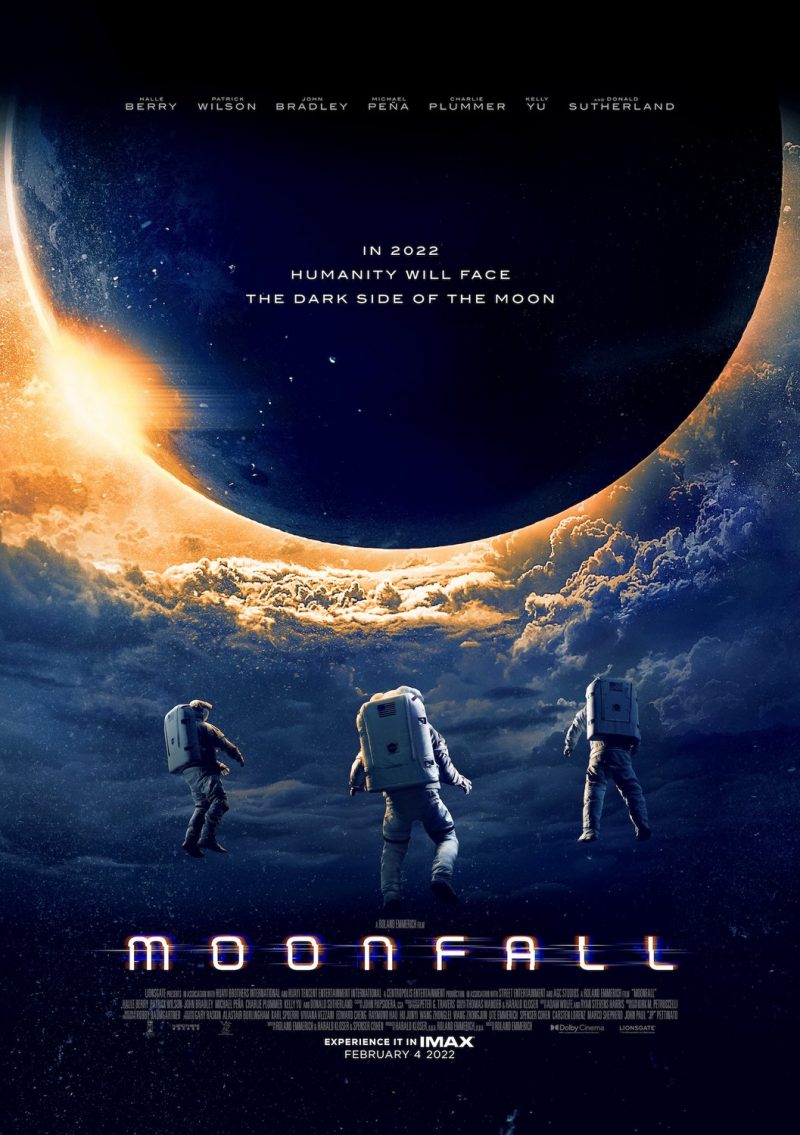
Rafael spots a Tecsun S2000 in “Moonfall”

Many thanks to SWLing Post contributor, Rafael Rodriguez, who writes:

Hi Thomas

Once again the Radio Tecsun model S2000 makes its appearance in a movie, this time in the Hollywood science fiction action and adventure production called “Moonfall.”

Without being a film critic, the movie is very regular ; but it gives screen to this radio that seems to be a favorite in the setting.

Good DX

Rafael Rodriguez R.
Bogotá D.C. – COLOMBIA

Great catch, Rafael. When I watch Moonfall, I’ll keep an eye out for that S2000! Thank you so much for sharing!

The Nextube retro nixie clock

Many thanks to SWLing Post contributor, Al Hearn (WA4GKQ), who writes:

Thomas:

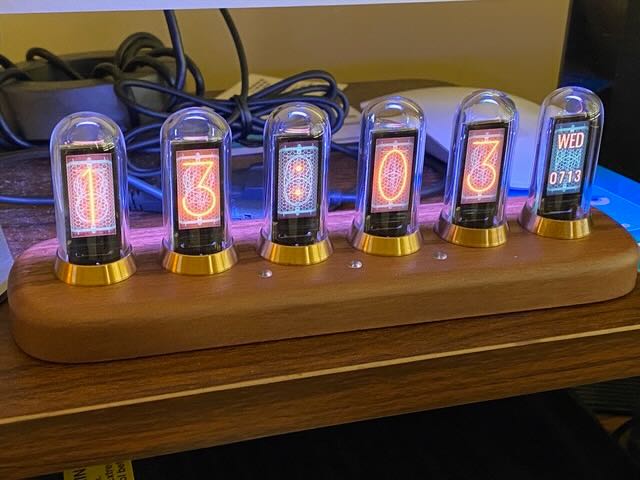
I’ve just received this Rotrics NexTube [see photo above] after a year of waiting. It was a KickStarter project and suffered numerous delays, and is just now shipping. It’s beautiful — real walnut wood, glass tubes and brass fixtures.

It appears at first glance to be yet another imitation Nixie tube clock but it’s actually much more than that. Each tube is a high-res IPS display that can display almost anything, including photos. It’s highly configurable, uses WiFi to connect to the Internet, and has an (yet undocumented) open API.

Being a ham and SWLer, I can envision someone much smarter than I programming this device to show real-time propagation data from beacons, propagation forecasts, etc. or other information of interest to those of us in the hobby. Imagine each of the six tubes graphically showing real-time band conditions on six different ham bands. It can already be used as a GMT clock. A set of three touch buttons allows app switching and user interaction.

With your infinite access to members of our hobby, I thought maybe you could find a way to expose this to those who might have an interest and expertise to create such an application for this amazing little device. I believe that its potential is almost unlimited, in ways the creators haven’t imagined.

73,
Al Hearn
WA4GKQ

Thank you for sharing this, Al! What a beautiful, modern take on the Nixie Tube clock! I love the simple design and versatility.

I’m very curious if any other readers have purchased the Nextube or have tinkered with the API. Please comment!

Click here to check out the Nextube at Rotrics.