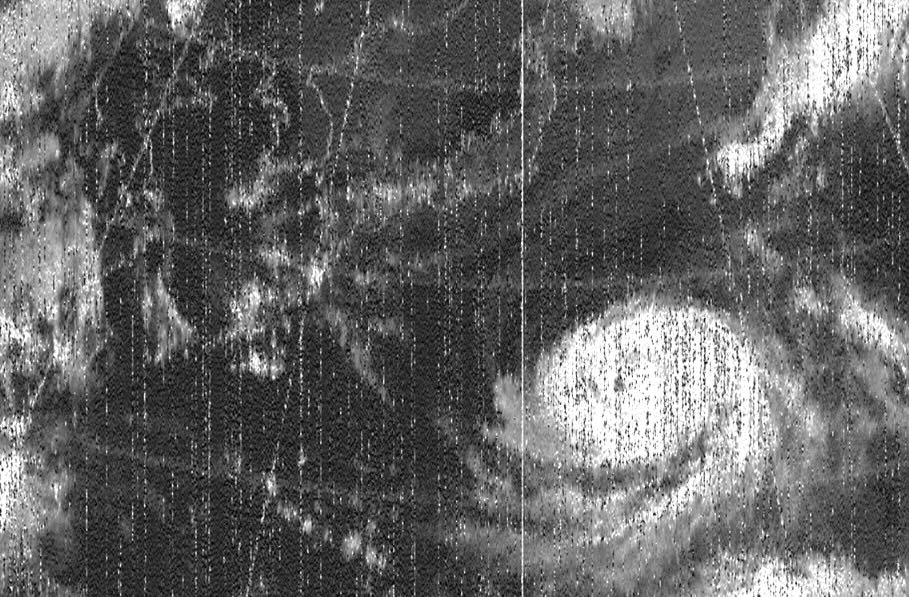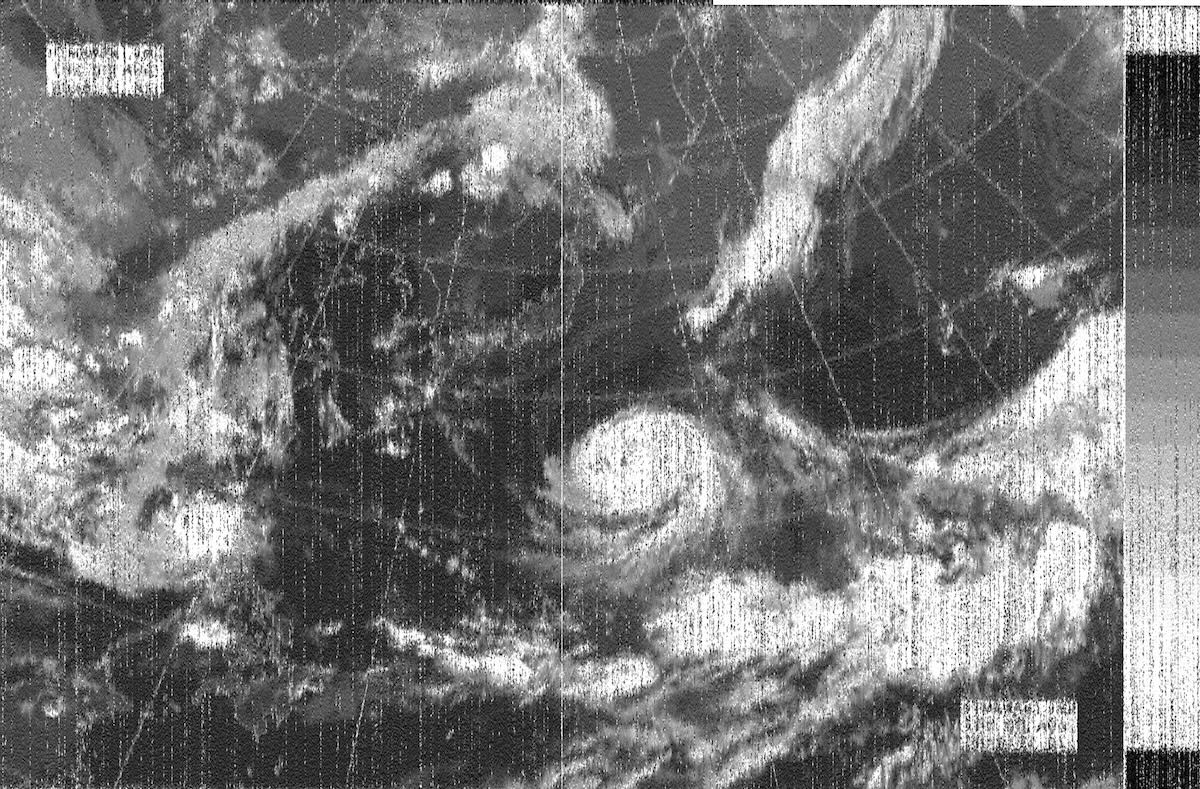
Many thanks to SWLing Post contributor Marty Busse, who writes:
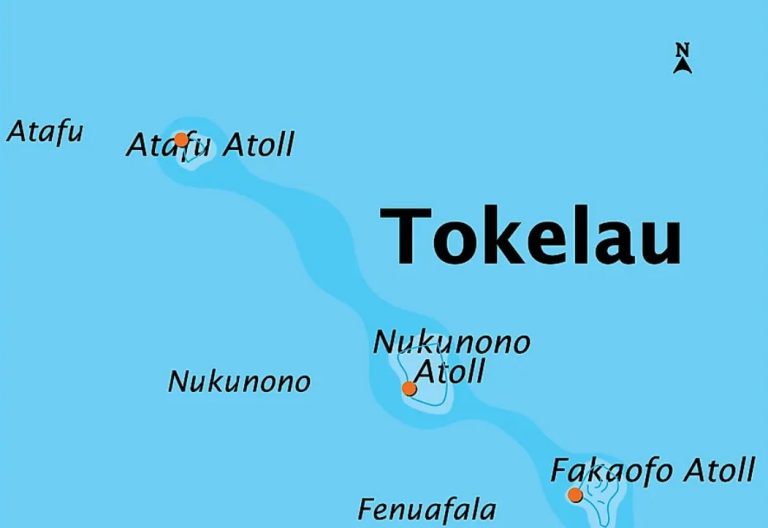
Radio New Zealand (RNZ) has a short item on a planned November DXpedition to
Fakaofo in Tokelau atoll.
Click here to listen to the interview:

Many thanks to SWLing Post contributor Marty Busse, who writes:
Radio New Zealand (RNZ) has a short item on a planned November DXpedition to
Fakaofo in Tokelau atoll.
Click here to listen to the interview:
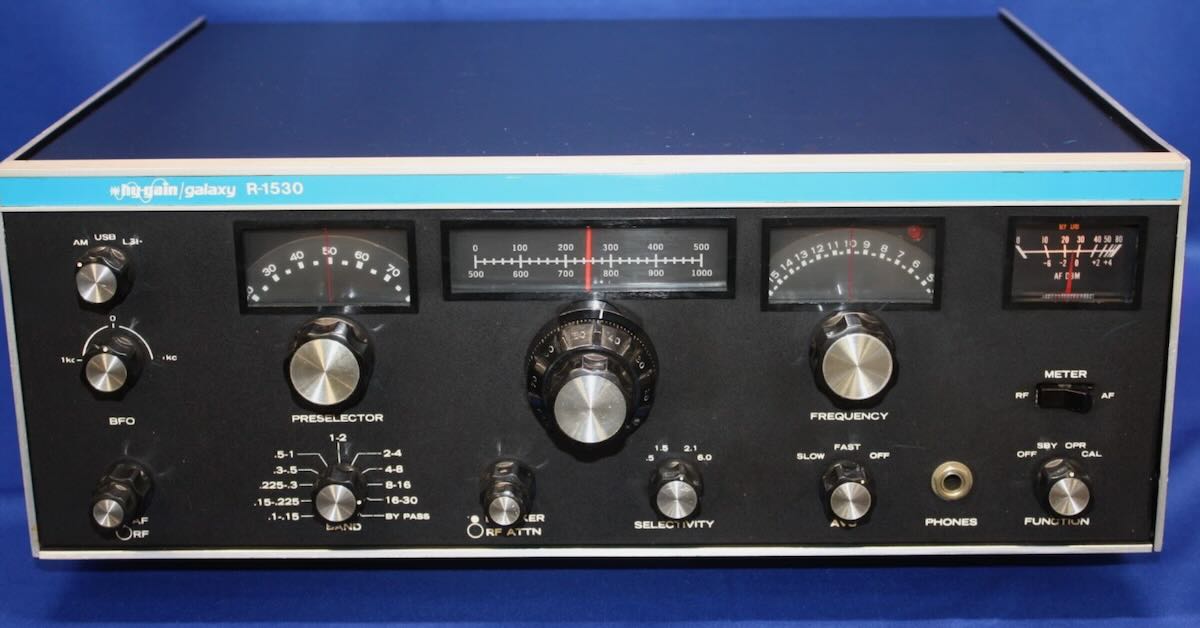
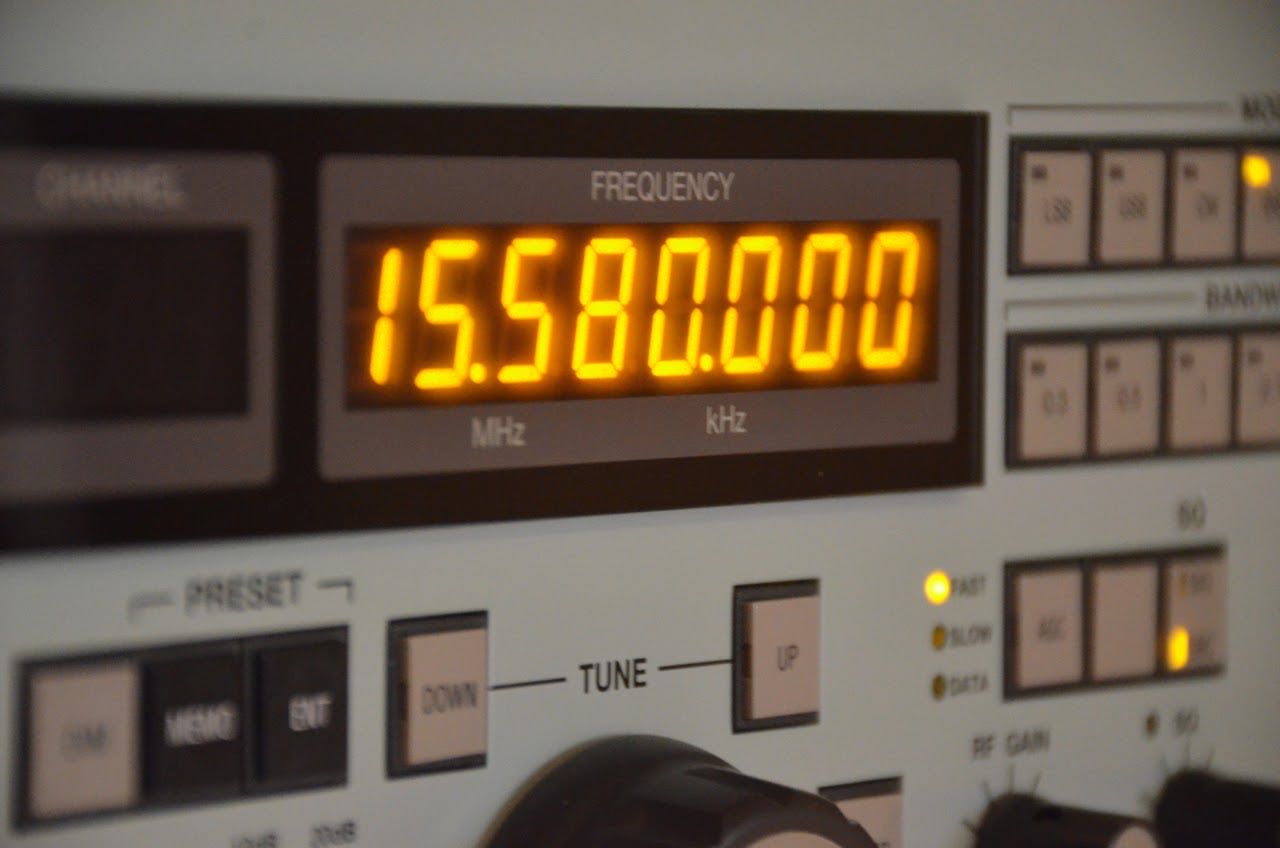
Many thanks to SWLing Post contributor Rob Gray, who spotted this Hygain Galaxy R-1530 on eBay. It’s listed at $749.95 plus shipping. The seller has a 100% rating, but if this interests you, note that the seller does not accept returns and the condition is marked as “For parts or not working,” even though it’s also noted as “Great condition and works well.”
That said, they do explain the condition more clearly in their full product description:
Hy-Gain Electronics of Lincoln NE, produced this receiver between 1972 and 1973. This is an extremely rare radio as total production was about 200 units. The blue name lable across the top of the unit denotes the latest model. The receiver is controlled by a phase locked first local oscillator and 500KC permeability tuned VFO. Installed IF filters include standard 2.1 SSB and optional 6 KC AM (PN FL5306). This receiver was a remarkable unit at the time of production and is still a great receiver for general shortwave listening, AM broadcast and HF amateur radio listening. This is a very clean radio that is working well. While this receiver is not a restored unit, it has been serviced and problem capacitors in the PLL replaced as necessary. Dimensions: 17 x 6 x 14 inches.
Check out the listing here: https://www.ebay.com/itm/327299808190
Welcome to the SWLing Post’s Radio Waves, a collection of links to interesting stories making waves in the world of radio. Enjoy!
Many thanks to SWLing Post contributors Dennis Dura, David Iurescia, and Michael Smith for the following tips:
Valdosta operator says “suspicious phenomenon” is preventing LPFM from reaching potential
[…]WFAG(LP) operates on 89.7 FM with 100 watts of ERP in Valdosta. “Supra 89.7” is licensed to the nonprofit Valdosta Alliance.
In a letter addressed to Chairman Brendan Carr, the alliance’s general manager, Paula Greer, said that the “serious, suspicious phenomenon of apparent ‘ducting’” or “illegal broadcasting” has been preventing the community project from maximizing its potential. [Continue reading…]
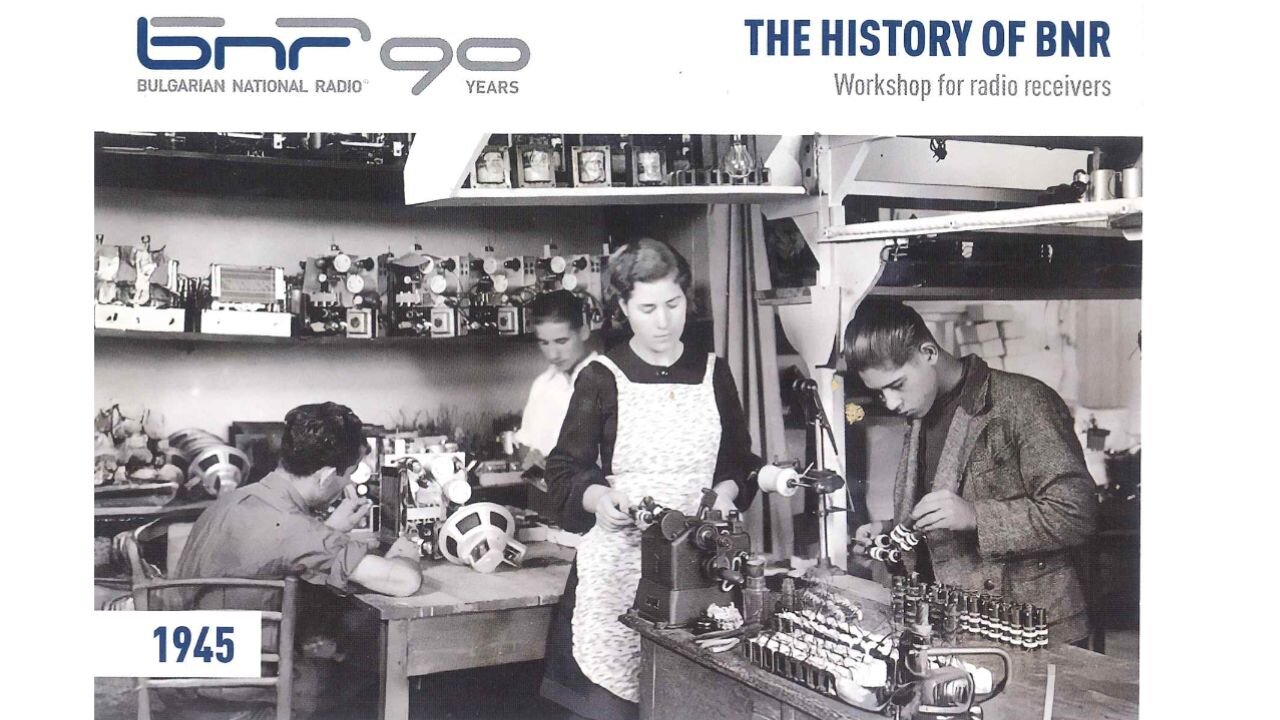 QSL Card No. 8: First Bulgarian radio manufacturing factory (Radio Bulgaria)
Throughout 2026, Radio Bulgaria is confirming listeners’ reception reports with a new series of 12 QSL cards. Each card highlights a significant moment from the history of the Bulgarian National Radio (BNR) and Radio Bulgaria, which is celebrating its 90th anniversary this year. At the beginning of each month, we present the story behind the image featured on the latest card.
The eighth QSL card for 2026 is dedicated to Svetozar Prenerov’s first Bulgarian radio manufacturing factory.
In 1925, Svetozar Prenerov, an engineer who had just completed his education in France, received an invitation to take part in the Philips project to manufacture radio sets in the Netherlands. However, the young engineer turned down this tempting offer, deciding instead to manufacture radio sets in his homeland. Thus, in 1925, the ‘Elektron’ craft workshop began operations under the leadership of Svetozar and his brother Veselin, producing ‘Universal’ linear radio sets. [Read more at Radio Bulgaria…]
Click here to watch on YouTube.
Many thanks to SWLing Post contributor, Michael (KM7FMJ), who notes that his ShortwaveHQ directory has recently received a number of updates. Most notably, the site’s search now draws from the full EIBI A-26 schedule, with more than 4,800 entries covering 309 stations. Check it out here!
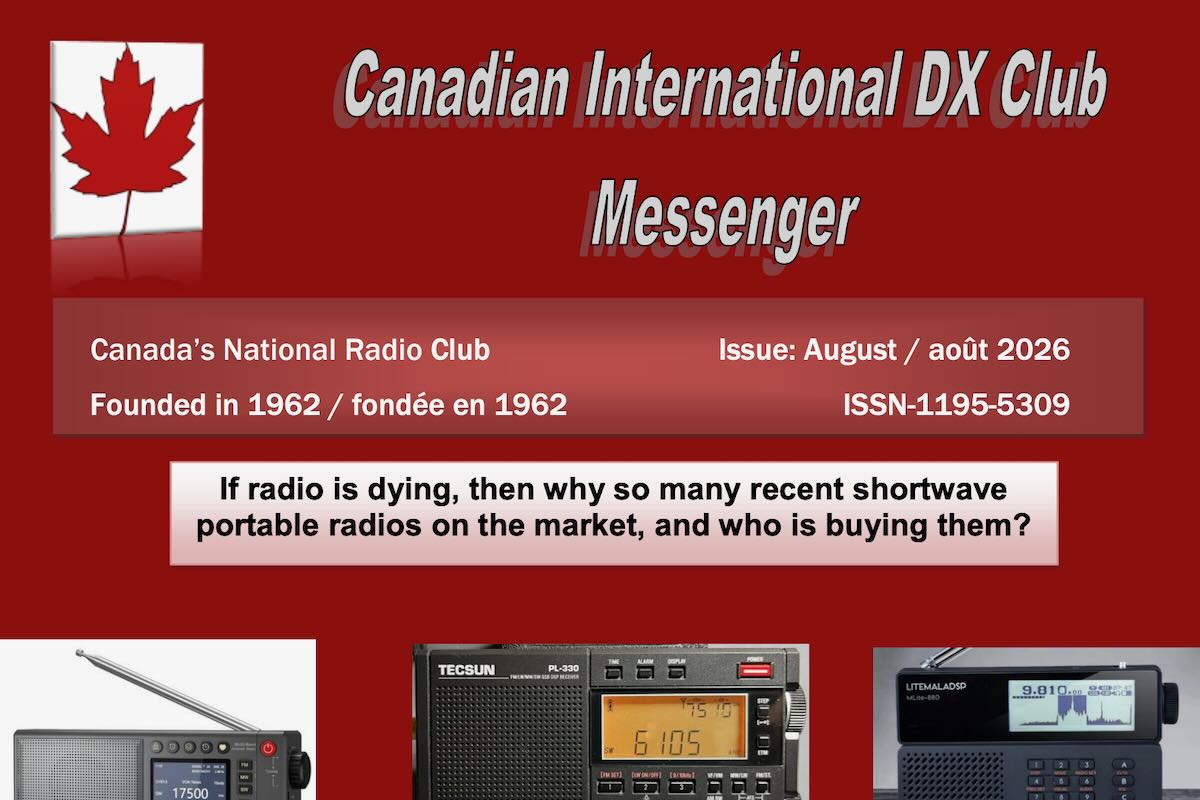
If you aren’t already a member of the Canadian International DX Club (CIDX), one of the many excellent international shortwave radio clubs, here’s a good example of what you’re missing. The August 2026 issue of the CIDX Messenger runs an impressive 73 pages and includes a feature asking, “Do People Still Listen to the Radio?“, a look at why young Africans continue to listen to radio, Canadian Radio News, and much more. The CIDX also hosts monthly Zoom meetings, with the next scheduled for August 16. All of this is available to members for a very modest membership cost. If you’re not a member, consider joining and supporting one of the organizations that continues to keep the international DX community connected. Click here to check out the CIDX!
Please consider supporting us via Patreon or our Coffee Fund!
Your support makes articles like this one possible. Thank you!

Many thanks to SWLing Post contributor Ralph W. Perry, a longtime DXer and author, for sharing news of his latest novel, Pacific Dream – Mari Mango & an Accidental Orphanage.
 This is the third novel in Ralph’s Pacific Trilogy, following Pacific Odyssey, which we featured here on the SWLing Post in 2024. While Pacific Dream is certainly a departure from our usual radio-related fare, Ralph’s long experience as a DXer—and his decades of living and traveling in Southeast Asia—give his fiction a distinctly international flavor.
The story follows twenty-two-year-old Marielle Margaux, who flees to Thailand following a cheating fiancé and a scandal at her charity job. Hoping to disappear into anonymity, Mari instead finds herself mistaken for a Western nun and handed the keys to a crumbling seaside hotel. Before long, she is responsible for an unlikely refuge for women and babies escaping Bangkok’s bar-girl world, forcing her to navigate frightened mothers, hungry infants, suspicious villagers, and a particularly earnest graduate student who seems to appear at precisely the wrong moments.
Ralph describes the book as “a funny, warm, cross-cultural novel about reinvention, cultural misfires, identity, and the messy ways we end up saving one another.”
And, as Ralph puts it, this is what happens when you “send a DXer abroad for three decades”—a “lovingly wry view of the situation one finds himself in!”
 For a limited time, Ralph is offering the ebook as part of a special launch-week promotion. The ebook is just $0.99 through Thursday, with the price returning to normal on Friday.
If you’re interested in international travel, Southeast Asian culture, or simply enjoy a good cross-cultural adventure with a healthy dose of humor, you may want to give Ralph’s latest novel a look.
Click here to check it out on Amazon.com.
Note that this affiliate link supports the author and the SWLing Post.
by Carlos Latuff
In my 36 years as a cartoonist, I’ve seen my work reproduced all over the world, but I must admit I was surprised to see one of my Illustrated Radio Listening Reports published by ABC Television in Kathmandu, Nepal.
https://abcnews.com.np/chinese-spokesperson-criticizes-philippine-defense-department-statement/
What caught my attention was the fact that the topic of the illustrated report had nothing to do with the TV channel’s article. The report covered the Chinese government’s reaction to statements made by Japanese Prime Minister Sanae Takaishi regarding Taiwan, whereas the article dealt with Chinese government criticism of a statement from the Philippine Department of Defense. In any case, even though it was used out of its original context, it’s interesting to see the reach of the *SWLing Post* and these Illustrated Radio Listening Reports.
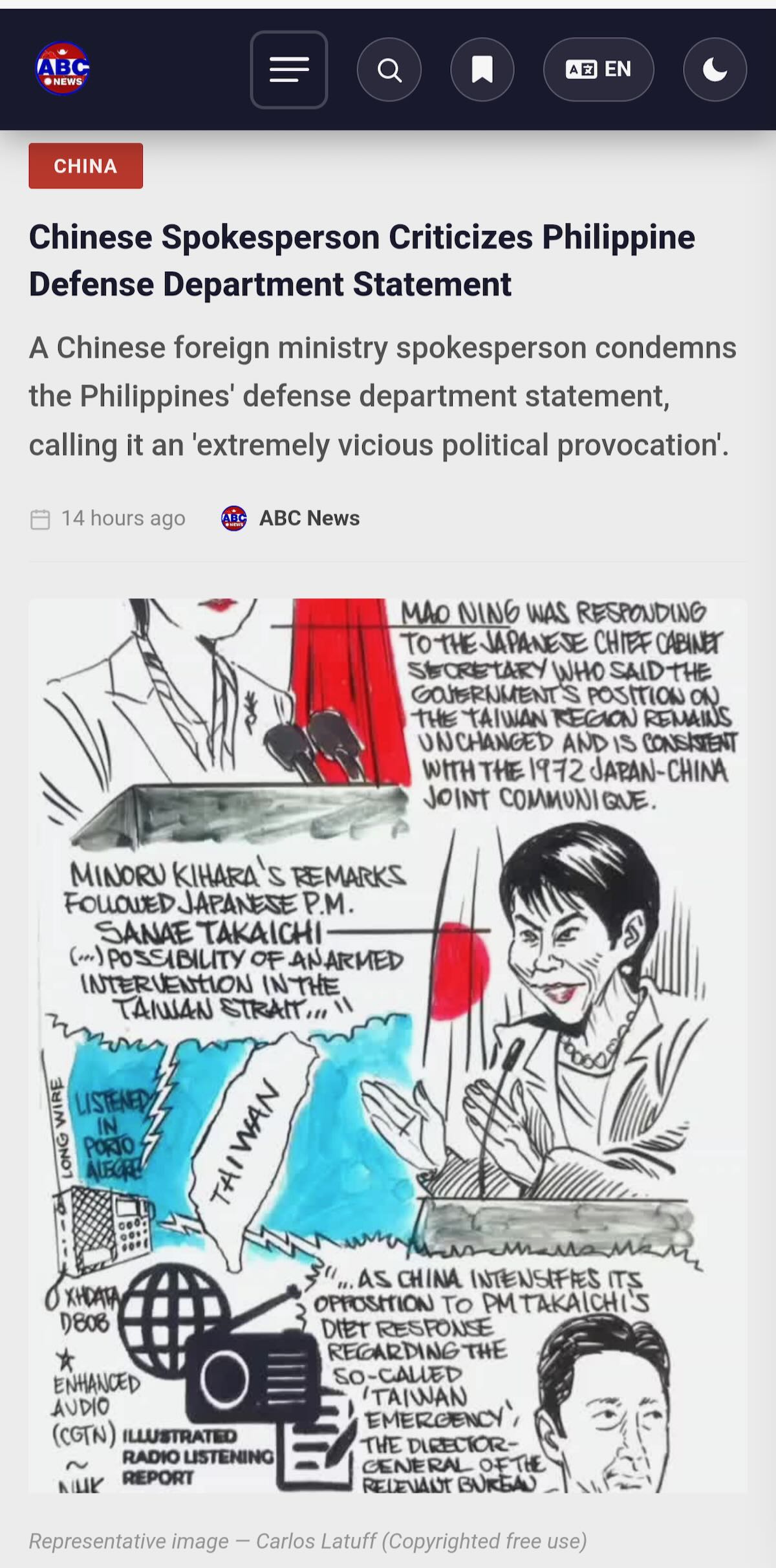
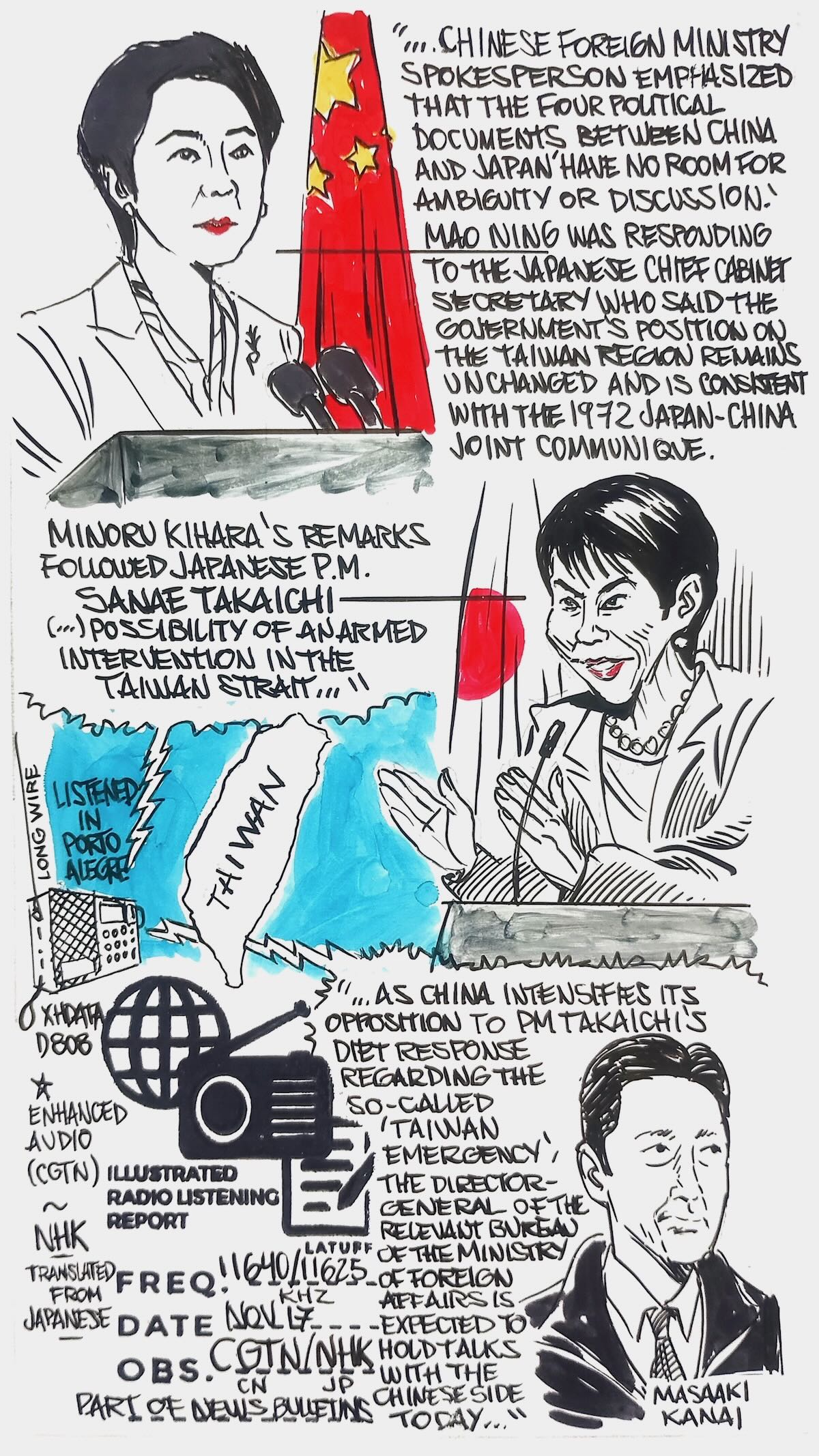
Carlos’ Illustrated Radio Listening Report and Recording of CGTN (November 17, 2025)
 by Troy Riedel
New readers will not recognize my name.
Longtime readers may not recognize my name, but chances are you may remember my story.
I once contributed posts to this Blog … until … ‘the swimming pool’. During COVID, my wife decided she wanted an in-ground swimming pool. The construction started in May 2020 and was completed in May 2022 (note: my pool contractor is now out of business; he ruined another company’s business as a ‘partner’, has many lawsuits filed against him, and I know he’s served time in jail under work release – all subsequent to our project).
No exaggeration.
If you’re interested in reading the entire story of my problem, I’ll refer you to my last two posts here:
For those who don’t have time to catch up, here’s an overview:
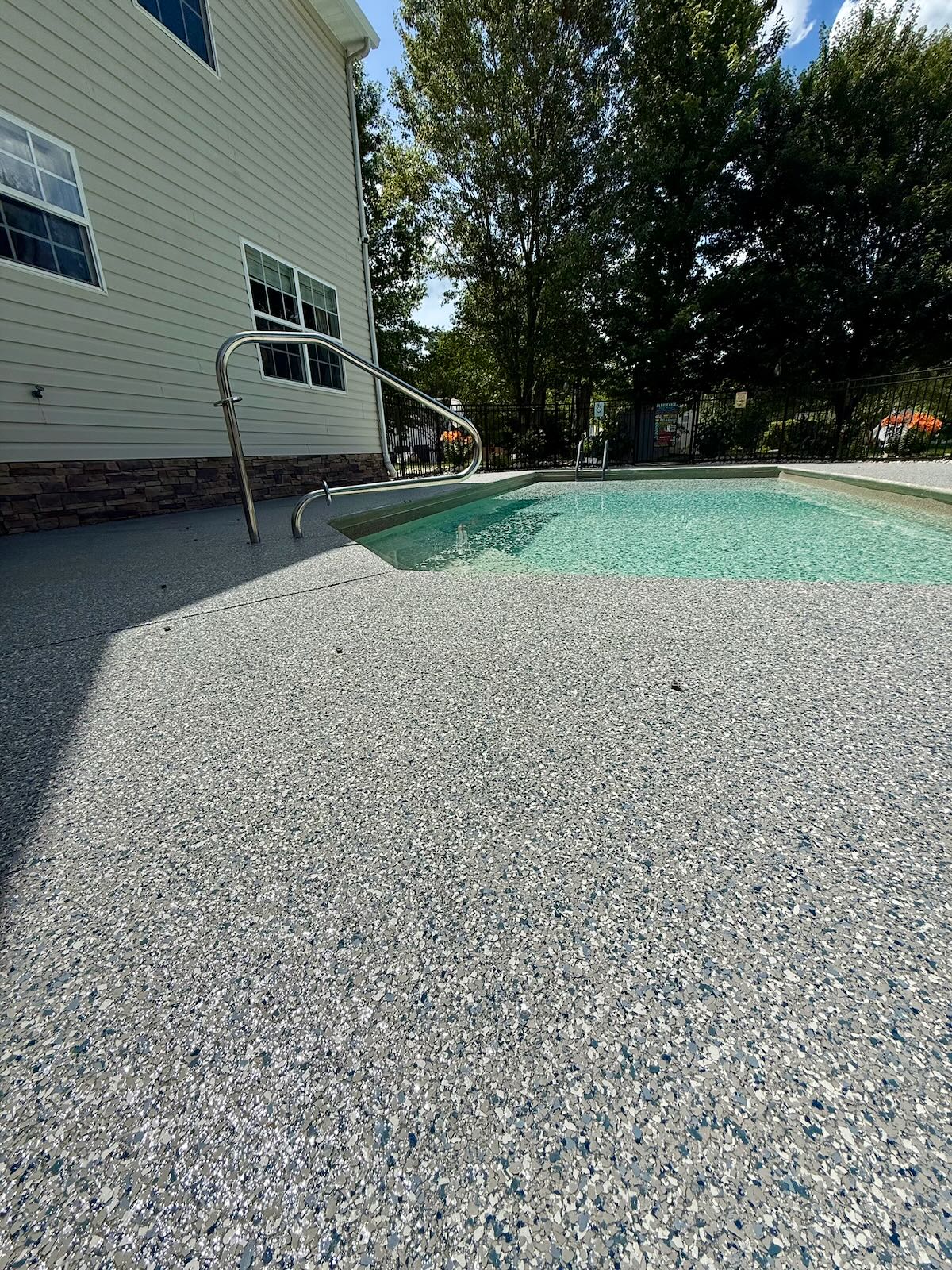
 Late in the pool construction after the bonding was installed and the concrete deck was poured, I turned on my collection of portable shortwave radios, and I experienced the worst, most horrendous EMI/RFI imaginable. Nothing – and I mean nothing – on the shortwaves was intelligible. 100% uninterrupted static.
The SWLing Post Nation was great. I must have had three dozen? … four dozen? … people comment and offer advice (both on and off the Blog). And I received very detailed opinions, suggestions, and analyses via my personal email. Unfortunately, nothing mitigated my problem. My actions:
So approximately 5-years ago, I was forced to abandon the SWLing hobby. Early on, I’d turn on my radios every two months to see if my issue abated. After a while, I checked quarterly. Then semi-annually. In the last year or two, I’ve turned on my radios every winter to check and every time, I still had the horrendous and almost incomprehensible EMI/RFI issue rendering my SW radios as paperweights.
Fast forward to recent history.
In late June 2026, my house suffered a direct lightning strike. The bolt struck the metal chimney cap. My wife & I were sitting in the room with the fireplace and the entire room glowed! There was no fire, but I had a hole in the siding. One of my six security cameras was blown off the side of the house. Flames literally shot out of one electrical outlet on the opposite side of my house. In total, I suffered over $13,900 in damage (thank you, Allstate Insurance).
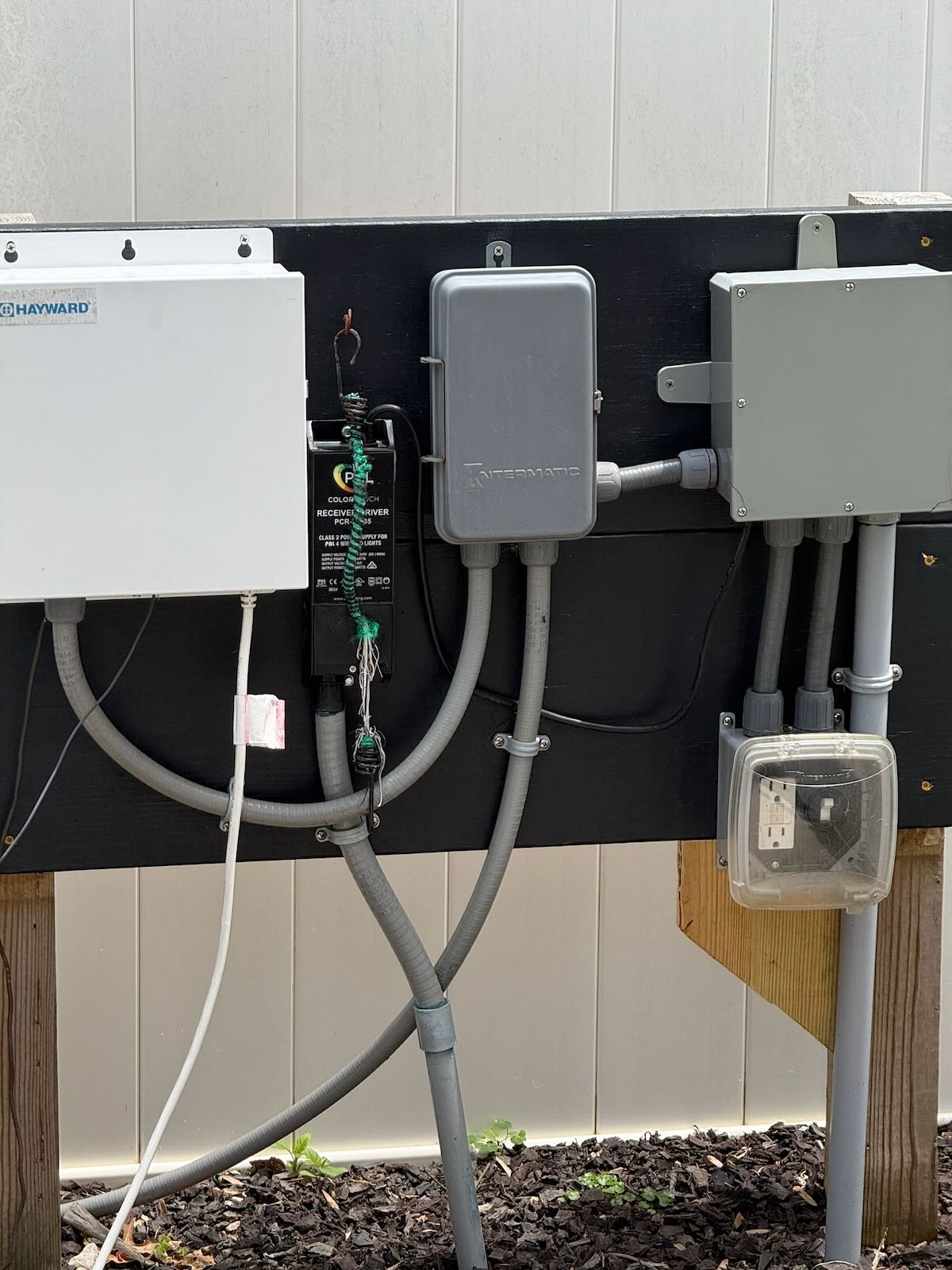
The pool suffered two damaged items: an outdoor ground fault outlet and the pool light were both fried (the light and the connected transformer for the light both connect to the ground fault circuit outlet).
One of the SWLing Nation friends that I made five years ago is Ken English. Every so often he’ll send me a text message, and we’ll have a friendly chat. Last Saturday Night, he reached out and we text chatted. During the chat I mentioned the lightning strike. He replied, ‘Did it [the lightning strike] change your interference problem?’
Hmm, great question. Did it? How could it? But wait, maybe somehow it did!
I turned on my radios and guess what? The interference is gone! And I now know the source of this five-year problem that knocked me off the shortwaves. The pool light!
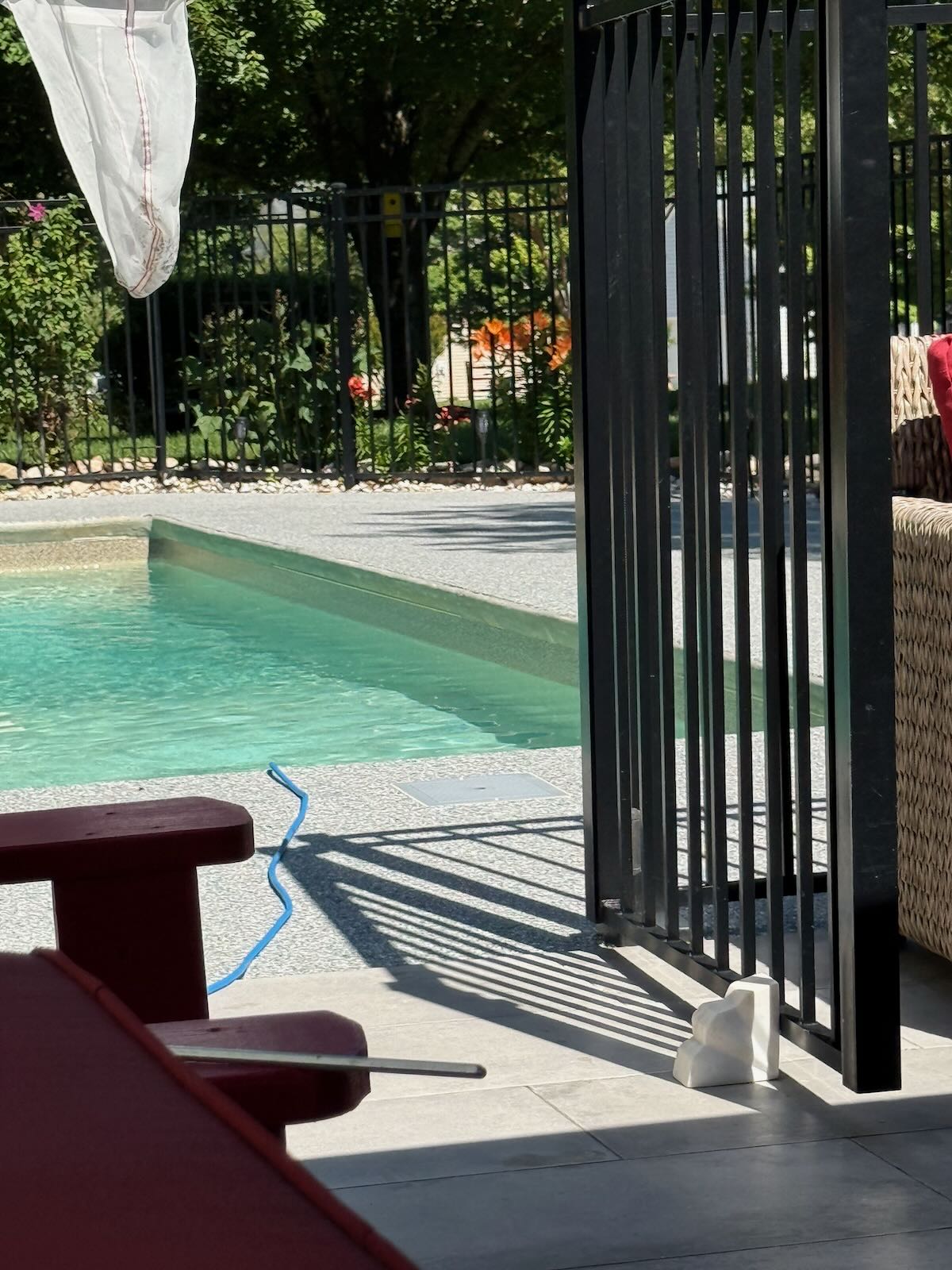 The pool light is underwater. The power cord to the light runs underground for 80-feet where it connects to the transformer, which is on the ‘outdoor power panel’ that runs the pool electronics and equipment. I had a professional replace the light and transformer which required snaking 80’ of power cord out and replacing it with a new 80’ power line.
I’m not an electrician. I can’t explain the dynamics behind it. But a direct lightning strike that caused over $13,900 of damage has me back on the shortwaves!
Thank you, lightning. And thank you, Ken, because without your Saturday Night text, I would not have discovered that my 5-year problem was mitigated until – probably – some cold, cloudy December night.
Many thanks to SWLing Post contributor and noted political cartoonist Carlos Latuff, who shares the following illustrated radio listening report.
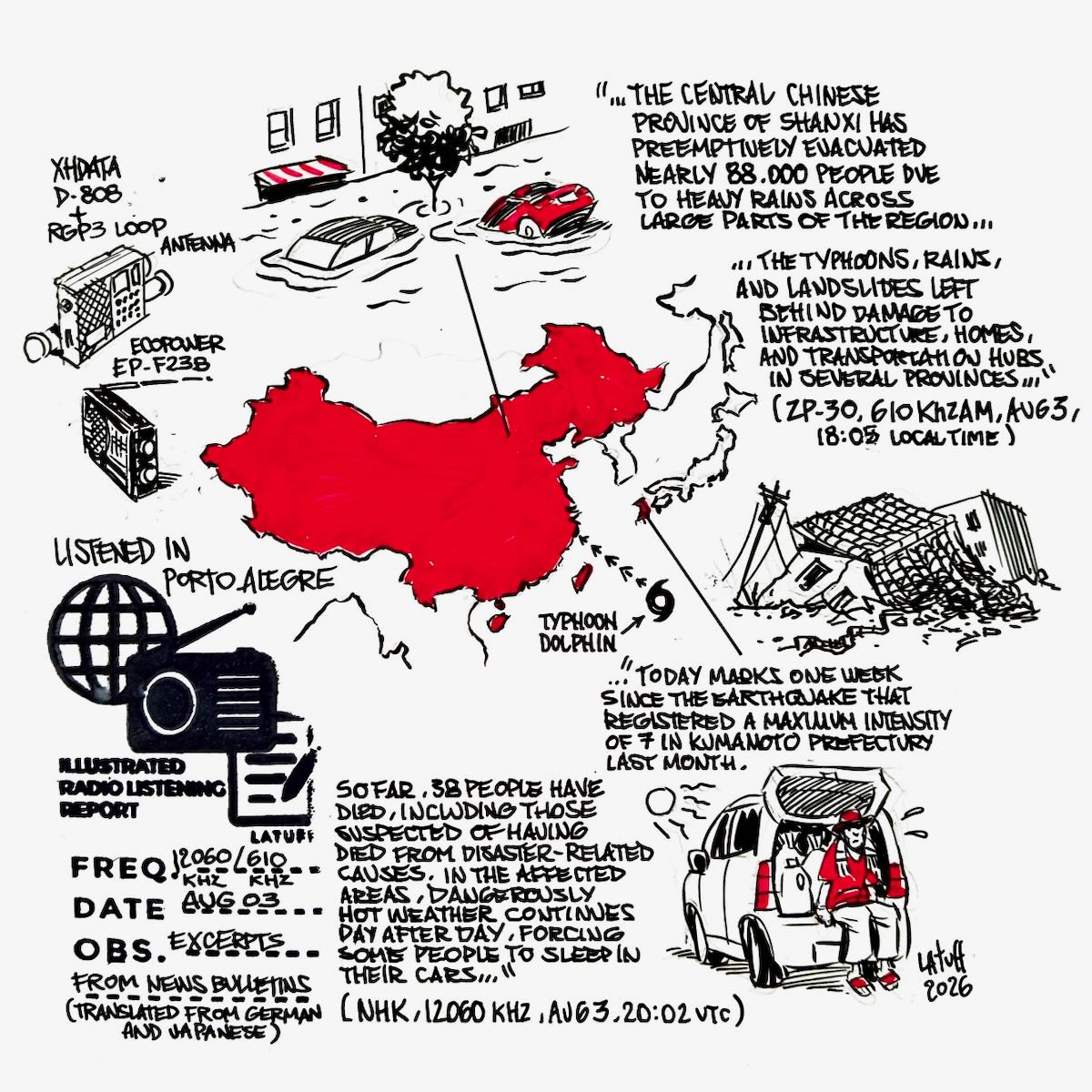
Carlos notes:
Earthquake/dangerous hot weather in Japan, heavy rain in China – NHK (Japan) ZP-30 (Paraguay)+radiofax
Click here to view on YouTube.
Typhoon Dolphin, radiofax from Japan Meteorological Agency, Aug 3, 19h10 UTC