Shortwave listening and everything radio including reviews, broadcasting, ham radio, field operation, DXing, maker kits, travel, emergency gear, events, and more
I recently had the opportunity to talk with Jessica Crotty of C. Crane about my experience with radio during the aftermath of Hurricane Helene here in western North Carolina.
We talked about how our neighborhood stayed connected when cell service, internet, and 911 were unavailable, the important role local broadcasters played, and a few lessons I learned about emergency preparedness along the way.
I hope you find the conversation useful. It was certainly a sobering experience, but one that reminded me just how valuable radio—and good neighbors—can be when the infrastructure we normally depend on goes down.
First, a huge thank you to everyone who has submitted recordings of this year’s BBC Midwinter Broadcast to Antarctica on our recording-sharing post. It’s been a real pleasure browsing reception reports and recordings from around the globe.
(Please post your recording there rather than in the comments of this post so we can keep all of the recordings together in one place.)
I thought I’d share my own recording of the broadcast because this year’s reception was especially memorable. Unlike previous years when I’ve listened from the United States or Canada, I’m in the UK this year—and the results were brilliant. Both frequencies transmitted from the Woofferton site delivered excellent audio quality.
Recording notes:
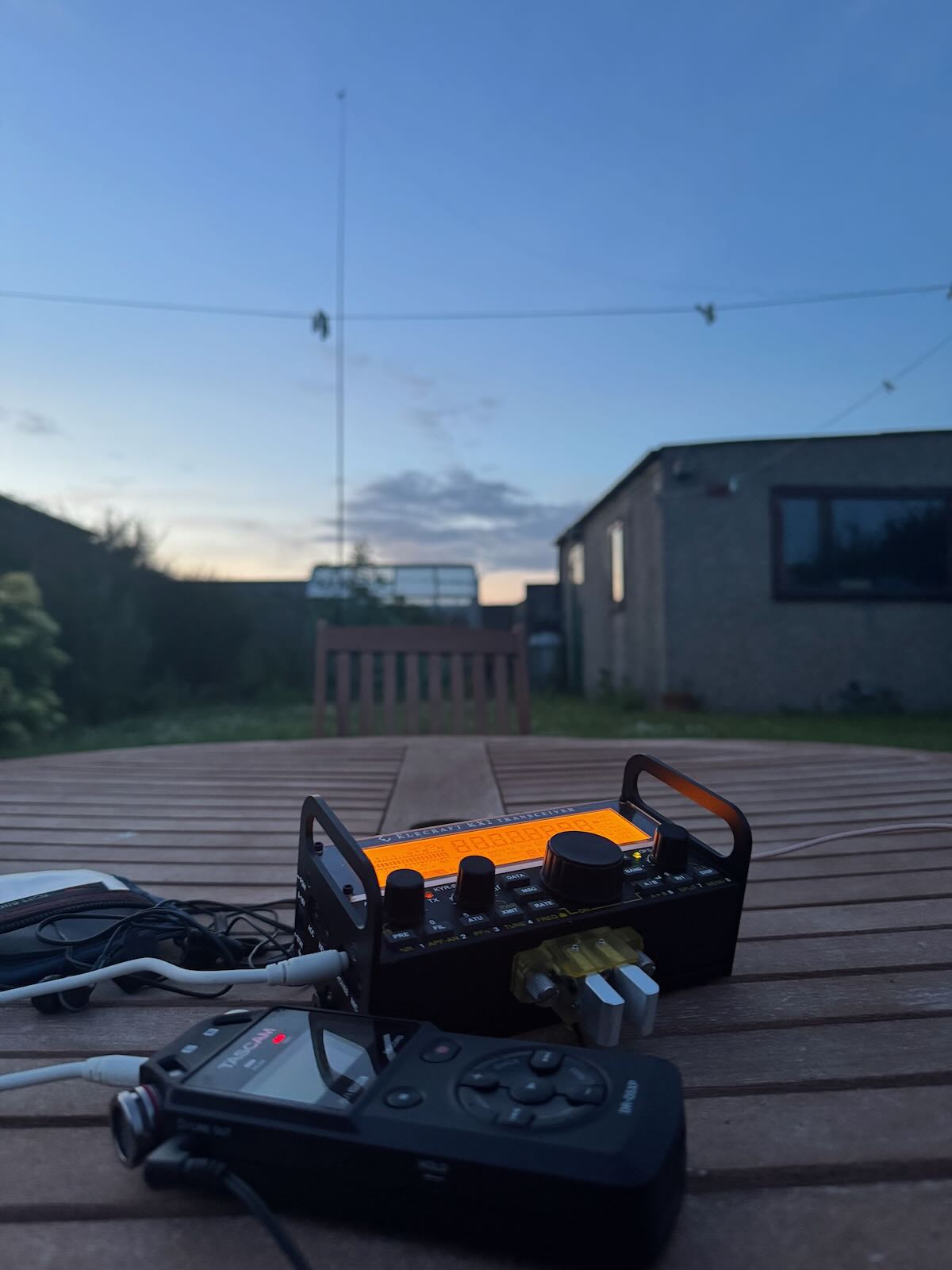
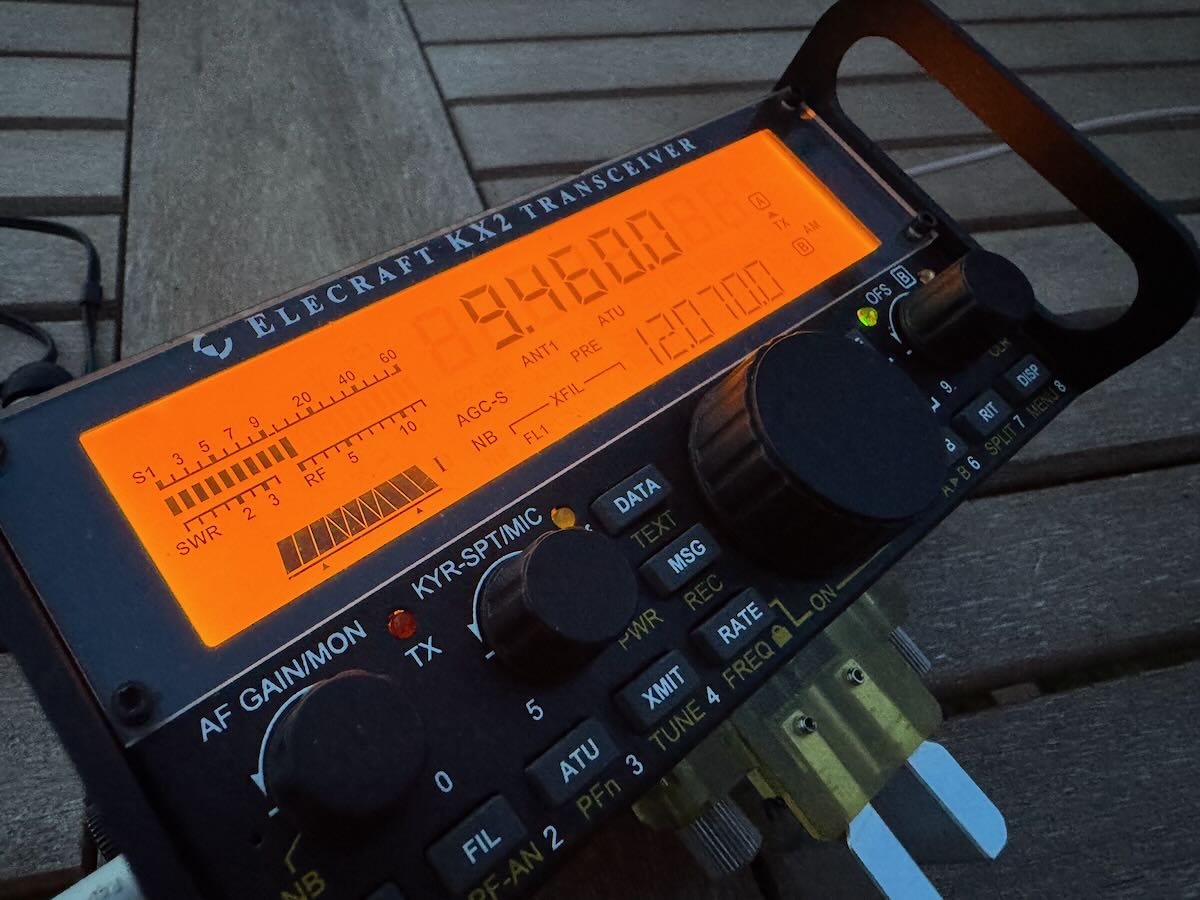
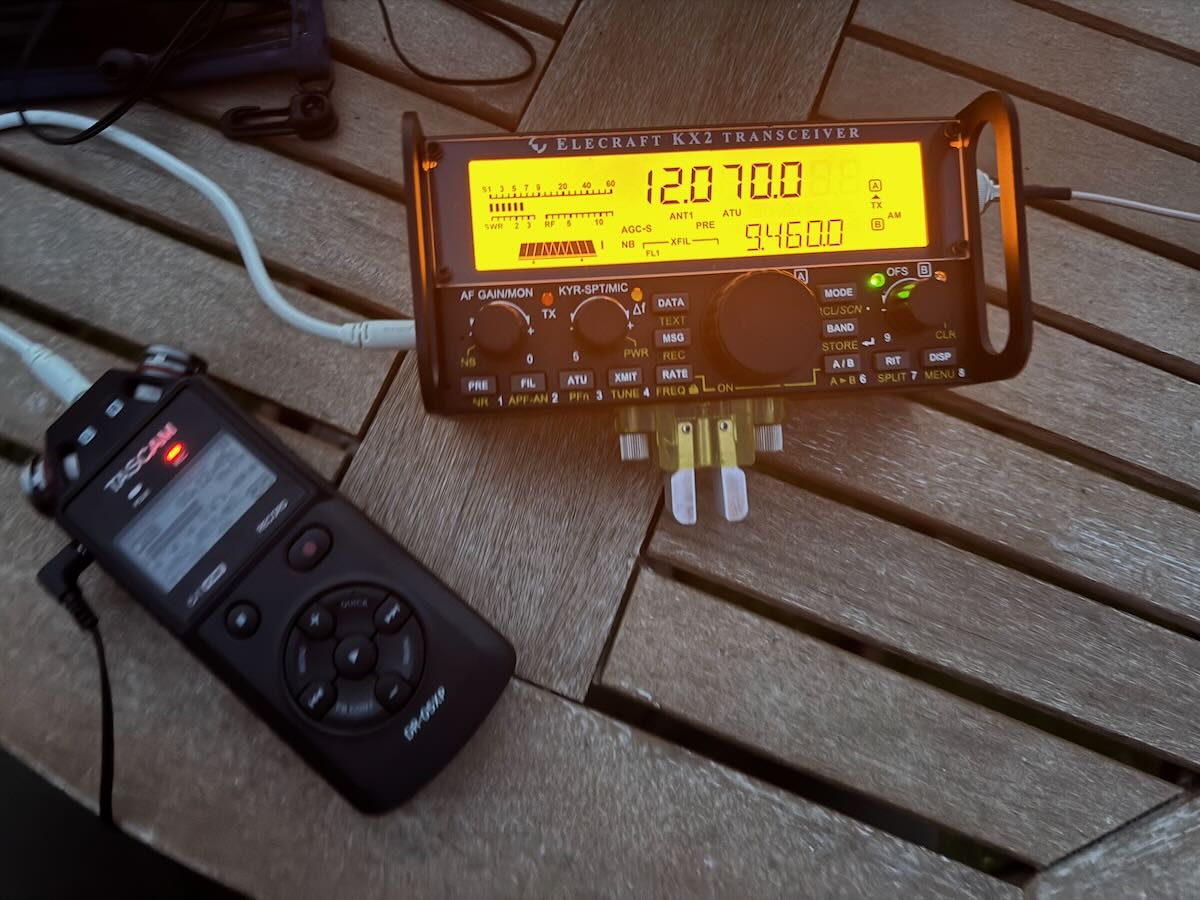
This is the BBC Midwinter Broadcast to Antarctica recorded on June 21, 2026 at 09:30 UTC in Foulden, Scotland, UK. The radio was an Elecraft KX2 connected to a 31-foot 9:1 random wire antenna in the back garden. The broadcast starts on 9460 kHz, but I then move to 12070 kHz because it had slightly less local noise.
Thank you again to everyone who has contributed recordings and reception reports.
The BBC Midwinter Broadcast remains one of my favorite SWLing events of the year. I simply love the idea that the BBC would broadcast from two different sites on three different frequencies via shortwave to a relatively small audience of British Antarctic Survey scientists wintering over in Antarctica.
It’s always a joy to listen live, knowing that they’re celebrating midwinter with parties at their stations and hearing the voices, messages, laughter, and well-wishes of loved ones carried to them over the air by shortwave radio.
In an age of instant communications, there’s still something magical about that.
It’s January 1st, 2025, and I’d like to wish you all a very Happy New Year!
As I mentioned on Patreon yesterday, in many ways, I’m happy to see 2024 in the rear-view mirror.
It was a challenging year for our family, but even amidst the difficulties, there were countless moments of joy and celebration.
Our biggest takeaway from 2024 was experiencing the overwhelming love, kindness, and support from our community after my mother’s passing, my father and father-in-law’s (multiple) hospitalizations, and, most notably, the aftermath of Hurricane Helene.
This incredible community pulled us through, and for that, we are deeply grateful. Thank you!
Looking Ahead to 2025
As we enter the new year, I’m committed to maintaining a positive outlook. One of my key goals is to continue pouring energy into the SWLing Post.
Over the years, the SWLing Post has grown into a vibrant and diverse community of radio enthusiasts, and it’s a privilege to curate so many incredible guest contributions. I’m constantly inspired by your passion for the world of radio.
On the home front, we hope to fit in some travel this summer and work on the long list of storm repairs.
A Fresh Start with Correspondence
If you know me, you know how much I value the time and effort people put into reaching out. I take great pride in responding to every email I receive.
That said, even in the best of times, keeping up with correspondence is a challenge. I typically receive 12–24 personal messages daily—sometimes more—and that’s in addition to emails from our family business, organizations, and other responsibilities. It all adds up.
After Hurricane Helene, I was deeply moved by the flood of supportive messages from SWLing Post readers. While I’ve read every one, replying has been a challenge. Between storm recovery, family commitments, and running the site, my ability to keep up with correspondence virtually disappeared.
Recent hand soreness from storm cleanup has made extended typing difficult, and my overly aggressive SPAM filter has likely deleted over 30% of messages from new senders. Despite my best efforts, my backlog now exceeds 350 individual emails, and I know some messages have been permanently lost.
Moving Forward
After much thought and advice from a friend, I’ve decided to implement a correspondence moratorium for 2025.
This means I’ll archive my current 2024 email backlog and start fresh.
If you’ve sent me a guest post, news tip, or story for the SWLing Post and haven’t heard back, please re-send it—I’ll prioritize those contributions and get them in the pipeline. (Those of you who have sent me articles this past week, I’ve got them in the pipeline.)
For those who sent notes of encouragement: please know I’ve read and appreciated every word, even if I couldn’t reply.
Thank you for your understanding and patience.
Looking to the Future
While storm restoration projects will continue into the summer, I’m optimistic about finding more balance this year. As my daughters start their university journeys this fall, my family and I are deeply grateful for the support and kindness you’ve shown us.
Here’s wishing you and yours a 2025 filled with joy, peace, and, of course, great DX!
No matter where you live in the world, everyone should have a battery-powered or self-powered (hand-crank) portable radio in their home.
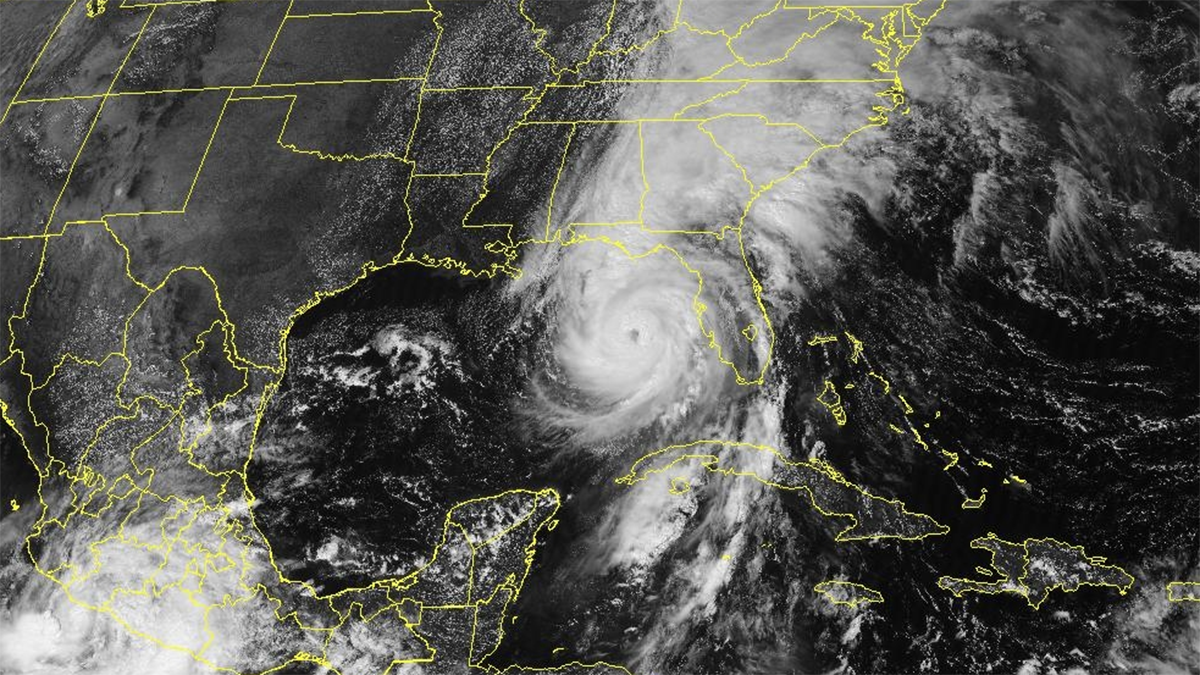
Recently, the pace of articles here on the SWLing Post has slowed down. That’s because I live in Swannanoa, North Carolina—a town that was particularly hard-hit by Hurricane/Tropical Storm Helene, which brought unprecedented rainfall and caused widespread destruction.
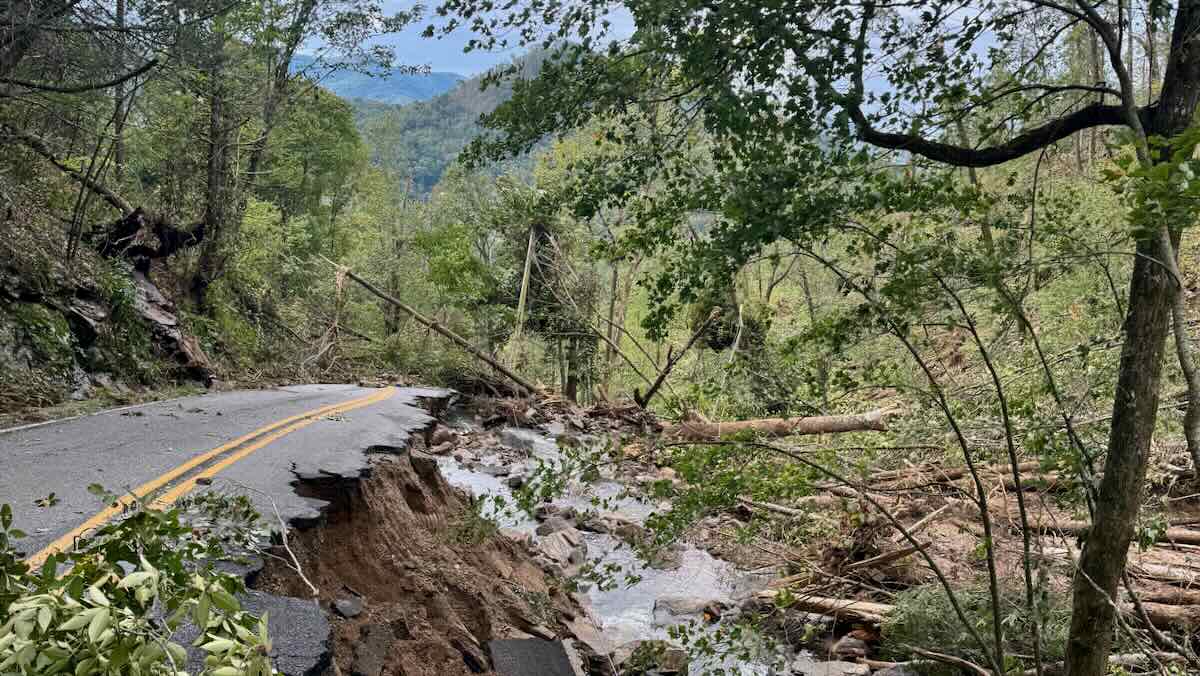
In short, our rural mountain community was completely cut off for several days. Our bridge washed out, and a critical section of road crumbled daily.
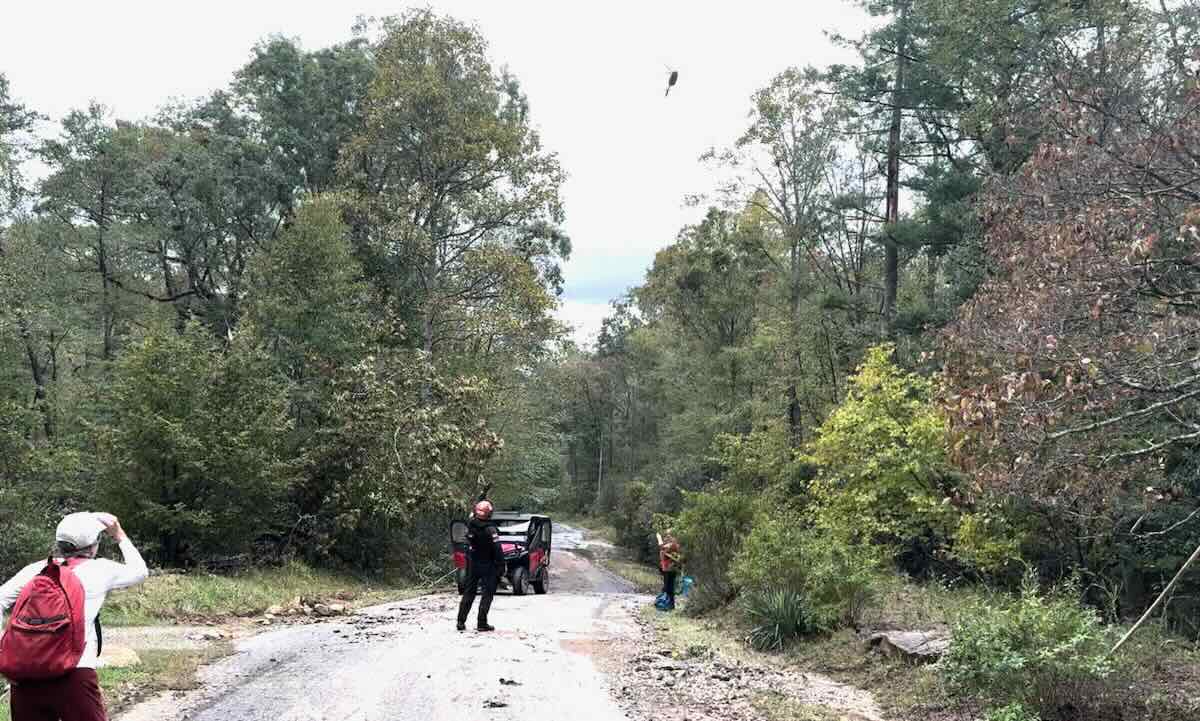
At one point, two families had to be helicopter-evacuated for medical reasons, and less than a week after the storm, the Sheriff’s department came door-to-door recommending evacuation.
Our amazing community pulled together: we cleared our road of hundreds of downed trees and made sure everyone had food, water, and supplies. We took care of each other.
Now, things have improved dramatically. After two and a half weeks without power, we’ve been reconnected to the grid. The Kentucky Department of Transportation repaired our road, making it accessible to regular vehicles again. On Tuesday, an arborist crew finally made it up the mountain to remove fallen trees from houses.
Although things are starting to feel more normal at home, the impact on Swannanoa, Asheville, and surrounding areas has been profound. Entire neighborhoods are gone, numerous businesses have closed, and several grocery stores were severely damaged.
The Communications Void
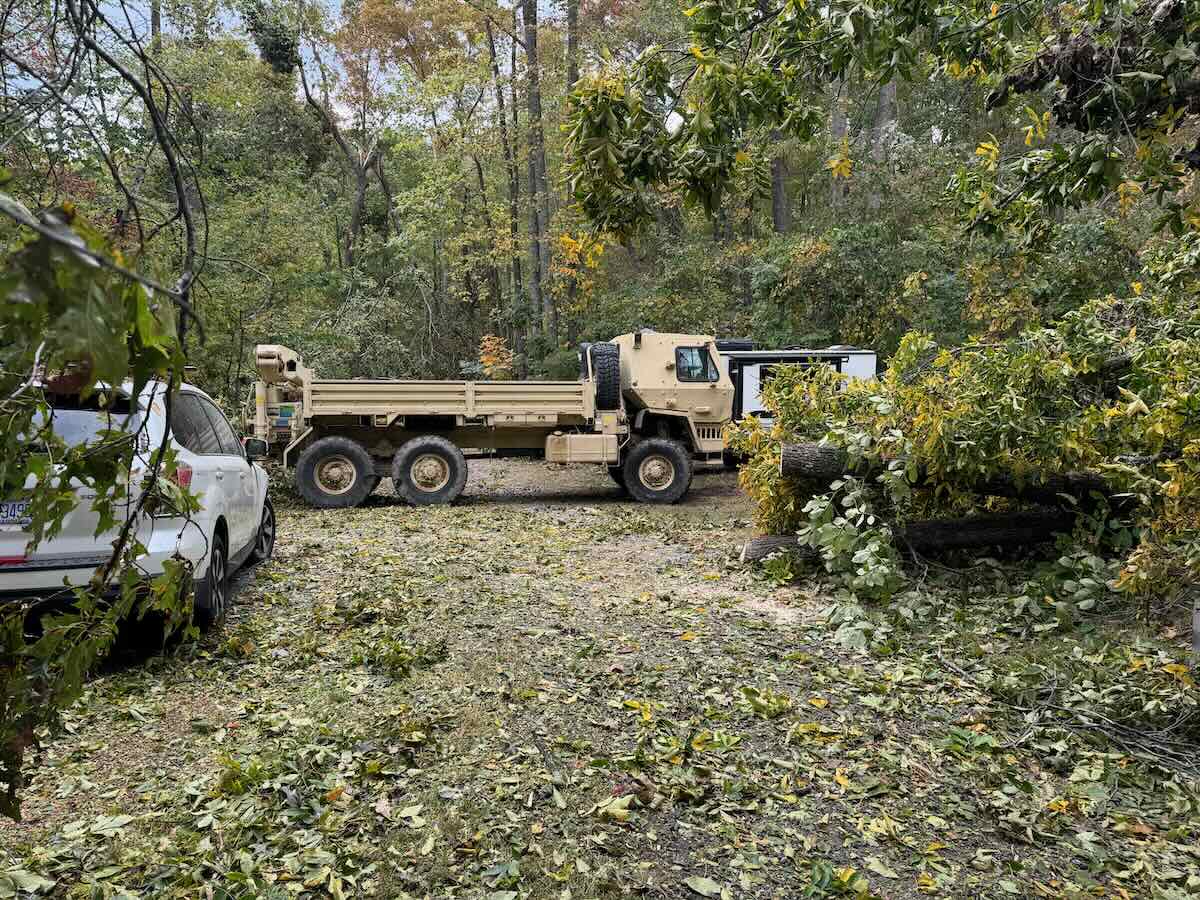
The National Guard helped us for a full day at our home. Thank you 5th Battalion 113 Field Artillery!
It’s often said that modern communications infrastructure fails us after a disaster.
I can confirm, first hand, that this is true.
The mobile phone network went offline during the storm, leaving us without service for days. Even now, three weeks after the storm, mobile phone service remains unreliable. Calls drop every few minutes.
Mobile data services at home are still down at time of posting (October 18, 2024). Internet services like cable, fiber, and DSL are mostly still out across the county. Only those with satellite internet have a connection—I’m fortunate to be one of them. Our cell tower still only supports basic voice calls and text messaging, without data or media attachments.
Radio to the Rescue
As many of you know, I’m not just a radio listener, but also a licensed amateur radio operator, and both of these hobbies became essential post-Helene.
As highlighted in an article by WIRED, amateur radio proved to be our lifeline for communication when everything else failed.
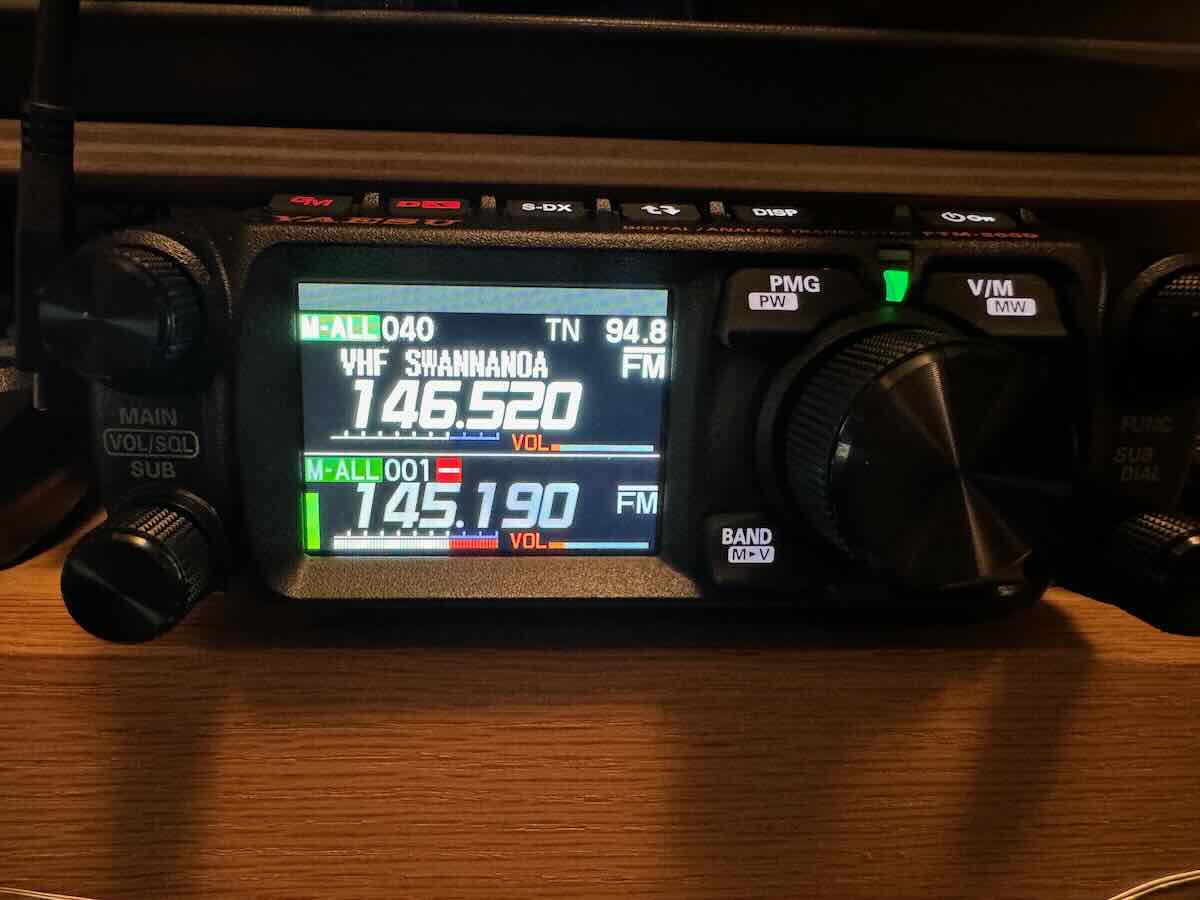
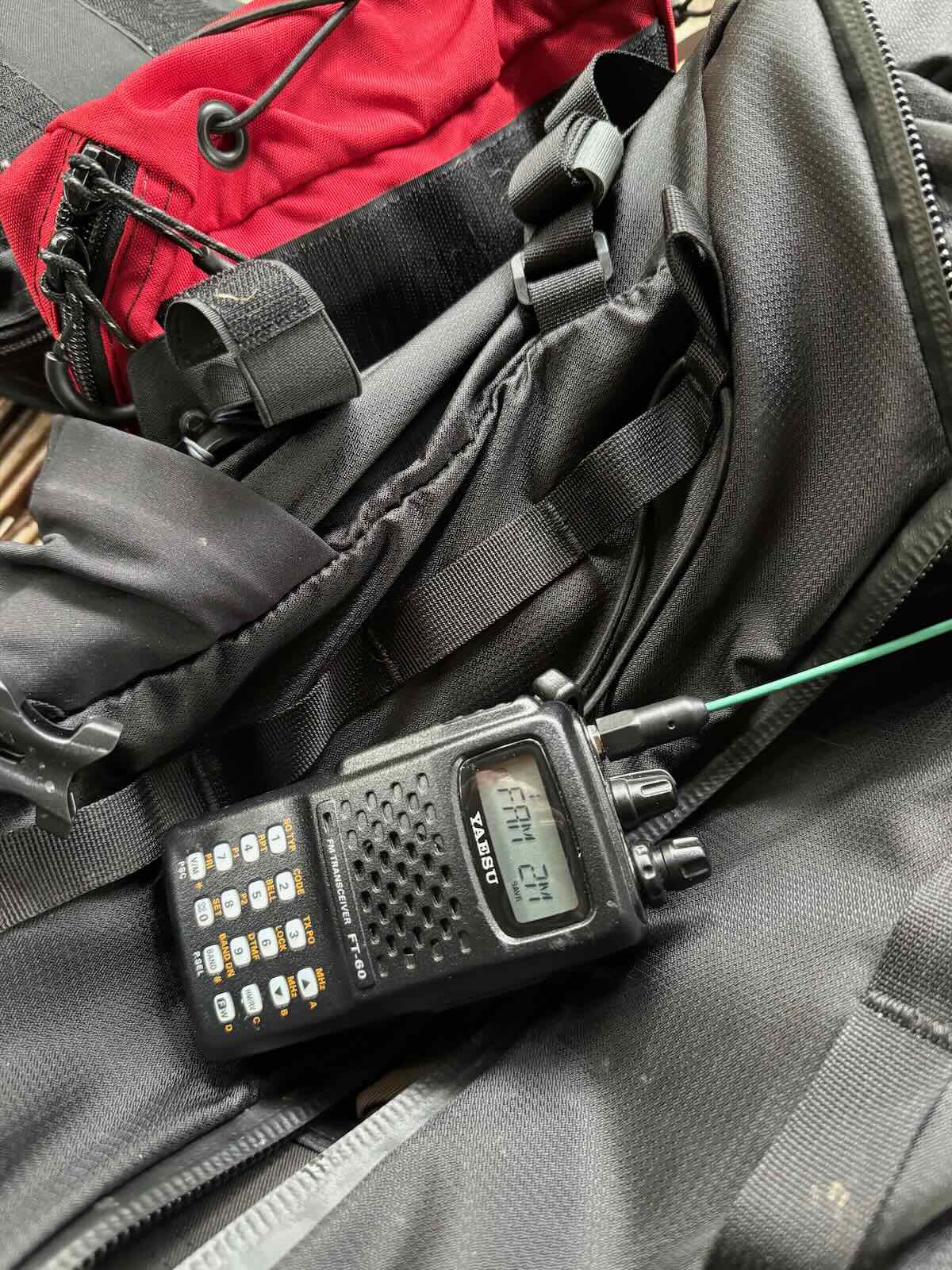
Using the local repeater (N2GE on Mount Mitchell), I was able to pass wellness checks, coordinate helicopter evacuations, and arrange supply drops for our community. I handed out a few handy talkies to unlicensed neighbors so we could stay in touch.
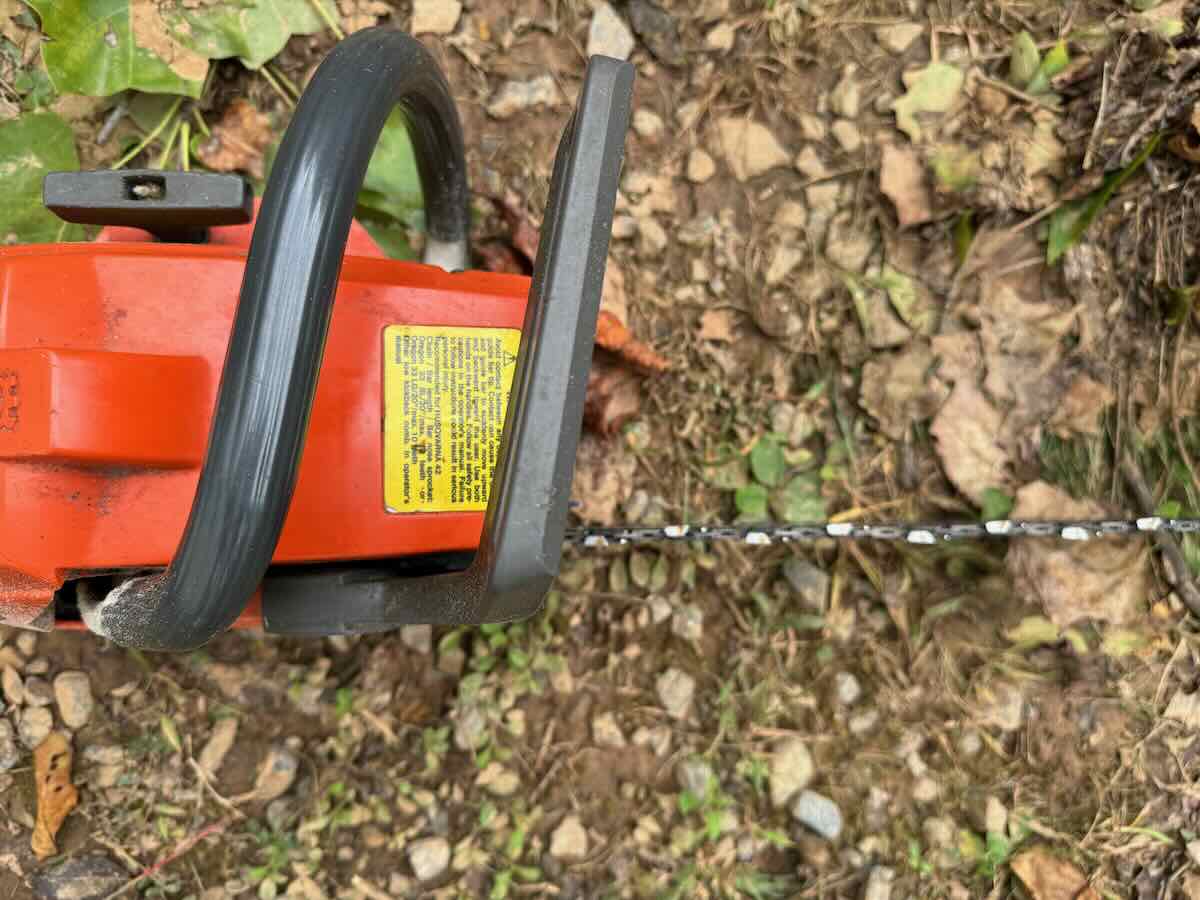
My wife and daughter, who are also hams, helped tremendously. While I was out with a chainsaw, clearing driveways, they acted as net control operators on our community’s simplex frequency (147.555 MHz), passing critical messages.
For that first week especially, amateur radio truly was our community’s connection to the outside world.
AM/FM Radio: A Lifesaver
Fortunately, our local TV station remained online after the storm, but few people could access it. Many people rely on cable or internet to watch TV, and in areas like ours, the digital transition over a decade ago left many without the ability to pick up over-the-air signals.
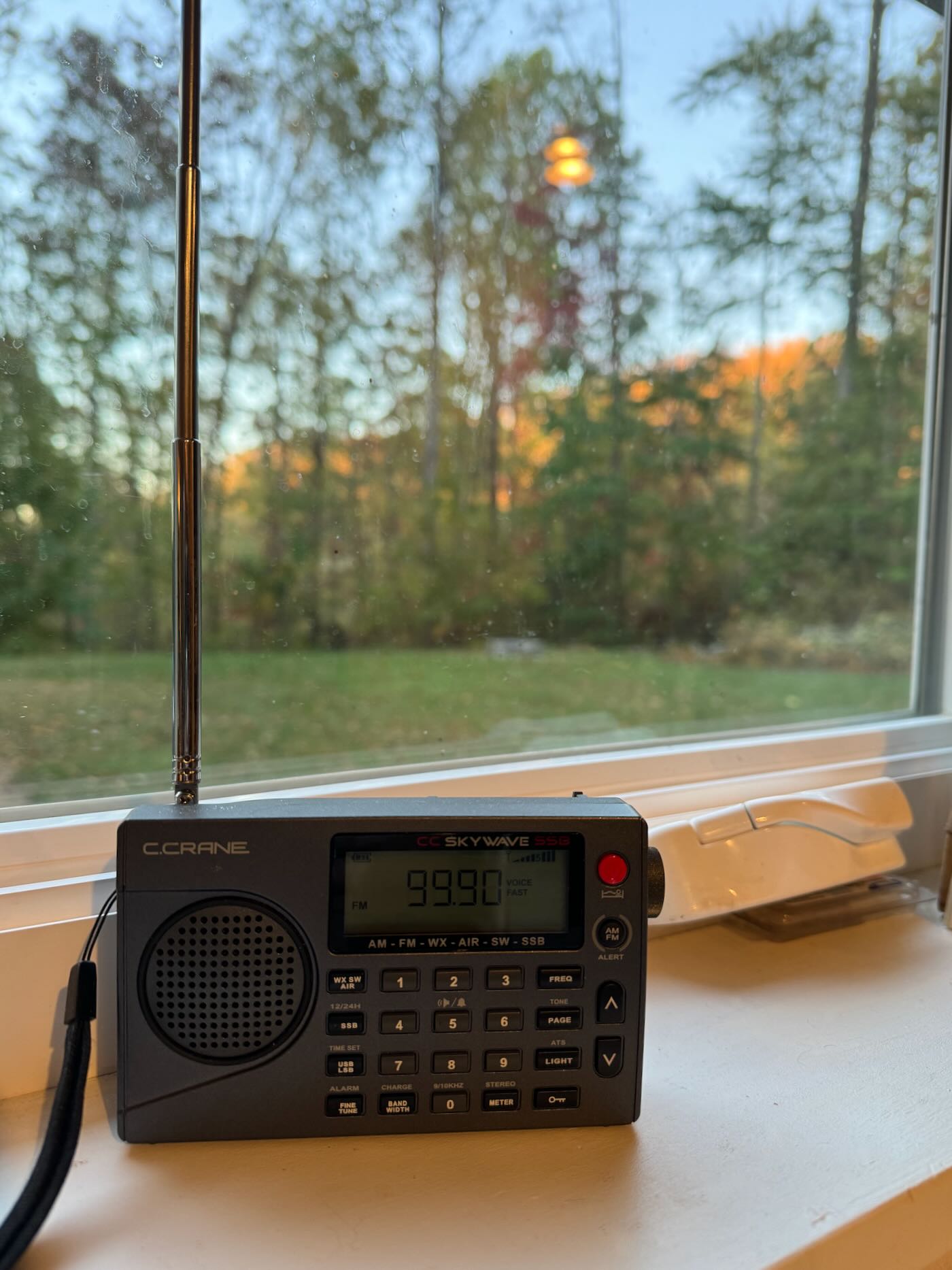
In contrast, FM and AM radio became the most reliable sources of information. Here in Buncombe County, public information and news were broadcast on 99.9 MHz (FM) and 570 kHz (AM). Both stations stayed online throughout the disaster, and the information they provided reached a vast audience. Check out this feature from CBS Evening News:
In Henderson County, the local AM station WTZQ stepped up as well. They did incredible work serving their communities post-Helene, as highlighted in a report by Queen City News:
Information Lifeline
As a presenter in the above story pointed out, everyone should have a battery-powered (or self-powered) AM/FM/Weather radio in their home.
After a disaster, you’ll rely on that radio for essential updates like where to find clean water, how to apply for FEMA assistance, what businesses are open, and when services will be restored.
Even three weeks after the storm, much of the Asheville area is still without water, so radios remain vital for getting updates.
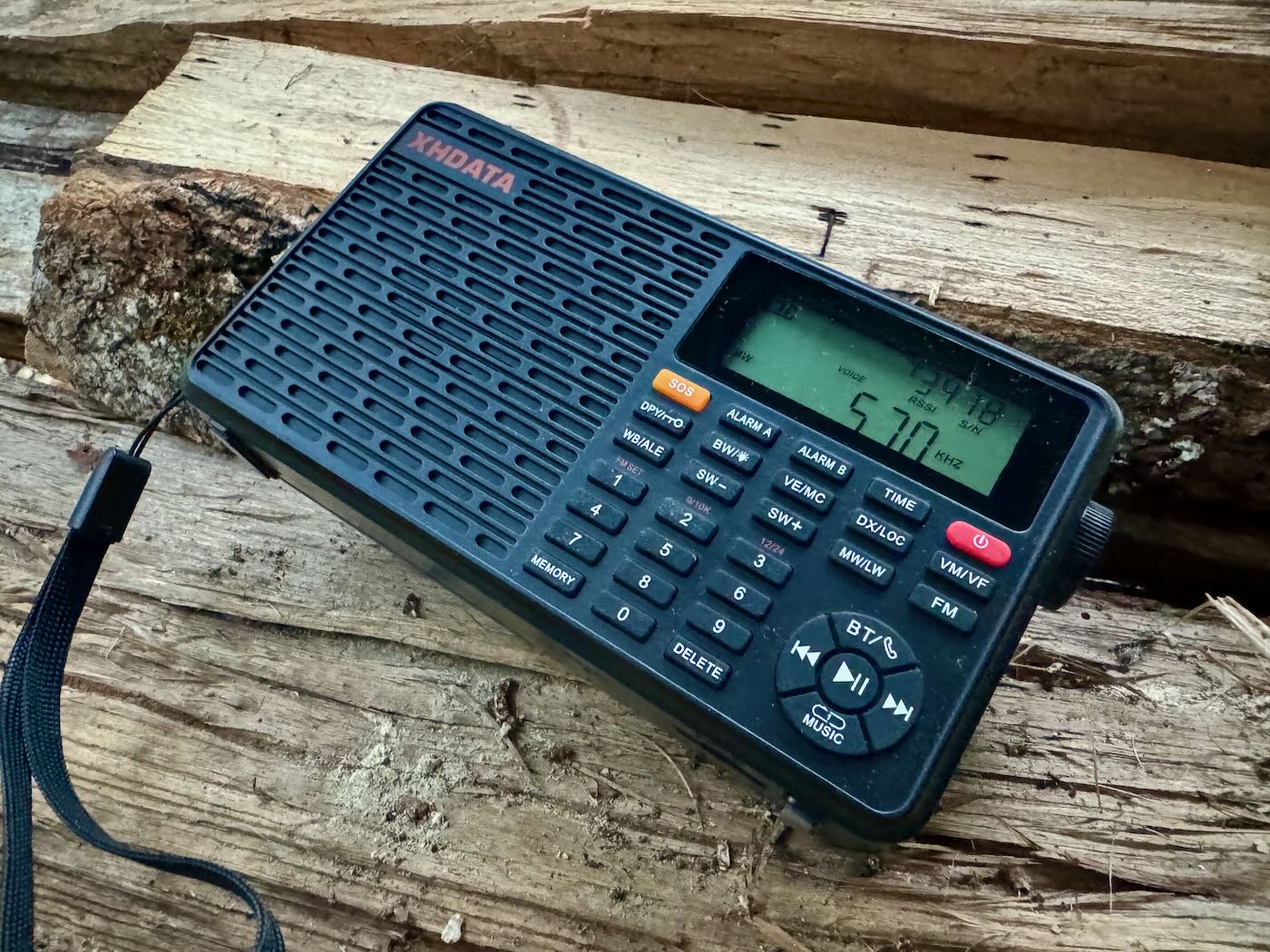
Here at SWLing Post HQ, I shared my extra portable radios with neighbors who needed them. I used my CC Skywave SSB 2 in the kitchen window to tune into local news on 99.9 MHz and 570 kHz. I also relied on my XHDATA D-109 and CC Radio 3—they became our constant companions for information.
Many of you here on the SWLing Post are already radio enthusiasts, so no doubt I’m preaching to the choir. But let this serve as a reminder to stock up on alkaline batteries and check your radios regularily to make sure they’re fully functional. Keep spares on hand so you can lend them to neighbors if needed—they’ll never forget your generosity.
And don’t assume your area is safe from natural disasters. Western North Carolina was considered one of the safest regions in the country for weather, yet we were hit by one of the most devastating storms in state history.
Stay prepared. Don’t become complacent.
Thank You!
Over the past few weeks, many of you have reached out with kind words and support, and I can’t thank you enough!
As of this morning, I have 310 messages in my inbox.
I’ve been too busy to reply to emails and comments—though I’ve read each one—but I truly appreciate your patience as I try to catch up. My days have been consumed by helping neighbors and getting our own life back in order. It’s been exhausting but incredibly rewarding, and we still have months of work ahead of us.
Thank you also to the contributors who have kept the SWLing Post running during my absence, and a special shout-out to my friend Vince (VE6LK), who has taken on a huge role in keeping QRPer.com updated.
Thank you so much for your support and understanding—and, again, keep those radios ready. You never know when they’ll become your primary source of information!
I’m very honored to be featured with my good friend Wlodek (US7IGN) in a short radio documentary on BBC Radio 4 today.
Wlodek is long-time reader and subscriber here on the SWLing Post and QRPer.com. Wlodek lives in Kiev, Ukraine and we keep in touch these days over email. Like me, he is passionate about field radio work and before the Russian invasion, you’d often find him in nearby forests experimenting with some pretty impressive field antennas.
Sadly, when Russia invaded Ukraine earlier this year, it very quickly brought an end to all of that for Wlod. Not only were amateur radio operators not allowed to transmit under the state of emergency, but it’s no longer safe to venture into nearby forests.
Radio producer, Cicely Fell, learned about our love of all things field radio and put together an audio piece that airs today on BBC Radio 4:
From the forests of North Carolina, USA to the city of Kyiv, Ukraine – two ham radio enthusiasts seek each other out and a voice from the past prompts a dialogue on listening between a rabbi and a radio producer.
Many thanks to Cicely and her talented team at Falling Tree Productions for spending a little time with us in the forest and on the air! Truly an honor.
I’m very honored to have been interviewed by John Walsh who produces the excellent program Wireless on Flirt FM in Ireland. John reached out to discuss the relevance of the shortwave radio medium, particularly through the context of the Russian invasion of Ukraine. Here’s the show description:
In the April 2022 edition of Wireless, we look at the part of the radio spectrum called shortwave, consider its importance in the past and continued relevance in a digital world. Founder of the SWLing blog Thomas Witherspoon discusses the historical development of shortwave, including its heyday during the Cold War, and explains how it continues to be used today, for instance to evade Russian internet censorship during the Ukrainian war. The programme also remembers Irish pirate shortwave operators of the 1980s as featured on our related site Pirate.ie.
John is a true kindred spirit and devoted radio enthusiast. I would encourage you to subscribe to his monthly Wireless episodes via your favorite podcast player; here are links to iTunes, Spotify, and Stitcher.
In addition, John is the one of the founders and curators of Pirate.ie which is a brilliantly documented archive of pirate radio stations in Ireland. I highly recommend checking it out!
I’m honored to have been interviewed by Frank Howell (K4FMH) for the ICQ Amateur / Ham Radio Podcast. The interview was posted as a podcast this weekend.
If you’re not familiar, the ICQ podcast is posted every fortnight and runs about 1.5-2.5 hours or so depending on news items and features. Here’s the description of this episode (#322):
In this episode, Martin M1MRB is joined by Chris Howard M0TCH, Martin Rothwell M0SGL, Ed Durrant DD5LP, Frank Howell K4FMH and Bill Barns N3JIX to discuss the latest Amateur / Ham Radio news. Colin M6BOY rounds up the news in brief and this episode’s feature is – Passion of Shortwave Listening with Thomas Witherspoon K4SWL.
The ICQ Podcast website also links to the many ways you can subscribe and listen to their shows published every two weeks.
Many thanks to Frank for inviting me to be interviewed–I really enjoyed talking shortwave with a fellow shortwave radio enthusiast (and long-time SWLing Post reader!).

 I recently had the opportunity to talk with Jessica Crotty of C. Crane about my experience with radio during the aftermath of Hurricane Helene here in western North Carolina.