Tag Archives: Hackaday

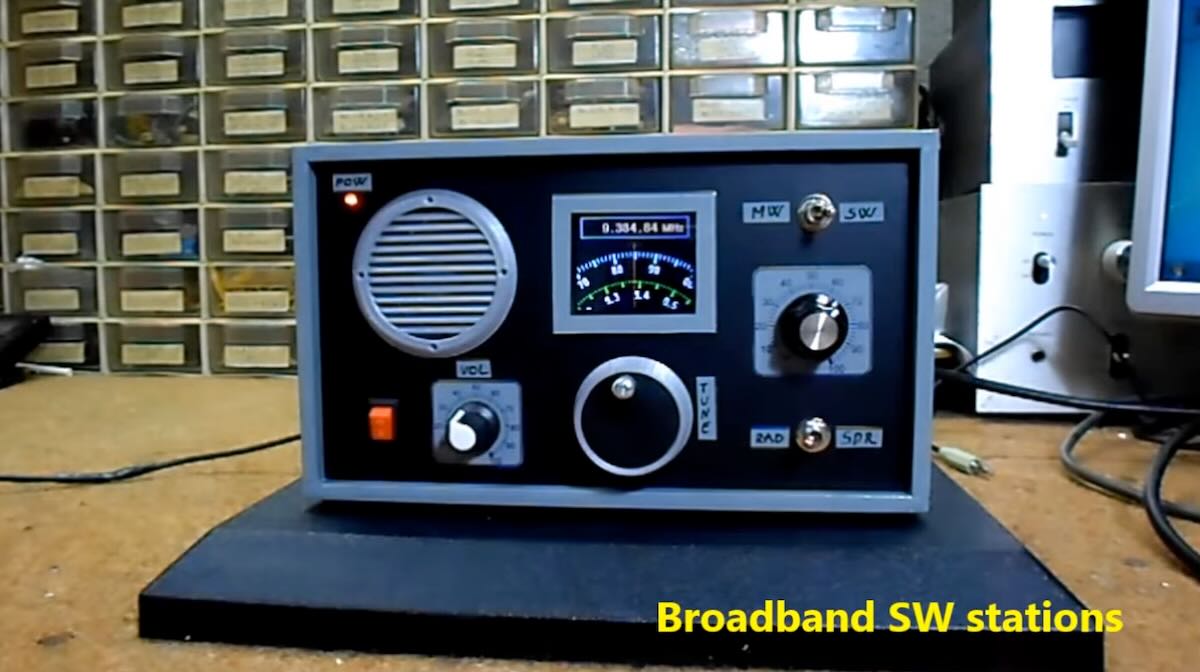
Hackaday Looks Back at Canada’s Legendary CHU Time Station

Many thanks to SWling Post contributor, Rich Cuff, who shares this piece from Hackaday: “So Long, CHU, And Thanks For All The Time Signals.” It’s well worth a read—and if you’ve never tuned in to CHU before, now may be your last chance.

Read the full article here:
https://hackaday.com/2026/05/27/so-long-chu-and-thanks-for-all-the-time-signals/

Please note, I would appreciate any recordings of the final transmission to add to the Shortwave Radio Audio Archive.

Please read my previous comments about the CHU closure here: https://swling.com/blog/2026/05/canadas-chu-will-go-silent-on-shortwave-on-june-22-2026/

From Compactrons to Nuvistors: Vacuum Tubes’ Last Hurrah

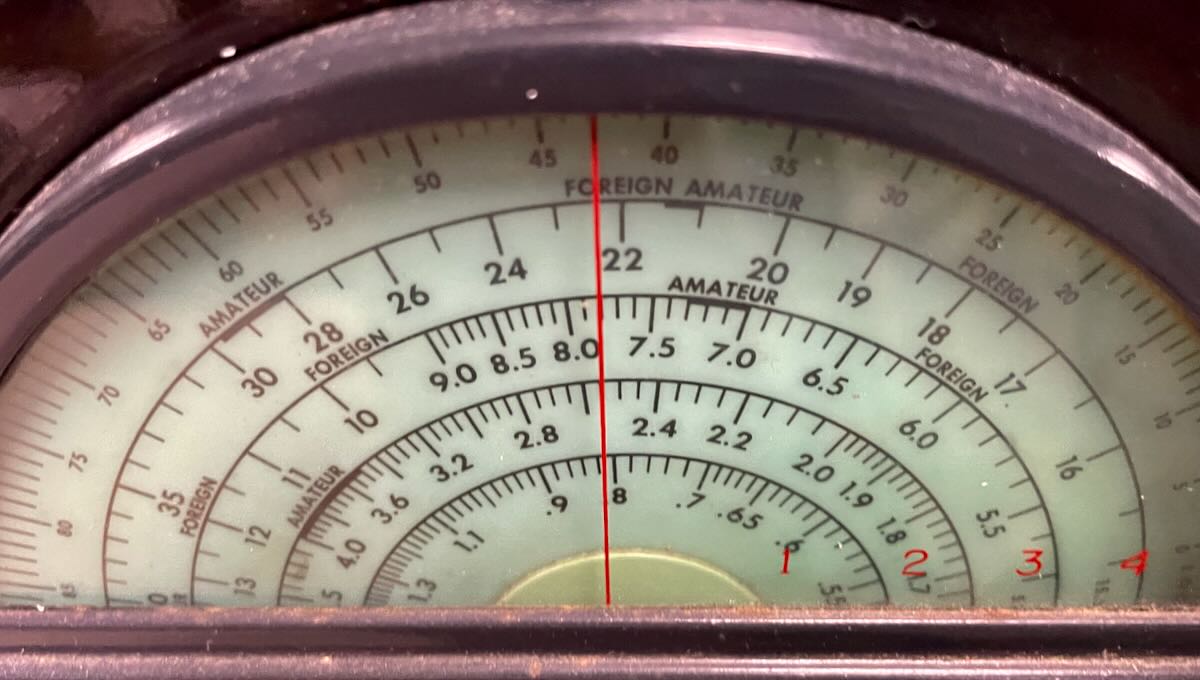
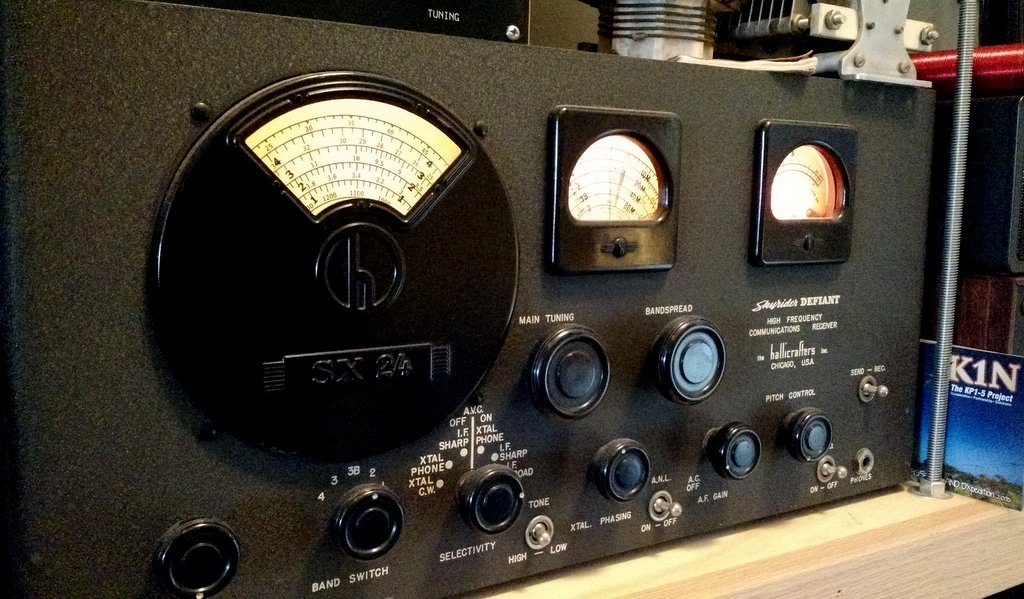
Many thanks to SWLing Post contributor Dennis Dura, who shares this article from Hackaday that explores the fascinating “last gasp” innovations of vacuum tube technology long after transistors had already begun taking over the electronics industry. The article dives into late-era tube developments like compactrons, lighthouse tubes, and RCA’s remarkable nuvistor—tiny, rugged, low-noise tubes that pushed thermionic technology to its limits in applications ranging from military gear to high-end audio and RF equipment. It’s a terrific read.

Click here to read: The Vacuum Tube’s Last Stand(s)

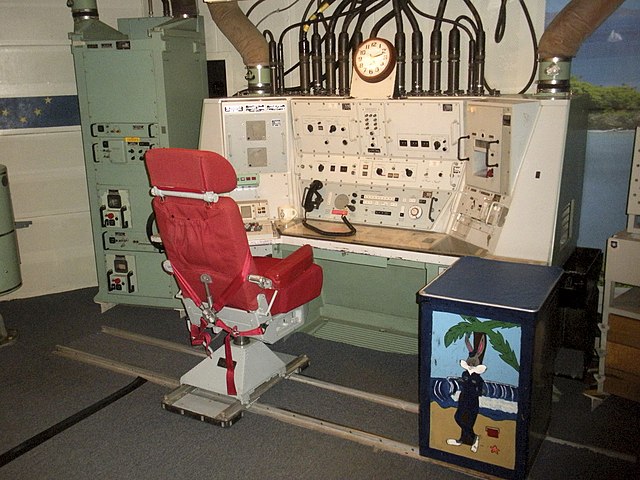
Hackaday: The Cold War-Era Survivable Low-Frequency Communication System (SLFCS)

Oscar-Zero Missile Alert Facility Minuteman ICBM Launch Control (Wikimedia Commons)

Many thanks to SWLing Post contributor Dennis Dura, who shares the following article about Cold War–era low-frequency communications, from Hackaday:

During the Cold War, the U.S. developed the Survivable Low-Frequency Communication System (SLFCS) — a radio network designed to function even after a nuclear attack. Using long-wavelength LF and VLF signals that can travel vast distances through ground and ionospheric waveguides, SLFCS provided a way to deliver emergency launch orders when all else failed. The system’s immense towers and buried loop antennas reflect an era when reliability was paramount — even under atomic conditions.

Read the full article on Hackaday by clicking here.

Noise-Reduction Ideas via Hackaday & Electronics Unmessed

Many thanks to SWLing Post contributor Dennis Dura for sharing this excellent Hackaday feature: Quieting That Radio. If you’ve ever struggled to hear weak signals through modern RFI, this piece, featuring content from Electronics Unmessed, is well worth checking out. It explores the hidden interference SDR setups often face and offers simple, practical/inexpensive fixes—like adding a counterpoise or ferrite choke—that can make all the difference in pulling in those hard-to-hear stations. This is advice we’ve recommended in past articles, but it’s brilliant to see demonstrated improvement.

Click here to read on Hackaday.

Meteor Burst Communications

Perseids meteor shower Photo: NASAMany thanks to SWLing Post contributor, Dennis Dura, for sharing the following article from Hackaday: Radio Apocalypse: Meteor Burst Communications

This piece explores Meteor Burst Communications (MBC)—a method of bouncing radio signals off ionized meteor trails to enable long-distance communication without relying on satellites or infrastructure. Used historically in military systems, MBC remains a compelling option for resilient, beyond-line-of-sight communication—even in grid-down scenarios.

Check out the full article here.

Radio Waves: DRM Demo in Australia, Decoding the JWST, the ARDC, and EV Makers Dropping AM Radio

Radio Waves:  Stories Making Waves in the World of Radio

Welcome to the SWLing Post’s Radio Waves, a collection of links to interesting stories making waves in the world of radio. Enjoy!


Australia Demonstrates DRM on AM, FM (Radio World)

Since September 2020, ABC Radio has been quietly trialing DRM technology in Victoria

The public-service Australian Broadcasting Corp. and its transmission contractor BAI Communications Transmission Network hosted a public demonstration of Digital Radio Mondiale broadcasts on June 29, 2022. ABC highlighted the use of DRM on both AM and FM in Wagaratta, Victoria.

According to the DRM Consortium, the demonstration was the culmination of almost two years of COVID-impacted work to assess the performance of DRM services in Australia’s VHF and medium-wave bands.

Previously, the Australian Amateur Radio Experimenters Group reported that AREG member Steve Adler (VK5SFA) had been monitoring “a very un-publicized Digital Radio Mondiale (DRM) trial” on 747 kHz from Wangaratta in August 2021.

The Australian Communications and Media Authority provided ABC with a license variation to conduct the DRM 30 trials from September 1, 2020, to August 31, 2022.

At the public demonstration, senior representatives from the public, commercial and community radio sectors, along with regulators and other interested parties, were able to hear and see the capabilities of DRM broadcasting on AM from Dockers Plains and on FM from Mount Baranduda. They were also able to review the transmission equipment at Wagaratta.[Continue reading…]

Also check out the DRM Consortium’s article on this same topic.

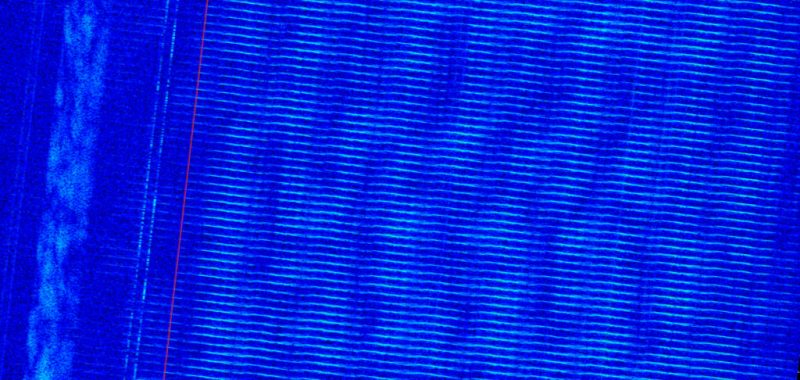
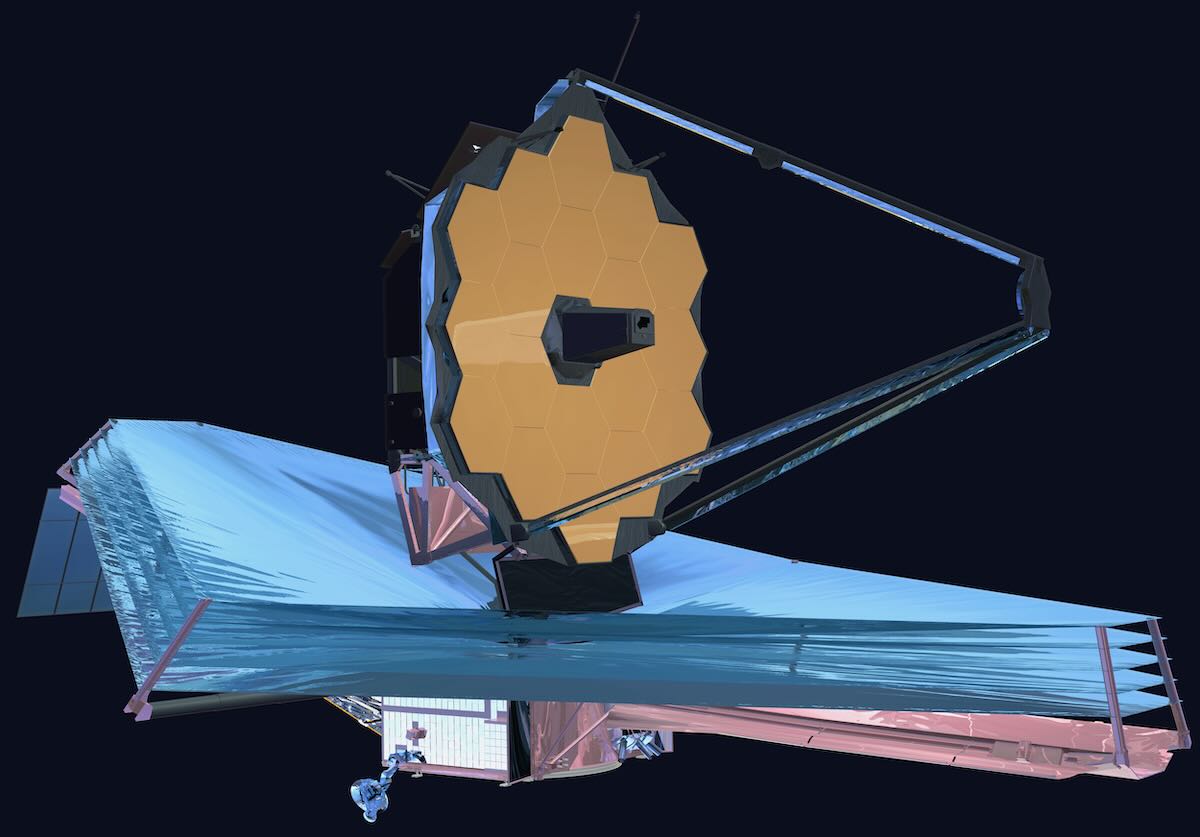
Decoding James Webb Space Telescope (Daniel Estévez)

The James Webb Space Telescope probably needs no introduction, since it is perhaps the most important and well-known mission of the last years. It was launched on Christmas day from Kourou, French Guiana, into a direct transfer orbit to the Sun-Earth L2 Lagrange point. JWST uses S-band at 2270.5 MHz to transmit telemetry. The science data will be transmitted in K-band at 25.9 GHz, with a rate of up to 28 Mbps.

After launch, the first groundstation to pick the S-band signal from JWST was the 10 m antenna from the Italian Space Agency in Malindi, Kenya. This groundstation commanded the telemetry rate to increase from 1 kbps to 4 kbps. After this, the spacecraft’s footprint continued moving to the east, and it was tracked for a few hours by the DSN in Canberra. One of the things that Canberra did was to increase the telemetry rate to 40 kbps, which apparently is the maximum to be used in the mission.

As JWST moved away from Earth, its footprint started moving west. After Canberra, the spacecraft was tracked by Madrid. Edgar Kaiser DF2MZ, Iban Cardona EB3FRN and other amateur observers in Europe received the S-band telemetry signal. When Iban started receiving the signal, it was again using 4 kbps, but some time after, Madrid switched it to 40 kbps.

At 00:50 UTC on December 26, the spacecraft made its first correction burn, which lasted an impressive 65 minutes. Edgar caught this manoeuvre in the Doppler track.

Later on, between 7:30 and 11:30 UTC, I have been receiving the signal with one of the 6.1 metre dishes at Allen Telescope Array. The telemetry rate was 40 kbps and the spacecraft was presumably in lock with Goldstone, though it didn’t appear in DSN now. I will publish the recording in Zenodo as usual, but since the files are rather large I will probably reduce the sample rate, so publishing the files will take some time.

In the rest of this post I give a description of the telemetry of JWST and do a first look at the telemetry data. [Continue reading…]

Helping Secure Amateur Radio’s Digital Future (Hackaday)

The average person’s perception of a ham radio operator, assuming they even know what that means, is more than likely some graybeard huddled over the knobs of a war-surplus transmitter in the wee small hours of the morning. It’s a mental image that, admittedly, isn’t entirely off the mark in some cases. But it’s also a gross over-simplification, and a generalization that isn’t doing the hobby any favors when it comes to bringing in new blood.

In reality, a modern ham’s toolkit includes a wide array of technologies that are about as far away from your grandfather’s kit-built rig as could be — and there’s exciting new protocols and tools on the horizon. To ensure a bright future for amateur radio, these technologies need to be nurtured the word needs to be spread about what they can do. Along the way, we’ll also need to push back against stereotypes that can hinder younger operators from signing on.

On the forefront of these efforts is Amateur Radio Digital Communications (ARDC), a private foundation dedicated to supporting amateur radio and digital communication by providing grants to scholarships, educational programs, and promising open source technical projects. For this week’s Hack Chat, ARDC Executive Director Rosy Schechter (KJ7RYV) and Staff Lead John Hays (K7VE) dropped by to talk about the future of radio and digital communications. [Continue reading…]

Interference causes EV makers to drop AM radio (Radio World via the Southgate ARC)

Radio World reports the Electromagnetic Interference generated by Electric Vehicles is causing some EV automakers to drop AM (medium wave) radio

The article says:

Some EV automakers are dropping AM altogether due to audio quality concerns, but that’s just one piece of the puzzle as radio continues to fight for space on the dash.

“As carmakers increase electric vehicle offerings throughout their lineups, the availability of AM radio to consumers is declining,” said Pooja Nair, communications systems engineer with Xperi Corp., in a Radio World guest commentary. “This is because the effects of electromagnetic interference are more pronounced in EVs than in vehicles with internal-combustion engines.”

In other words, electromagnetic frequencies generated by EV motors occupy the same wavelength as AM radio signals. The competing signals clash, effectively cancelling each other out. As EV motors grow more powerful, AM static tends to increase.

Read the full story at
https://www.radioworld.com/news-and-business/headlines/why-are-some-automakers-ditching-am-radio


Do you enjoy the SWLing Post?

Please consider supporting us via Patreon or our Coffee Fund!

Your support makes articles like this one possible. Thank you!

Radio Waves: New Yaesu FT-710 AESS, Ukraine’s Army FM, Foil 28 MHz antenna, and ATS-25 4.1 Firmware Review,

The Yaesu FT-710 AESS

Radio Waves:  Stories Making Waves in the World of Radio

Welcome to the SWLing Post’s Radio Waves, a collection of links to interesting stories making waves in the world of radio. Enjoy!

Many thanks to Eric Jon Magnuson for summarizing these news items for Radio Waves!


Yaesu Introduces the FT-710 AESS 100 SDR Transceiver (QRPer.com)

Yaesu is introducing a new 100 watt SDR transceiver to their product line: the Yaesu FT-170.

The Yaesu FT-710 will cover 160-6 meters with 100 watts output. There are two other Japanese market versions: the FT-710M and FT-710S which are 50 and 10 watt respectively.

This general coverage rig will feature “AESS”–Yaesu’s ‘Acoustic Enhanced Speaker System’ which “creates the high-fidelity audio output.” Yaesu notes that the FT-710 utilizes, “the advanced digital RF technology introduced in the FTDX101 and FTDX10 series.”

Click here to check out the published features and specifications of the new FT-710.

Ukraine’s ‘Army FM’ Radio Adapts To Full-Scale War (CoffeeOrDie)

KYIV, Ukraine — During the early morning hours of Feb. 24, as Russian missiles struck targets across Ukraine in the opening hours of the full-scale war, the Ukrainian military’s Army FM radio station went underground.

The team of seven army officers and about 10 civilian personnel abandoned their studio on the top floor of a downtown Kyiv building and relocated into a nearby basement. Inside the dank and dark underground space, they connected a mixing board and a couple of laptops to a mobile radio system, which the station’s reporters had previously used to report from the Donbas trenches.

“I just grabbed my Kalashnikov and went to work,” said Oleksandr Yurchenko, 32, a Ukrainian army second lieutenant assigned to Army FM.

While a Russian invasion force advanced to the outskirts of Kyiv in the war’s perilous first few days, the Army FM team stayed at their posts and worked in six-hour shifts to keep their programs running 24/7. They constructed makeshift beds from shipping pallets and stocked the basement studio with food and water. Body armor vests and Kalashnikovs occupied all available shelves and empty corners.

From this jury-rigged basement studio, Army FM continued to transmit information and entertainment programs to listeners across Ukraine — including into territories Russian forces invaded and occupied. [Continue reading…]

Hackaday: Homemade 28 MHz antenna made from foil (Hackaday via the Southgate ARC)

On Hackaday Chris Lott WD4OLP writes about DL1DN’s aluminum foil 20cm antenna for 28 MHz (10m) operation

David DL1DN, is an Amateur Radio enthusiast with a penchant for low-power (QRP) portable operations. Recently he was out and about, and found that 10 m propagation was wide open. Not discouraged by having forgotten his antenna, he kludges up a makeshift one using a 20 cm length of aluminum foil.

Read the Hackaday story and watch the video at
https://hackaday.com/2022/07/02/aluminum-foil-20-cm-antenna-for-10-m-operation/

Dave reviews the ATS-25 with Binns 4.1 firmware

Dave Zantow writes:

ATS-25 with Binns 4.1 firmware Review Now Posted. […] There were 7 different versions in the beta stage. New audio file added as well (Sync when it does not work so well, which is NOT all the time). Might be one more update before release (not sure right now).

Click here to check it out.


Do you enjoy the SWLing Post?

Please consider supporting us via Patreon or our Coffee Fund!

Your support makes articles like this one possible. Thank you!