Author Archives: Thomas

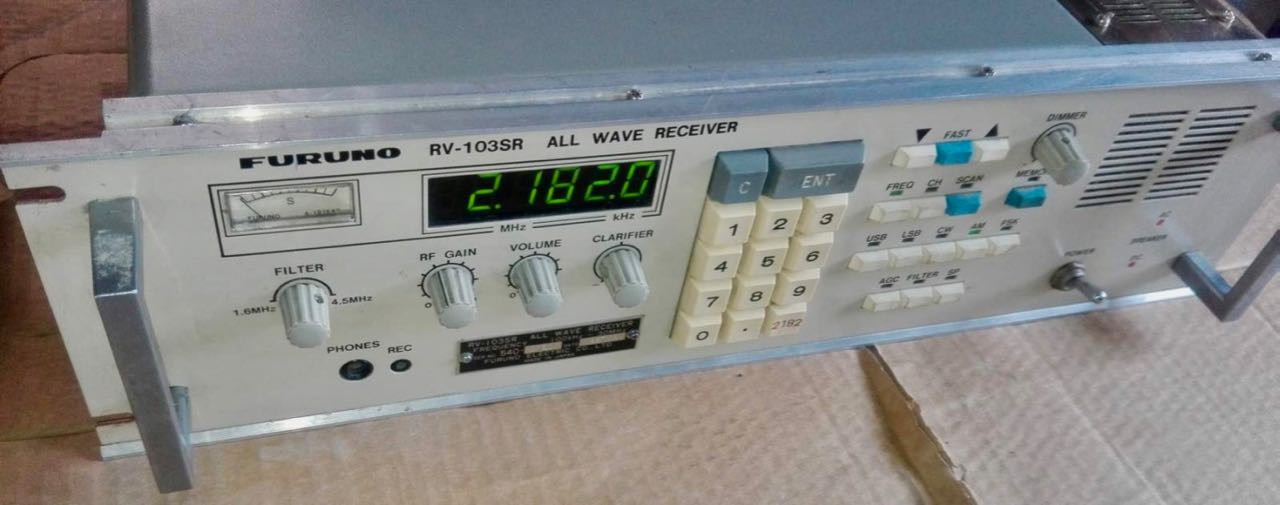
eBay: Dan discovers a Furuno RV-103SR marine receiver

The Furuno RV-103SR

Many thanks to SWLing Post contributor, Dan Robinson, who shares the following regarding a Furuno RV-103SR marine receiver he discovered on eBay:

Recently, I came upon two great rarities in the world of receivers.

Furuno is a Japanese company known for maritime equipment, and is featured on one or two pages of the Osterman receiver directory. Two of these rare receivers came up on eBay, both located in an Asian location.
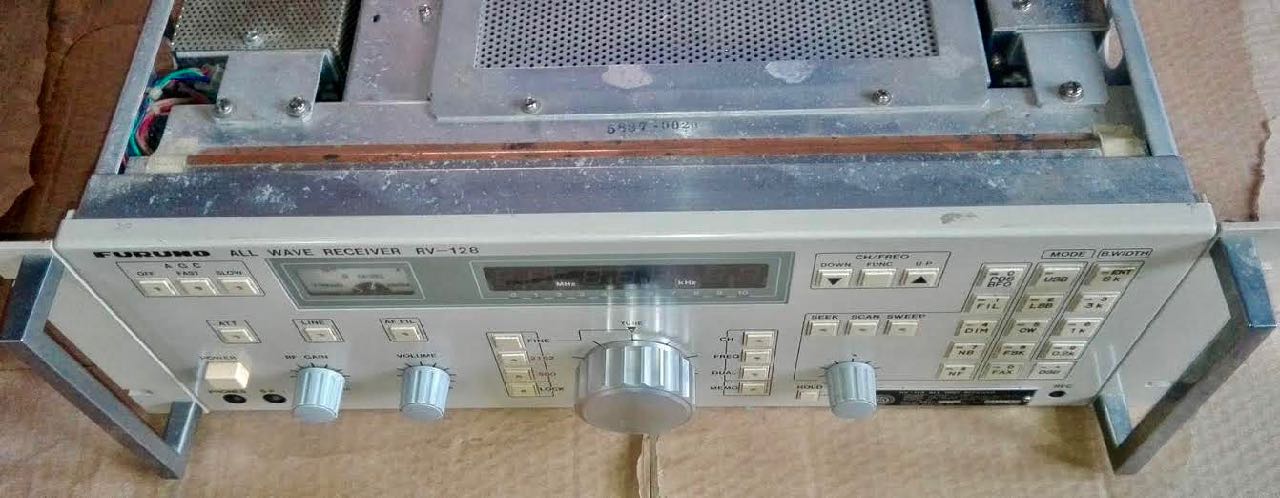
The Furuno RV-103SR and RV-128 are beautiful animals, and both receivers appear(ed) to be in good condition, obviously taken from ships, likely as part of tear downs in a shipyard.
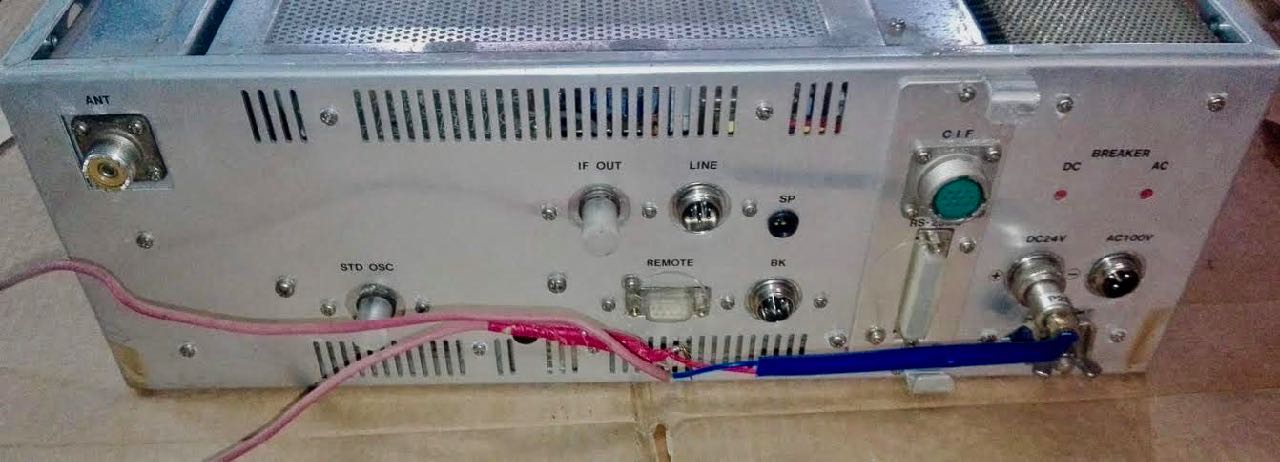
There is very little information online about Furuno. One Japanese blogger did a review of the RV-128. And a guy in Republic of Srpska got to use the RV-128 which was installed on a giant oil tanker, during a trip he made as a navigator way back in 2002 (see the story at http://www.qsl.net/e78cb/mmstory.htm).

Here’s the link for the Japanese blogger (use Google translation to read it) http://blog.livedoor.jp/kerokeronyororo/archives/60986163.html).

In my correspondence with him, Fred Osterman notes that the RV-103SR variant was not known to him, and likely stands for rack mount. And Fred says he never saw these receivers in the flesh, and never saw one offered on the used market, “a rare bird” indeed. For those interested, Furuno equipment is on page 216 of Fred’s massive and excellent receiver book.

The appearance of these beautiful radios, and similar ones, again demonstrates the kind of equipment that is popping up in Ebay and other locations. We have seen numerous JRC marine receivers become available, many of them also former ship receivers. Anyone interested in these should ask the usual questions about condition, ask for photos and videos, to try to ensure that what eventually arrives is not DOA or suffering from various issues.

Click here to view on eBay.

More about Furuno

Furuno, it turns out, and as noted in the Osterman book, was behind the first fish finder ever produced. And the company had a range of transceivers for maritime use.

See the following links on YouTube:

Click here to view on YouTube.

Click here to view on YouTube.

Click here to view on YouTube.

Click here to view on YouTube.

Click here to view on YouTube.

Post Readers: this is what I love about Dan Robinson’s discoveries on eBay: he finds these rare treasures, then provides a little history about their origins, use and current availability. Thank you so much, Dan, for sharing!

eBay find: NOS Kenwood R-1000 Receiver

Many thanks to SWLing Post contributor, Dan Robinson, who discovered this like new Kenwood R-1000 on eBay. Dan notes:

This just went up on Ebay — a seemingly new and unused R-1000. Price is actually not high for one in this condition [$450 US]. I would jump on this if I didn’t already have one in this shape….

Click here to view on eBay.

The seller also has a “Make Offer” option. Perhaps they would even be more flexible? I’ve never owned an R-1000, but I do love the simple design and have used it enough to know it’s a great receiver with excellent audio. The fact that Dan Robinson and Dave Zantow give it such a good report speaks volumes.

Raspberry Pi image with preloaded SDRplay RSP software

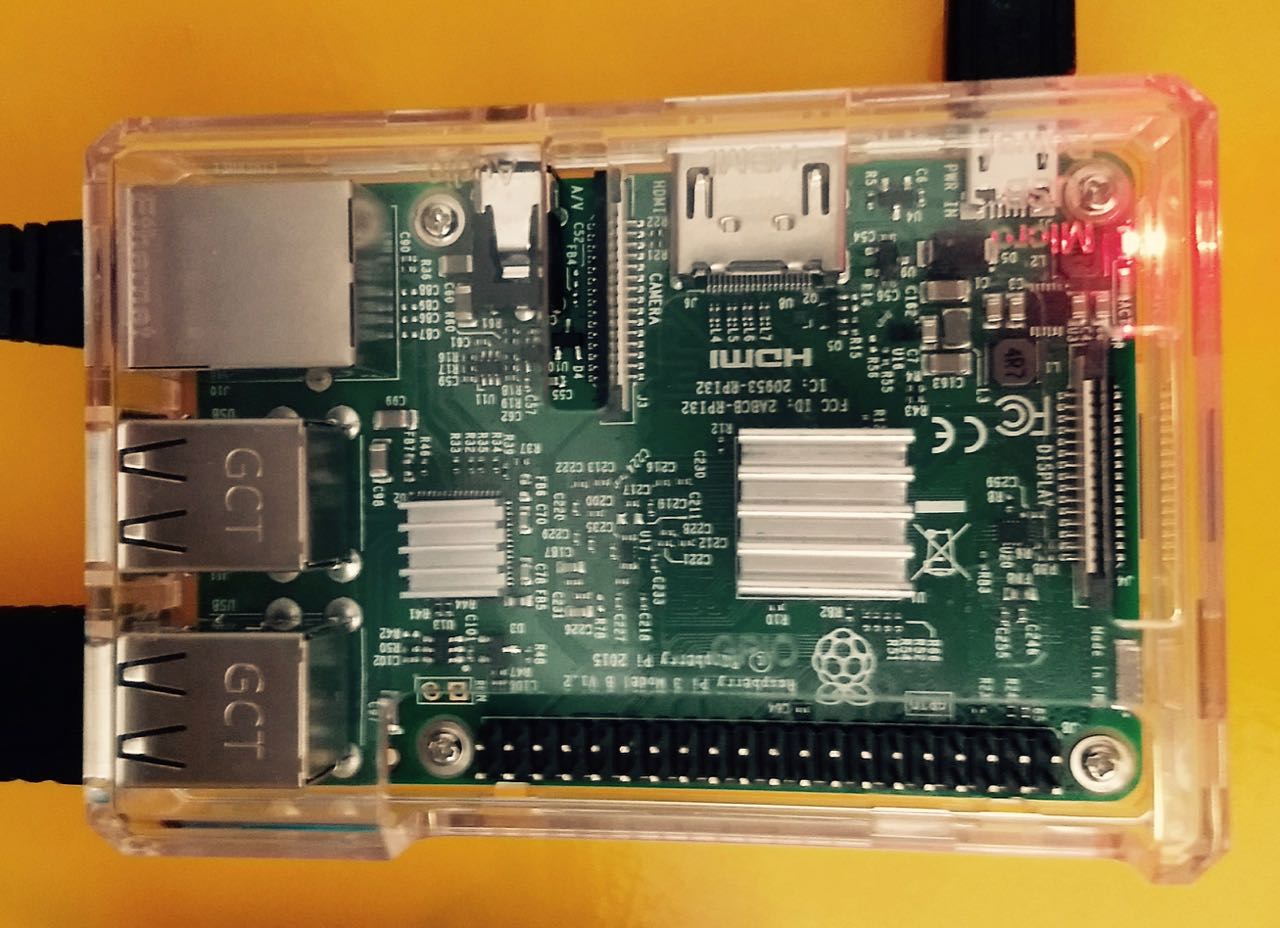
The $35 Raspberry Pi 3

SDRplay support have just posted the following news on their community forum:

We have released a Raspberry Pi 3 image that has a number of SDR applications pre-built and tested that support the RSP. Periodically, we will update the image with software updates and new software.

The current list of software included on the image is:

SoapySDR/SoapySDRPlay, SoapyRemote, ADS-B (dump1090), CubicSDR and SDR-J DAB receiver

Please note: This is a complete OS with software image. Writing the image to a micro SD card will wipe the micro SD card of any other data that is on there, so we recommend you make sure you have backed up any data on your existing micro SD card or you use a new micro SD card.

Instructions:

1. Download image. There are two downloads provided, the 7zip version is just a smaller download but not everyone has 7zip which is why we also provide a zip download. The links are here:

http://www.sdrplay.com/software/SDRplay_RPi3_V0.1.zip (2.7 GB)

http://www.sdrplay.com/software/SDRplay … 0.1.img.7z (2.0 GB)

2. Extract the contents of the compressed file. This will extract to a .img file which will be about 7.2 GB

3. Use an image writer such as Win32DiskImager (https://sourceforge.net/projects/win32diskimager) to put the image onto the micro SD card.
WARNING: Please make sure that you use the correct drive letter for the micro SD card. The image writing software will completely remove any data that is on the destination media.

That’s it – put the micro SD card into the Raspberry Pi 3 micro SD card slot and boot the system. Allow the system to fully boot and you will see a GUI that will allow you to run each of the applications or read further information.

We also recommend that you use an active cooling system on your Raspberry Pi 3 to avoid any issues with over heating. In our tests, we have used heatsinks and a fan in a case. The CPU speed will be throttled if the temperature gets too hot, so for optimum use this is really recommended. These cases are available at reasonable prices from many Raspberry Pi stores.

If you are a developer of software that supports the RSP and you would like to be included on the image that we will release periodically, please contact us at [email protected] – currently we’re aiming to update the image every quarter, this will largely depend on software availability and what the demand is.

We are aware of other software that we are looking to get onto the next release such as Pothos and more SDR-J software. We will work with developers on any issues we’ve seen during this process so that we can get them onto future images.

Best regards,

SDRplay Support

This is great news in my book, because a fully-loaded and configured disk image makes it much easier to get started with an RSP/Pi combo.

Note that the message above is merely the announcement on SDRplay’s community forum. I would strongly encourage you to follow this thread, and the forum in general, if you’re interested in updates and announcements.

Raspberry Pi systems are very affordable and available in a number of configurations (from $35US – $80US depending on accessories) and from a number of retailers including:

2017 BBC Midwinter Broadcast test transmissions

Rothera Research Station, Adelaide Island, Antarctica (Image Source: British Antarctic Survey)

Many thanks to SWLing Post contributors, Richard Langley and Mauno Ritola, who shared frequencies and times for the test transmissions in advance of the BBC Midwinter broadcast next week (June 21).

I didn’t get their tips in time to post prior to the transmissions yesterday, however, Mauno believes there may be another test transmission today.

This schedule was originally posted by Martin Goulding on BDXC-UK list–times are GMT:

ASCENSION

2130-2145 7360 kHz

DHABAYYA

2130-2145 – 6035 kHz

WOOFFERTON

2130-2145 7230 kHz
2130-2145 5985 kHz

Please comment if you log a test transmission today (or if you logged one yesterday)

As in years past, I plan to record the actual broadcast next week and share all of your recordings here on the SWLing Post as well.

Click here to browse the Midwinter recordings from last year.

Radio Bulgaria petition

Many thanks to SWLing Post contributor, David Iurescia (LW4DAF), who writes:

Hi Thomas: I’m sending you what I received today from Radio Bulgaria.
The petition can be read in Spanish, English or Bulgarian.

Dear Friends:

We need your support for a noble and responsible cause.

Radio Bulgaria, which belongs to National Radio of Bulgaria, is the only means of communication that presents the image of Bulgaria before the world in nine languages, as well as in Bulgarian language with programs destined to the Bulgarian communities abroad. Today Radio Bulgaria faces the risk of being in history!

We urge you to support the efforts of editors, journalists, translators and institutions against this destructive act, contrary to the interests of society and statehood of Bulgaria, signing our request to save our, and yours also Radio Bulgaria.

Here is the address of the website with the request: http://www.saveradiobulgaria.com/en

Sign, please.

Spanish Language Section of Radio Bulgaria

Many thanks, David!

Carl Laufer of RTL-SDR.com on HamRadioNow

(Source: Southgate ARC)

Carl Laufer’s RTL-SDR on HamRadioNow

Carl Laufer isn’t a ham (yet), but he got caught up in the RTL-SDR craze in his home town, Auckland NZ, as he was completing his PHD

He began writing about them, and selling them, on his blog at www.RTL-SDR.com, and soon discovered that the little SDR receiver dongles could stand some improvement.

So he designed ways to make them work better, and contracted a Chinese manufacturer to build them with his mods. That just about doubled the price, from $10 to about $20. Yeah, big deal.

TAPR invited Carl to come to the 2017 Dayton Hamvention to talk about them at both their Friday Forum (part of HamRadioNow Episode 324) and as the main speaker at the TAPR/AMSAT Banquet.

And we got him for a conversation with HamRadioNow’s KN4AQ and PhasingLine’s Chicken With Fries in the SIB back in Tent City.

Watch HRN 328: Carl Laufer’s RTL-SDR on HamRadioNow:

Click here to watch on YouTube.

I got to meet Carl at the Hamvention this year–what a great guy and his website is certainly the best source of information about the RTL-SDR.

I should note that I also met with contributor, Mike Ladd, in person at the Hamvention. Mike now works for SDRplay.

This is one of the great things about gatherings like the Hamvention–it brings together so many people that you’d otherwise likely never meet in person!