Author Archives: Thomas

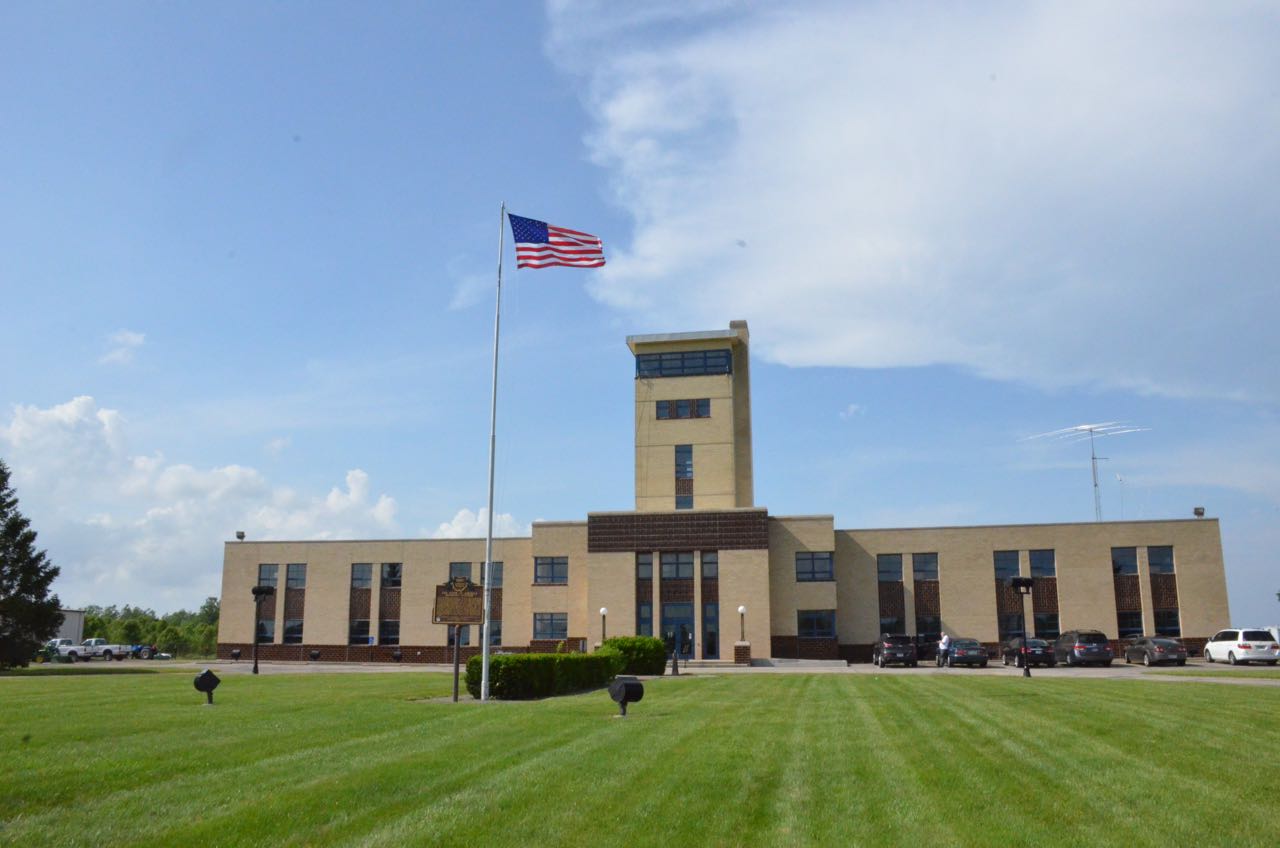
VOA Bethany: Remembering the day the transmitters were shut down

Many thanks to SWLing Post contributor, David Iurescia (LW4DAF), who shares the following article:

Historic radio station in West Chester remembers final broadcast anniversary (Fox 19)

“Everything got shut off. This place had never been shut off in 50 years.”

WEST CHESTER, Ohio (WXIX) – The Bethany Relay Station at the Voice of America Park is remembering the day its mission of transmitting broadcasts ended.

The historic station was built in West Chester by radio pioneer and Cincinnati native Powel Crosley Jr.

The station and its shortwave broadcasts served as countermeasures to propaganda spreading across Europe during World War II, allowing people from all over the world to receive crucial information about wartime happenings.

On Nov. 14, 1994, the mission of transmitting broadcasts worldwide from the Bethany Relay Station came to an end. […]

Click here to read the full article and watch the video.

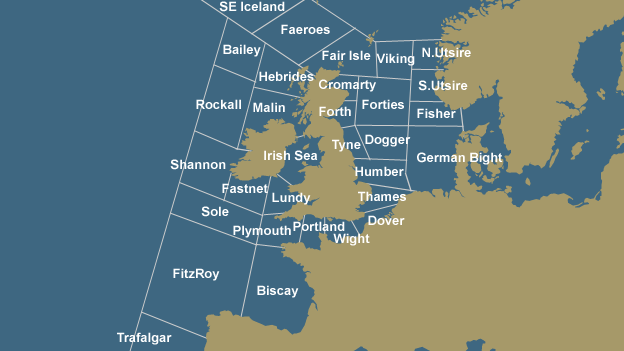
The Shipping Forecast: A Special 1993 Filmed Version

Many thanks to SWLing Post contributor and good friend, BJ Leiderman, who shares the following video on YouTube–a special Shipping Forecast tribute:

On 18 December 1993, as part of the Arena Radio Night, BBC Radio 4 and BBC 2 collaborated on a simultaneous broadcast so the shipping forecast – read that night by Laurie Macmillan – could be seen as well as heard. To date, it is the only time that it has been broadcast on television.

Click here to view/listen on YouTube.

As a huge fan of The Shipping Forecast, I absolutely love this–simply chock-full of radio nostalgia. Thank you for sharing! 

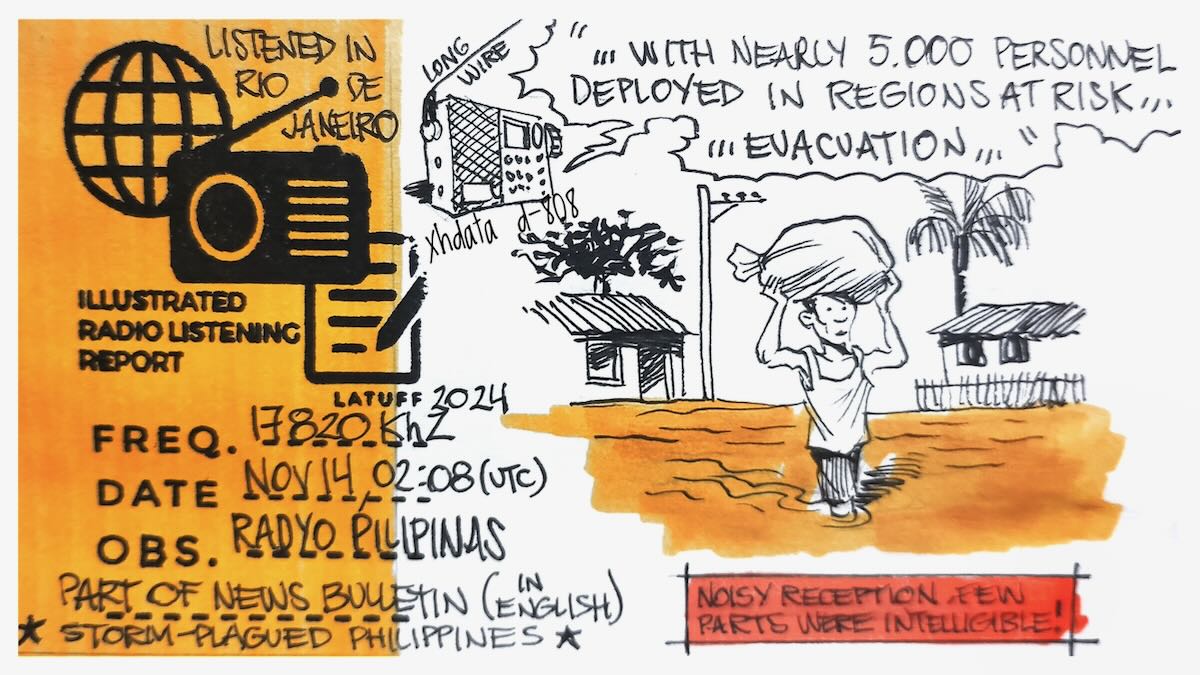
Carlos’ Illustrated Radio Listening Report and Recording of Radyo Pilipinas (November 14, 2024)

Many thanks to SWLing Post contributor and noted political cartoonist, Carlos Latuff, who shares illustrated radio listening report of a recent Radyo Pilipinas broadcast.


Carlos notes:

Part of Radyo Pilipinas’ news bulletin (in English) about storm-plagued Philippines. Noisy audio, barely intelligible. Listened in Rio de Janeiro, Brazil.

Click here to view on YouTube.

Bonus Radiofax Images

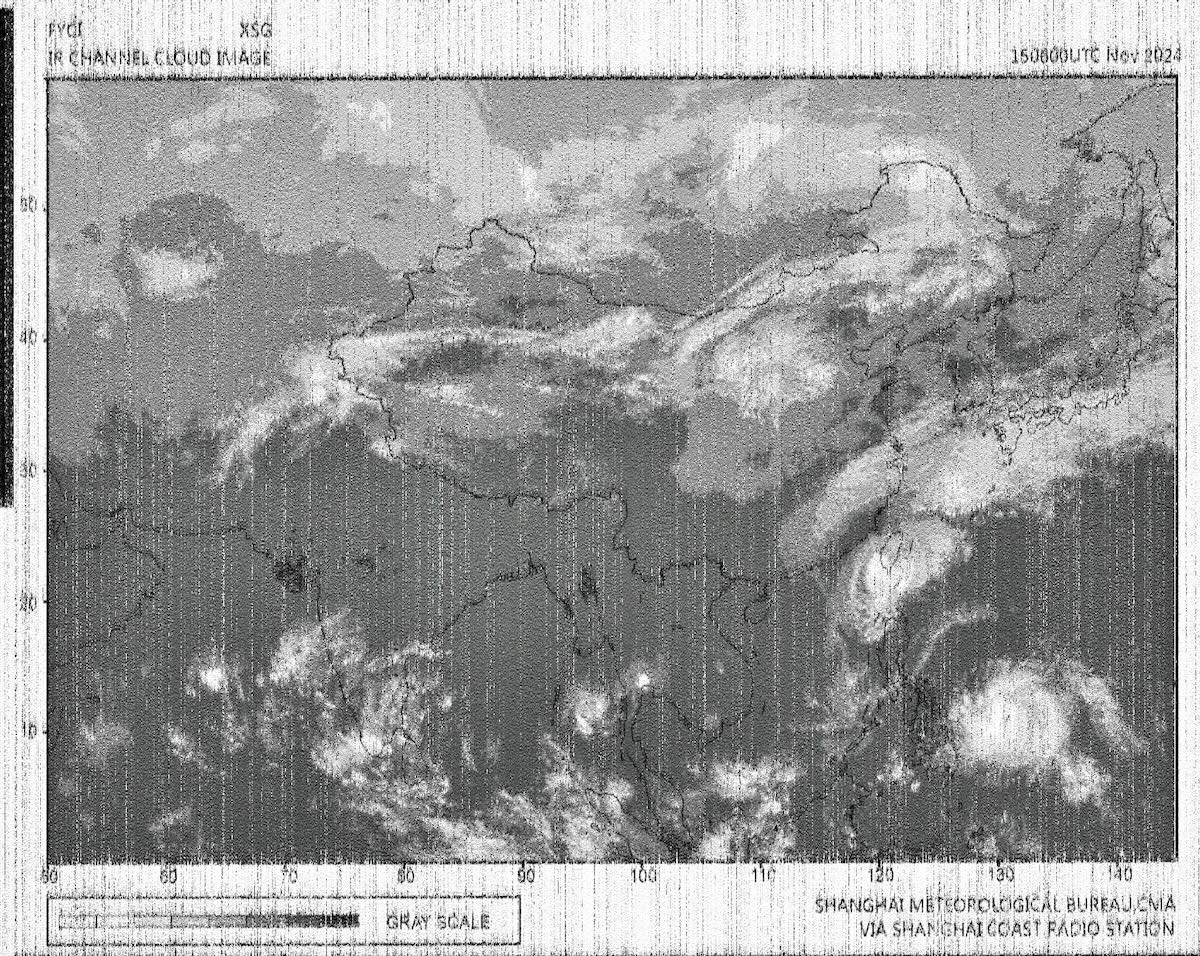
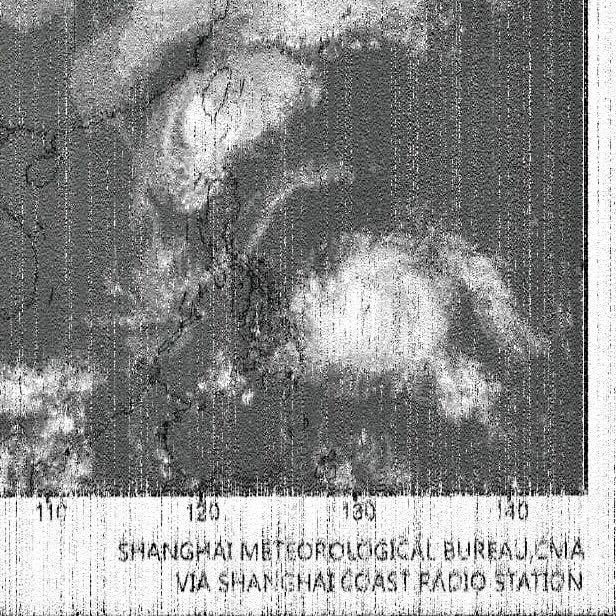
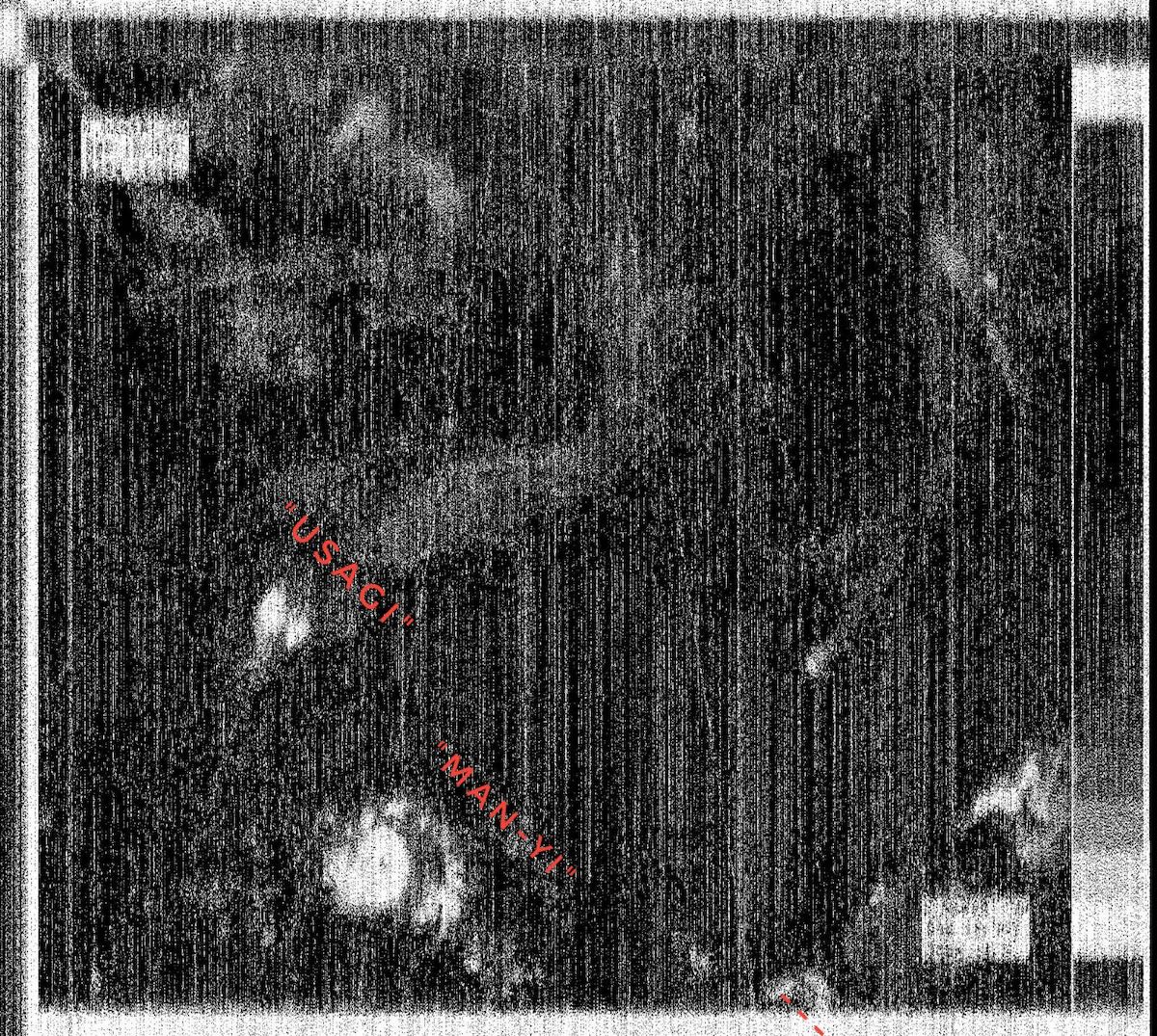
Typhoon “Usagi” (“Ofel”), about to make landfall in Taiwan, and typhoon “Man-yi” (“Pepito”), on the way to The Philippines.

Infrared satellite image from Shanghai Meteorological Bureau, radiofax received in Rio de Janeiro today, 09h00 UTC, 12382 kHz.

Typhoon “Usagi” (“Ofel”), which has already passed through the Philippines and is now about to make landfall in Taiwan, and typhoon “Man-yi” (“Pepito”), the next to hit the Philippines.

Satellite image from Japan Meteorological Agency, radiofax received in Rio de Janeiro today, 07h10 UTC, 13988 kHz.

Frank reminds us about the upcoming 2025 SWL Contest

Many thanks to SWLing Post contributor, Paul Jamet, who shares the following announcement:

This message to announce a contest launched by radio listener F-14368 (Frank Parisot) <[email protected]>

Information in French: http://radioclub.perche.free.fr/

Contest rules in English: https://webkiwisdrswl.blogspot.com/2024/09/swl-contest-2025-rules.html

Thanks for sharing this announcement, Paul!

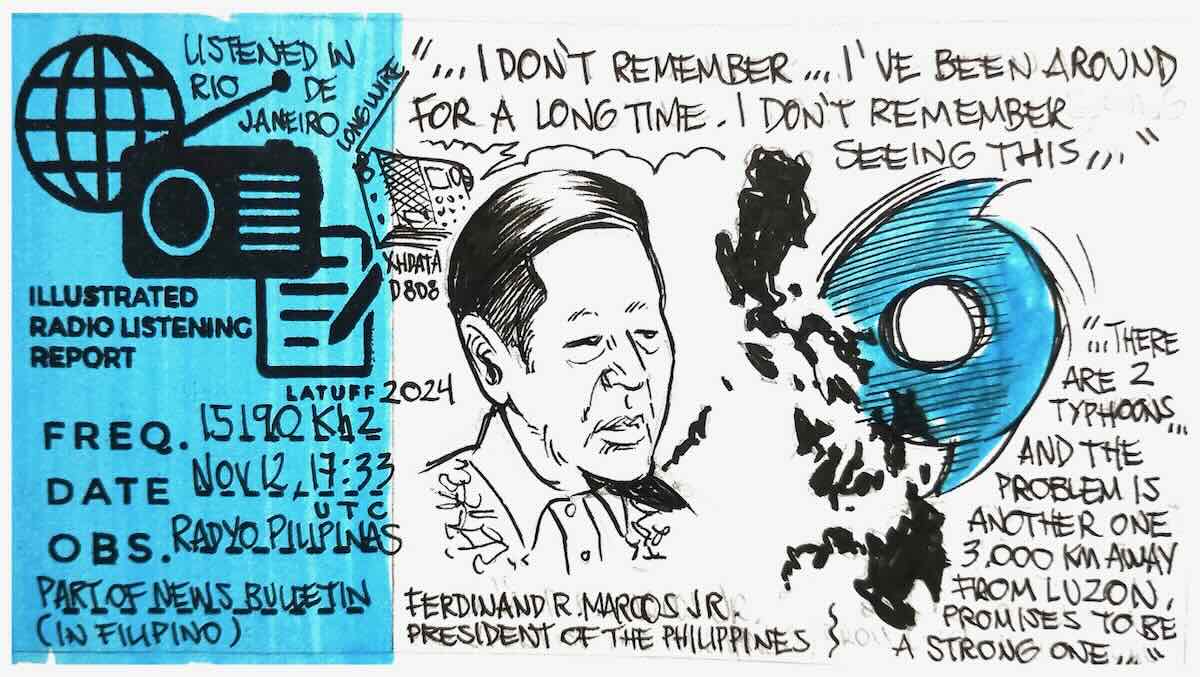
Carlos’ Illustrated Radio Listening Report and Recording of Radyo Pilipinas (November 12, 2024)

Many thanks to SWLing Post contributor and noted political cartoonist, Carlos Latuff, who shares illustrated radio listening report of a recent Radyo Pilipinas broadcast.


Carlos notes:

Part of Radyo Pilipinas’ news bulletin (in filipino), statement of the Philippines’ President Ferdinand R. Marcos Jr. about the sequence of typhoons hitting the country. Listened in Rio de Janeiro.

Click here to view on YouTube.

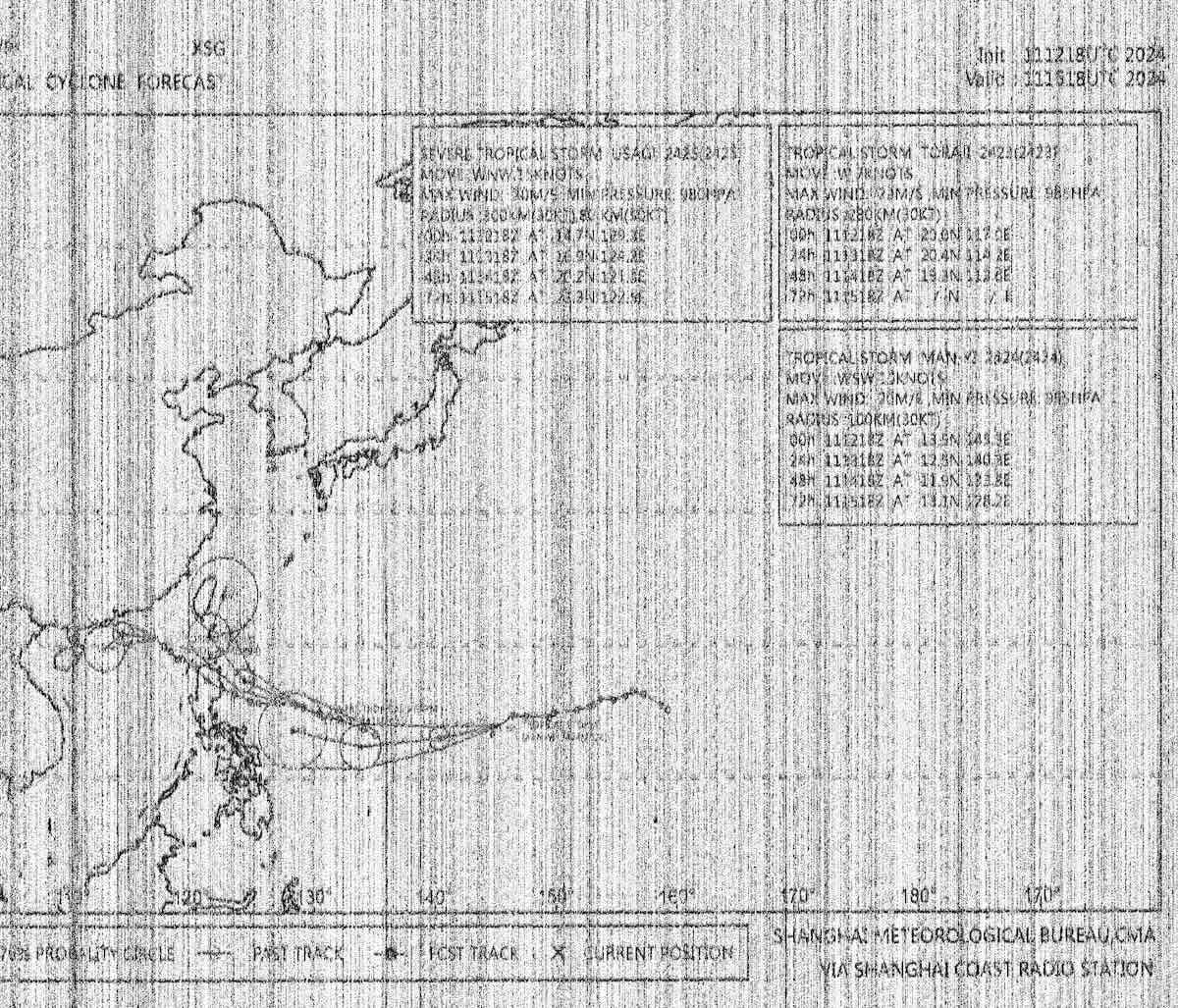
Shanghai Meteorological Bureau radiofax

Shanghai Meteorological Bureau radiofax, just received in Rio de Janeiro (12382 kHz).
Philippines is the target of three tropical storms: Usagi, Toraji and Man-yi.

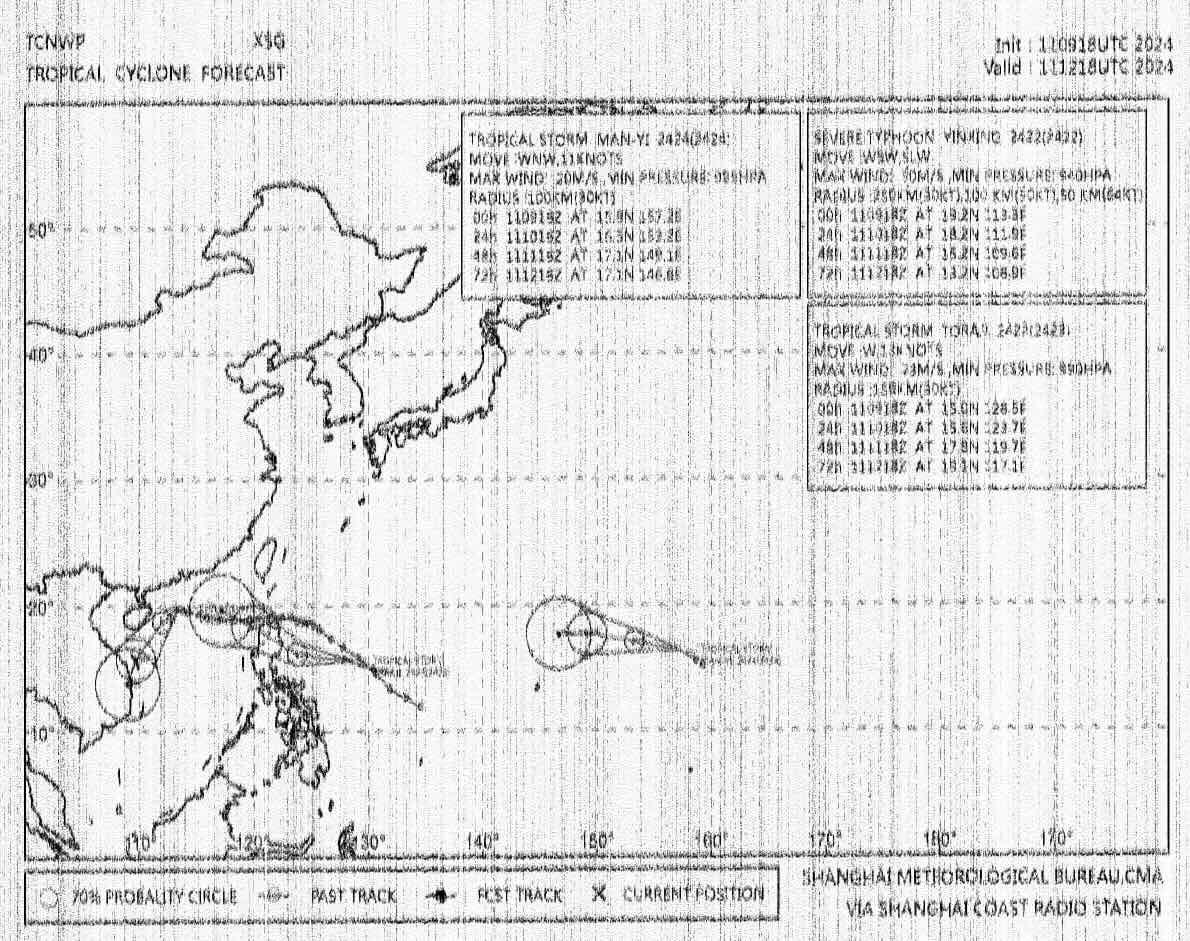
Three major storms in a single Radiofax

Many thanks to SWLing Post contributor, Carlos Latuff, who shares the following Radiofax decodes and notes:

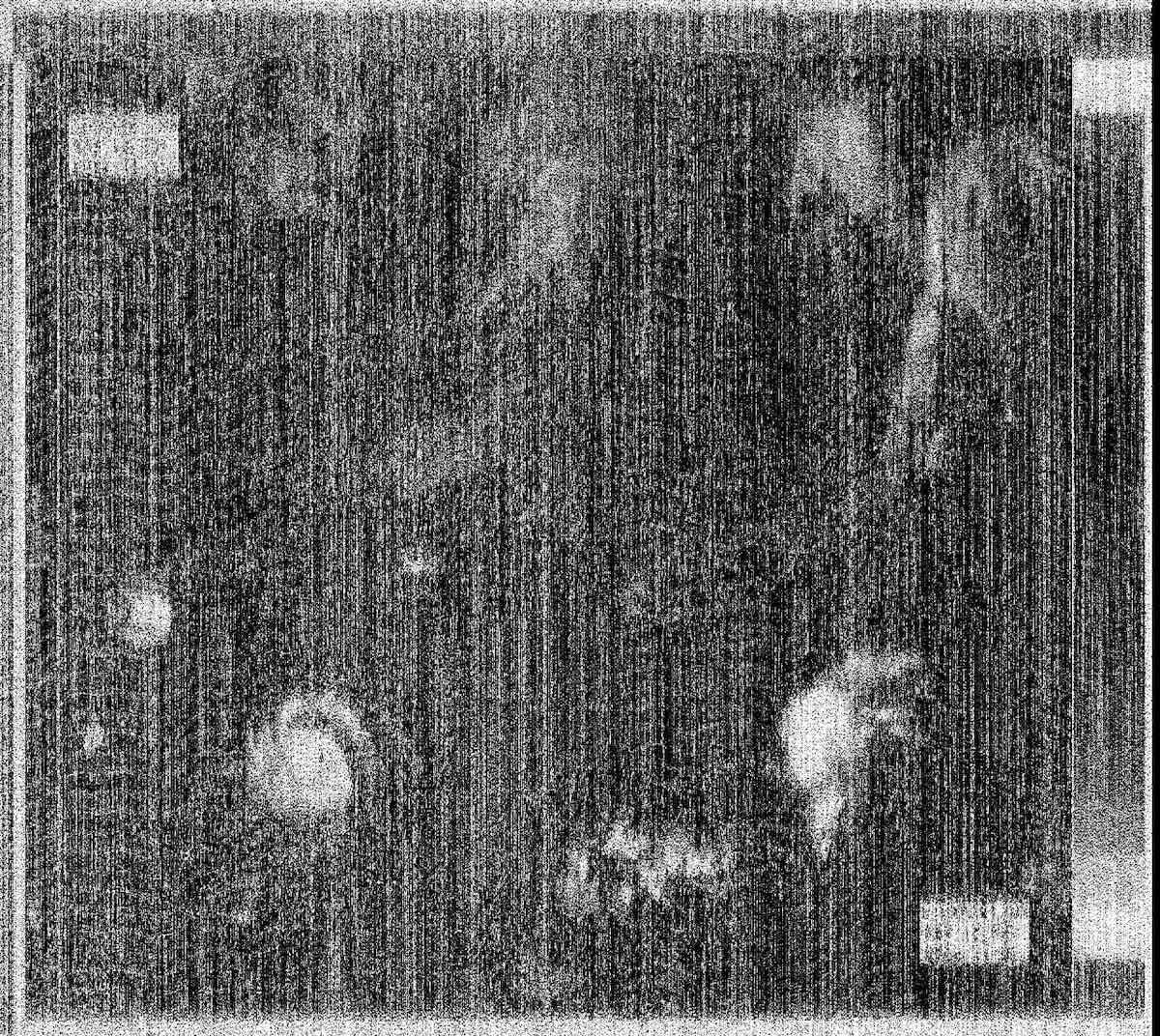
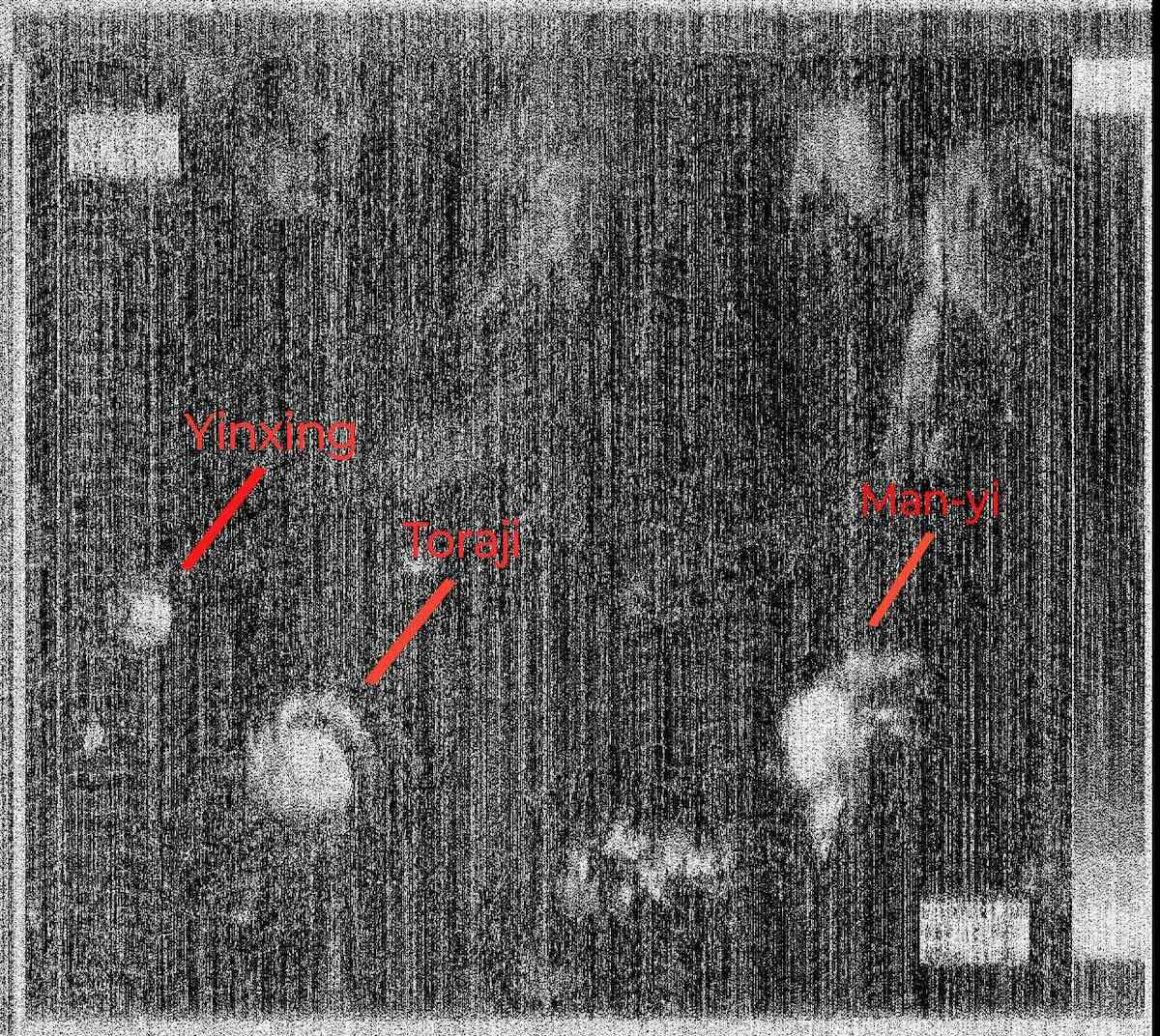
THREE storms in a single Radiofax

    • Typhoon Yinxing (Marce) which just hit the Philippines, now heading towards Hainan & Vietnam
    • Tropical storm Toraji (Nika) which is about to landfall on the Philippines
    • Tropical storm Man-yi whose route points towards the Northern Mariana Islands and maybe…Philippines!

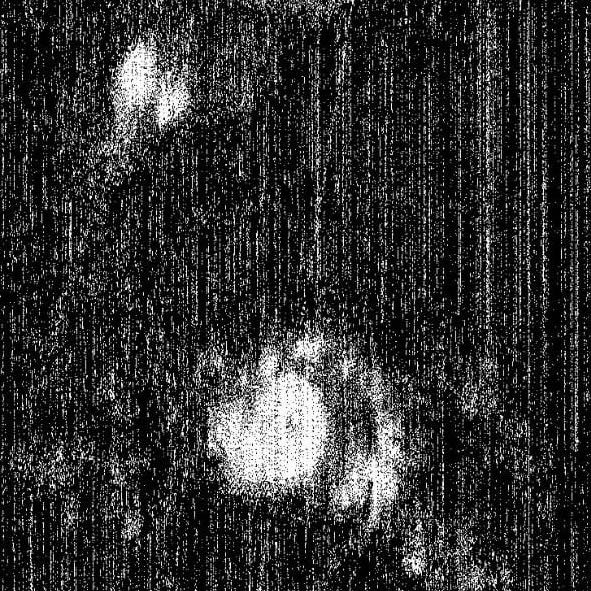
Via Shanghai Meteorological Bureau (chart received yesterday in Juiz de Fora, 16559 kHz) and Japan Meteorological Agency (satellite image received today also in Juiz de Fora, 13988 kHz).

Bonus: [Breaking News] Stunning Rose wins Queen Elizabeth Cup

Kyodo News radiofax received today in Juiz de Fora, Brazil, 08h27 UTC, 16970 kHz.

Wow, Carlos, thank you for sharing this. It’s simply incredible to see so many active storms all in a line on that Radiofax. I hope everyone can weather these without loss of life.

Channel 6 FM Radio Stations

Many thanks to SWLing Post contributor, Bob Colegrove, who shares the following guest post:

Channel 6 Radio Stations

By Bob Colegrove

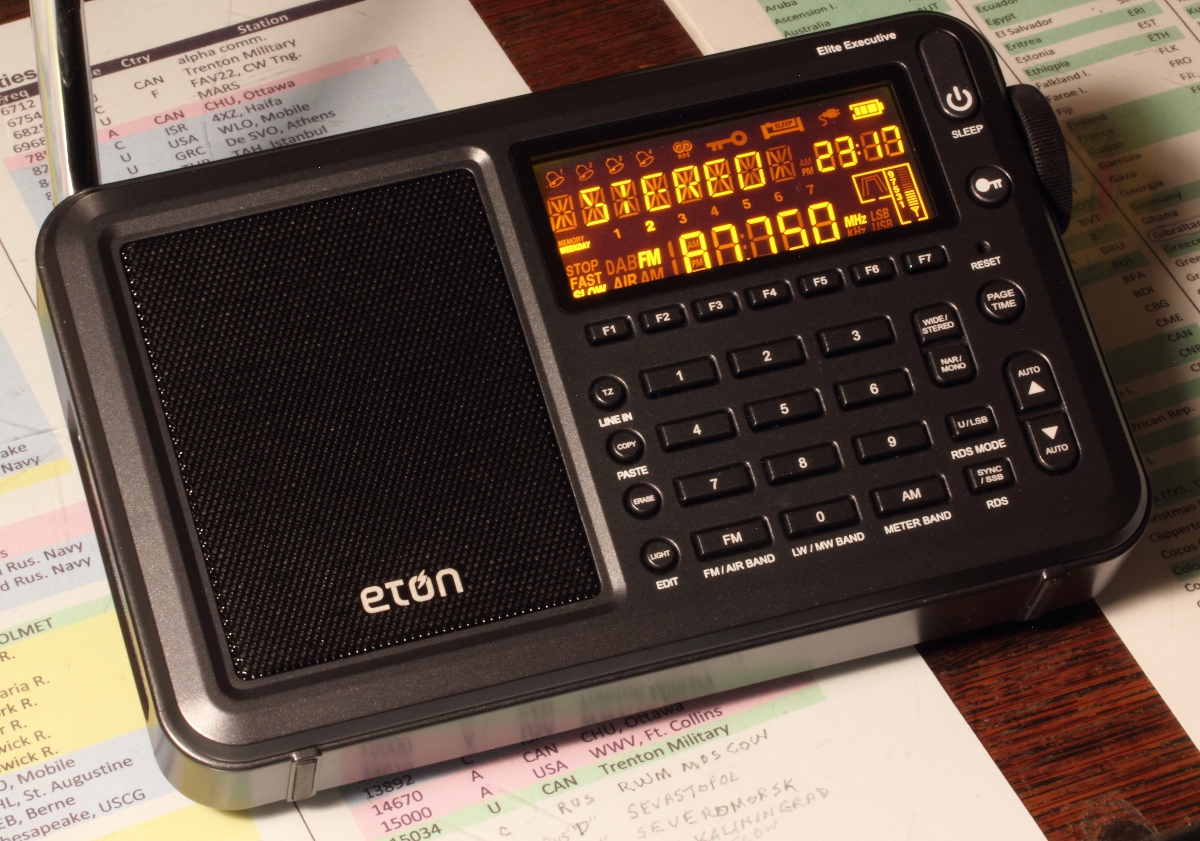
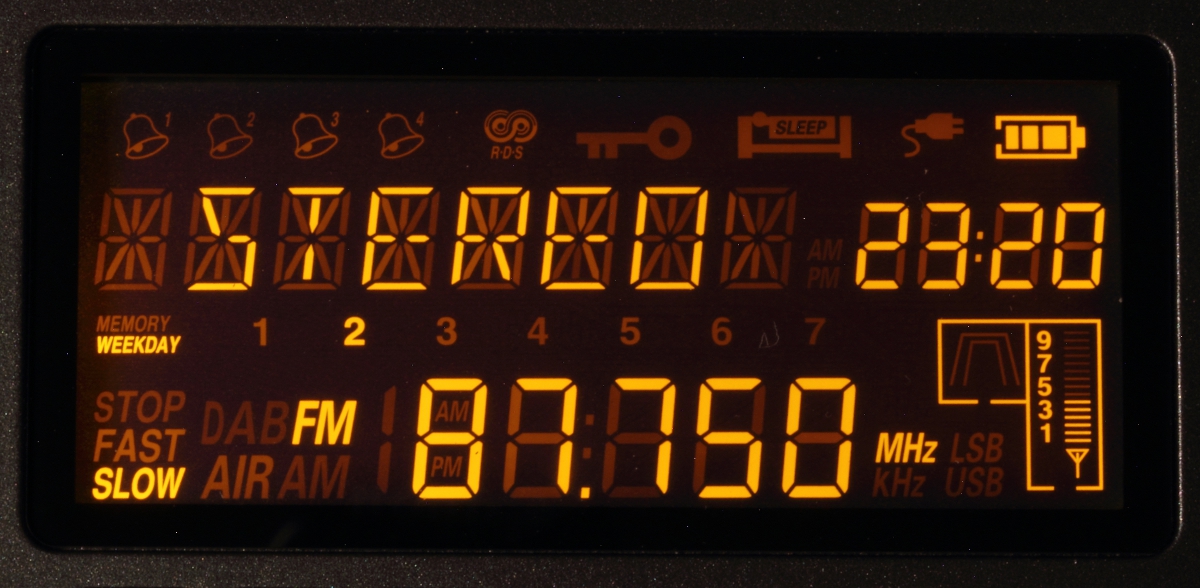
Even after all these years, I still find occasional surprises while playing with radios.  How did I miss this one?  I recently did what I thought was a definitive audit of the available FM stations in my area.  Then, just the other day I happened to tune down below 88.1 (FM Channel 201).  At 87.7 MHz I came across some delightful Latin music in clear stereo and proceeded to park the tuning knob there for a listen.  At first, I thought I might simply have some intermodulation from a strong local station, but the stereo signal was much too clear.  So, I resorted to the internet to determine what was going on.  Turns out, according to their website, I was listening to DC 88.7FM in Fairfax, Virginia – no call letters, just “DC 88.7FM.”

Further investigation indicated that the station is officially WDCN-LD a low-power operator, but you won’t find it listed on the FCC FM Query site.  That’s because it is something of a legacy station, a carryover from analog TV days when the audio for Channel 6 was broadcast with the carrier centered on 87.75 MHz, within the range of most FM receivers.  Having discovered this, I retuned the radio slightly to 87.75 MHz and found the signal strength peaked.  Wikipedia describes the history of WDCN-LD at https://en.wikipedia.org/wiki/WDCN-LD.
Of further interest is the history of so-called “Channel 6 FM radio stations.”  The evolution of present-day stations is long and involved.  Over several years, the FCC formed committees, requested comments, held hearings, wrote reports, published proposals, rendered rulings, and ultimately granted waivers.  For the full story, see https://en.wikipedia.org/wiki/Channel_6_radio_stations_in_the_United_States.  What resulted are legacy stations dating back to analog TV days which continue to operate sans video as de facto FM stations.  For all practical purposes, we have a modest extension of the FM band.  There are, in fact, 14 such stations currently spread across the lower 48 states.  It is unlikely that the circumstances which created these stations will ever result in more stations being added.  As of July 20, 2023, an FCC report and order restricted these stations to those already licensed and current licenses untransferable.

Do you live near a Channel 6 FM radio station?

Just to complete the picture, there is also officially an FM Channel 200 at 87.9 MHz, which was established in 1978, but to my knowledge is not used.  Does anyone have any information on FM Channel 200?

As an historical aside, the present-day FM band, 88 to 108 MHz, is located directly between analog TV Channels 6 and 7.  In 1958, to foster FM use, Regency Electronics, Inc. marketed a converter, Model RC-103, in a handsome Bakelite case, which could be attached between the antenna (generally “rabbit ears”) and the TV set.  The converter contained a single transistor and was powered by three AA batteries.  By tuning the TV to Channel 6, turning on the TeleVerter to FM, and rotating its dial, one effectively detuned the Channel 6 audio frequency upward, and could listen to the entire FM band.  As this converter was manufactured prior to the advent of stereo broadcasting, the sound was in mono, and fidelity was limited to the audio quality of the TV.  My dad bought one of these.  It was connected to our Arvin 12”, B/W tabletop TV, and it served as our first FM radio for a few years.  There were only a few stations at that time, mostly classical as I recall.  Thus “FM” came to stand for “fine music.”
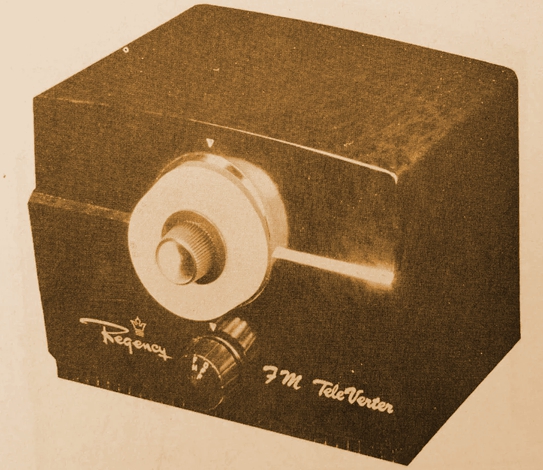
Source: Sams Photofact Folder, Set 397, Folder 11, Regency Model RC-103, May, 1958.