Category Archives: Shortwave Radio

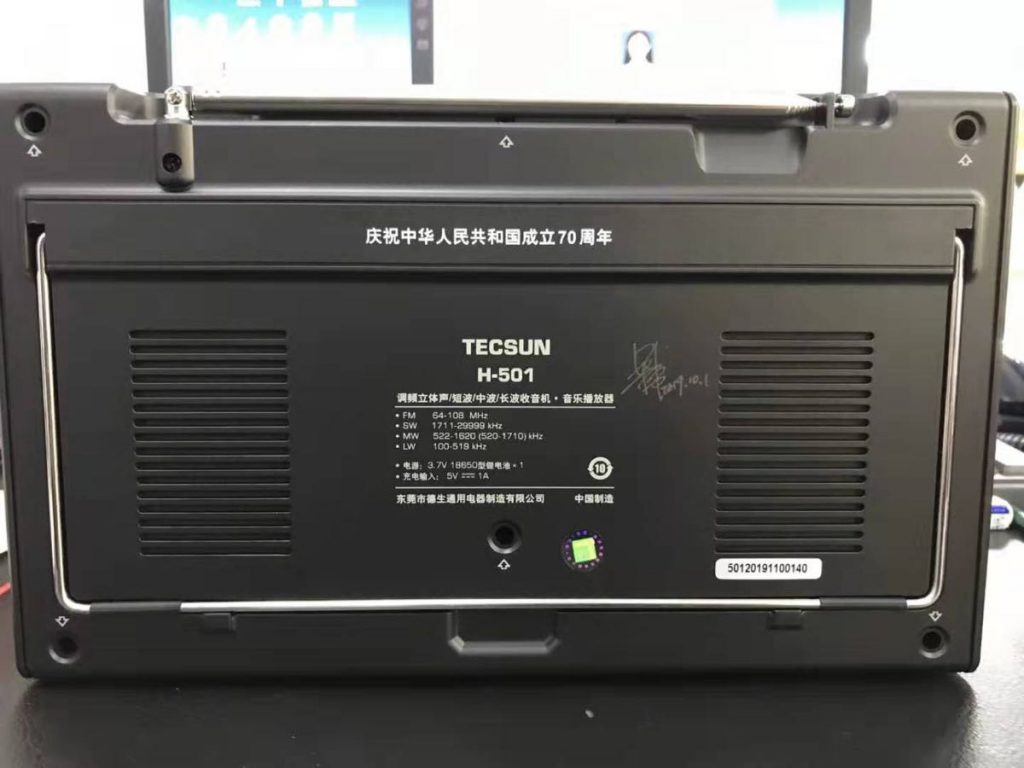
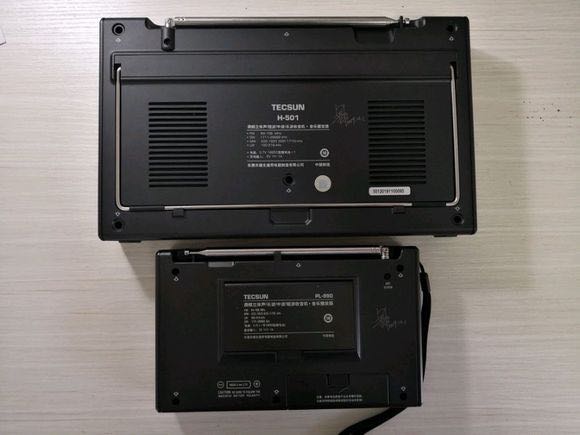
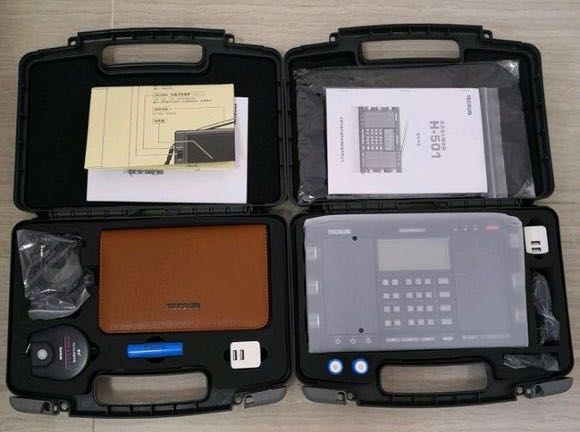
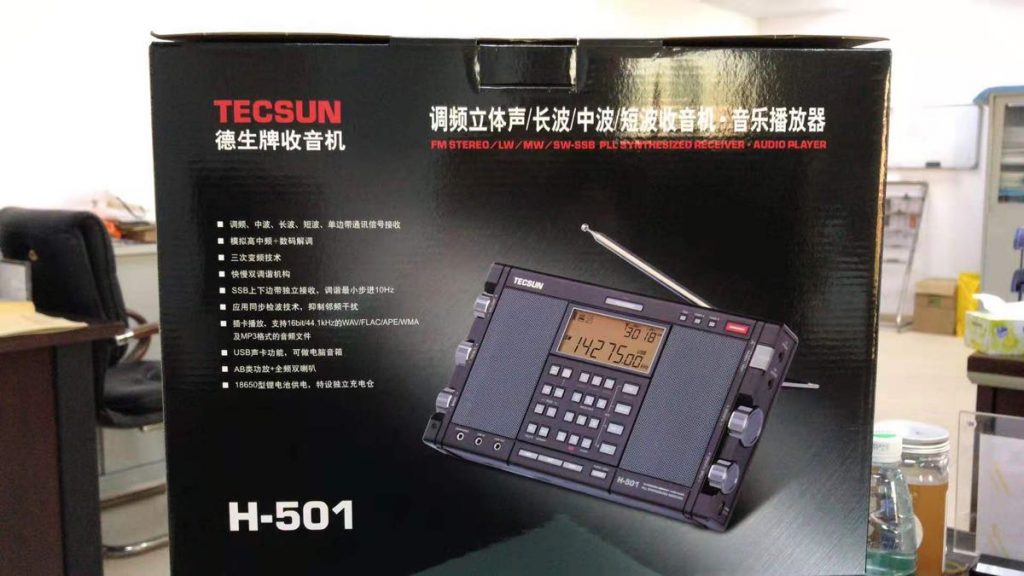
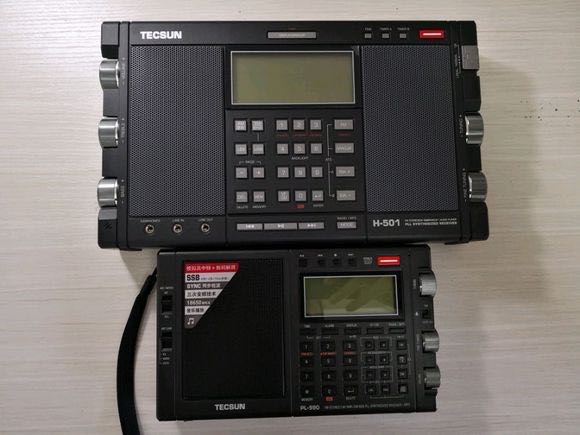
Tecsun PL-990 and H-501 may be the last high-end shortwave portables from Tecsun

Many thanks to SWLing Post contributor from China, Mei Tao, who writes:

I would like to share the latest news about Tecsun’s New Products: the PL-990 and H-501.

These day I found that several Chinese BCLers who received the PL990 or H501 one after another–they posted many a detailed pictures of these two radios. Lots of my friends asked me when they could buy these two radios on the market.
Then I asked the Tecsun’s boss, Mr Liang.

He replied that they had begun to supply the PL-990 and H-501, but there were only a quantity of 300 in the first batch. These radios were first supplied to the subscribers who pre-ordered PL-990 or H-501 in October. Therefore other customers would have to wait for the second or the third batch. As for the foreign BCLers, I believe the wait time will be longer.

In addition, there is a bit of bad news: Mr Liang told me that PL-990 and H-501 were the last products he led the team to design, and they were his last masterpieces. In other words, the PL-990 and H-501 may be Tecsun’s last high-end portable and desktop radios. What a pity!
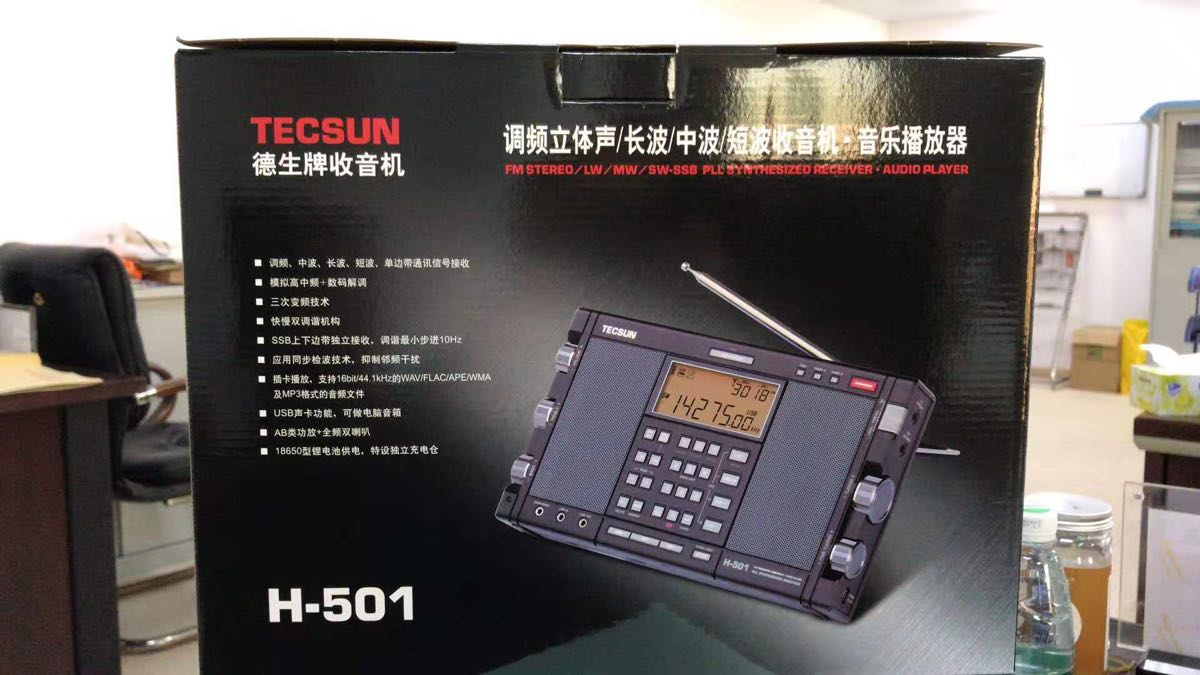
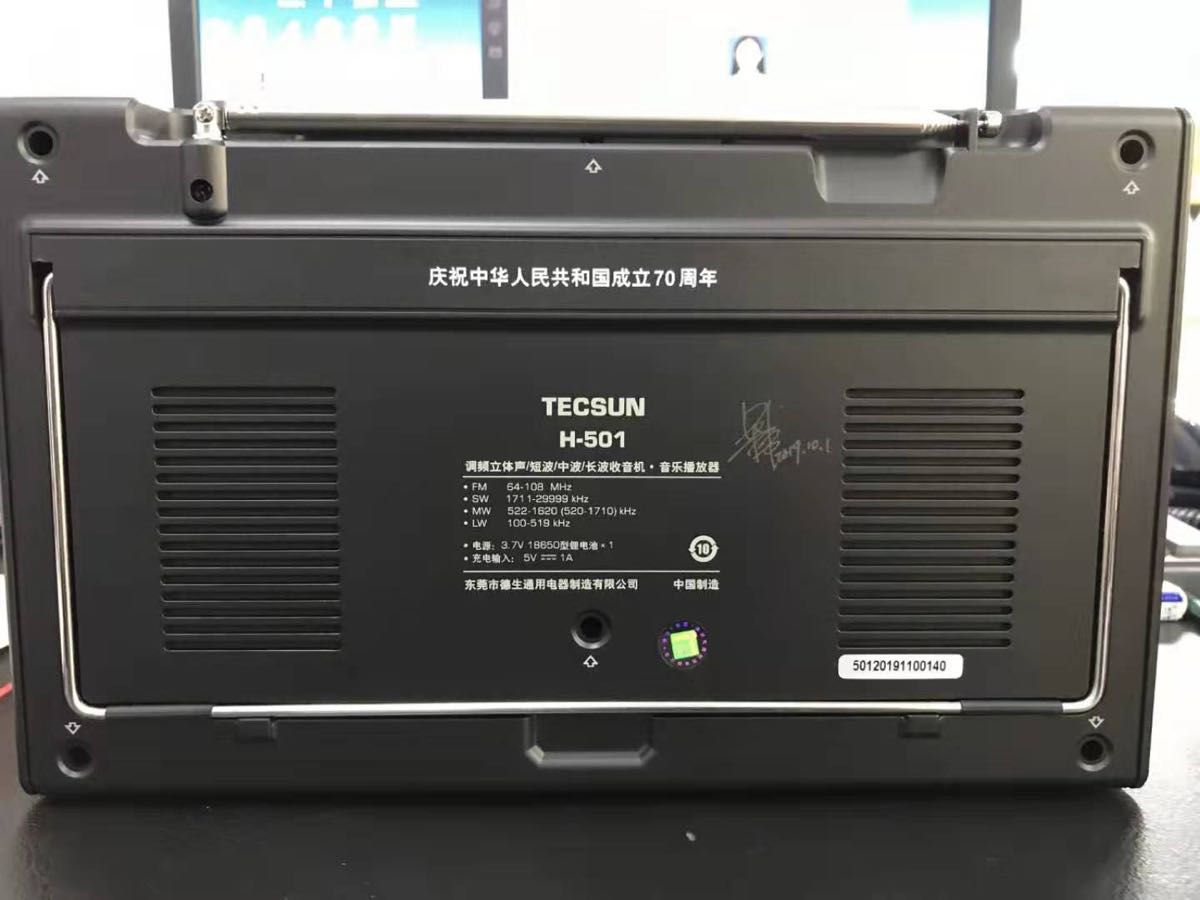
Thank you for sharing this, Mei Tao. Yes, that would be a pity indeed if the PL-990 and H-501 end up being the last high-end portables from Tecsun. I suppose it’s not surprising, though, as I’m sure some of the demand for shortwave radios is on the decline at the same time so many inexpensive DSP-based portables are saturating the market.

Two years ago I heard from a reliable source that Tecsun might be pulling the plug on their high-end portables, so I was quite surprised when I saw the PL-990 and H-501 announcements earlier this year. I suppose these models could be a “last hurrah” and certainly a way to mark the PRC’s 70th anniversary (as we’ve seen on some of the radios’ promotional material).

Regardless, I’m looking forward to reviewing both of these radios. Frankly, I’m quite happy a few hundred production models are in the hands of enthusiasts in China. Hopefully early adopters have given critical feedback to Tecsun so that when the first major production run is exported, the units will have been well-vetted and solid performers.


Do you enjoy the SWLing Post?

Please consider supporting us via Patreon or our Coffee Fund!

Your support makes articles like this one possible. Thank you!

Ivan tests the SDRplay RSPdx’s HDR mode

Many thanks to SWLing Post contributor, Ivan (NO2CW), who writes:

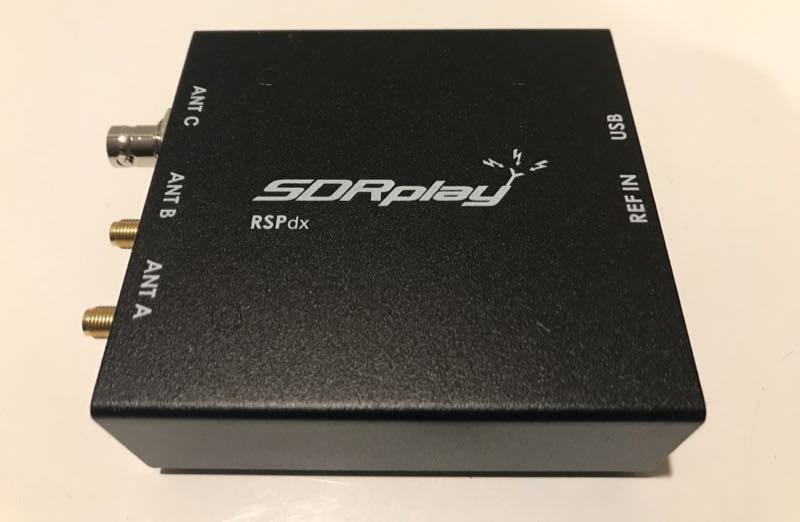
The new RSPdx has what they call “High Dynamic Range: (HDR) mode below 2 mHz. I tested a day after receiving the new unit by turning HDR mode on and off. It seemed to make quite a difference when receiving Non Directional Beacons.

As far as Medium Wave itself, I did see some difference but it was harder to make conclusions there as propagation of weak signals on medium wave can change up and down in the course of a minute and some additional testing on Medium Wave will be done in the future. Overall for anyone interested in the world below 2 mHz HDR mode is definitely something to explore!

My video is here:

Thank you for sharing, Ivan!

Modifying a Degen DE1103 DSP for longwave/VLF?

Many thanks to SWLing Post contributor, Jiri Kaplan, who writes:

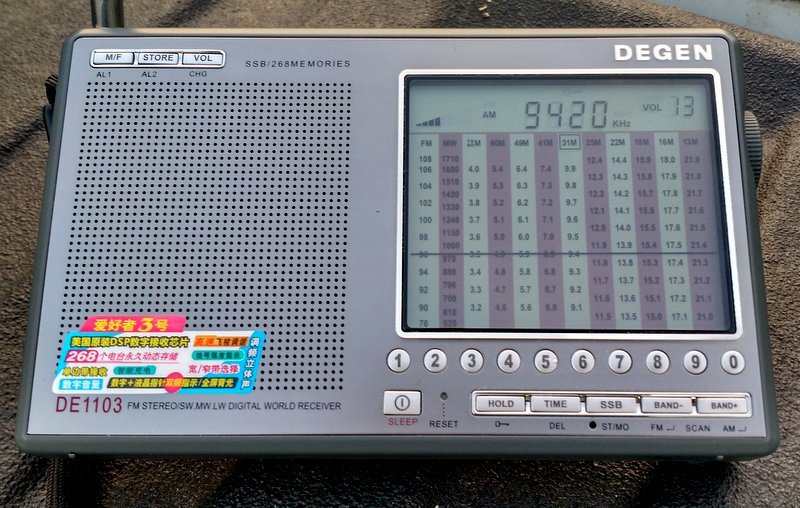
Is it possible to modify the new (DSP) DEGEN DE1103 for VLF reception?

Like before, the old Degen version (without DSP), see these videos:

I wonder if instead of the DE1103 I should buy the PL-660 or PL-680?
I think DSP is worse and the old version can no longer unfortunately be purchased.
My main concern is good selectivity and sensitivity, I live in the city, there are many strong signals.

Thank you for your question, Jiri.

I’m certain you can’t use the same modification of the original DE1103 on the DSP version to achieve VLF reception. In fact, unless the DSP chip itself can be hacked, I imagine modding the DSP DE1103 for VLF would be quite difficult.

I hope more knowledgeable SWLing Post readers can comment with a definitive answer.

Regarding the choice between the DE1103 DSP and the PL–660 or PL-680? I wouldn’t hesitate to grab either Tecsun receiver over the DE1103 DSP. Check out my short review of the DE1103 DSP for more info about this particular model’s shortcomings.

You’re right about finding the original DE1103. I did create this eBay link that should help filter out the DSP models from the search results. At time of posting, there were no listings.

Voice of Nigeria would like your reception reports

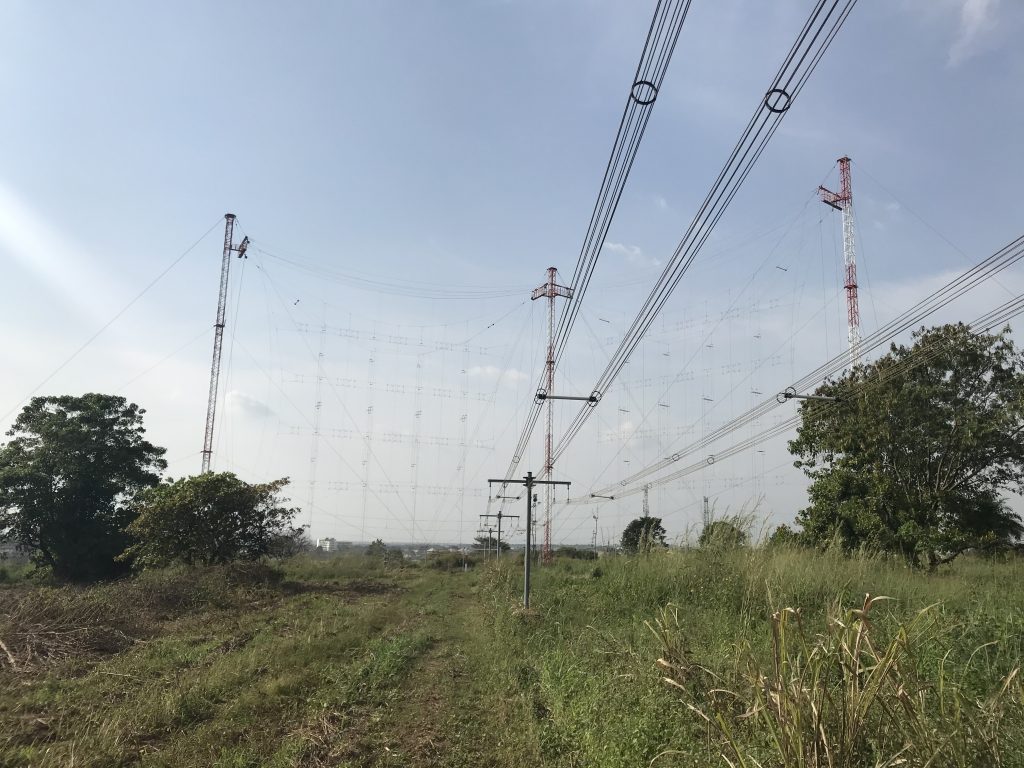
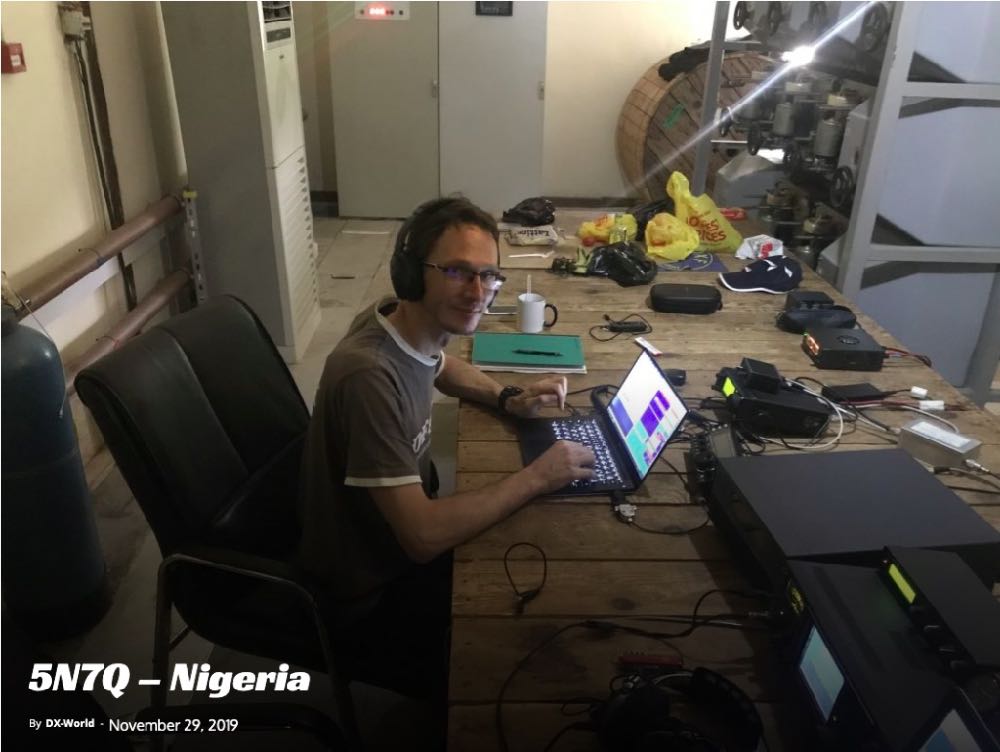
Photo source: 5N7Q

Many thanks to SWLing Post contributor, Harald Kuhl (DL1AX), who shares the following note posted on the 5N7Q DXpedition page:

UPDATE from Bodo, DF8DX.

5N7Q is QRT for now. Rene DL2JRM and Bodo DF8DX enjoyed this activity very much. We logged more than 20,000 QSOs in 9 days of operation. We were active from 10m to 160m in CW, SSB, RTTY and FT8.

While many friends appreciated getting some new band points, operating in FT8 and on the 60m band were first time ever activity.

Our QTH was in the broadcasting station of Voice Of Nigeria in Abuja. We were very grateful for this opportunity to use the broadcasting antennas that have 20dB gain into Europe, NA and SA. Asia was workable with our vertical dipoles or via long path. Unfortunately the giant rotatable antenna cannot be rotated at the moment but we hope that it is doable at the next activity. For low-bands we had some dipoles hanging from the 80m tall link tower. Our signal was good but we clearly had some RX trouble as the noise was very high. Complete log is uploaded to Clublog and Lotw as well. Please use OQRS to receive your paper QSL card via bureau or direct. There are still a lot of mails asking about QSOs that cant be found in the log. Please QRX, I will check all of them carefully but it takes some time. Our QSLs may be requested for free via bureau and Lotw is already uploaded, no waiting, no donation required for this service.

This activity would not have been possible without the effort and help by the staff from Voice Of Nigeria. All credit go to them. Please help us to help them. You may support future activities from here by keeping this wonderful transmitting station on air. Their current broadcasting schedule is: 0600-1100UTC on 7255kHz in AM (beaming to West Africa and SA) 1500-2100UTC on 11770kHz in AM (beaming to West Africa and NA) 1500-2100UTC on 15120kHz in DRM (beaming to EU). Please tune in and listen to Voice Of Nigeria.

Please send your listener reports to:

Head Of Engineering Engr. Jerimoth Canice Voice Of Nigeria Headquarter Oda Cres, Wuse 2 Abuja Nigeria [email protected]. Your listener reports are highly appreciated and help to keep transmitting from here.

Many thanks for sharing this, Harald! Readers, if you’ve logged VoN recently, please send them a reception report!

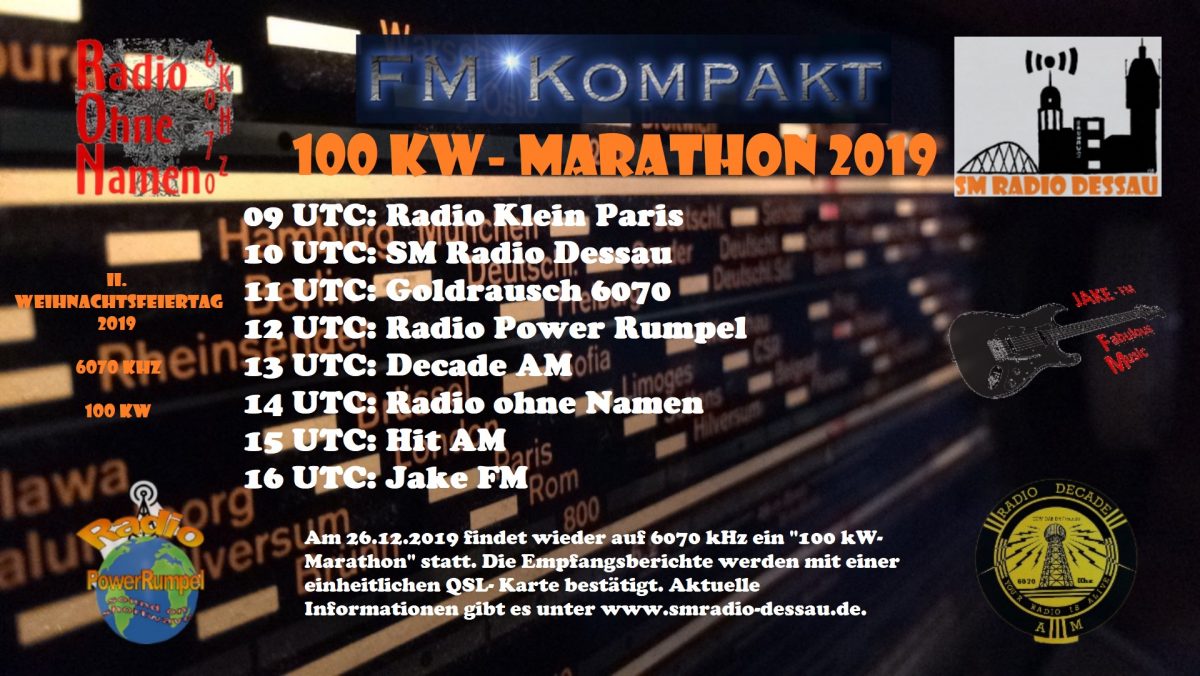
Mark your calendars! Christmas on-air event to honor Radio Luxembourg

Many thanks to SWLing Post contributor, Alexander (DL4NO), who writes:

For a very long time Radio Luxembourg was *the* pop music radio in Europe, especially in Germany and GB. At a time when Germany only had its public radio system, the Radio Luxembourg was the one and only. But this is history.

At Christmas, several German shortwave broadcasters, organized by Radio DARC, will transmit on 6070 kHz in memoriam of Radio Luxembourg from Vienna. See the attached flyer [above]. BTW, radio amateurs play important roles: Head of Radio DARC is Rainer, DF2NU. Moderator of “Hit AM” is Christian, DO8CN. And for “Goldrausch 6070” Eckard, DD9NF, sits in front of the microphone.

I could imagine that quite some ham spirit was used in this project.

Excellent! Thank you for the heads-up, Alexander! I’ll post a reminder closer to Christmas.

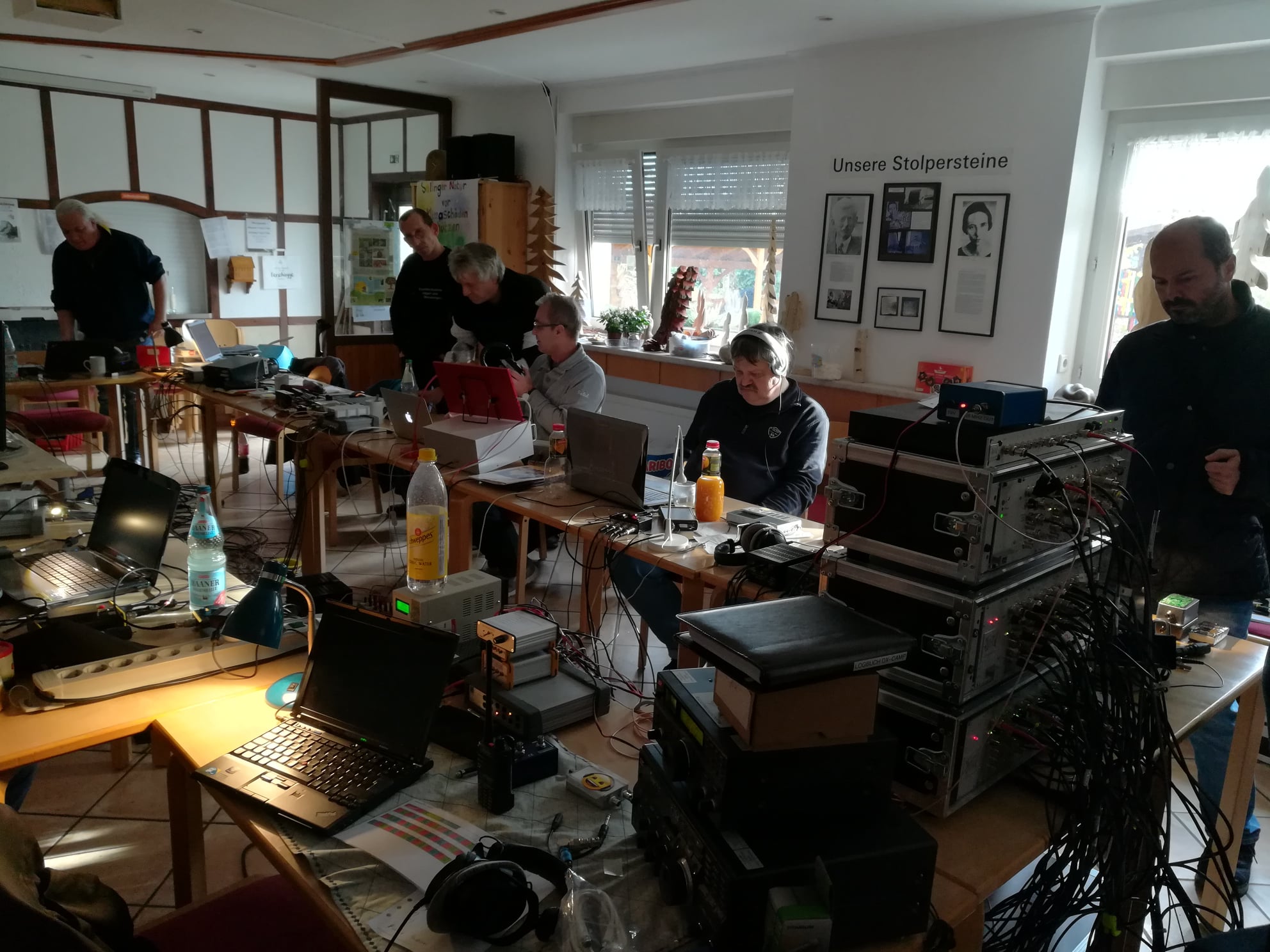
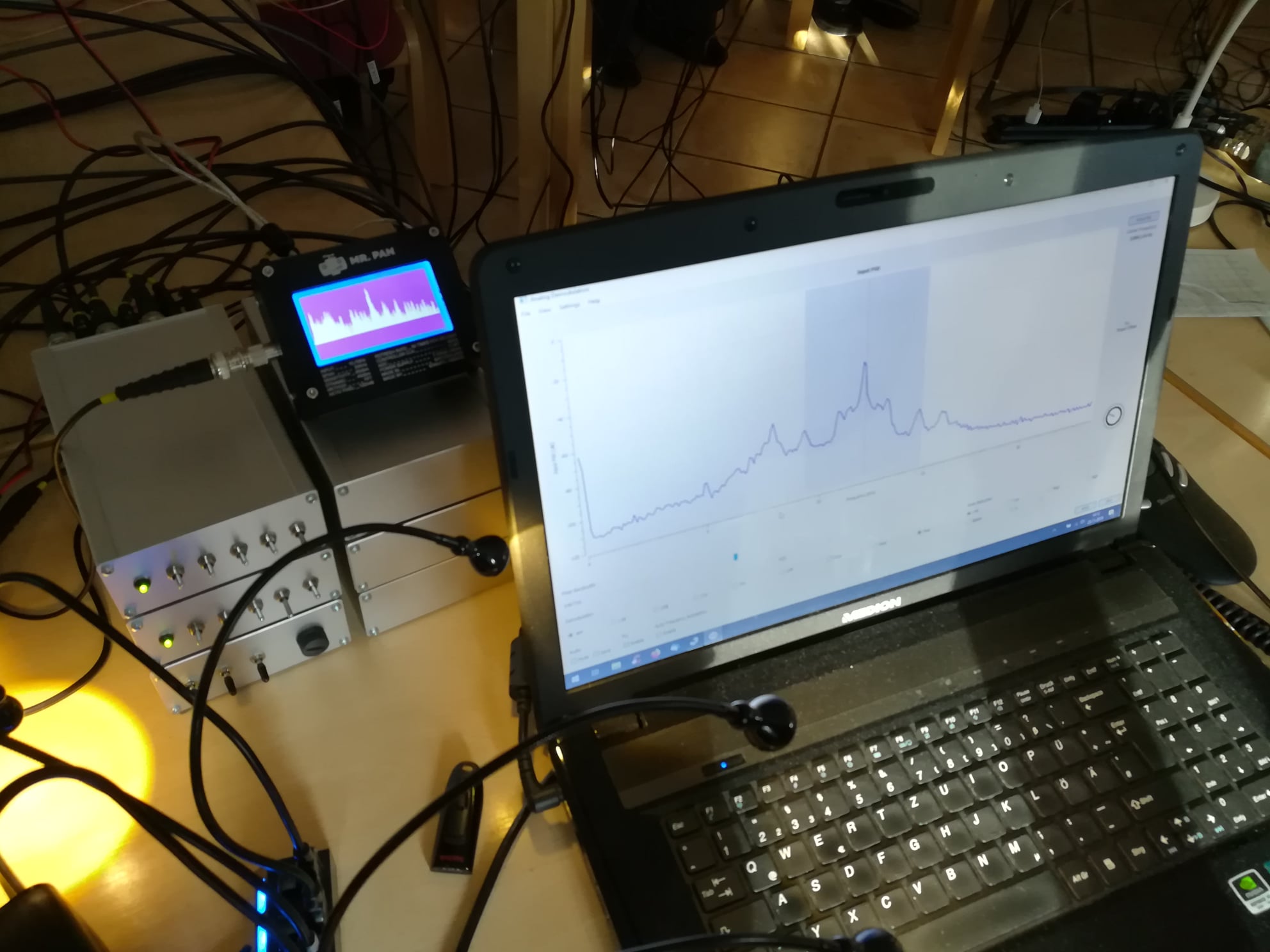
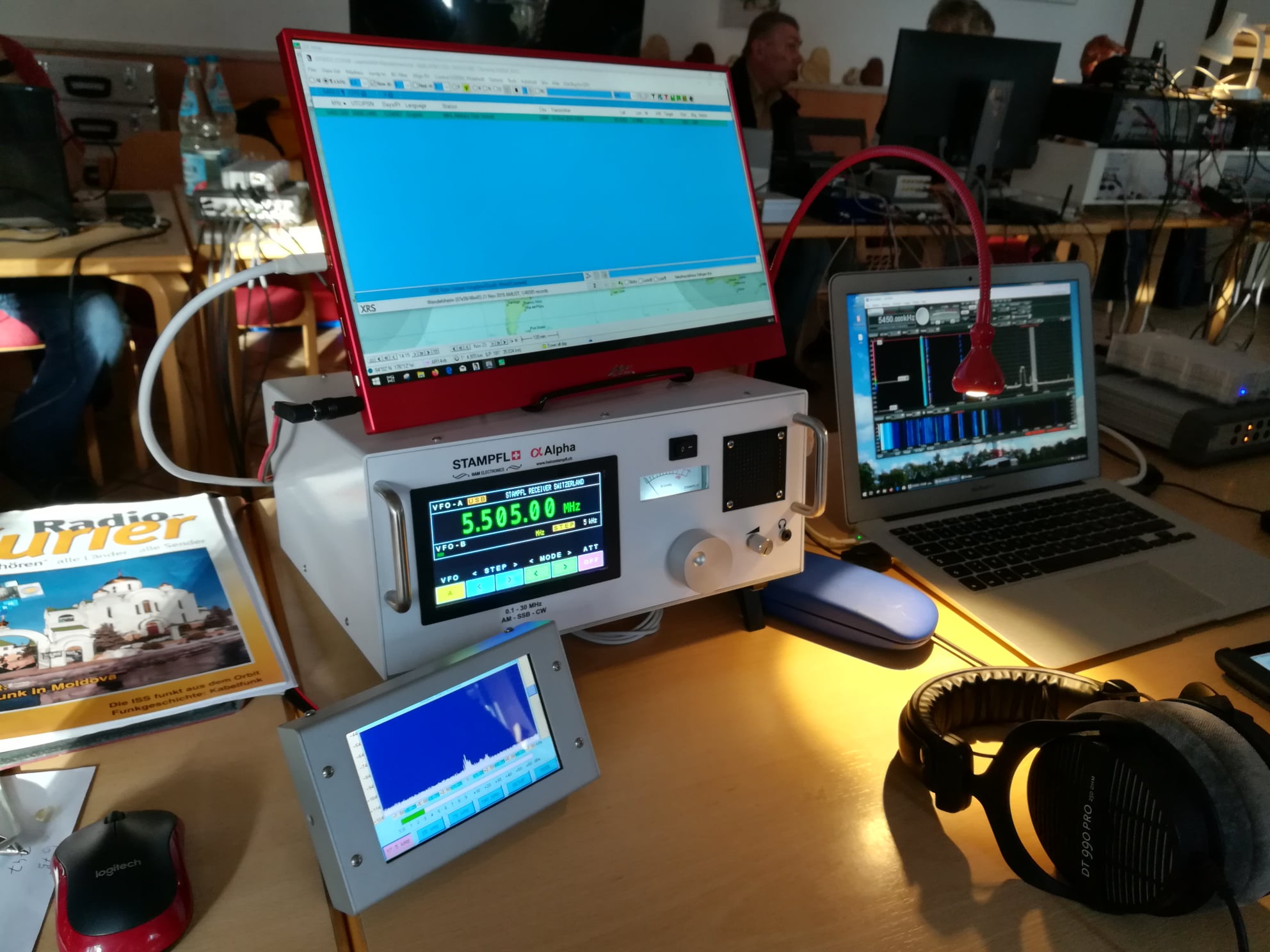
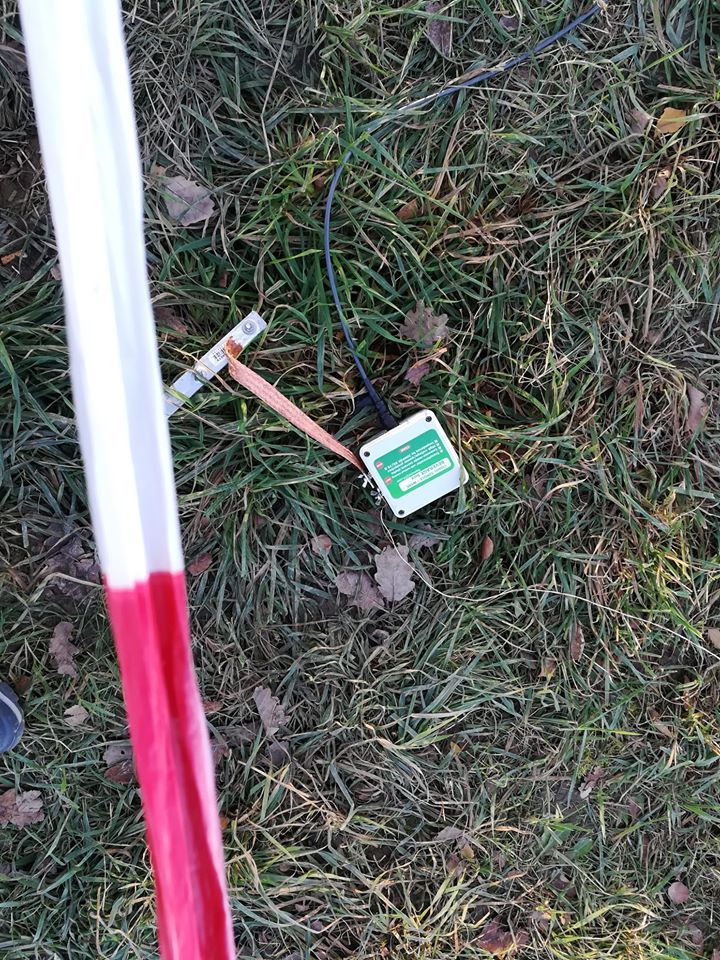
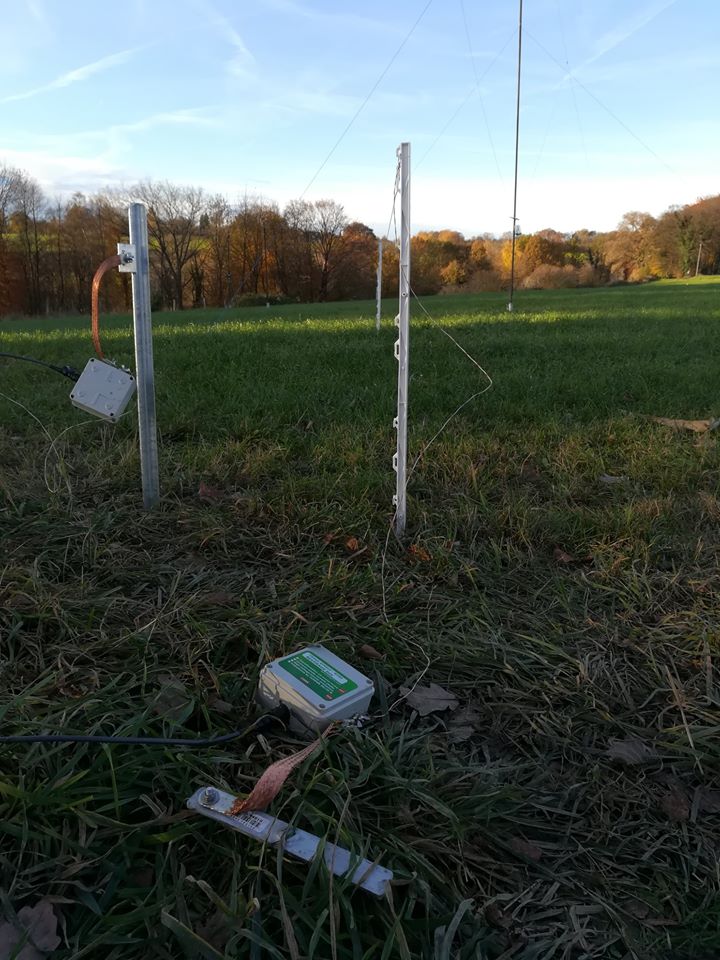
Photos from the Radiofreunde NRW DXpedition

All Photos by Radiofreunde NRW member Tom Kamp

After recently checking out a number of photos on the Radiofreunde NRW Facebook page, I asked if a member of this group could give me a little more detail about their DXpeditions. Many thanks to Joachim Geisau who writes:

Radiofreunde NRW is an independent association of SWL, radio amateurs and technology enthusiasts. We meet 2-3 times a year for a few days in a rural area far away from urban noise to listen to radio broadcasts from the most distant countries.

Normally we set up several large antennas, mostly 8-10 different ones, both active and passive.

The antenna setup consisted of:
– two magnetic loops with 1m diameter
– two wire loops with 20 m size
– one beverage antenna 80 mtrs length
– another beverage antenna 240 mtrs length
– a PA0RDT mini whip antenna
– a DL4ZAO UniWhip antenna

Their signals are distributed via a self-made distribution unit. A total of about 6-800 m of coax cable is used. This makes broadcasts audible from distances more than 10,000 km.

Wow!  Thank you, Joachim for the information and many thanks to Tom Kamp for the photos!

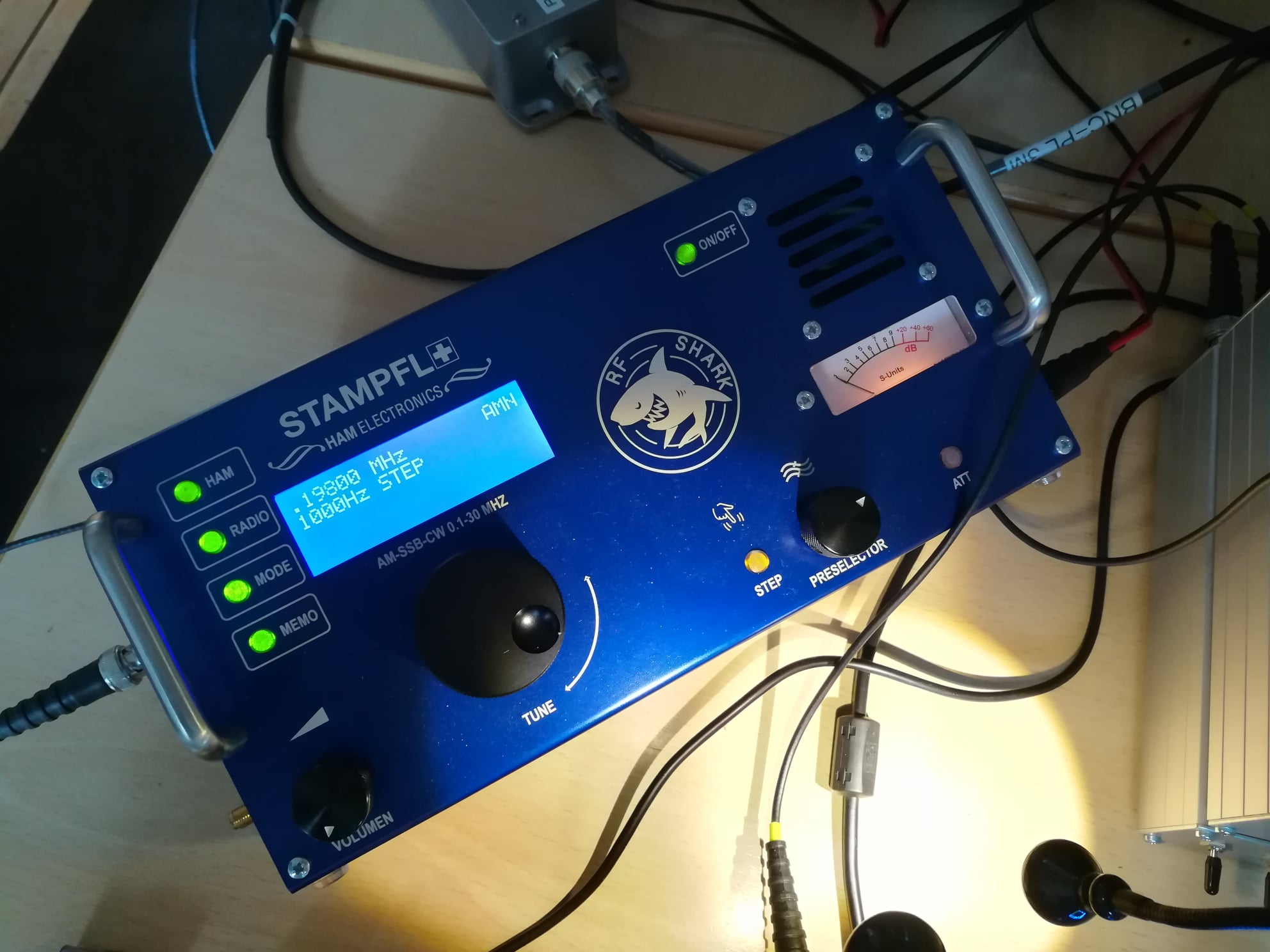
That antenna farm is most impressive and I love seeing all of the Stampfl radio equipment at the DXpedition.

Post readers: If you’re interested in Radiofreunde NRW’s events, you can contact them via their email address: [email protected] They’re a multi-lingual group and can accommodate German, English, French, and Dutch!


Do you enjoy the SWLing Post?

Please consider supporting us via Patreon or our Coffee Fund!

Your support makes articles like this one possible. Thank you!
Hungary conducts low-power DRM tests

Budapest, Hungary (Photo by @DNovac)

(Source: Radio World via Michael Bird)

BUDAPEST, Hungary — Digital Radio Mondiale transmissions began from Budapest, Hungary, last June. Although two Hungarian broadcasters previously tested DRM on medium wave, the transmissions are the country’s first DRM trials on shortwave.

The Department of Broadcast Info-Communications and Electronic Theory at the Budapest University of Technology is conducting these latest trials. Csaba Szombathy, head of the broadcasting laboratory, is also head of the project, which will last for at least 12 months.

While the 11-meter 26,060 kHz frequency is well known for use in local broadcasting, it’s rarely implemented for international broadcasting. […] Researchers have also performed tests in this frequency to measure coverage and determine optimal mode and bandwidth on various occasions in Mexico and Brazil. The new Hungarian trials will add to this research.

Szombathy initially operated the transmitter with just 10 W of power into a 5/8-inch vertical monopole. Radio Maria, a Catholic station, is providing a 25-hour program loop, while a Dream DRM software-based encoder broadcasts the signal using AAC encoding. In spite of the low power, the program was reportedly received in the Netherlands.

In early September, Szombathy moved the antenna and transmitter to a slightly different location to improve coverage. He increased the power to 100 W.[…]

Click here to read the full article at Radio World.