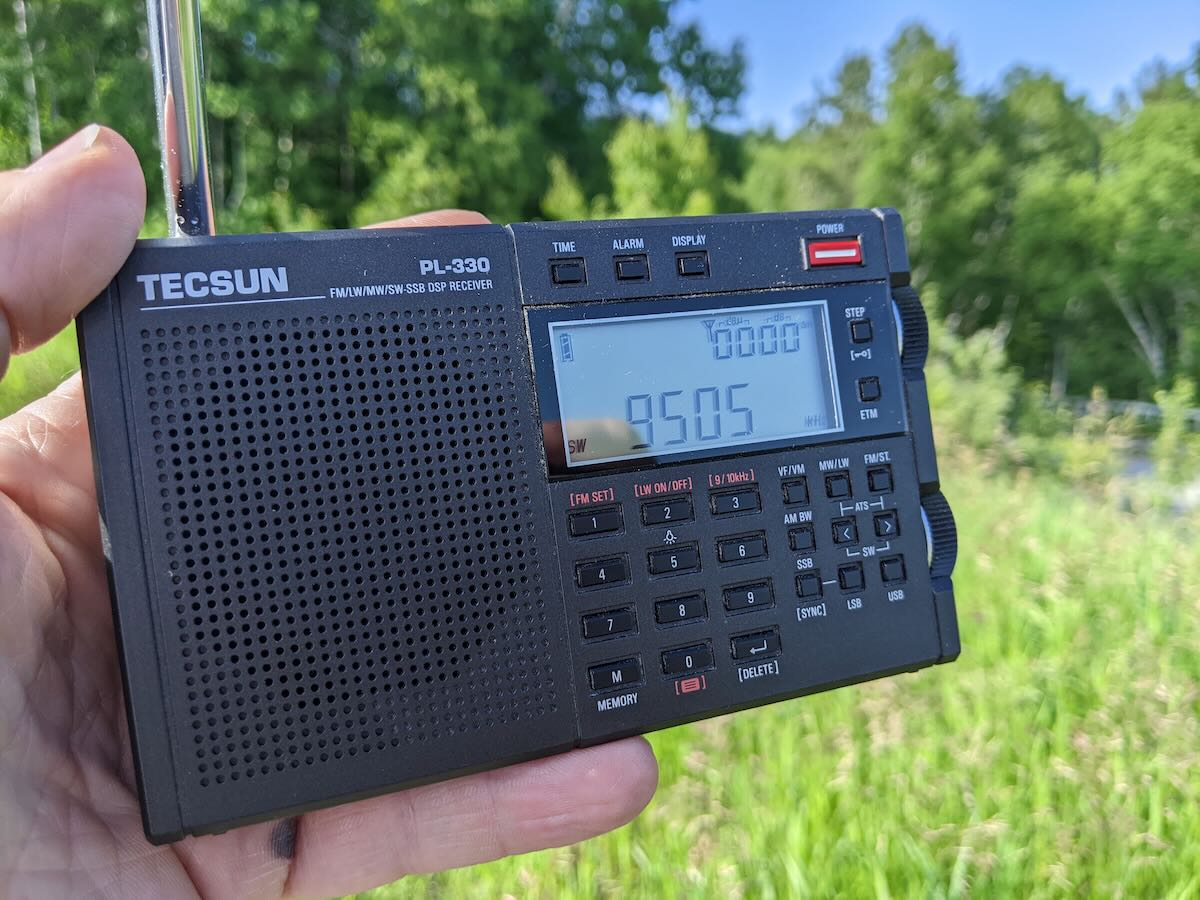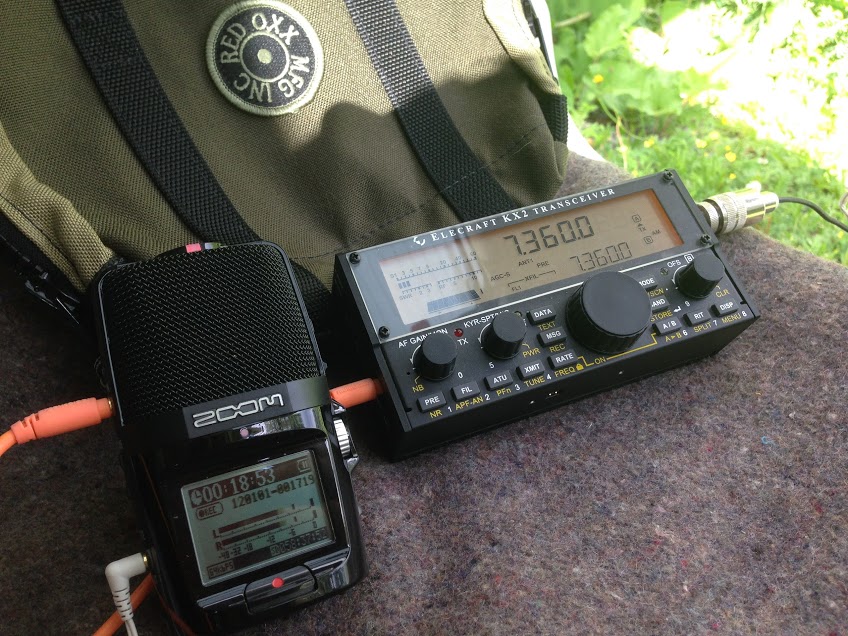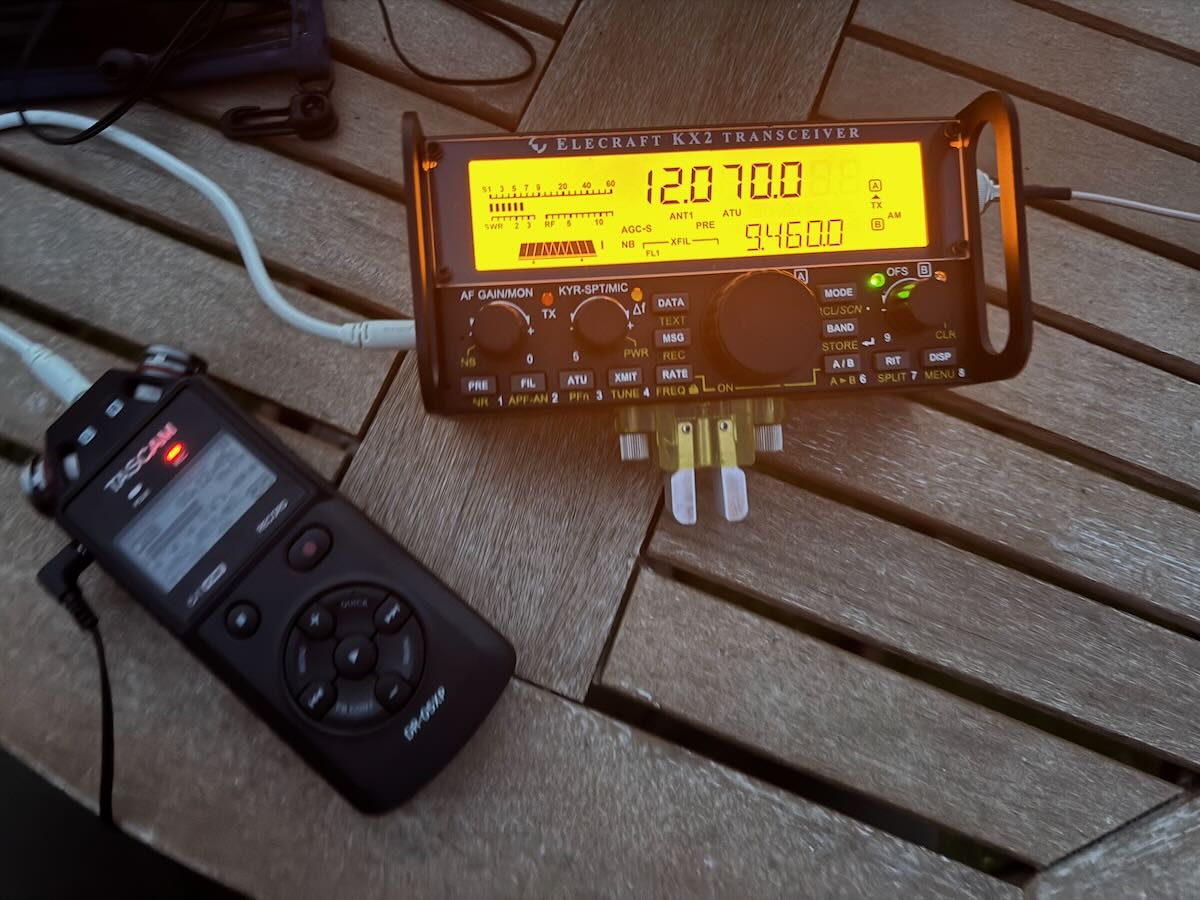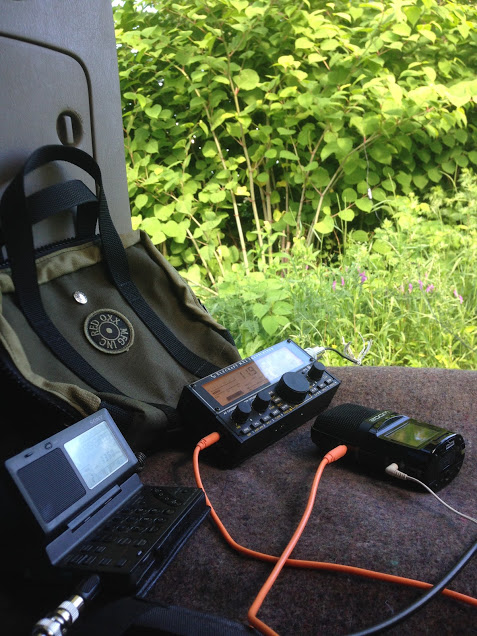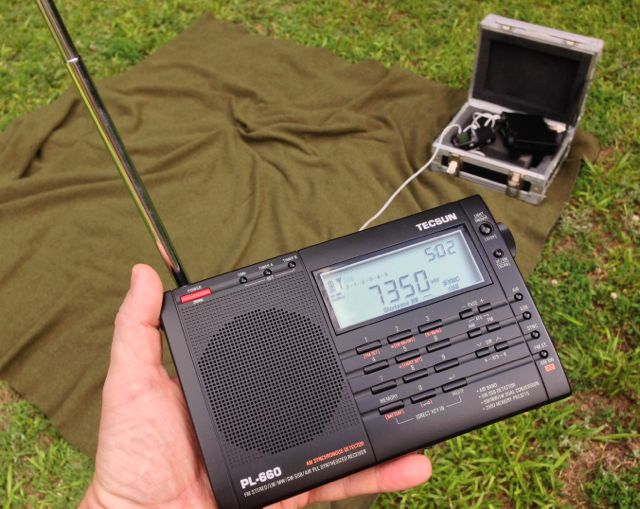
Many thanks to SWLing Post contributor Richard Cuff, who shares this review of the Choyong LC90 by James Careless at Radio World: https://www.radioworld.com/tech-and-gear/products/the-choyong-lc90-delivers-a-mixed-bag
Monthly Archives: June 2026
Antarctic Midwinter Broadcast 2026: Tune in Sunday, June 21, 2026
Each year, we look forward to one of the most unique traditions in the world of shortwave radio: the BBC’s Antarctic Midwinter Broadcast—a special program beamed to a handful of overwintering scientists and support staff at British Antarctic research stations.
SWLing Post readers around the globe regularly tune in and make off-air recordings of this remarkable broadcast, sharing reception reports and recordings from every corner of the planet. It’s one of our favorite annual traditions!
Time and Frequencies
Many thanks to SWLing Post contributor Richard Langley, who shares the following information via the bdxc-news and Alan Pennington:
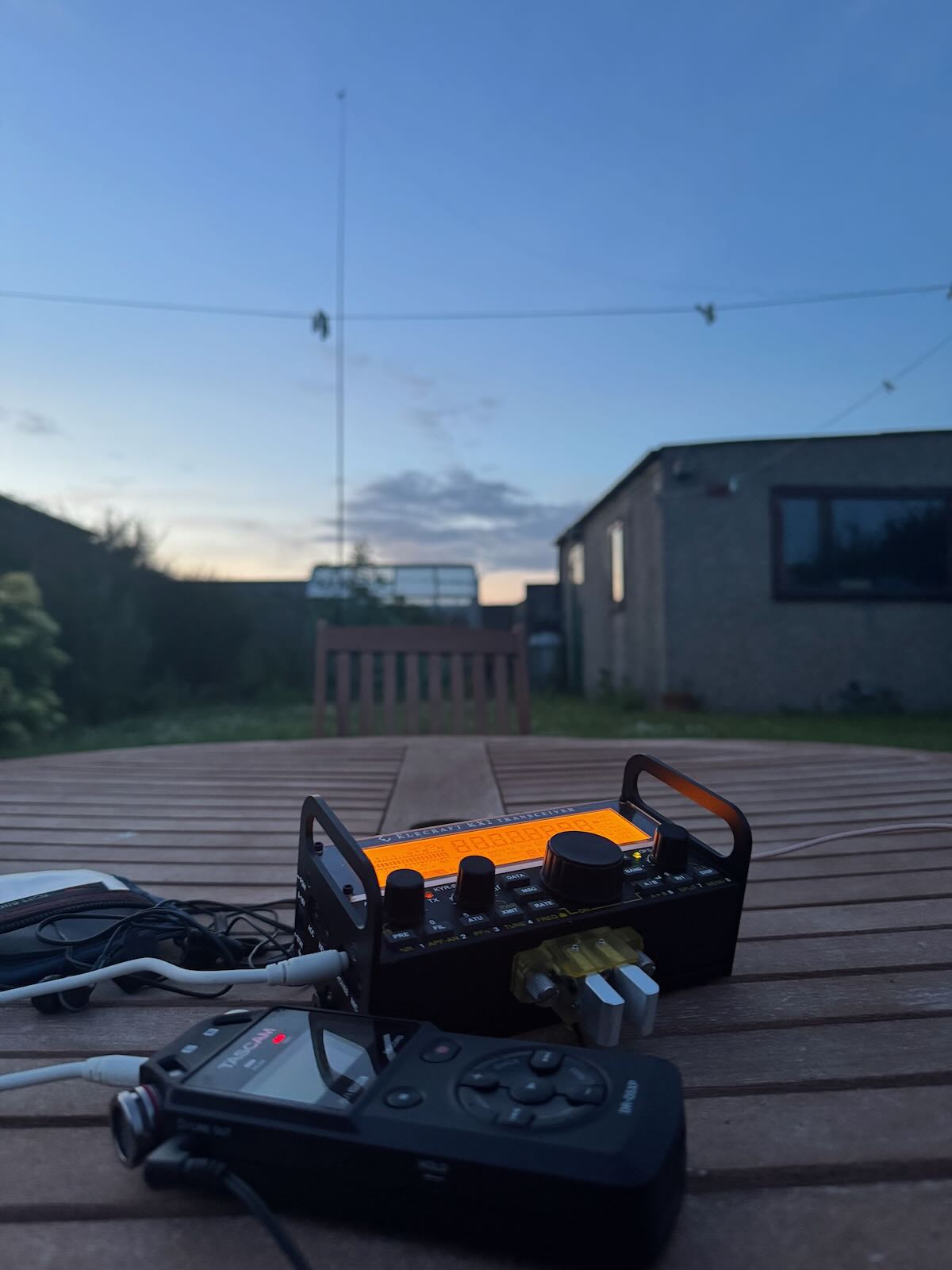
Thanks to Dave Porter, who has confirmed these three shortwave frequencies for the annual BBC Antarctic midwinter broadcast (2130-2200 UTC Sunday 21st June):
-
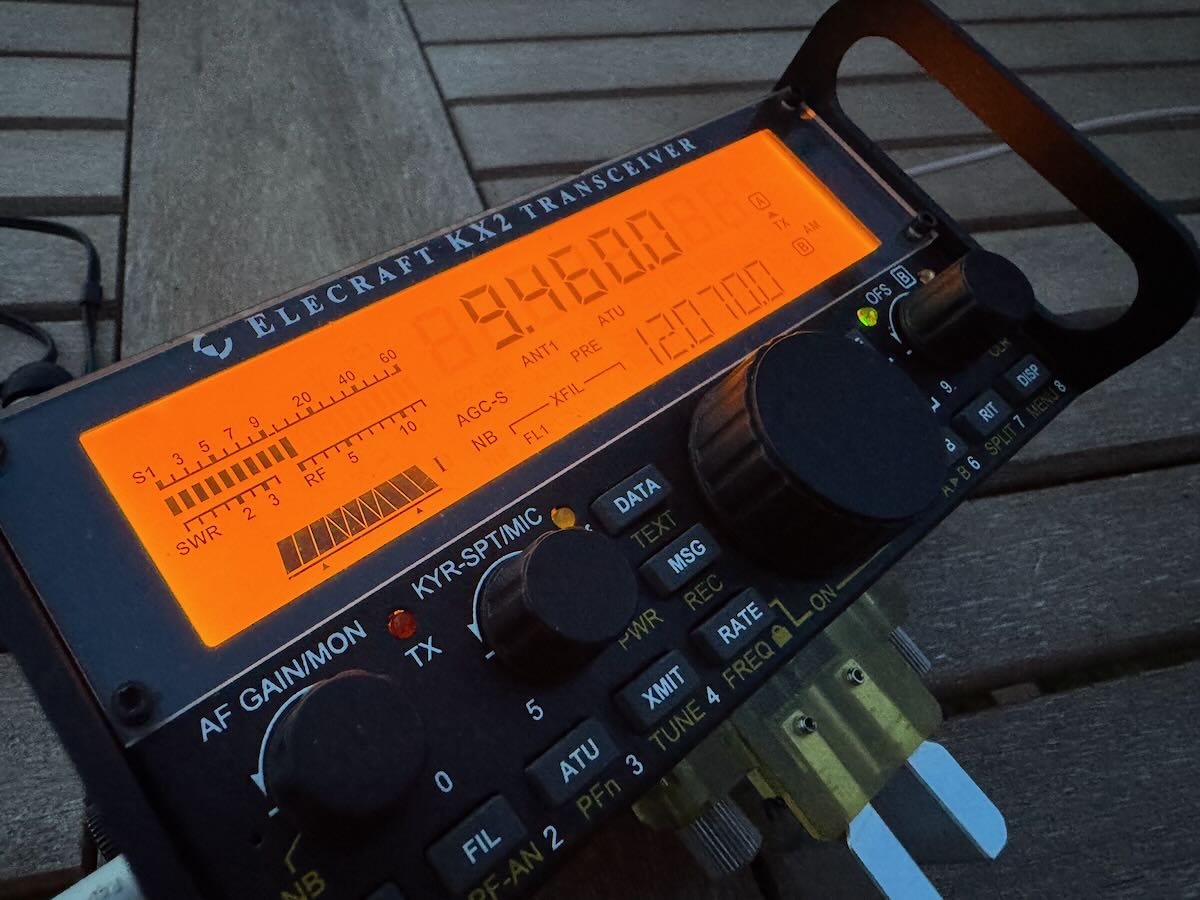
- 9460 kHz from Woofferton.
- 9510 kHz from Ascension
- 12070 kHz from Woofferton
Also on DAB in UK at 2130 UTC (2230 BST).
https://www.bbc.co.uk/programmes/w3ct9bnv
As always, we’ll post an article here on Sunday as the broadcast begins, where you can share your own reception reports, audio clips, and impressions in the comments section—just as we’ve done in years past.
Happy DXing, and let’s celebrate midwinter together—wherever you are in the world!
Carlos’ Illustrated Radio Listening Report and Recording of Radio 10 AM (June 17, 2026)
Many thanks to SWLing Post contributor and noted political cartoonist, Carlos Latuff, who shares the following illustrated radio listening report of a recent Radio 10 AM broadcast.
Carlos notes:
Radio 10 AM 710 kHz, Buenos Aires, Argentina
Carlos’ Mini Review of the Sony SRF-S84 AM/FM Portable Radio
Many thanks to SWLing Post contributor, Carlos Latuff, who writes
I recently purchased a Sony SRF-S84 radio, which, despite its diminutive size, has excellent sensitivity. From what I’ve researched, this model began production by the Japanese company in 2001 and was discontinued around 2010. Below are the radio’s specifications, taken from its instruction manual.
The radio is an analog AM/FM model with a small tuning dial that requires a deft touch. It operates on a single AAA battery (excellent battery life), has no built-in speaker, and features a stereo headphone output (P2). Despite its tiny internal ferrite antenna (approximately 3 cm long) and the typical oscillations of medium waves, I was able to receive stations from neighboring countries very well here in Porto Alegre, Brazil.
Here is some audio from this little marvel. I focused only on the medium waves. All listening sessions were conducted outdoors, at night, and without the aid of a MW loop antenna.
Audio 1
Radio 10, AM 710 kHz, Argentina, June 17, 22h30 (local time)
Audio 2
Radio Universo, AM 970 kHz, Paraguay, June 17, 22h33 (local time)
Audio 3
Radio Atlantica, AM 760 kHz, Argentina, June 17, 22h45 (local time)
Audio 4
Radio Super Rede Boa Vontade, AM 1300 kHz, Brazil, June 17, 23h43 (local time)
BBC Begins Phased Closure of Radio 5 Live AM Transmitters
Many thanks to SWLing Post contributor Majid Hussain, who notes that the BBC is beginning the phased closure of some of its BBC Radio 5 Live AM transmitters.
According to RadioToday, the first two AM transmitters are scheduled to close at the end of July 2026, marking the start of a wider reduction in the network’s mediumwave coverage. The move reflects the BBC’s continued transition toward FM, DAB, television, and online platforms, while maintaining nationwide access to Radio 5 Live through other distribution methods.
You can read the full story here:
There’s something in the (w)air
Hi to all the SWLing Post community. Here’s news of what Imaginary Stations will be bringing to the airwaves this weekend.
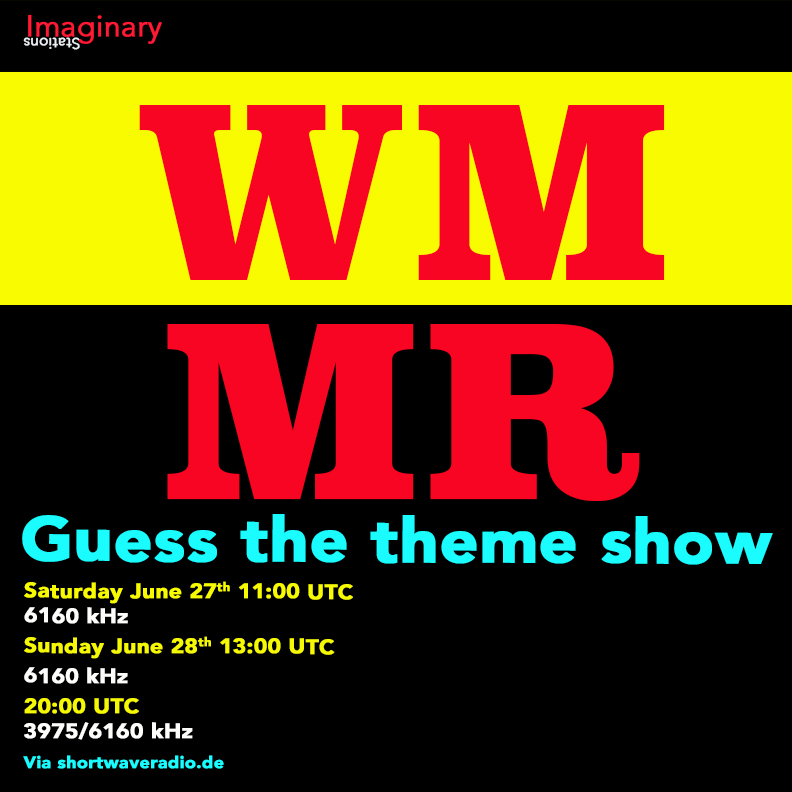
On Saturday 20th June at 1100 hrs UTC on 6160 kHz and again on Sunday 21st June at 1300 hrs UTC on 6160 kHz and 2000 hrs UTC on 3975 kHz/6160 kHz via Shortwave Gold we bring you the sound of WAIR – Always Independent Radio.
This episode is air based, so we’re talking songs about winged travel, windmills (of your mind) and possibly leaves falling off trees. We won’t be playing songs that feature words that have the “air” sound in them like chair, stair and hair but then again we may. Tune in and enjoy the sound of some breezy based shortwave radio this weekend!
And on Wednesday 24th June at 1800 UTC on 3975 kHz/6160 kHz we bring you Skybird Jams. It’s “Music to increase your attention span” with DJ Frederick, in other words extended tunes in all genres (and yes, ‘jam bands’).
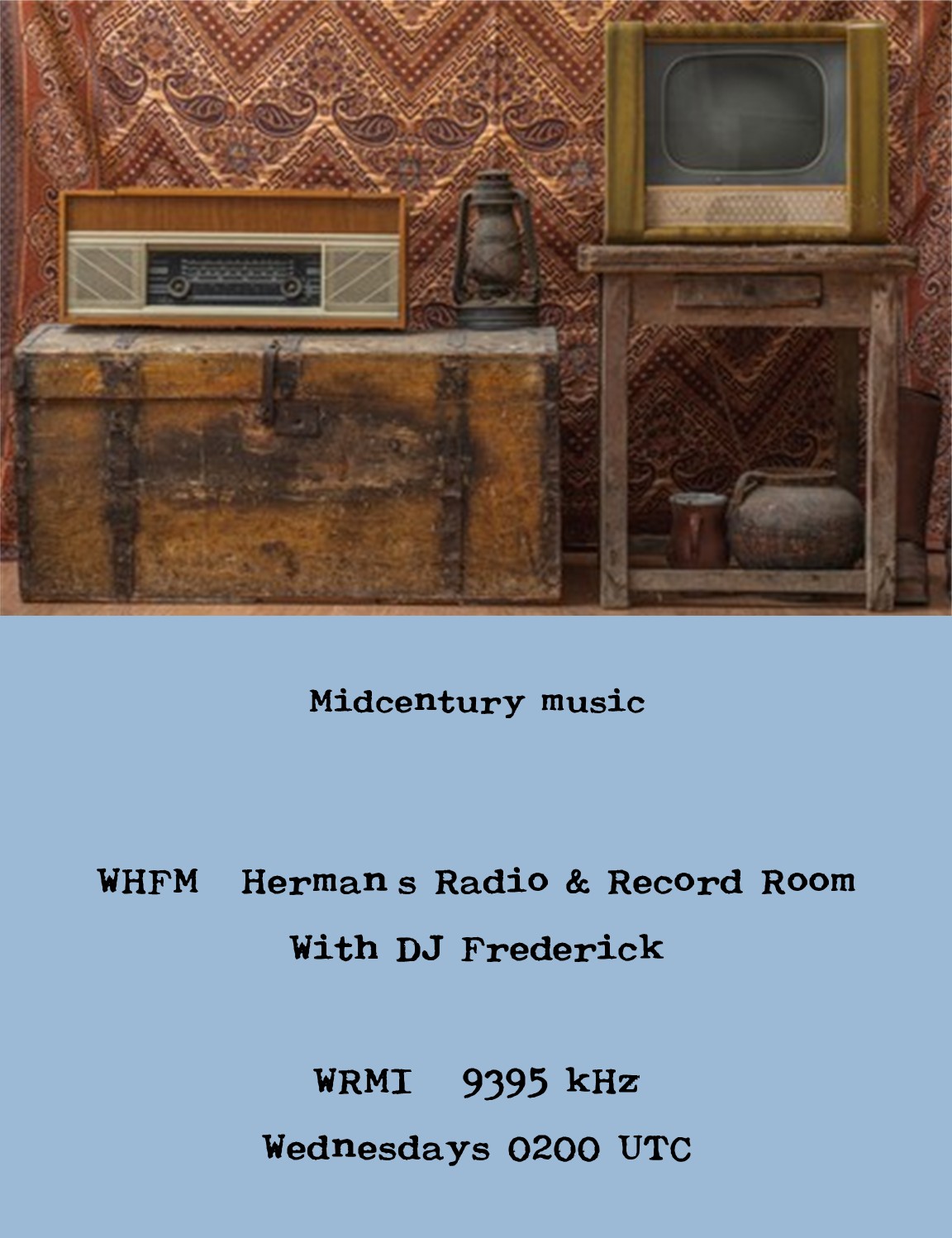
Also on Wednesday 24th June 2026, at 0200 hrs UTC on 9395 kHz on WRMI we have WHFM – Herman’s Radio and Record Room. This is the fourth in a series of programmes recorded by DJ Frederick Moe in memory of his father Herman (1919-2001) and feature mid-century sounds including country, jazz, folk and easy listening.
For more information on all our shows, please write to us at [email protected] and check out our old shows at our Mixcloud page here.
FastRadioBurst23
RTI Test Broadcast on Sunday, June 21, 2026
Many thanks to SWLing Post contributor, David Iurescia, who shares the following announcement from Radio Taiwane International’s French Language service (first the English translation, then the original in French):
Dear Listener,
The French Service would like to inform you that during August 2026 (August 7–30), Radio Taiwan International (RTI) will broadcast directly from its Tamsui transmission site in northern Taiwan to Europe and North Africa.
To determine the most suitable frequencies, we will conduct a test broadcast on Sunday, June 21. The frequencies and schedule are as follows:
15145 kHz — 1700–1710 UTC
11995 kHz — 1715–1725 UTC
11995 kHz — 1730–1740 UTC
9545 kHz — 1745–1755 UTC
The two frequencies that provide the best reception will be selected for the August broadcasts.
A special QSL card will be sent to listeners who submit reception reports. Reports may be sent by email to the French Service or via the radio’s online reception report form.
Thank you for listening and for your continued support.
French Service
Radio Taiwan International
Original message in French:
Chère auditrice, cher auditeur,
Le service français vous informe que durant le mois d’août 2026 (du 7 au 30 août), Rti procèdera à une diffusion directe depuis le centre de transmission de Tamsui, dans le nord de Taïwan, vers l’Europe et l’Afrique du nord.
Afin de chosir les fréquences les plus appropriées, nous prévoyons un essai de diffusion le dimanche 21 juin. Voici les fréquences et horaires de cette diffusion :
Fréquence 15145 kHz, 17h00-17h10, temps universel
Fréquence 11995 kHz, 17h15-17h25, temps universel
Fréquence 11995kHz, 17h30-17h40, temps universel
Fréquence 9545 kHz, 17h45-17h55, temps universel
Les deux fréquences les plus appropriées seront retenues pour cette diffusion estivale.
Une carte QSL spéciale vous sera envoyée pour confirmer vos rapports d’écoute que vous pouvez nous adresser par courriel au service français ou via le formulaire en ligne de la radio.
Merci de votre écoute et de votre fidélité.
Service français
Radio Taiwan International