Author Archives: Thomas

Radio Waves: Baseball Before Radio, VOA Ends Bangla on FM & SW, Brookmans Park Close to 100 Years, and Ireland National Shortwave Club on Zoom

Radio Waves:  Stories Making Waves in the World of Radio

Because I keep my ear to the waves, as well as receive many tips from others who do the same, I find myself privy to radio-related stories that might interest SWLing Post readers.  To that end: Welcome to the SWLing Post’s Radio Waves, a collection of links to interesting stories making waves in the world of radio. Enjoy!

Many thanks to SWLing Post contributors Tom Daly, David Iurescia, Dave Porter, and the Southgate ARC for the following tips:


Before There Was Radio: How Baseball Fans Followed Their Favorite Teams, 1912-1921 (SABR Century Research Committee)

If you were a major-league baseball fan in the 1910s, you were living at a time before commercial radio had come along. With no way to listen to the play-by-play at home (and no expectation that such a thing was even possible), you had to find other options when you wanted to know how your favorite team was doing. The best way, of course, was to go to the ballpark and watch the game in person, but not everyone could get the time off from work; there was no 40-hour workweek yet and putting in 50 or more hours a week was common in some jobs. And even if you had an understanding boss, there were still expenses to consider: By modern standards, tickets seemed cheap (even World’s Series seats ranged from 50 cents to $3), but keep in mind that the average worker’s salary was much less than what people earn today. For example, in 1915, the annual salary for teachers in most cities was less than $600,[1] and many other jobs paid no more than $700 a year.[2] Thus, attending a ballgame was reserved for special occasions.

Some fans who could not attend in person would go downtown and gather in front of the offices of the local newspaper, where they eagerly awaited the latest scores. The bigger cities often had a group of newspaper offices in close proximity to each other; in Boston and other large cities, this area was sometimes referred to as Newspaper Row. It became a place for fans to socialize, as everyone stood on the street in front of their favorite publication, hoping for good news about the game. When the newspaper received the latest scores from a telegrapher at the ballpark, a newsboy would write the information on a bulletin board, updating it every inning.[3] Some newspapers also had someone with a megaphone calling out the updates as they were received. In either case, the fans would cheer whenever the news was good, or express their disappointment when it wasn’t.[]

VOA’s Bangla Service Ends Radio Broadcasts, Expands TV and Social Media Coverage (VOA)

Voice of America Bangla language service FM and shortwave radio transmissions officially end on July 17, 2021, after 63 years of serving Bangladesh and the Bangla-speaking Indian states of West Bengal, Tripure and Assam. Simultaneously, the service’s television and social media content will expand considerably, as these are platforms more heavily used by VOA Bangla’s 16 million weekly audience members.

“When VOA Bangla launched in January 1958, Bangladesh was known as ‘East Pakistan’ and it was a territory under martial law with no television or private radio,” said John Lippman, Acting VOA Programming Director. “VOA’s shortwave radio transmissions from outside the borders were a lifeline to the Bangla-speaking population for independent news and information.”

While the service’s shortwave radio audience is now less than one percent, VOA Bangla social media audiences have grown significantly in recent years. Engagement actions on the Twitter account have risen 54% over the previous year, while video views on Instagram are up 274% in the same period.

“Dozens of domestic television and radio stations compete for Bangla-speaking audiences, as well as an increasing number of digital sources,” Lippman noted. “As the demand for TV and online access to news in Bangladesh expands, VOA’s Bangla service program offerings need to be on the platforms its audience already is most active.”

“VOA Bangla radio broadcasts brought world events to its audiences since the days when radio was the primary news medium,” Acting VOA Bangla Service Chief Satarupa Barua told staff this month. “It was a staple in our upbringing, a household name. We will build on that reputation, increasing our presence on media that is now far more heavily used than short wave and medium wave radio.”

During the final days of its radio broadcasts, the service will broadcast retrospective programming, looking back at the changes in the country since 1958. “Because of our service’s history in Bangladesh, working at VOA has been the ‘dream job’ for many of us. With the coming changes, it will continue to be,” Barua added.

This change in radio programming will not affect broadcasts of “Lifeline”, a 30-minute daily radio program in the Rohingya language, spoken by Muslim refugees in Bangladesh who fled ethnic violence in Myanmar. Produced by the Bangla service, the program launched in July 2019.

Hatfield’s nearly 100-year-old broadcast station that revolutionised BBC radio (HertsLive)

Among its multiple accolades, Hertfordshire is home to one of the most important facilities in British broadcasting history – and it’s nearly 100 years old.

The Brookmans Park Transmitting station in Hatfield, Hertfordshire, was originally built by the BBC as the first of a network of regional dual transmitter stations, replacing the city-based ones from before.

The station has played a crucial part in the history of broadcasting in Britain. It was the first purpose-built twin transmitter station in the world that was capable of broadcasting two radio programmes simultaneously when it was completed in 1929.

The transmitter also played a role in the early development of television broadcasting.

This particular station was the first in the BBC’s adventurous scheme to bring existing radio reception to the whole of Britain.[]

National Short Wave Listeners Club (Southgate ARC)

Ireland’s IRTS News report that meetings of the National Shortwave Club on Sunday evenings at 2000 on the Zoom platform will continue over the Summer months and they continue to attract around half of the membership of almost 120 most weeks.

A decision has been made to suspend the weekly Wednesday revision classes until it looks like an examination will be held within a reasonable time. Hopes are high that following next Thursdays Government announcement, an exam date will be published as soon as possible thereafter.

Interest in the new on-line classes which will begin in the autumn is already high and anyone interested is invited to reserve their place via email to ‘training at SWL.ie’


Do you enjoy the SWLing Post?

Please consider supporting us via Patreon or our Coffee Fund!

Your support makes articles like this one possible. Thank you!

DSP technology is amazing, but maybe I’m just a legacy receiver kind of guy?

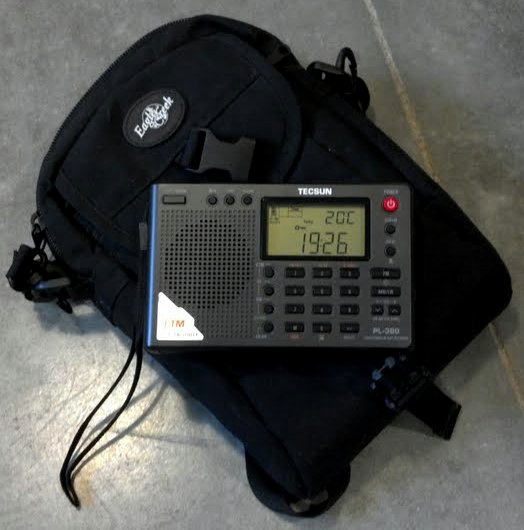
The PL-380 was one of the first portable DSP radios I purchased. It was mind-blowing at time of introduction and I still have it in my radio arsenal.

Without a doubt, DSP (Digital Signal Processing) technology has forever changed the portable receiver market in so many positive ways:

  • It’s made portable radios more affordable for consumers
  • It’s increased the profit margin for manufacturers
  • It’s made features like SSB mode and variable filter width affordable
  • When properly implemented, DSP technology can provide DX-grade performance even in Ultralight receivers
  • All-in-all, DSP technology has made portable receivers more accessible and has undeniably  reinvigorated the shortwave radio market over the past decade

All very good things!

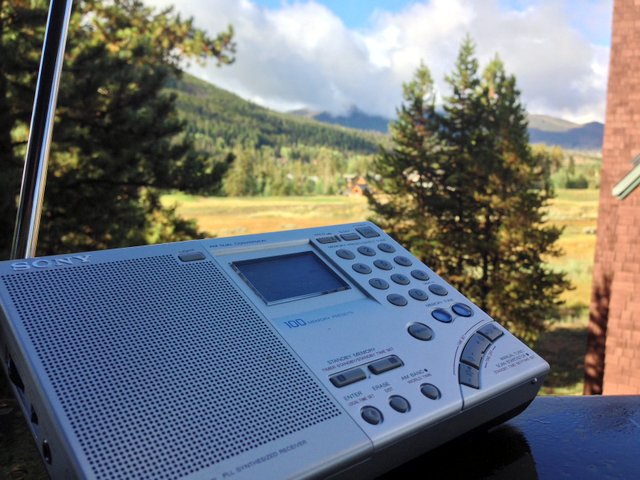
But I must admit, I do miss legacy receiver design–for example, dual-conversion frequency synthesized radios like the Sony ICF-SW7600GR:

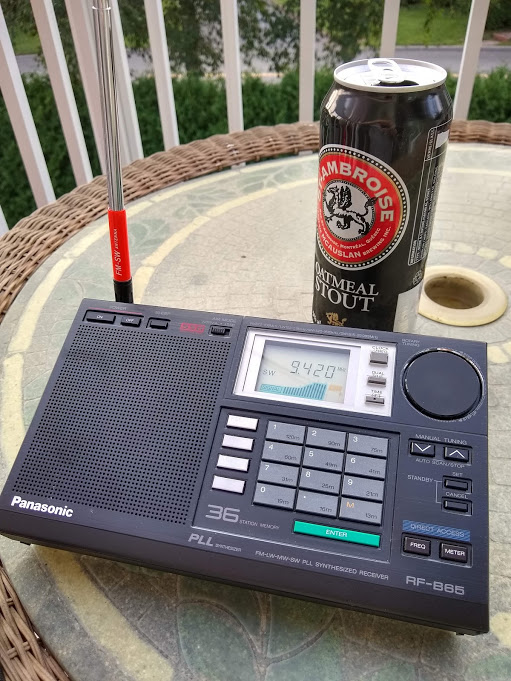
Or the Panasonic RF-B65:

For me? It’s all in the noise and static.

I think we’re probably all wired a little differently when it comes to how we listen.

I know radio enthusiasts that can pull station IDs out of the noise with their AM or SSB filters set to very narrow widths. I have trouble doing this and tend to actually widen filters when doing weak signal work (assuming there are no adjacent stations). It’s as if the filter in my brain needs more information–more bandwidth–to increase intelligibility. I only engage narrow filters to block adjacent signals or (for narrow bandwidth modes like CW) to decrease the influence and effects of atmospheric/natural noises (QRN).

I find that many DSP portables add a “mushy” audio quality to the static found in the noise floor of the receiver. I hear DSP artifacts and that “watery” quality especially if using headphones. No doubt, it’s the DSP simply doing its thing: minimizing background noise and seeking to clarify voice and audio information. But this actually tinkers (or interferes) with my brain’s ability to pull out intelligible information to some degree.

I find I prefer the audio quality of static in analog receivers.

Of course, a bit of this might also be tied to a receiver’s dynamic range and AGC; qualities I also tend to prefer in my benchmark legacy portables.

Does this make any sense?

In truth, this is difficult to explain and, dear reader, I may very well have lost you here. If not, I’m curious what you think.

Do you prefer the audio characteristics of DSP receivers, or legacy receiver architecture? Are there aspects you like of both? Please comment!

Mike Harwood explores active magnetic loop antennas with SDRplay

Many thanks to Jon Hudson with SDRplay who shares the following announcement:


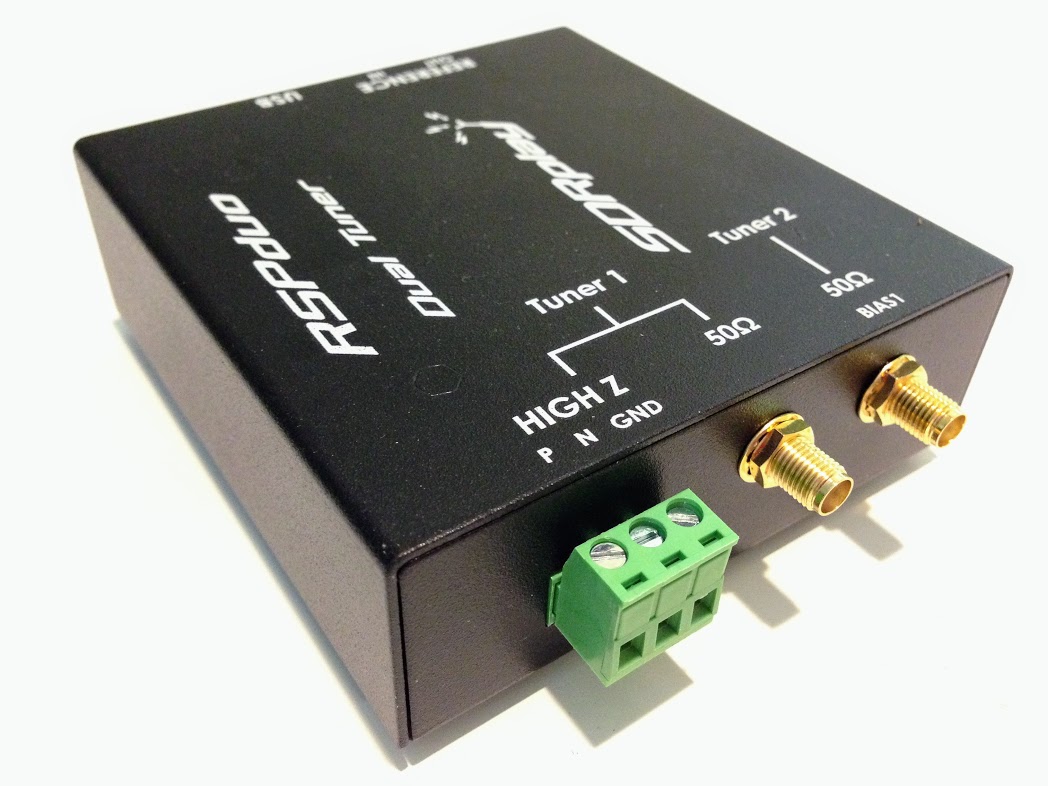
Introducing a new series of videos comparing the performance of wideband active loop amplifier/antennas for HF frequencies and below. In this introductory video, Mike Harwood shows how an RSPduo enables a real-time comparison of two antennas – in this demo, he uses a Wellbrook 1530AN and one of his own compact loop creations. You can see that he has lined up several other active loop antennas/amplifiers to try in future videos, including the Bonito Megaloop FX, the LZ1AQ amp and the Cross Country Wireless amp.

SDPlay will endorse antennas which work well and formally recommend them on its website antenna suggestions page: https://www.sdrplay.com/antennasuggestions/

This is one of many videos from SDRplay – makers of the RSP family of SDR radios. See the full list of SDRplay videos and applications documents on: https://www.sdrplay.com/apps-catalogue/

The RSP family of SDRs from SDRplay cover 1kHz to 2 GHz with no gaps and give up to 10MHz spectrum visibility.

SDRplay is a UK company. The RSP SDR receivers are made in the UK and can be purchased for worldwide delivery directly from http://www.sdrplay.com/ (click on purchase and select your country to view shipping costs) or you can buy from any of our worldwide resellers listed here: http://www.sdrplay.com/distributors/ Many of the resellers offer local free shipping and/or local language technical support.

The SDRplay YouTube Channel is: https://www.youtube.com/c/SDRplayRSP

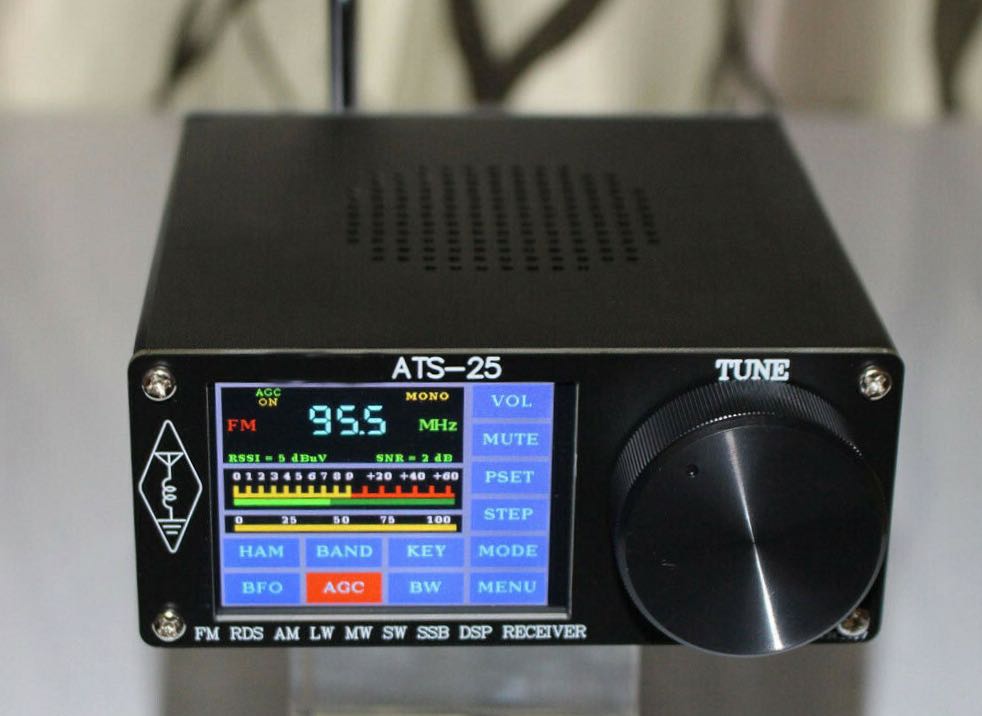
The new ATS-25 Si4732 receiver with color touch screen

Many thanks to SWLing Post contributor, Robert Richmond, who writes:

An ATS-25 receiver has appeared on eBay and similar sites. It appears to be a touchscreen and user interface update to the previous ATS-20 model. I suppose it remains to be seen if there are any improvements to the underlying electronic design and construction quality.

Click here to view on eBay (partner link)

At $130+ I am not sure if I am inclined to find out, but perhaps someone out there might be interested. Given the design shortcuts and potential build quality concerns of the current ATS-20, I would suggest considering the ATS-25 a possible “kit radio” as well until if or when proven otherwise.

Best Regards,

Robert Richmond

Thank you for the tip, Robert!

I would certainly welcome a guest review of the new ATS-25. If you’ve purchased this radio and would enjoy reviewing it here on the SWLing Post, please contact me!

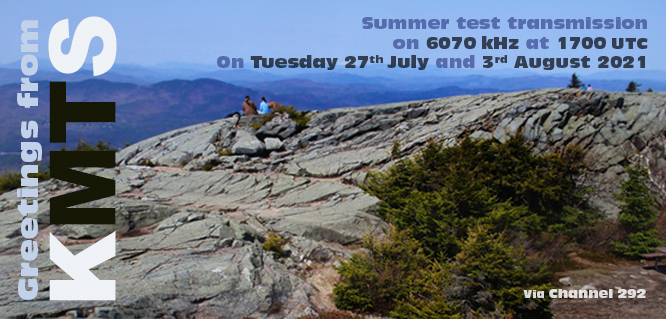
KMTS Summer Test Transmission

Many thanks to SWLing Post contributor, Fastburstradio23, who shares the following:

Beaming to you from the transmitter’s location, forget summer vacation, it’s time for summer school. Get your pencils sharpened and thinking caps on for the KMTS Summer Test (transmission)! Numbers, poetry, the science of strange tones, music and mountaineering are all part of the curriculum.

And if you are one of those cats who was too hip for school the first time around, we understand. We’ve been there! When you use one of our proprietary quantum radios passing is as easy and pleasant as a breeze blown in from a deserted tropical island. All the answers tp all the questions are right in some reality or timeline!

And after you’ve peaked out with us at the crown of KMTS, you can join us for a Mai Tai at the Tiki bar on top of the mountain as we go over the summer test results.

6070 kHz at 1700 UTC on Tuesday 27th July and 3rd August 2021.

Radio Cameos in Japanese Cinema

Many thanks to SWLing Post contributor, Jon, who writes:

Good day,

I regularly visit the SWLing Post and very much appreciate the breadth of content you provide on the shortwave hobby. In between the receiver reviews and stories on broadcaster activities, I much enjoy the pieces showing the radio gear that folks notice in television/films. Over the course of the COVID19 pandemic, I have been watching a lot of films from Japan, and in the process have spotted quite a few interesting receivers here and there. Below are some photos and details on some of these unsung stars of Japanese cinema. I think that JRC enthusiast Dan Robinson will agree with me that it’s the ensemble cast of JRCs in Virus that steal the show! 🙂

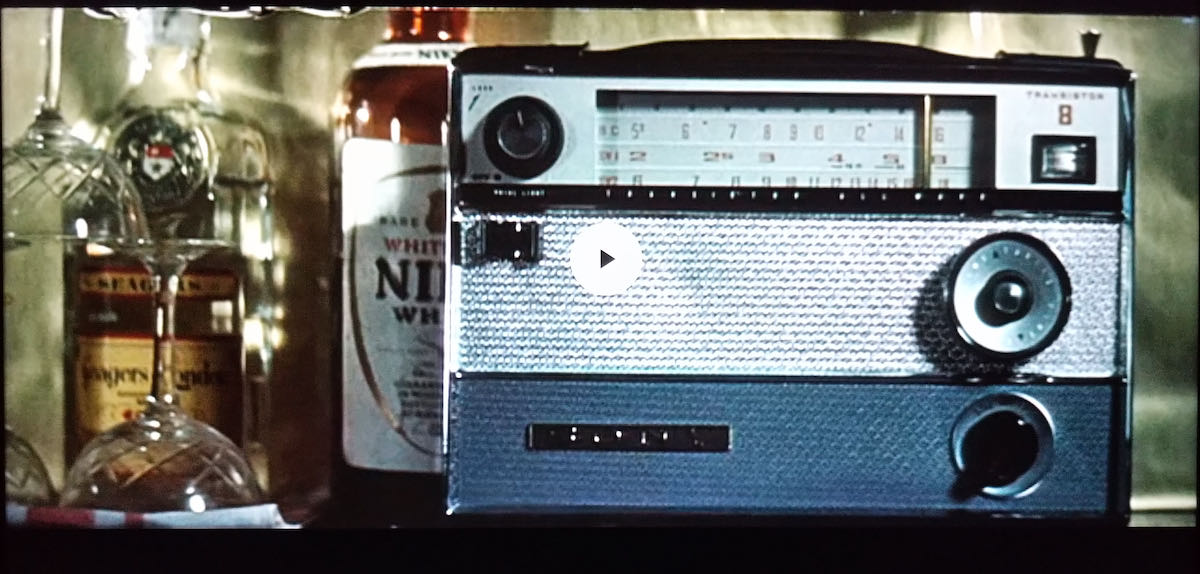
1. Masahiro Shinoda’s 1961 Epitaph to My Love opened with a very nice shot of a Sony TR-812 multi-band portable in a scene where a news broadcast is being heard in a bar setting.

https://www.radiomuseum.org/r/sony_tr_812_tr812.html

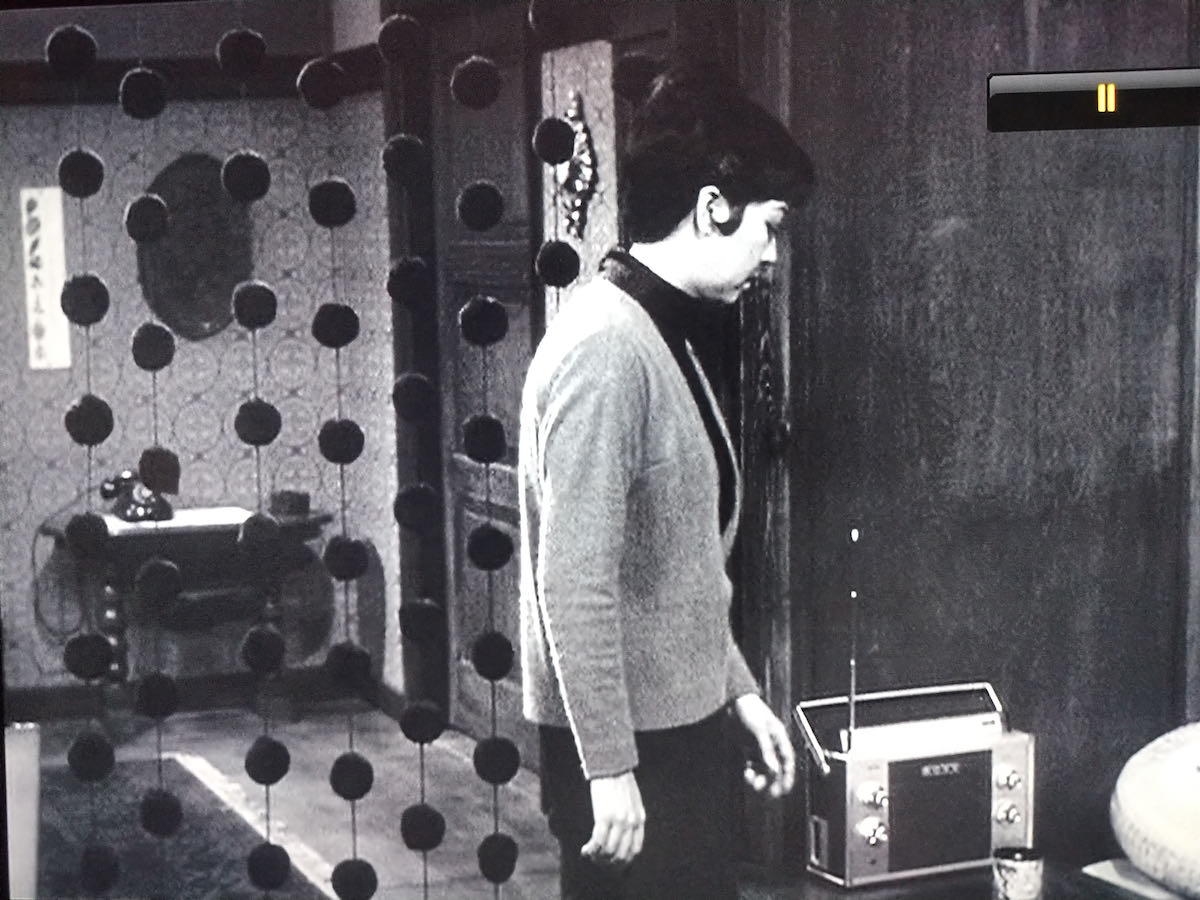
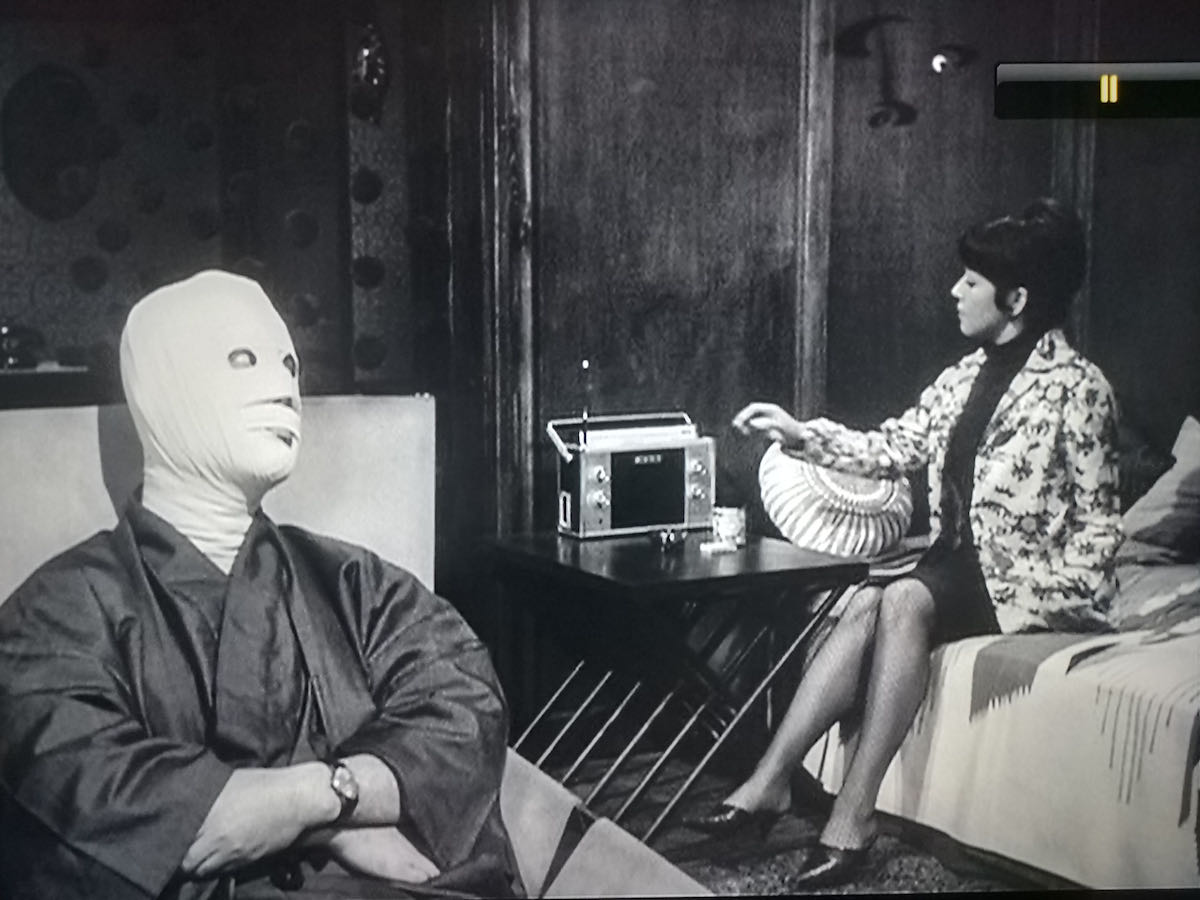
2. A Sony AFM-152J is shown in a contemporary home setting in Hiroshi Teshigahara’s 1966 film The Face of Another.

https://www.radiomuseum.org/r/sony_fmam_automatic_tuning_radio_esaki_diode_afm_152j.html

3. Kihachi Okamoto’s 1978 sci-fi film Blue Christmas featured a brief shot of a Sony ICF-7600 – the first of a legendary line of Sony portables that would carry “7600” in their designation.

https://www.radiomuseum.org/r/sony_icf_7600.html

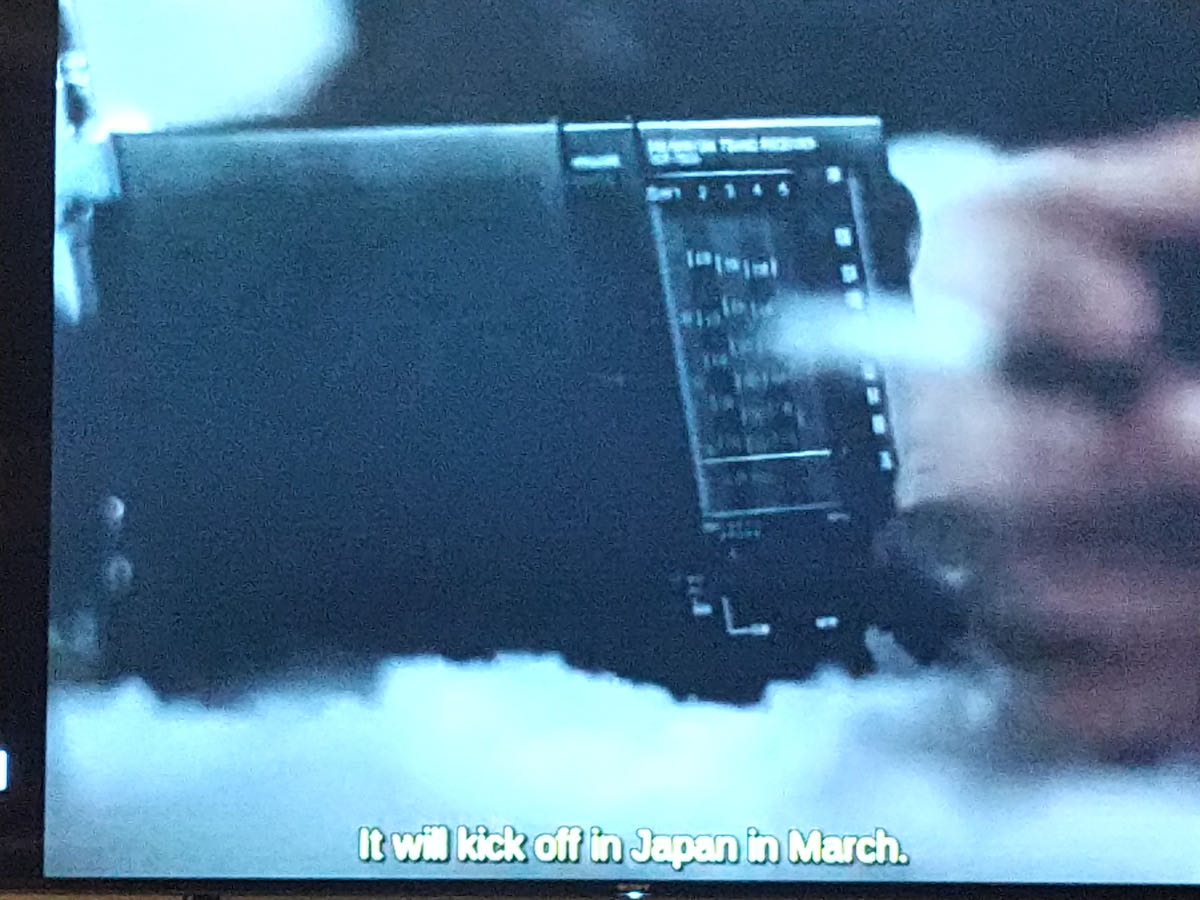
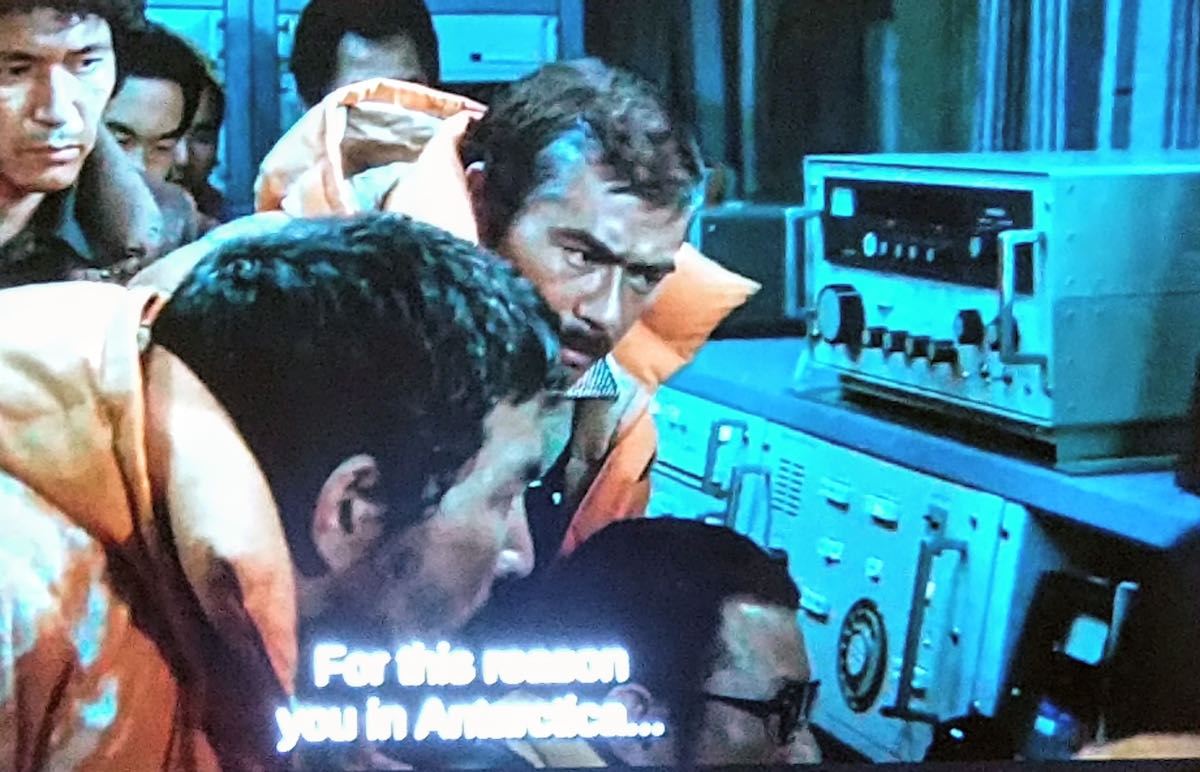
4. There were several radio appearances in Kinji Fukasaku’s 1980 Virus – a film that took disaster movies to a new level by depicting both a global pandemic and a nuclear holocaust.

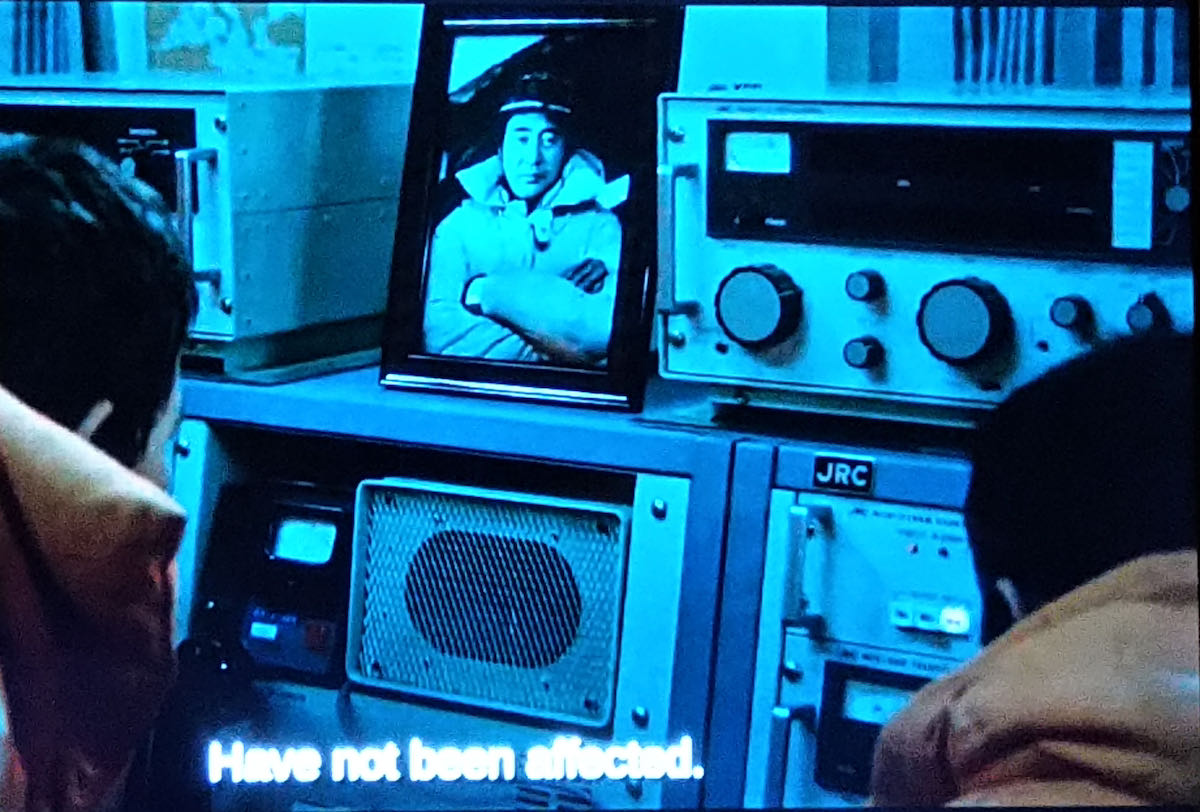
A range of JRC gear was captured in a scene that was set in a Japanese Antarctic base. Identifiable rigs include the NRD-10 and the NRD-71.

https://www.radiomuseum.org/r/jrc_nrd_10nrd1.html
https://www.rigpix.com/jrc/jrc_nrd71.htm

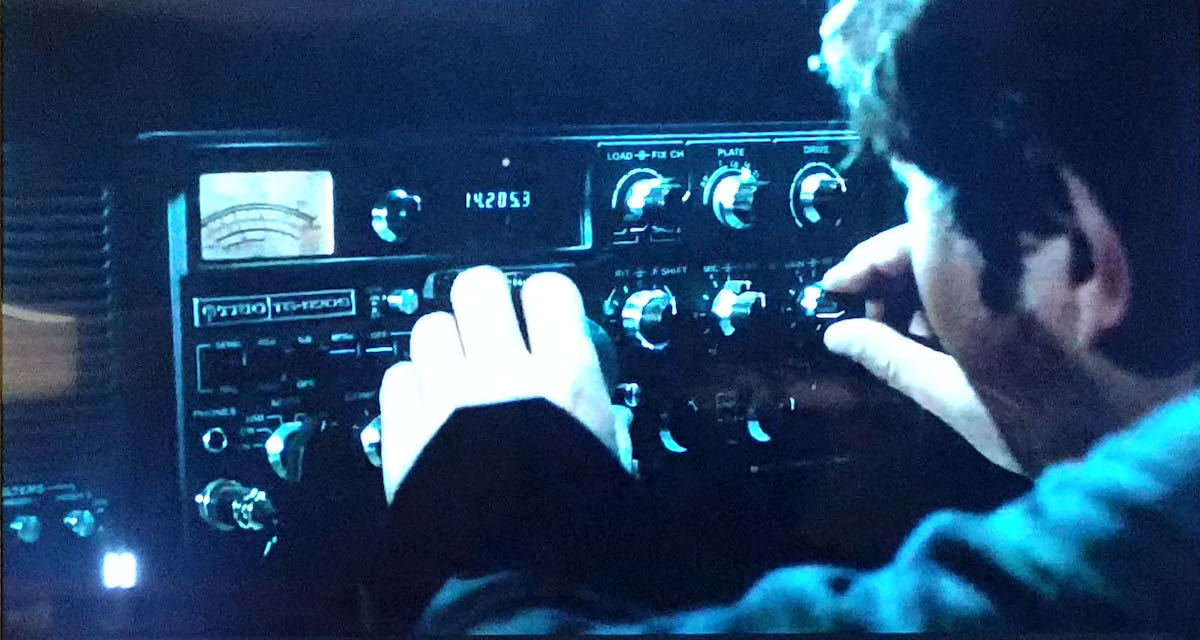
In another scene from the Antarctic base, a Trio (Kenwood) TS-820S is shown powered up.

https://www.radiomuseum.org/r/trio_kenwo_ts_820s_ts820s.html

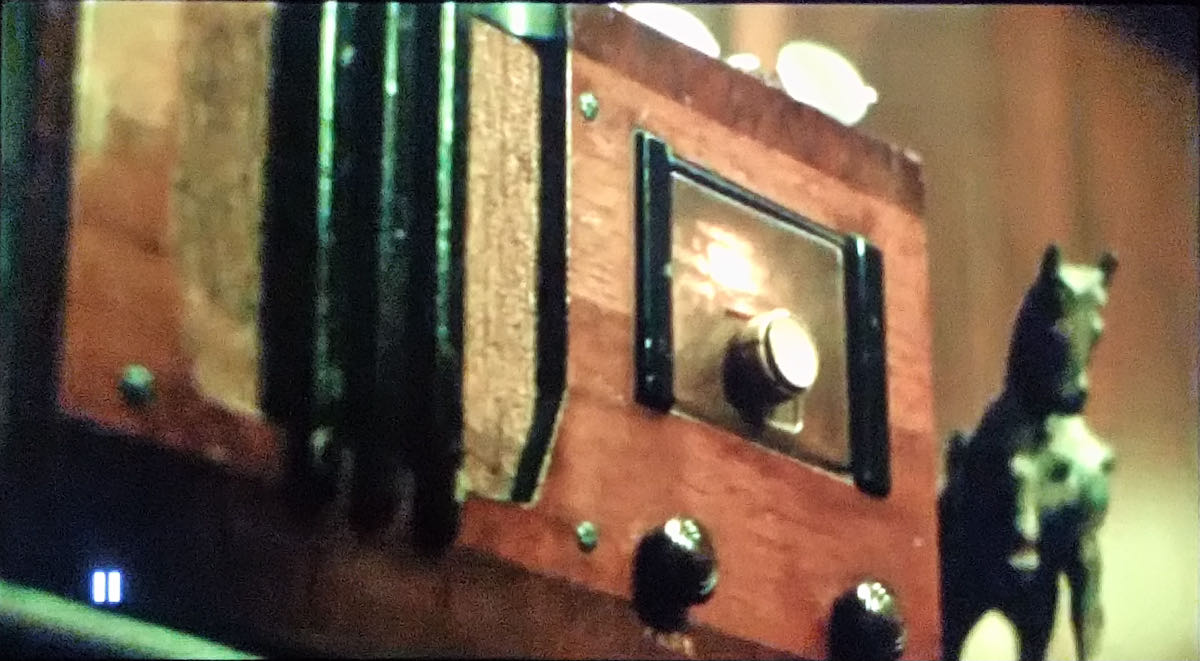
5. Lastly, we have an unidentified tube receiver from Masahiro Shinoda’s Childhood Days – an interesting 1990 film about a school aged boy in World War II era Japan who, because of the bombing threat, is sent from his Tokyo home to live in a rural village.


Thank you for sharing this, Jon! It’s wonderful to include radio sightings from Japanese cinema in our ever-growing collection of radios in movies!