Category Archives: Radios

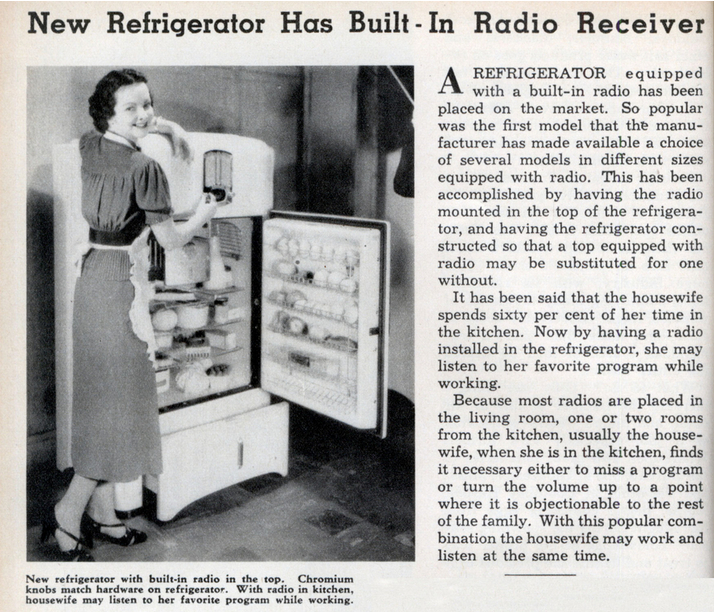
1930s refrigerator had built-in radio

Many thanks to Andy Sennitt for sharing this fascinating piece of radio nostalgia:
RefrigeratorRadio

Gizmodo columnist, Matt Novak, writes:

Jesse Walker, author of the book Rebels on the Air: An Alternative History of Radio in America, pointed me to this rather novel invention from 1937 — the refrigerator-radio combination unit. This may seem like an odd marriage of tech, but it makes perfect sense when you realise that it in the 1930s it was becoming harder to sell new radios and much easier to sell new fridges.

Despite the Great Depression, America saw an explosion of mechanical refrigerator ownership during the 1930s. In 1930, just 8 per cent of American households had a fridge. By the end of the decade, nearly half of American homes had one.

But the market for radios was pretty saturated in the late 1930s. Over 80 per cent of American households had a radio by the end of the decade. So radio set manufacturers tried to insert their products into new places that from the vantage point of the future, we can see didn’t pan out (like refrigerators) and others that did (like cars).

Continue reading on Gizmodo…

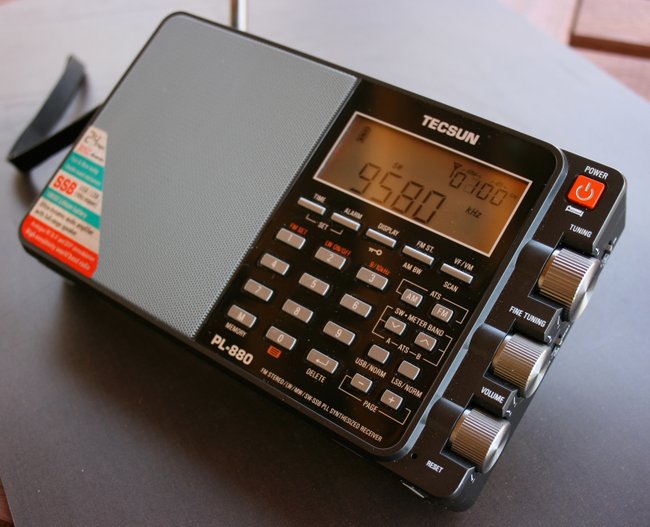
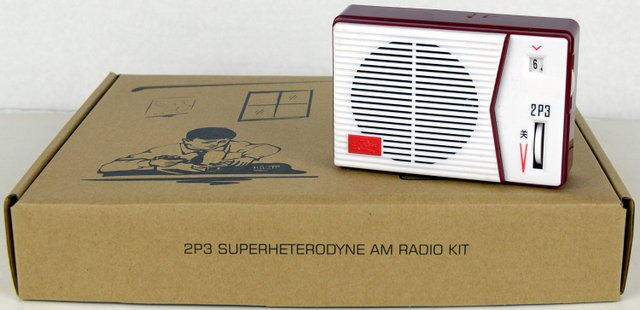
Tecsun 2P3 AM radio kit

Tecsun2P3superhetAMkit

Many thanks to the excellent Herculodge blog for making me aware of this cool–nearly retro–Tecsun 2P3 AM Radio Receiver Kit on Amazon.

Should be a fun, inexpensive and relatively simple through-hole kit. I am curious how well the instructions are written in English. Has anyone assembled the Tecsun 2P3?

Update: Bob points out that the Tecsun 2P3 is also available on eBay. (for $26.99 US shipped)

Paul Litwinovich’s Vintage Radio series

SX-99-Dial

Many thanks to SWLing Post reader, Richard Cuff, for pointing out a brilliant series of articles called Vintage Radio by WSHU Chief Engineer, Paul Litwinovich.

Here are links to each article written thus far in the Vintage Radio series. If you would like to start at the beginning of the series, go to the bottom of the list first, then work your way up:

1-RadioListening

Paul Litwinovich is a shortwave listener, amateur radio operator and holds a commercial FCC license as well; here’s his bio, taken from the WSHU website:

“Paul caught the radio bug as a child. By age 12, he had taught himself the basics of vacuum tube theory.  He began repairing old, discarded radio sets, the kind that we now call vintage sets.  He loved listening, too, to local programs, DJs who picked their own music, talk shows designed to inform, not shock the listener.  But his favorite listening was to short wave radio, with its magic of music and programming from all around the world.

Hobby led to career.  Paul was a design engineer and engineering manager in the broadcast industry  for 14 years before coming to WSHU in 1990.  He holds an FCC commercial radio license, and an extra class Amateur radio license. And, oh yes, he’s still restoring and collecting vintage radio sets, for more than 45 years now, and counting.”

I’ve been in touch with Paul who tells me that an upcoming article will focus on one of my favorite WWII era receivers, the BC-348.

I can’t wait to read it!

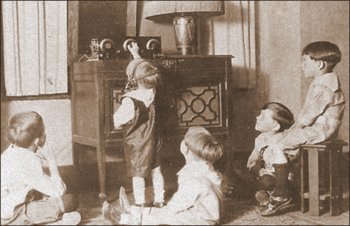
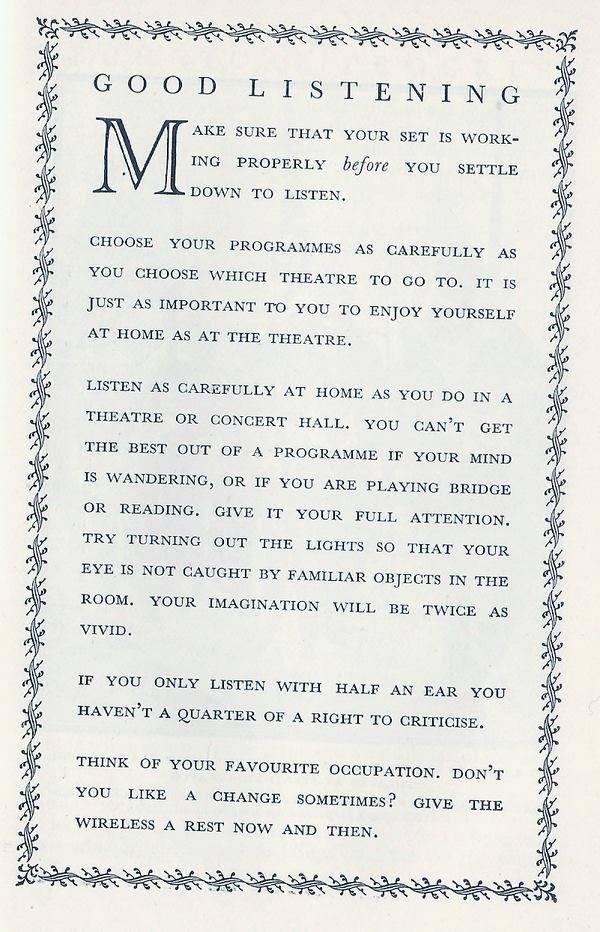
How to listen: A 1930 BBC radio manual

BBC-Radio-Manual

Many thanks to David Goren for sharing this article from Open Culture:

A comparison between the invention of radio and that of the Internet need not be a strained or superfical exercise. Parallels abound. The communication tool that first drew the world together with news, drama, and music took shape in a small but crowded field of amateur enthusiasts, engineers and physicists, military strategists, and competing corporate interests. In 1920, the technology emerged fully into the consumer sector with the first commercial broadcast by Westinghouse’s KDKA station in Pittsburgh on November 2, Election Day. By 1924, the U.S. had 600 commercial stations around the country, and in 1927, the model spread across the Atlantic when the British Broadcasting Corporation (the BBC) succeeded the British Broadcasting Company, formerly an extension of the Post Office.

Unlike the Wild West frontier of U.S. radio, since its 1922 inception the BBC operated under a centralized command structure that, paradoxically, fostered some very egalitarian attitudes to broadcasting—in certain respects. In others, however, the BBC, led by “conscientious founder” Lord John Reith, took on the task of providing its listeners with “elevating and educative” material, particularly avant garde music like the work of Arnold Schoenberg and the Second Viennese School. The BBC, writes David Stubbs in Fear of Music, “were prepared to be quite bold in their broadcasting policy, making a point of including ‘futurist’ or ‘art music,’ as they termed it.” As you might imagine, “listeners proved a little recalcitrant in the face of this highbrow policy.”

Continue reading…


How shortwaves keep you young…

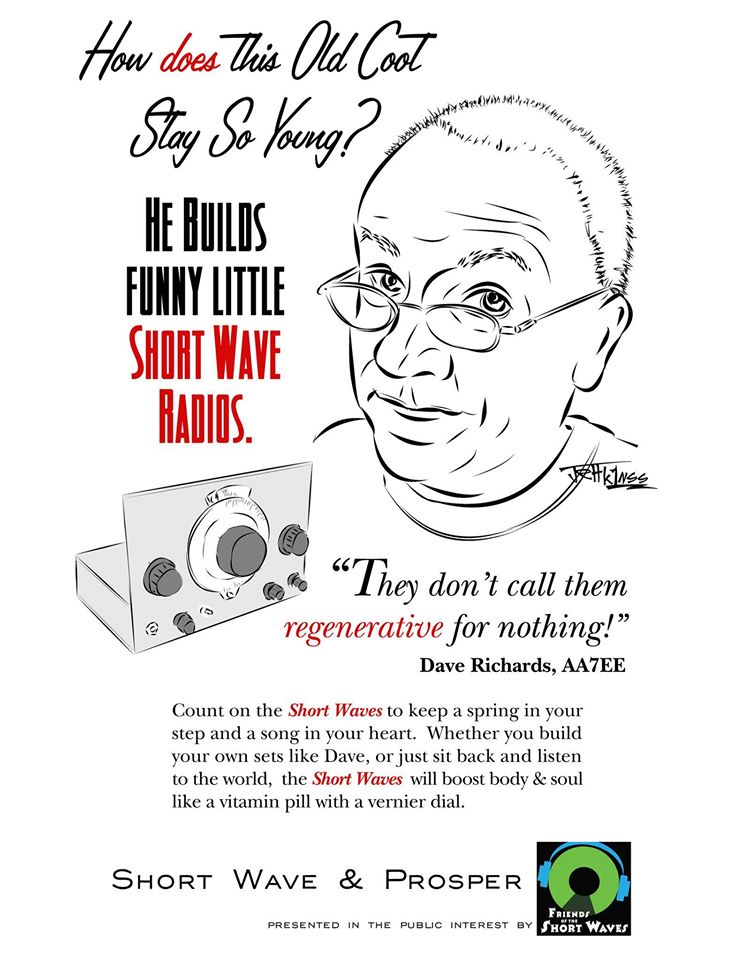
Remember our recent posts about Dave Richard’s homebrew regenerative receiver?

If so, you can imagine the laugh I had yesterday when I viewed this latest creation by the infamous Jeff Murray (K1NSS):


AA7EEbyK1NSS


“Short Wave & Prosper”–? I have to agree!  And I’m completely in tune with Jeff’s sense of humor. If you are, too, be sure to bookmark Dashtoons for more radio fun and whimsy. (Better yet, get Jeff to design your own QSL card!)

As for Dave, follow his blog for the latest on his many homebrew activities (that continue even when his pets are interfering).

Major thanks to Dave for the brilliant write-up about Ears to Our World’s HumanaLight kit. [Want one? Get yours now at Universal Radio, and support ETOW’s mission.]