Shortwave listening and everything radio including reviews, broadcasting, ham radio, field operation, DXing, maker kits, travel, emergency gear, events, and more
Many thanks to SWLing Post contributor and noted political cartoonist, Carlos Latuff, who shares the following illustrated radio listening report of a recent China National Radio broadcast.
Carlos notes:
Three typhoons leave 27 dead and 16 missing in the Philippines, China National Radio (CNR)
Many thanks to SWLing Post contributor and noted political cartoonist, Carlos Latuff, who shares the following illustrated radio listening report of a recent CNR broadcast and radiofax transmissions from both Japan and South Korea meteorological agencies.
Carlos’ goal is to vividly illustrate the broadcaster’s message in his own unique artistic style and is not a reflection of his own beliefs or those of the SWLing Post. His objective is for his artwork to add historical context and put a visual with the news, reporting, and broadcast content:
Carlos notes:
Typhoon Bualoi leaves trail of destruction in the Philippines and Vietnam, CNR, 17590 kHz
“Sept 26: Typhoon Bualoi has killed 10 people and left 13 missing in the Philippines.”
“Sept 28: The typhoon caused a large number of fallen trees and damaged buildings. It also caused power and internet outages in parts of Ha Tinh Province*”
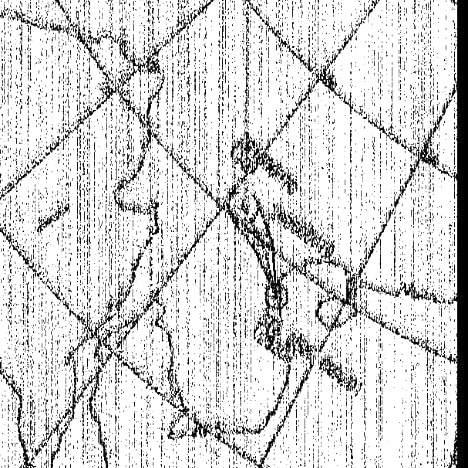
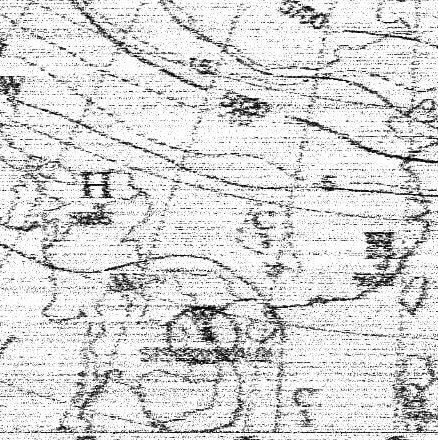
Typhoon Bualoi shown in radiofaxes (detail) from the meteorological agencies of Japan and South Korea, received on September 28 at Urca beach, Rio de Janeiro, at frequencies of 13988 kHz and 13570 kHz respectively.
Many thanks to SWLing Post contributor, Bill Tilford, who shares the following update:
From the Isle of Music, October 2025
October’s program will be the final of several episodes featuring the best of Cubadisco 2025, Cuba’s most important discographic awards. This is the best of the best of Cuba’s new releases (and recordings from Cubans elsewhere) and will feature a sampling from several categories this month.
Friday, October 10:
6070 kHz at 1700 UTC
3955 kHz at 2100 UTC
Saturday, October 11:
9670 kHz at 1700 UTC using booster beam H to Africa (repeat of October 10 episode).
*Note that our Sunday broadcasts have been moved to Saturdays.
Uncle Bill’s Melting Pot, October 2025
In October we will a potpourri of recent releases from around the world.
All broadcasts are on Radio Channel 292 from Germany as follows:
Friday, October 17:
6070 kHz at 1700 UTC
3955 at 2100 UTC
Saturday, October 18:
9670 kHz at 1700 UTC using beam H (repeat of October 17 episode).
*Note that our Sunday broadcasts have moved to Saturdays.
**In addition to direct radio reception, we do honor reception reports using remote SDRs as long as the whole program is described and which SDR is specified.
Many thanks to SWLing Post contributor and noted political cartoonist, Carlos Latuff, who shares the following illustrated radio listening report of a recent China National Radio broadcast.
Carlos notes:
Trump approves reinstatement of death penalty in Washington D.C., China National Radio (CNR), 17590 kHz
“US President Trump issued a proclamation on the 25th approving the reinstatement of the death penalty in Washington, D.C.
US Attorney General Pam Bondi has stated that she will seek to reinstate the death penalty nationwide.”
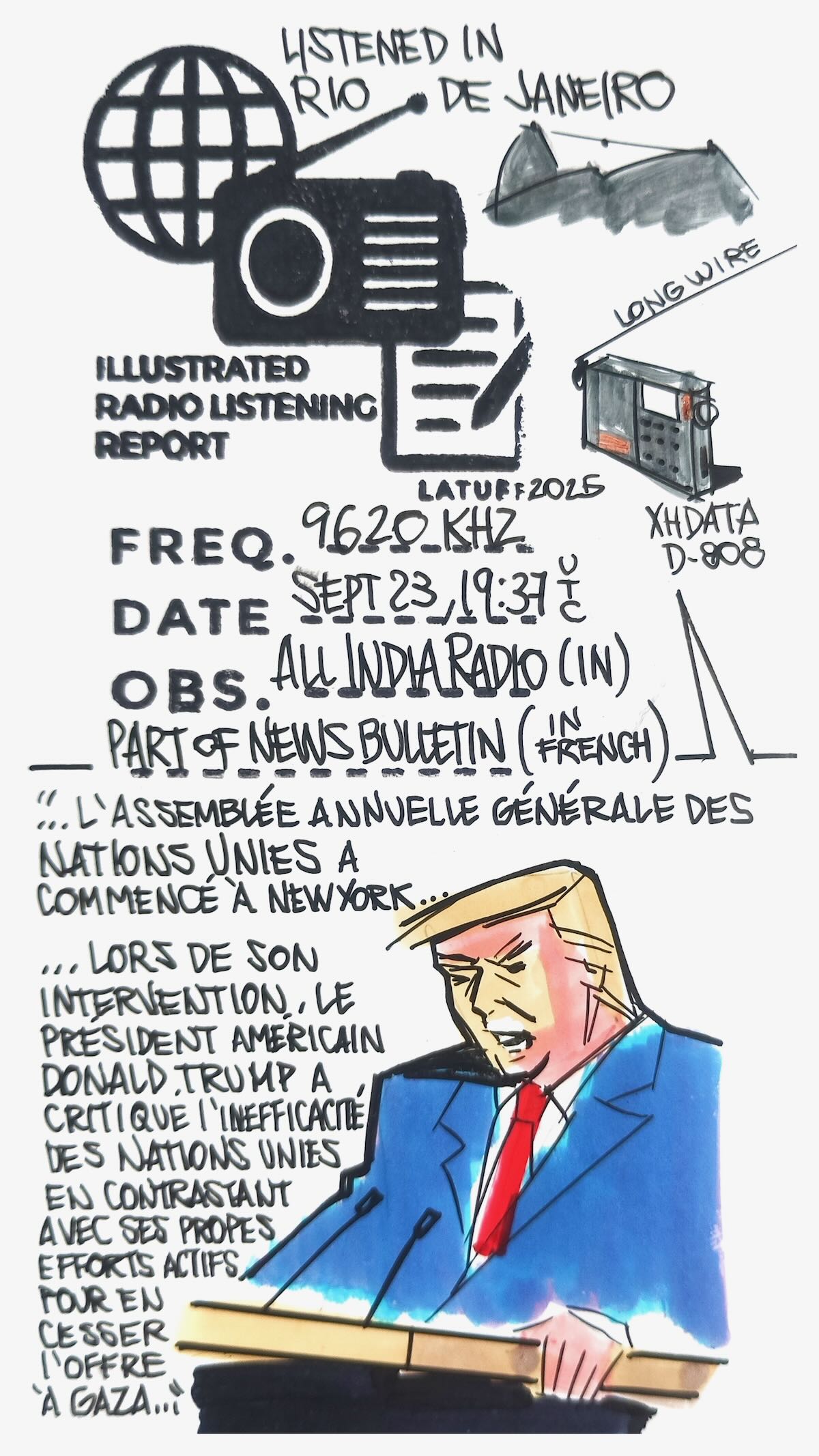
Discours de Trump à l’Assemblée générale des Nations Unies, All India Radio, 9620 kHz
“…The annual United Nations General Assembly has begun in New York. Discussions regarding the Israeli war on Gaza and the Russian war on Ukraine are central concerns. During his address, US President Donald Trump criticized the ineffectiveness of the United Nations, contrasting it with his own active efforts to stop offering it to Gaza…”
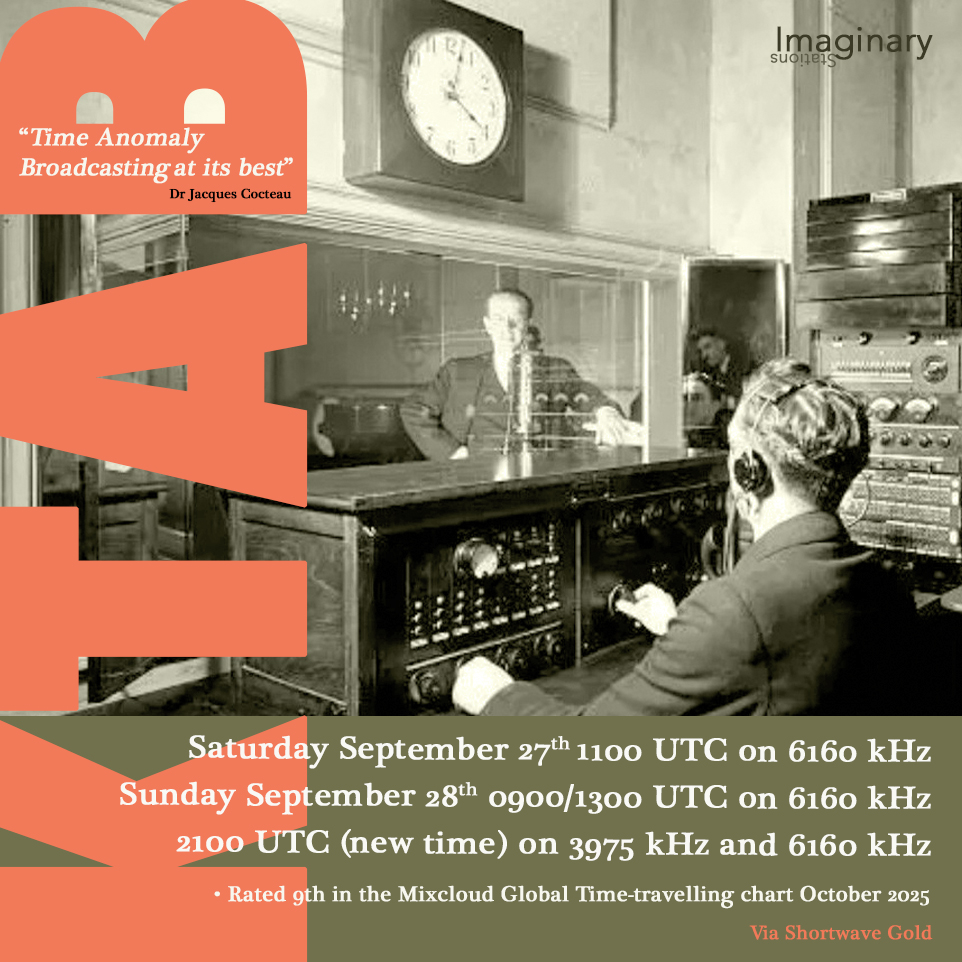
Greetings all SWLing Post community, here’s more about what the Imaginary Stations crew will bring via those shortwaves this week on Saturday 27th September 2025 at 1100 hrs UTC on 6160 kHz and then again on Sunday 28th September 2025 at 0900/1300 hrs UTC on 6160 kHz and at 2100 UTC (new time slot) on 3975 kHz and 6160 kHz.
It’ll be a trip back in time (via the transmitters at Shortwave Gold) with a show called KTAB – Time Anomaly Broadcasting which will be broadcast in pure mono complete with the ionosphere joining in with fading and such-like, to give you that authentic old time radio feel you don’t get on today’s shortwave radio shows. They’ll be all sorts of great tunes from many years back so expect some snap, crackle and pop and the sound of the gramophone being wound up before that next 78rpm record gets started. Step back in time via the shortwave dial.
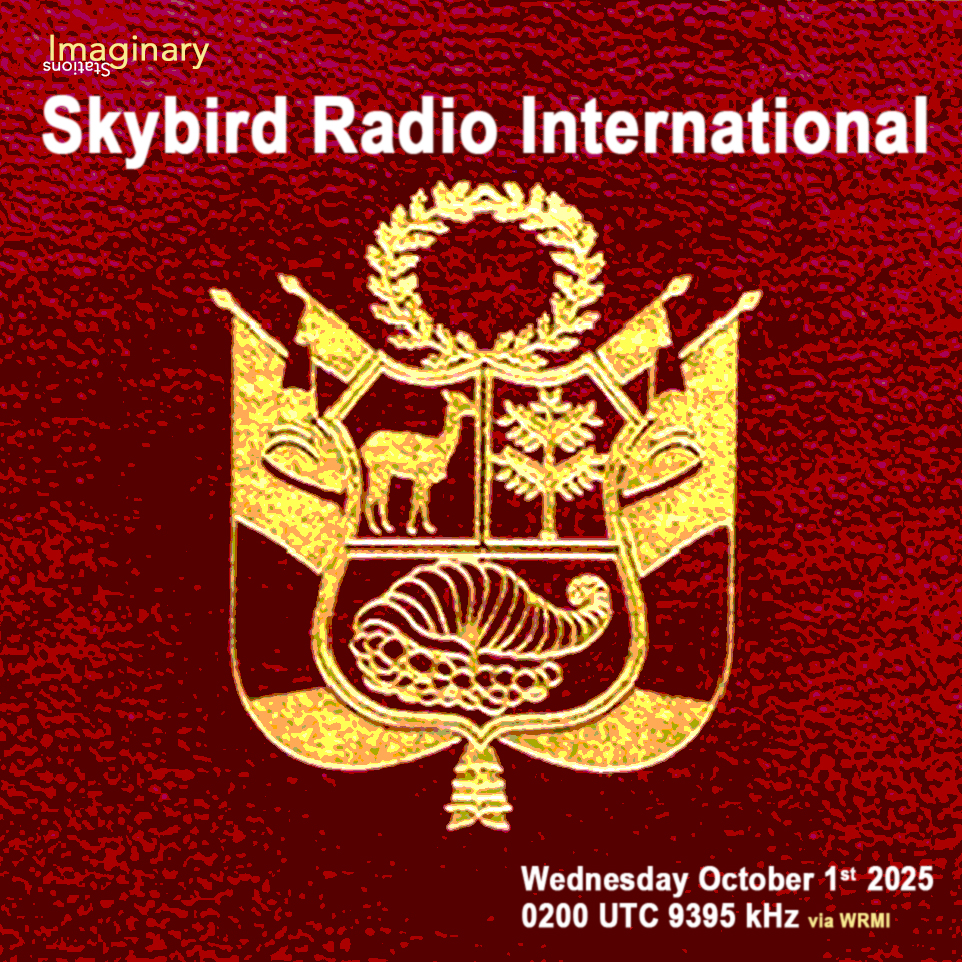
On Wednesday 1st October 2025 at 0200 UTC via WRMI we have an episode of Skybird Radio International – The Peruvian Edition. Expect some wonderful music in a true South American style. It’s well worth tuning in for!
For more information on all our shows, please write to us at [email protected] and check out our old shows at our Mixcloud page here.
Many thanks to SWLing Post contributor, Bill Tilford, who shares the following update:
Special Extra Broadcast of September’s Program
Channel 292 will air an encore broadcast of September’s UBMP featuring jazz from Russia and Ukraine on September 28, 2025 at 0300 UTC (11pm Eastern US) on 3955 kHz.
This is an experiment – although most Europeans are fast asleep, this is supposedly the hour of maximum reach for the frequency, and it may or may not touch parts of the world that don’t receive the transmission directly at the usual times. We are about to find out.
Please support this website by adding us to your whitelist in your ad blocker. Ads are what helps us bring you premium content! Thank you!