 John C’s radio story is the latest in a new series called Listener Posts, where I will place all of your personal radio histories. If you would like to add your story to the mix, simply send your story by email!
In the meantime, many thanks to John for sharing his personal radio history:
John C
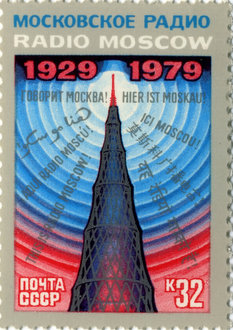
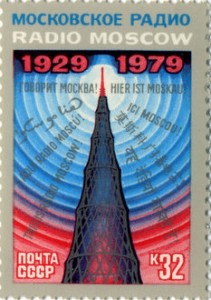 My story started when I was about 7-8 years old. My Father was in the USAF and was stationed in Germany. I remember my parents had this big Telefunkun Console that had a radio and record player. The radio had shortwave bands on it. I used to listen to the Armed Forces Network on the radio. I remember one day checking through the shortwave stations, I came upon an English language program that gave the station ID as “This is Radio Moscow speaking.” I was also able to tune in to BBC World Service which I really liked. After this initial contact with Shortwave Radio, I really never got involved again until after a car accident I had two years ago.
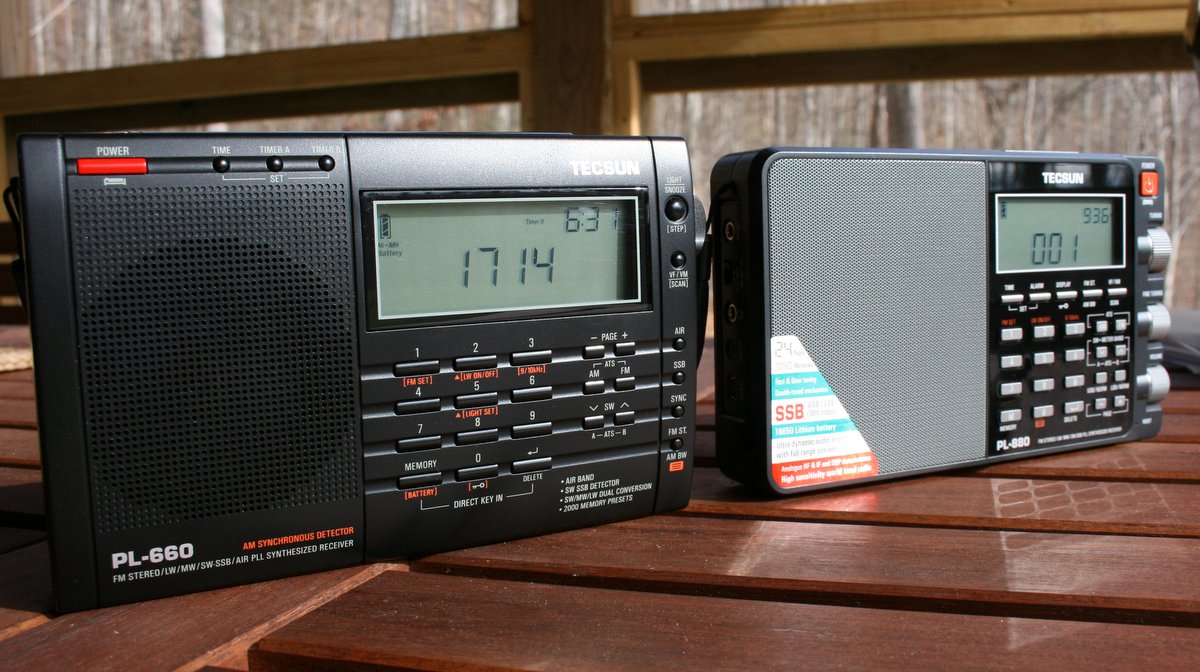
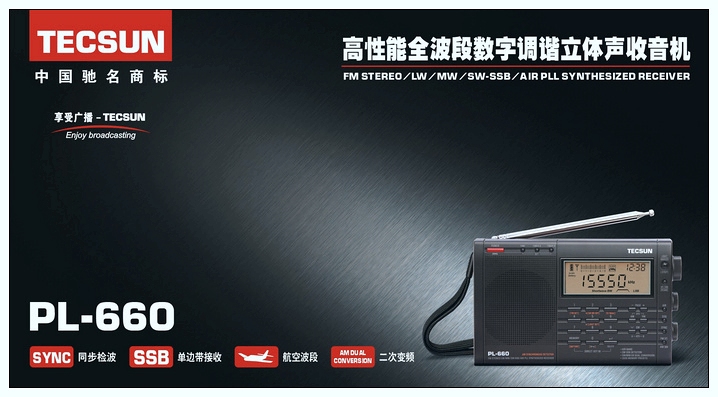
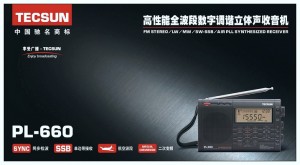 My mobility became limited after the accident. I started looking at low impact hobbies that I could become involved in that did not require a lot of physical activity. I already collected stamps and coins but I wanted something more engaging. In November, 2012, I saw an ad for a radio the Tecsun PL-660 and I ordered one. I really liked it because I had Air Band along with Shortwave and SSB/LSB. I remember the first overseas station I picked up in English which was Radio Romania International. I was very excited even though I was 60 years old at that time. I had studied about submitting reception reports and I immediately completed one and sent it out. After this I was hooked really bad. I read about other radios and decided to purchase a Grundig Satellit 750. What a difference that made along with a better antenna I started receiving stations the PL-660 could not get in. About two -three weeks after I sent out my first reception report I received a letter and QSL card from Radio Romania International. What a treat that was for me. My first confirmation.
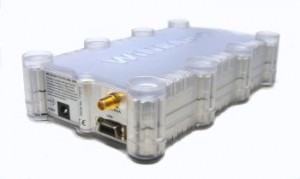
Winradio G33DDC Excalibur Pro
As I continued to study about antennas and radios I got interested in SDR’s. What a neat concept I thought so naturally I had to try it out. I purchased a RF-Space -IQ and what a difference that made. I received more stations and had more control over noise filters and memory plus now I could record band spectrum for later review. Well, being hooked good now, lead to another purchase, a Winradio G33DDC Excalibur Pro. I had two choices with the budget I had, get a transceiver and get my Ham license or get a better SDR or Shortwave receiver and new antenna. I decided on the SDR/antenna and I am not disappointed. It is a great unit and really compliments my other SDR. I am still on the fence about becoming a Ham Operator as I would rather listen than talk.
I do realize that stations all over are stopping their broadcasts because of funding issues and newer easier forms of mass communication but I will not give up. Every two to three weeks I end up catching a new station I had not identified before. Many countries around the globe still depend on radio for communication and news so I really doubt if I will ever turn on the radio and be greeted just by a wall of noise.
 This is a great hobby. I have come in contact with many knowledgeable and interesting people who have and continue to help me on my journey through the shortwave hobby. There is more to this hobby than just putting on headphones and trying to listen in to a far away station. I have had to do research, I have to read a lot to keep on top of the hobby, plus it has opened my eyes and mind to other cultures and their interesting histories. and it really keeps me busy. I also joined the NASWA and highly recommend that club to all newcomers.
Daily I look forward to the mail coming in hoping I have received a confirmation. This does not happen as much as I would like but when it does it is always a treat for me as I build my collection. This November is my one year anniversary in the hobby. I have no regrets and I will continue to enjoy my shortwave radio hobby.
Thanks,
John C.
Pennsylvania, USA
 John, many thanks for sharing your radio story!
I’m impressed that the radio bug hit so hard that you moved, in short order, from a Tecsun PL-660 to a WinRadio Excalibur Pro! What a leap!
I would encourage you to get your ham radio license, of course. By now, you understand enough about radio, that it would be a very easy step to take. Strike while the iron is hot! 🙂
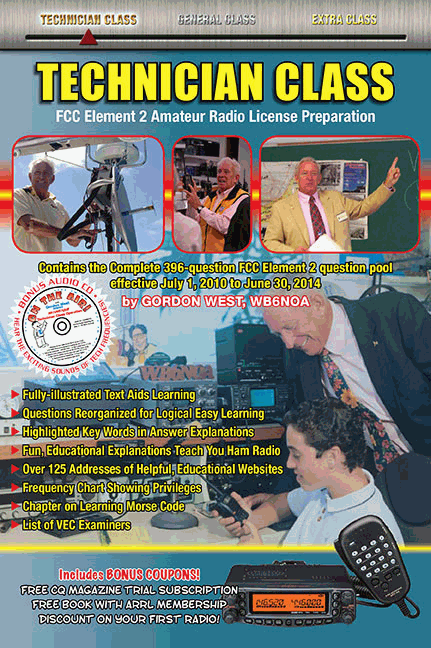
I’ve had success with the Gordon West testing guides–they’re very informative while teaching you strategic techniques to pass the test.
Readers: Please click here to read our growing collection of Listener Posts, and please consider submitting your own!