Many thanks to SWLing Post contributor Terry (N5RTC), who shares the following schedules for Texas Radio Shortwave (click image to enlarge):
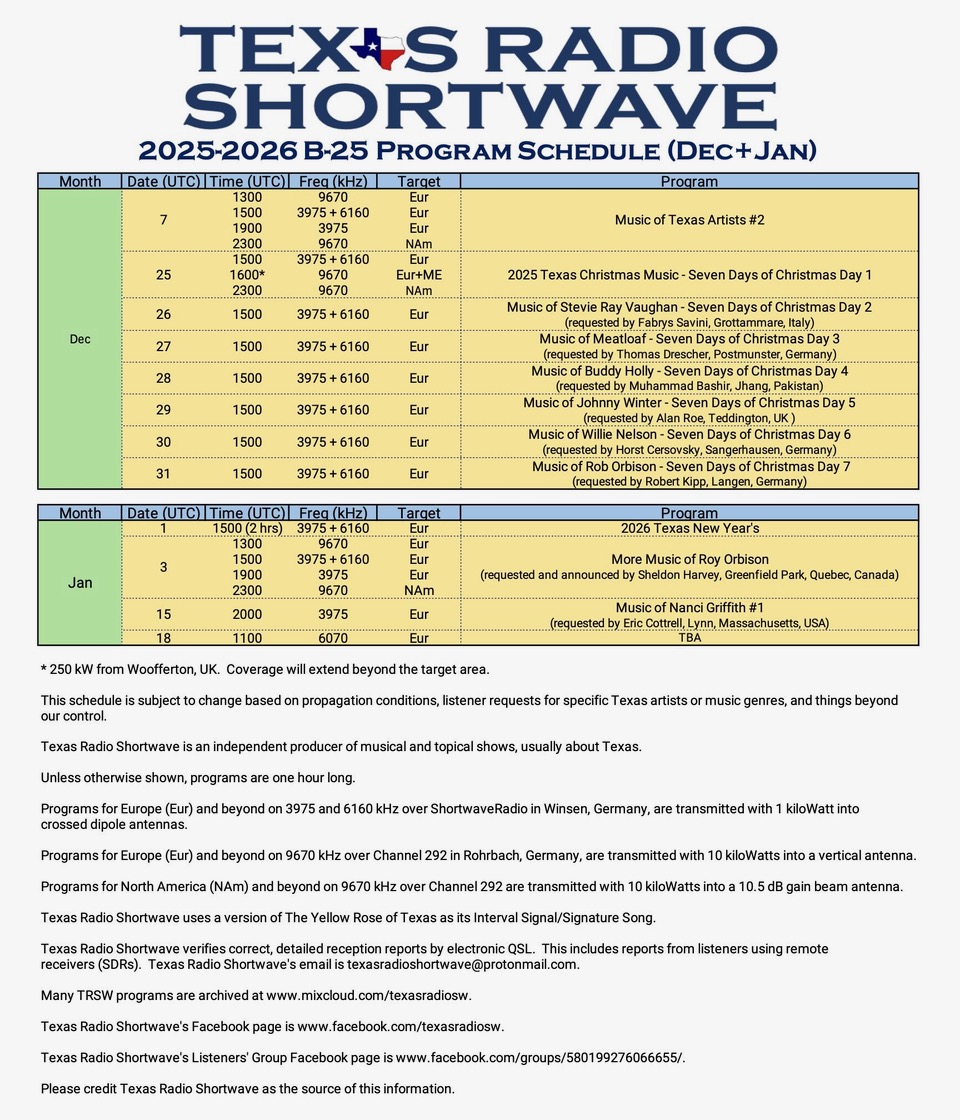

Many thanks to SWLing Post contributor Terry (N5RTC), who shares the following schedules for Texas Radio Shortwave (click image to enlarge):
 Many thanks to SWLing Post contributor Fred Waterer, who shares this article about Australia’s first rehabilitative radio station for youth in detention, Futures, from Branding in Asia:
Musicians Making a Difference (MMAD), in partnership with creative studio Supermassive and Youth Justice NSW, has launched Futures–an audio-based rehabilitative program presented as a hip hop radio station. Designed to help young people in juvenile detention find their voices through music, storytelling, and mentorship, Futures offers 24/7 programming aimed at empowerment and self-expression. Following a successful pilot, the initiative is set to expand across Australia.
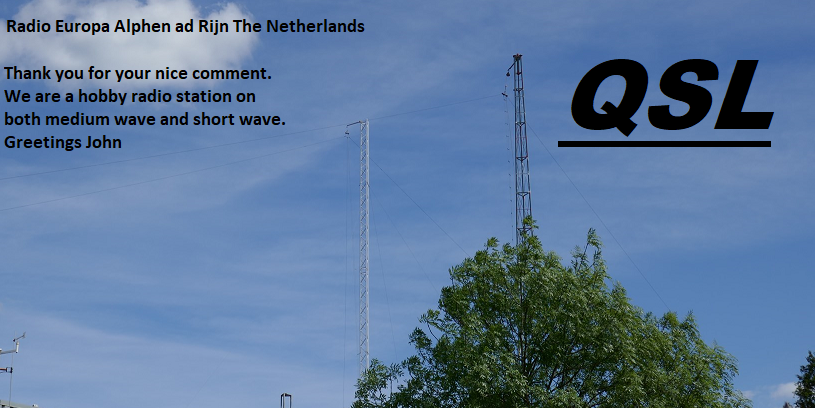 Many thanks to SWLing Post contributor Paul Jamet, who shares a follow-up to his recent reception reports of Radio Europe on 6130 kHz.
Paul not only received a QSL card (see above) from the station but also exchanged several friendly messages with the team behind Radio Europe—three brothers from the Netherlands who have been active in radio since the 1970s. They also included the following photos and postcards:


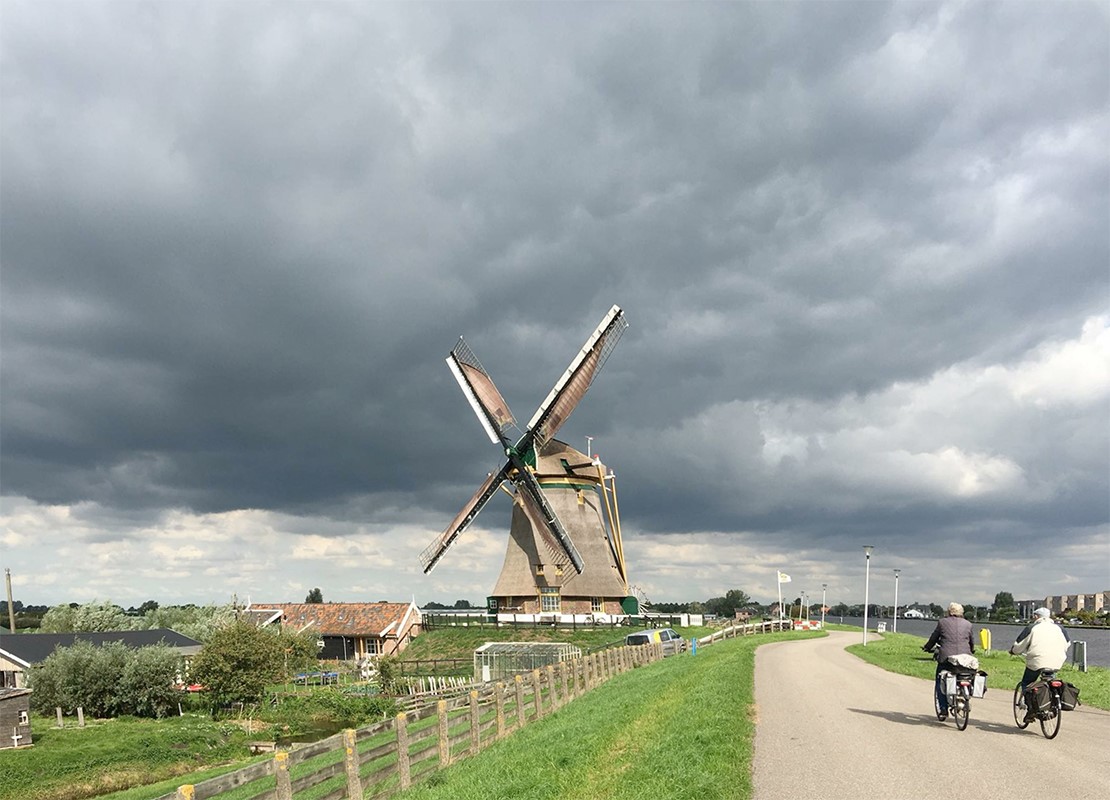
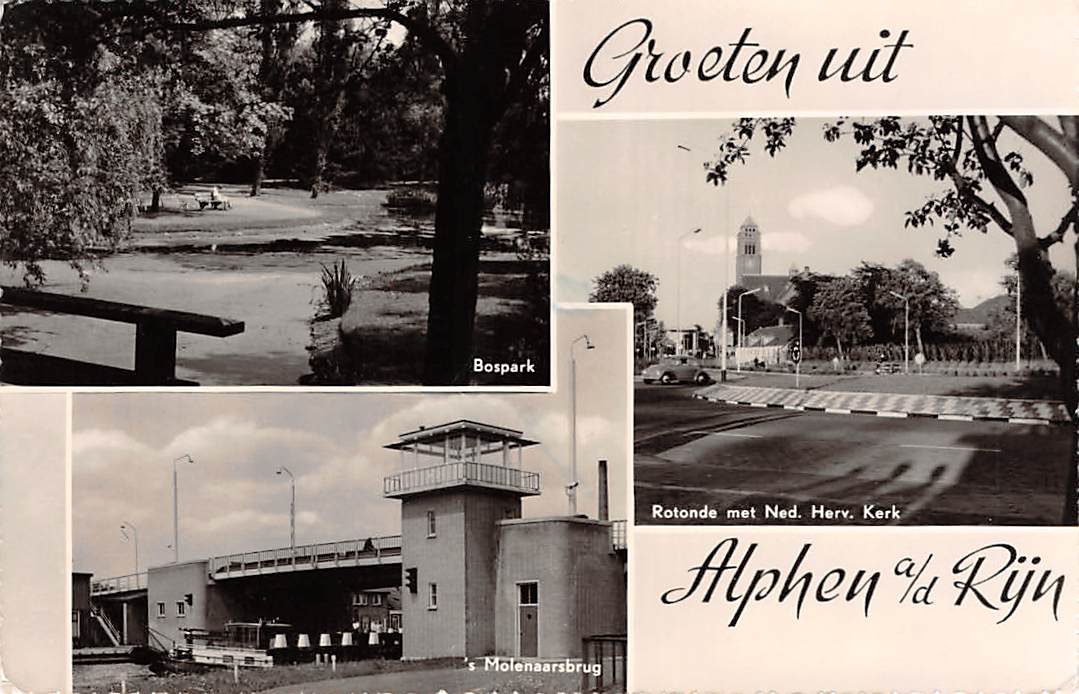
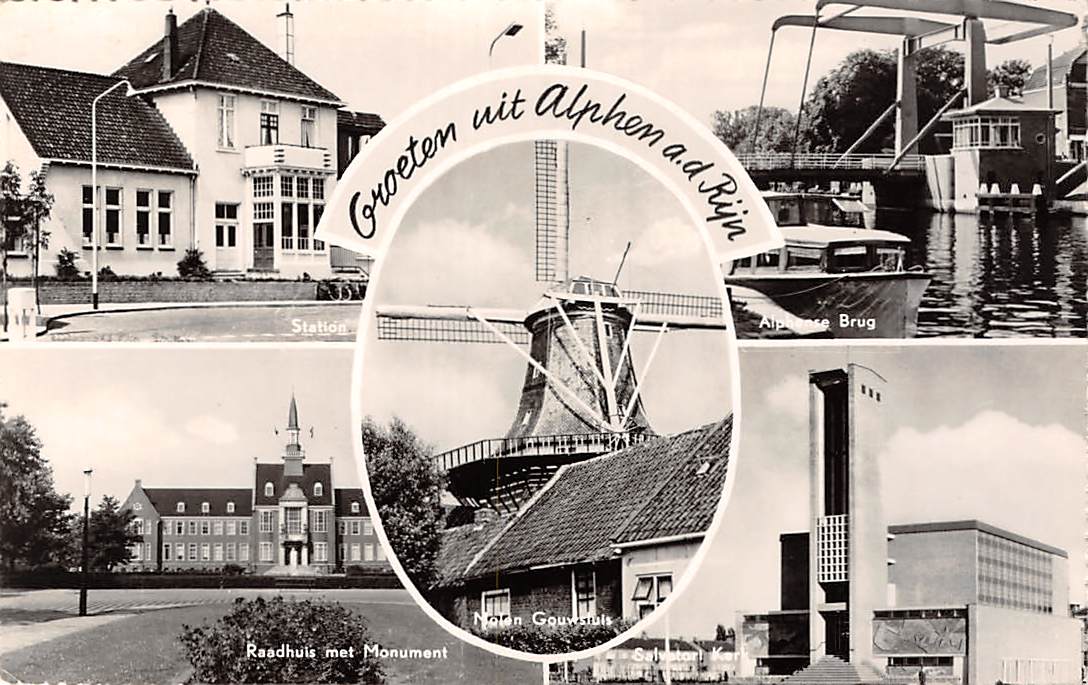
In their replies, the Radio Europe team wrote (English translation):
Hi Paul,
Great photos and thanks again for the recording and comment.
I’ll add a little more about who we are. We are three brothers who have been involved in this wonderful hobby since the 1970s. We started out on 27 MHz, and after obtaining some licenses, we started building radio tubes, transmitters, receivers, and antennas, including loop antennas for broadcasting on legal frequencies.
For years, John, the owner of RadioEuropa, used homemade tube transmitters. For several years now, we have been using factory transmitters, which consume less energy. We also use sound processors to make the audio sound as good as possible. We also work with a V-type antenna inverter that is located a few meters above the ground. The photo shows the old situation high up, but since the move, everything is now on the ground floor.
Based on the responses, we believe that the antenna and transmitter are working well. Given that it can sometimes be windy, John plans to keep the antenna low for the time being, because on shortwave, the sound can always vary or be heard differently. This also makes it very interesting for us.
Thanks again.
You have a beautiful radio and antenna.
Best regards from the Netherlands.
Radioeuropa
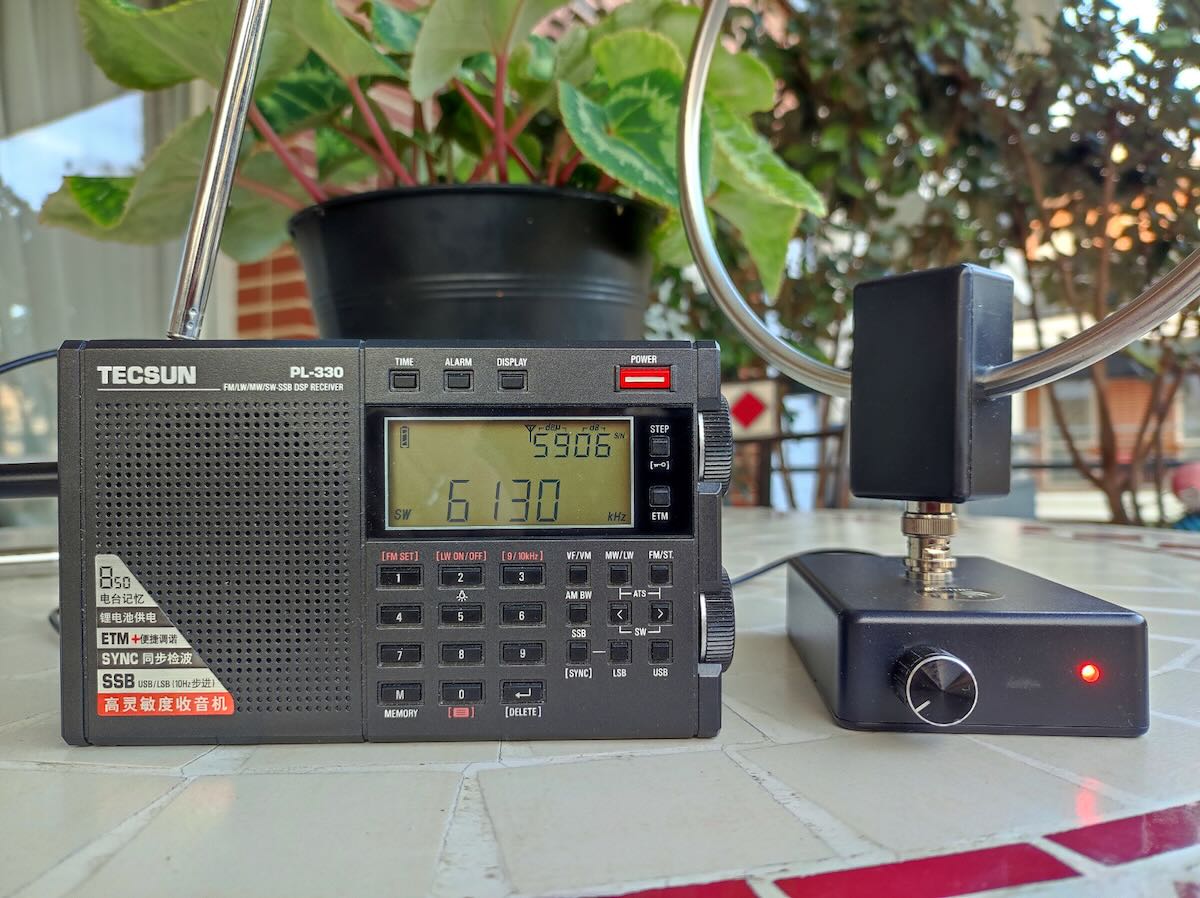
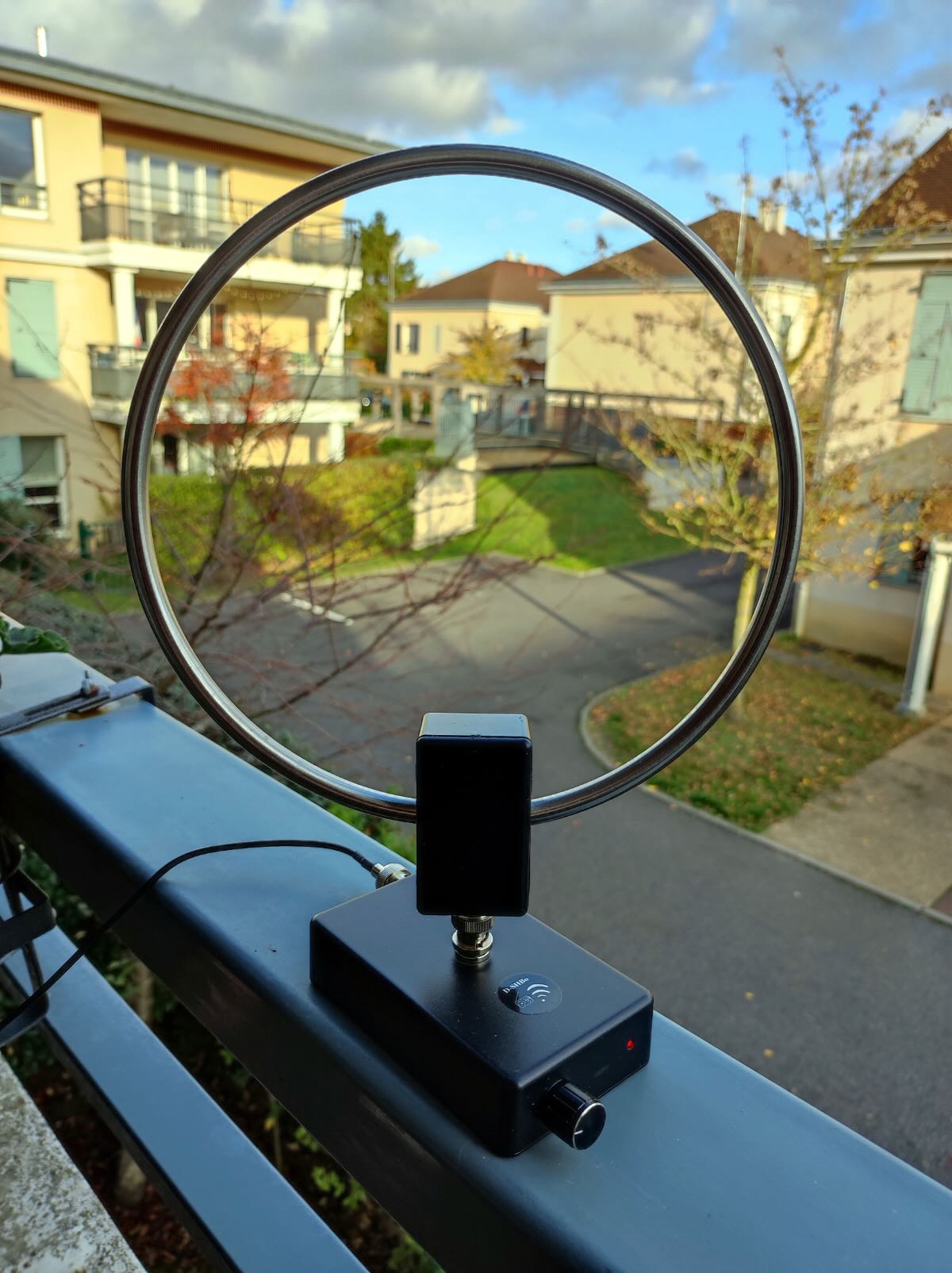
Paul also shared his most recent recording of Radio Europe made from his balcony in France, using a TECSUN PL-330 receiver and a Deshibo GA-450 loop antenna (20 cm diameter–see photos above and below). Even from a city location surrounded by small buildings, reception was quite good.
“This little loop antenna from Deshibo sometimes gives interesting results,” Paul notes. “The TECSUN PL-330 is a safe bet.”
Many thanks again to Paul for sharing his listening reports, correspondence, and these great insights into one of Europe’s independent shortwave broadcasters!
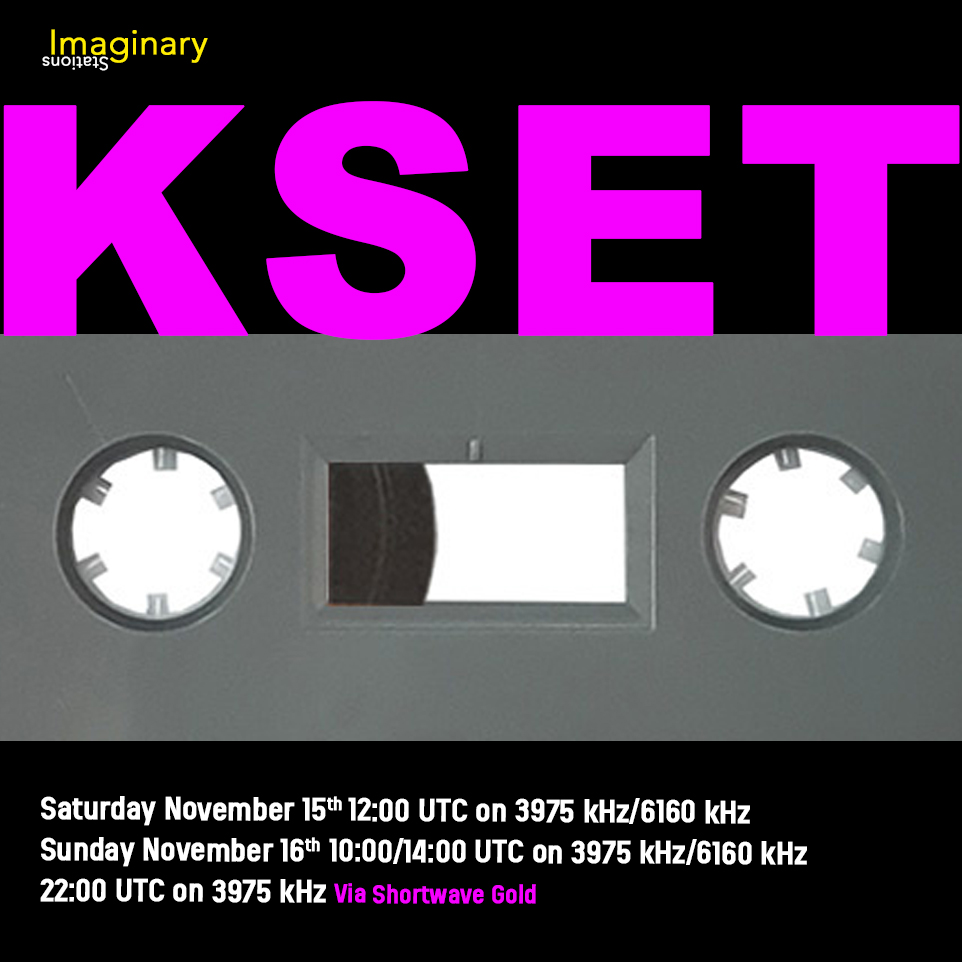
Greetings all SWLing Post community, here’s what Imaginary Stations crew are putting on air next week. There’ll be a tribute to the humble tape cassette called KSET via shortwaveradio.de on Saturday 15th November 2025 at 1200 hrs UTC and then again on Sunday 16th November 2025 at 1000/1400 hrs UTC on 3975 kHz and 6160 kHz and 2200 on 3975 kHz.
Tune in and enjoy an hour’s transmission of fine tunes released on cassette format that’ll fit on a C60. There’s even a little gap halfway through the show where you can turn the tape over. If you love tape you’ll love KSET.
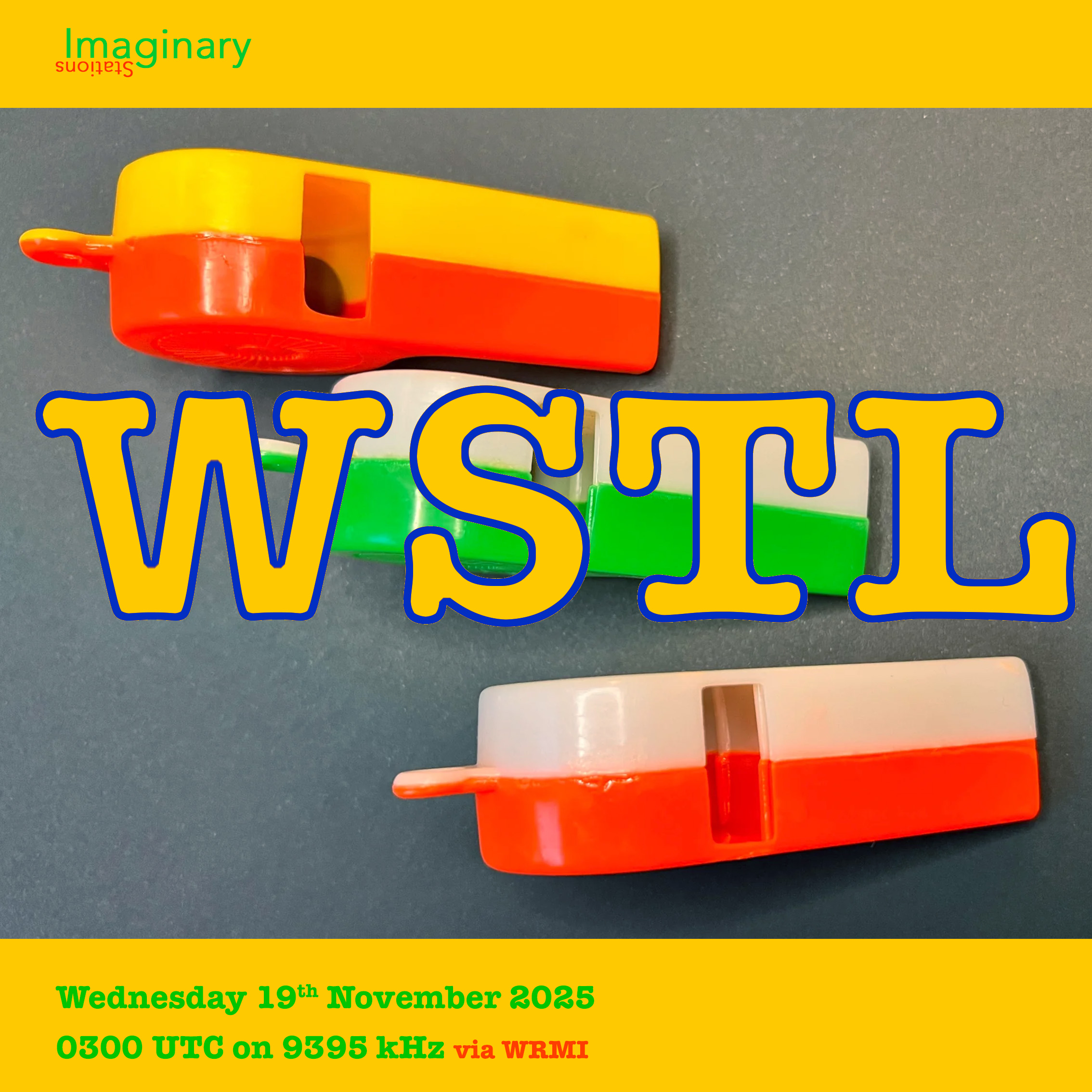
On Wednesday 19th November 2025 at 0300 UTC via WRMI we bring you WSTL featuring tunes of a whistling nature. They’ll be all sorts of whistling demonstrations too with dog whistles, whistling kettles, referee’s whistles and lots more. Just put your lips together and WSTL.
More on WSTL below:
For more information on all our shows, please write to us at [email protected] and check out our old shows at our Mixcloud page here.
FastRadioBurst23
 The SWLing Post will be undergoing scheduled maintenance on Tuesday, November 11, 2025, beginning around 10:00 AM EST (15:00 UTC).
Note that, during this time, the site will be temporarily offline (in maintenance mode) while we perform maintenance on the server and database. This downtime will help ensure the site continues running smoothly and securely.
We expect the SWLing Post to be unavailable for a few hours, but it should be back online later in the day.
Thank you for your patience and understanding!
— Thomas and the SWLing Post team
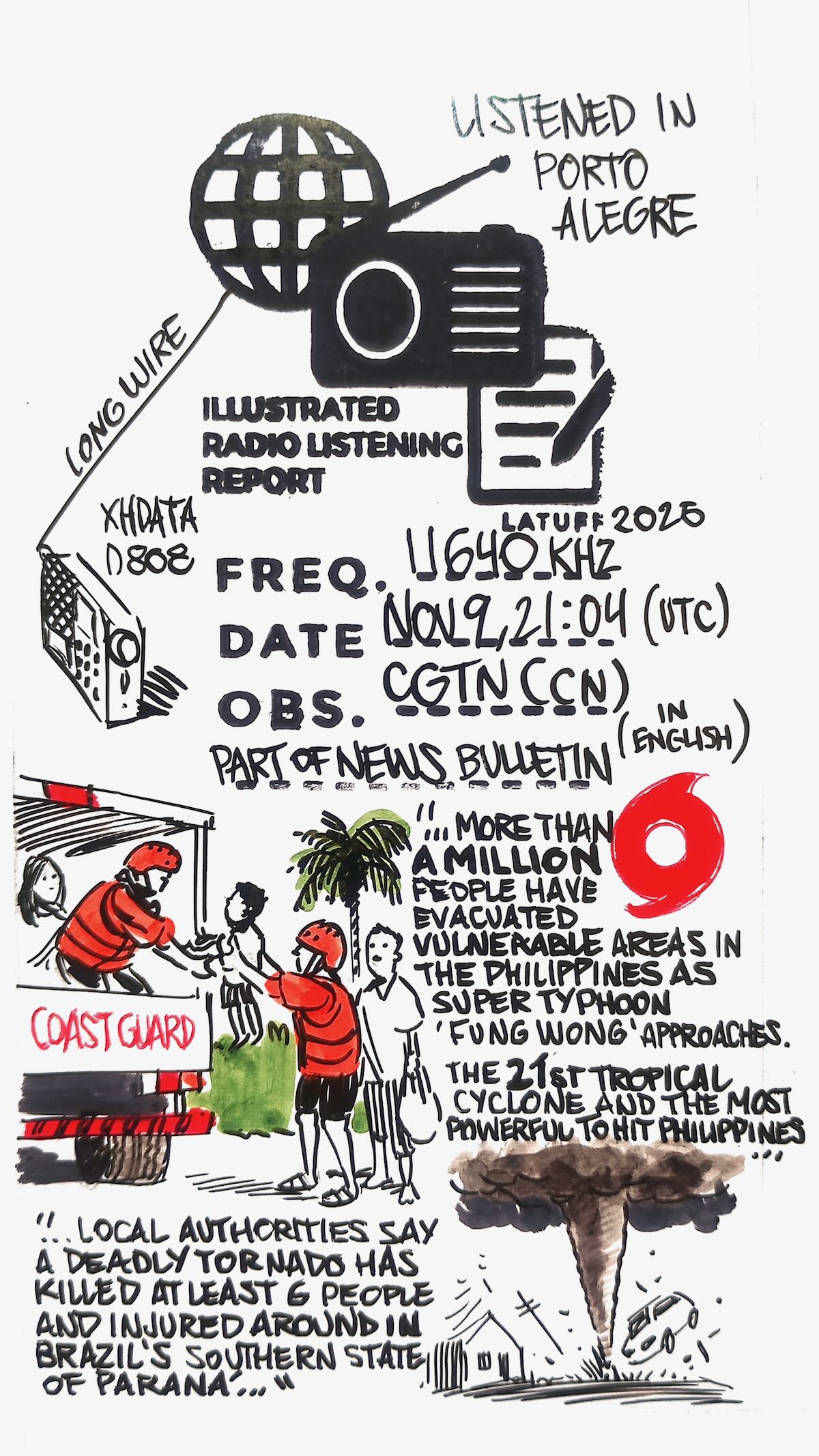
Many thanks to SWLing Post contributor and noted political cartoonist, Carlos Latuff, who shares the following illustrated radio listening reports of recent CGTN broadcasts.
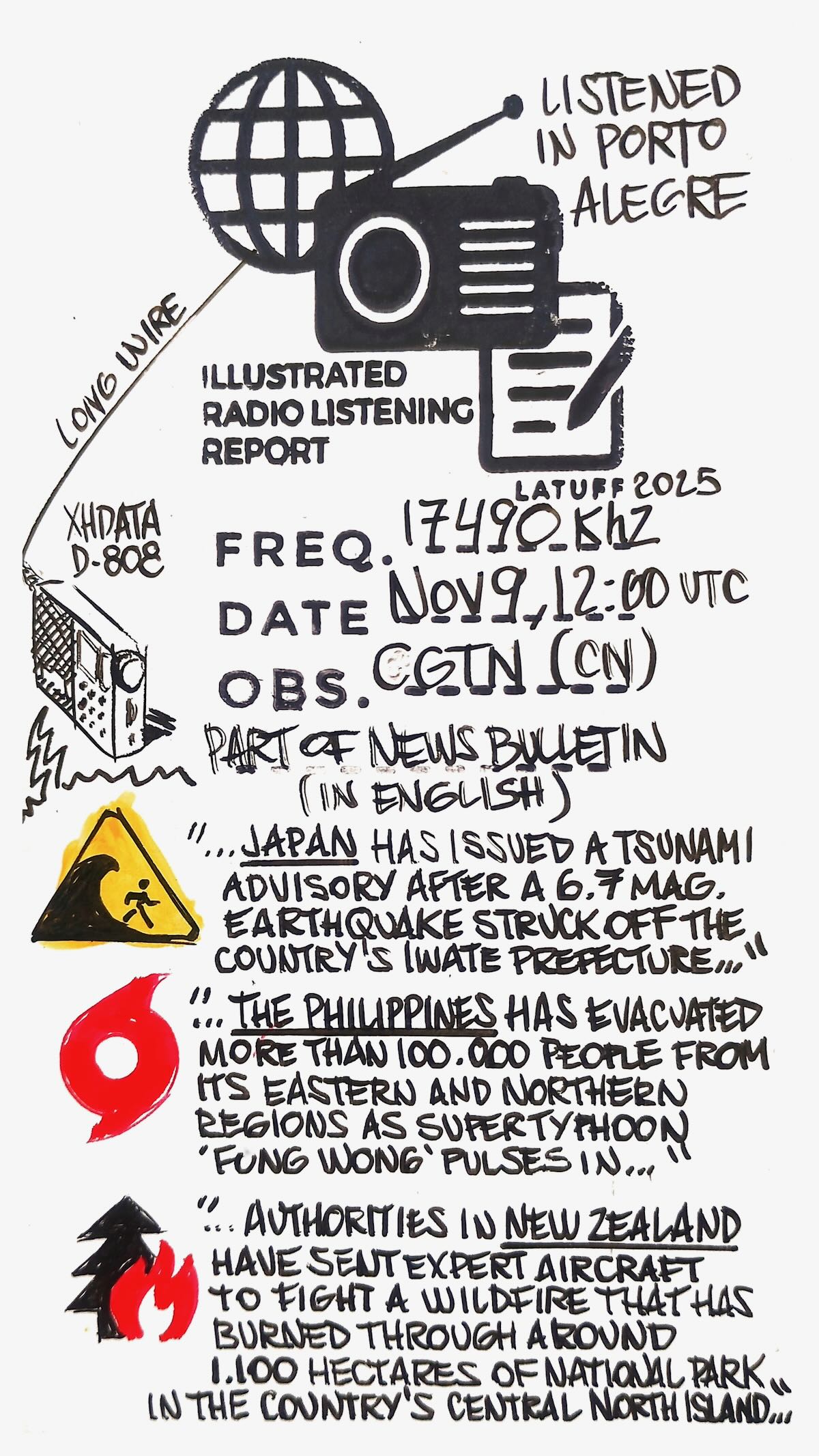
Carlos notes:
Super typhoon Fung Wong in the Philippines, tsunami advisory in Japan, wild fires in New Zealand, deadly tornado in Brazil
Click here to view on YouTube.
Click here to view on YouTube.
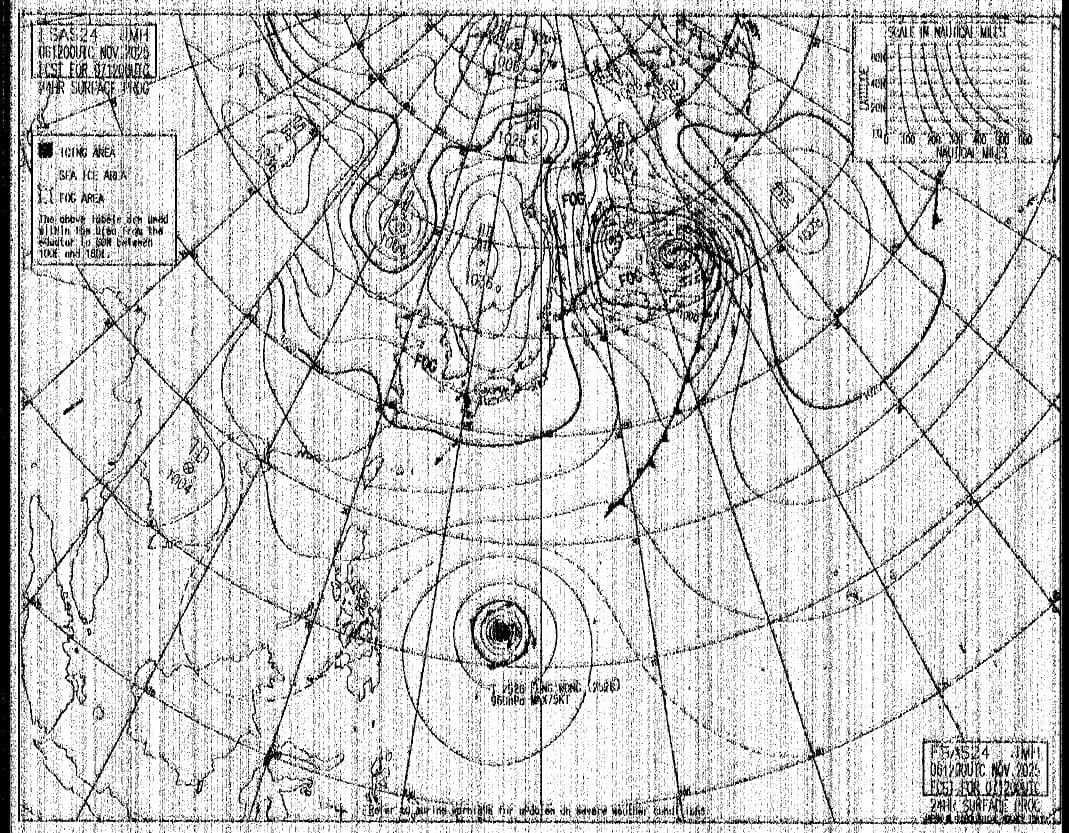
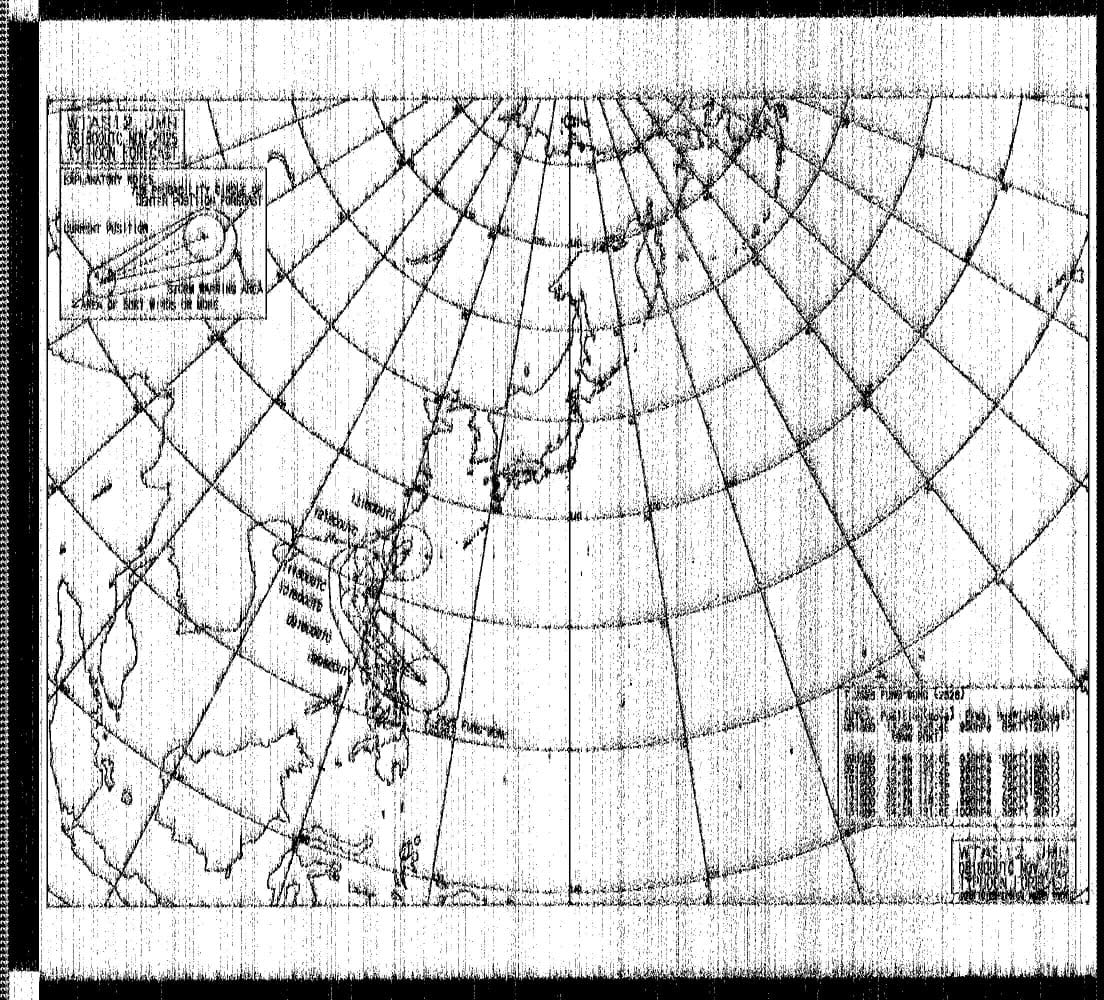
Typhoon Fung Wong via Japan Meteorological Agency radiofax
November 6, 2025:

November 8, 2025:
November 9, 2025:

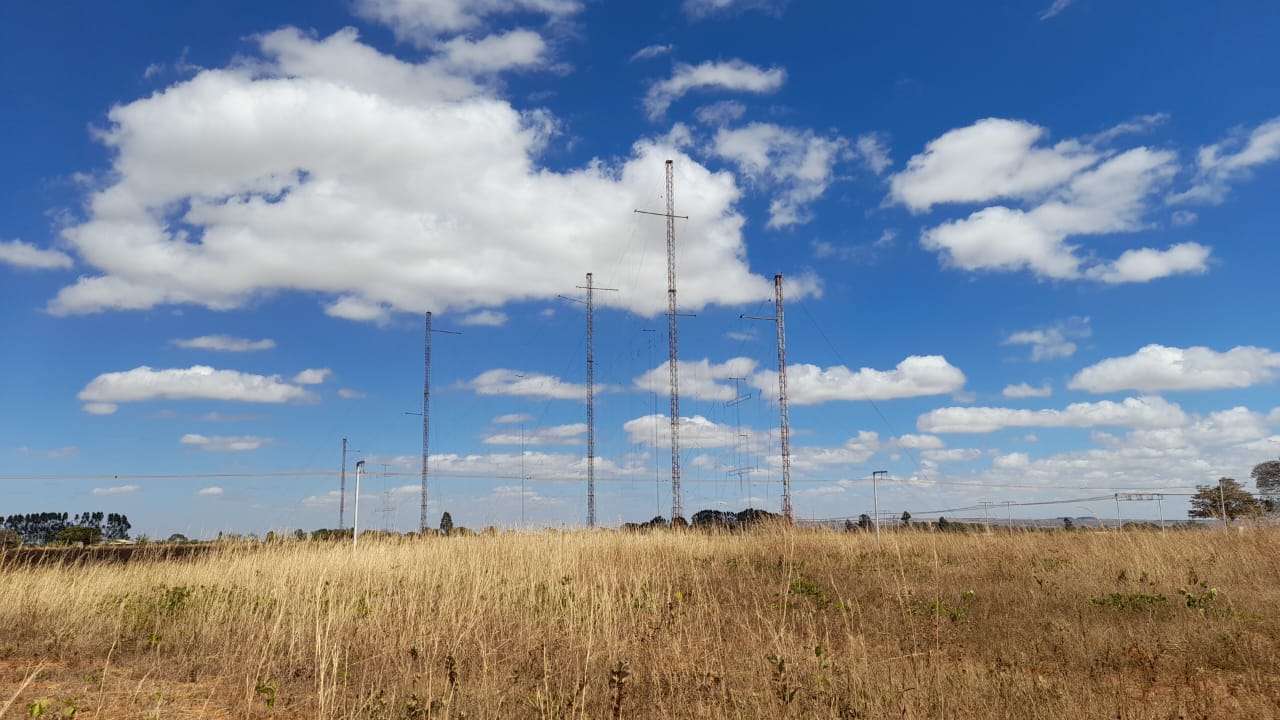
The 11780khz antenna beaming at 312 degrees
(compiled, posted and edited by Paul Walker, KSKO-FM McGrath Alaska Program Director and Avid SWL’er)
UPDATE: On November 13th, I was told that 11780khz is operating with 50,000 watts transmitter power output instead of it’s usual 100,000 Watts. It was also shared with me that new tubes are in the process of being ordered and they hope to be back to normal about in about a week from the date of this update. This story was originally published November 9th.
Over the last few years, many of us who enjoy listening to Radio Nacional da Amazônia have noticed the 11780 kHz signal coming and going. It’s had several breakdowns, mostly because the transmitter is about 50 years old now. They’ve been running it at 100 kW instead of the full 250 kW, but even then, it’s been showing its age.
The weekend of November 8th, 11780 kHz was off again. But this time, 6180 kHz was sounding unusually good up here in Alaska — stronger and clearer than I’ve heard it in a while. That one usually beams at 239 degrees toward South America, so it really caught my attention.
Curious about what was going on, I reached out to Manoel Caetano, Radio Engineering Manager at Empresa Brasil de Comunicação, which runs Radio Nacional. Here’s what he told me:
“We had a problem with the logic unit of the 11780 transmitter, but that’s been resolved. However, we’re still having issues with the 4CX5000 tubes, so 11780 is running at reduced power until we get replacements. Also, 6180 kHz has been switched to the 11780 kHz 312° antenna because of the COP30 event taking place in Belém, Brazil.”
Always interesting to get a peek behind the curtain like that. It’s good to know the folks at EBC are keeping these classic shortwave services going, even if it means juggling transmitters and antennas from time to time. Thank you to Manoel for answering my questions and providing the picture.