Many thanks to SWLing Post contributor and noted political cartoonist Carlos Latuff, who shares the following illustrated radio listening report.
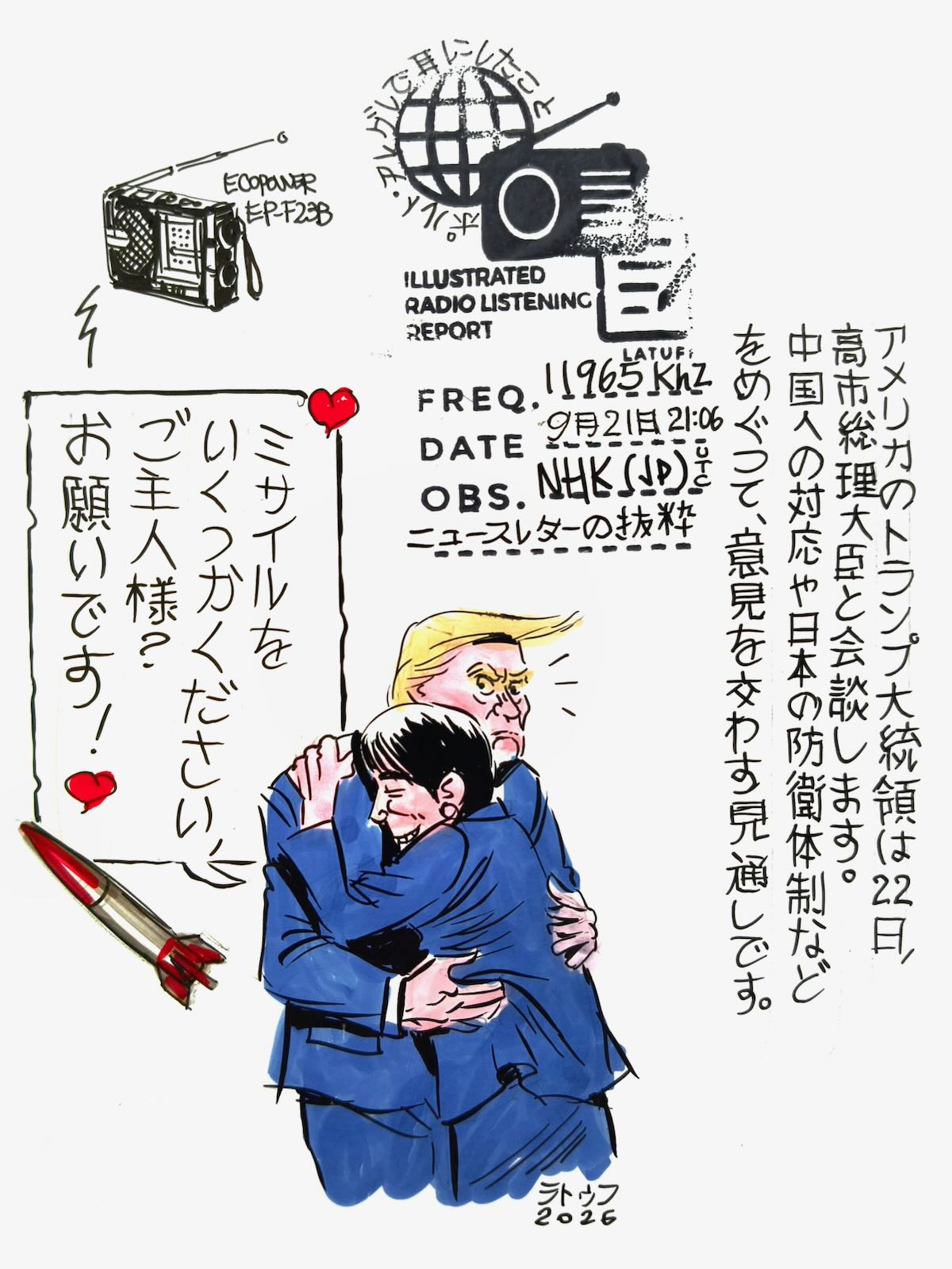
Carlos notes:
NHK: Prime Minister Takaichi will hold a meeting with Trump on the 22nd.

Many thanks to SWLing Post contributor and noted political cartoonist Carlos Latuff, who shares the following illustrated radio listening report.
Carlos notes:
NHK: Prime Minister Takaichi will hold a meeting with Trump on the 22nd.
Hi to all our SWLing Post friends. Here’s this week’s Imaginary Stations schedule for your shortwave listening pleasure.

On WRMI on Wednesday 23rd September 2026, at 0200 hrs UTC on 9395 kHz we bring you Imaginary States: Vermont. Welcome to the sounds of the Northeast Kingdom where hippies still thrive six decades later. We will hear tunes from all over the state, and the state of mind, known as Vermont.

Later that day at 1800 hrs UTC on 3975 kHz/6160 kHz via Shortwave Gold, tune in for more sounds of Skybird Jams, great extended tunes from the Skybird vaults including Grant Green, Herbie Hancock & more.

And at the weekend, on Saturday 26th September at 1100 hrs UTC on 6160 kHz and then again on Sunday 27th September at 1300 hrs UTC on 6160 kHz and 2000 hrs UTC on 3975 kHz/6160 kHz via Shortwave Gold, it’s our first broadcast of CLSC, music we like to think is classic, or classical in nature. Roll over Beethoven, we’ve got the coolest tunes on shortwave (complete with additional instrumentation thanks to the ionosphere.)
For more information on all our shows, please write to us at [email protected] and check out our old shows at our Mixcloud page here.
FastRadioBurst23
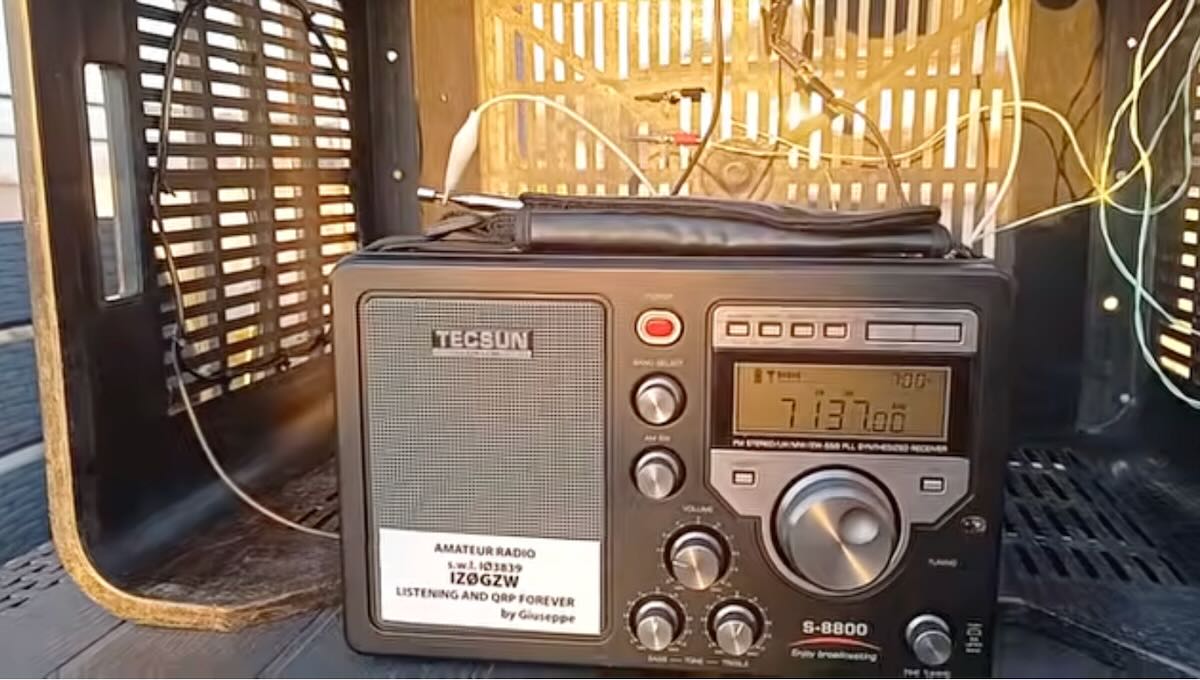
Many thanks to SWLing Post contributor, Giuseppe Morlè (IZ0GZW), who writes:
Dear Thomas and SWLing Post friends,
I am Giuseppe Morlè from Formia, in central Italy on the Tyrrhenian Sea.
I’d like to introduce you to yet another loop antenna I’ve built using a large crate—the kind that used to hold tomatoes for homemade sauce. It measures 60 x 40 cm.
There are three separate windings wrapped around the crate: 1 turn, 2 turns, and 10 turns of telephone twisted-pair wire, which fits perfectly around the crate.
Two separate variable capacitors are used for tuning—one 1000 pF and one 50 pF. The first tunes frequencies from 500 kHz up to 16 MHz; the second covers 13 to 30 MHz.
Alligator clips are soldered to the ends of each winding, allowing me to switch windings depending on the frequency being used.
I call it the “Cassettone Pomodori Loop Antenna.”
I’ve attached several videos showing tests conducted on my roof during the early morning and evening. I find it performs really well with Tecsun portable radios. In the morning, I could listen to the USA on the 40-meter band with very good signal quality. In the evening, I picked up many European and Mediterranean stations on medium wave. At 16:00 UTC, I was able to hear Radio Taiwan on 1557 kHz with a decent signal.
It’s great fun and didn’t cost a penny—all the materials are recycled.
I hope you all like it.
Best regards to you and all the friends at SWLing Post.
73 de Giuseppe Morlè, IZ0GZW
Many thanks to SWLing Post contributor and noted political cartoonist Carlos Latuff, who shares the following illustrated radio listening report.
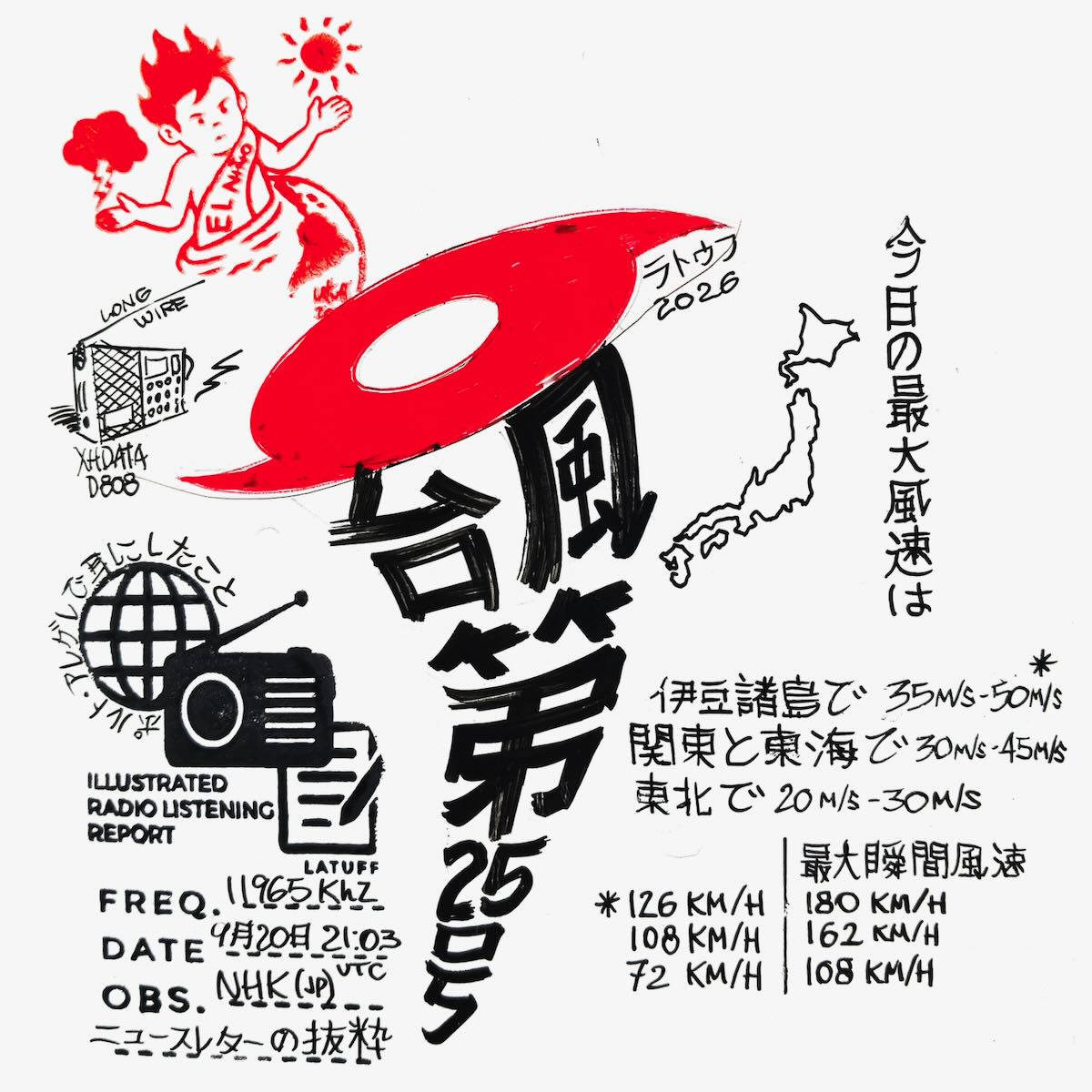
Carlos notes:
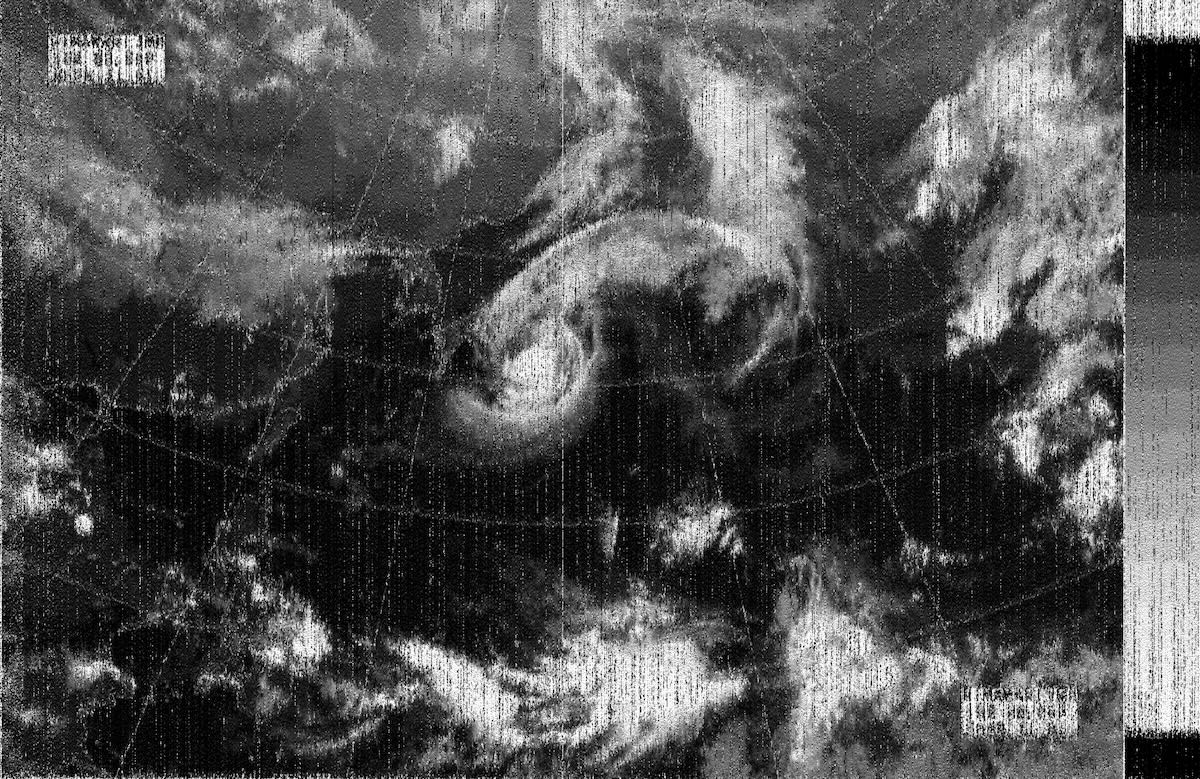
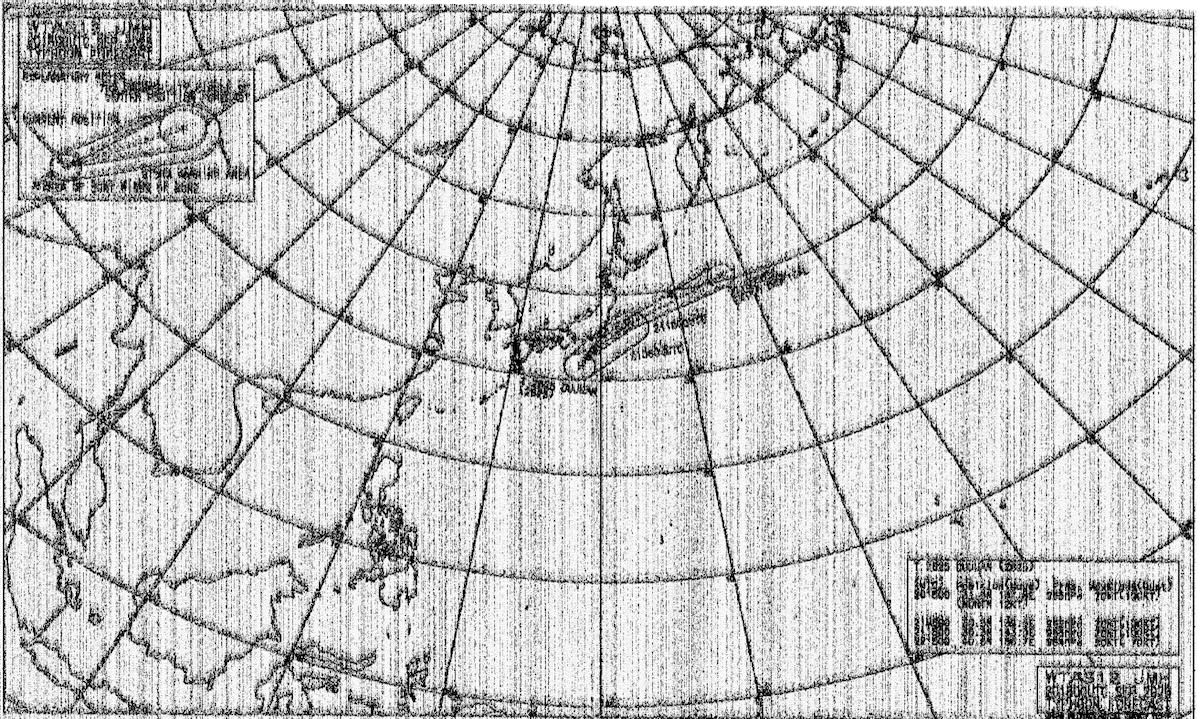
NHK: Typhoon No. 25 is approaching Japan!
Click here to view on YouTube.
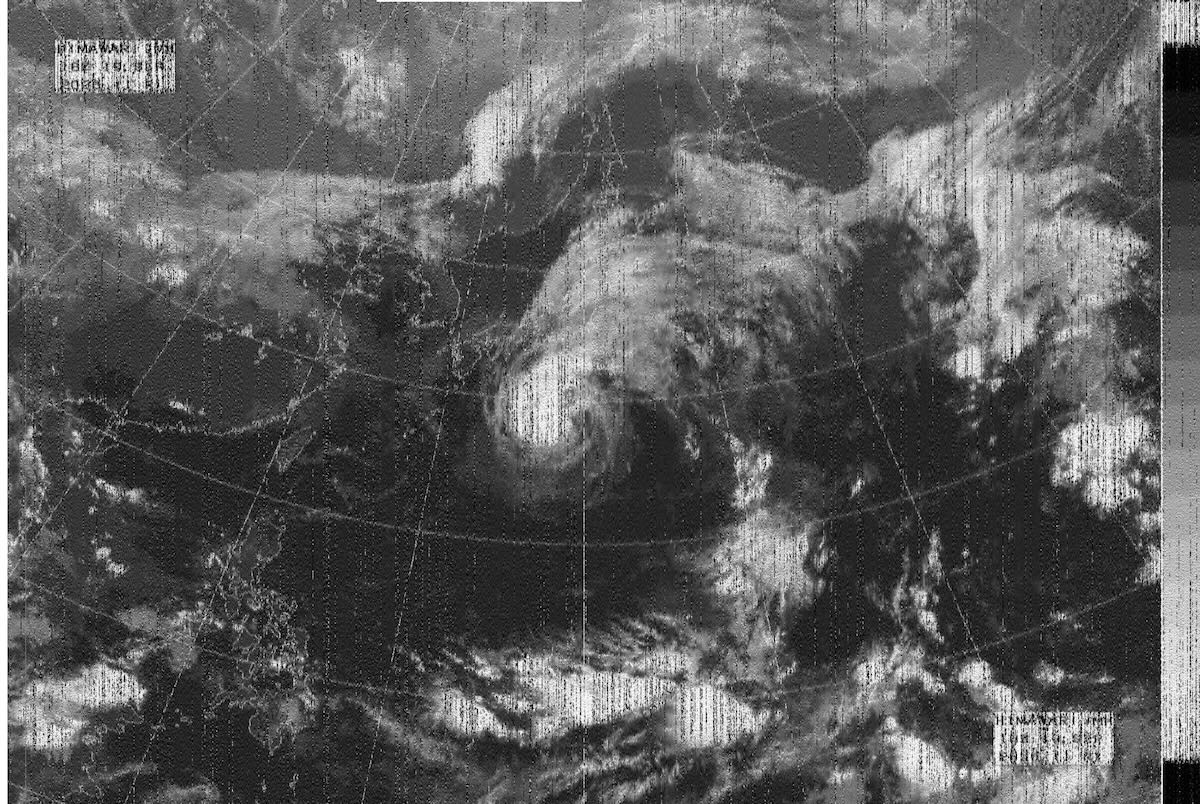
Typhoon n° 25 “Dujuan” via radiofax (13988 kHz USB) from Japan Meteorological Agency.
Sept 19
Many thanks to SWLing Post contributor and noted political cartoonist Carlos Latuff, who shares the following illustrated radio listening report.


Carlos notes:
Welcome to the SWLing Post’s Radio Waves, a collection of links to interesting stories making waves in the world of radio. Enjoy!
Many thanks to SWLing Post contributors Frank and Dennis Dura for the following tips:
Many thanks to Frank who shares the results of the 2026 SWL Contest on his website.
[Click here to read about the winners and prizes.]
FM broadcast signals can travel long distances under the right conditions.
We’ve touched on E-skip several times in this space, particularly how double-hop sporadic-E makes transatlantic receptions possible. Receptions like these have been documented by long-distant radio enthusiasts such as Ireland’s Paul Logan catching North American signals, and the reverse accomplished by Bryce Foster on Cape Cod and Larry Horlick in Newfoundland.
Now, another operator, this time in Spain, has joined those ranks. Mauricio Molano, a retired 47-year radio veteran and DXer since age 15, recently shared his loggings with us.
The National Association of Broadcasters and other prominent players are celebrating Tuesday’s House vote in favor of the AM Radio for Every Vehicle Act. But the passage of the bill did involve some compromises.
The radio industry admits it didn’t get everything it wanted when the original bill when it was first introduced. The bill includes a sunset provision of eight years instead of the 10 years originally proposed.
Please consider supporting us via Patreon or our Coffee Fund!
Your support makes articles like this one possible. Thank you!


Photo by Brock Wegner on Unsplash
Welcome to the SWLing Post’s Radio Waves, a collection of links to interesting stories making waves in the world of radio. Enjoy!
Many thanks to SWLing Post contributors David Iurescia and Dennis Dura for the following tips:
National public broadcaster Czech Radio is testing a new system designed to warn the public of emergencies through radio broadcasting. The technology will eventually allow listeners to be alerted quickly about events such as floods, fires or power outages with immediate advice regarding what to do.
Czech Radio carried out a nationwide test of the technology last week on both conventional radio receivers and a number of DAB+ digital radios.
After more than three years of advocacy, the AM Radio for Every Vehicle Act (H.R. 979) is getting a vote on the House floor during the week of September 14.
I do not say that lightly. This is the moment NRB, our members, and our coalition partners have been working toward since several automakers began dropping AM receivers from new vehicles.
I want to be clear about something as we head into this vote: This is not just an AM story. It is a radio story and a broadcast media story with stakes that reach well beyond the dashboard. Congress is not simply deciding whether AM radio stays in cars; it is deciding whether free, local, over-the-air broadcasting will retain its place on the automobile dashboard or be quietly engineered out — one cost-cutting decision at a time.
I believe H.R. 979 will pass overwhelmingly. When it does, the bill will direct the Department of Transportation to require that new passenger vehicles include access to AM broadcasting at no additional cost to consumers and that AM remains easy to find on the automobile dashboard.
For NRB members, this is not an abstract issue. It is personal.
Please consider supporting us via Patreon or our Coffee Fund!
Your support makes articles like this one possible. Thank you!