Tag Archives: Antarctica

Weak signal DX challenge: Christmas carols in Antarctica

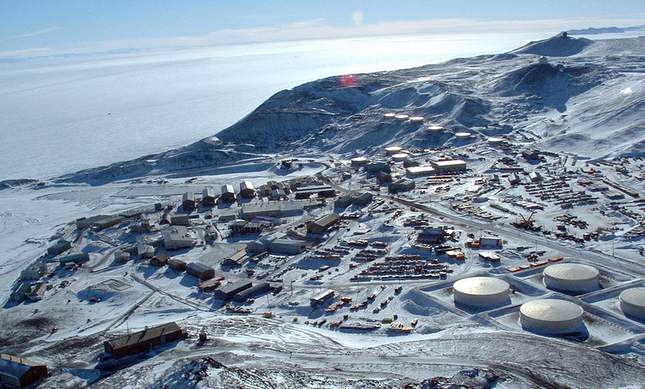
McMurdo Station, Antarctica. (Source: USAP.gov)

McMurdo Station, Antarctica. (Source: USAP.gov)

UPDATE: Check out Nathaniel’s message with recordings.

Many thanks to Mark Phillips (via the SWL Fest group) and Sheldon Harvey  (via the International Radio Report) for sharing the following message from Nathaniel Frissell (KC4/W2NAF) who is stationed at the McMurdo Station, Antarctica:

Hi, everyone. Merry Christmas, Happy Hanukkah, and any other holidaysyou may celebrate!

Things are going well down here (Antarctica), and I’m glad to have worked some of you on the air. I apologize for any weak signals, but there has been a lot of space weather activity recently and the station here is rather modest.

Each year, the residents of McMurdo Station, Antarctica celebrate Christmas by singing Christmas Carols to the remote, Antarctic field camps on the HF radio. This year, we are asking ham radio operators (and shortwave listeners) around the world to listen in and e-mail short wave listening reports telling us how far away the carols are heard. Listen on 7995 kHz USB on 24 December 2014 2300z and e-mail reports to [email protected].

For a Christmas in Antarctica SWL QSL card, please send an SASE to my Blacksburg address. NATHANIEL A FRISSELL, 1412 North Main Street, Blacksburg, VA 24060 United States Special cards will be made for this event.

Please share this information with as many hams and SWLs as possible. It would be really interesting to know how far we are heard. I believe we will be running about 1000 W for this.

Merry Christmas!
73,
Nathaniel, KC4/W2NAF

Shortwave Radio Recordings: BBC to the 2014 British Antarctic Survey

800px-Antarctica.svgAs promised, here are the recordings of the BBC World Service’s thirty minute broadcast to the British Antarctic Survey. The broadcast started at 21:30 UTC on June 21, 2014 and was broadcast on 5,875, 5,985, 7,350 and 9,890 kHz.

British_Antarctic_Survey_Logo

As in previous years, this broadcast was lighthearted, filled with humorous shout-outs from the team’s family and friends. Even a couple of special guests were included. Listen for yourself:

This excellent recording was made by SWLing Post reader, Dominik, in Europe:

Click here to download Dominik’s recording as an MP3.

Post reader Rob Wagner (VK3BVW), in Australia, could receive the broadcast on three frequencies (5,875, 5,985, and 7,350). He’s included clips of each broadcast on his excellent blog, The Mount Evelyn DX Report.

As for me, I was traveling to visit family yesterday afternoon when the broadcast started.  I knew from listening endeavors on previous visits that receiving a broadcast indoors at their home is not feasible; there is some sort of power line noise in that area that overwhelms anything on the short or medium wave bands, unless the station is very strong.

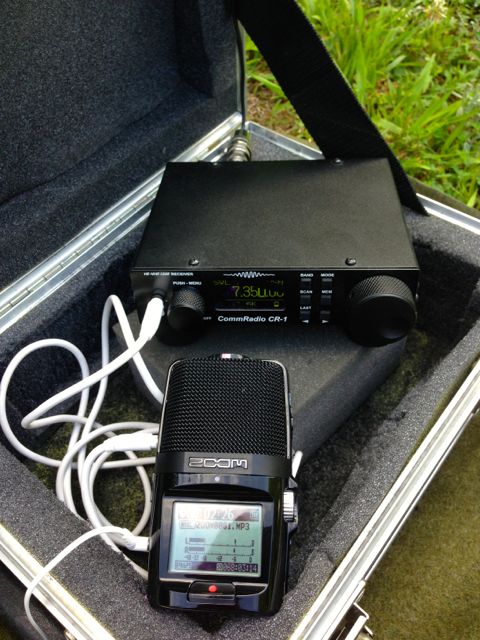
To cope with this noise, I knew I would need to move my operation outdoors, away from the house, and employ an outdoor antenna. So I packed the following, all into my small flight case: the CommRadio CR-1, a NASA PA-30 15 foot passive wide-band wire antenna, and the Zoom H2n Handy Recorder
.
CommRadio-CR-1-Zoom-H2N-BBC-Antarctica

I hung the PA-30 antenna in a nearby tree, spread a wool army blanket on the ground for lounging, and put the mini flight case to use as a stand to hold the radio and recorder. The CR-1 required no external power supply, as its internal battery had been charged in advance (one of the reasons I love this little receiver for travel).

To try out the set-up, I tuned around the bands. Conditions were rough, thunderstorms were in the region, but I was most impressed that I could hear several broadcasters on 31 meters. I knew that the BBC broadcast would be a tough catch; after all, none of their transmissions were targeting my part of the globe–rather, the opposite!

When I tuned to the BBC broadcast on 7,350 kHz, here’s what I heard:

This is (very) rough copy; for five or so minutes, you’ll hear me switching between AM/USB and LSB to find the best mode for the signal. I also check the other BBC frequencies to see if any were more audible.

In the end, using ECSS (zero-beating the signal in USB) seemed to work best.

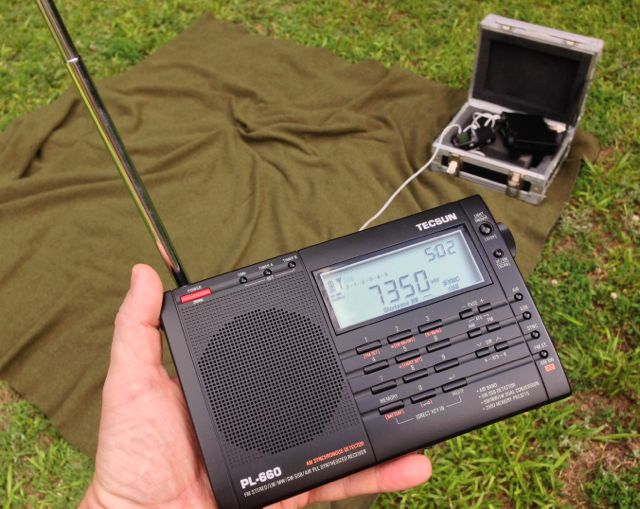
For fun, I had also brought along the Tecsun PL-660–a choice portable radio for weak signal DX. I tuned to 7,350 and could just hear the BBC signal in the noise, but voice and music were unintelligible.
Tecsun-PL-660-BBC-Antarctic

What did I get out of the experience?  Good copy?  Alas, no.

But there’s nothing like the fun of playing radio outdoors! Even though the copy was rough, propagation deplorable, and static crashes abundant, I thoroughly enjoyed the experience.  Moreover, I was amused to note that while I listened (and sweated) outside in the very hot, muggy conditions of the American southeast, a few scientists huddled near the extremely chilly southern pole at that exact moment, were tuning in the exact same broadcast.  It somehow made the heat bearable.

That’s the remarkable camaraderie of radio: truly, a wireless community.

Today: Catch and record the BBC’s broadcast to the British Antarctic Survey Team

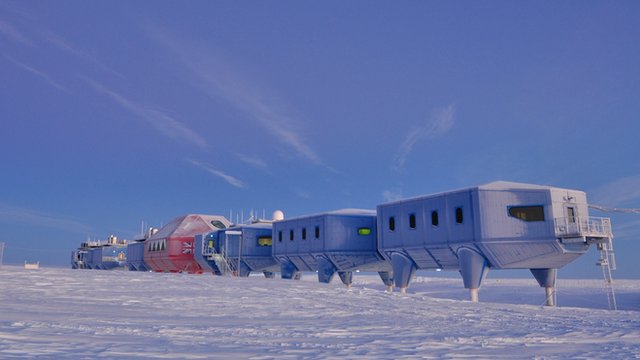
Halley VI: The British Antarctic Survey's new base (Source: BBC)

Halley VI: The British Antarctic Survey’s new base (Source: BBC)

Every year, the BBC broadcasts a special program to the 41 scientists and support staff in the British Antarctic Survey Team.

The BBC will play music requests and send special messages to the team who winter over in this isolated post. The broadcast is guaranteed to be quirky, nostalgic and certainly DX worth catching. Click here to listen to the 2013 broadcast.

The winter program will air today, June 21, 2014 at 21:30 UTC on the following frequencies:

  • 7,350 kHz; Ascension; 207°
  • 9,890 kHz; Woofferton; 182°
  • 5,985 kHz; Dhabayya; 203°
  • 5,875 kHz; Wooferton; 184° (updated)

Readers: If you have a chance, try to record the broadcast as I’m uncertain if I’ll have a chance to catch it this year. I would like a good recording for the Shortwave Radio Audio Archive.

Many thanks!

Shortwave Radio Recordings: BBC World Service to the British Antarctic Survey

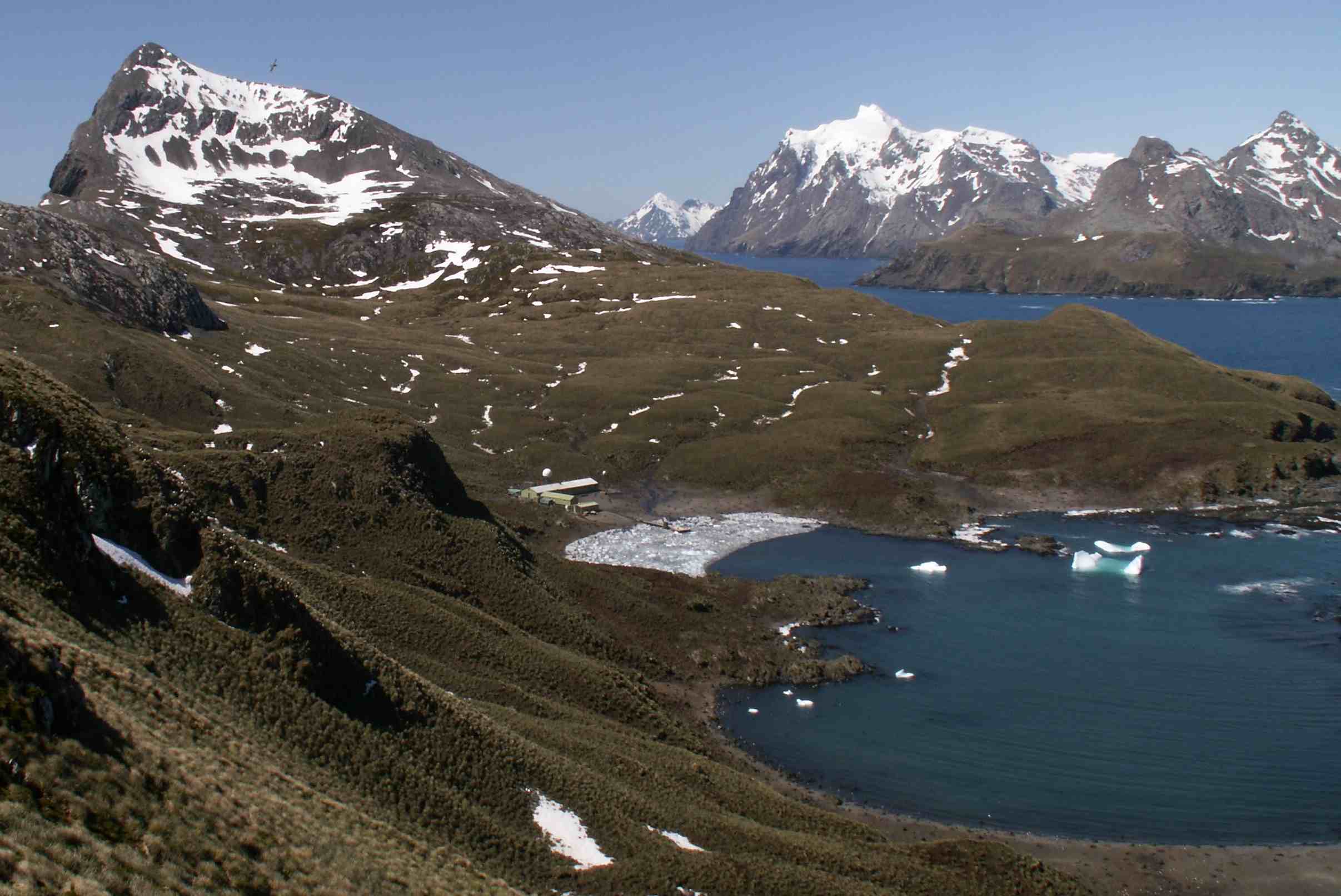
View of Bird Island, South Georgia, where one of the British Antarctic research stations is located. (Source: British Antarctic Survey)

View of Bird Island, South Georgia, where one of the British Antarctic research stations is located. (Source: British Antarctic Survey)

Mentioned earlier today, here is the recording of the BBC World Service’s thirty minute broadcast to the British Antarctic Survey. I was able to receive a relatively strong signal at 21:30 UTC on 9,890 kHz from the World Service’s Wooferton transmission site.

Click here to download the full recording as an MP3, or simply listen via the embedded player below.  I will also post this on the Shortwave Radio Audio Archive.

Catch the BBC’s annual broadcast to the British Antarctic Survey Team

Halley VI: The British Antarctic Survey's new base (Source: BBC)

Halley VI: The British Antarctic Survey’s new base (Source: BBC)

Every year, the BBC broadcasts a special program to the 41 scientists and support staff in the British Antarctic Survey Team.

The BBC will play music requests and send special messages to the team of 41. It’s guaranteed to be quirky, nostalgic and certainly DX worth catching.

The British Antarctic Survey celebrates today (their longest, darkest winter day) with the same enthusiasm as Christmas. The BBC noted:

The base commanders rise early to cook breakfast for their staff, presents are exchanged, there are sports and even, weather permitting, a mad streak in the snow! Feasting continues before they gather round a shortwave set to listen to the traditional broadcast packed with greetings from their family and friends back home together with music requests and messages from the British Antarctic Survey and a few celebrities. Finally the Antarctic horror movie The Thing is screened. For those who know the plot, perhaps it is just as well there are no longer sledge dogs in Antarctica…

The great part? You too can catch the broadcast if you’re in the right part of the world to hear it.  I’ll attempt to record either the Ascension Island or Woofferton broadcast myself, if conditions make it possible.

The program will air today, June 21, 2013 at 21:30 UTC on the following frequencies:

  • 7,350 kHz; Ascension; 207°
  • 9,890 kHz; Woofferton; 182°
  • 5,965 kHz; Dhabayya; 203°

Many thanks to Sheldon Harvey for the reminder and for especially confirming the broadcast time.  Even though this event happens on the same day each year (ironically on my birthday) I often forget to catch it myself.

Please submit your recordings of this broadcast to the Shortwave Radio Audio Archive.

BBC World Service annual broadcast to Antarctica

(Thanks to Andy Sennitt for bringing this to my attention.)

This year, it’s difficult for me appreciate the annual tradition of broadcasting to the 43 scientists and technicians at the British Antarctic Survey in light of the recent BBC World Service cuts. Still, the broadcast is quirky, nostalgic and certainly DX worth catching.

Here are the times/frequencies courtesy of RNW Media Network:

This half-hour programme will be on the air at 2130-2200 UTC tomorrow (Tuesday 21 June) on the following shortwave frequencies:

  • 5950 kHz  Skelton 300 kW beam 180 degrees
  • 7295 kHz  Rampisham 500 kW  beam 180 degrees
  • 7360 kHz  Ascension 250 kW beam 207 degrees
  • 9850 kHz  Skelton 300 kW beam 180 degrees

Read RNW Media Network’s full article on the broadcast here.