 by Karl D. Forth
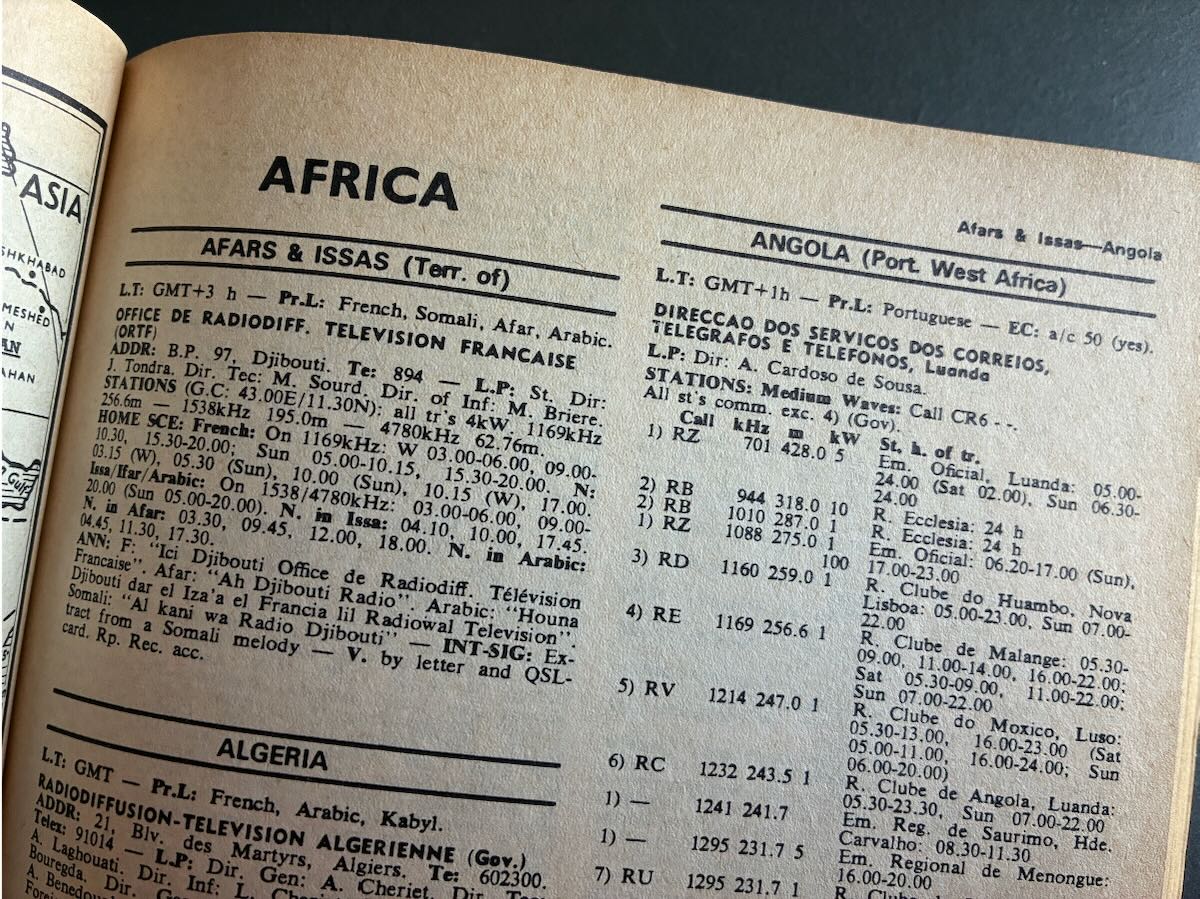
Reading through the 1971 World Radio-TV Handbook only as a reference source was interesting, but as I started listening more I also realized I felt part of what was happening – I could hear many of the countries described, one way or another.
I’ve always liked directories. You can often learn more of what’s happening than you can in a textbook.
The 25th edition of the directory of international radio and television was published in 1971 in English in Hvidovre, Denmark, and printed in Great Britain.
Looking at the information, organized by continent and country, you discovered that most European countries had a domestic network of AM and FM stations, including some very high-powered AM stations, along with domestic shortwave services and a full complement of what were called foreign services, the international broadcasts.
In Africa, many listeners got their news from domestic shortwave broadcasters and some AM stations. In 1971, FM had not penetrated Africa except in a few places. Likewise, Asia had few FM broadcasters outside of Japan and a few other countries. All domestic broadcasts in Indonesia, for example, were on shortwave, there was no AM broadcasting at that time.
I counted almost 75 advertisers in the 1971 WRTH, including many shortwave stations and makers of professional recording and studio equipment.
Advertisers included Radio Moscow, Shure stereo cartridges, Voice of America, Radio RSA from South Africa, Radio Sweden, Continental Electronics, Hallicrafters, a Chicago area maker of shortwave radios, and Hammarlund Mfg. Co., a maker of top-line receivers.
WRTH also had the music signature and description of the interval signal for dozens of stations.
The United States listing in WRTH had only AM mediumwave stations with more than 10 kW, and no FM stations listed. Also included were Voice of America, and shortwave stations AFRTS, KGEI, WNYW, and WINB.
Central and South America still had a bounty of mediumwave and shortwave stations, including many smaller private stations
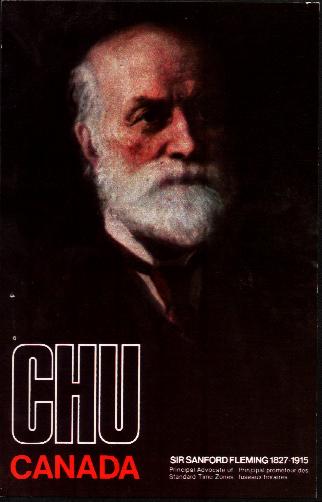
More than 23 countries were listed with DX programs. WRTH also listed time signal stations (almost every major country had one) and programs in Esperanto. TV had not achieved widespread coverage in many areas, although most countries had at least a few over-the-air channels.
I should mention two other publications from 1971, both well-written and informative. The first issue of Communications World in 1971, from Davis Publications, was written by Don Jensen and was a great introduction to the hobby. That same year, Communications Handbook, published by Popular Electronics, came out, with a mediumwave and shortwave DXing overview written by Richard Wood that also featured very good descriptive writing and information.
Karl D. Forth has been interested in radio and DXing for more than 50 years. This story was included in the book Radio Nights and Distant Signals.
Karl D. Forth has been interested in radio and DXing for more than 50 years. This story was included in the book Radio Nights and Distant Signals.
Please note: all Amazon links are affiliate links that support the SWLing Post at no cost to you.

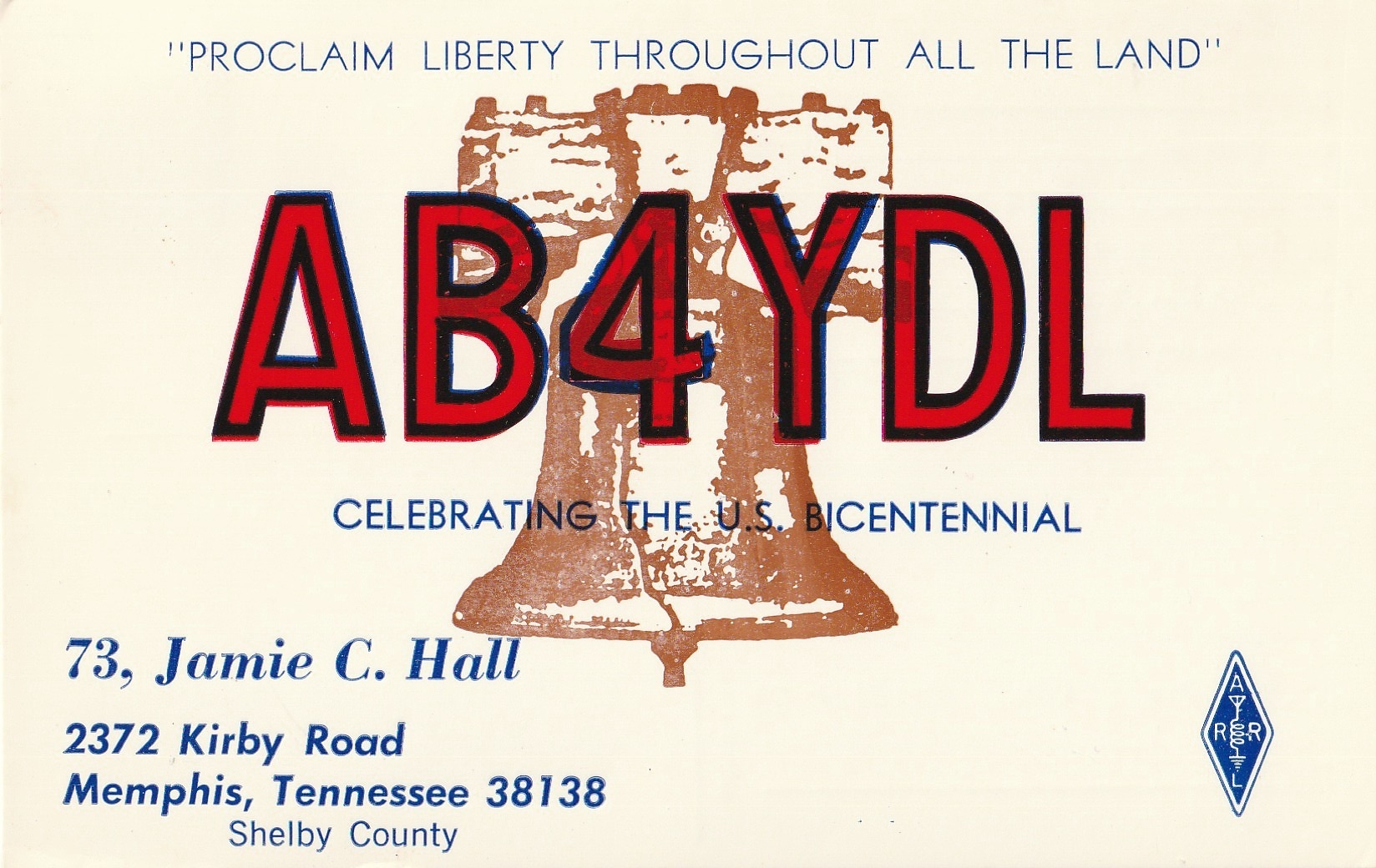
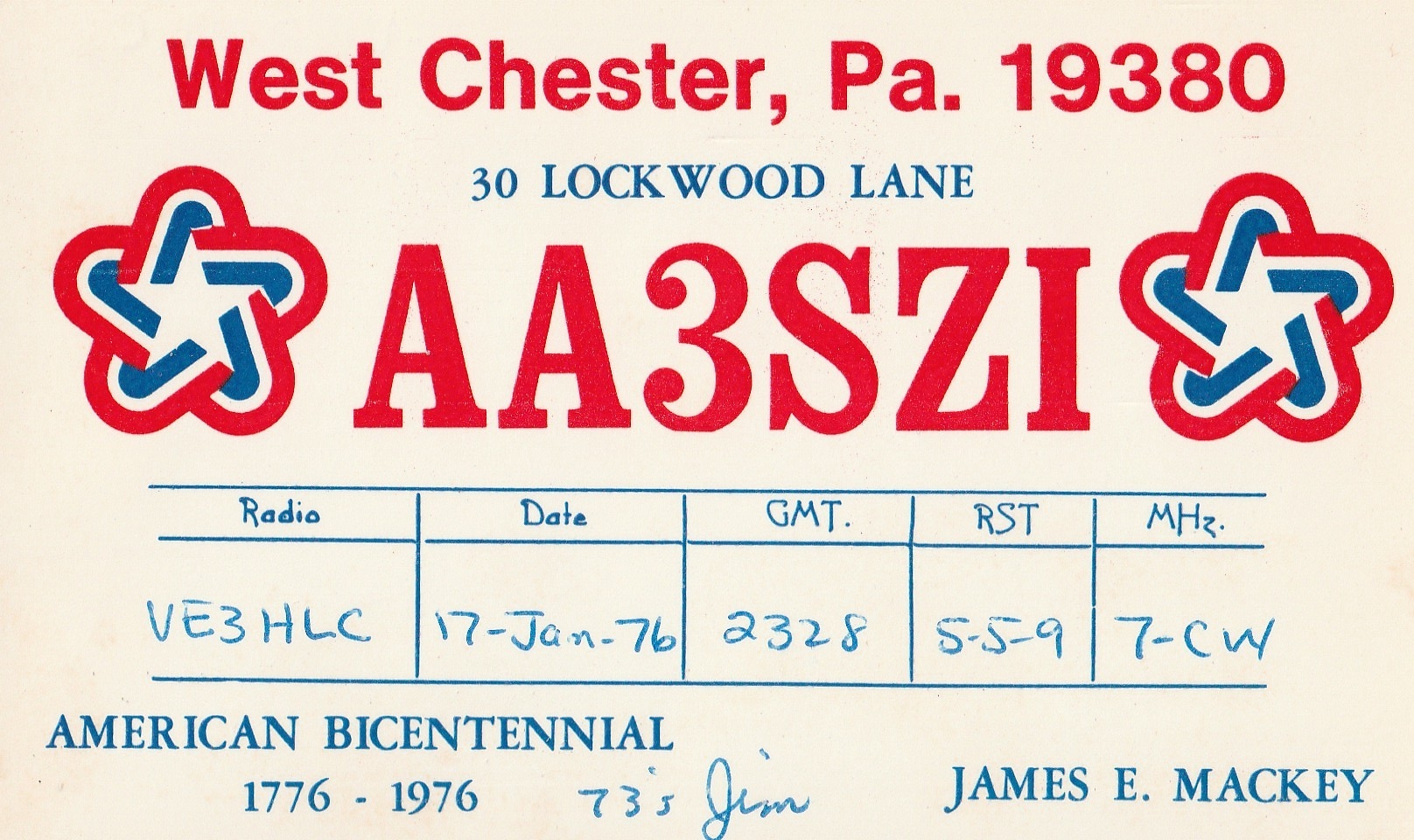 Others simply modified their existing cards. The bicentennial commissions in Massachusetts and South Dakota even made up fill-in-the-blank commemorative QSL cards.
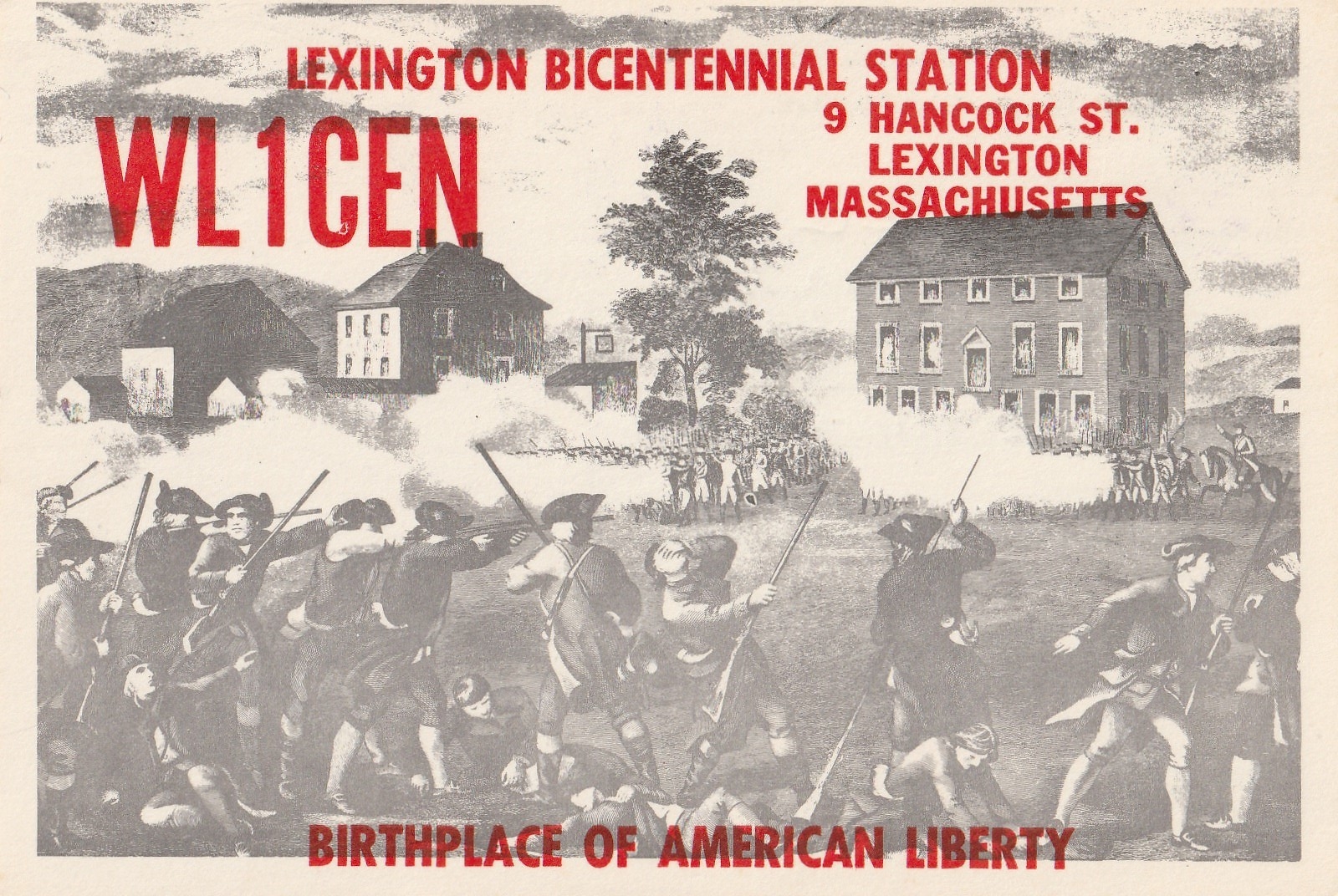 WL1CEN was a special events station in Lexington, Massachusetts, that appears to have been operating earlier in 1975.
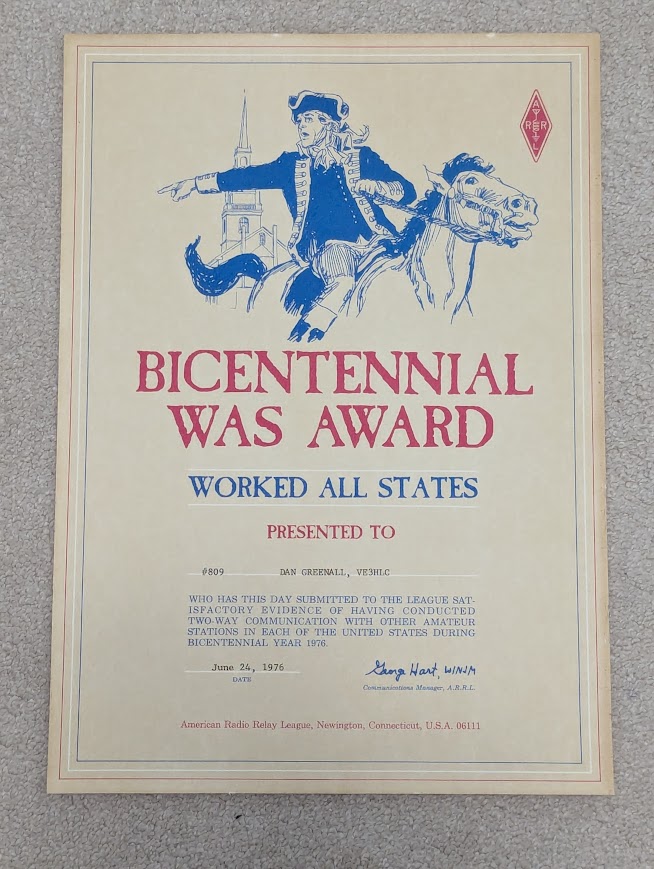 The American Radio Relay League also issued a bicentennial WAS award to amateurs making contacts with all 50 U.S. states during 1976.