Author Archives: Thomas

Radio Nacional Arcangel San Gabriel receives a new shortwave transmitter

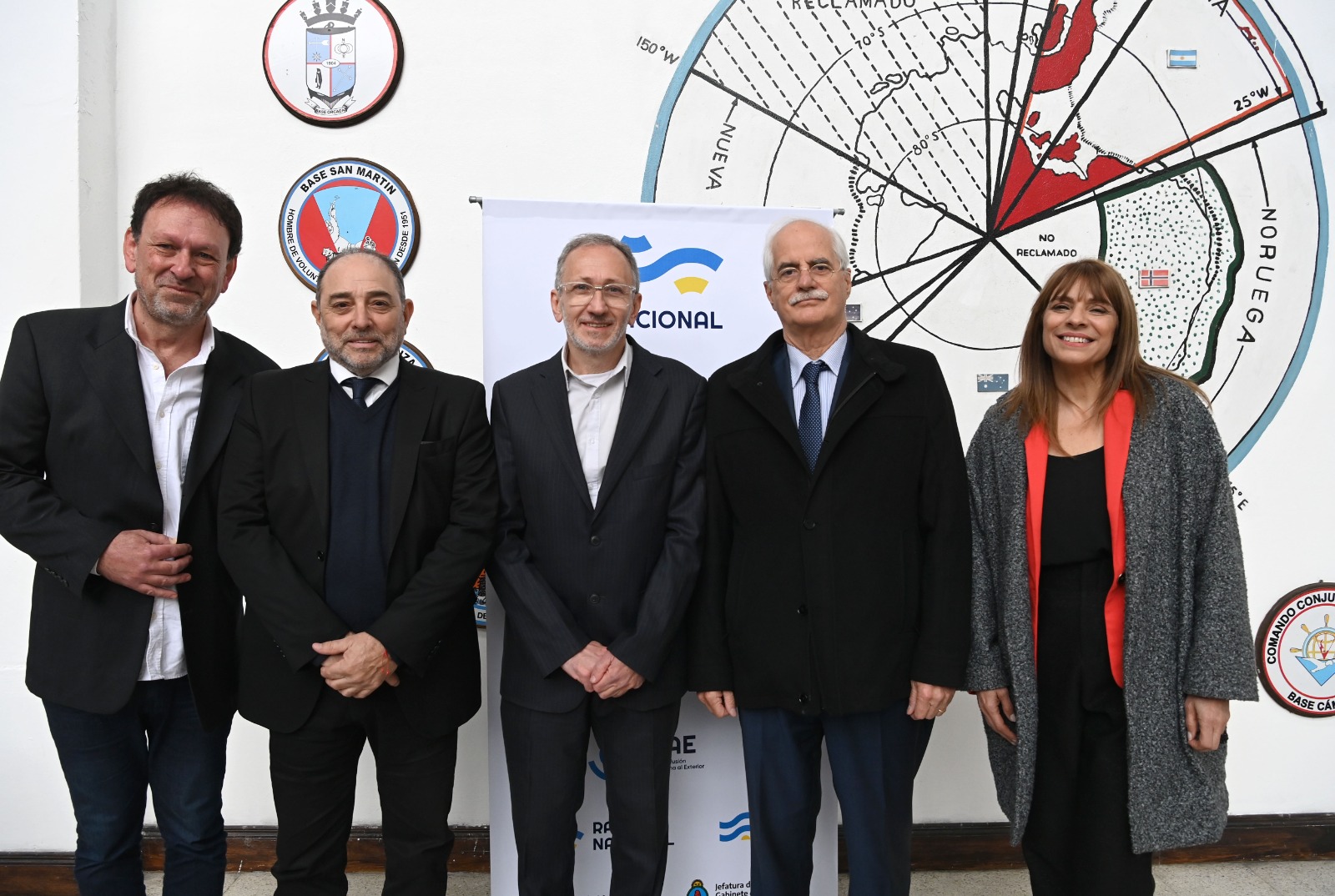
In the Photo: Adrian Korol , RAE Director , Alejandro Pont Lezica , Executive Director of Radio Nacional Argentina, Javier Gratz, donor of shortwave transmitter, Jorge Taiana, Minister of Defense Argentina Republic, and Lic. Rosario Lufrano, head or RTA (Radio and TV Argentina) during the ceremony.

Many thanks to SWLing Post contributor, Adrian Korol, who shares the following press release from RAE and LRA 36 [note that this article has been machine-translated into English]:

New Short Wave Transmitter for LRA 36 Radio Nacional Arcangel San Gabriel

Defense Minister Jorge Taiana, together with the Joint Antarctic Commander, Brigadier General Edgar Calandín, the head of Radio y Televisión Argentina SE (RTA), Rosario Lufrano, and the Executive Director of Radio Nacional, Alejandro Pont Lezica, headed a ceremony on the donation of a shortwave transmitter to radio LRA 36 “Arcángel San Gabriel”, located at the Antarctic Base Esperanza.

This action – which is part of a new collaboration between the Joint Antarctic Command (COCOANTAR) and public media entity RTA – will allow the station to significantly improve its coverage and signal’s quality, thus keeping its international reach and fulfilling the objective of disseminating the work of the Armed Forces and the scientific personnel stationed in Argentina’s Antarctic bases.

“This is an act of generosity, of solidarity with the Argentine people as a whole… it is also an act of patriotism, because it will make it possible for all of us to listen to radio broadcasts from Antarctica”, said Taiana.

For the Minister, “it is important for all Argentine men and women to have present, in their minds and hearts, that there is a part of our territory down there, and that there are Argentine men and women working hard in that continent”.

On his part, Lufrano said: “We have always said that our National Radio and Public TV must be broadcast by land, by sea, by air, and we are fulfilling that mission. It has been an honor to bring this piece of equipment on board of icebreaker ARA “Almirante Irízar” so that they could listen to all our programming, listen to our radio and watch our public television”.

In his turn, Brigadier General Calandín said: “For us it is a joy, an enormous satisfaction, to be able to show all that Radio Nacional and the Ministry of Defense have done to contribute to Argentine sovereignty in Antarctica”.

And he pointed out: “This transmitter will allow us to spread Argentine culture, all that Argentine culture means for Argentine sovereignty in Antarctica…this is essential to us”.

Javier Gratz, the donor of the transmitter, was present at the event and he stressed that the piece is entirely manufactured in Argentina.

The donation was preceded by a technical survey carried out at the Joint Antarctic Base Esperanza by Alejandro Petrecca (Head of Radio Nacional’s Transmission Plant in Pacheco) and Engineer Alejandro Alvarez, and promoted by the relationship they have with RAE (RadioDifusión Argentina al Exterior).

The event was broadcast by AM 870 and the entire public radio network throughout the country. The special program was attended by the director of Radio Nacional, Alejandro Pont Lezica; RAE director Adrián Korol; journalist Marcelo Ayala (who was in Antarctica earlier this year broadcasting from there) and hosts Mario Giorgi and Federica Pais.

LRA36 began transmissions on October 20, 1979 and since then has been operating non-stop from the Esperanza Base in Antarctica, Argentina. It is one of the most sought after stations by shortwave listeners from all over the world, and its signal has been picked up in places as distant as Alaska, Iceland, Japan, most European countries, and Latin America.

It is the only public radio station that broadcasts from Antarctica on shortwave, a characteristic that, added to the fact that it is operated by personnel of the Joint Antarctic Command, makes it unique in relation to the other stations of Radio Nacional, such as RAE.

In 2022, and for the first time, the entire LRA36 team was integrated by women only. The same happens this year and in 2024, as well.

Radio Nacional staff, teachers from the Universidad Nacional de Quilmes, RAE and the Antarctic Joint Command, under the coordination of Juan Carlos Benavente, all take part in the training of the station staff as well as in the general coordination.

Being a radio station of international scope, its goal is to disseminate Argentine culture, but above all, the work of our Armed Forces in the Antarctic bases, the scientific research work and, fundamentally, the long-running historical claim of Argentine sovereignty over this portion of Antarctic territory.

The transmitter will have a power of 10 kw and is expected to be working effectively during the Antarctic Campaign 2024.
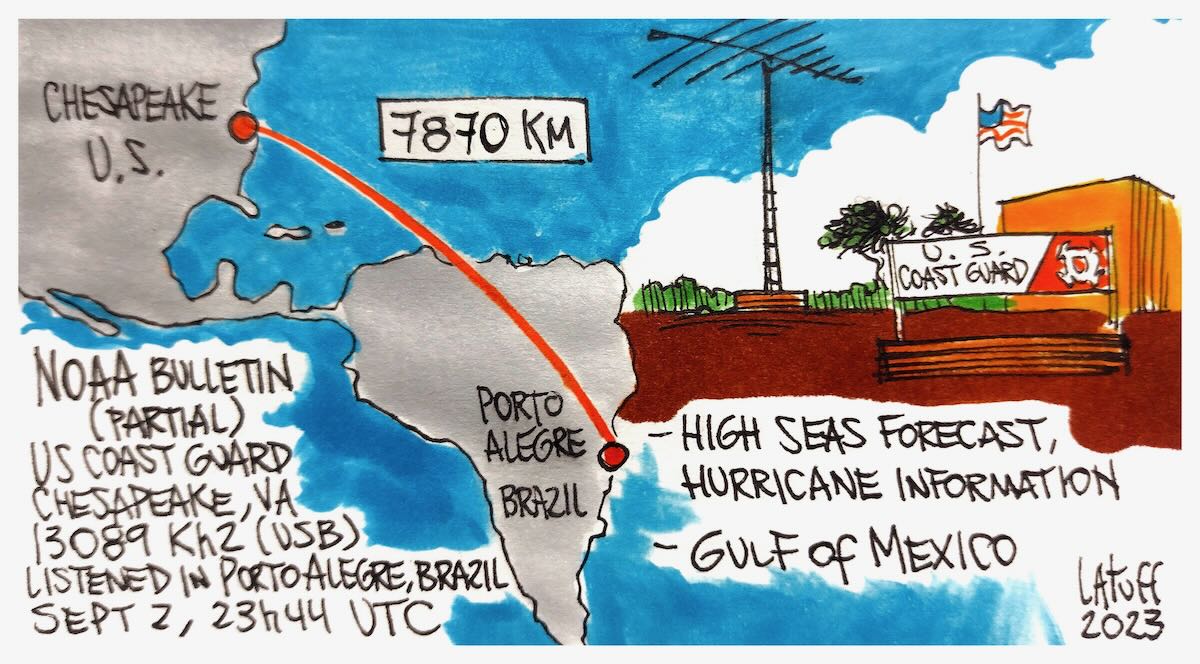
Carlos’ Art and Recording of a NOAA Weather Bulletin via the US Coast Guard

Many thanks to SWLing Post contributor and noted political cartoonist, Carlos Latuff, who shares his radio log art of a recent NOAA Weather Bulletin from the US Coast Guard:


Carlos writes:

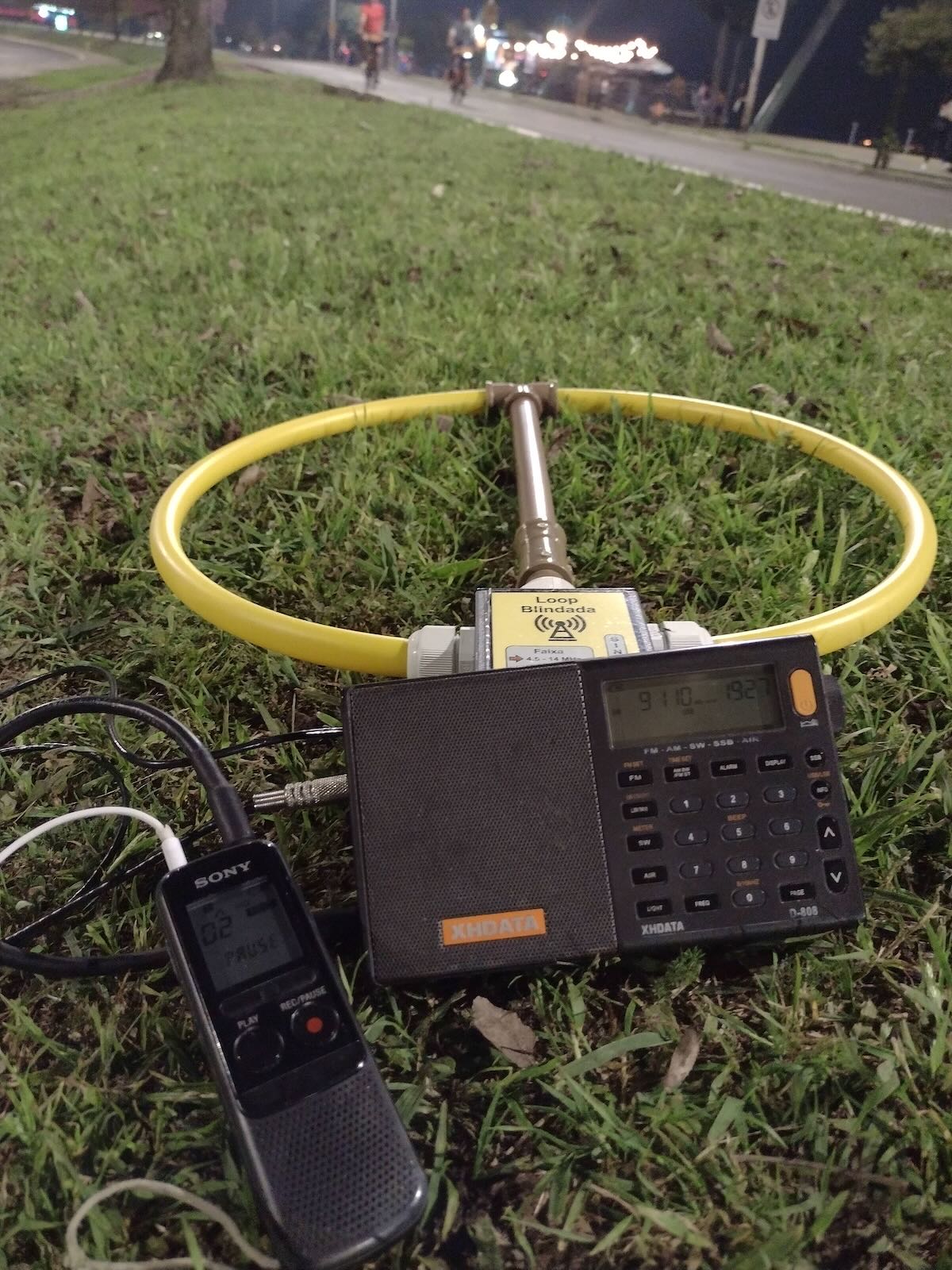
NOAA bulletin (partial), US Coast Guard, Chesapeake, VA, 13089 kHz USB, high seas forecast and hurricane information. Listened in Porto Alegre, Brazil.

Carlos’ listening post and gear.

Click here to listen via YouTube.

How DXers can contribute to ionospheric research during the October 14, 2023 solar eclipse!

Many thanks to SWling Post contributor, Nick Hall-Patch, who shares the following announcement:


How DXers can contribute to ionospheric research during the 14 October 2023 solar eclipse

There will be an annular solar eclipse on 14 October, 2023 when, at totality, the size of the Moon’s disk will appear slightly smaller than the size of the Sun’s disk.  This eclipse will affect all of North America, as well as Central and part of South America, as seen in the map below.

AM Broadcast Band DXers know that the blocking out of radiation from the sun during a total solar eclipse can introduce temporary night time listening conditions over an area far beyond the path of totality.

The upcoming annular eclipse is expected to have a similar effect on daytime medium wave listening conditions as would a total solar eclipse, and should not be missed by DXers.  Live listening can be done during the eclipse, as well as recording the entire medium wave band, using SDRs (software defined radios).

There might be more to our DXing results than new and unexpected receptions of distant radio stations, however.  The rapidly changing listening conditions will be indicating a similarly turbulent ionosphere, and DXers’ documenting those listening conditions through SDR recordings could provide information that will be useful to scientists who want to gain a better understanding of the Earth’s ionospheric dynamics.

How can DXers contribute to ionospheric research?

HamSCI is an organization of volunteer citizen-scientists and professional researchers who study upper atmospheric and space physics, and will be interested in examining MW DXers’ wideband SDR recordings made during both eclipses, and indeed, in having DXers assist with HamSCI’s research.

It will be important to have many participants in this project.  To sign up, please go to https://hamsci.org/mw-recordings/ and discover how to make sure that those DX files will also qualify as scientific data that can become part of the public record.

Those interested in finding out about all the research that HamSCI will be doing during the upcoming eclipses, check out https://hamsci.org/eclipse .  Especially if you are also an amateur radio operator, there are several other ways that you might contribute to the project.

Pirate Radio: Peter decodes spectrum images from Mix Radio International

Many thanks to SWLing Post contributor, Pete Jernakoff, who writes:

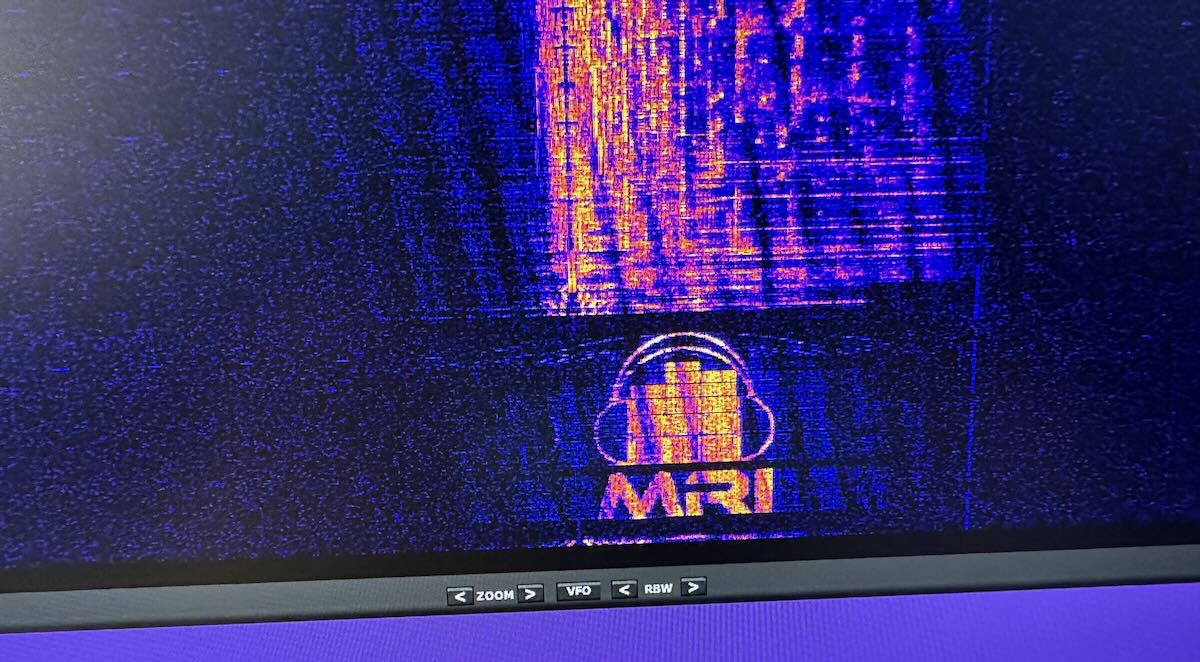
Last evening around 10:45 pm local, I came across the pirate Mix Radio International broadcasting on 6950 kHz upper side band. Signal was absolutely huge at my QTH (northern Delaware) and the show was highly entertaining with dance and rap mixes of various pop songs being played. Also played were some NSFW rap songs… 🙂 And every so often this station would modulate its signal so as to transmit a picture or text on one or the other side of its main signal that was plainly visible on the waterfall. (I was listening with an SDRplay RSPdx and SDRuno.)

Videos:


and

Very cool!

Rgds,

-Pete Jernakoff-

Very cool indeed! Thank you for sharing this, Pete!

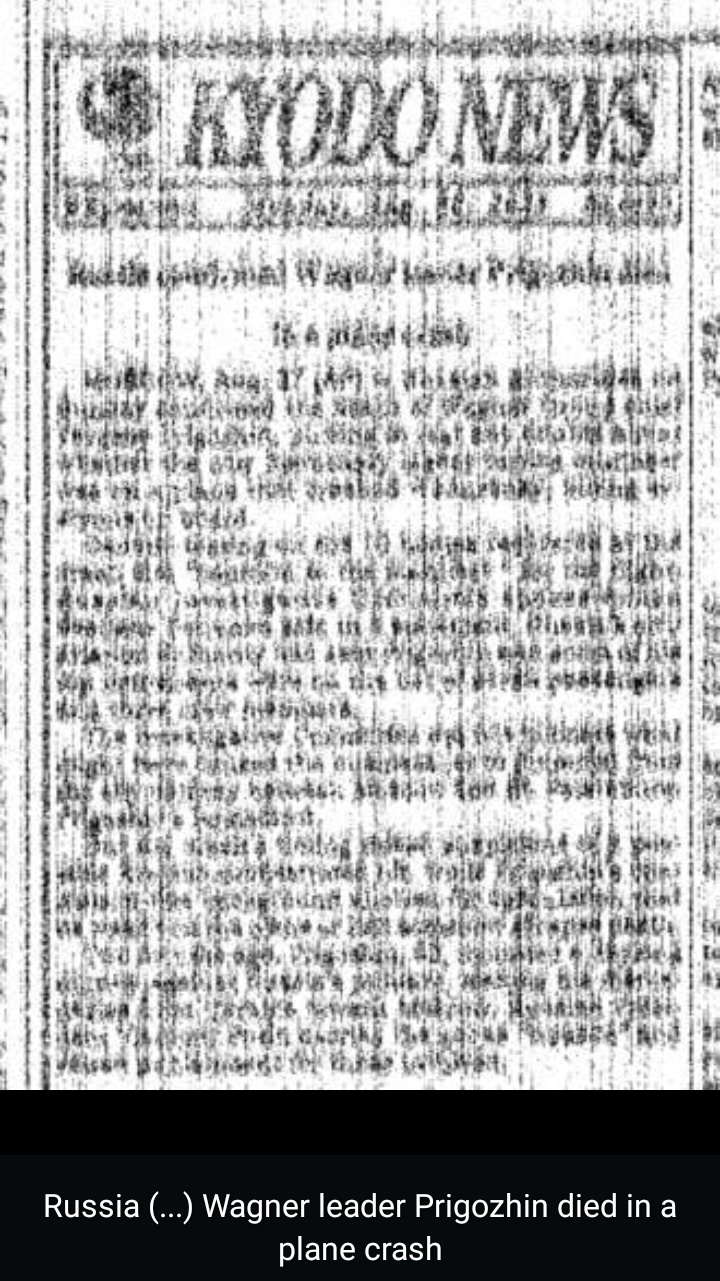
Carlos pulls headlines from Kyodo News radiofax

Many thanks to SWLing Post contributor, Carlos Latuff, who writes:

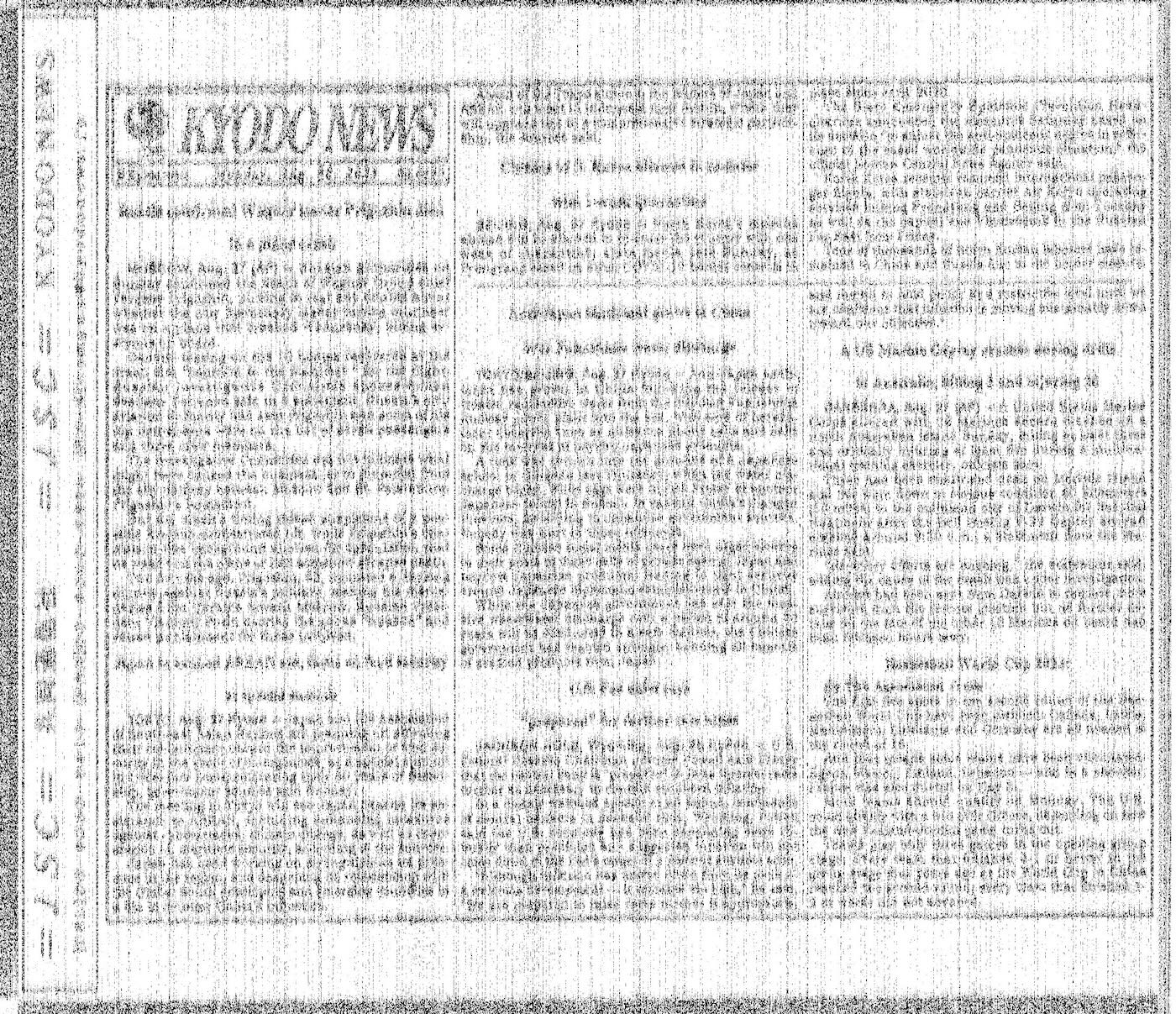
Kyodo News is a Japanese news agency, the only one in the world that still transmits news via radiofax to Japanese vessels, on shortwave frequency of 16971 kHz USB. The international radiofax transmission standard is 120 lines per minute, but the Kyodo News standard is 60 lines per minute.

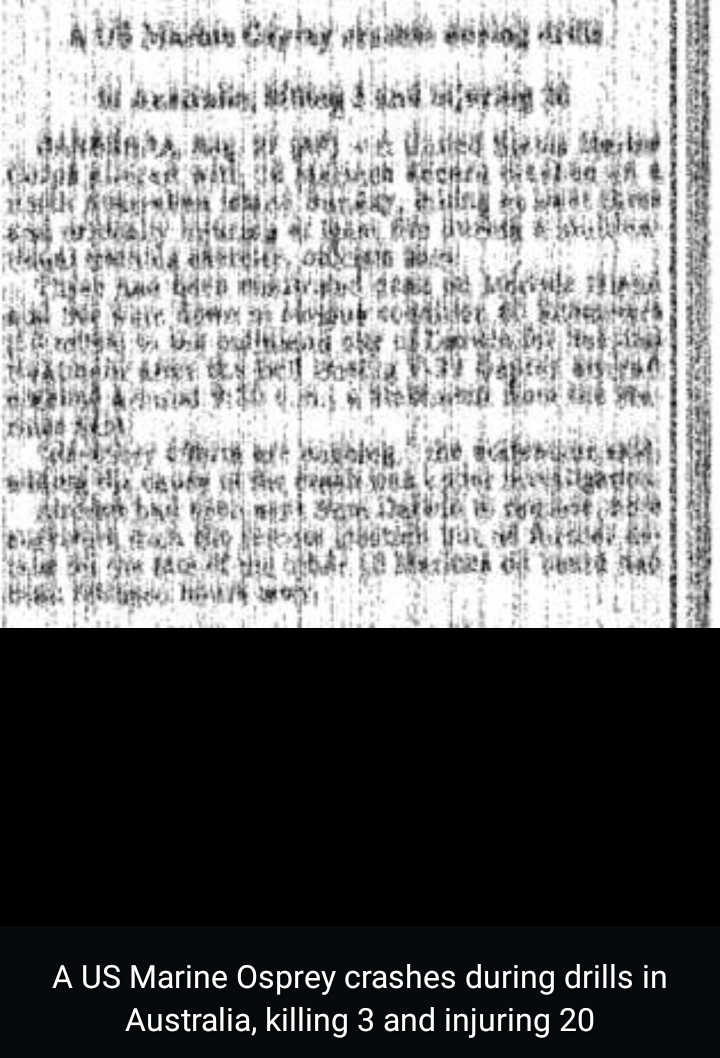
However, the retransmission of the bulletin in English is done at a cadence of 120 lpm. I’m using an Android application called HF Weather Fax with which I’m decoding the radio signal coming from Japan and received in Porto Alegre, Brazil. The receiver is the Xhdata D-808 and the antenna is a magnetic loop. The image arrived this morning in Porto Alegre, at 4:10 am local time, quite noisy and with a lot of effort I managed to decipher some headlines.

Radio Waves: SIBC Receives New Generator, BBC Longwave Petition, HamClock Fun, and CBS Board Game Nostalgia

Radio Waves:  Stories Making Waves in the World of Radio

Welcome to the SWLing Post’s Radio Waves, a collection of links to interesting stories making waves in the world of radio. Enjoy!

Many thanks to SWLing Post contributors Dennis Dura, Rick Murray, Uli Zehndbauer, and David Iurescia for the following tips:


New Zealand government hands over new standby generator to SIBC (SIBC)

The New Zealand government today handed over a standby generator to the Solomon Islands Broadcasting Corporation (SIBC).

The generator will ensure SIBC’s transmission and services via its medium and short wave frequencies remain operational even when there is a power outage.

Speaking at a brief handing over ceremony, New Zealand High Commissioner to Solomon Islands, His Excellency Jonathan Schwass said the donation marks another milestone in the partnership between New Zealand and SIBC.

He said it is important for SIBC to have an uninterruptible power supply during broadcasting.

“Given the power outage we are having at the moment, it is really important to have an uninterruptible power supply for SIBC broadcast.”

“That’s not just the matter of ensuring the listening pleasure of Solomon Islanders.”

“It is also a matter of guaranteeing the flow of essentials to the scattered Islands and the communities of this country especially in times of natural disasters and during crises like COVID-19,’’ Commissioner Schwass said. [Continue reading…]

Keep BBC Radio 4 Longwave (Change.org)

BBC Radio has been broadcasting on longwave for 89 years, covering most of the UK and northern Europe from a single transmitter in Droitwich. This radio frequency uniquely travels practically unimpeded across the country and provides a vital radio link in areas where reception of other signals and internet coverage is poor. Because only one transmitter is needed, the cost of providing this service is tiny. Not everyone is able to access digital or internet radio and longwave remains the most reliable way of receiving the BBC in any place at any time. It is also much better for the environment, as longwave receivers require far less power than digital radios, computers and mobile phones.

Recently, the BBC announced plans to end all longwave transmissions by 31st March 2024, just six months before the 90th anniversary of these transmissions beginning. We call upon the BBC to cancel these plans to scrap Radio 4 longwave, and to continue to provide this essential and historic radio lifeline for as long as possible.

Click here to sign petition.

Fun with the Clear Sky Institute HamClock (Nashua Area Radio Society)

I haven’t had the occasion to use any programming languages since retirement. That’s why the addition of a Raspberry Pi 4 Model B to the shack was a welcome change. I like to think of the Raspberry Pi as just another computer – one that uses a different operating system. With the Raspberry Pi, I can browse the Internet, access email, and write and run programs.

When I began to assemble a shack, I reserved a space on the wall for a 32? TV, Figure 1, which was purchased during a temporary rental stay. That TV has been unused for 3 years, but it was earmarked for a HamClock.

I searched the N1FD site to see if anyone had written about HamClock, but no articles were found. The first article for HamClock, written by Elwood Downey, WB0OEW, appeared in October 2017 QST[1]. In his article, he calls for the use of an Adafruit HUZZAH ESP8266 Wi-Fi system-on-chip. That device was fastened to the back of a 7? TFT display.

The version of HamClock that I built for use with the 32? HDTV employs the Raspberry Pi 4 Model B, Figure 2, with 2 GB memory[2]. The kit that I found on Amazon includes a 64 GB microSD card (with USB adapter) onto which the Raspberry Pi operating system had been preloaded. The kit also includes a plastic case with fan, little rubber feet, tiny screws to attach a camera, device heatsinks, a wall-wart power supply, a micro HDMI to HDMI cable, an instruction manual and various assembly instruction cards. The user has to provide their own USB mouse and keyboard. I already owned a wireless mouse and keyboard so I was able to use a single USB 2.0 port on the Pi for the wireless adapter.

If you already have a microSD memory card with USB adapter, power supply, mouse, keyboard and HDMI cable, you could get by with a Raspberry Pi Zero[3] at one-fourth the price. [Continue reading…]

CBS Board Game From the 1930s Highlights Golden Age of Radio (Radio World)

Hey radio history fans! Can any of you share a story behind this great find?

Steve Moravec, president of Phoenix Media Group in St. Paul, Minn., circulated this photo in his weekly “Monday Morning Memorabilia” email.

“This ’30s vintage board game promoted the radio stations of the Columbia Broadcasting System across the country,” he writes. “The goal seems to be to ‘touch ’em all’ with the game pieces, which appear uncut in the attachment.”

He found it on eBay; here’s the listing with more photos.

The early days of wireless, ship-to-shore and modern broadcast radio produced a number of radio board games. For example, online auction and history sites turn up “Listen In: The Great Wireless Game”; also “Radio Game,” published in 1920 by Milton Bradley (more pix here); and a “Radio Game for Little Folks,” from the mid-1920s. You can find photos of more on sites like Play Things of Past.[Continue reading…]


Do you enjoy the SWLing Post?

Please consider supporting us via Patreon or our Coffee Fund!

Your support makes articles like this one possible. Thank you!