Shortwave listening and everything radio including reviews, broadcasting, ham radio, field operation, DXing, maker kits, travel, emergency gear, events, and more
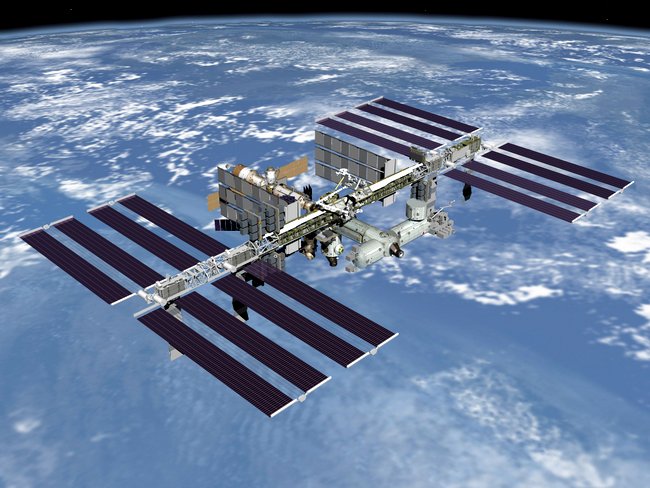
Amateur Radio on the International Space Station (ARISS) has scheduled a slow-scan television (SSTV) event to begin on Saturday, October 27, at about 1000 UTC. NASA’s Space Communications and Navigation (SCaN) Department will support the event. SCaN manages NASA’s three most important communications networks — The Space Network (SN), Near-Earth Network (NEN), and the Deep Space Network (DSN). Participants in the SSTV event can qualify for a special endorsement for NASA on the Air (NOTA), celebrating the space agency’s 60th anniversary.
As during past ARISS SSTV events, 12 images will be transmitted. Six will feature SCaN educational activities, while the other six images will commemorate major NASA anniversaries, including the establishment of NASA and the moon landing. Transmissions are expected to take place on 145.800 MHz using PD-120 SSTV mode. Received images can be posted and viewed online. The event is dependent on other ISS activities, schedules, and crew responsibilities, and the schedule is subject to change at any time.
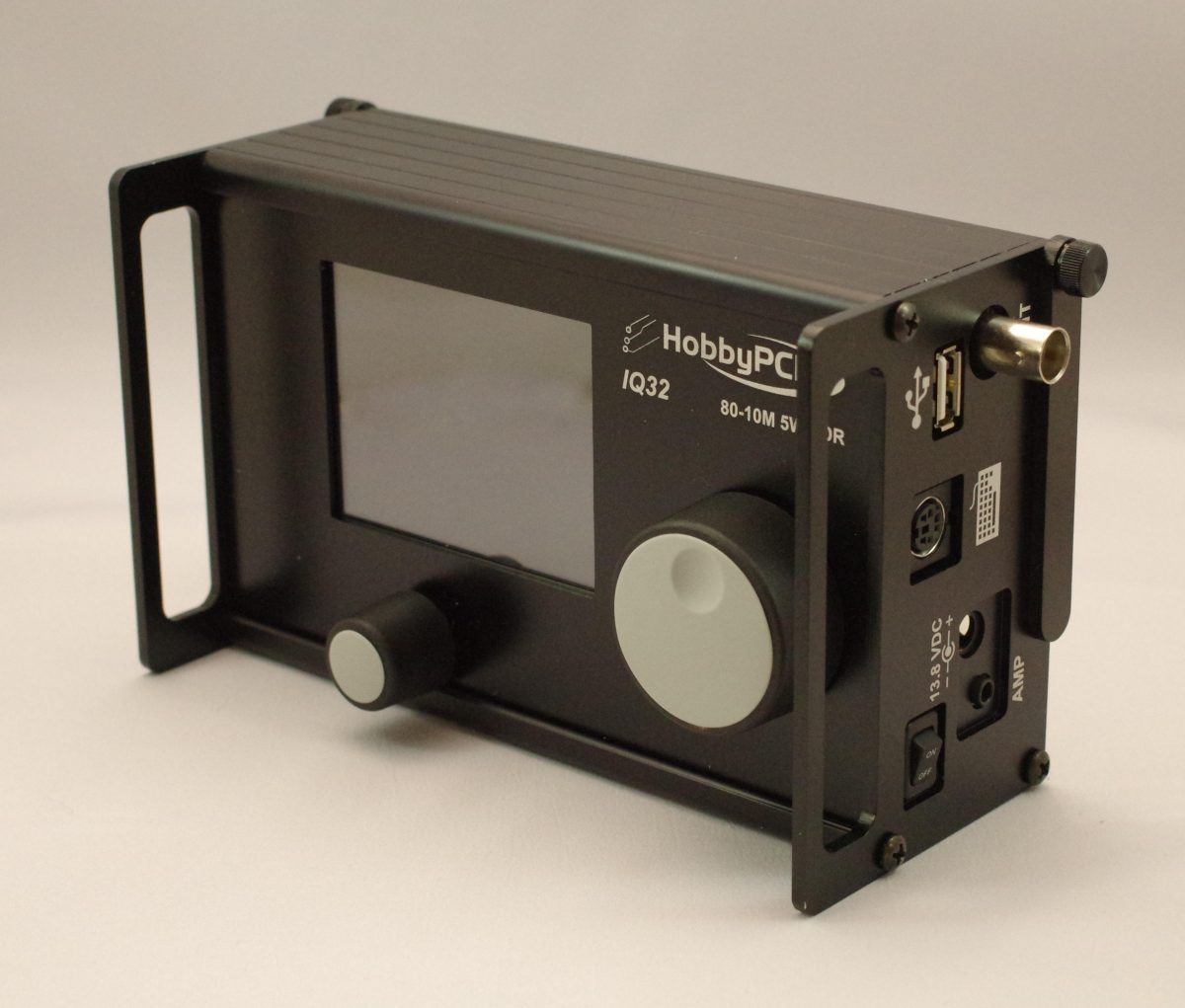
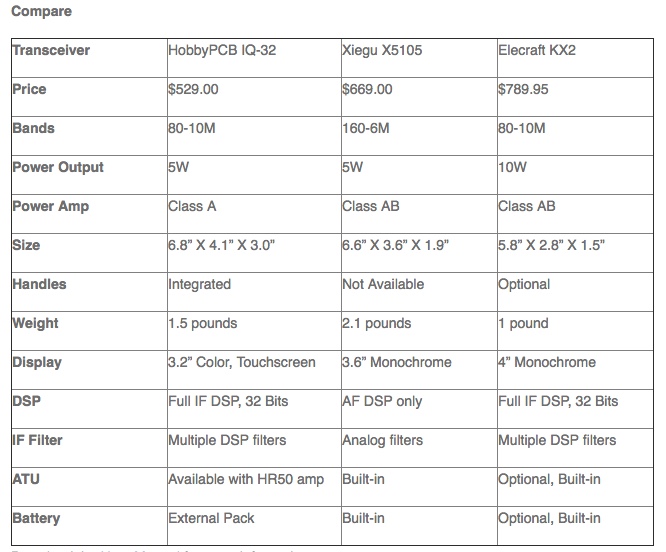
Many thanks to SWLing Post contributor, Pete (WB9FLW), who shares the following information regarding HobbyPCB’s much-anticipated portable transceiver which is now shipping. The price is a competitive $529.00.
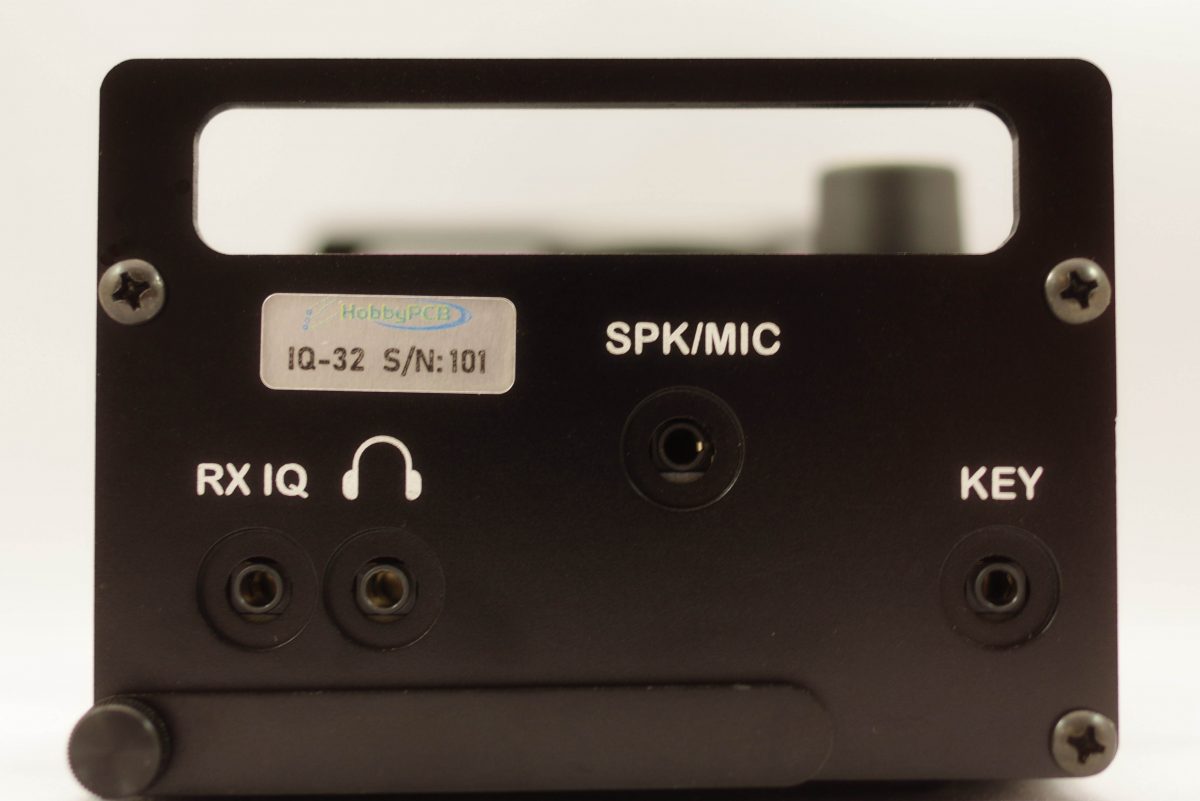
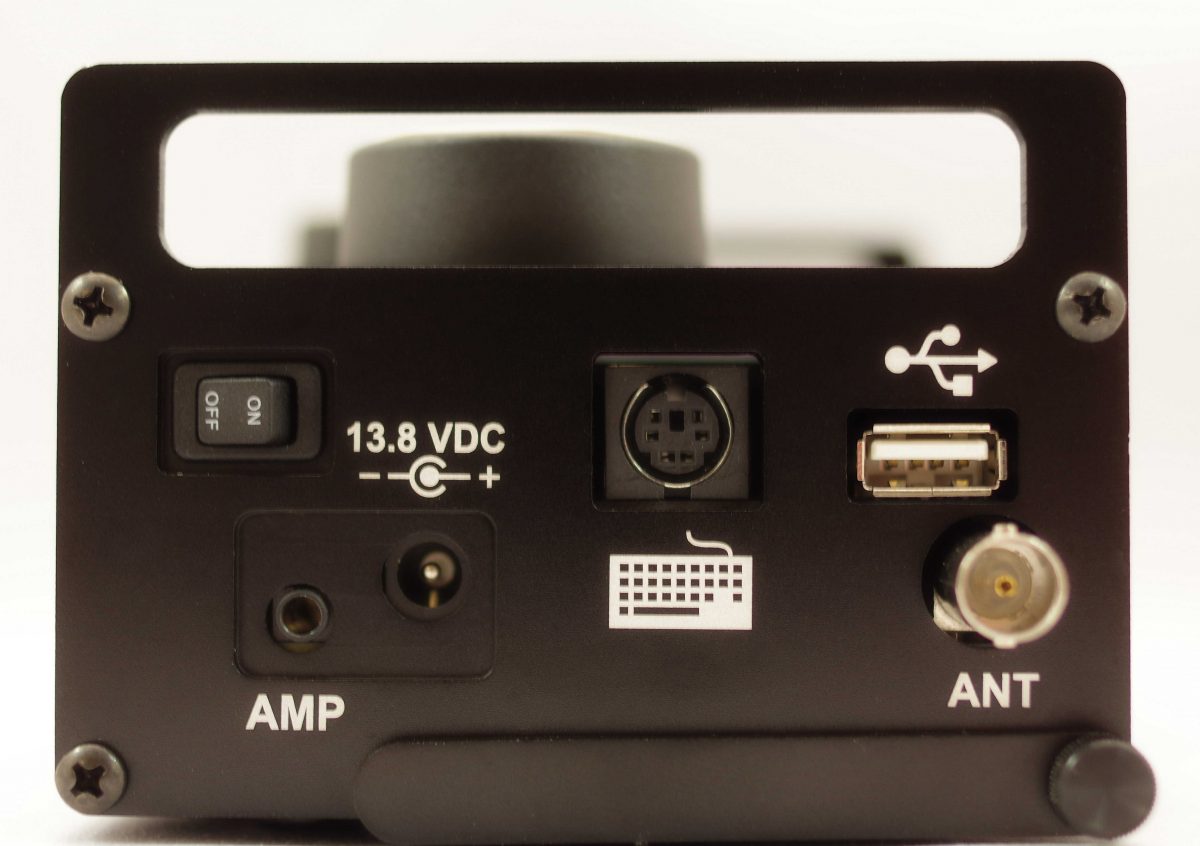
The IQ32 is 5W output, 80-10M Amateur Radio transceiver with powerful 32 bit processing providing high-end features at an entry level price. The IQ32’s 3.2″ color LCD touch-screen display and dual control knobs provide an enjoyable operating experience in a robust package.
Available for immediate delivery!
Introducing the HobbyPCB IQ32 HF transceiver, based on the high performance RS-HFIQ RF system, the receiver in the IQ32 consists of 5 band-pass filters to reject out-of-band signals, an LNA with frequency dependent gain and a conventional quadrature down-converter. The transmitter features a Class A, 5W power amplifier with individual low-pass filters for each band to exceed FCC requirements for spectral purity.
The IQ32 features a large, color, touch-screen display providing an enhanced user interface and informative spectrum and waterfall displays found on radios costing much more. With a powerful STM-32 DSP processor, the IQ32 transceiver has variable filtering, multi-mode AGC, memory functions, built-in PSK encode/decode with keyboard support.
5W not enough power? Add a HARDROCK-50 to your station to boost up to 50W. The IQ32 and HARDROCK-50 seamlessly integrate together for a powerful mobile/base station!
Simple upgradeable firmware, no connection to a computer required, no drivers, no cables. Simply insert a thumb-drive with the appropriate file and the IQ32 updates its own firmware.
Specifications
Frequency Range: 3-30MHz (performance guaranteed on 80/60/40/30/20/17/15/12/10M ham bands)
Sensitivity: MDS < -128 dBm on 80M dropping to < -135 on 10M
I may see about grabbing an IQ-32 to evaluate. I’m very curious how its receiver might stack up to the Elecraft KX2, the CommRadio CTX-10 and the LnR Precision LD-11. (Please note that these links lead to my other radio site, the SWLing Post.)
It doesn’t appear that the IQ-32 has an AM mode, but I would still like to see how it might handle broadcast listening on the shortwave meter bands using ECSS.
I love the portable form factor and the fact that it ships with stand-off handles to protect the front face of the radio.
Video:
Check out WA2EUJ’s IQ-32 presentation from the 2018 Hamvention on YouTube:
Image received by astronomer Cees Bassa (@cgbassa) using the Dwingeloo Telescoop
Many thanks to SWLing Post contributor, Eric McFadden (WD8RIF) who shares the following story from The Planetary Society:
Earlier this week, on October 10, radio amateurs all around the world worked together to get the Chinese Longjiang-2 spacecraft to take an image of the Earth and the far side of the Moon. Radio commands were generated by MingChuan Wei in China, transmitted to the spacecraft by Reinhard Kuehn in Germany after which they were received by the spacecraft in lunar orbit. In turn, the spacecraft transmitted the image back to Earth, where it was picked up by radio amateurs in Germany, Latvia, North America and the Netherlands.
Since June this year, the Chinese Longjiang-2 (also known as DSLWP-B) microsatellite has been orbiting the Moon. The satellite is aimed at studying radio emissions from stars and galaxies at very long wavelength radio waves (wavelengths of 1 to 30 meters). These radio waves are otherwise blocked by the Earth’s atmosphere, while the lunar environment offers protection from Earth-based and human-made radio interference. Longjiang-2 was launched to the Moon together with an identical twin, Longjiang-1 (DSLWP-A), together acting as a radio interferometer to detect and study the very long wavelength radio waves by flying in formation in lunar orbit.
Besides the scientific instruments, both Longjiang satellites carry a VHF/UHF amateur radio transmitter and receiver (a transceiver) built and operated by the Harbin Institute of Technology (in Chinese). The Longjiang-2 transceiver also includes an onboard student camera, nicknamed the Inory Eye. The Harbin team built on experience gained with the Earth-orbiting LilacSat-1 and LilacSat-2 nanosatellites, which allow radio amateurs to receive satellite telemetry, relay messages and command and download images taken with an onboard camera.
While receiving signals from satellites in low Earth orbit requires only relatively simple antennas, doing so for satellites in orbit around the Moon (a thousand times more distant), is much harder. To this end Longjiang-1 and 2 transmit signals in two low data-rate, error-resistant, modes; one using digital modulation (GMSK) at 250 bits per second, while the other mode (JT4G) switches between four closely spaced frequencies to send 4.375 symbols per second. This latter mode was developed by Nobel-prize winning astrophysicist Joe Taylor and is designed for radio amateurs to relay messages at very low signal strengths, typically when bouncing them off the surface of the Moon.
[M]any radio amateurs have been able to receive transmissions from Longjiang-2. Usually, the transceiver is powered on for 2-hour sessions at a time, during which GMSK telemetry is transmitted in 16-second bursts every 5 minutes. After some testing sessions in early June, the JT4G mode was activated, with 50 second transmissions every 10 minutes.
Specialized open source software written by MingChuan Wei and the Harbin team enables radio amateurs to decode telemetry as well as image data and upload it to the Harbin website.
The JT4G mode has allowed radio amateurs with small yagi antennas to detect signals from Longjiang-2 (using custom software written by Daniel Estévez).[…]
Many thanks to SWLing Post contributor, Ivan (NO2CW), who writes:
If anyone is interested in monitoring aircraft communications across HF, VHF and UHF, Thomas, N1SPY put together a demo video of what you can hear and how:
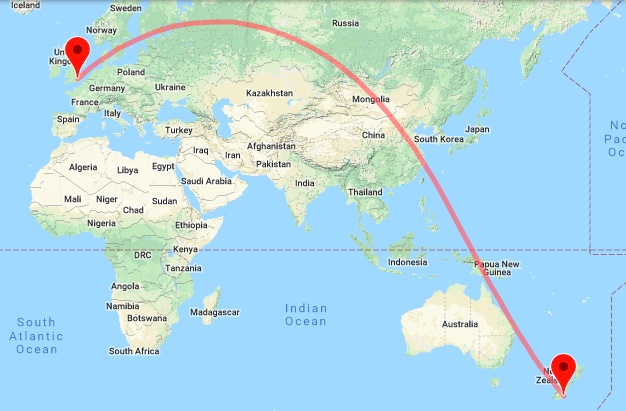
From the family sheep station in Shag Valley, East Otago, amateur radio operator Frank Bell sent a groundbreaking Morse code transmission received and replied to by London-based amateur operator Cecil Goyder.
Frank and his older sister Brenda were radio pioneers. Invalided home from the Western Front in 1917, Frank revived a boyhood interest in wireless communication while recuperating. He helped pioneer the use of short radio waves to communicate over long distances, initially through Morse-code telegraphy. He achieved a number of firsts, including New Zealand’s first overseas two-way radio contact with Australia and North America. But it was his radio conversation with London that made world headlines.
When Frank turned his attention to running the family farm, his sister Brenda took over the wireless station, becoming New Zealand’s first female amateur radio operator. In 1927 she was the first New Zealander to contact South Africa by radio. After the Second World War, Brenda Bell moved into professional radio as a writer and broadcaster for Dunedin station 4YA.
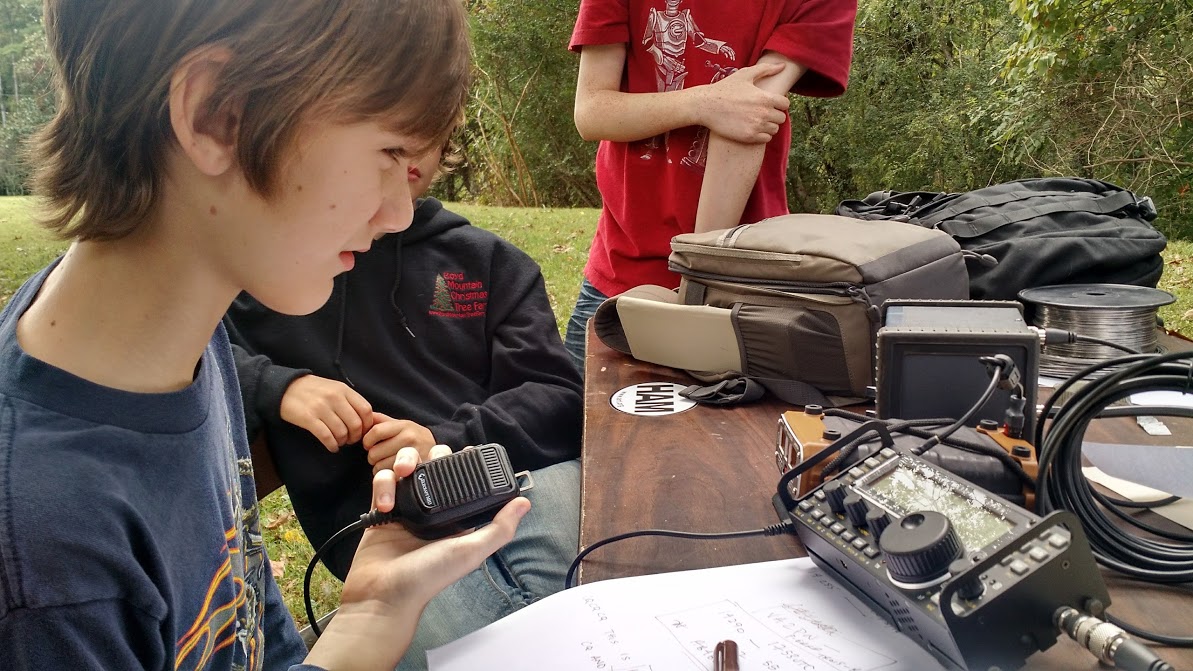
Many thanks to Ken Reitz (KS4ZR) who reminds us that the School Club Roundup started today:
[T]his is it! The start of the fall term SCR is today. Challenge yourself to work as many school clubs as possible and see if you don’t feel optimistic about the future of amateur radio.
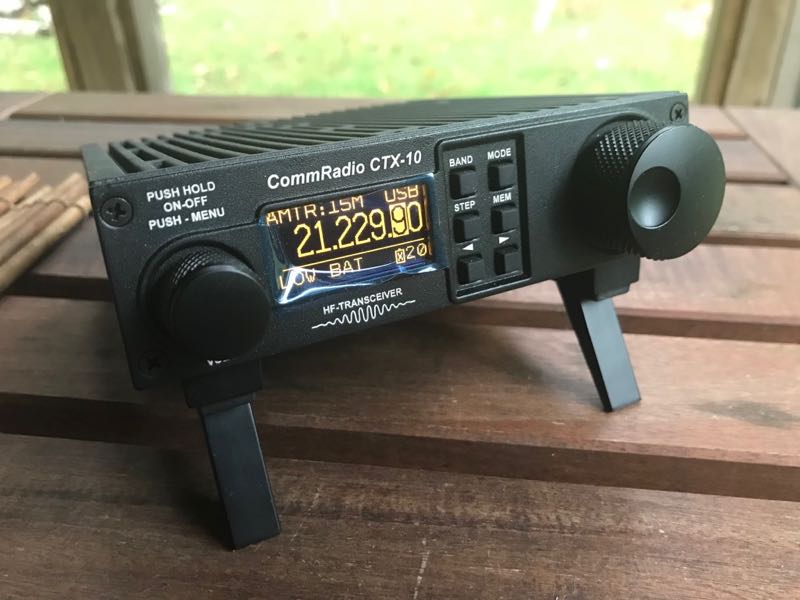
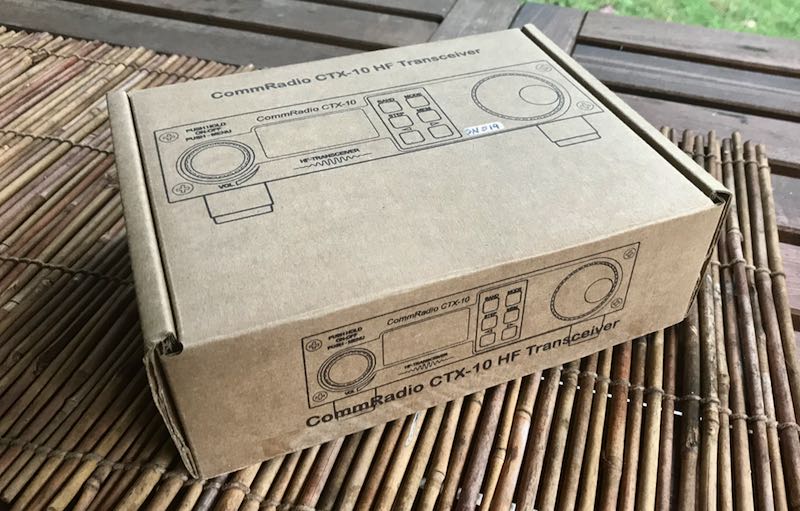
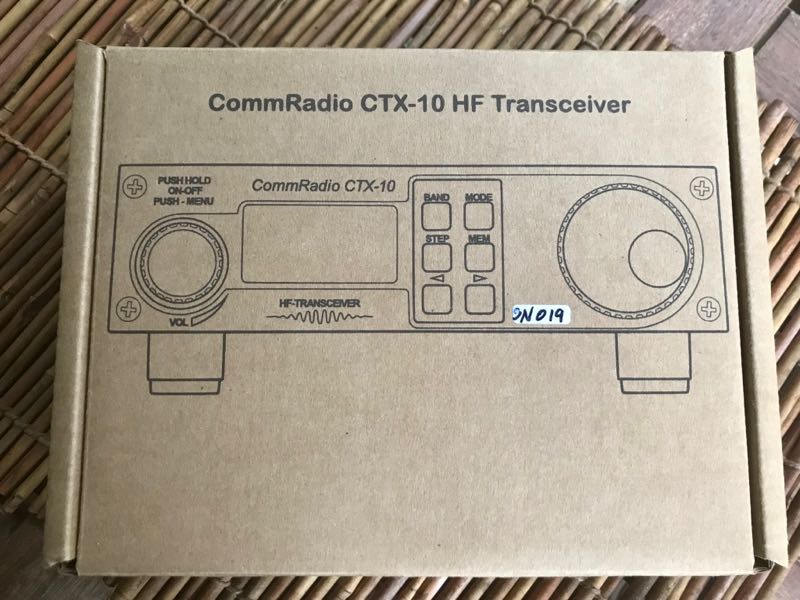
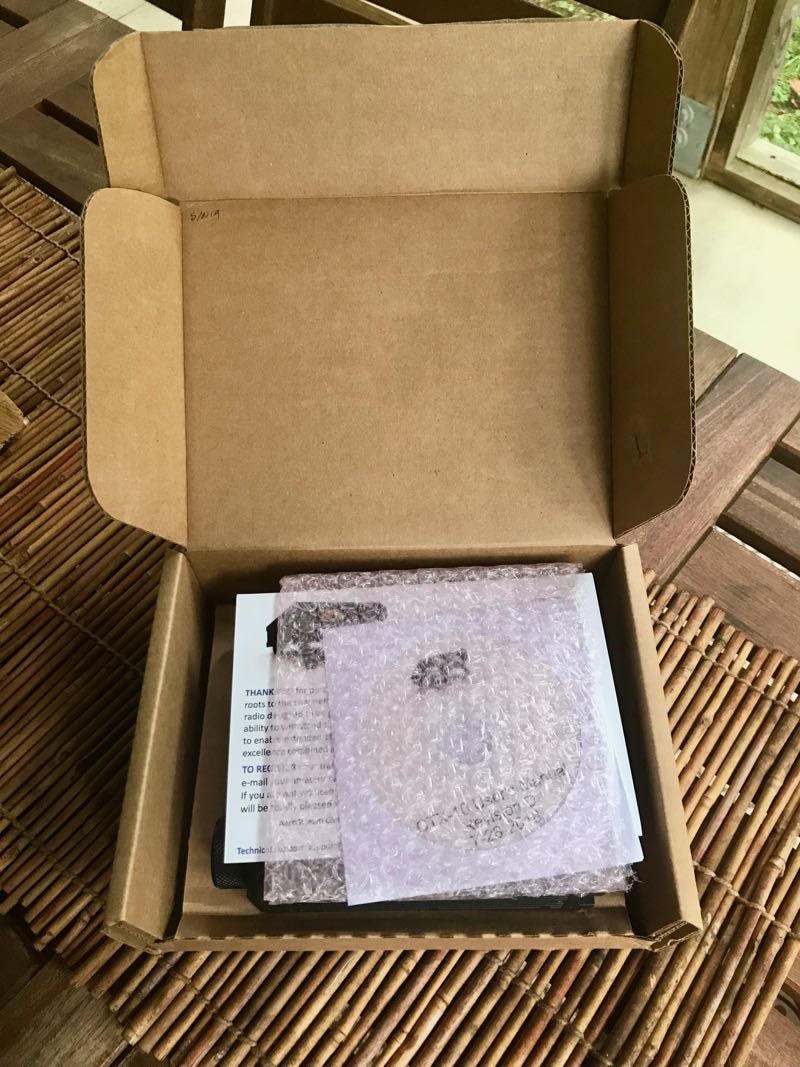
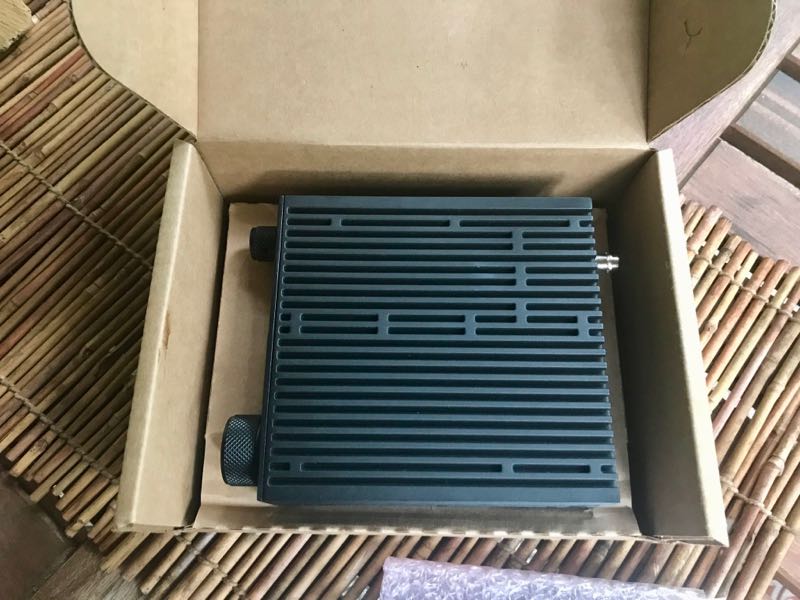
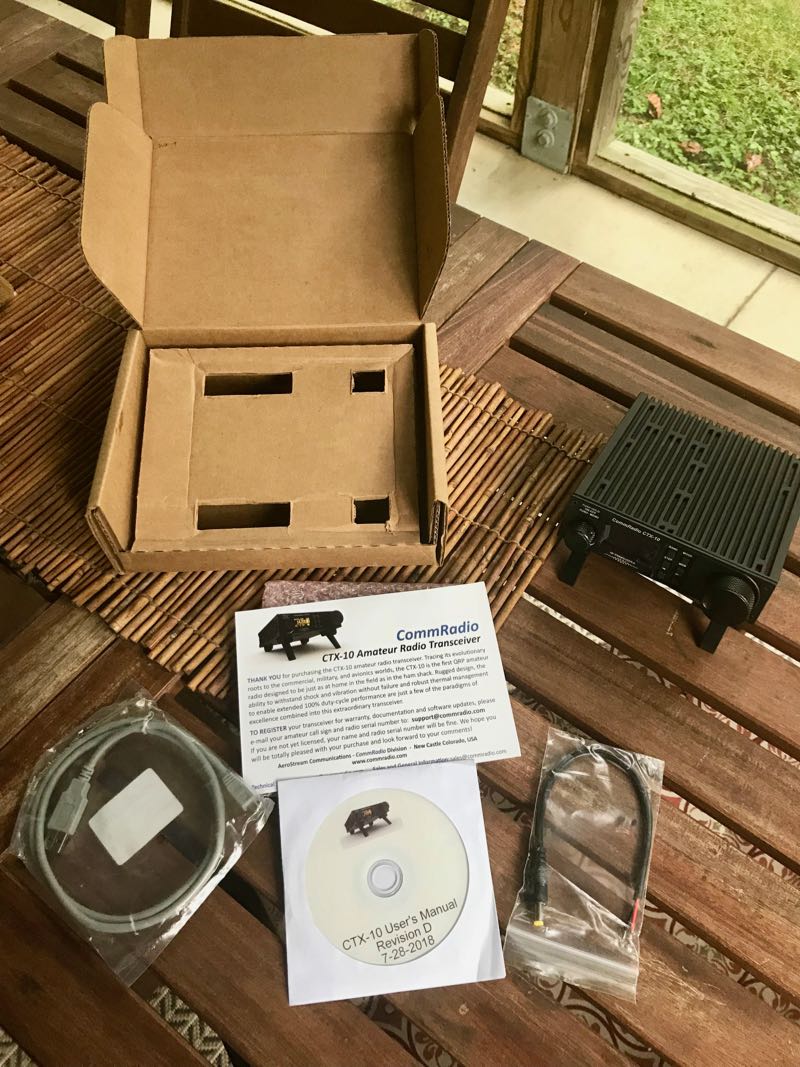
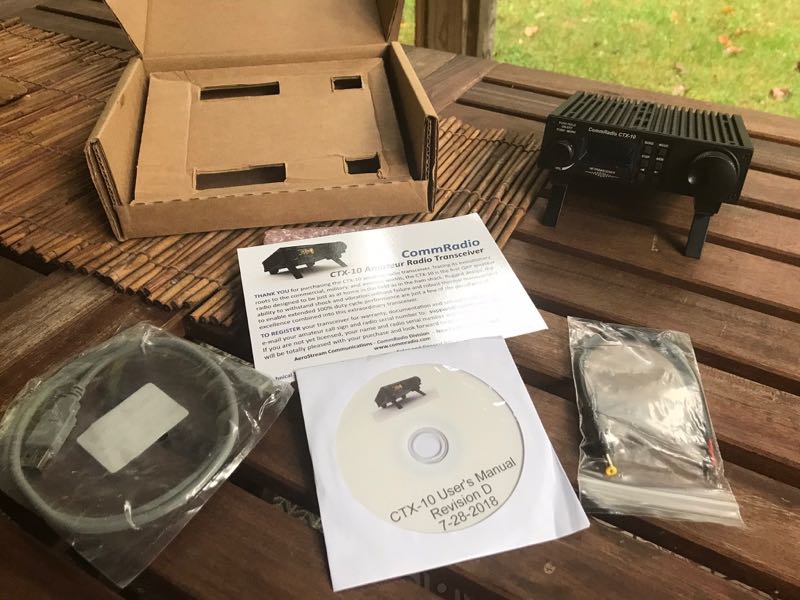
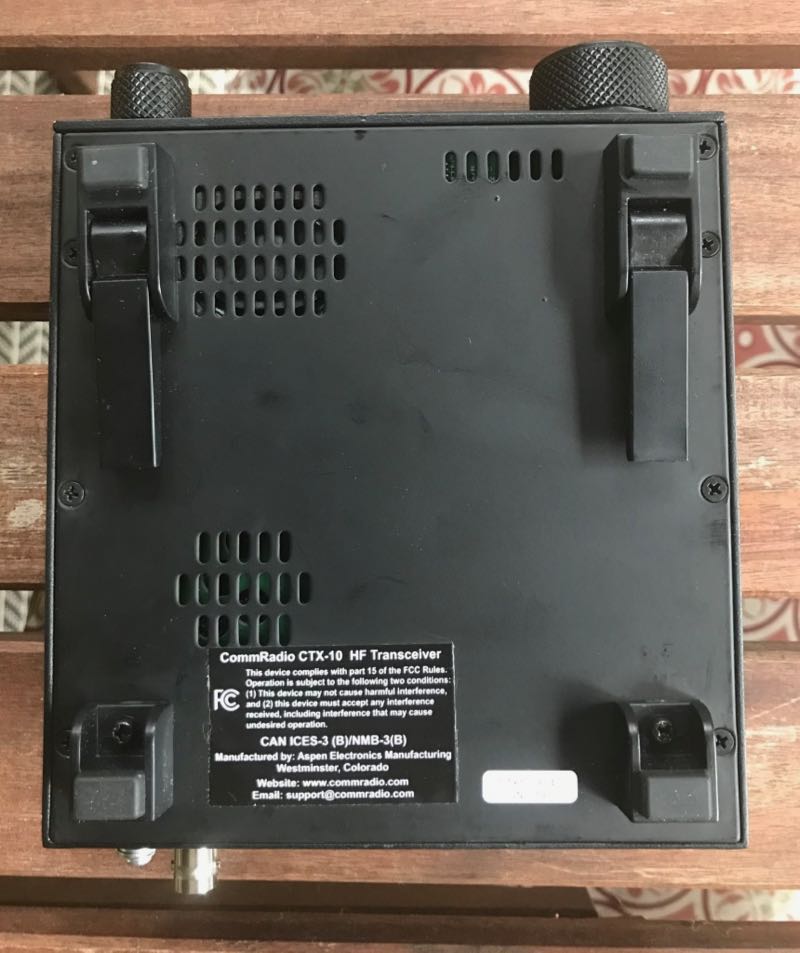
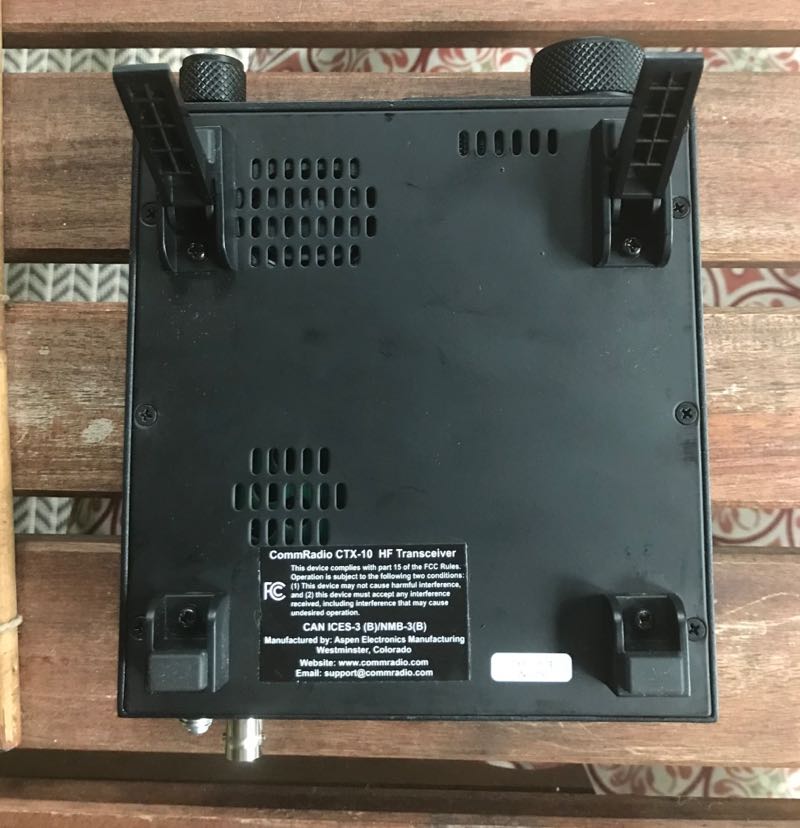
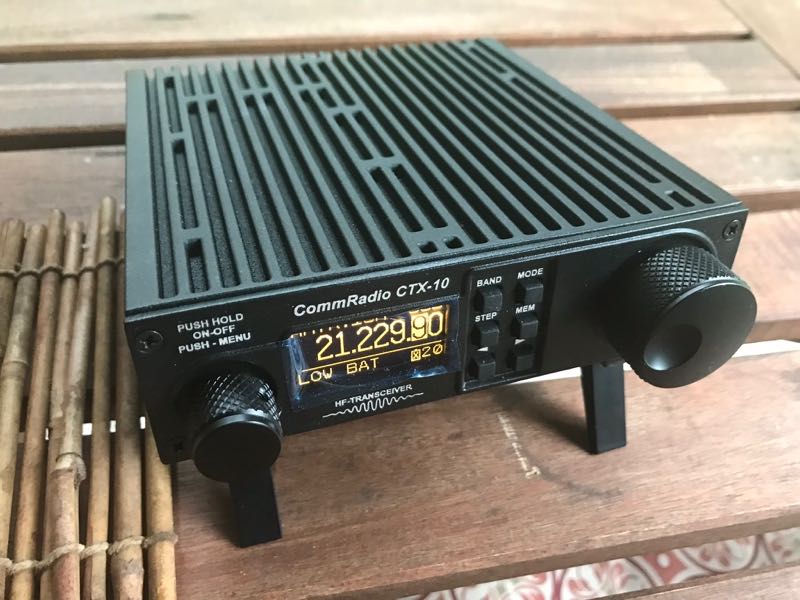
CommRadio dispatched this loaner CTX-10 for evaluation and I’m excited to get my hands on it since it’s not everyday I get to evaluate a transceiver designed around field portability (my favorite category of gear).
Yesterday, I took a few shots of the CTX-10 as I unpacked it:
I’ll need to build a fused power cable with the supplied pigtail and also sort out an 8 conductor (Yaesu compatible) modular plug microphone. Of course, I’ll give this radio a thorough review testing it on SSB, CW and digital modes (especially FT8).
Since the CTX-10 is built on the CommRadio CR-1 and CR-1A I anticipate a capable receiver section (in other words, expectations are high). Of course, I’ll test the CTX-10’s ability as a broadcast receiver as well.