Shortwave listening and everything radio including reviews, broadcasting, ham radio, field operation, DXing, maker kits, travel, emergency gear, events, and more
Many thanks to SWLing Post contributor, Andrew Webber, who writes:
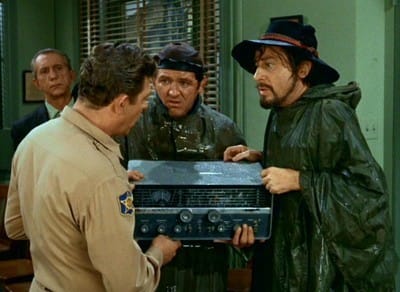
Does anyone know what kind of shortwave this is that appears in this episode of The Andy Griffith Show from the Sixth Season entitled “The Gypsies’. The Gypsies put a curse on the town of Mayberry and use the radio to magically predict rain within 72 hours by listening to weather reports from Greenland. The final scene is hilarious when Andy and Goober are listening to the radio and Andy takes the back cover off of the radio, only to discover the radio is just an empty case.
Thanks for sharing, Andrew. Can anyone ID this radio? Please comment!
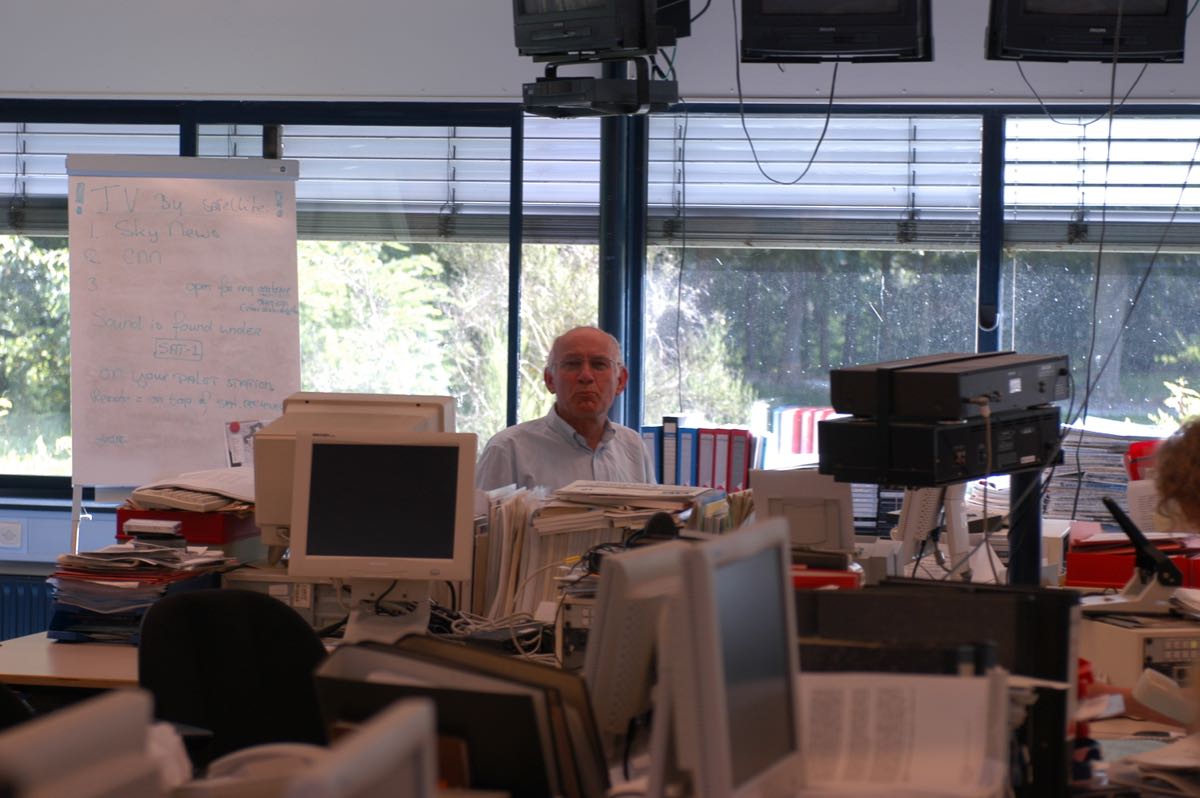
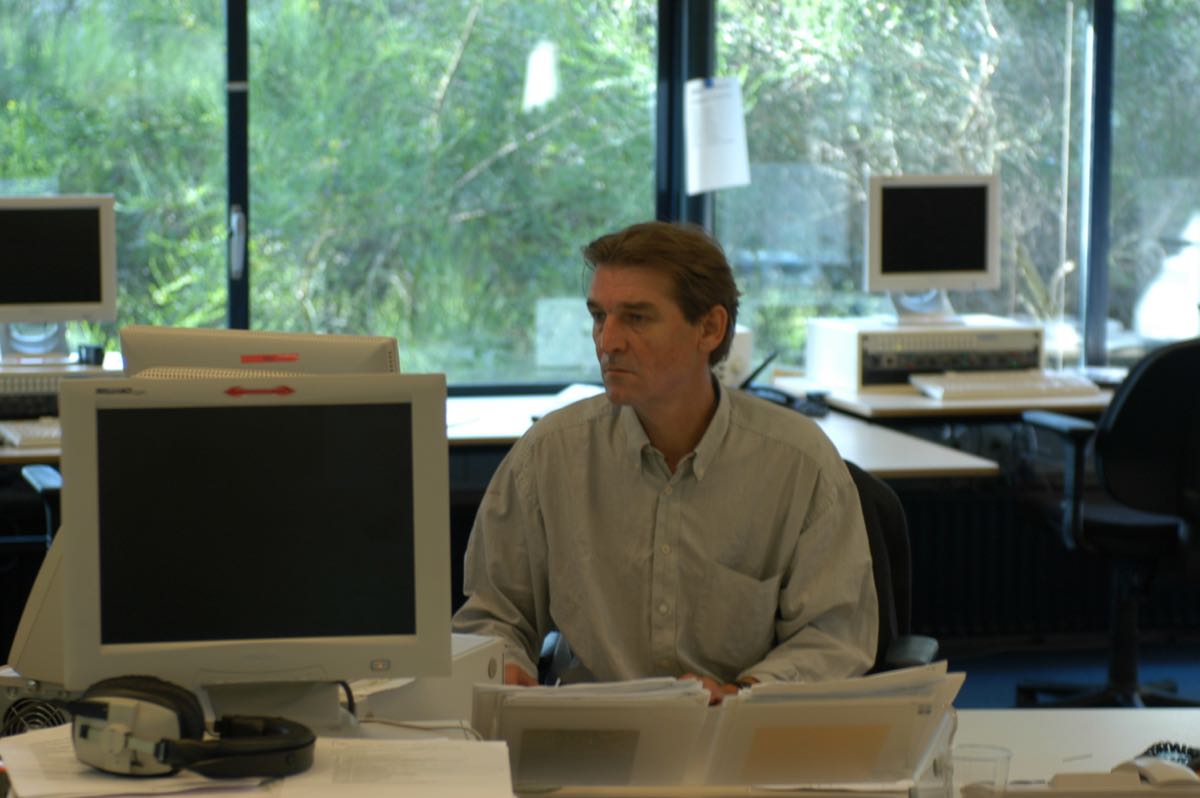
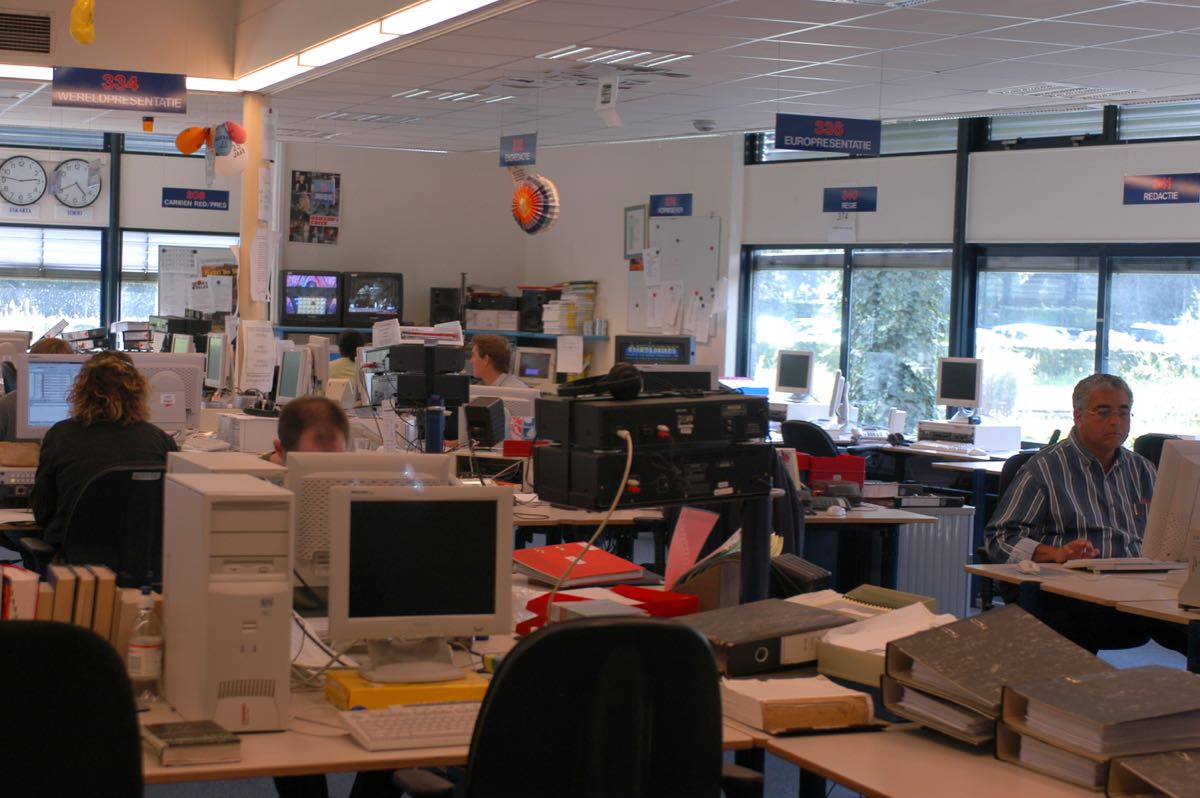
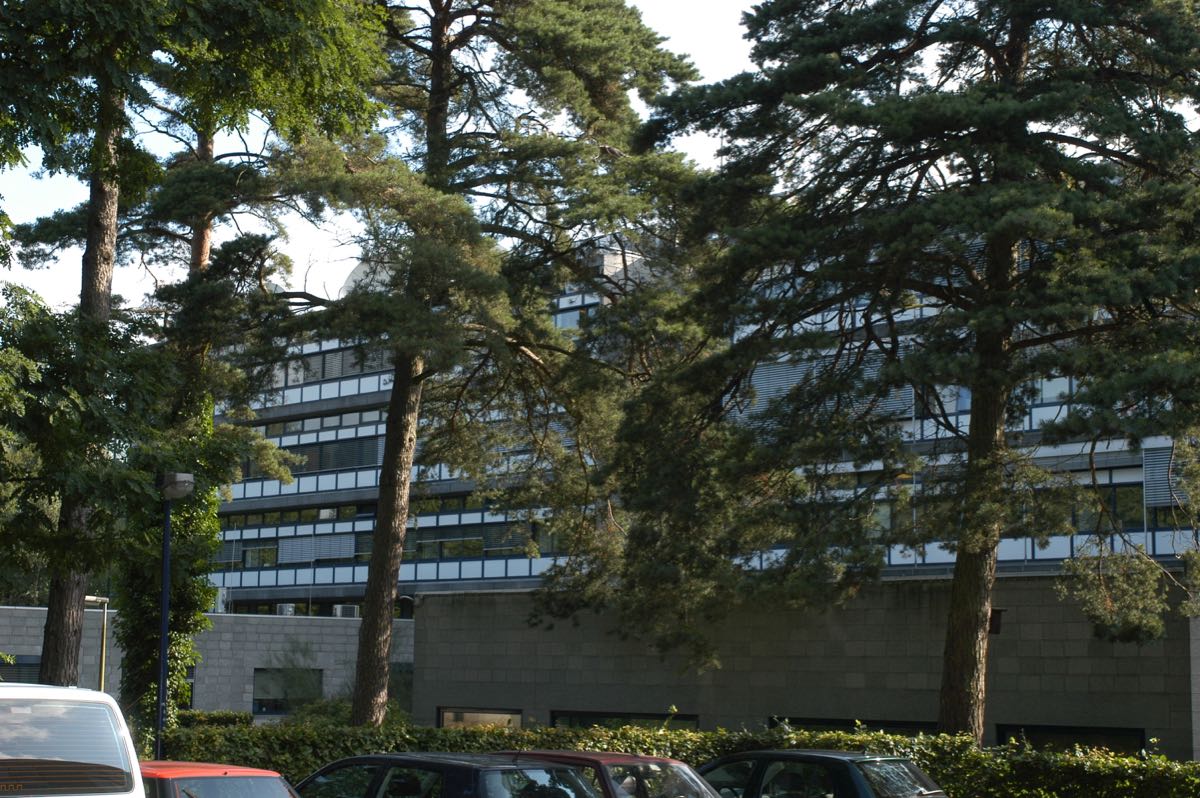
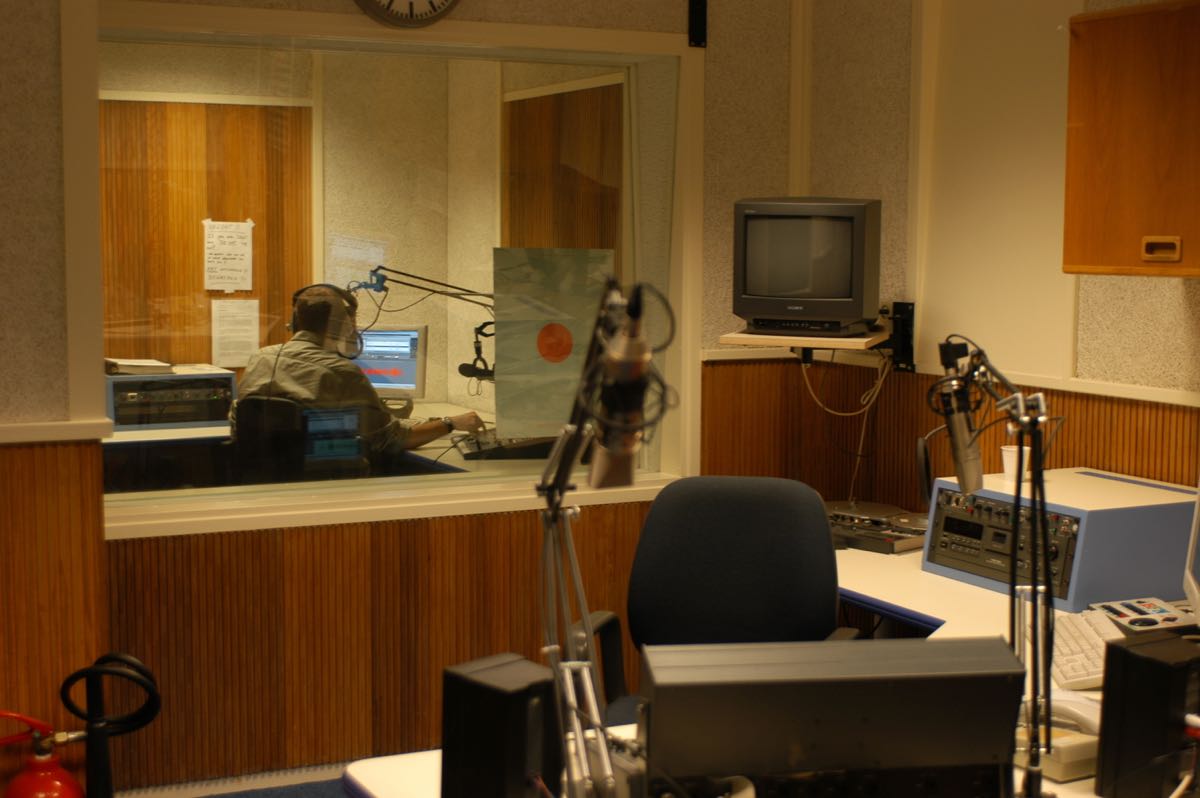
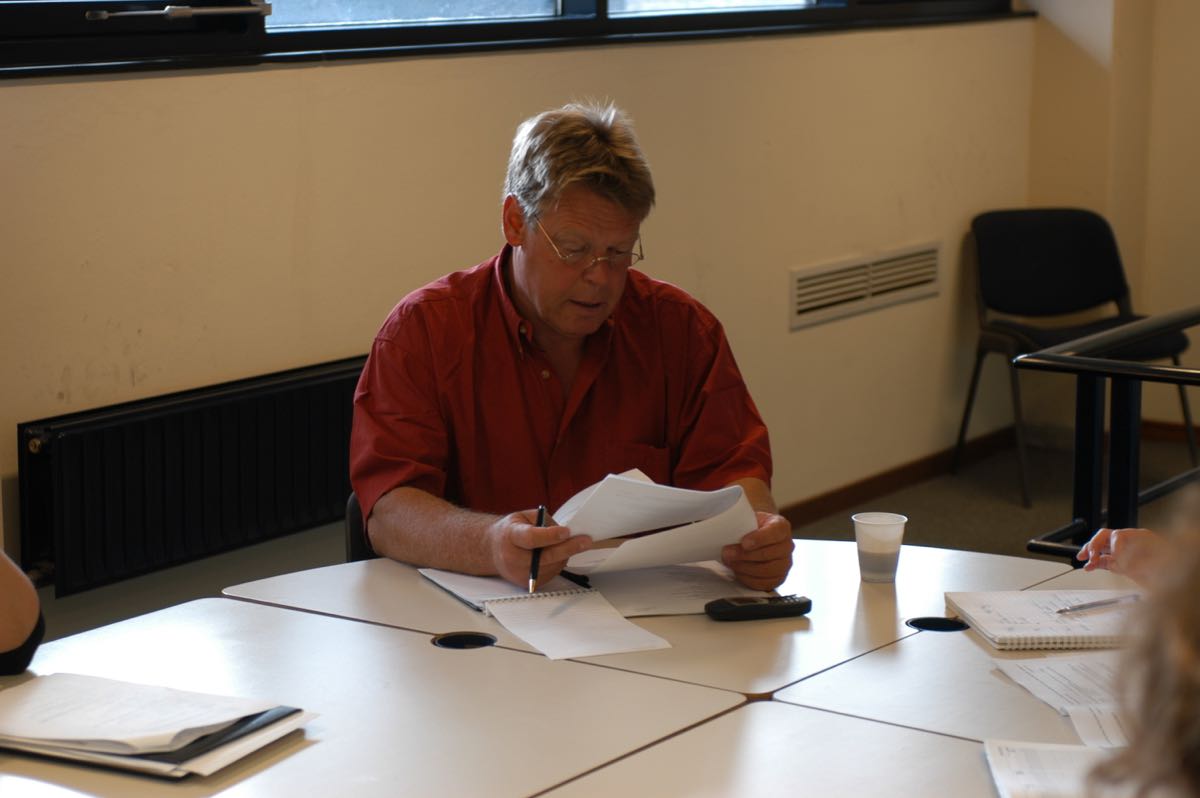
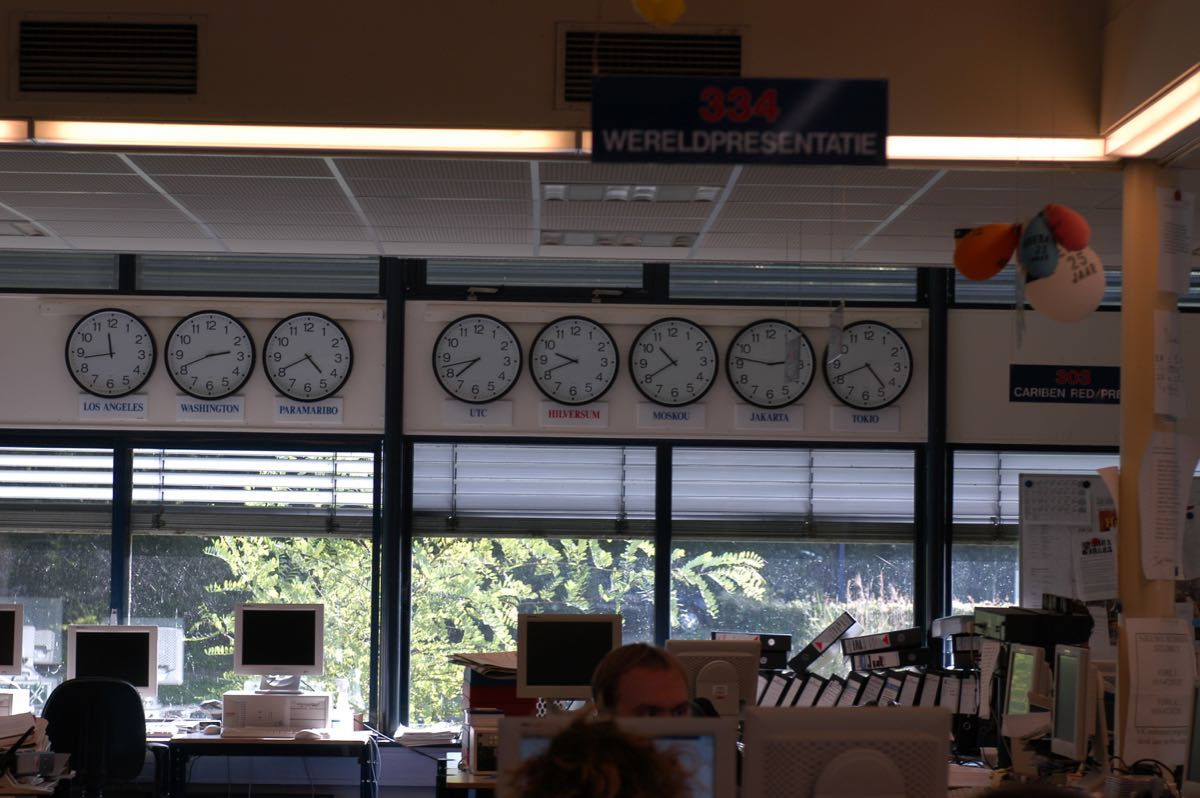
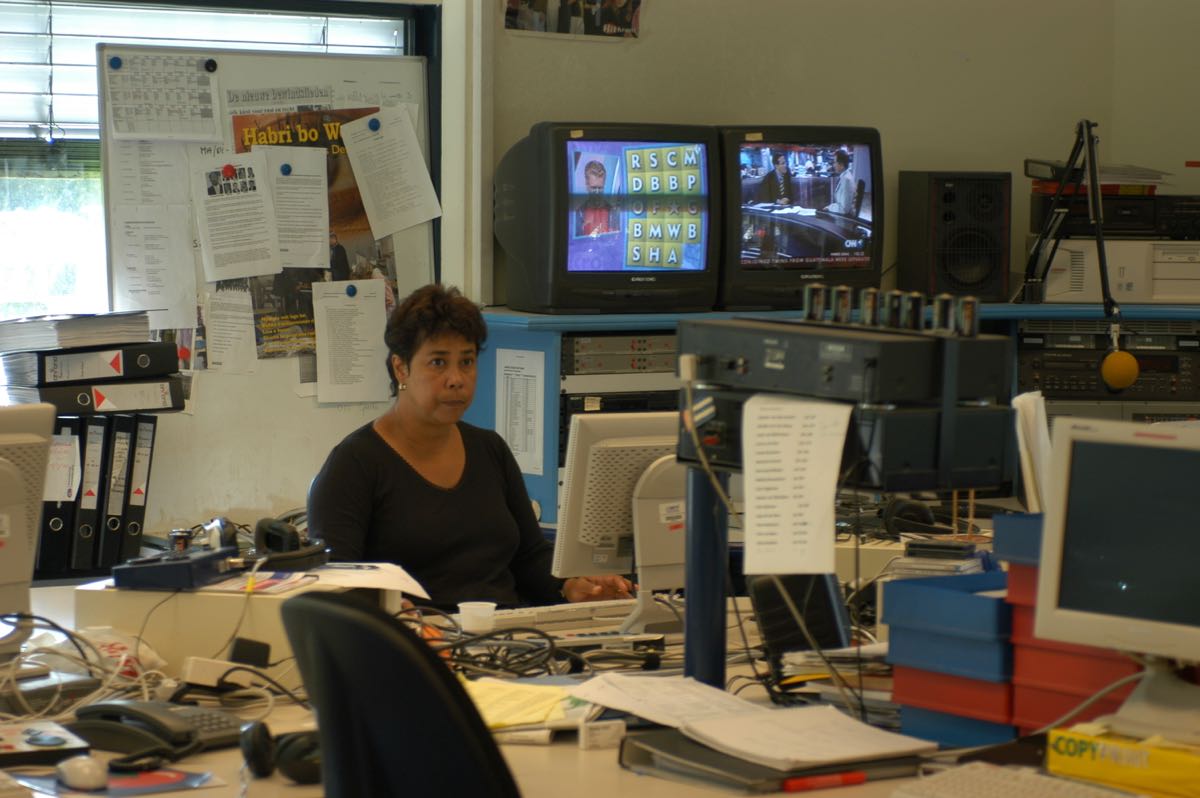
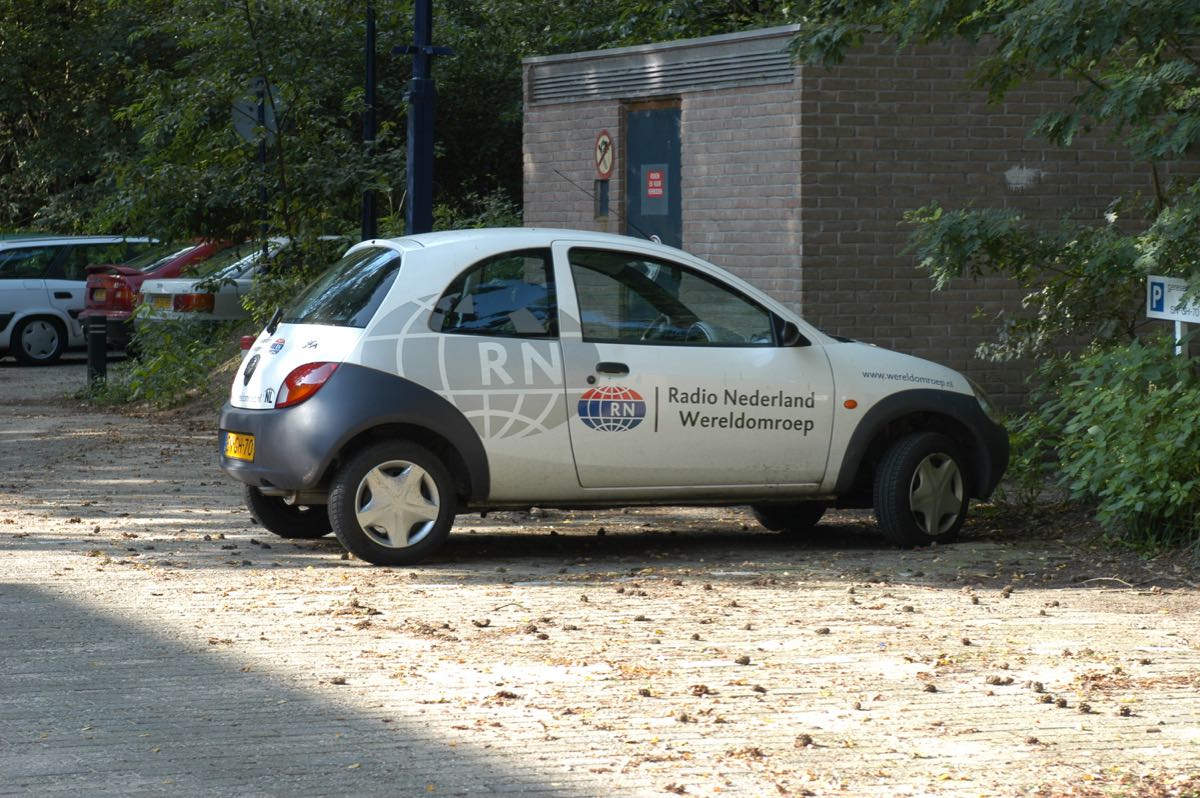
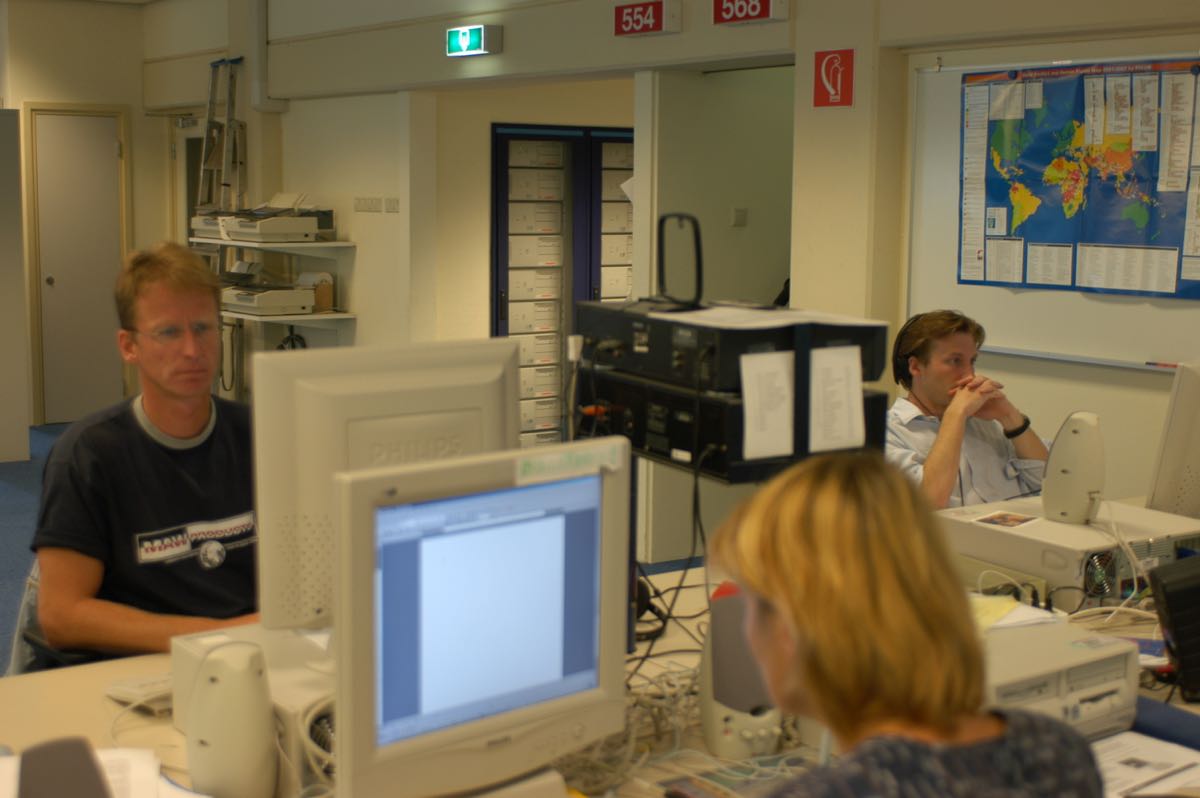
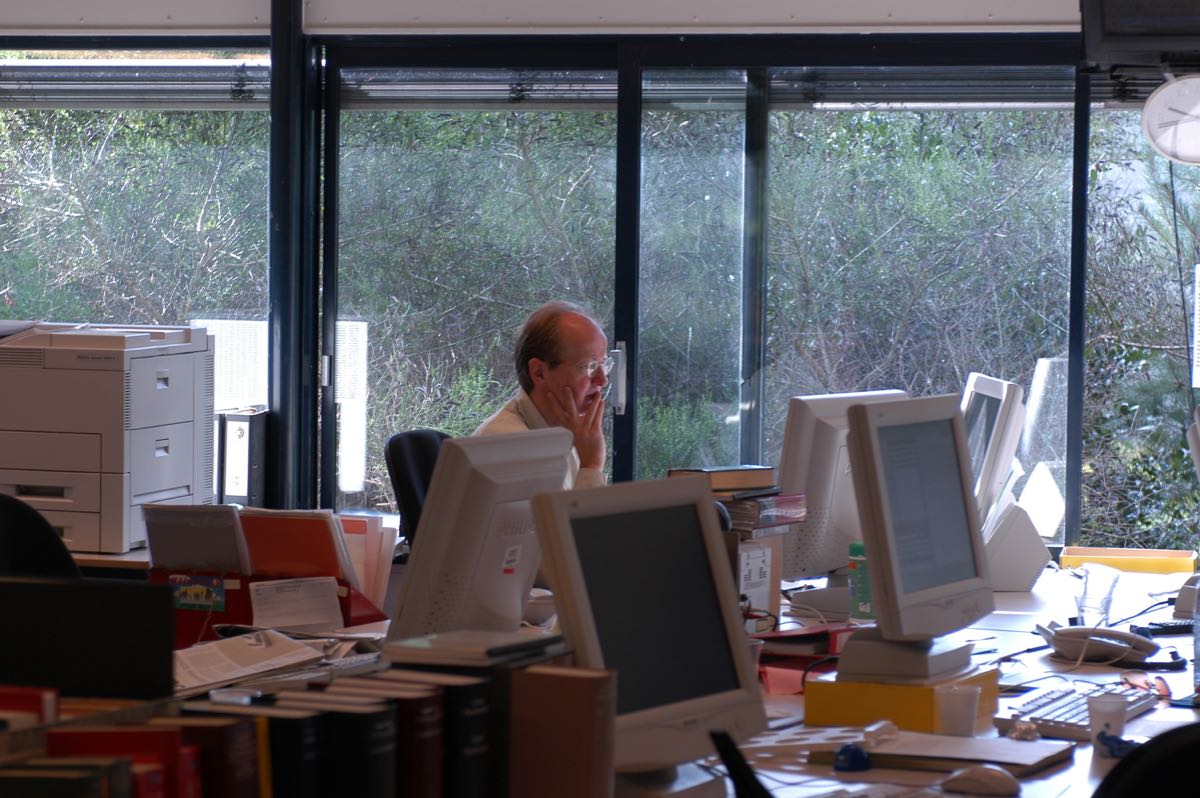
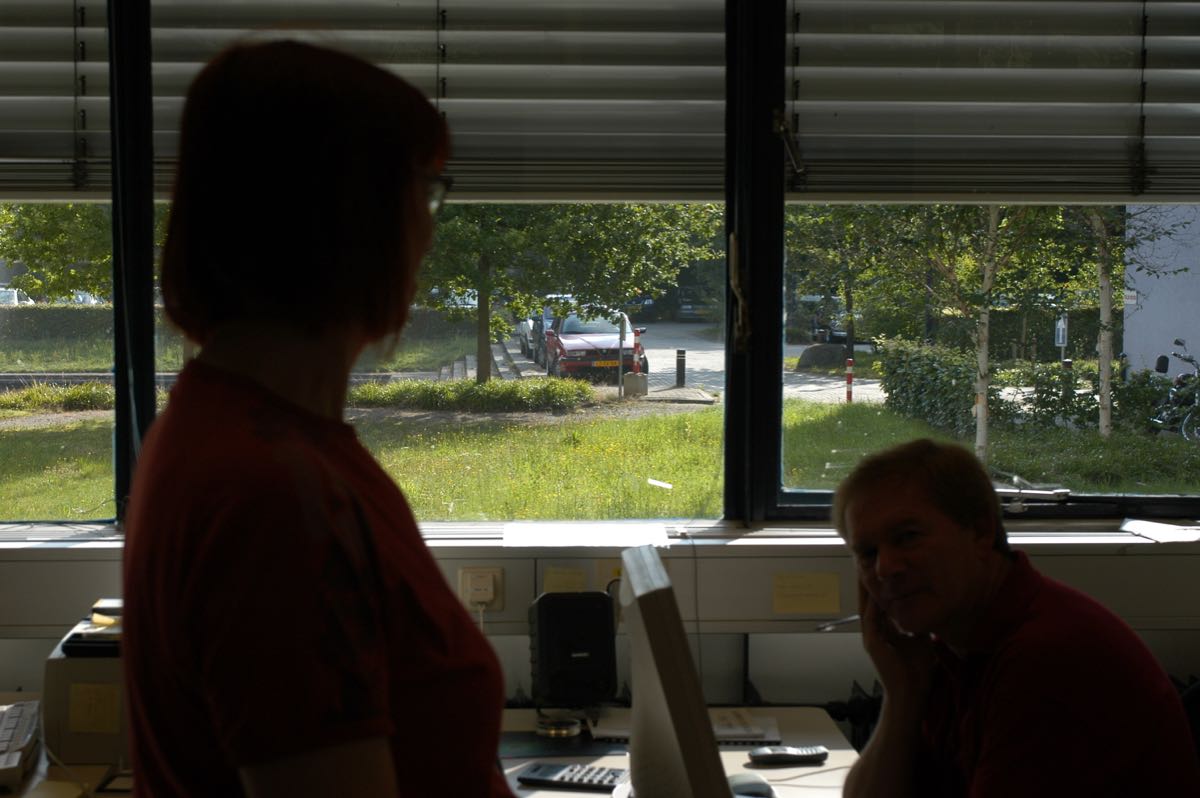
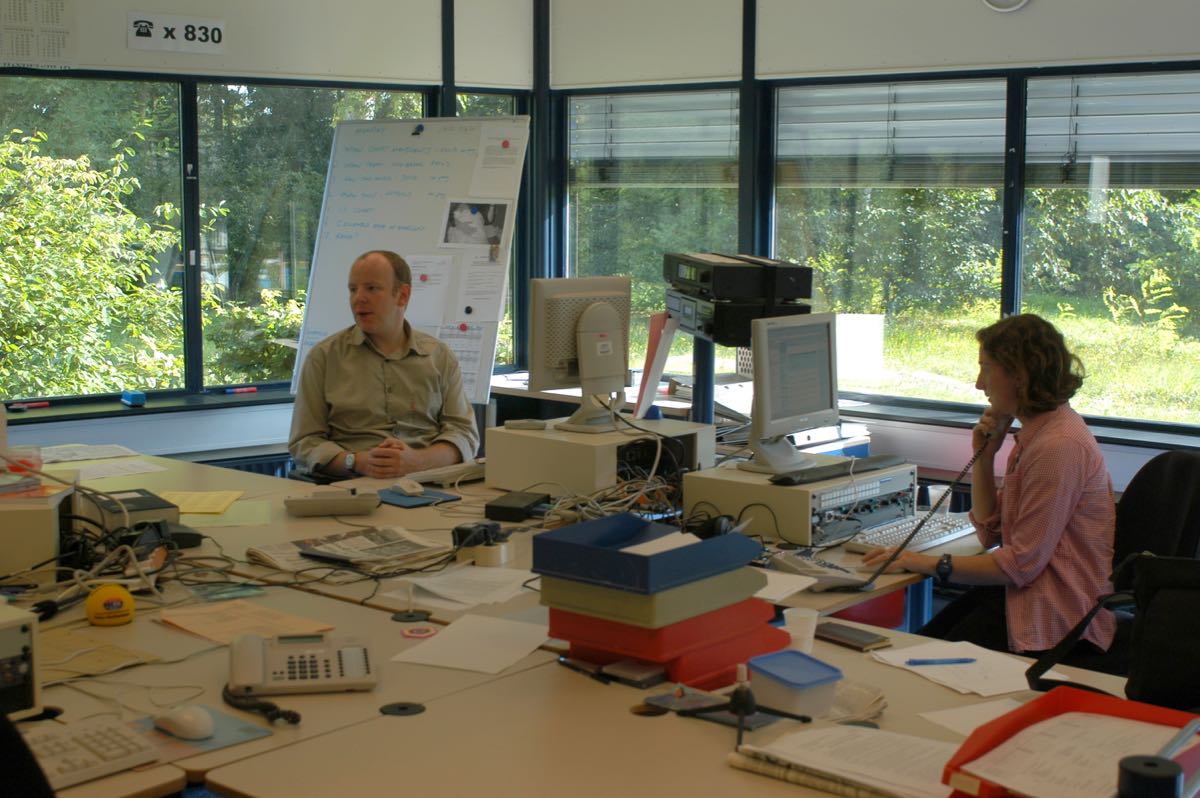
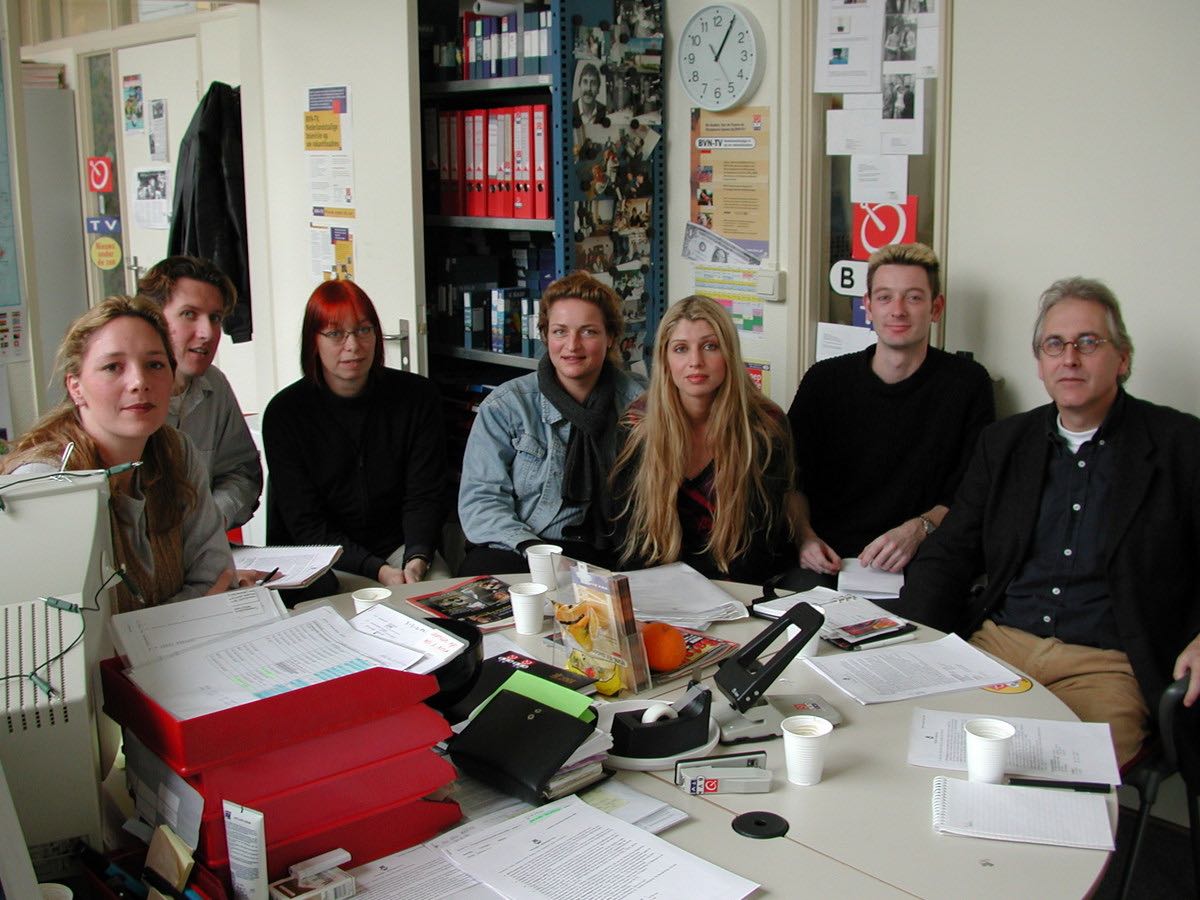
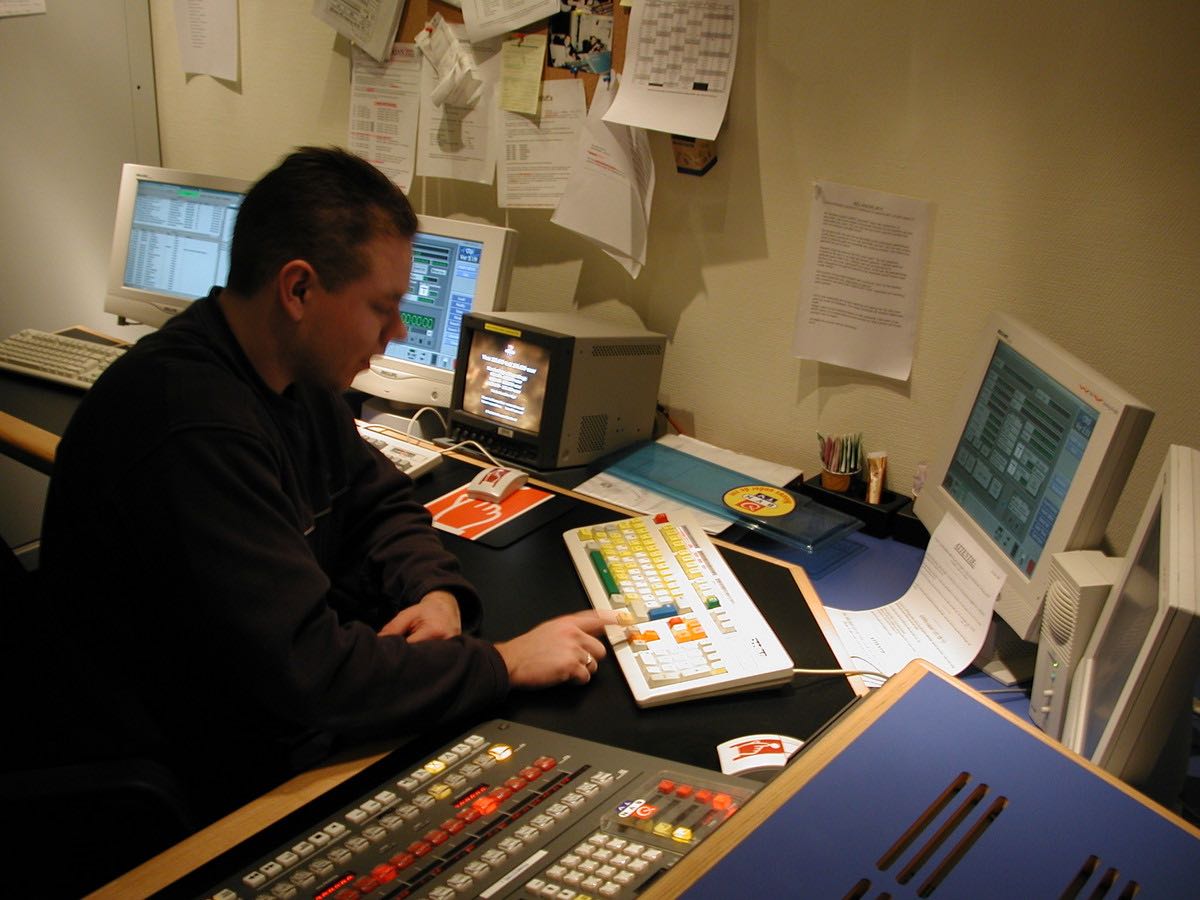
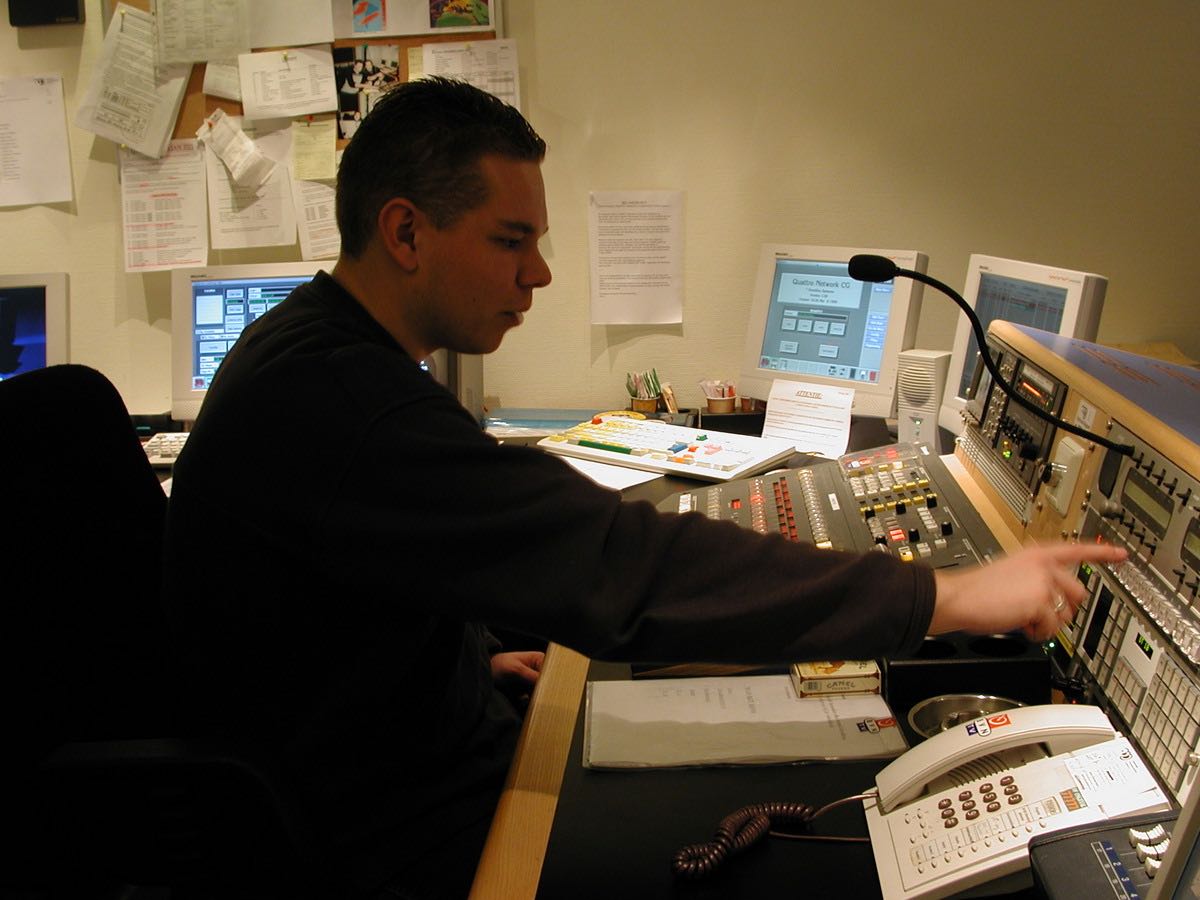
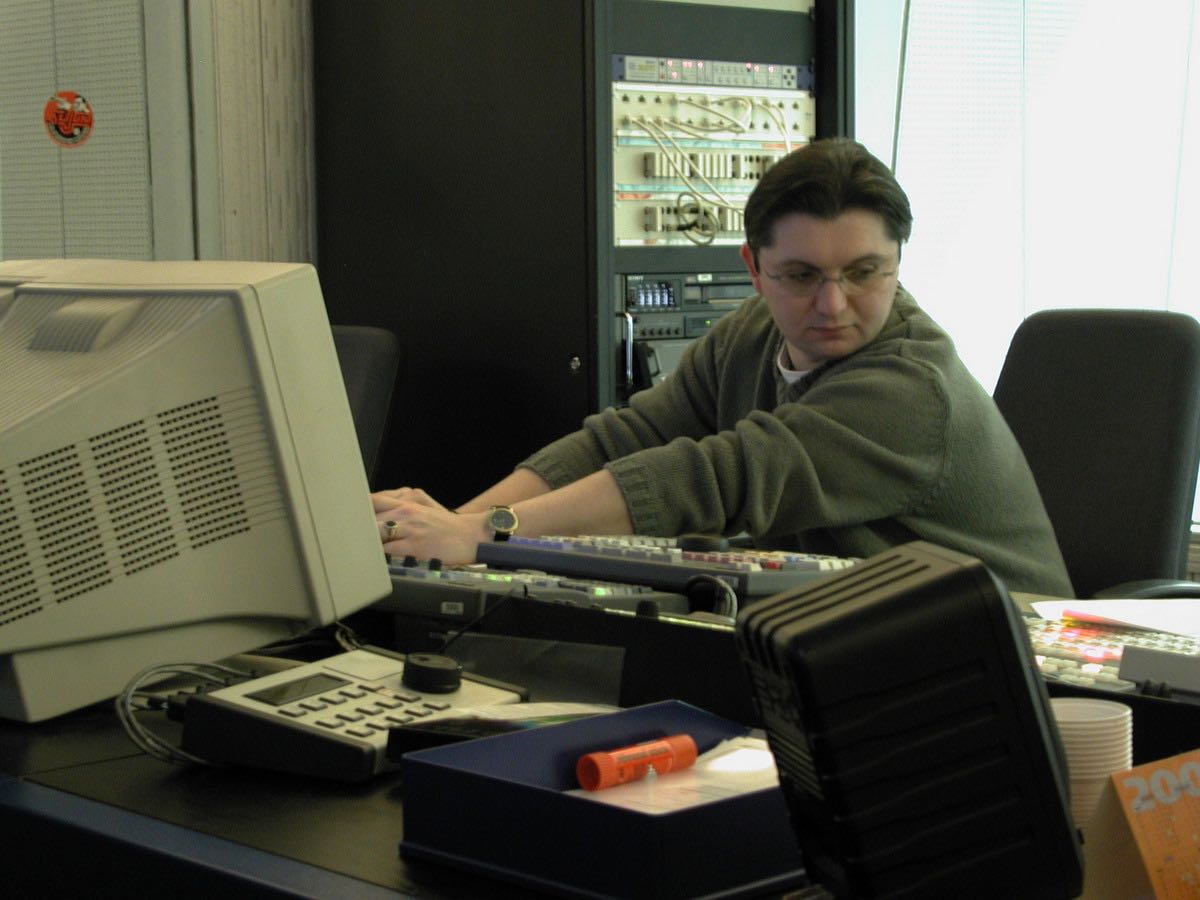
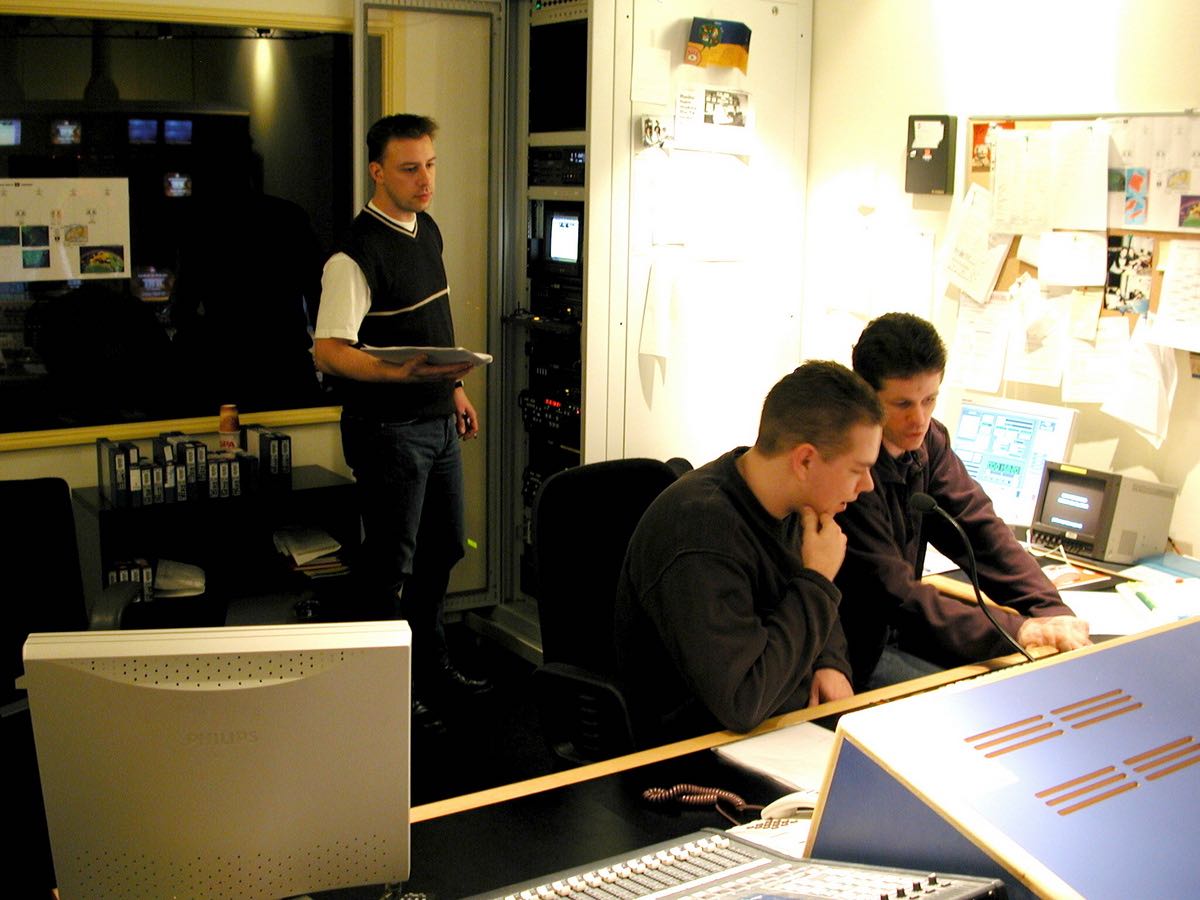
Many thanks to Jonathan Marks–former host of RNW’s Media Network and curator of the Media Network Vintage Vault–who kindly shares a collection of photos he took in 2001 and 2002 at RNW’s headquarters in Hilversum.
Click on the images below to enlarge:
The RNW Newsroom in August 2002
The BVN Television Crew in 2001
Amazing photos–thank you for sharing these, Jonathan! You’ve done such an amazing service to the community by curating, archiving and sharing RNW media. Thank you.
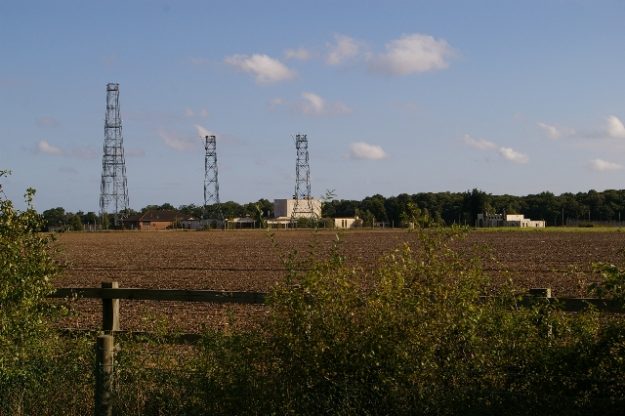
John Norman writes in the East Anglia Daily Times about the Foxhall transmission site just outside Ipswich which played a key role in WW2 and the Cold War
Getting a coded signal back to the States, both during the Second World War and the Cold War, proved incredibly difficult. The solution was Operation Tea Bag: a scheme to connect telephone switching stations from across Europe, as far south as Italy, to Foxhall for forward transmission across the Atlantic.
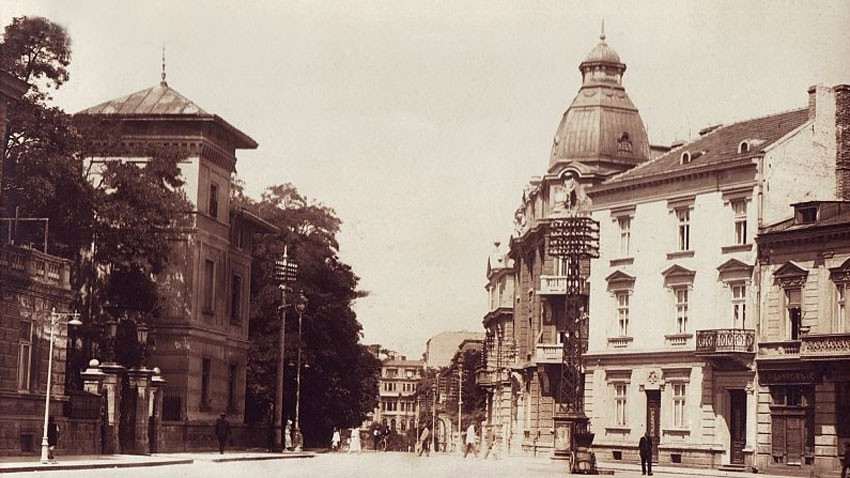
Many attempts have been made to tell the story of the Bulgarian National Radio but usually, in an effort to present a concise version, we fail to mention some curious details that would sparkle the interest of anyone keen on the history of this country. Over the course of its existence, the Bulgarian National Radio has resisted many changes that transformed Bulgaria over the past eight decades.
What is considered to be the official start of radio broadcasting in Bulgaria? It happened in the remote 1929 and consisted in the construction of a 60-watt radio transmitter by a group of engineers. The desire of the enthusiastic members of the radio amateurs club called Rodno Radio (Native Radio) to create a radio program was supported by the state authorities, which allowed them to use a small building on the corner of the central Sofia streets Moskovska and Benkovski.
Soon, however, it became clear that the available equipment was insufficient to reach a larger audience, and a team of local engineers took up the challenging task to build a more powerful transmitter. Another problem arose as the people working on the radio programs increased and the building soon turned out to be too small to accommodate all. Therefore, with the permission of the state, the amateurs moved and occupied an entire floor of a building on 19 Moskovska Street. After radio broadcasting was made a state monopoly with the decree of Tsar Boris III in 1935, the Bulgarian radio began developing at a rapid pace. In addition to the Bulgarian language broadcasts, the year 1936 saw the start of overseas emissions – first in Esperanto, and several months later, also in French, German, English and Italian, the foreign service department of the radio known today as Radio Bulgaria. […]
Radio Bulgaria reaches users in more than 150 countries through its internet pages in Bulgarian and nine foreign languages, which is an excellent achievement, Boyko Stankushev who works as analysts at the Programme Department of the Bulgarian National Radio pointed out.
Highest number of people using Radio Bulgaria’s web sites is registered in Germany. The users in North Rhine-Westphalia, Bavaria, Baden-Württemberg and Hessen are most active. In the United Kingdom highest number of users is registered in London, followed by Manchester-apparently the people living in these two British cities show specific interest in the information published on the web sites of Radio Bulgaria’s foreign language sections. When it comes to Bulgaria’s neighboring countries Turkey is the undisputed leader in terms of the number of visitors in Radio Bulgaria’s site. I would underline that many people in this country visit the Bulgarian pages of the Bulgarian National Radio, including the Bulgarian web page of Radio Bulgaria. Istanbul is the leader in this ranking, followed by Ankara, Bursa and Izmir. Radio Bulgaria has users in some smaller Turkish towns such as Mu?la and Tekirda?. I believe that the Bulgarians studying at the local universities are regular users of Radio Bulgaria’s content and read both in Bulgarian and Turkish.
In 2018 the interest in Radio Bulgaria’s content by US users increased. The number of visits in publications in English was very high, followed by visits in Radio Bulgaria’s Greek and Spanish page from North and Latin America. In the USA the highest number of visits was registered in Illinois, which is not surprising, because of the huge Bulgarian community living in Chicago. In California huge internet activity was registered in areas with large technological parks and highly-educated people, i.e. we are talking in this case about a very high-quality audience.[…]
Your message prompted me to find a recording I made of the final Radio Bulgaria broadcast on shortwave which, coincidentally, happened seven years ago today!
Many thanks to SWLing Post contributor, Emilio Ruiz, who writes:
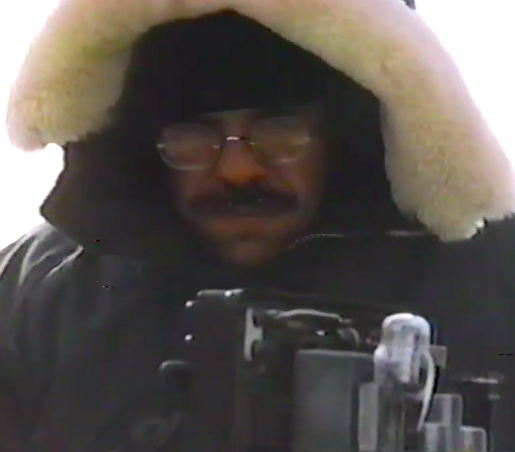
I [note you] have published movies scenes with radios and I remember one of my favorite movies about nature, science, silence, wolves and Inuit culture called “Never Cry Wolf” I’m sharing with you and all readers of SWLing Post blog a radio (I don’t know what brand is, I think is military radio) appear in Never Cry Wolf movie.
I love this scene because the heterodyne sound is a particular sound that drives us crazy to everyone who loves radio!! jaja 😛
The video was extracted from the original Beta format movie, sorry for
the quality.
https://www.youtube.com/watch?v=rhz0kzRaWlY
Thank you for sharing, Emilio!
That heterodyne sound leads me to believe they obtained it using a regenerative receiver. I’ve heard that squeal so many times tuning regen receivers!