Category Archives: Nostalgia

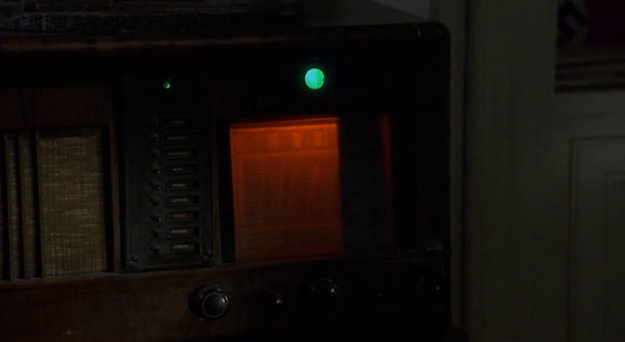
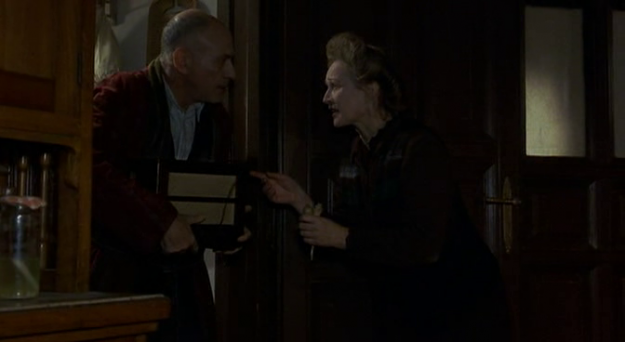
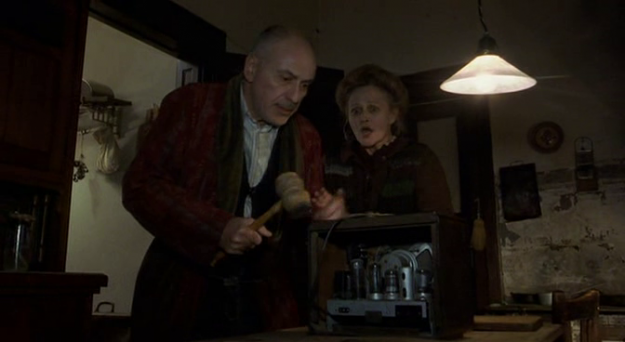
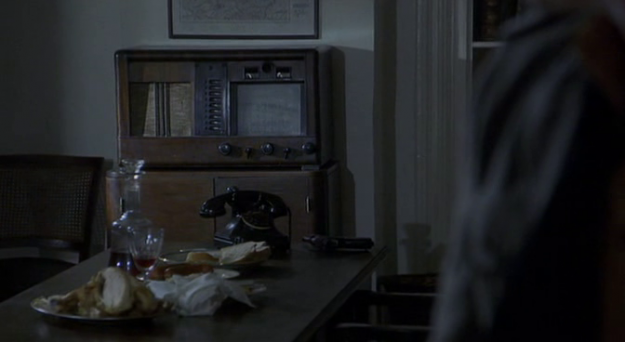
Balázs spots a vintage receiver in “Jakob the Liar”

Many thanks to SWLing Post contributor, Balázs Kovács, who writes:

Jakob the Liar (1999)

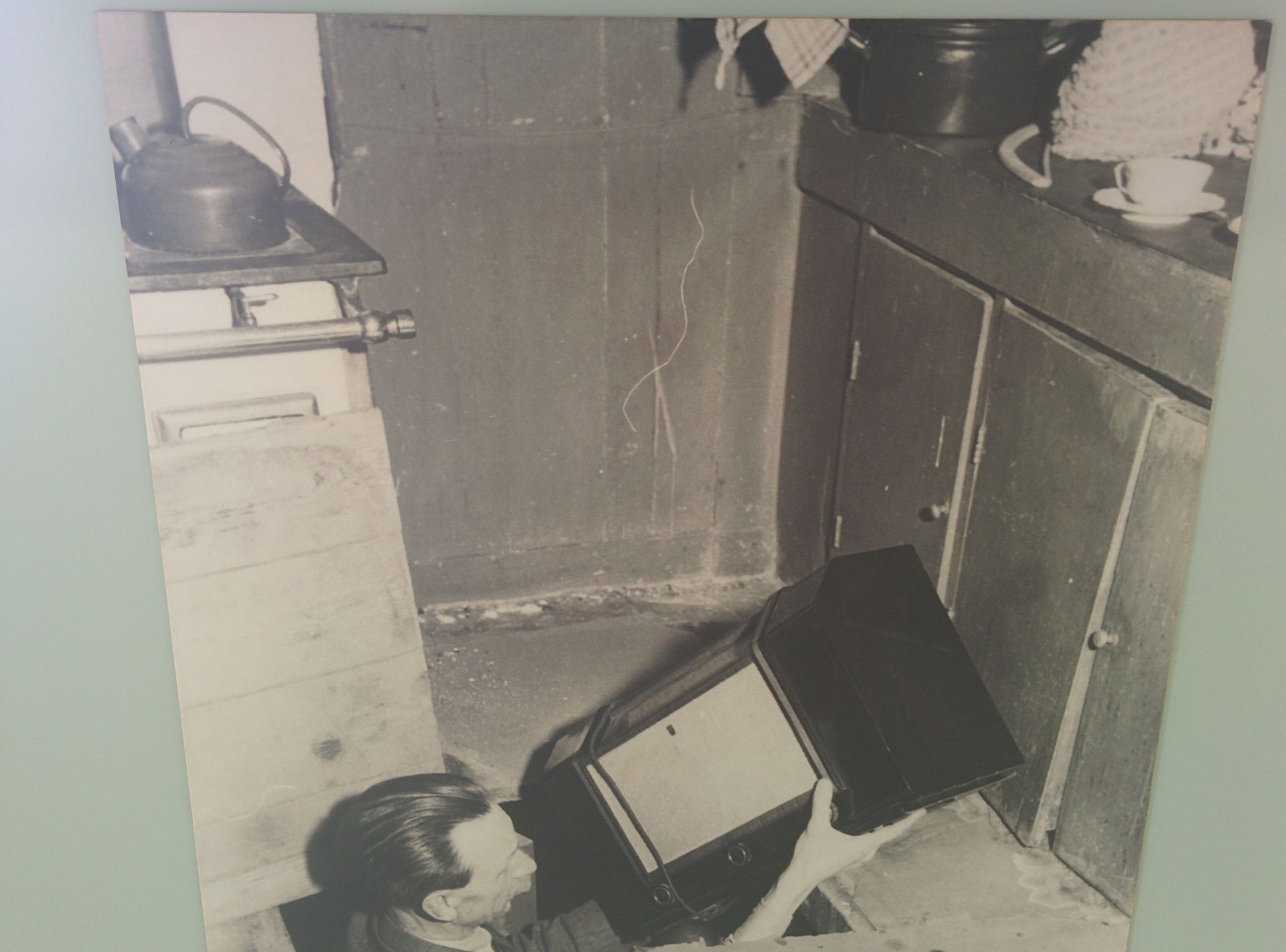
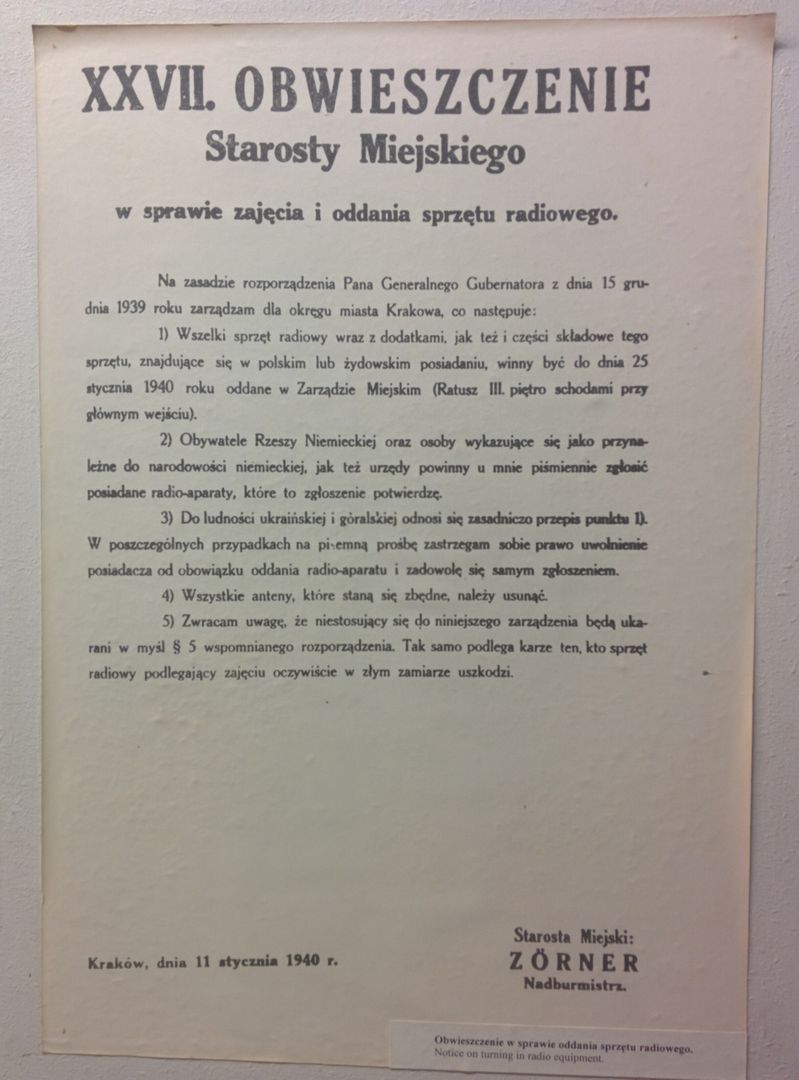
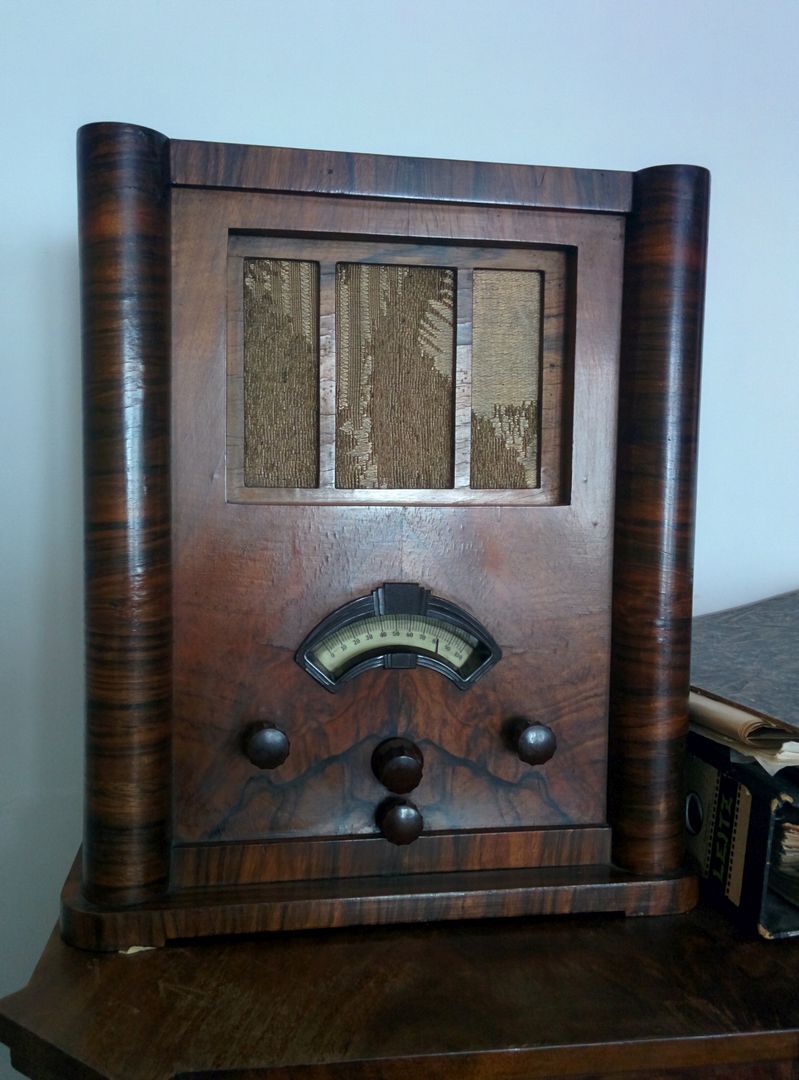
A radio receiver plays a main role here next to Robin Williams in a Jewish ghetto in Nazi-occupied Poland in the second world war.

Here I added three additional photos about the radios from the last year when we visited the Kraków area, the museums of Oskar Schindler’s Factory and Auschwitz.

Thank you for sharing your images, Balázs. I do not recognize the tube radio in Jakob the Liar. I do love the tuning eye.  Anyone know the model? Please comment!

Of course, I’ll add this post to our ever growing archive of radios in film!

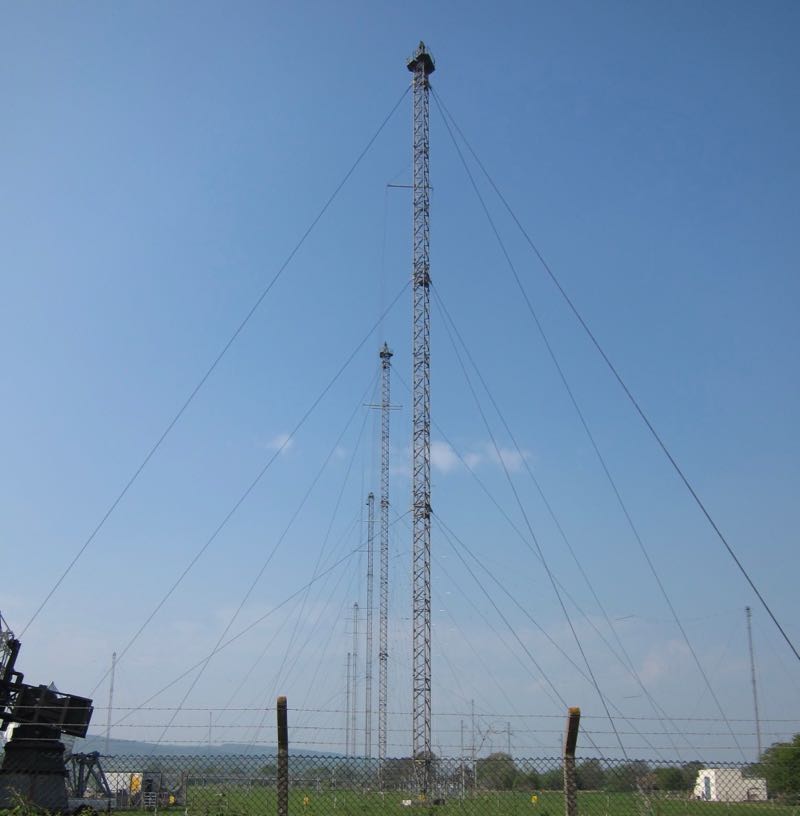
Woofferton Transmitting Station: 75 years of continuous operation

Photo by Flickt user Shirokazan via Wikimedia Commons.

Many thanks to SWLing Post contributor, Dave Porter, who notes:

Pleased to let you know that Woofferton Transmitting Station celebrated 75 years of continuous operation yesterday 17th October 2018.

It is now run by Encompass Digital Media to give it its full name!

Woofferton has certainly experienced and propagated a lot of world history!  Thank you for sharing Dave!

If you’d like to dive deeper into the station’s history, check out this book published around the time of Woofferton’s 50th Anniversary. Also, click here to check out Dave’s video tour of the Woofferton Transmitting Station.

Spoiler Alert: As we approach the SWLing Post’s 10th Anniversary next month, Dave is generously donating a little piece of Wooferton’s history that one lucky reader will win! Interested?  Stay tuned!

I’m keeping the CoCo 2

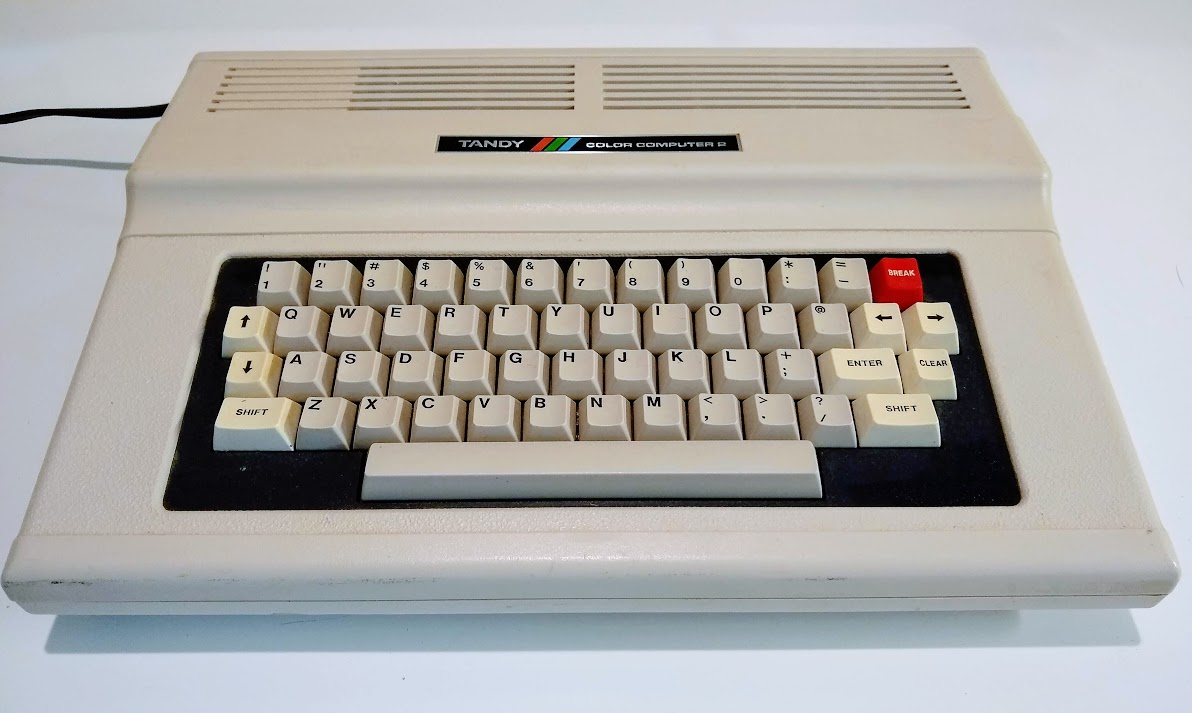
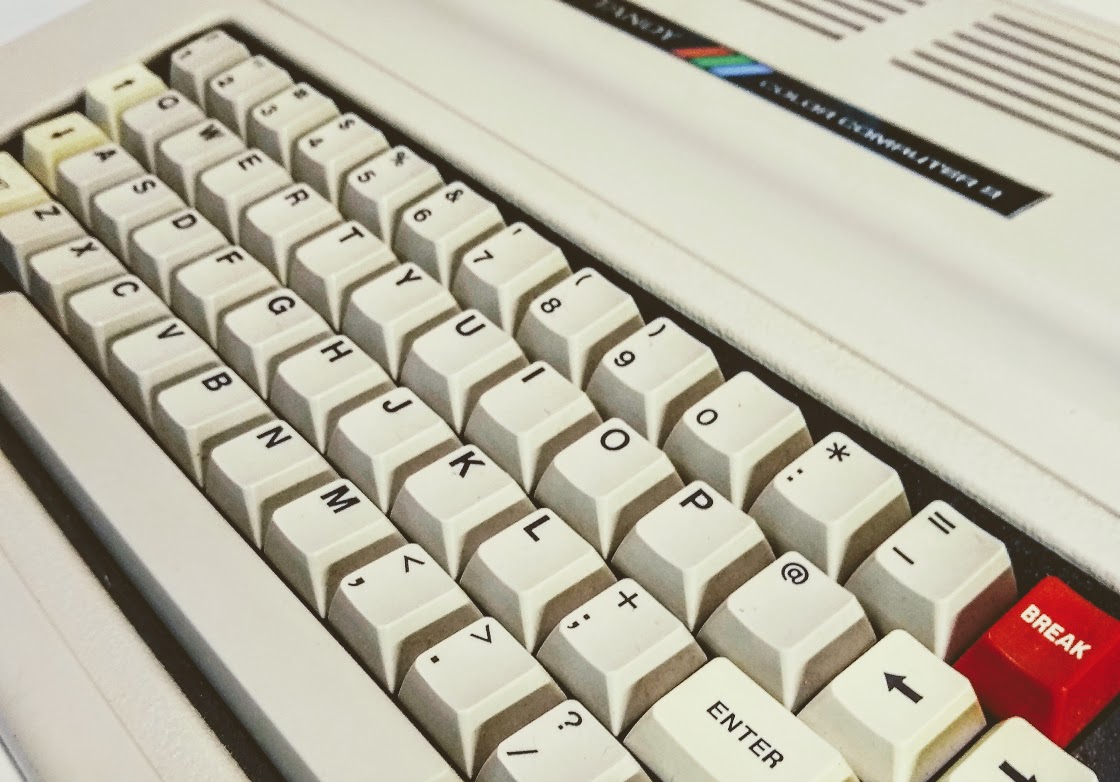
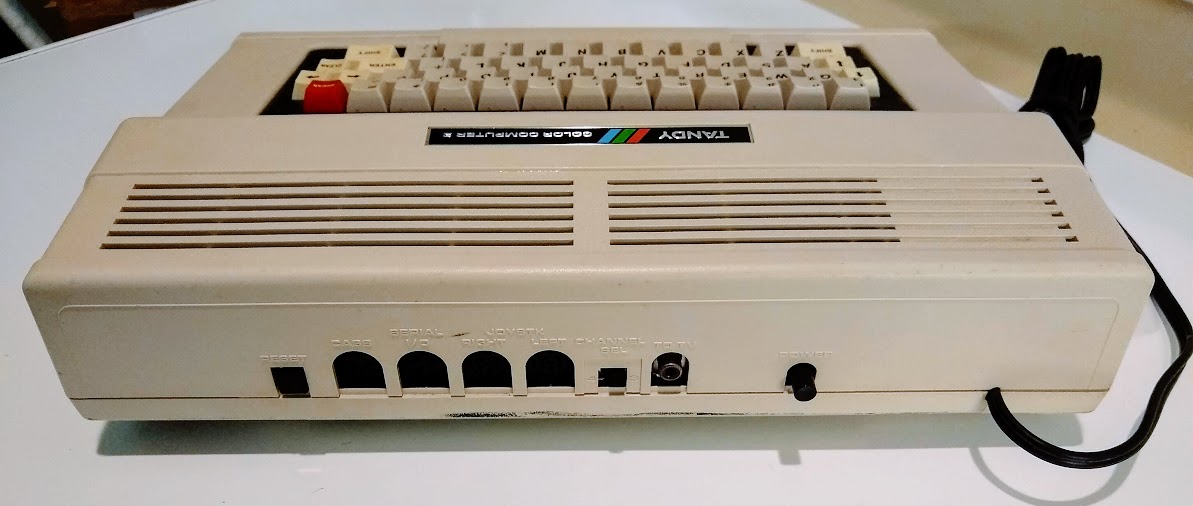
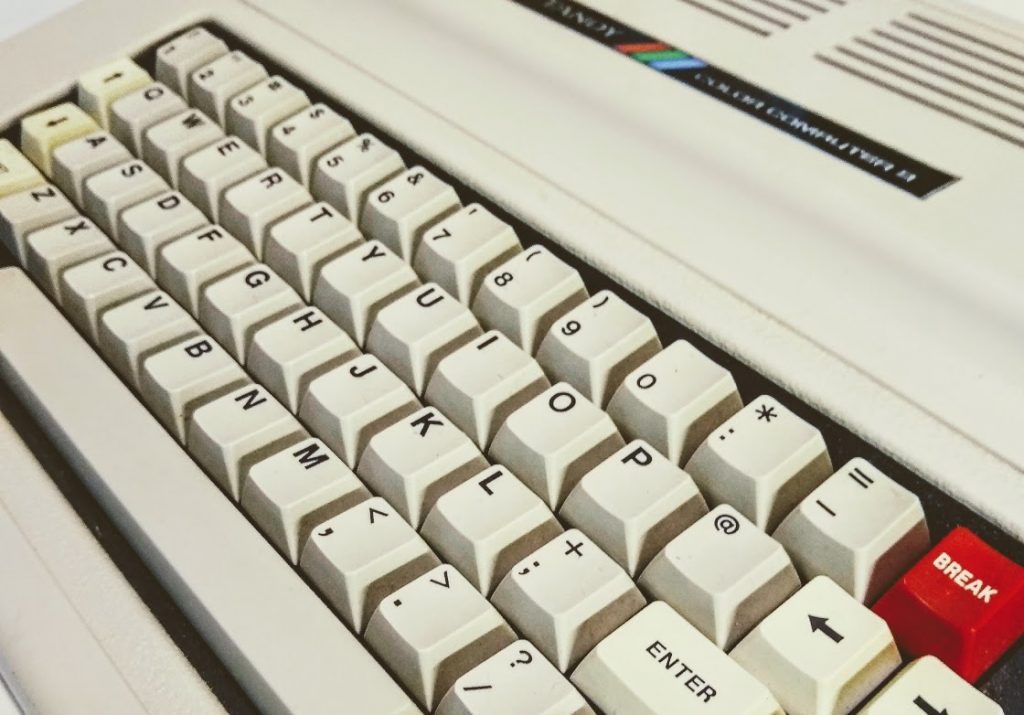
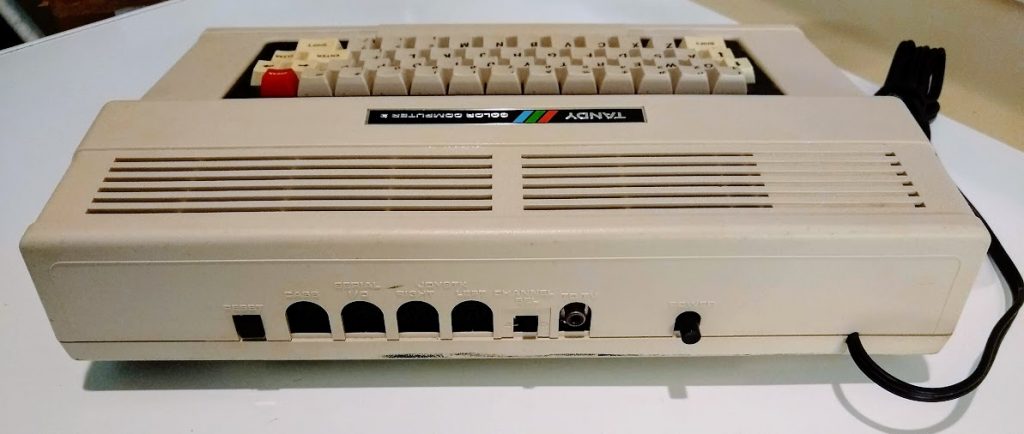
Thanks to all of you for indulging me yesterday as I tried to decide whether or not I should keep my beloved TRS-80 Tandy Color Computer 2 (CoCo 2).

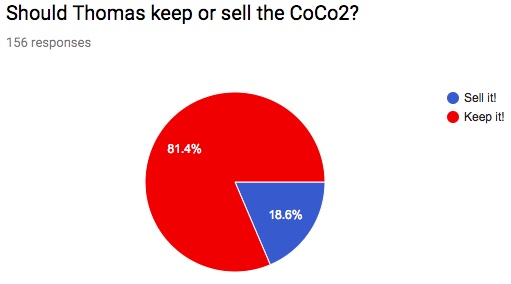
I conducted a survey asking this very question.  As of this morning, 158 readers responded to the survey, 81.4% replied (rather, shouted) “Keep it!”:

And so I shall.

It’s not just the survey that swayed me. Many of you pointed to the active community of CoCo 2 enthusiasts on the web that keep these simple machines alive and well and even continue innovating with add-on boards/features.   I know now that when the time is right, I should fire the old girl up and run a few simple programs–perhaps even code one of those Family Computing programs. (Incidentally, if anyone has a suggestion of how to connect the CoCo2 to a modern TV with HDMI or composite/component inputs, please comment!)

Many of you also told me that I would likely have regrets in the future if I sold the CoCo 2.

I suspect you’re all right about that.

And then Robert Gulley commented:

“As someone who is downsizing radios myself, I still have my limits. Keep the computer, mainly because it is a connection, no, a very important connection, to your past. As I have grown older I have come to realize the significance of being connected to the things which touch your soul, and therefore I keep watch over those things.”

Robert knows me pretty well, so I took these words to heart.

I only have wonderful memories with the CoCo 2 and hanging with my best friend, Junior, as we tried to hack and tinker with programs.

I’ve decided that I’m going to hang the CoCo 2 on the wall in my shack and, eventually, turn it into some sort of functional art. I want to be able to pluck it from the wall and connect it to a monitor from time to time. I might even take some of your suggestions and employ it in a simple ham radio application…just because.

Thanks again for helping me with this decision!

Should I let go of the CoCo 2?

[Click here to read the follow-up to this post.]

We radio enthusiasts are a nostalgic bunch. Let’s just admit that and get it out of the way.

I’ve always found it difficult to let go of vintage radios, but over the past three years I have. I used to have well over a dozen boat anchors (heavy metal tube/valve radios) here at SWLing Post HQ. Today, I have three: my Scott Marine Model SLR-M, Signal Corps BC-348Q and Minerva Tropic Master (the Minerva being the lightweight of the bunch).

I found solace in donating some of my radios to museums and selling or giving them to friends who appreciate and will maintain them.
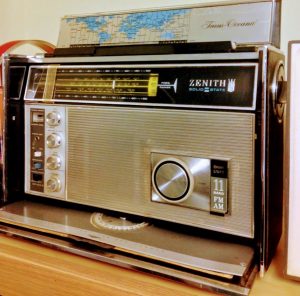
This radio played no small part in my life.

Outside of vintage radios, I have much less trouble selling or giving away my stuff; especially consumer electronics. I have very little attachment to those. I’ve never fallen in love with a phone, laptop, desktop or desktop PC.

Save my first personal computer, the TRS-80 Tandy Color Computer 2 (a.k.a. Coco 2).

I always tell people the two things from my childhood that had the most impact on my life were my Zenith Transoceanic shortwave radio and my Tandy Color Computer 2.

The shortwave radio kindled my interest in world news, languages, culture, music and traveling. And…well, it eventually lead to a lifelong passion in radio and, consequently, the SWLing Post.
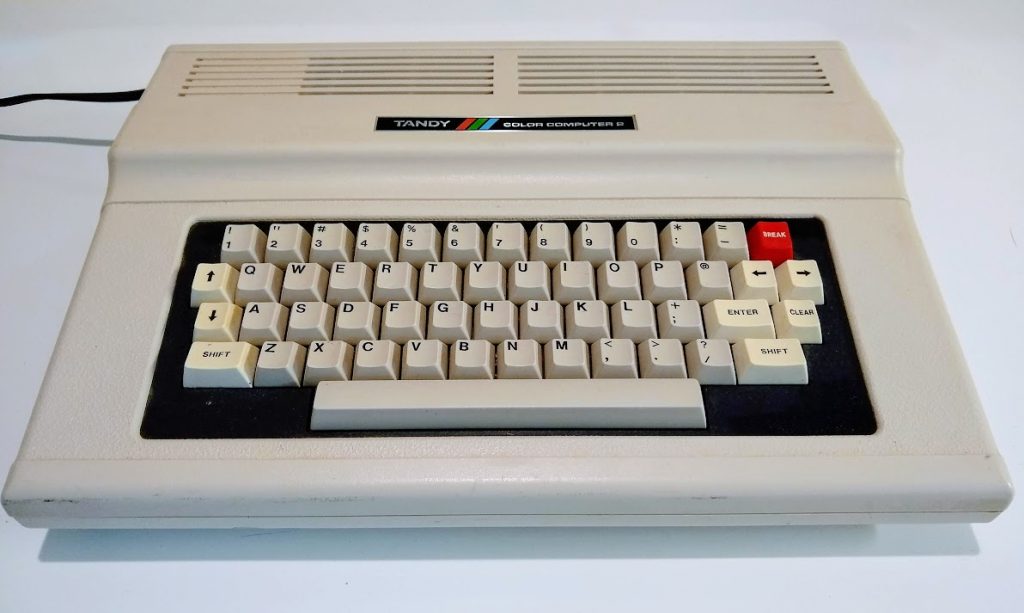
Incidentally, The CoCo 2 taught me a skill that would also change my life.

Without knowing it at the time, the CoCo 2 taught me programming.
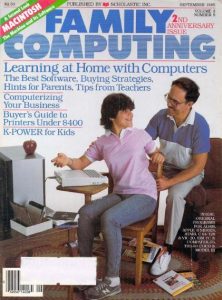
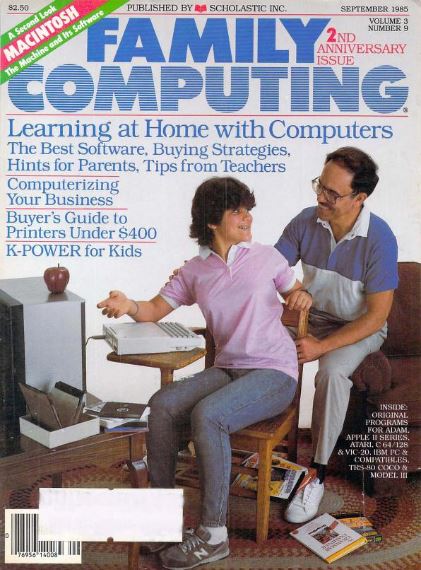
I couldn’t afford game cartridges as a kid, so I programmed my own simple CoCo 2 games with Family Computing magazine (remember them–?).

Each month, Family Computing featured a number of programs and games  you could input yourself. It was brilliant! My best friend, Junior, had a subscription to the magazine and would bring each issue over to the house and we’d type in lines and lines of code with the ultimate goal of playing a game or making our computers do something new.

Of course, 11 year old kids aren’t the best typists, so we’d always had to debug the code, following the error trail before the program would work. We’d also modify the code afterwards to see how it would change the program–it was amazing fun!


Keep in mind my CoCo 2 only had a whopping 16K of memory and all of it was volatile. Each time I’d turn the unit off, I’d lose everything I’d typed in. That is, until I could afford a tape recorder to save and load my programs (I still have it around here somewhere…).
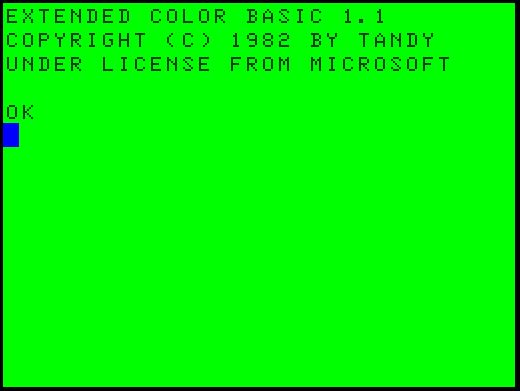
Fast forward a dozen or so years…

In my first “real” job out of college, my manager noticed quickly that I could program and modify local copies of company databases so that my applications were more efficient and tailored to my job. The database system used a formula language that followed the same logic as the CoCo2’s Basic, so was pretty simple to pick up once I sorted out the commands and syntax. To be clear, I wasn’t hired for programming or IT skills, in fact it never came up in the interview as I was being hired for my French language skills.


Other than the Coco 2, I had no IT or computer studies in any formal setting–not in high school and not in college. Within three years at the company, I was promoted and sent to Europe to tie together and develop a number of database systems for the company’s various international sites. It was an dynamic, fun and rewarding career.
None of that would have ever happened had it not been for the CoCo 2.

So why am I considering selling the Coco 2?

Frankly, I never use it and don’t even have the adapter to plug it into any of my modern monitors. I’ve only been keeping it for sentimental reasons. I’ve been trying to let go of things I don’t use and this would certainly fall into this category.  I doubt it’s worth a lot…perhaps $20-$40? I’m not really sure.

Then again, I almost gave my Zenith Transoceanic away once and am very thankful now that I didn’t.

As I was about to put the CoCo 2 on eBay, I pressed pause and wrote this post instead.

What do you think?  Should I sell it or keep it? What would you do? 

Also, are there any other early PC enthusiasts out there? Please share your thoughts! While this isn’t a PC blog, I image this might be a common thread among us radio enthusiasts. Please comment!

And for fun, here’s a little poll to help sway me:


Do you enjoy the SWLing Post?

Please consider supporting us via Patreon or our Coffee Fund!

Your support makes articles like this one possible. Thank you!

I picked the wrong time to “thin the herd”

I had a nice phone chat with SWLing Post contributor and good friend Robert Gulley this week and discovered that, like me, he’s in the process of selling a few radios in his collection.

Robert is thinning his radio herd in order to help fund another hobby: photography. I’m minimizing my collection, on the other hand, to make room in my radio shack for a dedicated soldering station/work bench.

Other than units to evaluate and review for the Post, I’ve vowed not to acquire any more radios for the rest of this year. I’m trying to go “cold turkey” until January 1, 2019.

Turns out good ole Robert, of all people, is putting my prohibition to the test. I just found out he’s selling two radios I’ve kept in my search list.

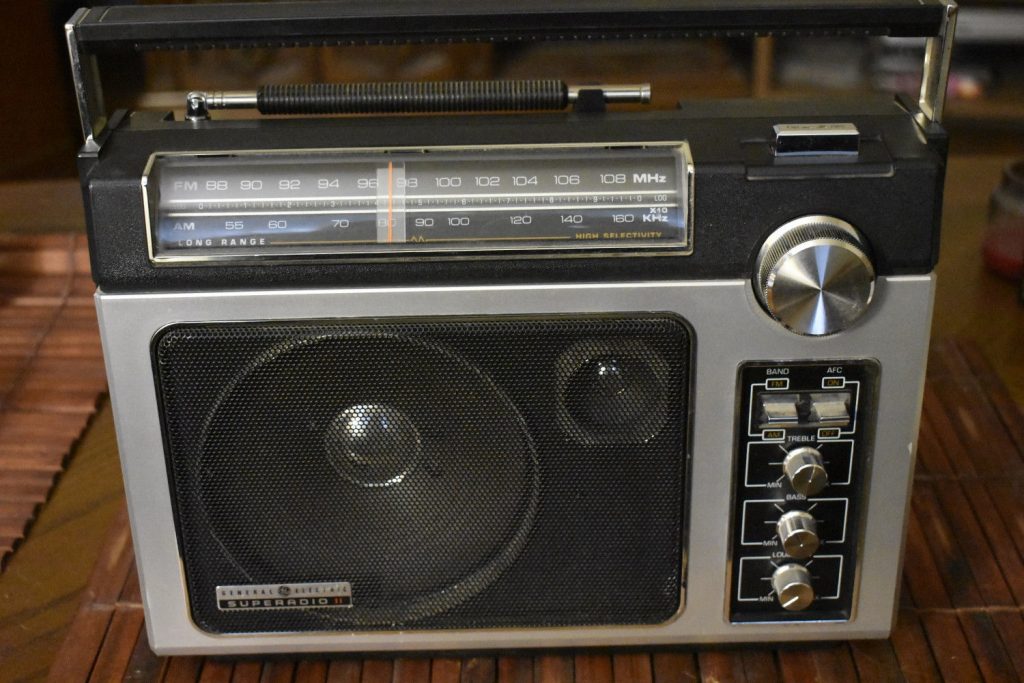
One is the GE Super Radio II:


Robert is selling an excellent specimen. The Super Radio II is a choice model for AM DXers which is why I’ve kept an eye out for one. I’ve found a number of Super Radio I and III models locally, but not a II.

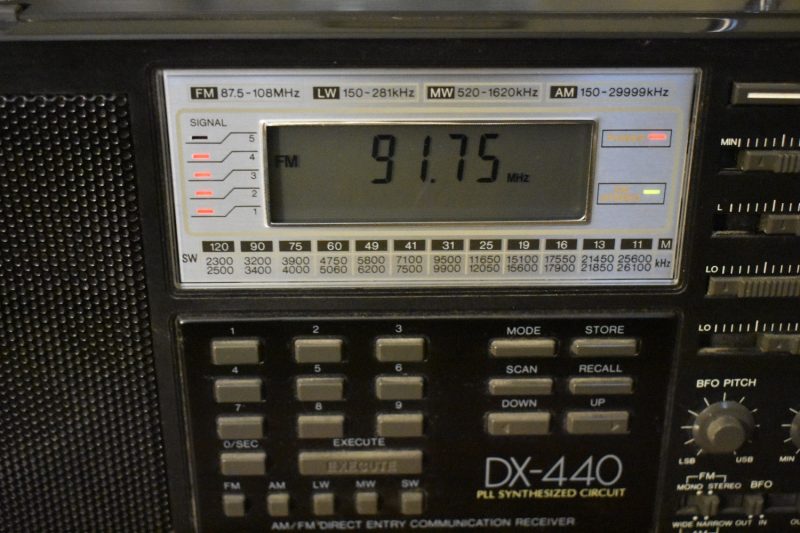
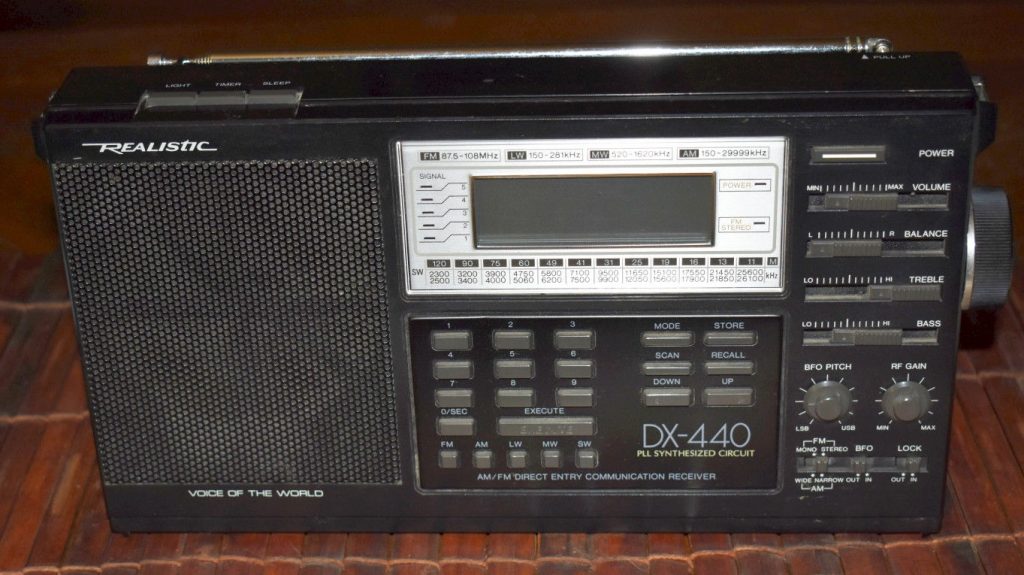
Another classic he’s selling is the RadioShack DX-440 (a.k.a. Sangean 803A):

If you’re a long-time reader of the Post you might recall that the ‘440 was my first digital portable. It was my travel companion when I lived in France during university, so I have a lot of nostalgia for this particular set. Of course, it had room-filling audio and great sensitivity and would operate for ages on batteries.

I’m going to try to look the other way, though. I hate to fall off the wagon so close to the end of the year!

Thanks a lot, Robert!!! (Ha ha!)

[If interested, here are links to Robert’s DX-440 and Super Radio II on eBay.]

Post readers: Do you have any particular radio models on your search list? Please comment!

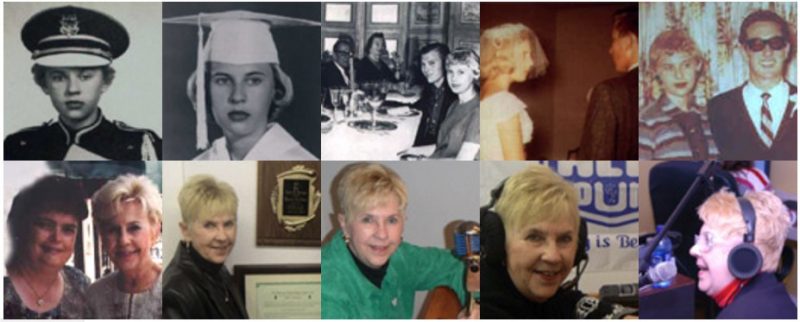
Peggy Sue (K5PSG) is silent key

Image Source: PeggySueOnline.com

Many thanks to SWLing Post contributor, David Goren, who notes the passing of Peggy Sue who was the inspiration for Buddy Holly’s song. Dave notes, “Peggy Sue was a ham.”

She was indeed and her callsign was K5PSG. David shared the following article from the  Lubbock-Avalanche Journal:

Peggy Sue Gerron, who will be forever remembered in association with Buddy Holly because of his song bearing her name, died early Monday at University Medical Center in Lubbock.

She was 78.

Friends in Texas and New Mexico, who particularly knew her as a ham radio enthusiast, remember how fascinated she would be in talking to people she had never met from around the world.

Doug Hutton of Lubbock, who also is an amateur radio operator, said he was one of her friends who helped her get her radio license a decade or so ago.

Bryan Edwards, now living in New Mexico after operating the business called Edwards Electronics in Lubbock, said, “Peggy Sue was always just plain good to people.”

Hutton didn’t remember Peggy Sue from high school.

“She was three years younger than I am,” he said. But he knew her later as a ham radio buff.

“For several years, we had an event every year where it would be publicized within the ham radio community so that people would get on a certain frequency and talk to Peggy Sue,” he said. “That was a great thrill to those people to talk to her.”[…]

Continue reading the full article here.

Click here to watch Buddy Holly perform Peggy Sue live on the The Ed Sullivan CBS TV Show.

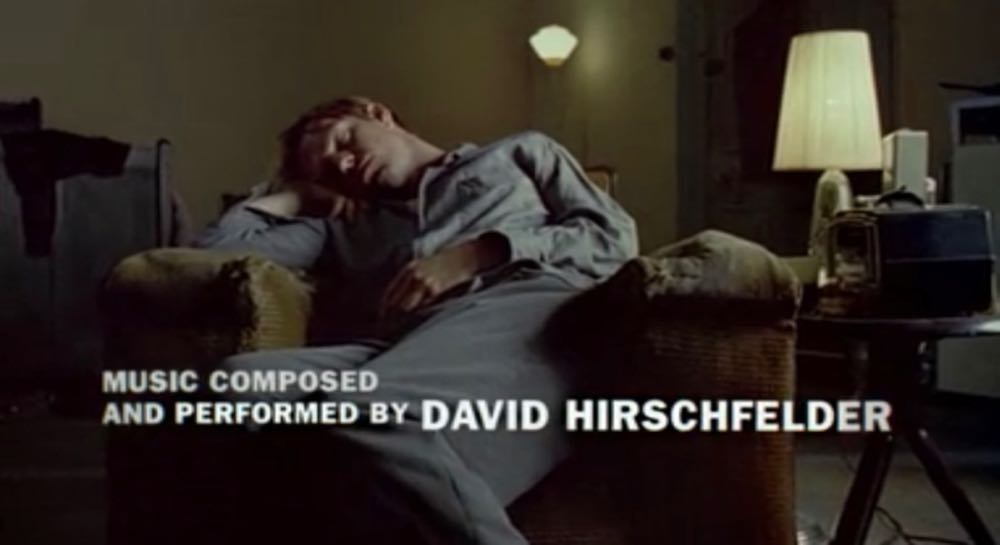
Ed spots a Super-Power Long Range Panoramic 11-71 in “The Interview”

Many thanks to SWLing Post contributor, Ed, who writes:

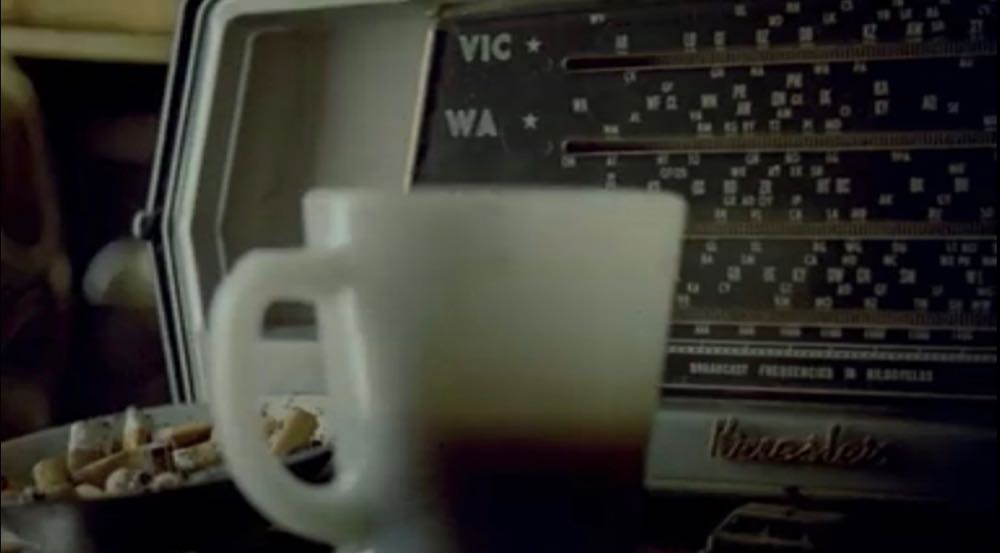
Whilst watching the 1998 movie The Interview on Netflix, I spotted a Kriesler Radio Company Super-Power Long Range Panoramic 11-71 made in Newtown (Sydney) Australia about
1:11 into the movie (the opening scene.)

More information here: https://www.radiomuseum.org/r/kriesler_11_71_117.html

I’d never heard of the Kriesler Radio Company before, probably because they were in Australia. The Super-Power Long Range Panoramic 11-71 was made in the late 50’s is beautiful, and it has interesting bandspread markings.

I agree, Ed! The bandspread/dial on the Kriesler is beautiful. I was not at all familiar with this Australian radio–thank you for sharing!

I’ll add this post to our ever growing archive of radios in film.