Category Archives: Radio History

End of Radio Australia shortwave service, Mark compares final moments

This morning, I woke up, tuned to 9,580 kHz and all I heard was static.

Other than when the Shepparton transmitting station has been silenced for maintenance in the past, 9,580 kHz is one of the most reliable frequencies I’ve ever know on shortwave. Radio Australia has met me there every morning I’ve listened since I was eight years old.

I feel like I’ve lost a dear friend and certainly a staple source of news on shortwave radio. I know I’m not alone–a number of readers have shared similar sentiments this morning.

Archiving Radio Australia’s final days on the air

Listening to Radio Australia on 12,065 kHz with the Titan SDR Pro.

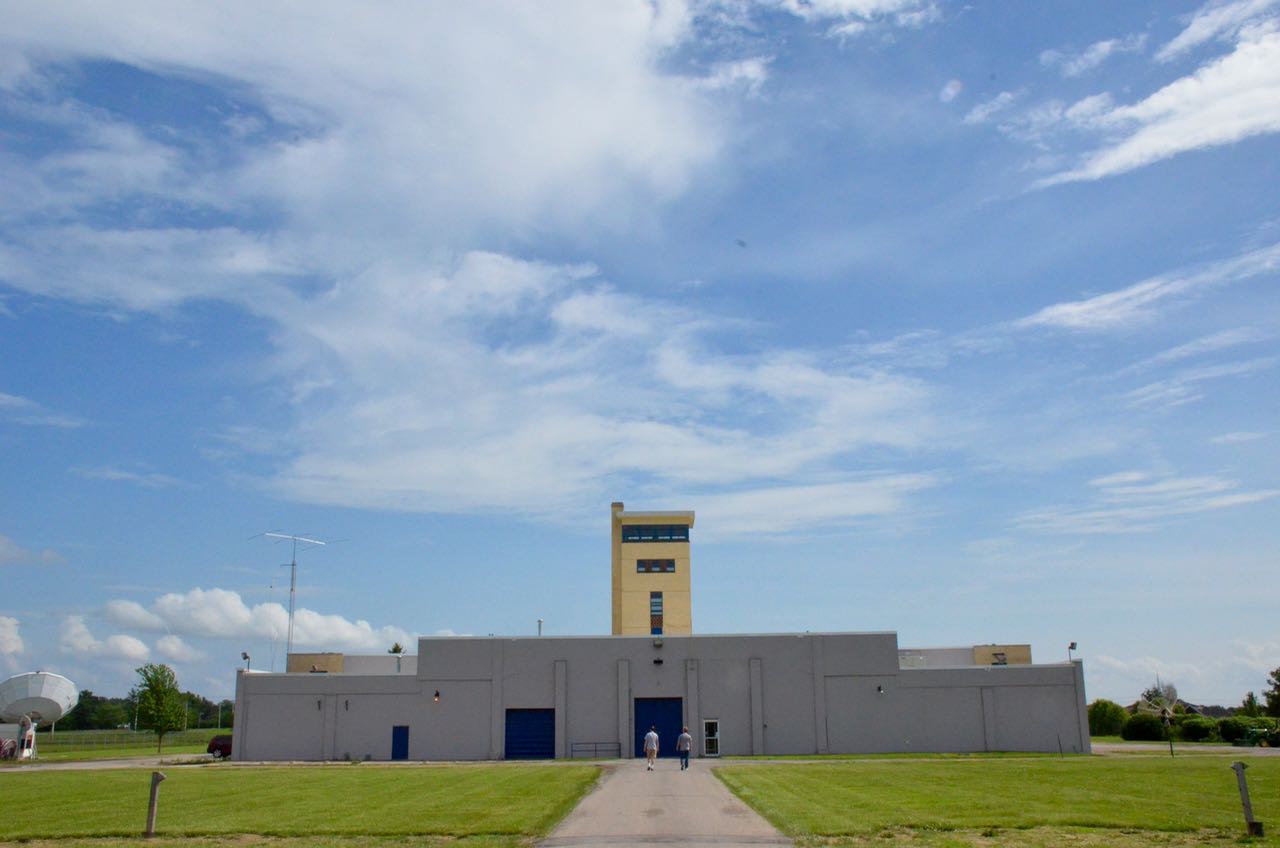
Since the beginning of the year, a few of us have been making a concerted effort to thoroughly archive Radio Australia’s final days on the air. Mark Fahey, London Shortwave, Richard Langley, Rob Wagner and I (to name a few) have been making both audio and/or spectrum recordings.

At 0100 UTC on January 31, 2017, we heard the “Waltzing Matilda” interval signal for one last time. As I understand it, the crew at the Shepparton site left the transmitter on a few extra seconds extra so their famous interval signal would be, in essence, the final sign-off.

Our friend and contributor, Rob Wagner, from Mount Evelyn, Australia, posted an excellent recording/video of the final minutes earlier today.

Due to propagation and the time of day when the shut down happened, I was unable to make a recording, so I’m pleased others could.

Mark compares shortwave and satellite feeds

Mark Fahey’s Wellbrook Mag Loop antenna.

I’m grateful to friend and contributor, Mark Fahey, who lives near Sydney, Australia, and was also able to record the final moments of Radio Australia as well. Mark recorded the shortwave service and RA satellite feed simultaneously.

Mark shares the following recordings and notes:

Recording 1

This is RA’s final few minutes on shortwave – it was recorded on 17840kHz.
The file picks up the regular program ending, then into a Promo for RA “Pacific Beat” (a Pacific current affairs program), then the classic RA Interval Signal then the transmitter clicks off and the void is heard.

Click here to download the MP3.

Recording 2

The file starts at exactly the same time as the first file, but in this example we are monitoring the Network Feed from Intelsat 18 at 180.0 degrees east (above the equator right on the international date line). This satellite feed is the way Radio Australia gets to the network of FM Transmitters they have scatted around the Pacific Region (which is why they feel they don’t need shortwave anymore for – most populated areas of Radio Australia’s target area now is covered by a network of Radio Australia FM transmitters).

Click here to download the MP3.

Some differences to the first file – Radio Australia is produced in FM quality stereo, though of course DXers only ever heard it in shortwave quality mono. So this network feed is in stereo and has a wider dynamic range that what DXer’s are familiar with from Radio Australia. At the end of the Pacific Beat Promo, Radio Australia goes straight into News, the closing of the shortwave service was not an event that would have been noticed for the typical listeners of RA who now listen via FM in Pacific capitals and major towns.

Thank you Mark for your comparison–I’ve never heard RA so clearly. Only you would’ve thought to simultaneously record the satellite feed! It gives the moment that much more context.

A number of SWLing Post contributors have been sharing recordings this morning. I will plan to collect these and put them on the Shortwave Archive in the near future.

Moving forward

Though senator Nick Xenophon says he will introduce legislation to Parliament to force the ABC to reinstate its shortwave radio service, we have to assume we’ve heard the last of Radio Australia and ABC on shortwave. (With that said, I understand Xenophon is a determined fellow.)

Rest assured: if Xenophon’s legislation gains traction, we will post updates!

No doubt, Radio New Zealand International’s shortwave service has just become that much more important in remote Pacific Islands. Click here to view RNZI’s schedule.

Radio Australia – The Last Two Minutes – January 31, 2017

Hi Folks,

Today I listened to Radio Australia for the very last time. 15240 kHz and 15415 kHz were plagued with local noise and not especially strong signals. So 17840 kHz was the best option for my final moments with this grand old shortwave broadcaster. Mount Evelyn is about 200 km south of the Shepparton transmitter site – not far enough for proper F layer reflection and off the side of the beam, so the signal was a bit scratchy. But I was there for the end and that’s the important thing!

Thank you to all the SWLing readers who have been so kind in their comments about our national broadcaster. I know RA meant much to so many people around the globe. But I’ll have more to say on this in the near future. Thanks to Thomas for helping to promote the Save Radio Australia cause. The fight is not over yet!

Here are the last two minutes of the broadcast today, including the audible switch-off click and a few parting comments from me.

73 and good DX to you all.

Rob Wagner VK3BVW

The company and history behind the Boeing 707 HF antenna coupler

(Source: Boeing)

Many thanks to David Giba who shares the following via the Gary J. Cohen’s Shortwave Listeners Global Facebook page:

The Boeing 707 is my favorite commercial jetliner. If one looks at the tail they will see a probe pointing forward off the top of the tail. That is the HF shortwave antenna.

(Source: VIP Club)

It was matched by an antenna tuner/transmatch much like we have in our HF radios. This is the story of the Univac Coupler. Very interesting.

Click here to read on the VIP Club website.

Radyo Pilipinas From 1973

One of the things I now regret is that I didn’t make more recordings of radio stations from my listening days in the 1970s and 80s. I have very few audio examples of stations operating at that time. So disappointing!

However….a few weeks ago, I stumbled across a recording I made in December 1973 of Radyo Pilipinas, The Voice of the Philippines (DZRP).  After a bit of audio engineering on the deteriorating old cassette tape, I’ve managed to somewhat improve the tone quality. I also found an image of the QSL card from that exact transmission on December 11, 1973 on 9580 kHz. I’ve posted the recording on YouTube – click the embedded video below.

This is for those of you who can remember and for those who enjoy some radio history!

These days, Radyo Pilipinas still has a small presence on the shortwave bands with the following schedule:

To the Middle East in English and Tagalog from the Tinang relay site (250 kW)
0200-0330 on 15640, 17700 and 17820 kHz
1730-1930 on 9925, 12120 and 15190 kHz

73 and have a great weekend everyone!

Rob Wagner VK3BVW

Rob Wagner, VK3BVW, is the author of this post and a regular contributor to the SWLing Post. He also blogs at the Mount Evelyn DX Report.

Lennart reflects on Radio St. Helena Day history

Many thanks to SWLing Post contributor, Lennart Weirell, who shares the following:

Some Radio St. Helena History

The idea to put St. Helena on the shortwave map came up in conjunction with the preparations for the Nordic Championships in DX-ing in 1990 arranged by Stora Tuna DX-klubb.

The two Swedish dx-ers Jan Tunér and John Ekwall wanted to add a special station into the competition. John was also the person behind the shortwave transmission from Radio Syd in Gambia in 1984.

The first shortwave transmission from St. Helena took place in the evening of 1990-10-06. I participated myself in the competition, but I did not manage to hear the station at that time. The response for the Radio St Helena was so good that they decided to continue once a year with what was known as Radio St. Helena Day.

In 1993 I managed to hear the station and I got it verified.

More about Radio St Helena can be found at http://www.sthelena.se/radioproject/

Lennart also included scans of Radio St. Helena’s 1993 newsletter (click on each page to enlarge).


Thank you for sharing this with us, Lennart. Honestly, much of these hidden, fascinating bits of radio history would be lost and forgotten if it weren’t for folks like you and our other contributors who share them with the world!

The Great War: A look at WWI communications

Many thanks to SWLing Post contributor, Mike, who shares the following from the YouTube channel The Great War.

This short video gives an excellent overview of communications methods and equipment used throughout World War I. I’ve included the video’s description below:

Click here to view on YouTube.

“If one thing was vital to the the new kind of modern warfare in the First World War, it was communications. The Industrial Revolution had brought wireless transmission of signals with it and the huge armies of World War 1 needed to be in contact constantly to be successful in the field. In this special episode we introduce you to the birth hour of modern military communication and signals.”

Thanks again, Mike! I’ll subscribe to The Great War channel on YouTube.

The Great War Project

If you enjoy reading about WWI history, I would also highly recommend following The Great War Project blog.

The Great War Project follows WWI as it unfolded 100 years ago. It’s an absolute treasure trove of information and brilliantly written.

Remnants of WOO at Good Luck Point to be removed

Many thanks to SWLing Post readers Al Quaglieri and Alan Tu for sharing the following story via app.com about the removal of the remnants of radio station WOO:

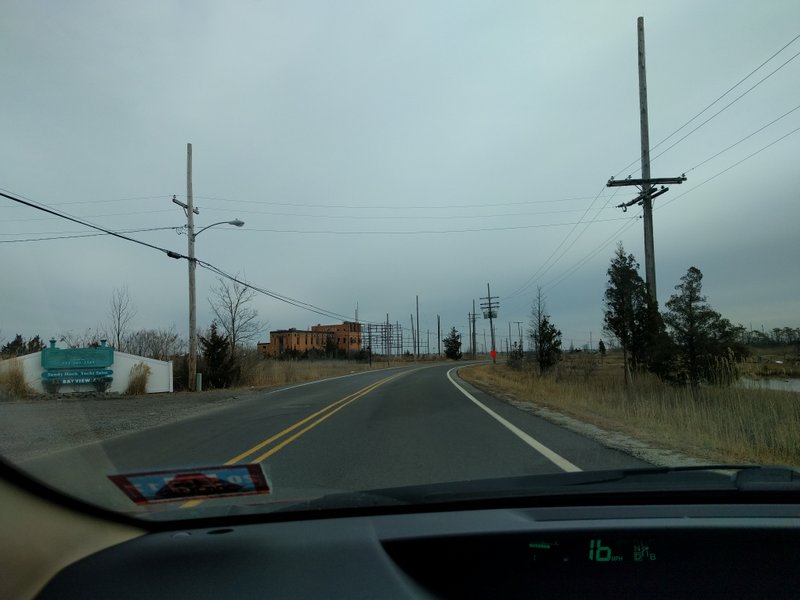
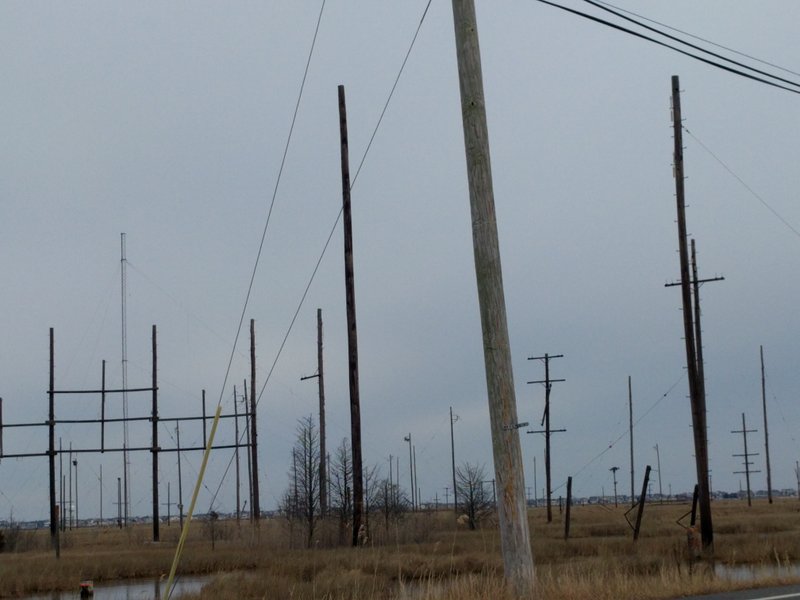
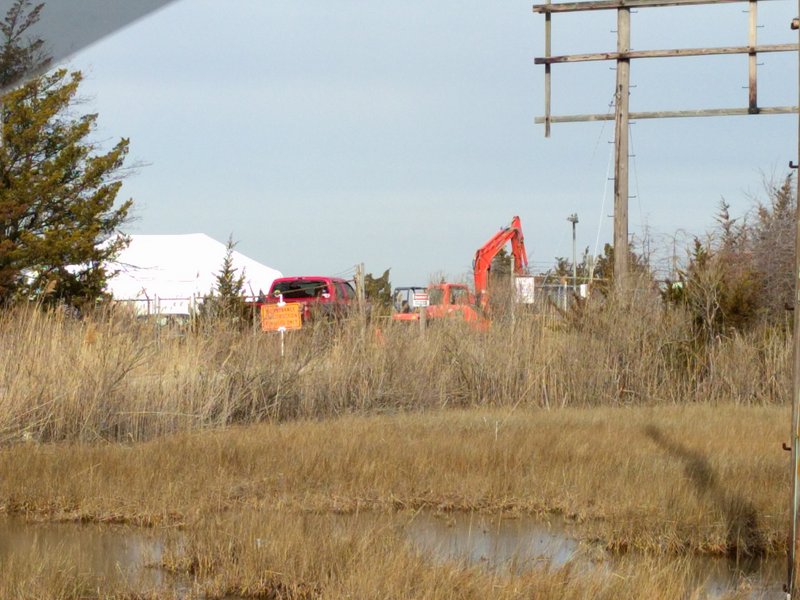
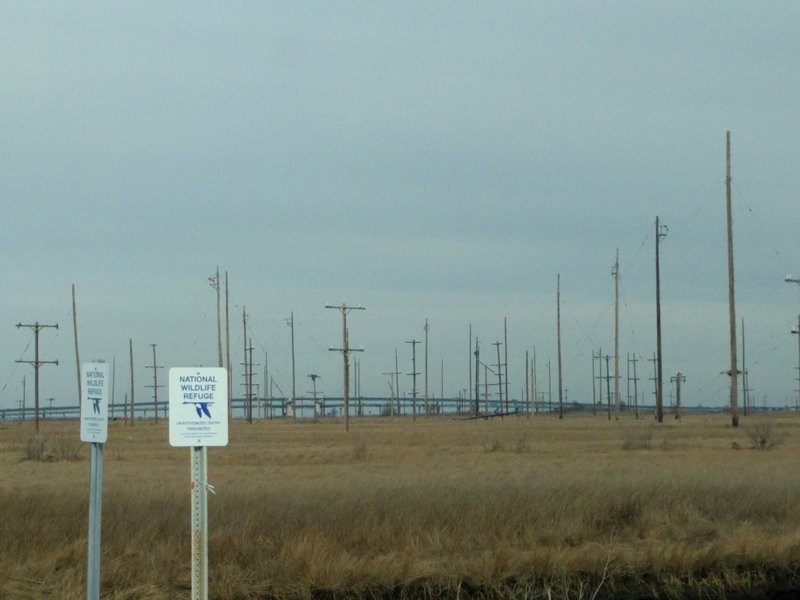
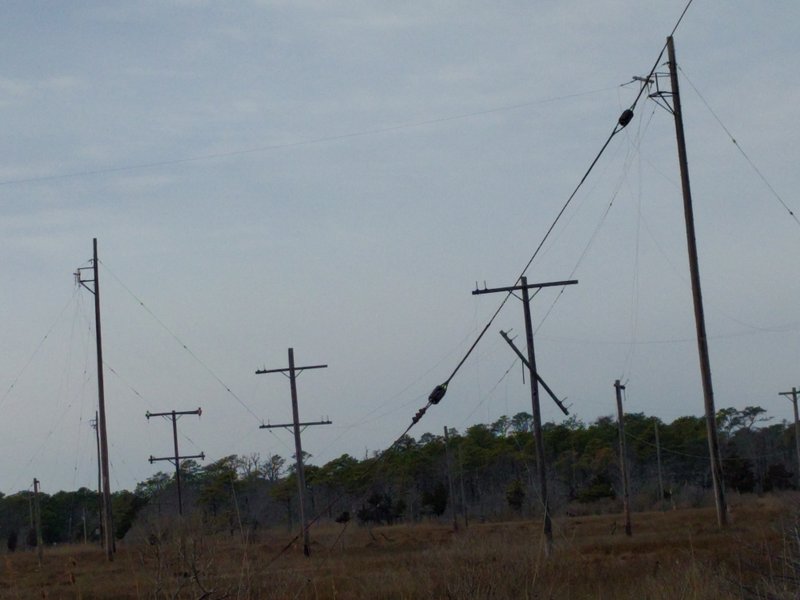
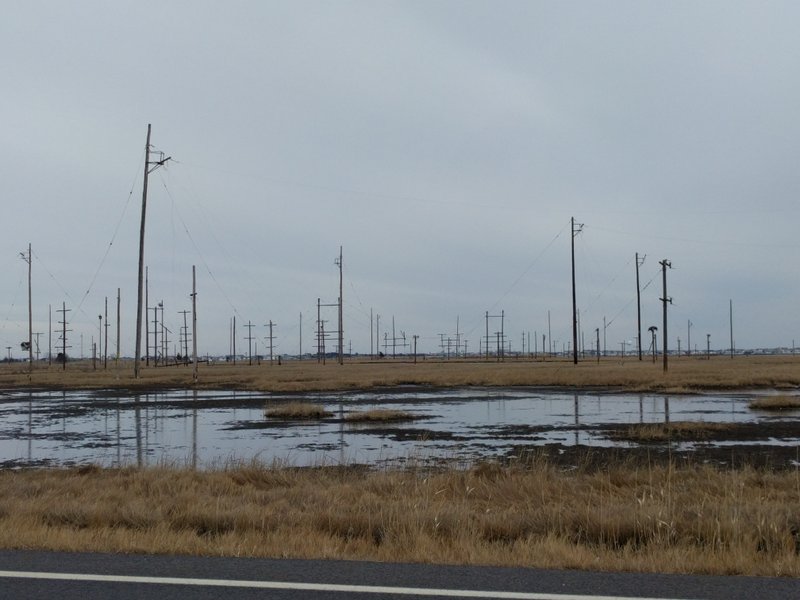
BERKELEY TOWNSHIP — The mysterious poles have stood in the open marshland off Good Luck Point for nearly 80 years, but sometime in January these local landmarks will finally be removed.

“We’re still working with the contractor to determine the exact start time,” said Virginia Rettig, a spokeswoman for the Edwin B. Forsythe National Wildlife Refuge. “This is a little more difficult than the typical project, as we’re trying to be sensitive to the marsh surface.”

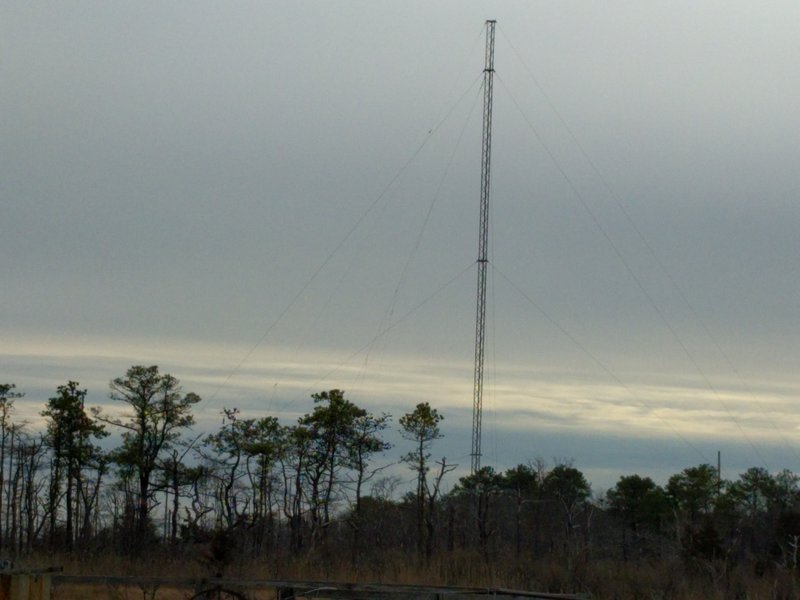
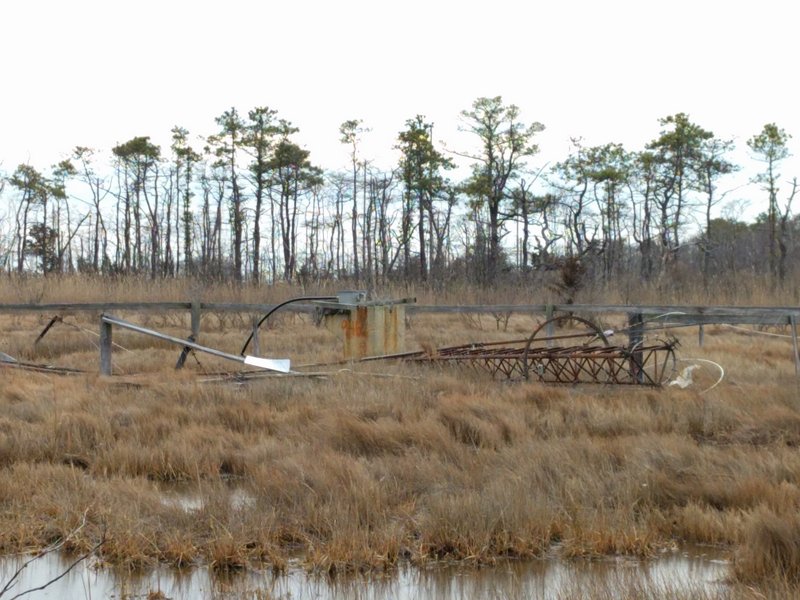
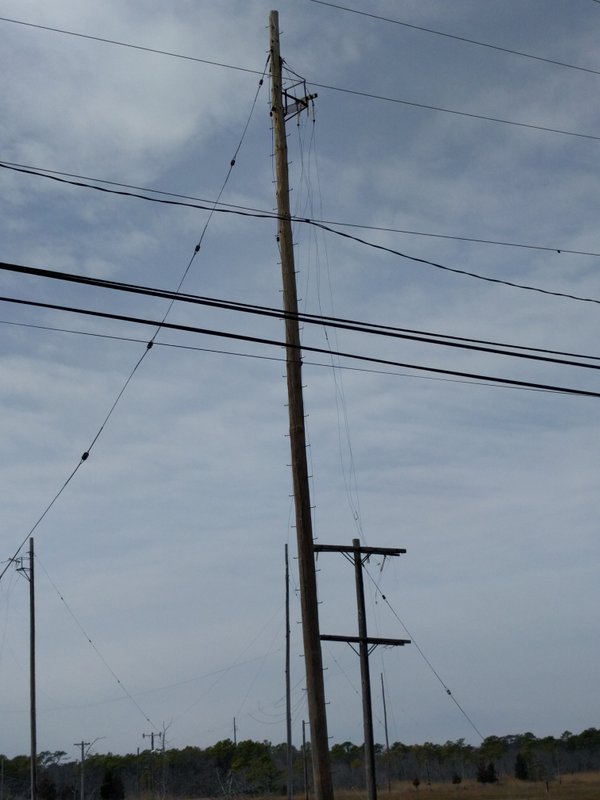
The Good Luck Point poles – and a similar pole field in Stafford’s Manahawkin section – were part of inactive shortwave antenna fields used by AT&T for ship-to-shore shortwave communications.

They’ve become a familiar landmark for boaters, fishermen and residents of the area, and can be seen from the bayside in Seaside Heights and Seaside Park.

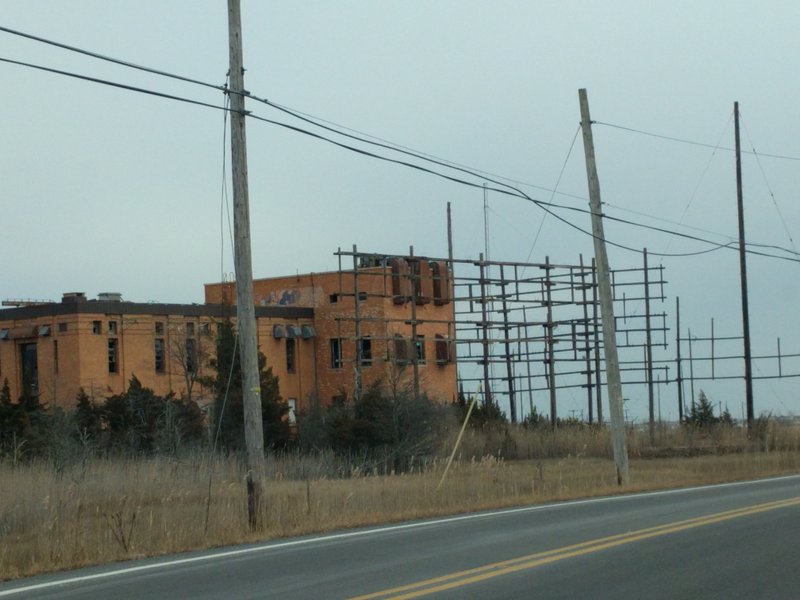
The antenna field was in operation from the early 1930s until 1999. A shuttered building on the Good Luck Point portion of the antenna field contained equipment related to shortwave communications.

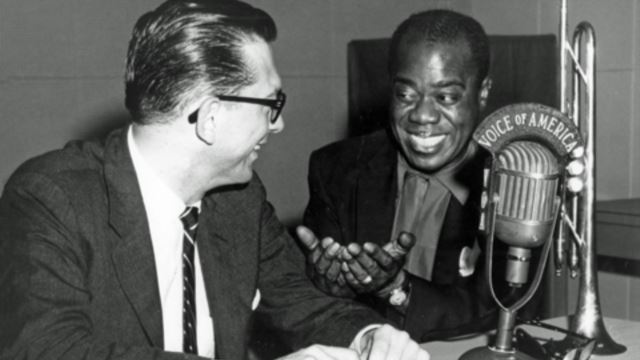
Under the call sign WOO, the shortwave facility at Good Luck Point (known as Ocean Gate) was a renowned transmitting station, which helped broadcast Voice of America around the globe after 1944 and enabled communication with ships at sea throughout the 20th century, according to the U.S. Fish and Wildlife Service.

According to federal officials, about 340 poles will be removed from the Berkeley site, along with several metal antennae.

In Manahawkin, about 113 wooden poles will be removed from the antenna field. Several metal antennas will also be removed.

Continue reading at app.com…

Check out this excellent video–an aerial view of Good Luck Point: