Category Archives: Reviews

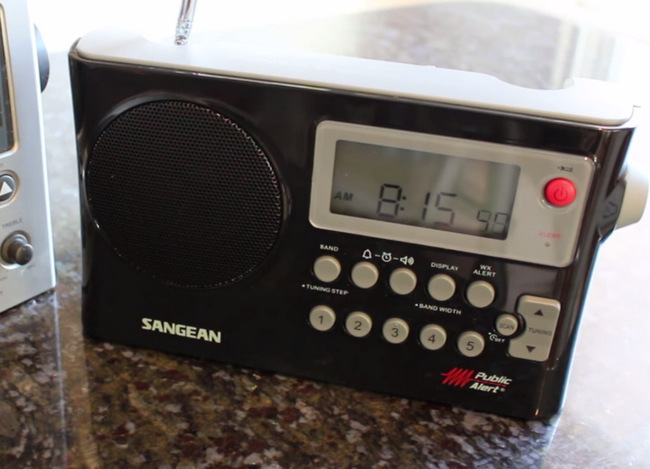
Jeff’s Updated Sangean PR-D4W Review

Sangean

Many thanks to Jeff McMahon, from the Herculodge, who shares an update to his Sangean PR-D4W review.

The good news is that Jeff continues to be impressed with the PR-D4W and ranks it above the venerable C.Crane CCRadio-2E in almost every category. At $64.50 on Amazon, the PR-D4W is a much better value.

Follow this link to his review:

http://herculodge.typepad.com/herculodge/2015/10/sangean-pr-d4w-review-with-fm-wire-antenna-upgrade.html

Jeff gives high marks to the Sangean PR-D4W

Sangean

My pal, Jeff McMahon, over at the Herculodge, has just posted a video review of the Sangean PR-D4 portable radio. In summary, he writes:

“It’s a great radio with top FM, AM, and speaker sound. It blows away my C.Crane Radio-2E. Lack of illumination, however, makes it less than ideal as a bedside clock radio.”

Wow! I’m most impressed that Jeff places the PR-D4W (which retails for $69 on Amazon) above the venerable CCRadio-2E (which retails for $169 on Amazon) in terms of AM performance.

I just checked and it appears that Universal Radio also retails the PR-D4W for $69.95.

Follow Jeff at the Herculodge and on YouTube.

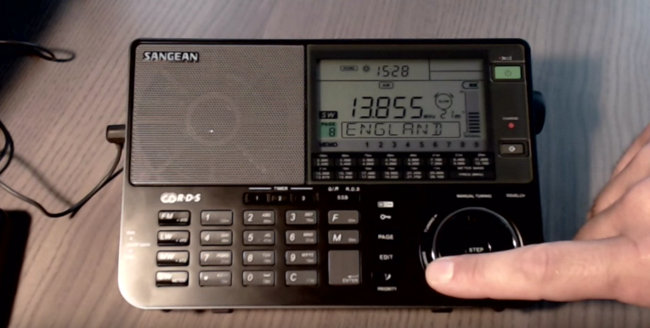
The Sangean ATS-909X: Marty’s bedside radio review

Sangean-ATS-909X-Marty

SWLing Post reader, Marty (W5MRM), comments:

I recently picked up a Sangean ATS-909X to use as a bedside radio.

This blog post inspired me to put together a video review of the ATS-909X as a bedside radio. The video review can be found on my youtube page [or via the embedded player below]:

Great video, Marty, and thanks for the thorough review!

You can follow all of Marty’s videos on YouTube by visiting this page.

Review: the Waka Waka Power+ portable solar charger

IMG_20150903_153124413_HDR

In my role as director of our 501(c)(3) charity, ETOW, I’m always on the lookout for technologies that could improve the lives of those living at or below the poverty line in remote and sometimes politically-charged regions of the world that are usually off-grid. At ETOW, we prefer simple, rugged technologies that require no learning curve, that can be easily maintained, and that offer exceptional benefit to our users. Self-powered radios, of course, are  ETOW’s mainstay, but we’ve also provided digital recording and playback devices, solar and hand-cranked power generation, and, of course, lighting.

When I first learned about the Waka Waka Power+, I had ETOW in mind. I reached out to Waka Waka and they sent a sample for me to evaluate.
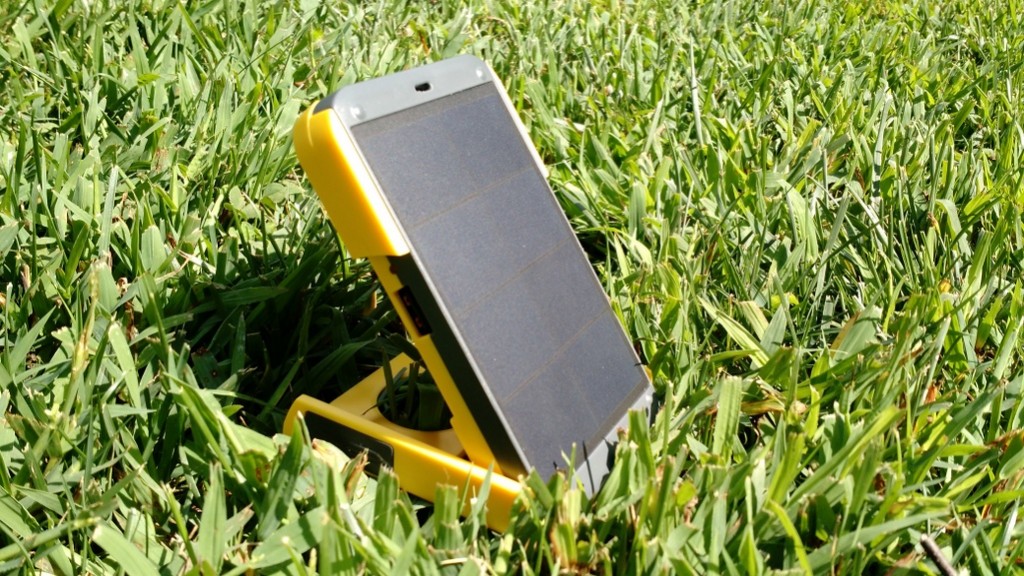
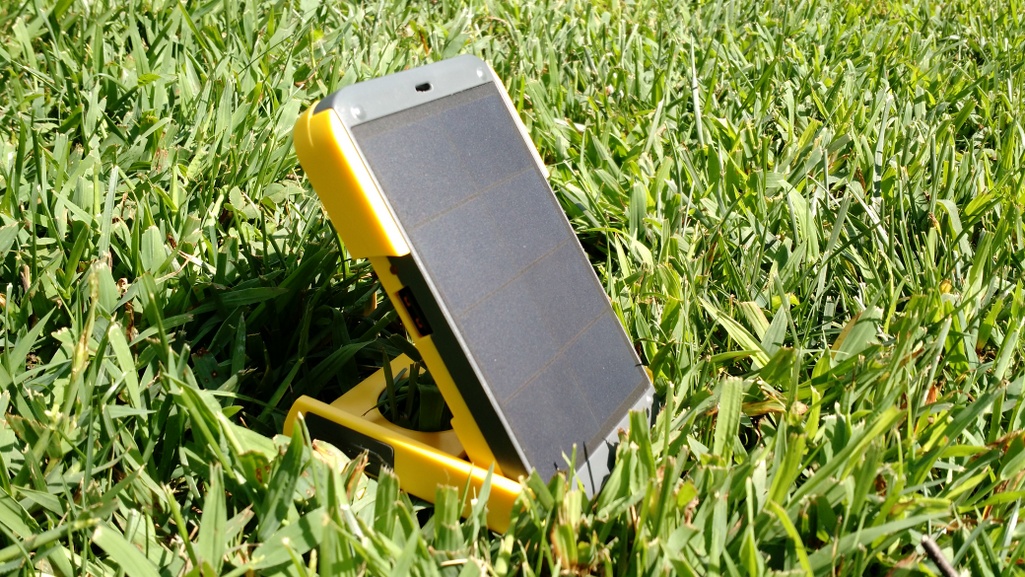
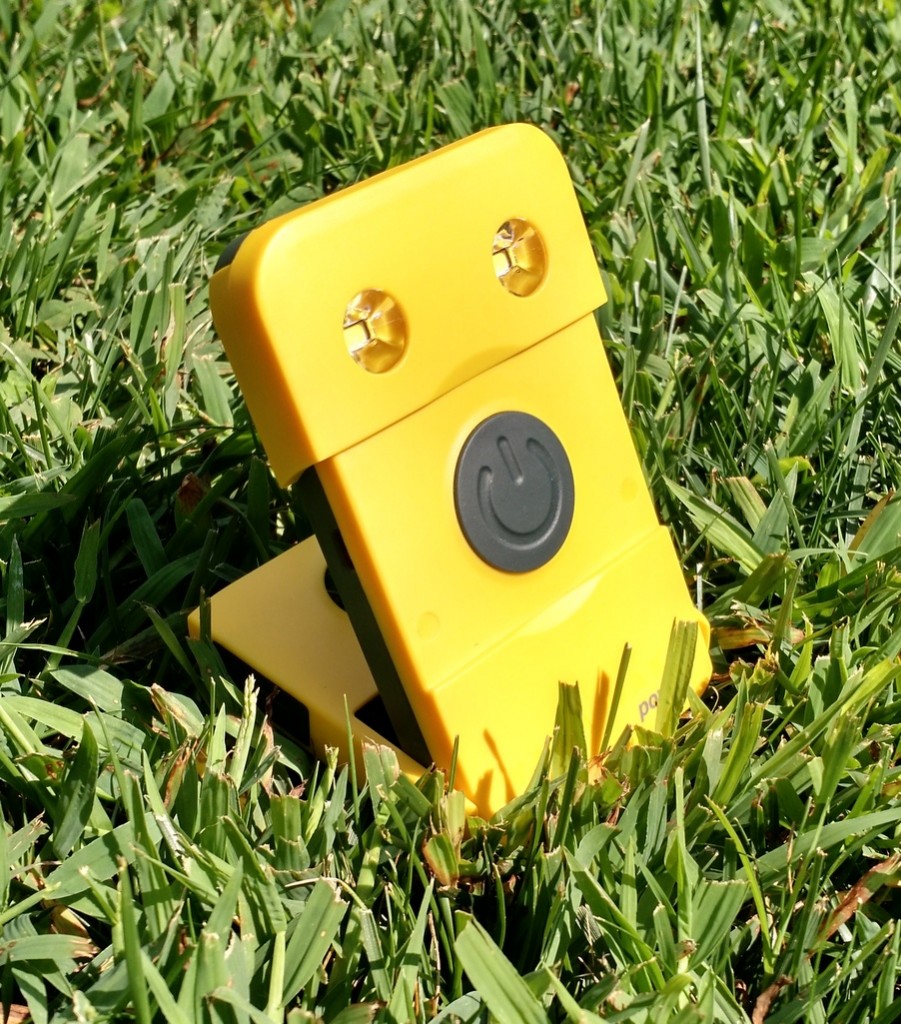
The flip cover has detents which allow you to angle the solar panel for optimum solar tracking.

The flip cover, which acts as a stand, offers detents which allow the user to angle the solar panel for optimum solar tracking.

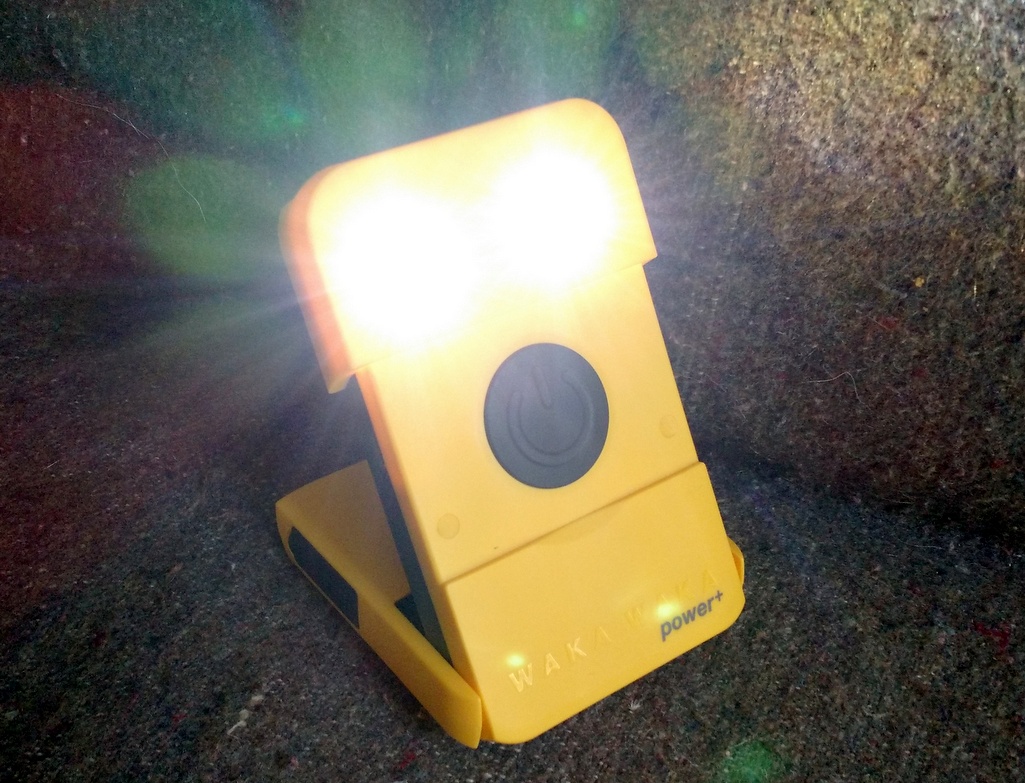
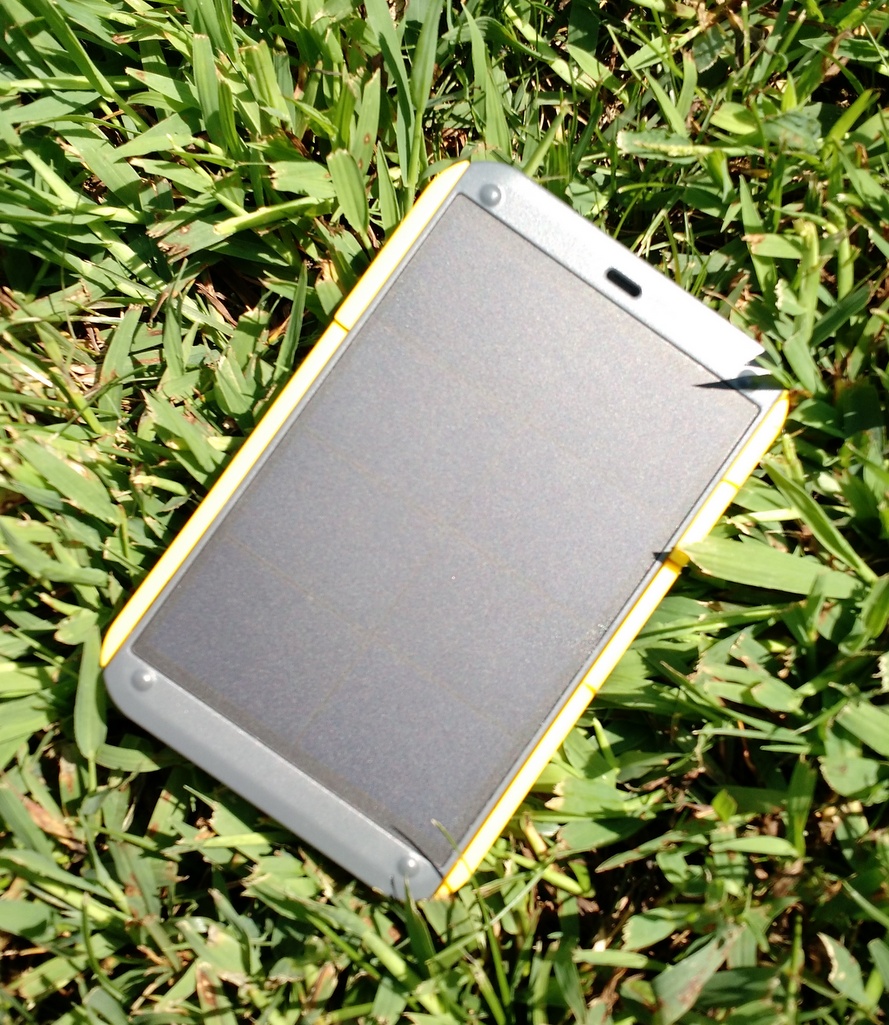
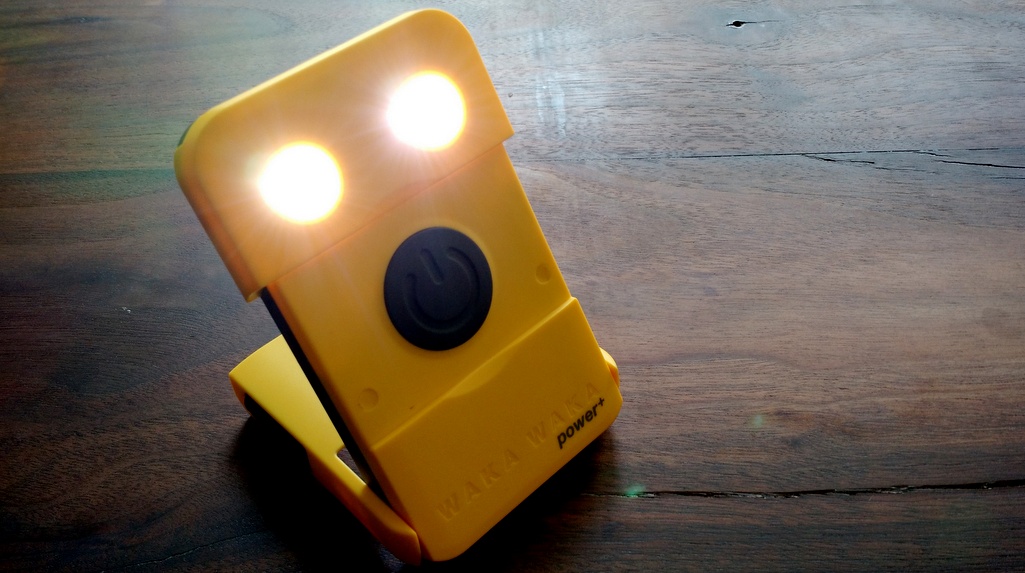
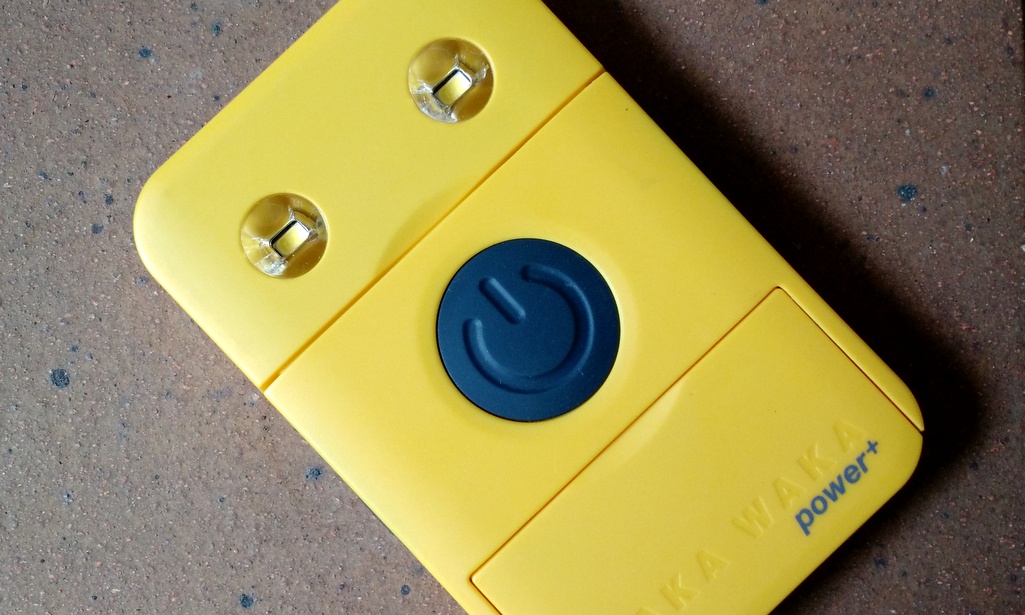
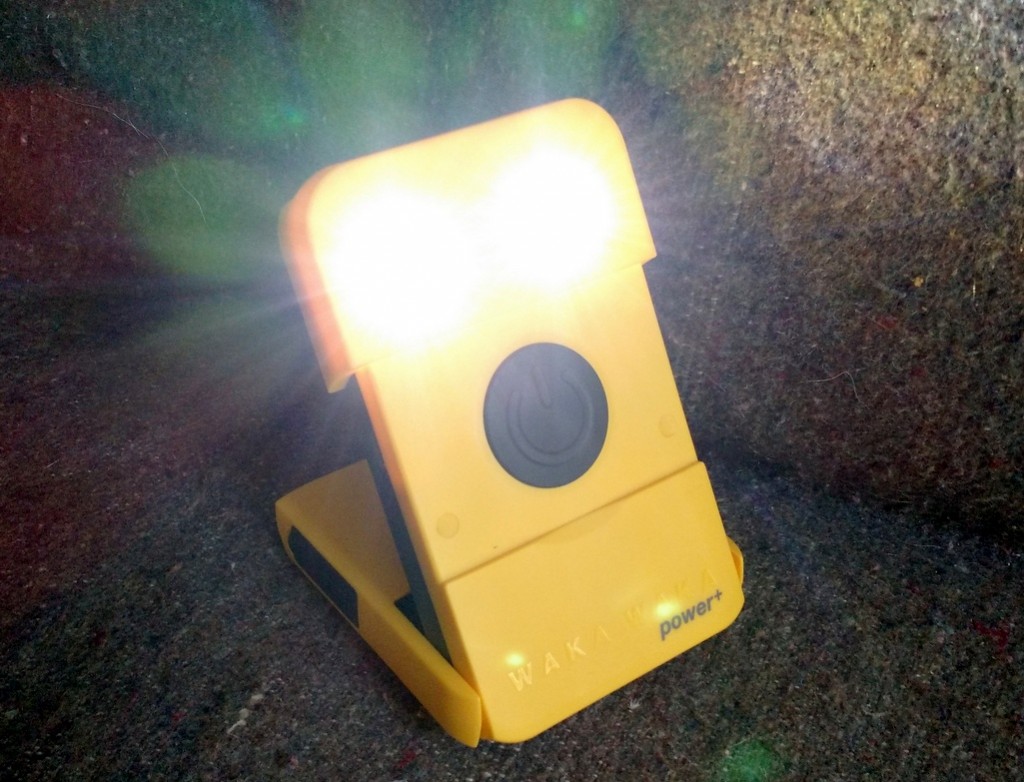
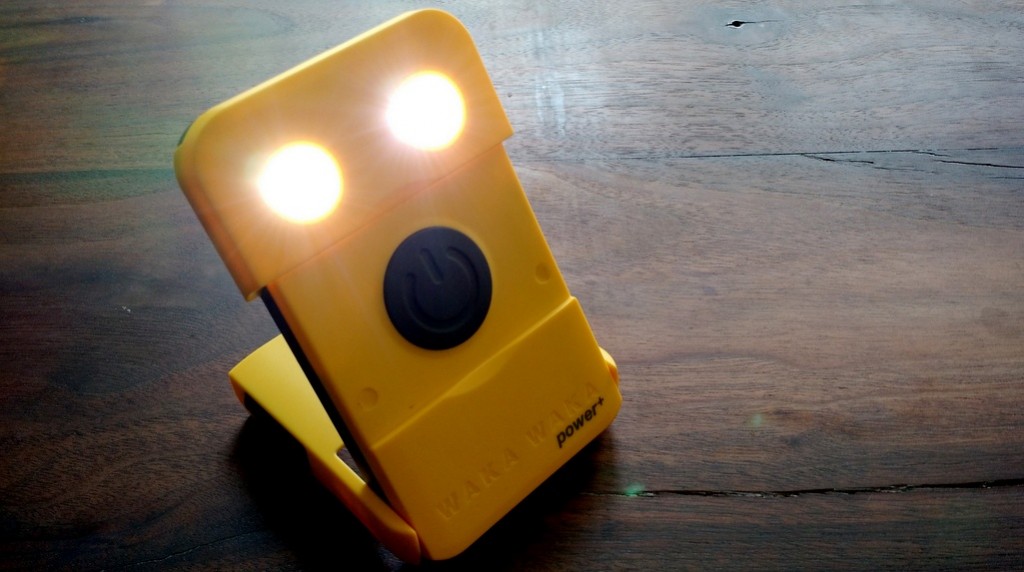
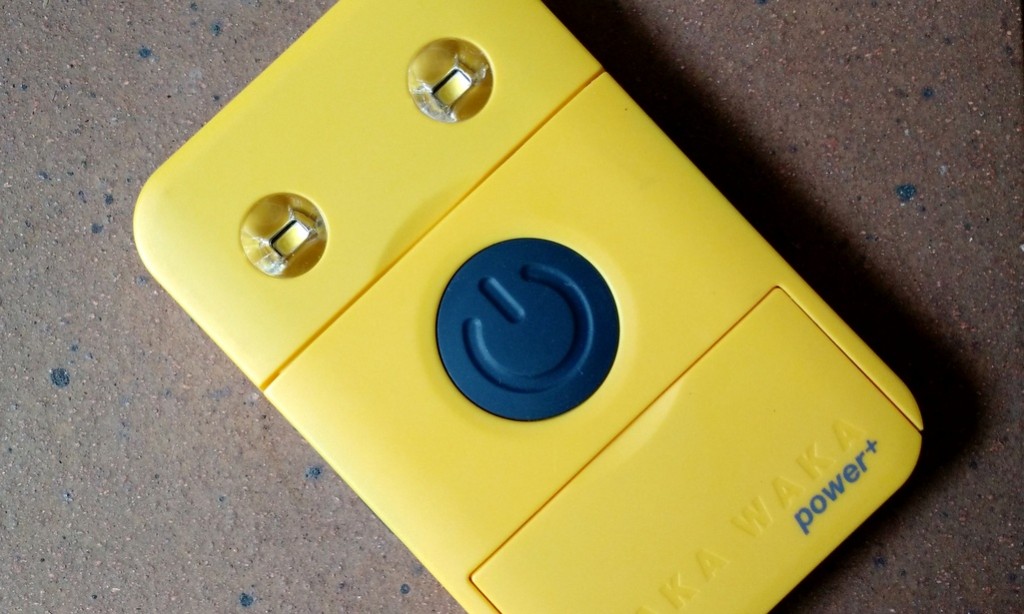
The Waka Waka Power+ is a small, lightweight portable power supply built on a 2200 mAh LiPo battery pack. A built-in solar panel occupies one full side of the device, which charges the battery when placed in sunlight.  On the other side of the device–behind a flip cover–is a large round power button and two protected Cree LED lights.
IMG_20150903_153233479

After charging my Tecsun PL-380, the Power+ still had about 50% of its battery available.

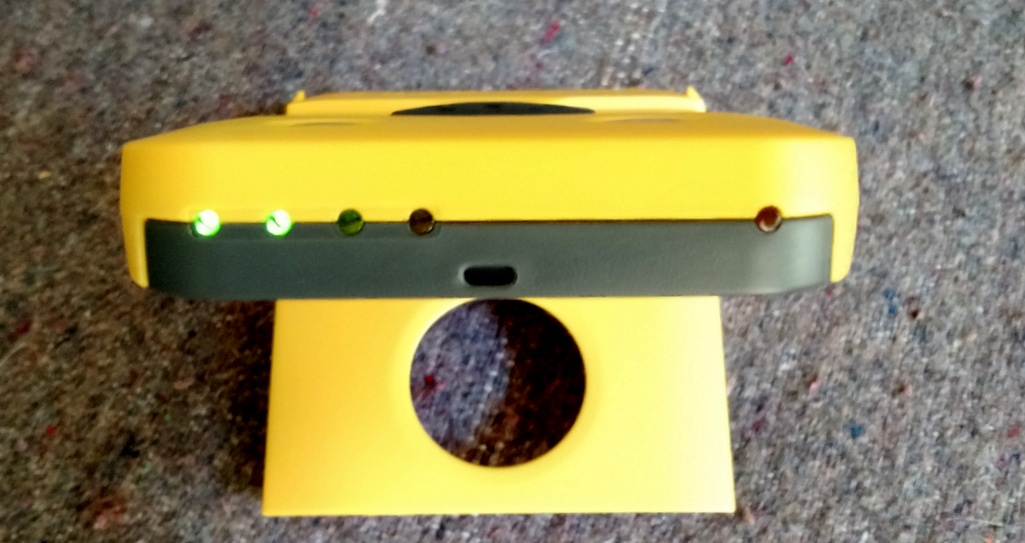
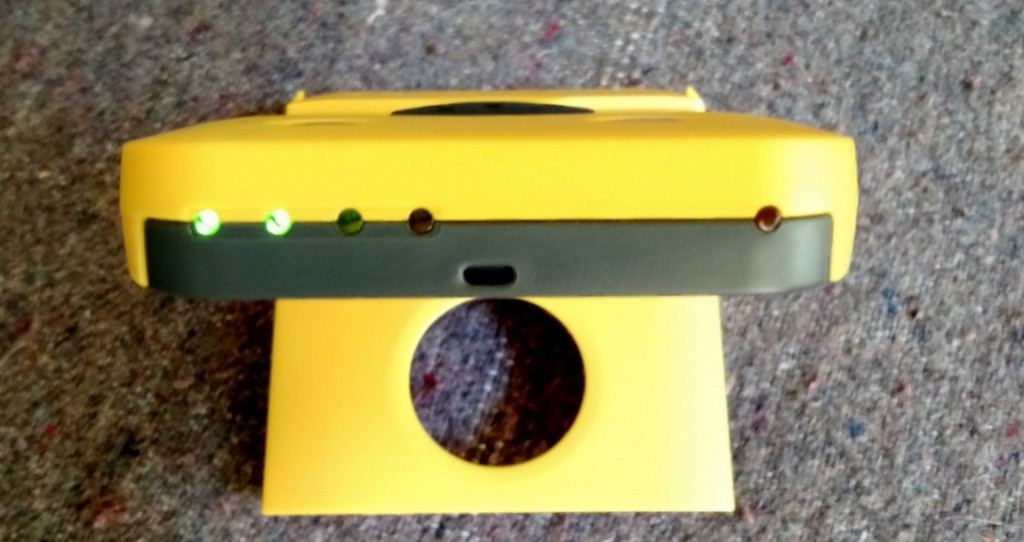
On top side of the Power+ is a row of four green LEDs that indicate the battery level.

The body seems to be made of a very durable plastic designed to operate in temperatures up to 80 °C (175 °F). It has a smooth surface and gasketed USB ports. The LEDs are protected behind clear lenses.

Flashlight

Let’s face it: operation of this flashlight is dead simple.  No learning curve here, which suits ETOW’s use brilliantly.  And brilliance, indeed, is what the device provides.

Press the large power button once to check the battery status; press twice, and the LED lamps are activated at their brightest setting–about 70 lumens, which lasts about 10 hours on full charge.
IMG_20150903_153206958

Each consecutive press decreases the LED brightness for a total of four brightness settings. The lowest LED setting (about 5 lumens) is perfect for reading, and should increase the light’s longevity to approximately 150 hours with a full charge.

Emergency?  If you press and hold the power button for two seconds, the Power+ will flash “SOS” in Morse Code.

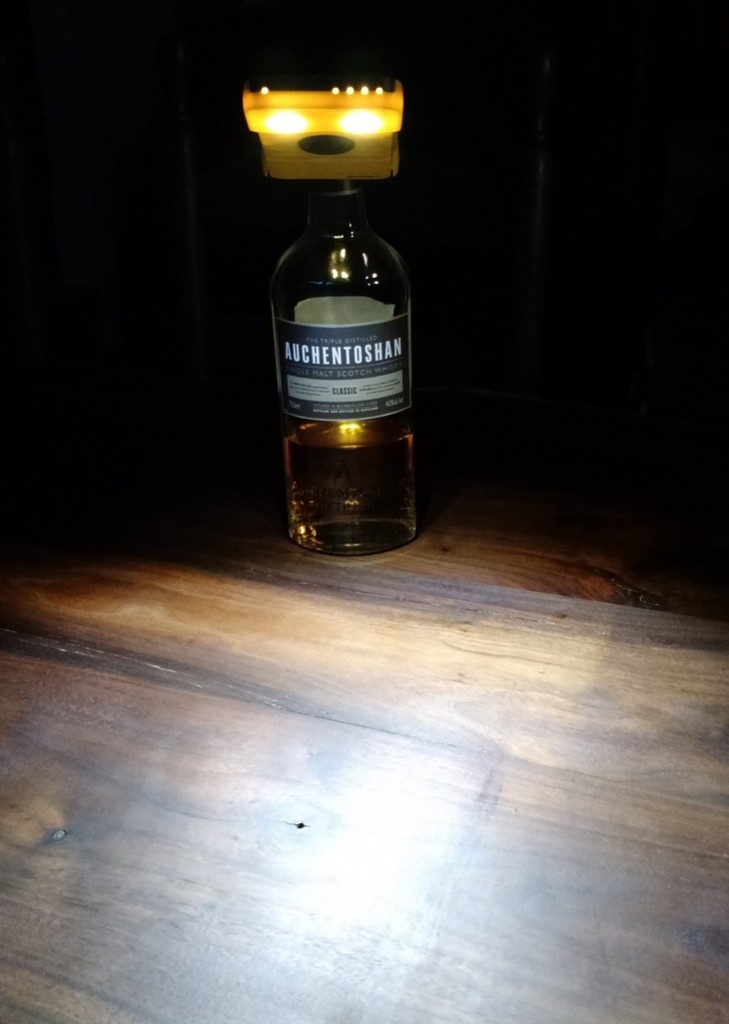
The Power+ also has a hole in the tilt base that allows you to perch it on top of pretty much any bottle and become a table lamp.
IMG_20150903_200110270

I used a bottle of single-malt, but any bottle will do!

You can also loop a string through the central hole and hang the Power+ from the ceiling–or the roof of your car or tent–for an overhead lamp. Fantastic design for useability!

Charging

The Power+ has two USB ports:

  • a micro USB for charging the Power+ from any other USB charger (cell phone charger, USB port on PC, etc.)
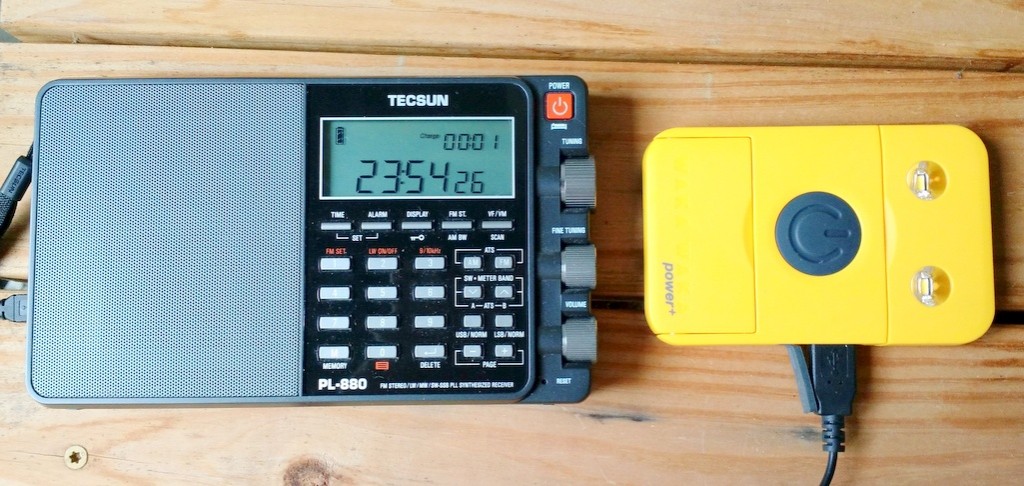
  • plus a full size USB port to charge other devices on the go (your smart phone, or–for our purposes–a shortwave radio)

If you plug your Power+ into a typical smart phone charger or a USB port on your computer, it will charge the battery in about four hours.
IMG_20150903_153140209

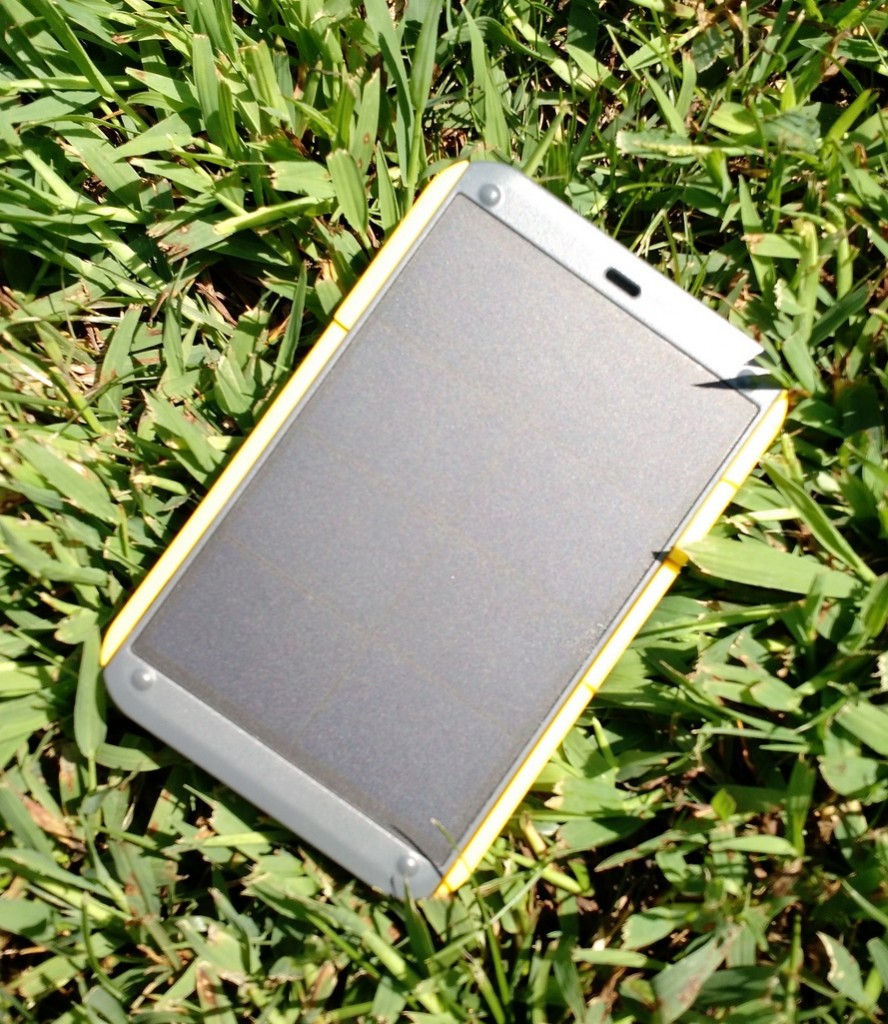
If you’re on the go, or simply want to go green, you can charge the Waka Waka Power+ internal battery with the solar panel directly facing the sun. It takes about two days of sunny skies to fully charge the Power+.  But you can use it even if not fully charged.

Most of the time I’ve used solar power to charge, I started with a battery at 50%–it took perhaps five to six hours of sunlight to bring the battery to full capacity.

Summary
IMG_20150903_153253701_TOP

The Waka Waka Power+ is the first solar-powered portable charging device that has actually impressed me. I’ve tested numerous flashlights and portable battery packs over the years; many have been effective as smart phone chargers, but were heavy or unstable (one, for example, literally melted down on my bed while charging–no kidding).

Clearly, I like the Waka Waka Power+. I’m especially impressed because this seems to be Waka Waka’s first product iteration. The Power+ is small, lightweight, tough (though not waterproof) and delivers what it promises.

Negatives? Well, the only one I can think of at this point is that it takes almost two days of sunlight (at least, where I live in North America) to fully charge the Power+ via the sun. It could take longer if you live in an area with less sunlight hours. To be honest, however, I’m still fairly impressed that a PV panel as small as the one on the Power+ charges this quickly.

I’ve charged my Moto X (2nd gen) smart phone several times during my travels; it even came to my rescue when I left my phone’s mobile charger at home and had nearly depleted my battery while using the phone’s GPS to find my way in unfamiliar territory.
WakaWakaPowerPlus-and-PL-800

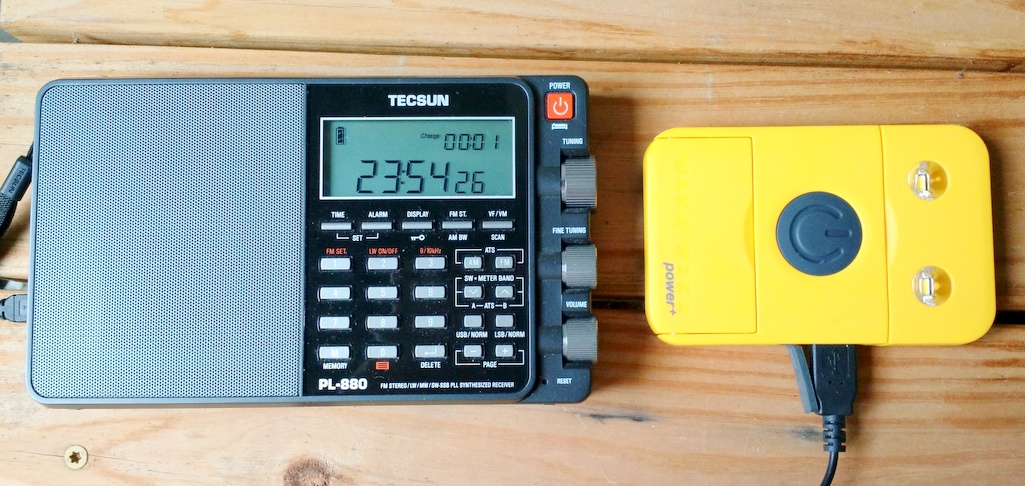
I’ve also used the Power+ to charge my Tecsun PL-380, PL-310ET, and PL-880 shortwave radios. In each case, I effectively charged the radio’s battery from roughly 25% to 100%.

The Power+ easily fits in my Spec-Ops Brand Op-Order Pouch and even my Maxpedition EDC Pocket Organizer. It’s an ideal size to carry pretty much anywhere, and especially useful for one bag travel.

I also think the Waka Waka could be quite useful in some of the countries where ETOW works.  They could have especial relevance in regions where mobile phone networks are in place–increasingly prevalent in rural Africa–but our ETOW partners (teachers and community supporters) have no means of powering the phones or else can’t afford to power them. I’ll certainly order a few and test them in the field.
WakaWakaPower+

The icing on the cake–? When you purchase a Power+, Waka Waka will donate a Power+ for humanitarian use (not yet to ETOW, but to other worthy organizations) through their network.  It’s a “get one, give one” deal–and believe me, this helps out.

At $79 US, this is a bargain for a cool little charger/flashlight that actually delivers as advertised.

The Waka Waka Power+ can be purchased

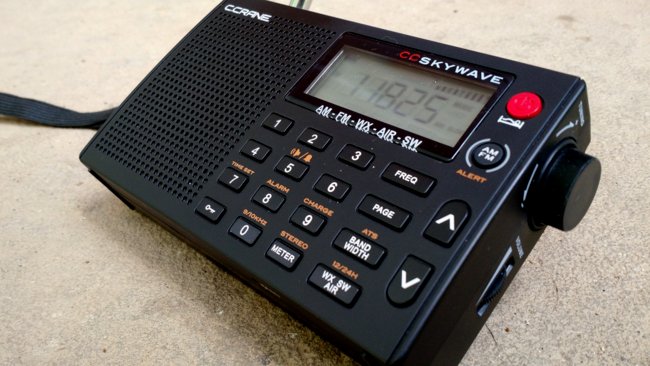
Bob’s review of the C.Crane CC Skywave

CCrane-CC-Skywave

SWLing Post reader, Bob C., recently shared his review of the C.Crane CC Skywave portable radio:

Well, I just received my new CC Skywave radio and it’s terrific! I own a lot of portable radios (including several Tecsun DSP sets), and the Skywave is a new favorite and will likely become my standard radio for travel.

Good fit and finish, great ergonomics, and easy to use. I was pleased to find that, despite what’s written in the ads and on the back of the radio, you can set the radio to receive FM down to 76 MHz by selecting the a 9 kHz MW spacing.

Great for international travel. The following is my brief review (by band):

Mediumwave

The Skywave is far better than any of the Tecsuns and is almost as good as the C Crane 2E (my best MW receiver). At my location (40 miles N of Chicago), the distant groundwave fringe includes WLW, WJR, and KTRS (St. Louis) – in descending order of reception potential. Most radios can get a whisper of WLW (though not discernible), while the other two are rare. The C Crane 2E gets WLW and WJR well enough that you can listen; KTRS is detectable. The Skywave gets WLW and WJR and you can tell that KTRS is there. That indicates that the Skywave is among the best. And there are no birdies nor whistles on the band. Nice.

FM

Just as sensitive and about 99% as selective as any of the Tecsun DSPs. The shorter antenna doesn’t seem to hamper reception at all. And, with no soft muting and a more logical tuning setup, it’s a pleasure to work with. Lastly, the stereo reception threshold on the C Crane DSP chip is significantly lower than that on any of the Tecsun rigs, so most signals decode stereo and simply sound better. Where I live, I have tons of signals that are 0.2 MHz apart (i.e. 101.9 Chicago, 102.1 Milwaukee, 102.3 Waukegan – and local) – the Skywave has no trouble separating these and providing a usable signal for all three.

Shortwave

Seems to do just fine. I have not had any overload issues with my unit and can pull in all as many SW signals and most of my other small portables. The lack of SSB is an inconvenience, I suppose, but I guess you can’t have it all!

NOAA/Weather radio

This band is great to have and is perfectly functional. I will say that this isn’t my most sensitive WB radio, but it’s not deaf by any definition. It’s just a little less sensitive to distant fringe WB stations than some of my other sets. But it does dependably pull in anything within 60 miles, so we’re only talking about ability to pull in distant fringe signals (which can be fun).

Air

I’ve played around with this a little and it definitely works better than expected. O’Hare tower is about 25 miles away and I get it clearly, along with aircraft that are (from what I can tell) basically anywhere within about 60 miles. The ability to scan is very helpful; however, catching a signal when someone is broadcasting is tricky. A little online research into local ATC frequencies goes a long way toward having fun on this band. The Skywave seems to work the Air Band better than the G6 and G3, my only other radios with this band.

So, overall, this radio has been a very pleasant surprise. No disappointments whatsoever. Kudos to C Crane Company for doing such a fine job with yet another radio.

Thanks so much for sharing your thoughts on the CC Skywave, Bob! Like you, I really love this little radio for travel and gave it a favorable review several months ago.

That’s an excellent tip about widening the FM frequency range down to 76 MHz by selecting 9 kHz steps on mediumwave. Brilliant!

Readers should be aware that some Skywave owners have noted a vulnerability to overloading and imaging in urban markets or where blowtorch stations are nearby. If your listening post fits this description, you may want to hold off until C.Crane has addressed the issue.

The CC Skywave can be purchased directly from C. Crane. It is also available at Universal Radio and Amazon.com.

Guy’s review of the Basbon DS-858

Babson-Shortwave

SWLing Post contributor, Guy Atkins, writes:

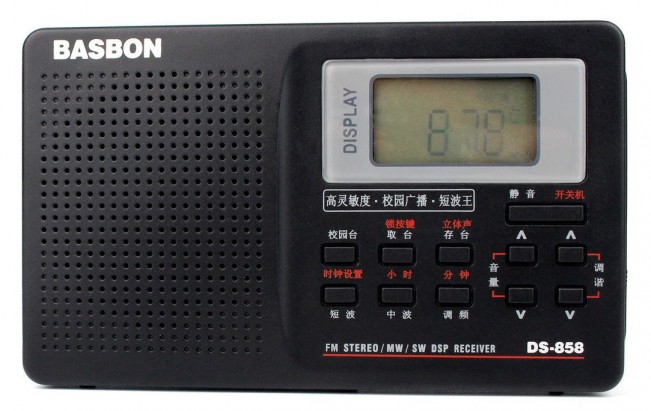
My “bargain bin” $13.99 portable Basbon DSP receiver arrived yesterday from China while I was out of town. That was fortunate for the little radio, as my absence allowed it another day of life (in one piece) on planet earth.

The good: the radio’s case is surprisingly solid and of good quality. To hold the receiver you’d think you had a $50+ portable in your hands. The smallish and very basic LCD display (cleverly labeled “DISPLAY” for those who don’t catch on too quickly) looks crude however, and gives forewarning that crude performance awaits.

The so-so: strong, local FM signals sound intelligible but with lots of tinny audio and some distortion. Strong AM signals (which happen to be near or coincide with North America’s 10 KHz channel spacing) are adequate.

The bad & ugly: Once you get past the puzzling multiple button presses to get past the clock display into shortwave operation, the noises and hisses coming from the speaker will make you wish you’d left well enough alone! Strong SW signals audible on Kaito’s $17.99 low-end (and analog) WRX-911 are simply a noisy, tone-covered mess on the Basbon receiver.

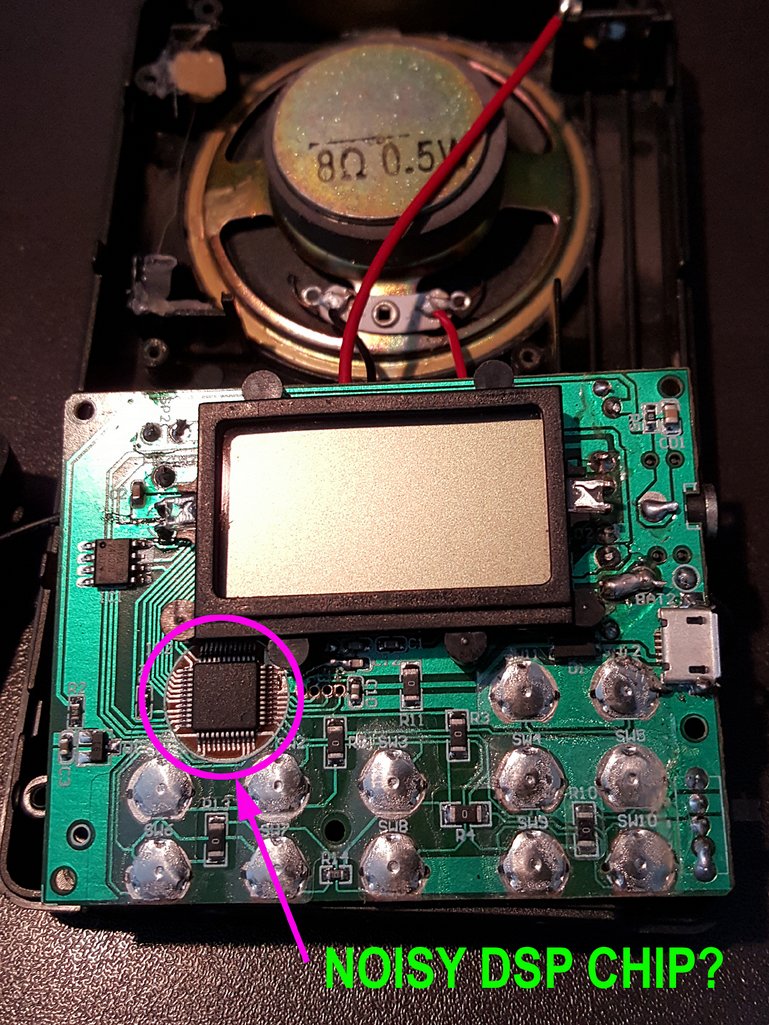
I was curious if the digital hash and noise was the result of an unshielded DSP chip, so I opened up the receiver. These two pictures show both sides of the primitive PCB:

Basbon_PCB_front

After removal of TEN (!) little silver screws holding the PCB board in place I could remove and flip it over. The square, multi-lead chip to the lower left of the LCD display is unmarked, and is presumably the DSP IC. I was contemplating making a small grounded metal shield to cover the chip, but as I moved the Basbon radio’s internals on my workbench the array of case buttons literally fell apart.

That’s the end of THAT idea! I have more interesting radio projects to spend my time on.

Thanks so much, Guy! While I’m a little sad the Basbon DSP radio performed so poorly, at $13 I suppose we can’t be terribly surprised. My Basbon DS-858 is yet to arrive–it took the seller 10 days to ship it and now it’s on the ePacket journey from China. Once received, my expectations will be adjusted accordingly.

In truth, like Guy, I often jump on radio deals like this in the off chance they may perform well for their price. Most of the time, though, I feel like I’m taking a bullet for SWLing Post readers–!  (Ha ha!) Giving an honest assessment of a poor radio keeps anyone else from wasting their money.

Many thanks, Guy, for digging into the Basbon and for sharing your review with us!

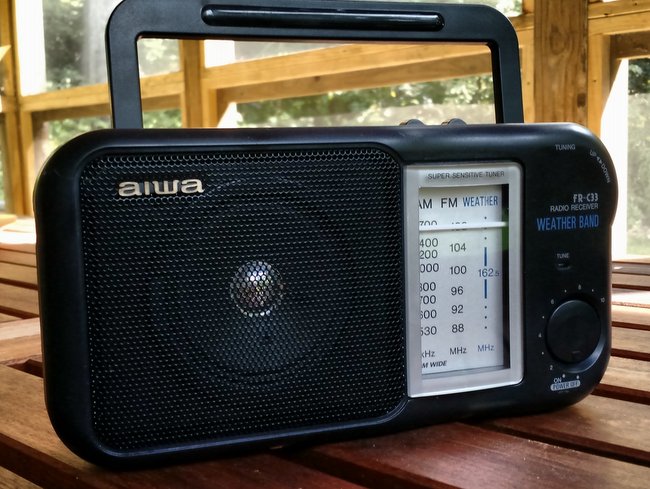
The Aiwa FR-C33 AM\FM\WX portable radio

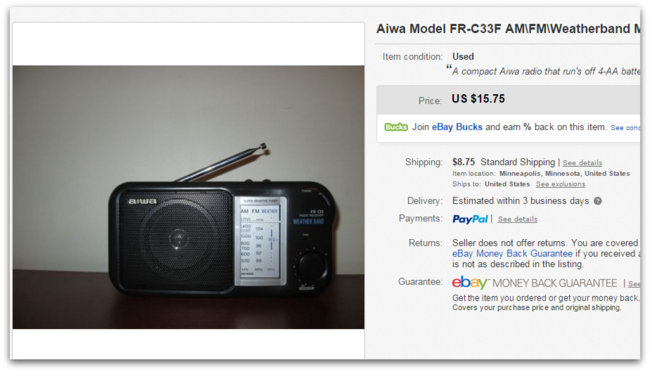
Aiwa-FR-C33-FrontA few weeks ago, SWLing Post contributor, Ron, sent me an eBay listing for a radio with which I was not familiar: the Aiwa FR-C33.

Ron wrote:

“I know you are primarily HF but here is something rather special and unique and inexpensive:

Fullscreen capture 8132015 32839 PM

Aiwa’s response to C-Quam in the late 90’s was “AM Wide.” Apparently all this meant was a somewhat wider Murita ceramic filter.

But…the bandwidth just matches the 10,200 cycle limit imposed on AM stations today…try a Sony SRF-42 or SRF-A1 C-Quam receiver at night on today’s band and note that they’re just too wide.

I have one of these and can tell you the build quality is great…it has a tone control and on Sony Walkman headphones stations like WSM are just flat-out unreal in sonic quality…the speaker isn’t bad, either.

A nice big ferrite bar makes it a bit of a DX machine, too.

FM is also very good; even the weather-band add-on works too.

Very much worth a go for your collection and enjoyment[.]”

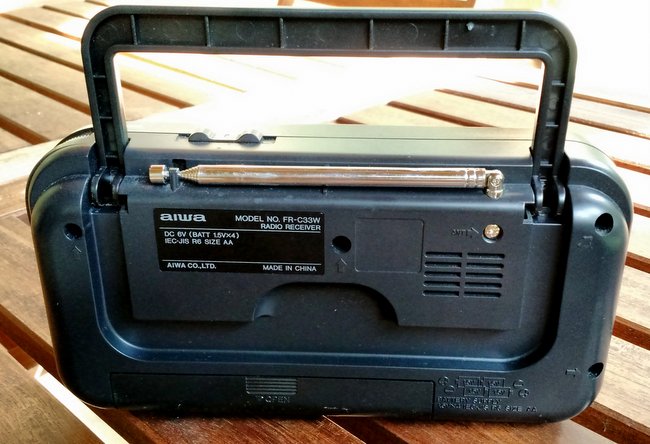
Aiwa-FR-C33-BackI’ve been enjoying the FR-C33 for a few weeks now; Ron’s assessment is spot-on.
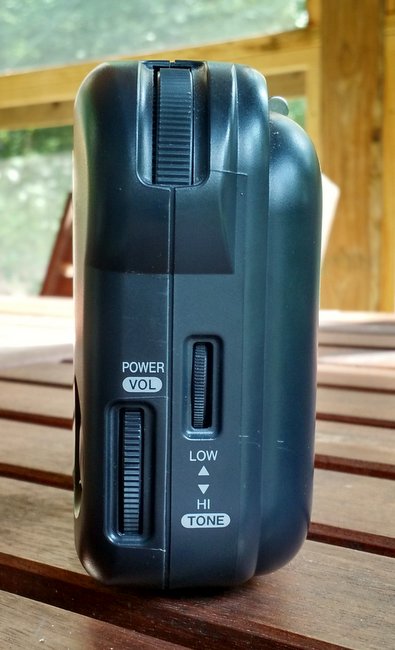
The FR-C33 produces clear audio via its internal speaker, but where it really shines is with a pair of good headphones plugged in. Though it has no “Mega Bass” feature like many radios of its era, the Aiwa produces great bass tones via a good set of “cans” (I’ve been using my Sennheiser HD 428s).

Aiwa-FR-C33-RightSide

The FR-C33 has a very useful tone control with a smooth, wide spread between the full bass and treble settings.

All of the FR-C33’s controls are fluid and functional.

AM (mediumwave) reception is truly fantastic. I find that the analog tuning wheel is easy to use and there’s enough room for the needle to easily travel across the dial without skipping stations inadvertently (a problem I often find with smaller analog portables).

It really shines, however, when you can center on a local broadcaster with a quality AM signal. While the FR-C33W doesn’t receive C Quam stereo, of course, its wide AM filter offers up excellent fidelity.

FM reception is also sound. While I haven’t done a formal comparison on FM, it receives my benchmark FM stations with ease and produces great audio fidelity via headphones. Sensitivity-wise, it might lag slightly behind some of the better DSP-based radios out there, but for an inexpensive analog receiver, it must be at the lead of the pack.

Ron, I really appreciate the recommendation–thank you! The FR-C33 is a keeper for sure.

Though these don’t pop up regularily on eBay, you can search for an Aiwa FR-C33 by clicking this link.