Category Archives: Schedules and Frequencies

WRTH update to A15 schedule

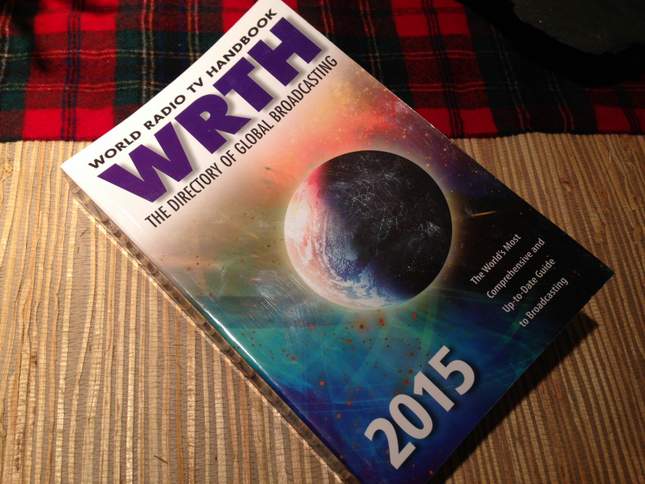
WRTH2015(Source: Sean Gilbert, WRTH Facebook Page)

WRTH has released a free update for the A15 schedules file. This PDF contains frequency changes, address etc., updates and some new stations. Please visit www.wrth.com and navigate to ‘Latest WRTH Updates’, choose the link under ‘International Radio’ and select the file you wish to download. The file is also available from our webshop:

http://www.wrth.com/_shop/?page_id=444

2015 BBC Antarctic Midwinter Broadcast frequencies confirmed

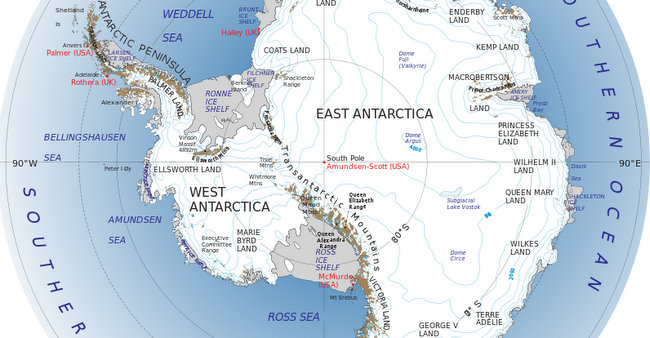
800px-Antarctica.svgMany thanks to SWLing Post contributor, Stephen Cooper, who has confirmed the frequencies that will be used for the 2015 BBC Antarctic Midwinter Broadcast on June 21 at 21:30 UTC.

Again, this year, I’m calling on all SWLing Post readers and shortwave radio listeners to make a short recording (say, 30-60 seconds) of the show and share it here at the Post. Click here for details.

Stephen received confirmation of the following frequencies directly from the BBC World Service:

  • 5,985 kHz,
  • 9,590 kHz,
  • and 5,905 kHz

Evidently, these were the frequencies chosen from the following that were tested:

  • 7,425 kHz, Ascension, 207 degrees
  • 5,985 kHz, Woofferton, 184 degrees
  • 9,590 kHz, Woofferton, 182 degrees
  • 5,905 kHz, Dhabayya, 203 degrees

I think it’s safe to assume that the same antenna paths will be used from the tests. I had hoped an Ascension Island frequency would have made the cut as it’s typically the frequency I hear best here in eastern North America. Of course, the selections were made based on actual test reception in the various parts of Antarctica where the team is located.

Please note these frequencies and take a little time to submit your recording! We look forward to sharing and mapping them across the globe.

RFI: The Sound Kitchen now on shortwave radio

RFI-Logo-World-LargeMany thanks to SWLing Post reader, Mike who notes that Radio France International’s program, The Sound Kitchen, is now available over shortwave radio.

The Sound Kitchen staff reported this news in the show notes of their latest episode, Pieces of Eight:

“Fabulous news! We have a shortwave frequency again! It’s 13725 kHz, on the 22m band; you can hear us between 6.00 and 7.00 UT every day! We’ve had reception reports from New Zealand, Japan, Bangladesh and the UK, and although the frequency is “aimed” (or however that works) towards the African continent, give it a try! You never know!”

Fabulous news, indeed! Though–as they state–North America is not the target of this broadcast frequency and time, I will certainly be listening as night time openings on the 22M band are certainly possible. I imagine those of you in Africa, Asia and the Pacific can receive The Sound Kitchen with relative ease.

Prime Time Shortwave may be shutting down

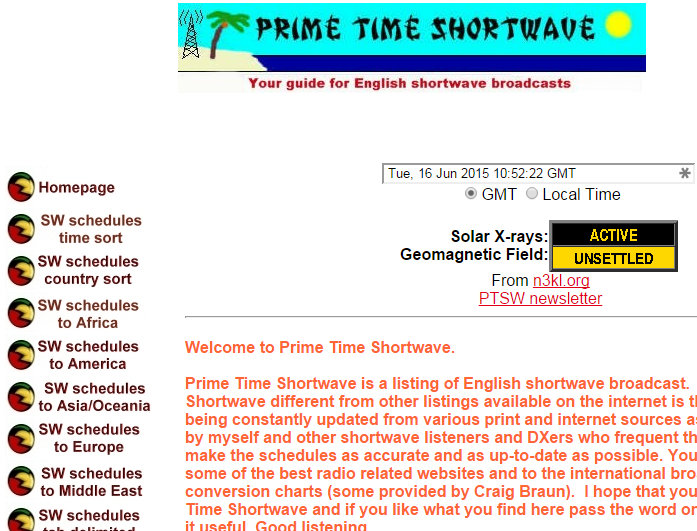
PrimeTimeShortwave-ScreenGrabMany thanks to SWLing Post reader, Chris Crosby, for passing along this information from Daniel Sampson of Prime Time Shortwave:

Prime Time Shortwave shutting down June 26, 2015
~.~.~
It is disappointing to have to do this but it looks like I may be discontinuing the Prime Time Shortwave website June 24. Where I have the Prime Time Shortwave hosted, Front Page extensions will no longer be supported, and the costs for using their website builder is too high added to the server space. I expected this day would eventually come since the Front Page product was discontinued in 2006.

I have been doing the Prime Time Shortwave website for 17 years and it is getting difficult to find the time to work on it.

Regards,
Daniel Sampson
__._,_.___
Prime Time Shortwave
http://www.primetimeshortwave.com

Nigeria’s Freedom Radio shortwave frequencies

Nigeria-Map2

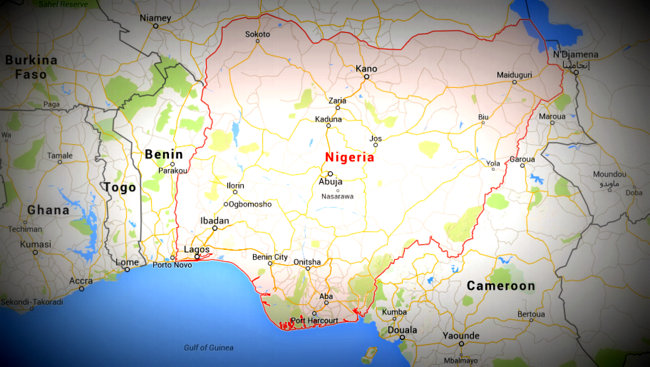
Regarding a previous article posted about Nigeria’s Freedom Radio broadcasting on shortwave, SWLing Post contributor, Richard Langley writes:

According to swskeds, current schedule is:

  • 05:00-06:00 UTC Sunday to Saturday 7415 kHz from Ascension

  • 18:00-19:00 UTC Sunday to Saturday 12050 kHz from Ascension

Many thanks, Richard!

Note that we’re not sure if the frequency listed in the article (9,940 kHz) is correct.  Have any readers heard Freedom Radio on this frequency?

Nigeria’s Freedom Radio to broadcast via shortwave

Nigeria-Map2

(Source: Albawaba)

Residents of Nigeria’s north-east have lived in isolation for two years. Terrorists frequently target phone lines in order to cut off communication. Traders avoid the region. Journalists live under threat.

But a new radio programme is now bringing important information to three states – Borno, Adamawa and Yobe – which have been under a state of emergency since May 2013 and turned by the army into a battleground against Islamist terrorist group Boko Haram.

[…]Most radio stations in north-eastern Nigeria are government-owned and broadcast in Hausa or English. For the tens of thousands of Kanuri-speaking people, there is no independent source of information, only state-sanctioned news and Boko Haram propaganda.

“Boko Haram controls people by inducing fear. Without alternatives, people are very much under the influence of Boko Haram’s propaganda,” says Wada. “Through Dandal Kura, we try to work against the propaganda by giving listeners objective information.”

Dandal Kura, which means “the big hall” in Kanuri, was initially set up in January as a three-month pilot project funded by United States development agency USAID. Since April, the programme is managed and run by Freedom Radio, a private broadcaster based in Kano.

[…]What is special about Dandal Kura is not only the language. The programme is transmitted by shortwave, on 9940 kHz, instead of the commonly used FM frequency band.

Shortwave is especially important in rural areas across Africa where FM waves hardly reach, but shortwave radios are easily available for an affordable price. In northern Nigeria they can be bought at any marketplace for about 600 Naira (3 dollars).

There is another key advantage: The shortwave transmission system is located hundreds of kilometres away – on the Atlantic island of Ascension – which means it cannot be destroyed by Boko Haram.

An FM transmitter, in contrast, would have to be installed on the ground in northern Nigeria.

“If we had set up FM transmitters, there would have been a high chance that Boko Haram would take them out,” says Smith, who has experience in setting up radio stations in African conflict zones, including Somalia and Central African Republic.

Click here to read the full article at Albawaba.