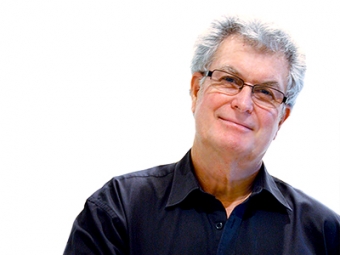
 Kudos to VOA research analyst Dr. Kim Andrew Elliott for his remarkable innovation: VOA Radiograms (i.e., digital text messages sent over shortwave broadcast radio), and for promoting this concept through the Voice of America. His persistance, with support from forward-thinking shortwave broadcasters like WBCQ, WRMI and The Mighty KBC, who have all broadcasted his digital messages, has paid off. Classic technology meets current in this new communication mode which makes internet disruption absolutely irrelevant, and which is even impervious, to a great degree, to interference.
This weekend, the VOA Radiogram will become a reality:
(Source: VOA Radiogram)
VOA Radiogram will “soft launch” this weekend. Here is the transmission schedule (all days and times are UTC):
Saturday 1600-1630 17860 kHz
Sunday 0230-0300 5745 kHz (Saturday evening in North America)
Sunday 1300-1330 6095 kHz
Sunday 1930-2000 15670 kHz
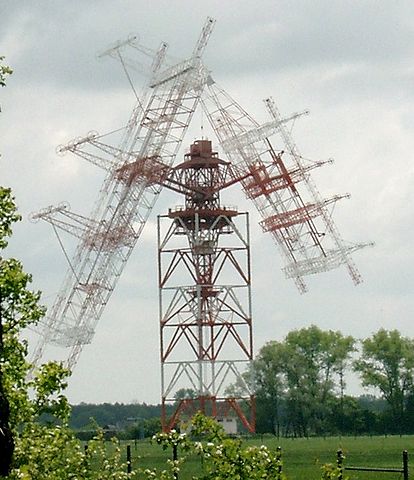
All via the IBB Edward R Murrow Transmitting Station in North Carolina.
The digital text modes to be transmitted this weekend on VOA Radiogram are as follows. Each text transmission will be one minute, unless otherwise specified. Asterisk * denotes RSID: if your RxID is on, Fldigi will automatically switch to this mode and audio frequency. The other modes you can decode from your recording.
- BPSK31 on 2000 Hz*
- QPSK31 on 1000Hz, BPSK31* on 2000 Hz
- QPSK31 on 1000Hz*, PSK63F on 1500Hz, BPSK31 on 2000 Hz
- QPSK63 on 1000 Hz, PSKR125 on 1500 Hz*, BPSK63 on 2000 Hz
- QPSK125 on 1000Hz, PSKR250 on 1500 Hz*, BPSK63 on 2000 Hz
- QPSK250 on 800 Hz, PSKR500 on 1500Hz*, BPSK250 on 2200Hz
- QPSK500 on 800 Hz, PSKR1000 on 1500 Hz*, BPSK500 on 2200 Hz
- PSKR500 on 1000 Hz, PSK63F on 1500 Hz, PSKR125 on 2000 Hz, and PSKR250 on 2500 Hz* (5 min 40 secs). The latter portions of the PSKR250 and 500 transmissions are formatted for Flmsg. (In Fldigi, Configure > Misc > NBEMS > under Reception of flmsg files, click Open with flmsg and Open in browser, and below that state the location of the flmsg.exe file.)
- MFSK32 image on 1500 Hz (54 seconds)
In future weeks, after the “hard launch” of VOA Radiogram, only one mode will be transmitted at one time. This will ensure the highest possible signal-to-noise ratio and the best possible chances for a successful decode.
See also how to decode the modes.
Send reports to radiogram(at)voanews.com
Follow @voaradiogram
Keep up-to-date with all future broadcasts, digital modes and methods for decoding on the VOA Radiogram website, and by following them on Twitter: @voaradiogram.

 Two months ago,
  The Mighty KBC will be testing Monday and Tuesday mornings (March 11th & 12th) from 09.00 -11.00 UTC.
 This morning, around 11:15 UTC, I caught a pirate that I had never heard on air before: