BBC World Service to be allocated additional funding

BBC World Service - Bush House

In the midst of many international broadcasting budget cuts, very good news for the BBC World Service (Source: BBC):

BBC World Service is to receive an extra £2.2m per year over the next three years from the government.

The funding boost will be used to maintain BBC Arabic Service’s “valuable work in the region”, Foreign Secretary William Hague said.

The BBC will also reallocate an additional £9m to safeguard the Hindi language short wave service.

Read full article here.

BBC World Service annual broadcast to Antarctica

(Thanks to Andy Sennitt for bringing this to my attention.)

This year, it’s difficult for me appreciate the annual tradition of broadcasting to the 43 scientists and technicians at the British Antarctic Survey in light of the recent BBC World Service cuts. Still, the broadcast is quirky, nostalgic and certainly DX worth catching.

Here are the times/frequencies courtesy of RNW Media Network:

This half-hour programme will be on the air at 2130-2200 UTC tomorrow (Tuesday 21 June) on the following shortwave frequencies:

  • 5950 kHz  Skelton 300 kW beam 180 degrees
  • 7295 kHz  Rampisham 500 kW  beam 180 degrees
  • 7360 kHz  Ascension 250 kW beam 207 degrees
  • 9850 kHz  Skelton 300 kW beam 180 degrees

Read RNW Media Network’s full article on the broadcast here.

Lord Patten: BBC Hindi to survive budget cuts

(Source: moneycontrol.com)

Terming the BBC Hindi Service as “very important”, Lord Chris Patten, chairman of the BBC Trust and chancellor of the University of Oxford, today said the service will survive the major funding cuts that had severely affected its future.

Read full article here.

RNW will focus on free speech, eliminate most other broadcasting

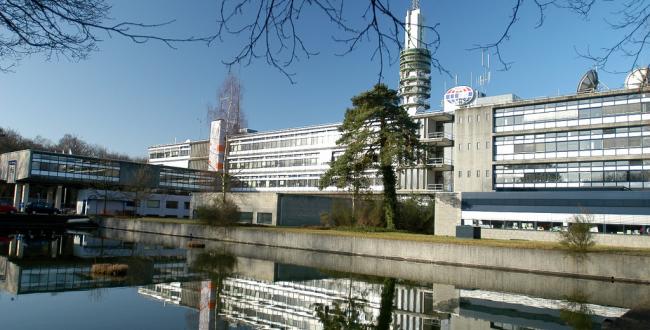
RNW headquarters in Hilversum, Netherlands (photo coutesty: RNW)

(Source: Radio Netherlands Worldwide)

The Dutch cabinet has announced plans to cut back the activities of Radio Netherlands Worldwide. The Dutch world service will no longer provide information for Dutch people living abroad, or provide the rest of the world with a realistic image of the Netherlands.

Instead, Radio Netherlands Worldwide is to concern itself solely with providing information in countries where free speech is suppressed or threatened.

While I’m glad they’re keeping a focus on free speech, I’m certain these budget cuts will have a negative impact on the amazing content RNW produces each and every day.

Read full article here.

Scientists predict sun may ‘hibernate’

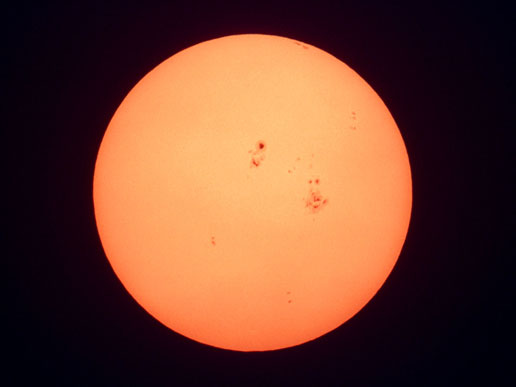
Photo Source: NASA

News sources are publishing information regarding new scientific research which puts our sunspot cycle into question. How does this affect the average shortwave listener? Periods of high sunspot numbers generally produce excellent DX conditions. In other words, with modest equipment, listeners can hear even weak signals around the world. Amateur radio operators find that they can communicate around the world with very low power.

Our current cycle (cycle 24) has been relatively uneventful compared to the past–but the prediction for Cycle 25 is scary. Indeed, it may not even happen on schedule. The news sources below explain in detail.

Spaceref.com:
A missing jet stream, fading spots, and slower activity near the poles say that our Sun is heading for a rest period even as it is acting up for the first time in years, according to scientists at the National Solar Observatory (NSO) and the Air Force Research Laboratory (AFRL).

As the current sunspot cycle, Cycle 24, begins to ramp up toward maximum, independent studies of the solar interior, visible surface, and the corona indicate that the next 11-year solar sunspot cycle, Cycle 25, will be greatly reduced or may not happen at all.

From Yahoo:
For years, scientists have been predicting the Sun would by around 2012 move into solar maximum, a period of intense flares and sunspot activity, but lately a curious calm has suggested quite the opposite.

According to three studies released in the United States on Tuesday, experts believe the familiar sunspot cycle may be shutting down and heading toward a pattern of inactivity unseen since the 17th century.

Science Mag:
Things may be about to get very dull on the sun. Three different measurements of solar activity, reported by scientists at a press conference today, suggest that the next 11-year-long solar cycle will be far quieter than the current one. In fact, it may not happen at all: Sunspots, the enormous magnetic storms that erupt on the sun’s surface as the cycle builds, might disappear entirely for the first time in approximately 400 years.