John improves his Radiofax game!

Earlier this week we posted a note from John who only recently took a deep dive into the world of Radiofax transmissions, inspired by Carlos Latuff‘s recent posts. 

I mentioned to John that he’ll hone his skills the more he captures these Radiofax transmissions. John just sent the following update:

Thanks, Thomas!

Indeed you are correct.

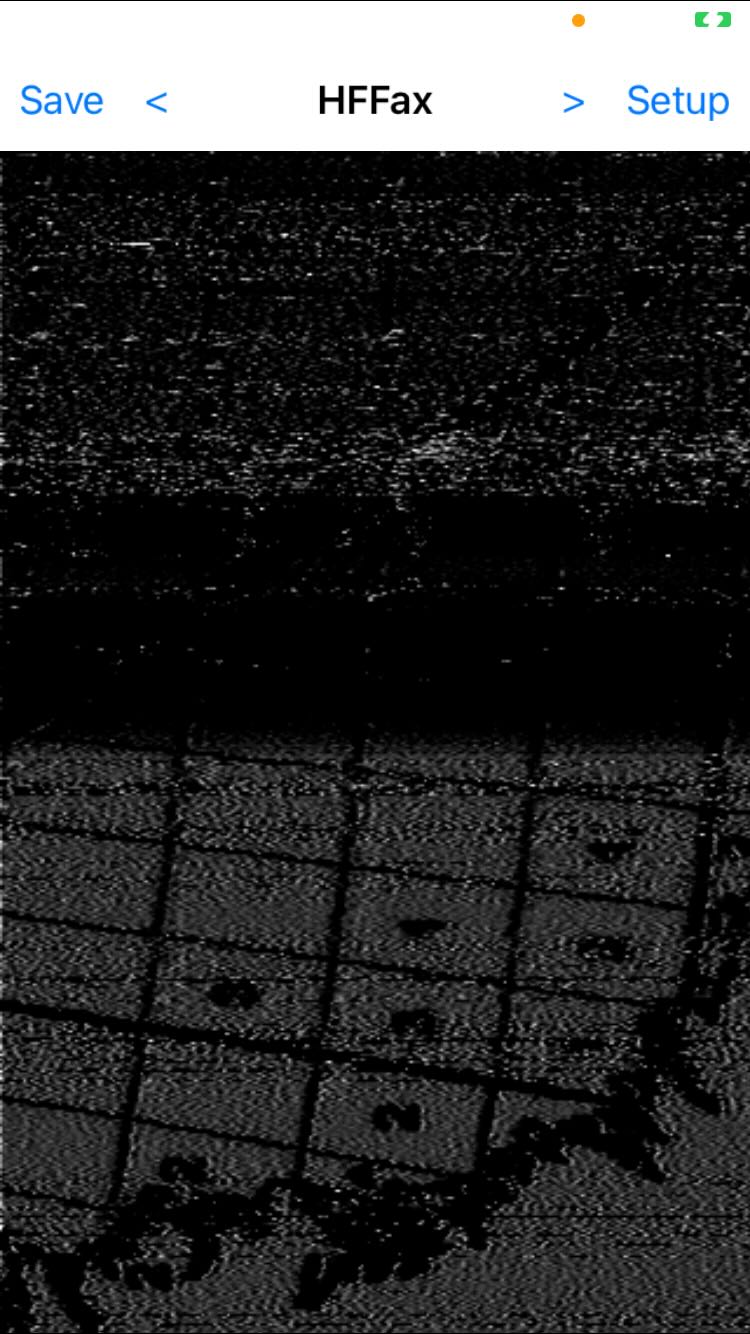
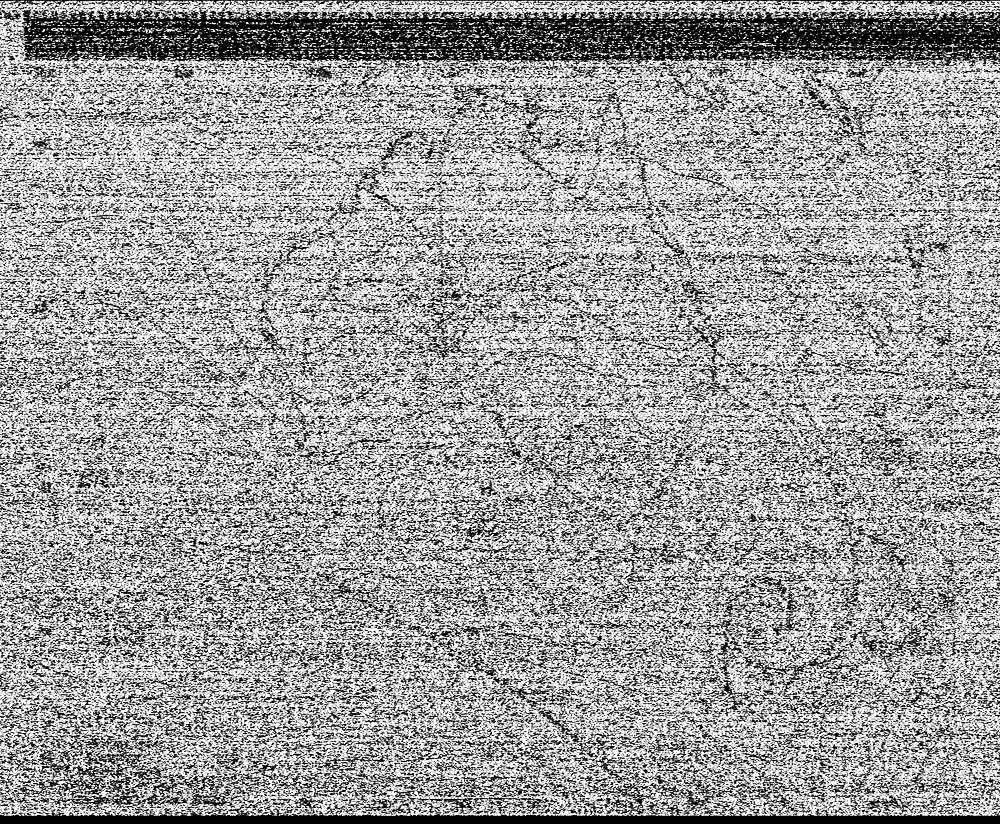
Having more luck decoding the Boston service… remembered I have a Sony AN-LP1 external antenna and so I unpacked and unraveled it and plugged in to the D-808 … drop that noise floor and…

12179kc USB Fine Tune +50
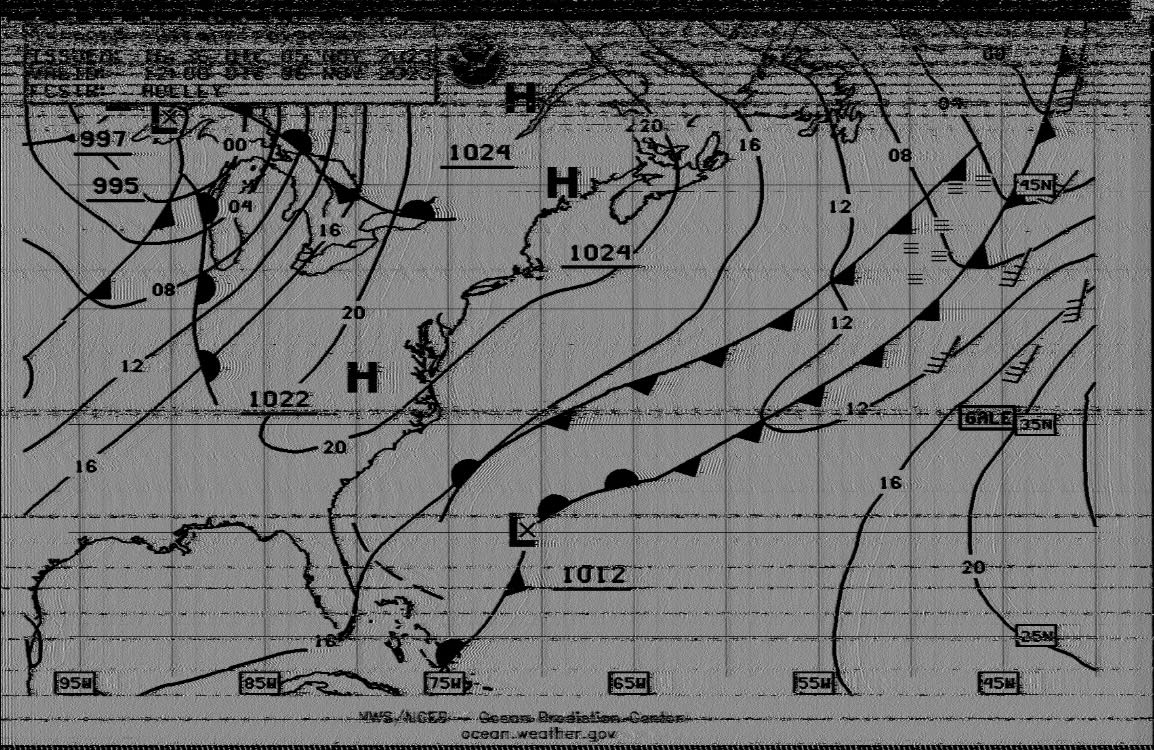
Above is the best example I have so far with HF FAX.

I guess it’s rather easy to decode these overall once you get the noise floor down, and fine tune the signal. These transmissions can take several minutes to complete which allows for a great deal of fade during that time.

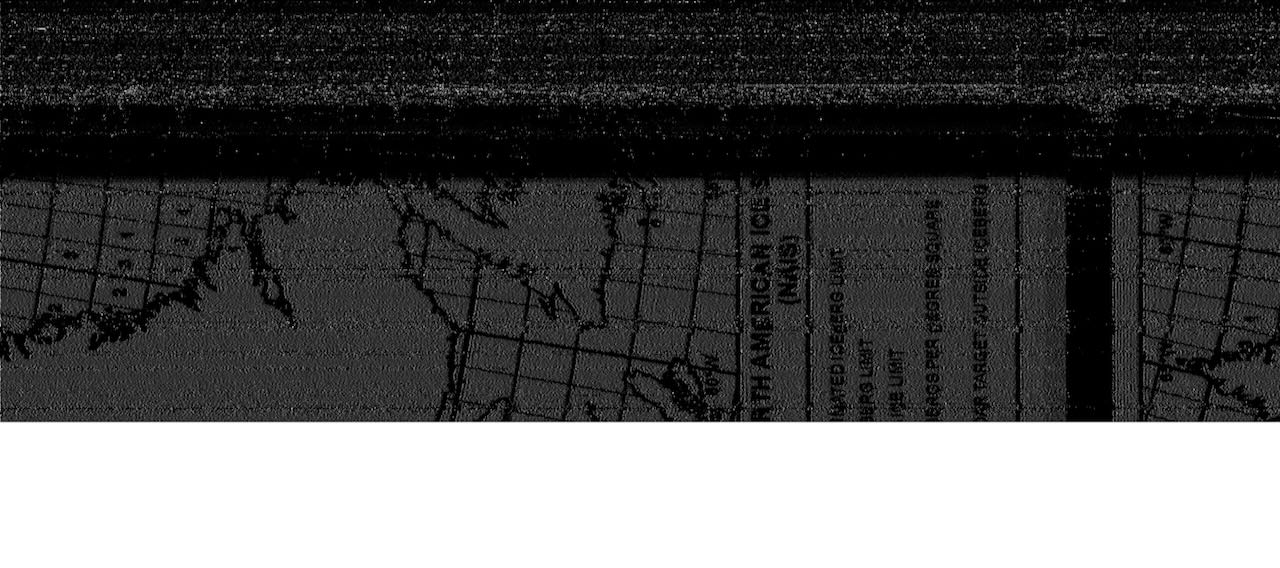
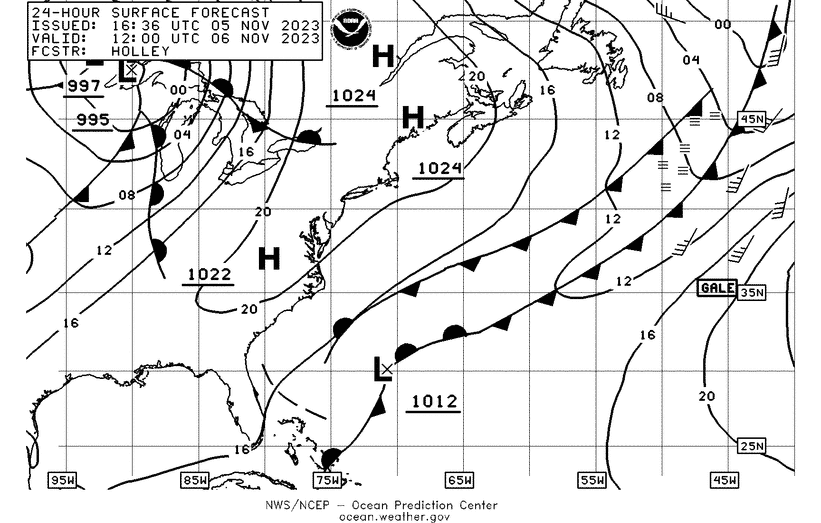
Here is the original version [via the OPC Mobile Website – Atlantic]:
Radio has filled my off-hours for the best part of 50 years now. I should no longer be surprised to find something I had overlooked like this that just adds to the fun and challenge of it.

72s and 3s.

John Johnson
N8ELK

Thank you so much, John, for sharing this with us! That is a brilliant decode, indeed!
Alan Roe’s B23 season guide to music on shortwave (version 1.0)

Many thanks to SWLing Post contributor, Alan Roe, who shares his B-23 (version 1.0) season guide to music on shortwave. Alan provides this amazing resource as a free PDF download:

Click here to download Music on Shortwave B-23 v1.0 (PDF)

As always, thank you for sharing your excellent guide, Alan!

This dedicated page will always have the latest version of Alan’s guide available for download.

Inspired by Carlos, John dives into the world of Radiofax

Many thanks to SWLing Post contributor, John Johnson, who writes:

Well, based on this post from Carlos Latuff–QSL: Australian Radiofax Received in Brazil–I got interested in HF weather fax decoding. I asked how to do it and got an answer but did not find a linked post that would help.

So as usual a wikipedia is helpful: WEFAX – Signal Identification Wiki

Which led me to realize… I already owned the Black Cat Systems decoder in my iPhone, but alas had never tried to use it!

So I reinstalled the HF FAX program. It had been included in a package of iPhone ham software programs I had previously purchased. I then searched the frequencies linked here: Marine Weather Broadcasts from the USCG

And soon after on 12179kc on my D-808 around Noon eastern time on 11/4/23 was decoding my first partial wx fax from Boston, I believe:

I then started fine tuning the D-808 and as you can see the fax quality began to improve significantly…

Alas the signal ended very abruptly, before I could perfectly tune it… I never received a complete fax but this was a fun radio exercise and I will keep at it.

WxFax (this is my name for it) reminds me of my NDB beacons. Both are older tech that appear to be rapidly disappearing. Just last night I was happy to tune two new but weak Canadian LW beacons from my Michigan location on my D-808. Alas I then refreshed the dxcentre NDB list–at: https://www.dxinfocentre.com/ndb.htm–only to find that I would be losing 3 relatively strong beacons to decommission within weeks! Such is the life of an LW NDB chaser in the year 2023.

Thanks to Carlos for giving me something else to chase on SW HF!

John Johnson (N8ELK)

This is brilliant, John! The more you work with the app and reception, the better you’ll get at clear decodes. It’s a skill you’ll build very quickly. Thank you for sharing this!

Pirate Radio QSL Card

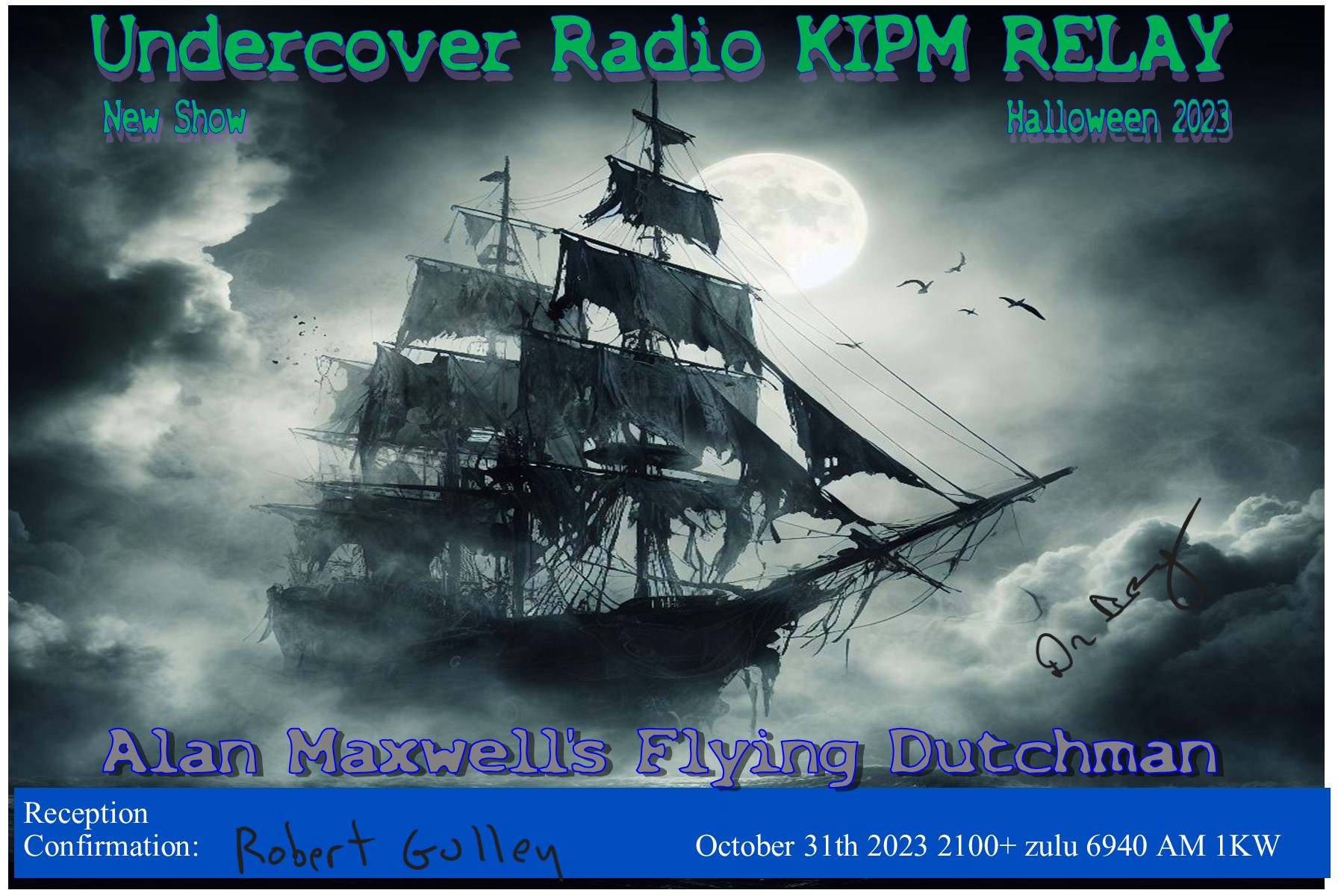
Beautiful emailed QSL card from Undercover Radio

This QSL card just came today from a broadcast on Halloween, station Undercover Radio. There were a number of broadcasts that night, but this was by far the most unusual that I heard!


Robert Gulley, K4PKM, is the author of this post and a regular contributor to the SWLing Post. Robert also blogs at All Things Radio.

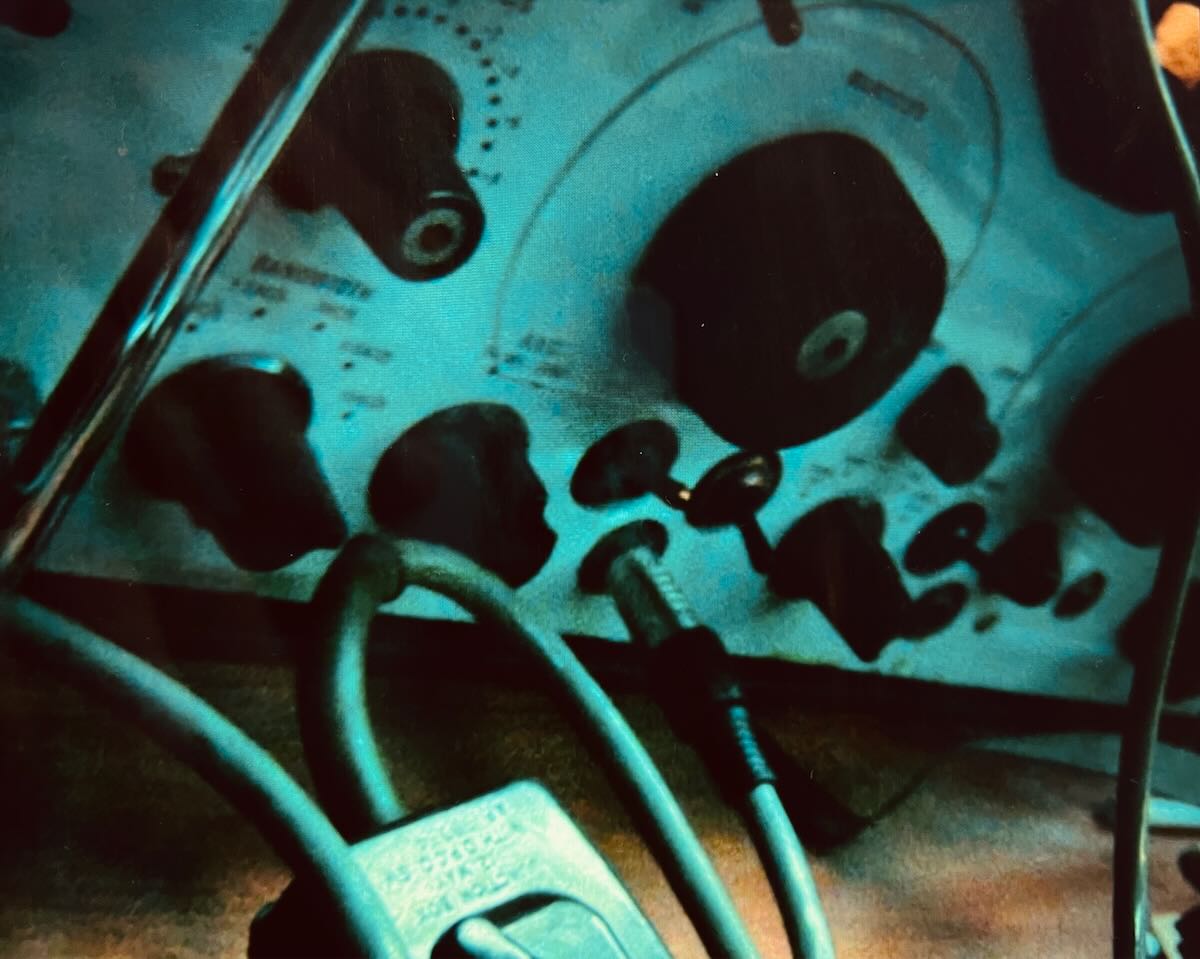
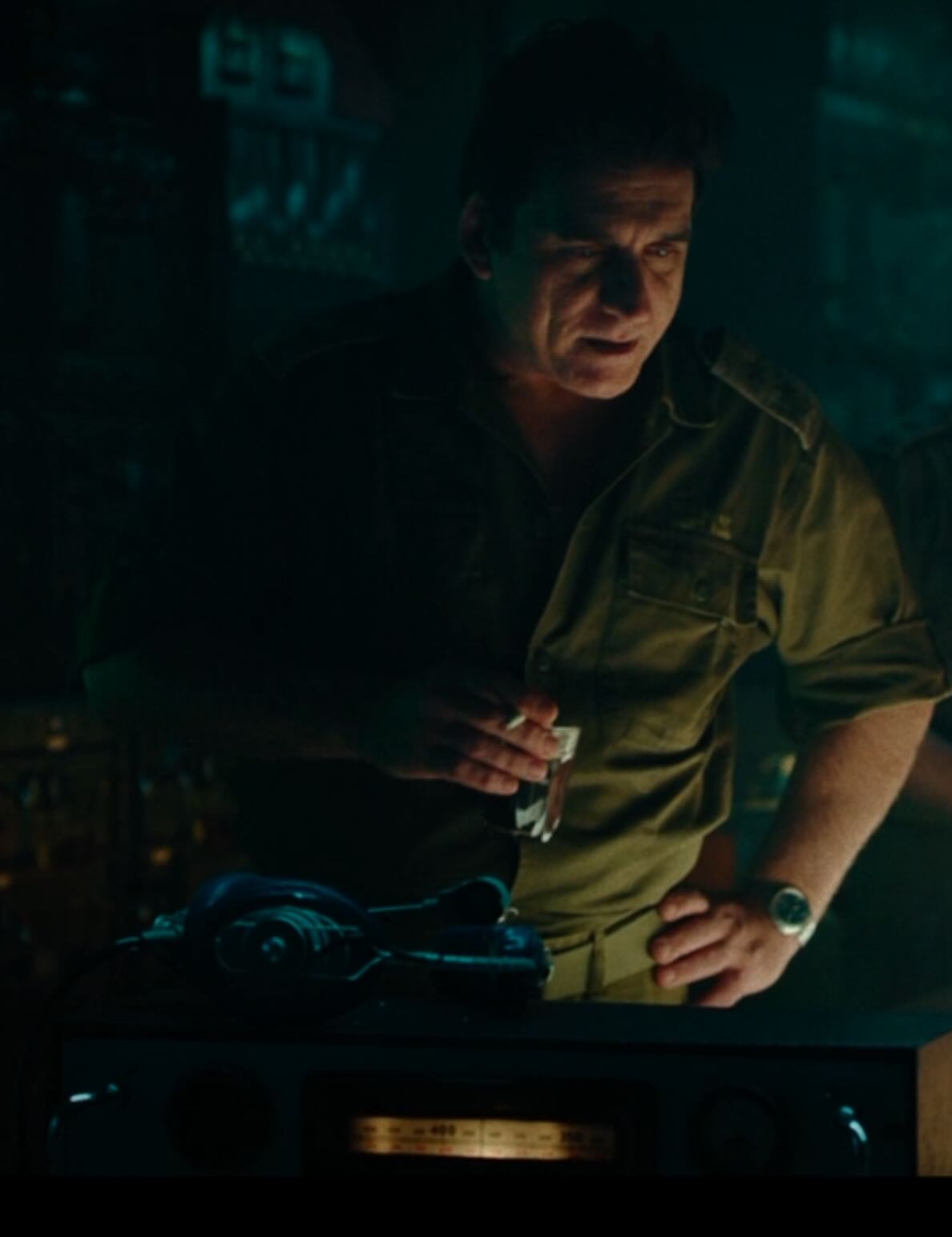
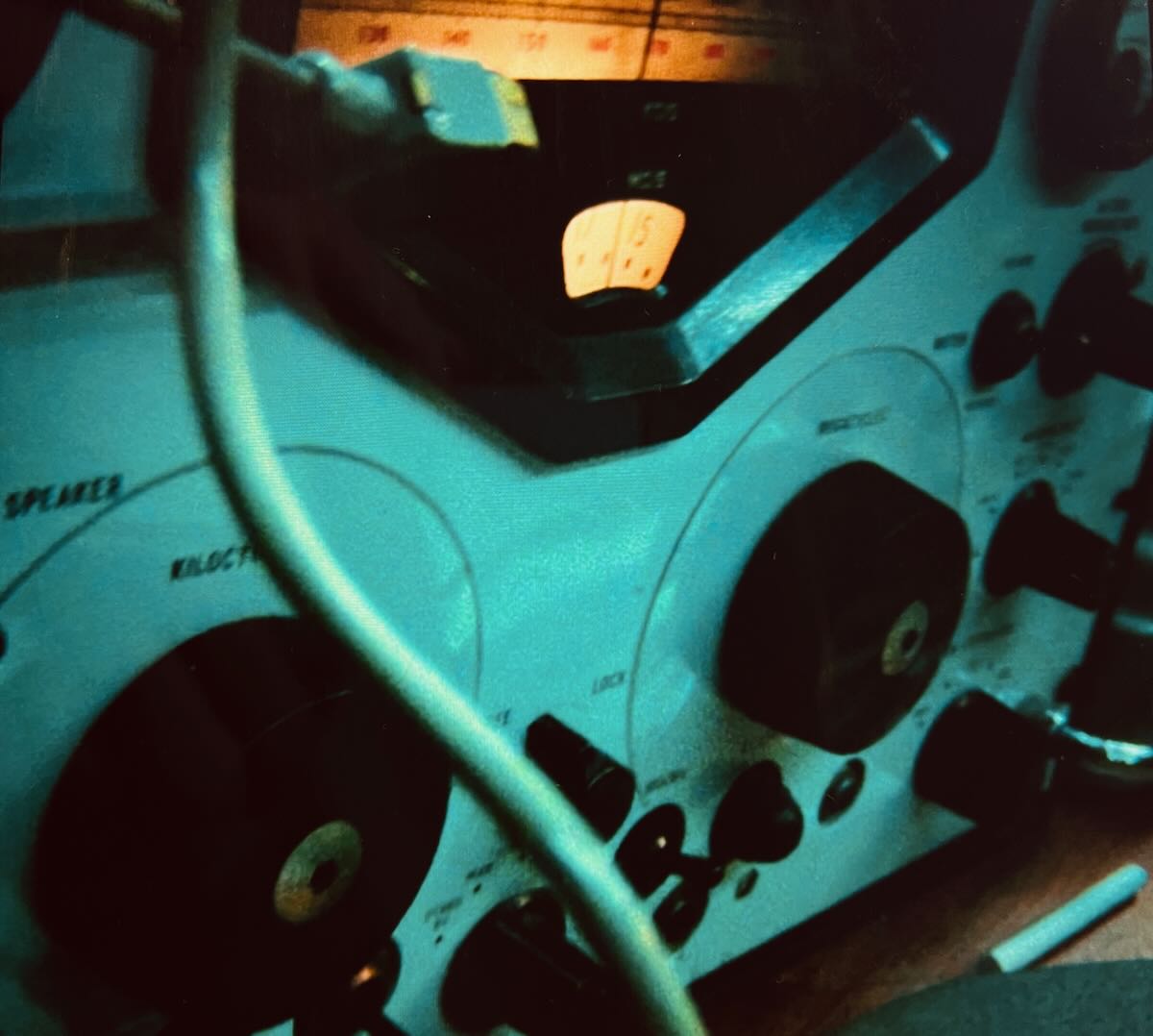
Frans discovers a RACAL receiver in “Golda”

Many thanks to SWLing Post contributor, Frans Goddijn, who writes:

Dear Thomas,

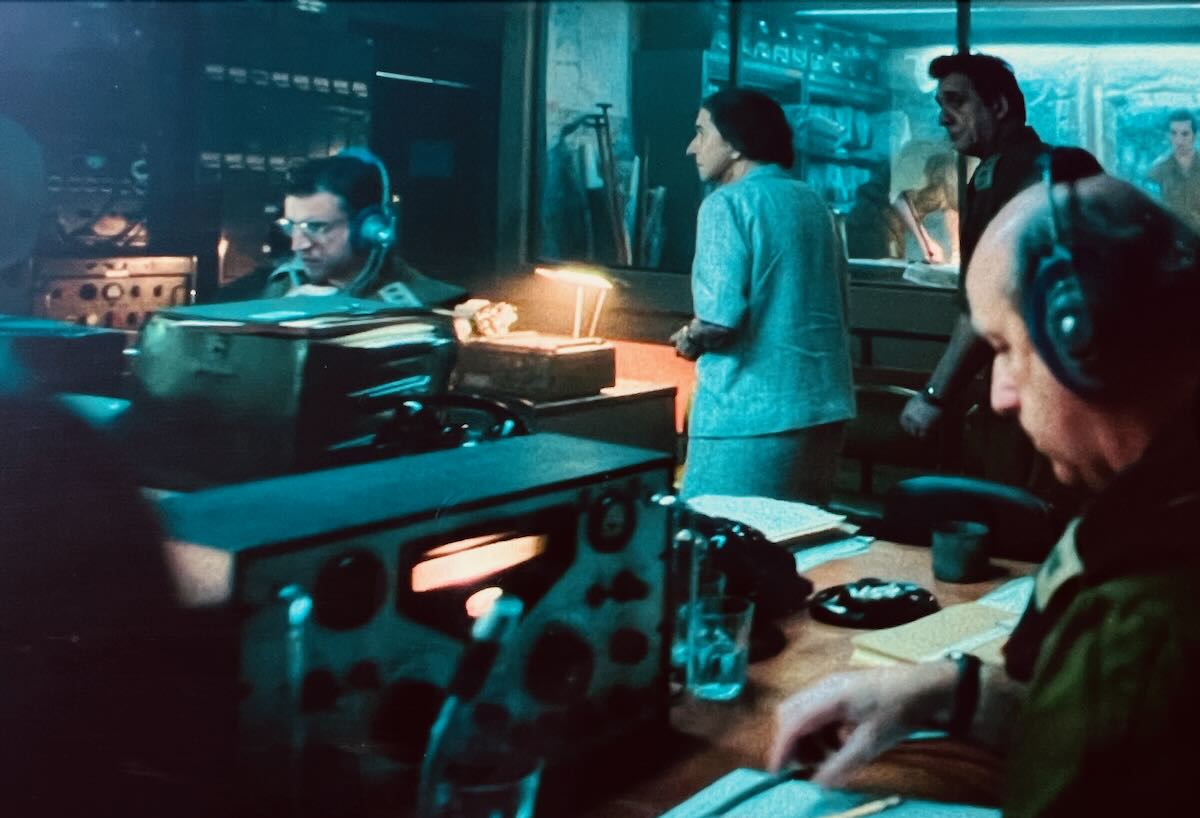
Recently I watched the film “Golda” (https://www.imdb.com/title/tt14454876/)

There are quite a few RACAl receivers in the film and I will send you a few screen snapshots!

Best regards,

Frans

Thank you for sharing these screen shots, Frans! What a gorgeous radio!

QSL: Australian Radiofax Received in Brazil

Many thanks to SWLing Post contributor, Carlos Latuff, who writes:

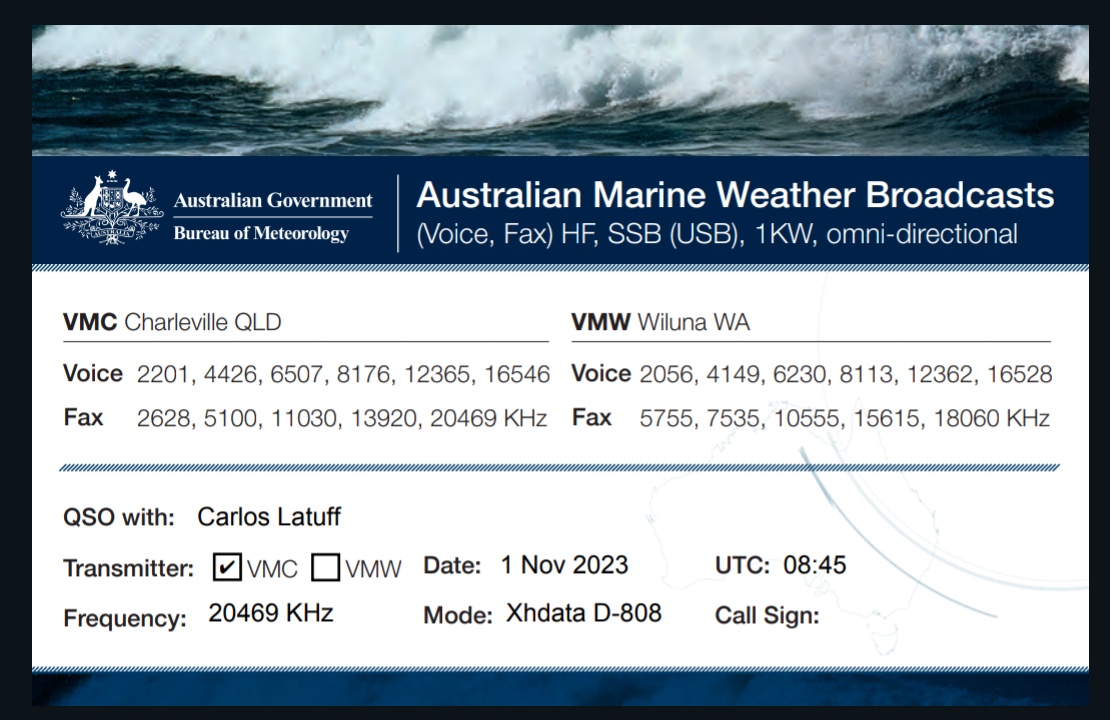
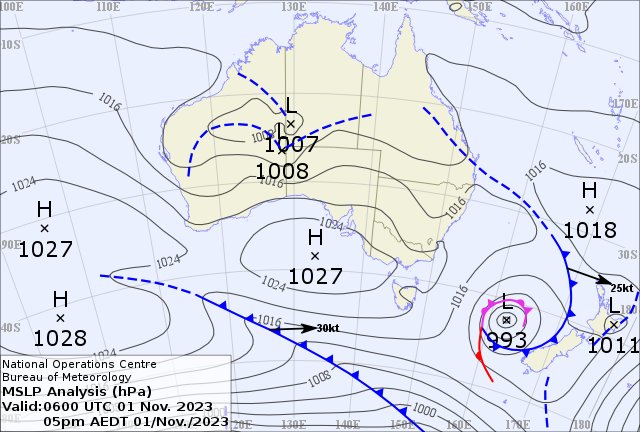
For the first time, I received in Porto Alegre a noisy radiofax from the Bureau of Meteorology of Australia: Mean Sea Level Pressure (MSLP) map.

Frequency of 20469 kHz USB, 08h45 UTC.

Radiofax (noisy)

Original

My request for a QSL card was kindly answered (attached along the radiofax and the original chart from BoM’s website). Notice that BoM’s transmitter is 1 KW only!

I realize that your Radiofax decode wa noisy, but I feel like that’s an impressive feat considering the distance involved, the fact that your radio was a portable, and their output power was only 1,000 watts. Proper Radiofax DX! Thanks for sharing! 

Blue light specials are ACE

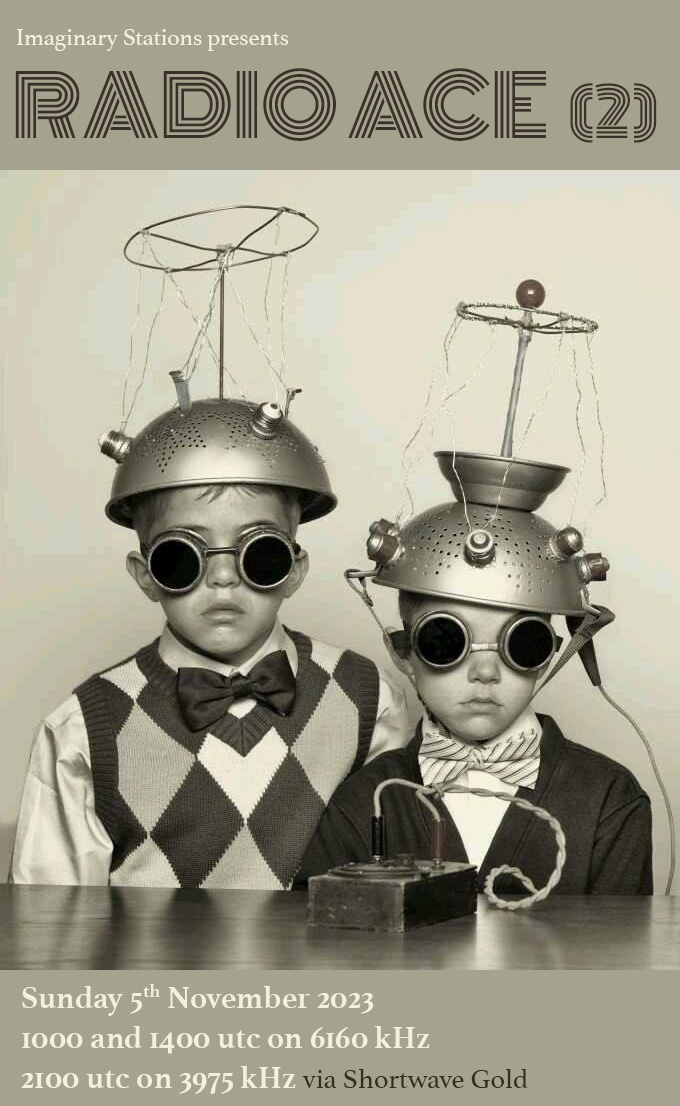
Good day all the SWLing Post Community, FastRadioBurst 23 here bringing you news of this week’s Imaginary Stations transmissions. Beamed to Europe via Shortwave Gold on Sunday 5th November 2023 at 1000/1400 hrs UTC on 6160 kHz and 2100 UTC on 3975 kHz, we have Radio Ace (2) featuring the further Adventures of Flash Frisbone. If you loved the last episode, you’ll love this one!

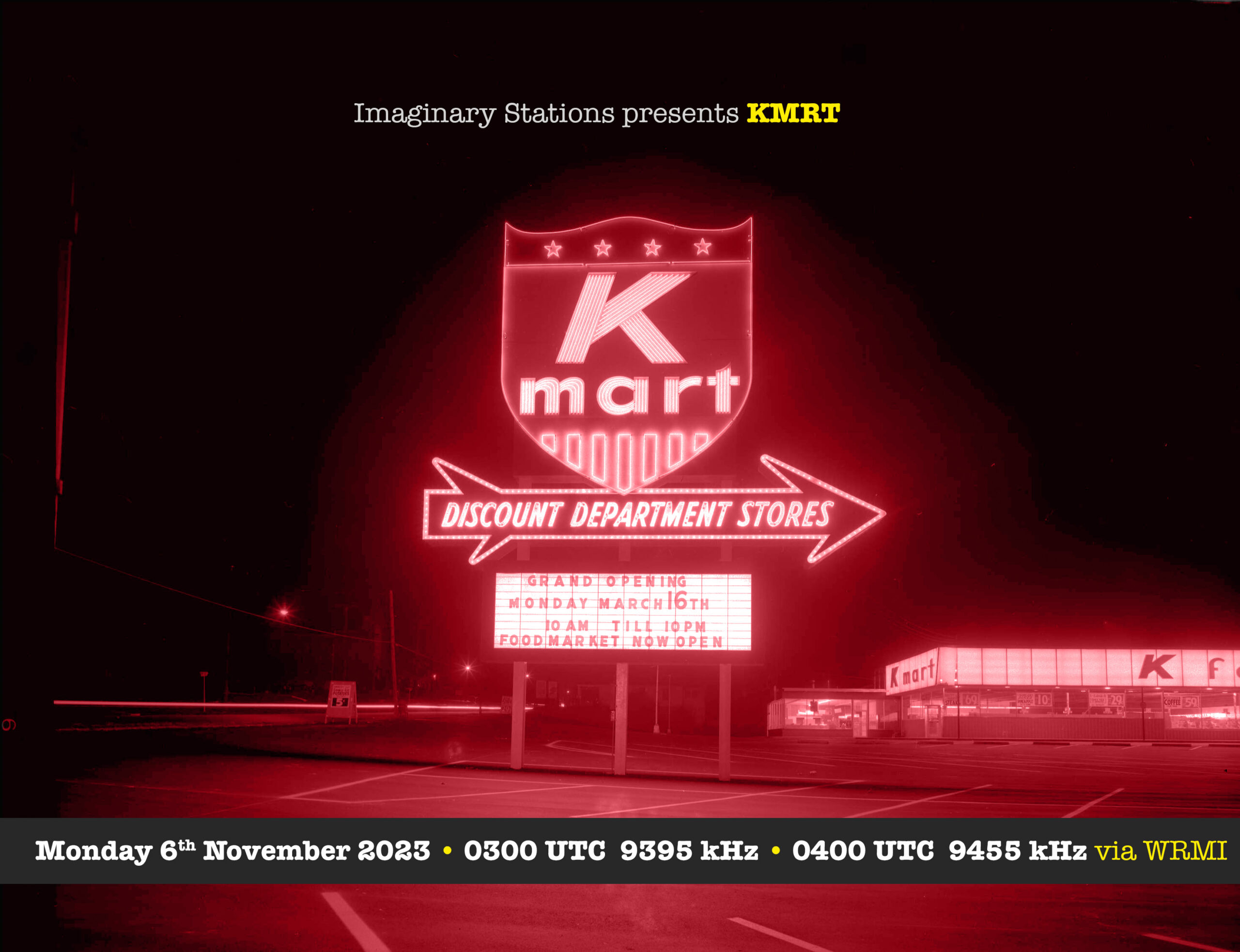
A few hours later via the transmitters of WRMI on Monday 6th November we have the return of the Blue light shortwave special and the only official supermarket radio show, KMRT at 0300 UTC on 9395 kHz and then repeated at 0400 UTC on 9455 kHz.

This show is for all the shoppers out there and as usual expect centre aisle specials and “once in a lifetime” bargains. For maximum effect please listen through a supermarket type PA system and do remember “When it’s gone, IT’S GONE!” (until the next time).

For more information on the shows please email [email protected] and check out our old shows here.