Shortwave listening and everything radio including reviews, broadcasting, ham radio, field operation, DXing, maker kits, travel, emergency gear, events, and more
Many thanks to SWLing Post contributor, Dan Greenall, who writes:
Hi Thomas
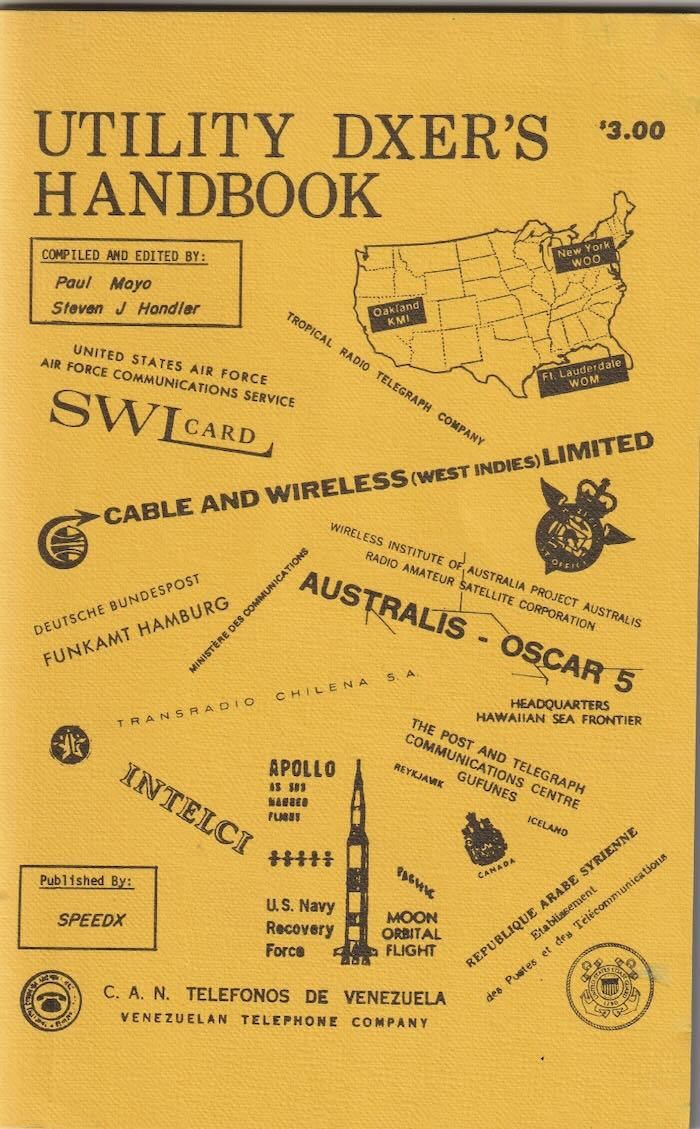
Back in the 1970’s, I used to enjoy hunting for “utility” radio stations outside the regular SWBC bands. When I came across a copy of the Utility DXer’s Handbook from 1971 recently on eBay, I couldn’t resist purchasing it. I have since made a page on archive.org for it to help preserve this unique piece of radio history. Anyone interested can follow this link and take a look at the world of utility radio as it was over 50 years ago.
Also, I have included links to some of the recordings and QSL’s from these stations that I have set up on the Internet Archive.
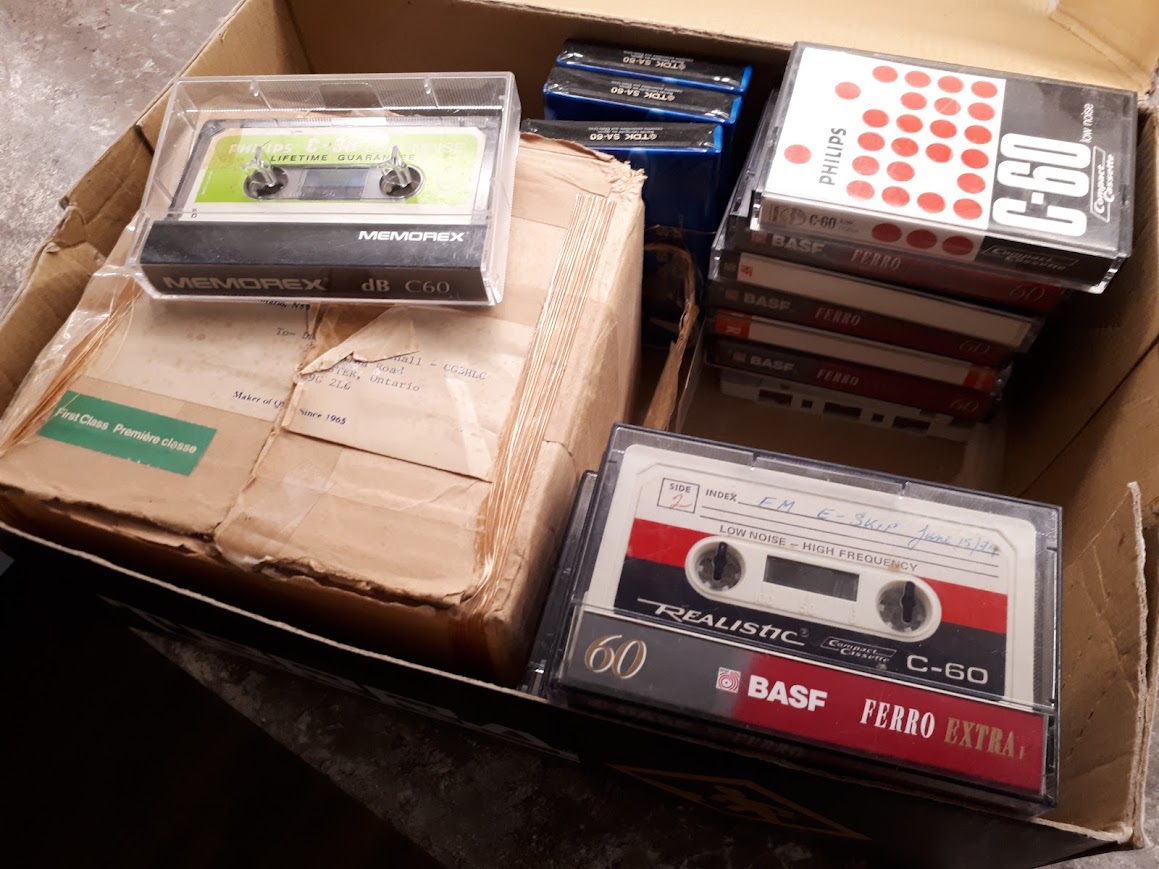
A few years ago, during the Covid lockdowns, I rediscovered a box full of my old audio cassette tapes on the bottom shelf of a cupboard in the basement. These cassettes contained many vintage recordings I made between 1970 and 1999, including shortwave, AM, FM and even a bit of TV audio.
I suppose I was a bit lucky, but sometimes not so much.
The box was closed and had basically been in a dust free, climate controlled environment for the previous 22 years (1999-2021). Prior to that (1970-1999), the cassettes were subject to much use and reuse, often being left out (for convenience) unprotected, then being packed up and moved a few times to a new QTH, always within southern Ontario, Canada.
In the early 1970’s, and on a student’s budget, I even resorted to repurposing a couple of cheap demonstration music cassettes by placing a piece of scotch tape over the ends so I could record over the existing music. Inevitably, some “prize” recordings were accidently erased over the years when a cassette was needed urgently and one was thrown hastily into the recorder without a proper check.
Around 1983, I made a decent recording of Radio Mogadishu in Somalia on the out of band frequency of 6790 kHz, but it seems to have been corrupted from being left in the recorder and not discovered until it was too late. Unfortunately, the mistake occurred right over the moment of the actual station ID:
In spite of all of this, I need to feel fortunate that so many of my recordings actually survived for 30, 40 and even 50+ years in spite of my neglecting them for so long. A great deal of this material has since been sorted through and digitised, then saved on the Internet Archive in order to preserve this radio history. I have also regularly submitted some of these recordings to the Shortwave Radio Audio Archive.
Here is a link to my material on Archive.org, which I am constantly adding to. Most files have audio, however, some are “read only.”
Clear channel BCB stations – My Introduction to the world of DXing
by Dan Greenall
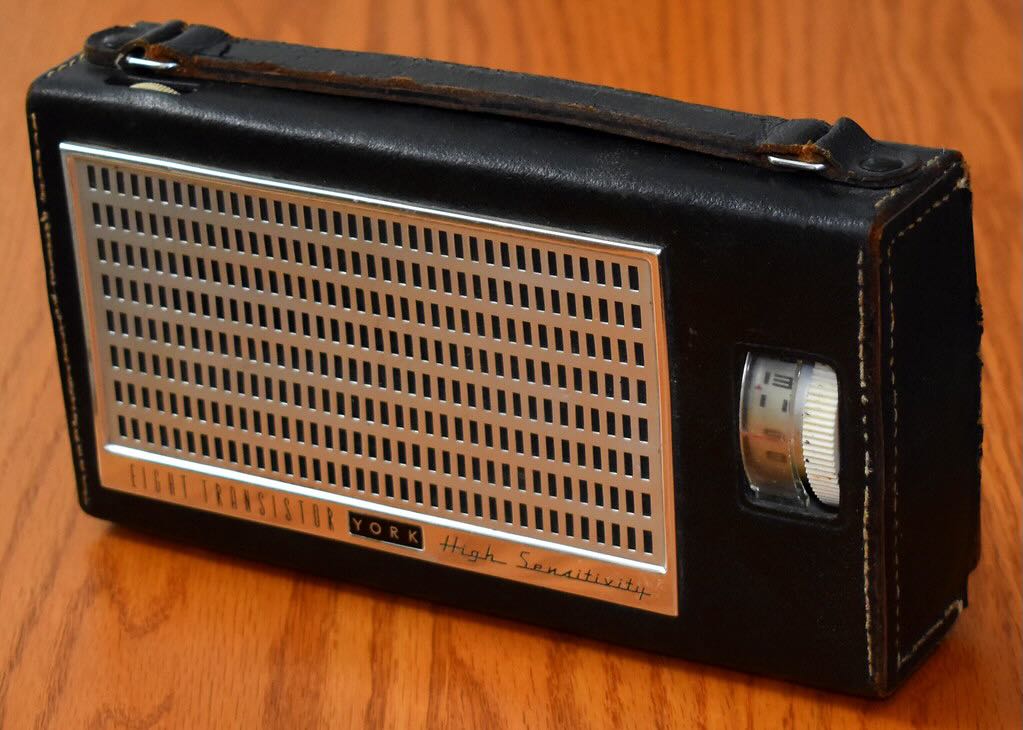
Sometime in the mid 1960’s, I acquired a Japanese made AM only transistor radio similar to the one pictured.
I was entering my teenage years and living in southern Ontario, Canada in relative proximity to the U.S. border, and was immediately fascinated that I could receive American stations from places such as Buffalo and Rochester NY as well as Detroit MI with amazing clarity.
Before long, I discovered that signals from much further afield would begin to come through at dusk and throughout the night time hours. Although I was unaware at the time, many of these would be from so-called “clear channel” stations, those operating on frequencies with the highest level of protection from interference from other stations.
In addition, many of these stations ran a full 50 kw of power. Signals from the Atlantic seaboard to the Midwest could often be heard at near local strength if I turned my radio to just the right angle. At this point, I was beginning to learn about the directional properties of the built-in ferrite rod antenna. It gave me great pleasure to be able to listen to their local ads, newscasts, or a far away sporting event from the comfort of my home.
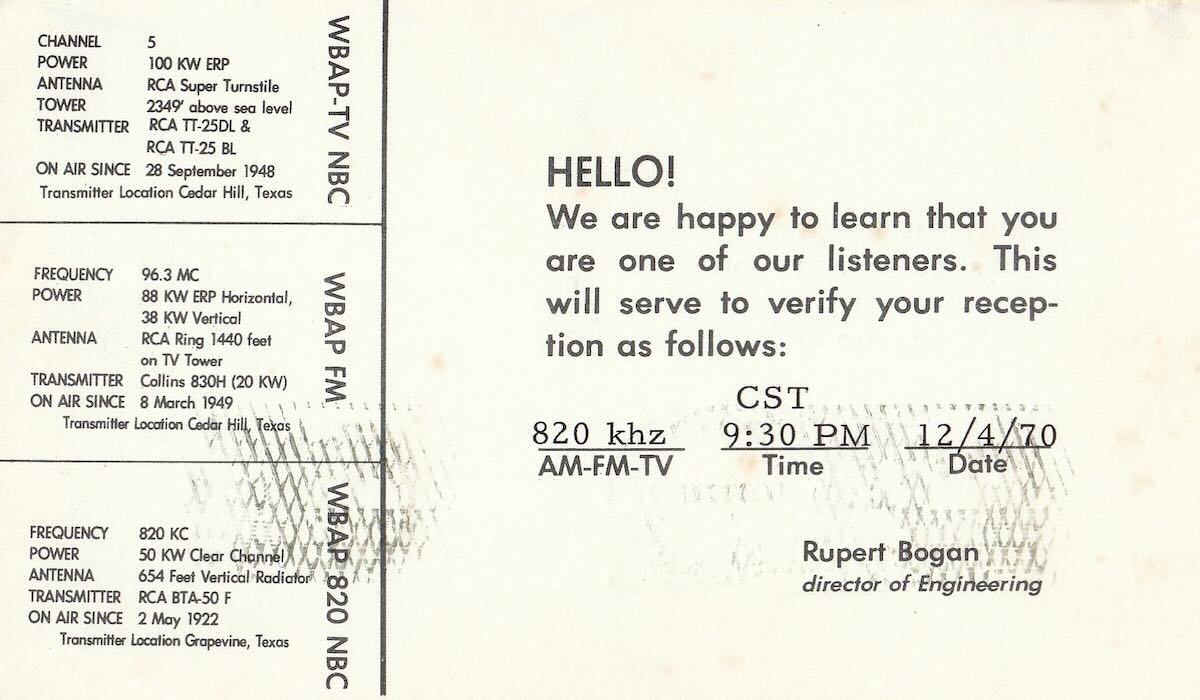
I recall listening regularly to WOWO in Fort Wayne IN on 1190 for their play by play announcements of the Fort Wayne Komets hockey games. Then there was a station identifying as WFAA in Dallas. That was back when they shared 820 kHz with WBAP whose famous cowbell you can hear in one of the audio clips below.
By the end of 1969, a friend of mine had encouraged me to try shortwave, and I “borrowed” my parents Philips kitchen radio for a few months, but that is another story. I wonder how many others got “hooked” in this manner?
A few brief recordings of clear channel stations that I made in the early 1970’s are presented here. Many, but not all, of the stations heard in the last two links are from clear channel stations. Reception for these recordings was made using a Realistic DX150A or a Hallicrafters S-52 receiver hooked up to an outdoor long wire antenna.
KFI Circa 1971:
WOAI Circa 1973
KSTP Circa 1970s:
Vintage AM Radio Airchecks 1973:
Vintage AM Radio Airchecks 1973 Part 2:
As a sidebar, the National Radio Club has put out a number of books showing the daytime/nighttime directional antenna patterns of AM broadcasting stations in the USA and Canada.
I gave up my copy from 1973 a number of years ago, but you can find this one and others online. I found this very useful.
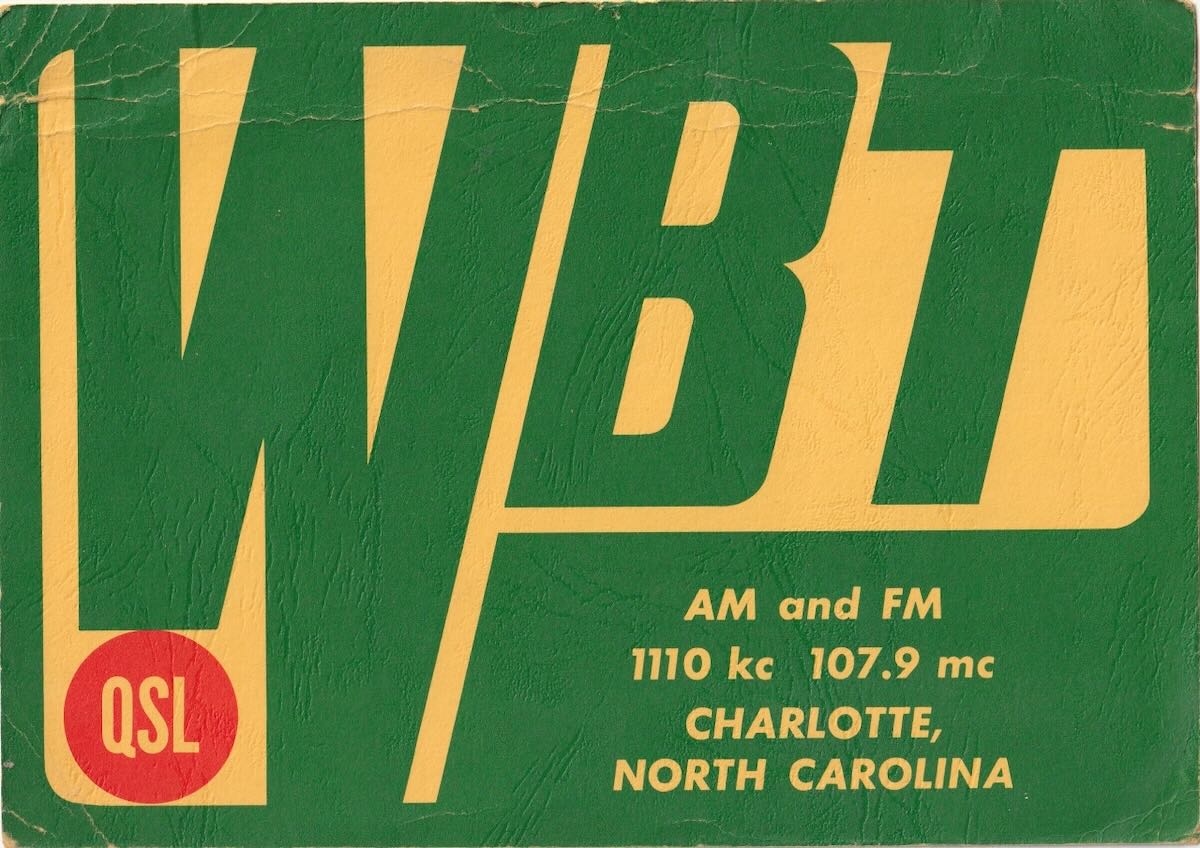
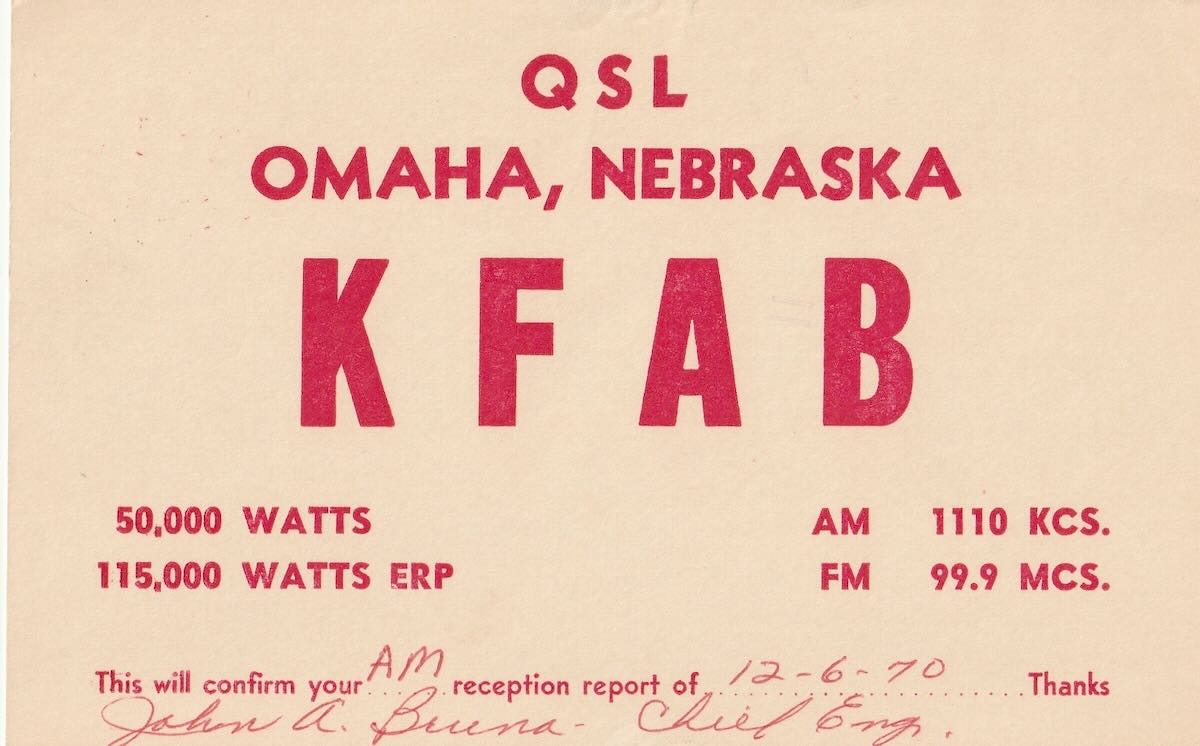
For example, it is easy to see why I was more likely to hear WBT Charlotte NC on 1110 kHz from my listening post in southern Ontario, Canada, rather than KFAB Omaha, NE.
The links below will take you to the 1973, 1975 and 2018 versions of these books.
From the early 1970’s, where sadly, some of my original logbooks went missing many years ago.
ANTEL, the Administracion Nacional de Telecommunicaciones in Montevideo, Uruguay used to use its telephone time announcement instead of a voice mirror – so they got their name ‘La Senal’ in the 1970’s. Their voice announcements in SSB mode were in Spanish and the station could be found on frequencies all over the shortwave spectrum, including 5772 kHz (CXL20), 8037 kHz (CXL21), 10770 kHz (CXL24), 11660 kHz (CXL25), 14575 kHz (CXL26), 16047.5 kHz (CXL28), and 19525 kHz (CXL33). The accompanying recording was made on January 9, 1971 on about 13550 kHz.
La Senal Uruguay Jan 9 1971 13.55:
In those days, it paid to belong to a good DX club (such as SPEEDX) or I may not have been able to identify this station at all. I was also able to get my hands on a used copy of the Klingenfuss guide to utility stations which had very detailed frequency and callsign information. Unfortunately, I let this valuable resource go a number of years ago.
And now for the mystery……
Around the same time (early 1970’s), I heard and recorded this similar styled transmission, except it was in the French language, and which remains unidentified to this day. I have no exact date/time heard or frequency information for this one.
All recordings made in Ancaster, Ontario, Canada. (40 miles SW of Toronto)
Mystery French Time Station:
Any guesses will be greatly appreciated.
73
Dan Greenall
Readers, if you can help Dan identify this recording, please comment!
Many thanks to SWLing Post contributor, Dan Greenall, who writes:
What is your longest DX (from transmitter to receiver)?
Assuming we are limiting the discussion to planet Earth, Perth, Australia would be represent one of the farthest land based locations to hear at 18145 km or 11275 miles as the crow flies from my receiving post in southern Ontario, Canada.
That would mean the ABC outlet that I received on 9610 kHz in the early 1970’s is the winner for me. Not far behind, however, would be tiny Amsterdam Island (part of the TAAF, Terres Australes et Antarctiques Francaises) in the Indian Ocean at 18031 km or 11204 miles. I was able to log marine radio FJY4 on 8690 kHz CW on a number of occasions and even managed to extract a PFC QSL direct from the station in 1973.
Of course, the longest DX may not necessarily be the best. CKZN running 300 watts on 6160 kHz from St. John’s, Newfoundland from right here in Canada was harder to hear than the ABC in Perth, Australia!
Who can top this distance? What is your longest DX? Please comment!
I was going over a few of my old cassettes today and discovered what seems to be an interval signal, but I cannot seem to place it.
Recording:
Unfortunately, all I can tell you is that it was made sometime in 1971.
I’ve done a little checking with Interval Signals Online but no luck so far. The recording is right at the end of a cassette and you can hear the tape run out abruptly, so no ID, language or frequency info is available.
[…]Any ideas about the mystery IS?
73
Readers: If you can help Dan positively identify this interval signal, please comment!
Many thanks to SWLing Post contributor, Dan Greenall, who writes:
Hi Thomas
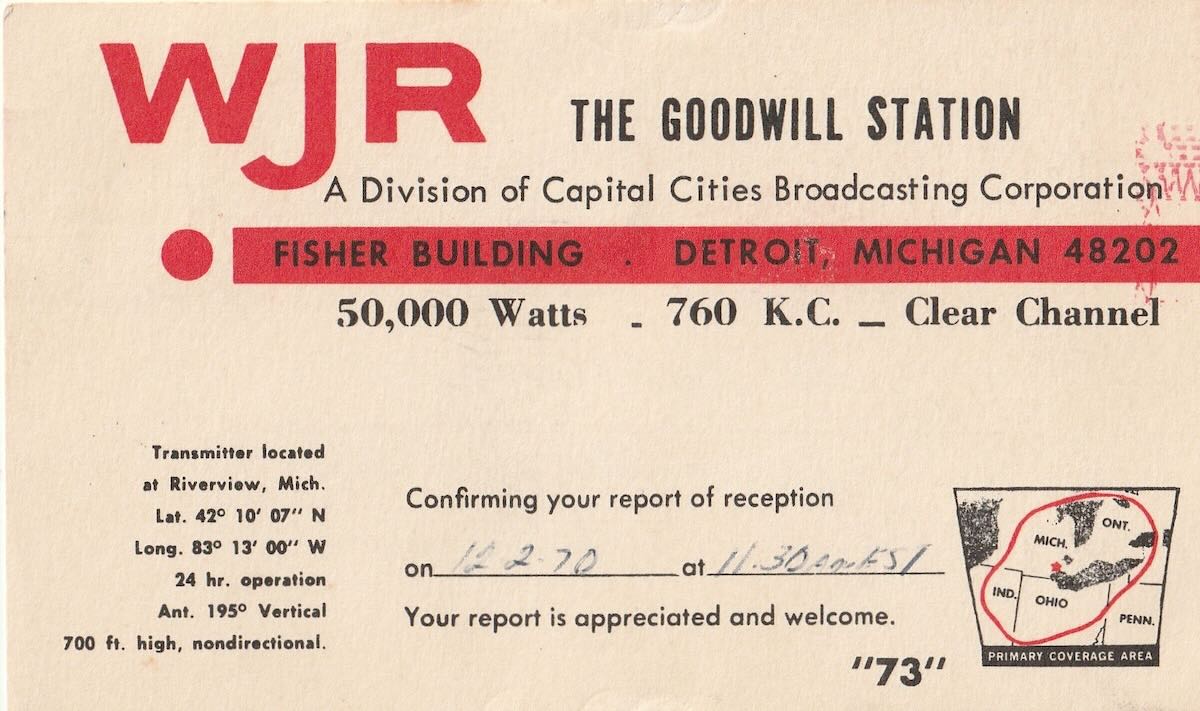
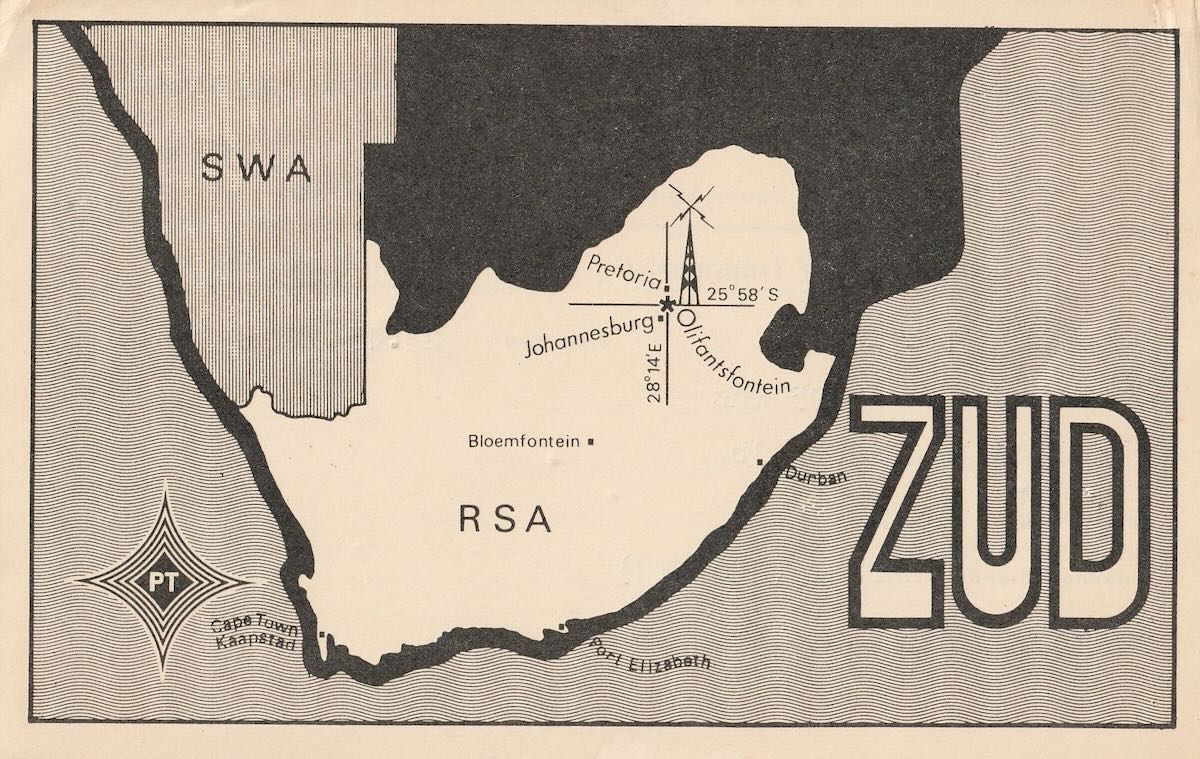
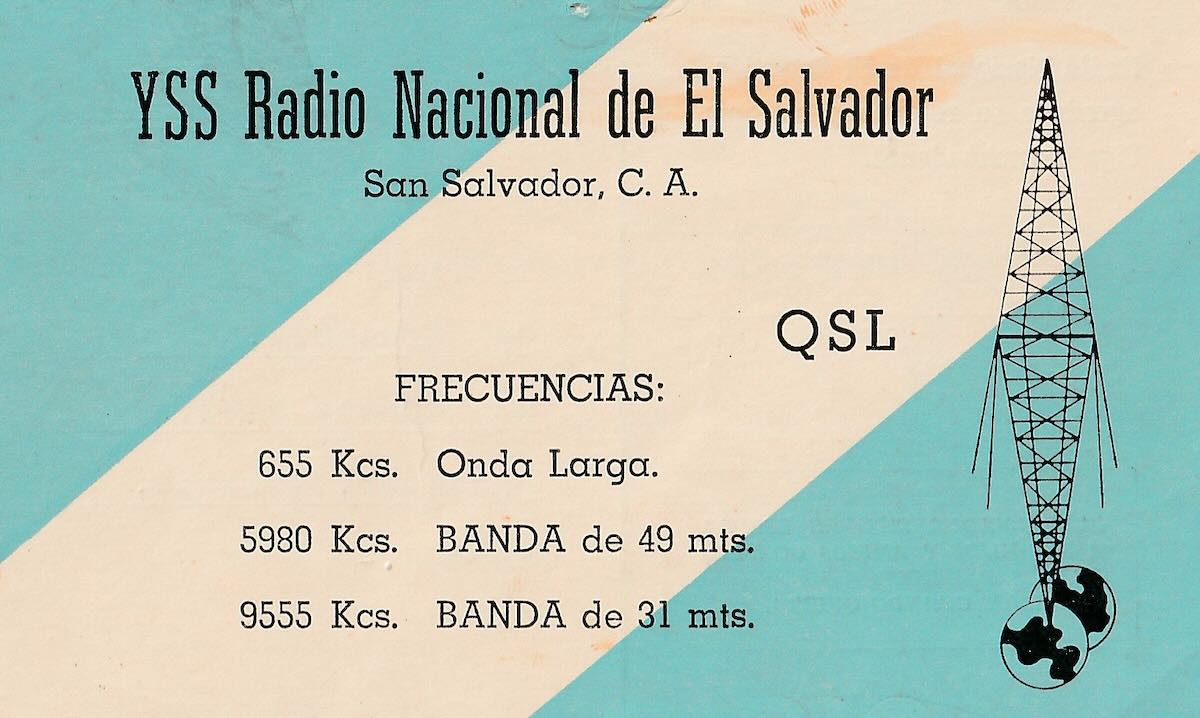
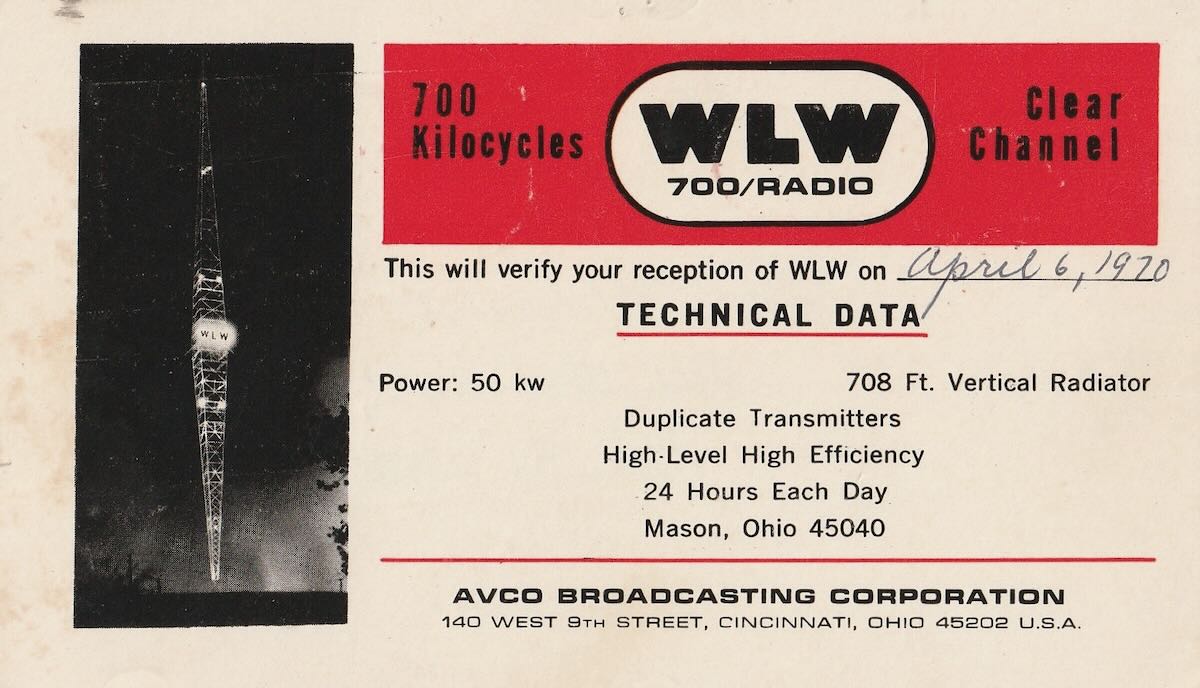
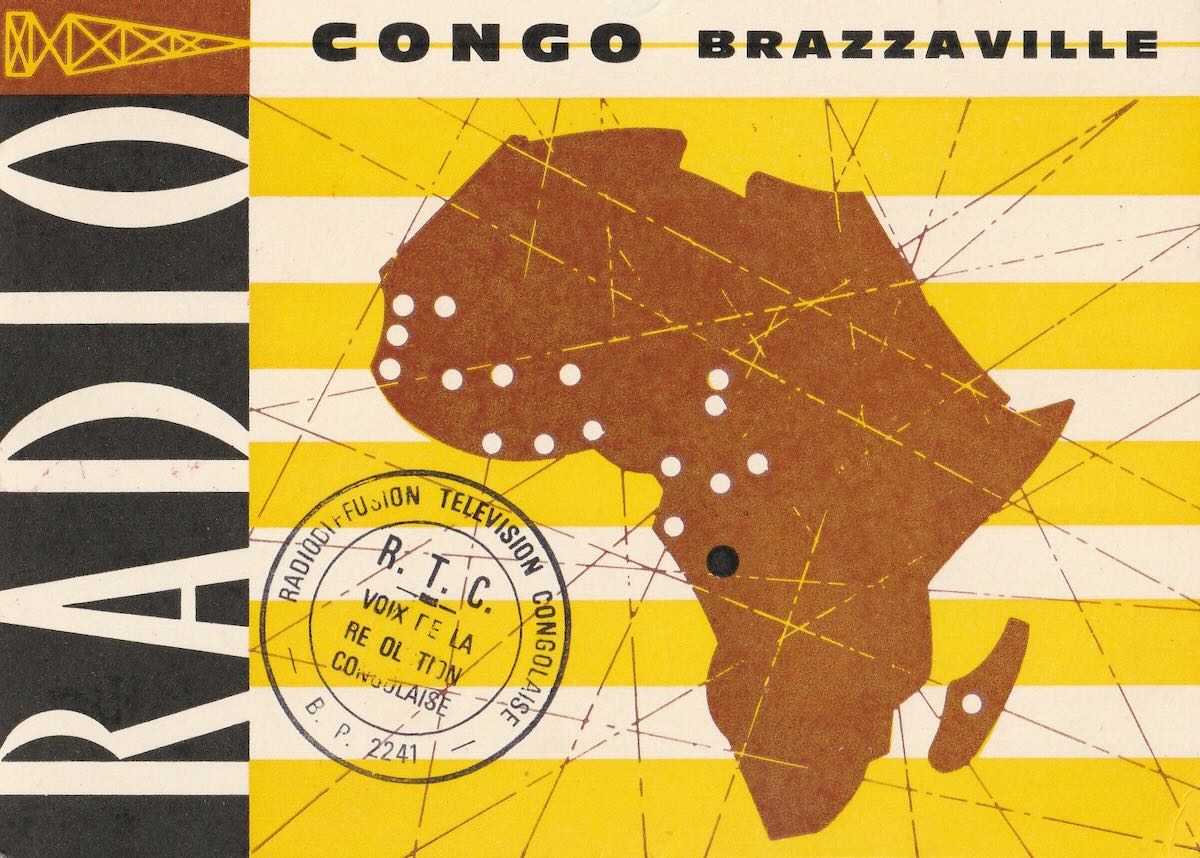
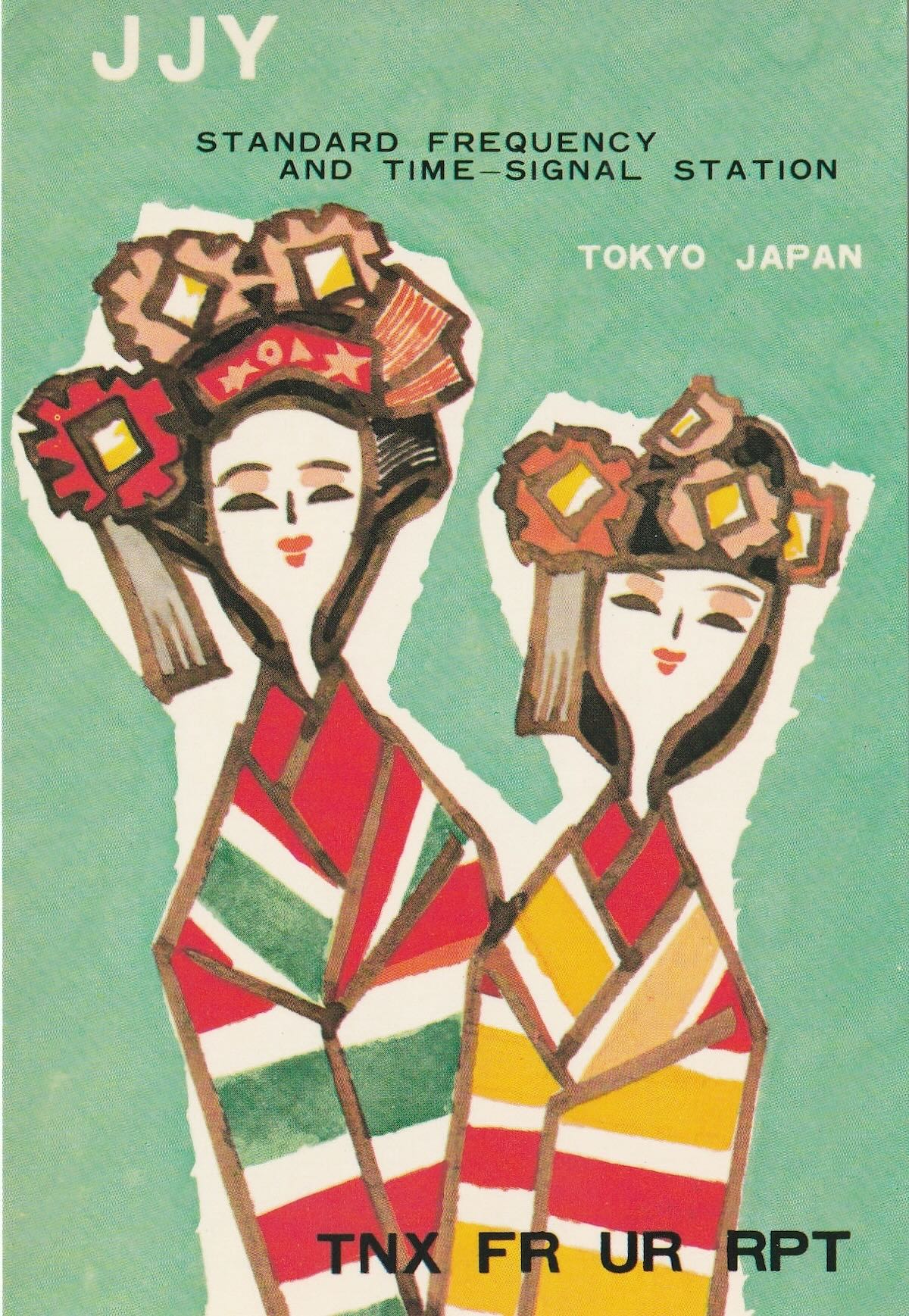
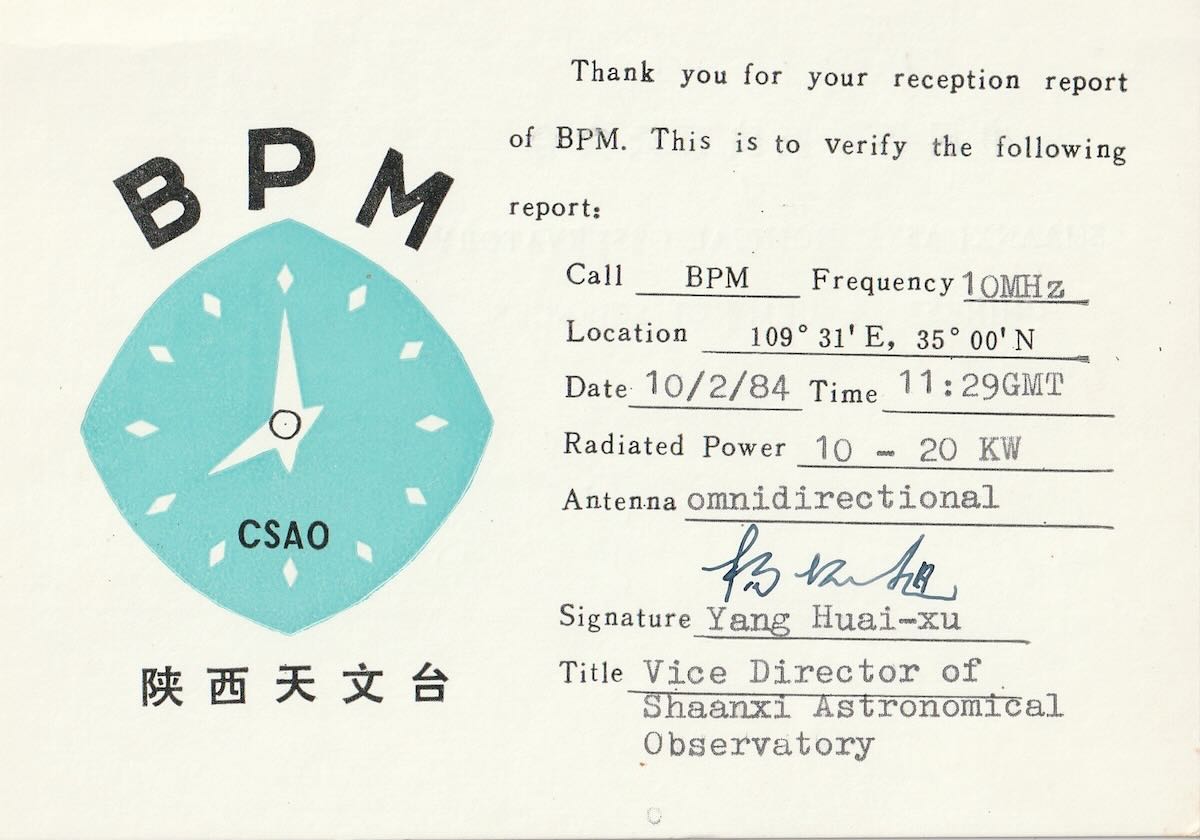
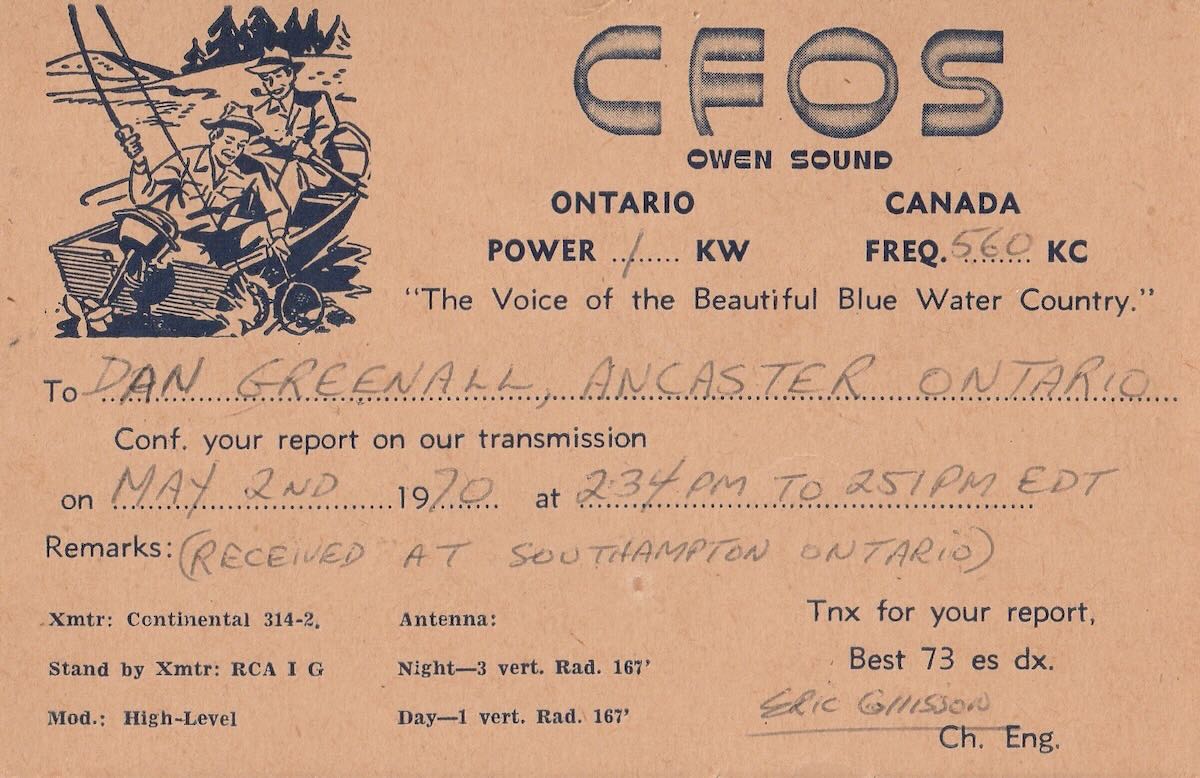
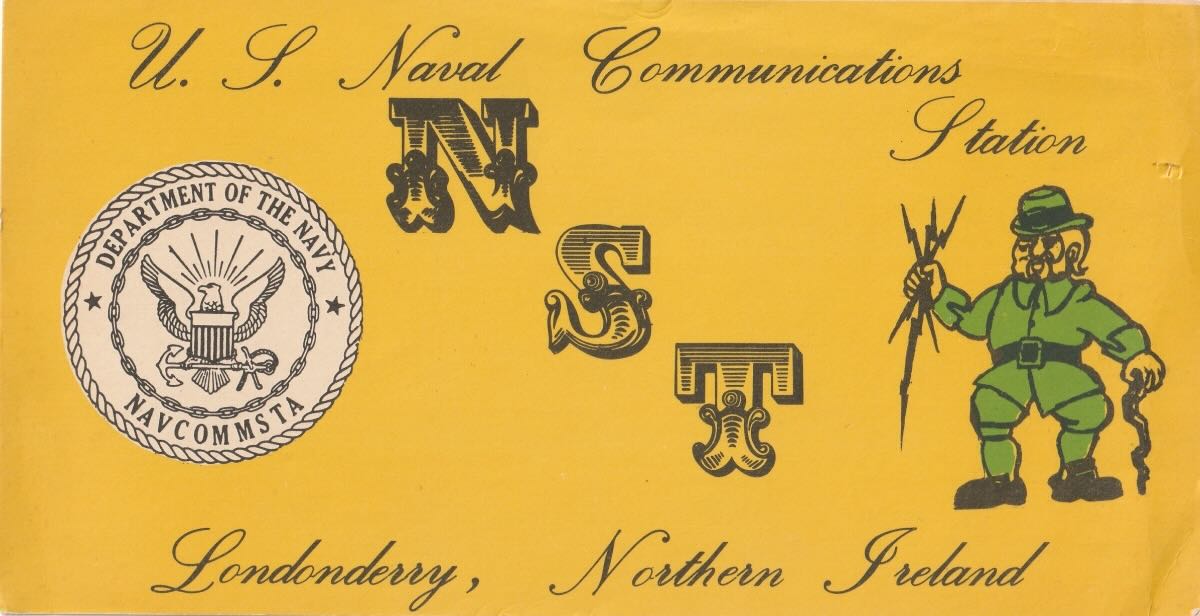
In addition to digitizing many of my old SW and BCB audio files, I have begun setting up some of my QSL galleries on the internet archive in order to help preserve radio history. I am sending along a few links that perhaps old timers and newcomers alike might find of interest.
SWBC stations (sorry, only scanned one side so far)

 Many thanks to SWLing Post contributor, Dan Greenall, who writes: