Tag Archives: Radio World

Radio World: “Radio’s Essential Role in Asia”

Many thanks to SWLing Post contributor, Marty, who shares the following article from Radio World:

STOCKHOLM — Radio is part of the lives of people around the world. In Asia this can amount to where hundreds of millions of listeners who tune in every day. Radio is a strong, inexpensive and effective medium to reach mass audiences.

Many of the challenges facing traditional radio elsewhere in the world are about to hit Asia. These include the expansion of music streaming services and ad investments being divided among other platforms such as social media. But the structure and maturity of the region’s radio industry differs a lot.

[…]Private radio is fairly new to many countries in Asia. India is one such example, where programs are mainly music-based and stations are still developing their brands and formats. Also, there is little standardization in tracking listening habits in many Asian countries and many groups tend to rely on their own figures. This leads to confusion for agencies that want to know what radio can deliver.

Public-service media is often closely monitored and controlled by government. But entertainment, music and sports offer broadcasters the potential to build strong radio brands they can further expand into social media, events and other activities. Something many are now exploring.

There are also new, more speech-based stations, such as business stations in Singapore and Kuala Lumpur. A particular strength for radio is its closeness to its audience, in many countries manifested by stations broadcasting in the various local languages. This is also true for community radio, which are vibrant and widespread in parts of Asia, especially India, Nepal and Bangladesh.

Radio plays an important role when natural disasters strike, frequently making the difference between life and death for millions of people. It’s often the only way of conveying information, be it earthquakes in Nepal, storms in the Philippines or tsunamis in Japan.

Radio´s easiness to use is an asset, but radio sets in homes are not as common as you might expect. FM radio saw a rise in listenership in India when nearly everyone had a mobile phone with built-in FM receivers. But today with new mobile phones coming into the market without FM, there is a new challenge. Will internet audio in phones lead the way to podcasting, as in the west? Or will Spotify and music streaming´s personalized offers replace traditional radio listening?[…]

Click here to continue reading the full story at Radio World.

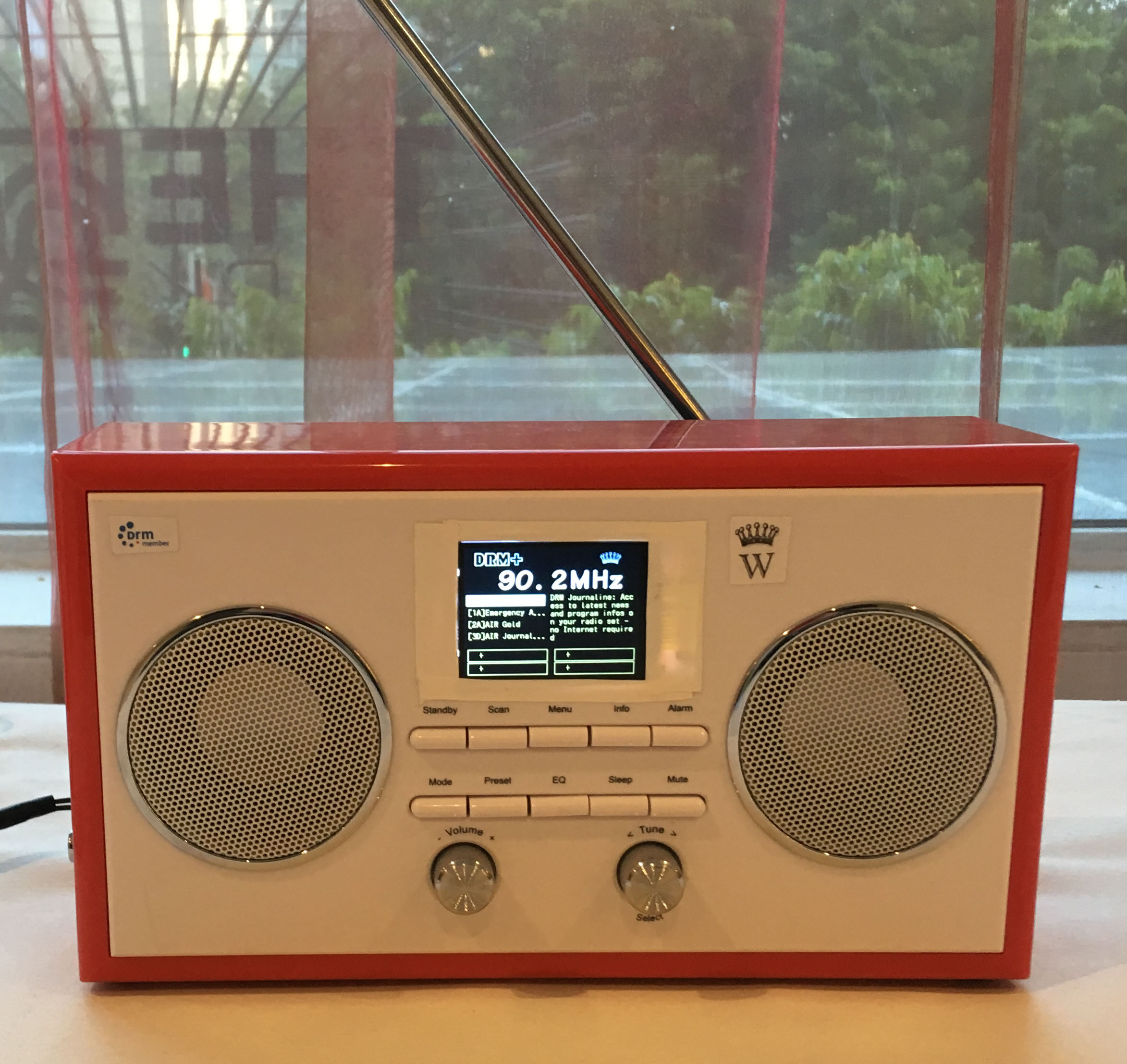
Russia to test DRM over FM

(Source: Radio World via Michael Bird)

Russia will begin testing the Digital Radio Mondiale digital radio standard in the FM Band in July in St. Petersburg.

Russian firms Digiton and Triada TV are working with Fraunhofer IIS, RFmondial, chipmaker NXP and others to carry out the pilot.

The organizers will install a DRM-capable transmitter mid-July and begin regular simulcast broadcasts (DRM for FM) immediately after site acceptance checks are complete. The transmitter will reportedly be on air for six months and have an analog transmitting power of 5 kW and a digital output power of 800 W.[…]

Click here to read the full article at Radio World.

Radio World: “Australia Still Has Shortwave Voices”

(Source: Radio World via Michael Bird)

HANS JOHNSON ? APR 23, 2019

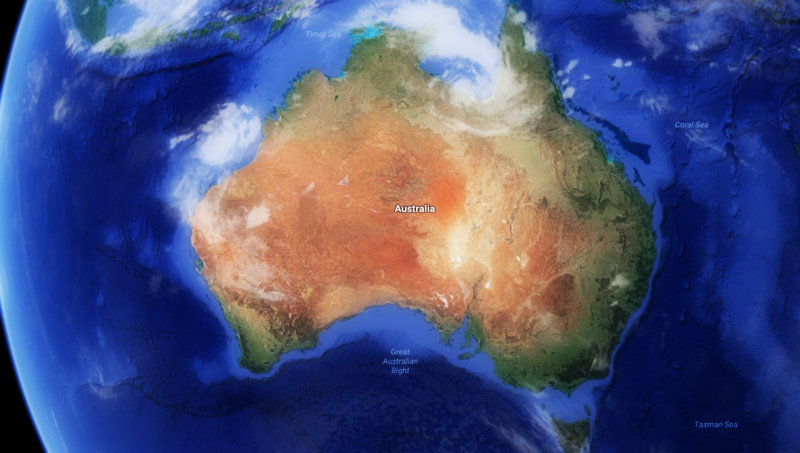
SYDNEY — Radio Australia shortwave services may be dead, but the medium is alive and well on the continent.

Reach Beyond Australia is on shortwave, but with its Christian programming largely in foreign languages, it really isn’t seen as representing Australia on the shortwaves. But there are other private Australian stations that are broadcasting and more are planned.

And while these stations are not a replacement for Radio Australia’s international transmissions or the defunct (for the moment) Australian Broadcasting Corp. domestic service, they do have various goals and share certain characteristics.[…]

4KZ is a shortwave relay of an Innisfail, Queensland, medium-wave station with the same call sign. It is part of the NQ Radio network. 4KZ plays a variety of music and is heavily involved in the community. The shortwave serves remote areas of north Queensland. “We are planning a 90-or 120-meter service for evenings local time, from station 4AM in Mareeba,” explained Al Kirton, NQ Radio’s general manager.

Unique Radio has been on three years and currently broadcasts from Gunnedah in New South Wales. Its owner, Tim Gaylor, has a background in community radio. “We like a station to inform people about alternative subject matters not currently on mainstream media,” he said. Unique Radio also plans to add a night frequency in the 90-meter band.

There are also future stations in the works from New South Wales.[…]

Click here to read the full article at Radio World.

Radio Republik Indonesia plans to purchase DRM-capable MW transmitters

(Source: Radio World via Michael Bird)

Radio Republik Indonesia has revealed that it plans to purchase four DRM-capable medium-wave transmitters. The public radio broadcaster says it intends to use the first pair to reach populated areas of the Southeast Asian archipelago, and the second pair for emergency warning in west Sumatra and West Java.

Freddy Ndolu, member of the RRI supervisory board, made the announcement during the Digital Radio Mondiale general assembly, which took place in March. RRI joined the DRM consortium in 2015.[…]

Click here to view the full article at Radio World.

Radio World: Bryan Broadcasting Asks FCC to Allow All-Digital AM

(Source: Radio World via Ulis K3LU)

A prominent advocate for the AM band is petitioning the FCC to allow stations to use all-digital transmissions in the United States.

Bryan Broadcasting Corp. on Monday filed a petition for rulemaking asking the commission to initiate a proceeding to authorize the MA3 all-digital mode of HD Radio for any AM station that chooses to do so.

Permitting such modernization would “give AM broadcasters a needed innovative tool with which to compete” without harming others in the spectrum ecosystem, it wrote.

Bryan is licensee of four AM stations, five FMs and six FM translators in Central Texas. Ben Downs is the vice president and general manager, and submitted the petition along with the company’s attorney David Oxenford of Wilkinson Barker Knauer. Downs also has served on the NAB board in the past, and he has been a vocal advocate for various regulatory steps to “revitalize” the AM band.

All HD Radio receivers in the market that have AM functionality would be able to receive such all-digital signals. But legacy AM receivers would not, which has long been a barrier to serious discussion of all-digital. Now, some observers say, the availability of FM translators for AM licensees has made something that once seemed unthinkable at least worth discussing.

There is one AM station in the country with special temporary authority to broadcast in all-digital. Hubbard’s WWFD in Frederick, Md., near the nation’s capital has been on the air since last summer. The station’s Dave Kolesar has been speaking in public about the ongoing experiment and will do so again at the upcoming NAB Show.[…]

Click here to continue reading.

Radio World: Koode Radio Aims to Reduce Conflict in Africa

(Source: Radio World via Mike Hansgen)

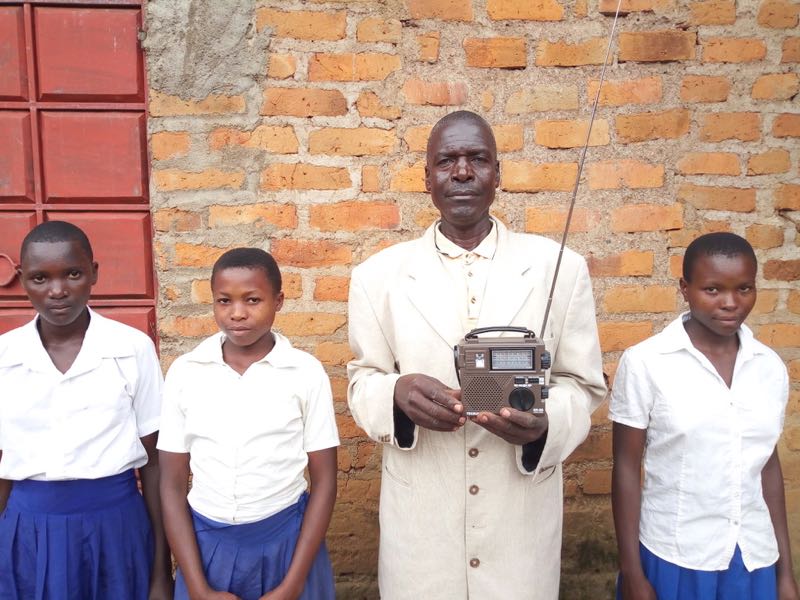
ABUJA, Nigeria — Koode Radio International, a new shortwave program with considerable goals, has begun broadcasting to much of Western Africa.

With programs in the Fulani (or Fula) language, KRI aims to “educate, enlighten and entertain” its listeners, the Fulbe people. This predominantly Muslim, nomadic herder and farmer group is spread across Africa from Senegal in the west to Lake Chad in the east. Dialects of the language are spoken in some 20 countries and the station chose the name “Koode” because it means “star” in all of the dialects.

Usman Shehu in the KRI studio in Abuja. Photos courtesy of KRI.
While some Fulbe are able to communicate via the likes of WhatsApp and Facebook, others cannot. Because a number of Fulbe are herders, they are not only beyond the range of the internet, but beyond the range of electricity.[…]

Click here to read the full article t Radio World online.

Chairman of DRM Consortium looks at the current state of shortwave

(Source: Radio World via Maichael Black)

Note that the excerpt below is only a portion of the full article. Read the full piece at Radio World.

Does Shortwave Have a Future?

by RUXANDRA OBREJA

When is the last time you heard a shortwave radio transmission? And why should you put up with possible crackly audio and some interference when we have now internet, satellites, FM and all forms of digital radio?

[…]Shortwave is just short of a miracle, actually. When it is beamed at an angle, it hits the ionosphere. A mirror around the Earth and then it falls like a ball at great distances, beyond the horizon. Thus these transmissions reach listeners over large areas, continents and beyond. Two or three high-power transmitters can potentially cover the entire world.

Shortwave is used not just by international radio stations or radio amateurs but is also essential for aviation, marine, diplomatic and emergency purposes. Shortwave signals are not restricted or controlled by the receiving countries and, as frequencies change in winter and summer, they need to be coordinated internationally.

[…]Digital Radio Mondiale was originally invented to offer medium (AM) and large coverage (HF) and the advantages of the good audio quality and extra multimedia services that can take shortwave into the 21st century. Maybe DRM was ahead of its time. The phasing in of digital broadcasts internationally was not in tandem with the production and sale of receivers, which remains a regional and national business. Since its birth DRM has proven that it is a suitable option for shortwave offering an good digital quality of audio and even short live video at great distance without fading and crackly sound.

Now, at last, there are DRM receivers capable of receiving shortwave, there are broadcasts and interested broadcasters. Quietly and surely shortwave is being re-examined and appreciated for the quality of broadcasts and its potential as a “crisis radio” too. It can become crucial in emergencies when local and regional radio stations, satellite and internet may be off the air due to damage. Broadband is getting cheaper but is limited, 5G will come but not just yet, digital shortwave is here.[…]

Click here to read the full article at Radio World.