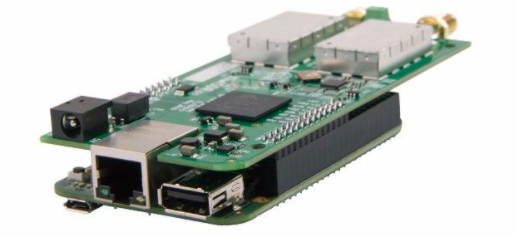
Many thanks to SWLing Post contributor, Richard Langley, who notes that the KiwiSDR kit is now in stock and shipping again directly from Seed Studio. Click here for the order/product page.
Thanks for the tip, Richard!

Many thanks to SWLing Post contributor, Richard Langley, who notes that the KiwiSDR kit is now in stock and shipping again directly from Seed Studio. Click here for the order/product page.
Thanks for the tip, Richard!
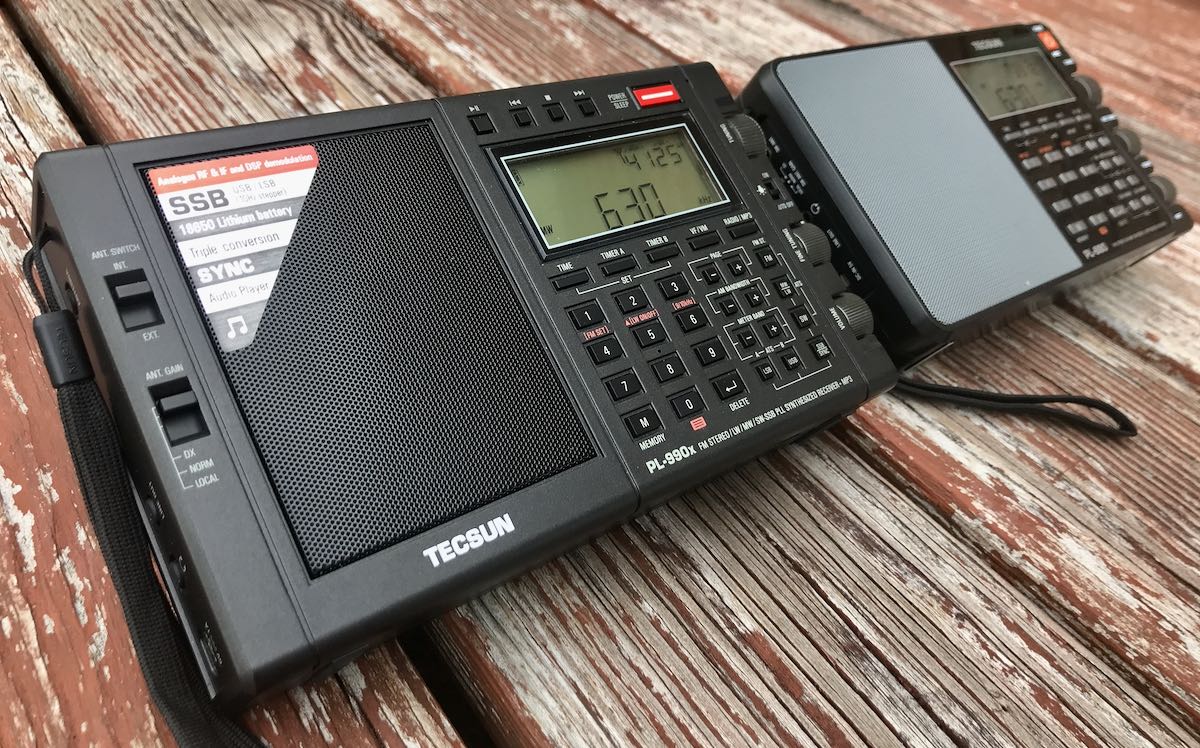 Many of you have been asking about the new Tecsun PL-990, especially as compared with the venerable PL-880. If you haven’t checked out Dan Robinson’s post yet, I highly recommend you do so. His long-format video will also give you a good indication of how both radios compare. Also check out George’s review of the PL-990.
I’ve been incredibly busy here at SWLing Post HQ because a number of new products have all arrived at once–most were held up due to supply chain and logistics issues due to Covid-19.
In the background, I’ve been spending some dedicated time with the new PL-990x and comparing it with the PL-880. I’m writing a review of the PL-990 that will appear in the 2021 issue of the World Radio and TV Handbook.
Here are a few of my “field notes” I’ve gathered along the way. Most of these confirm what Dan and I have already stated about the PL-990x, but the notes below address the most common questions I’ve been asked by readers,
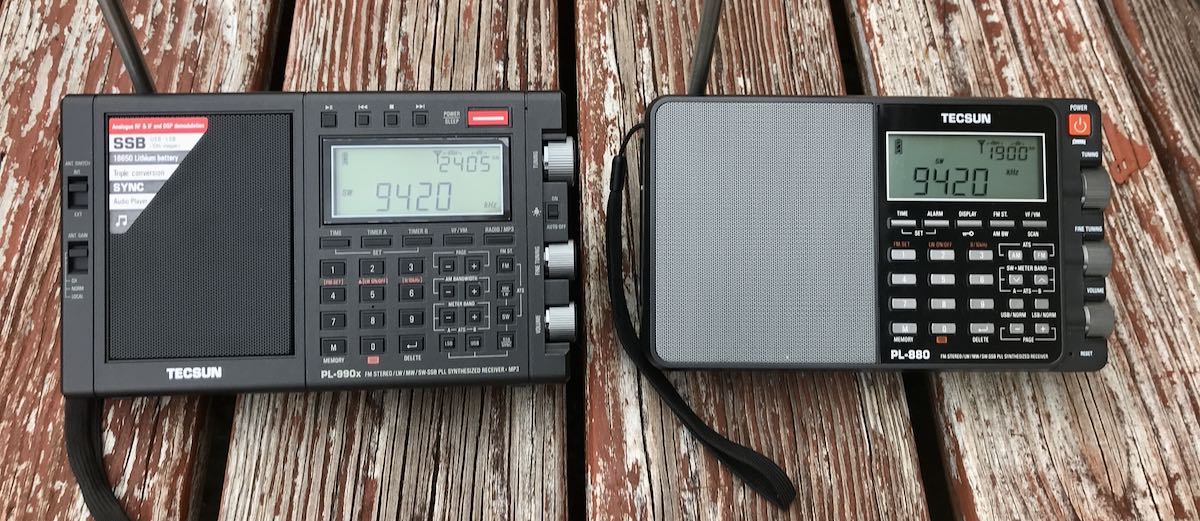
As Dan and I have both noted, the PL-880 still has a slight edge on the PL-990 in terms of sensitivity. It’s not a drastic difference in performance, but it is noticeable when comparing the radios in a noise-free location (in the field).
The PL-990 has a proper synchronous detection mode with sideband selection. Unlike the PL-880’s “hidden feature” sync detector, the PL-990 sync detector is quite functional. It does indeed help with selective fading and has an adjustable bandwidth that, in combination with sideband selection, helps mitigate noises or adjacent signals in one half of the carrier. With that said, I don’t feel the sync lock is as stable as, say, that of the PL-660 or PL-680. I do hear a muted heterodyne “wobble” when tuned to weak stations or during times of deep fading (as we are currently experiencing).
I’ve yet to spend a meaningful amount of time comparing both radios with external antennas connected.
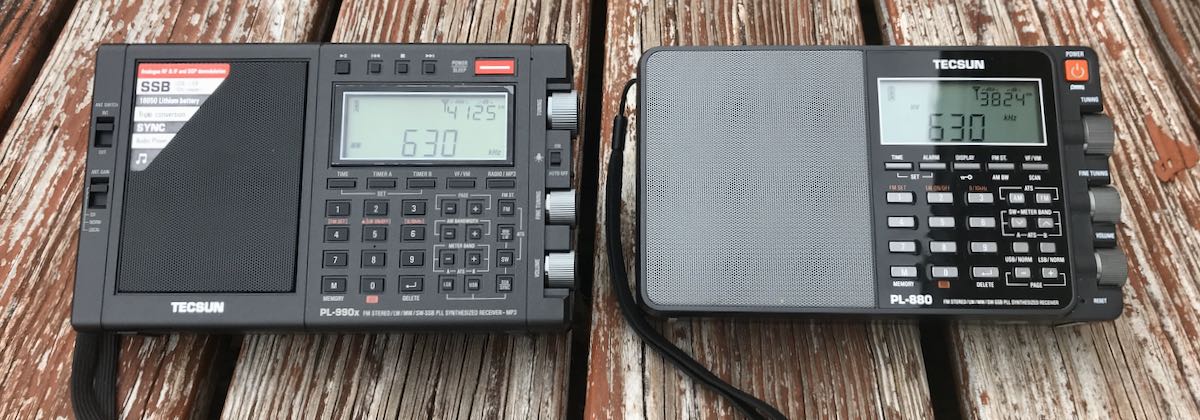 I’ve been testing this pre-production PL-990x for a couple weeks already and I do believe it has a slight edge on the PL-880 in terms of mediumwave sensitivity. Not a drastic difference–much like the difference between the two radio on shortwave, but the PL-990x seems to have the upper hand.
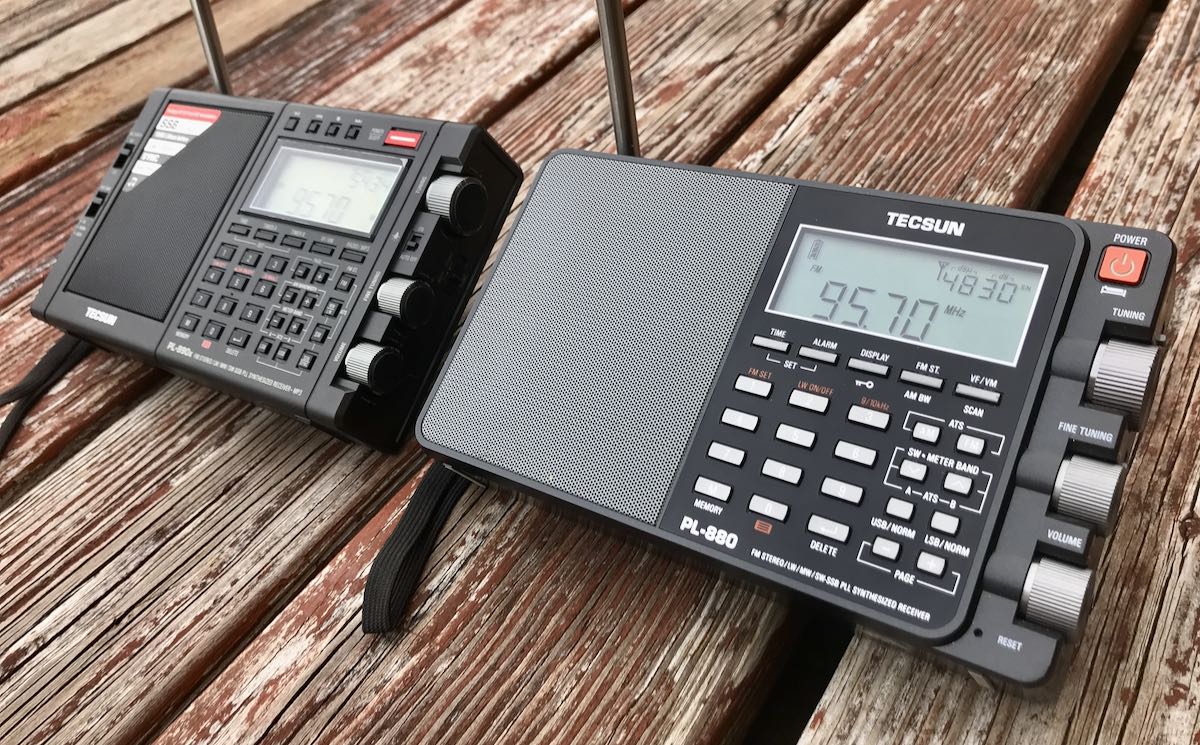 Both radios have superb FM reception. I feel like they’re very comparable.
But since the PL-880 has a slightly better built-in speaker, it really can take advantage of FM radio audio fidelity when listening to music, for example. This is not to say that the PL-990 has crappy audio–far from the truth. Indeed, I was impressed with the audio when I first put the PL-990 on the air. You only notice the PL-880’s superior audio while doing side-by-side comparisons. Is it enough to sway my purchase decision? No, not really. For AM and shortwave–which is where I spend most of my time–the PL-990 audio is robust.
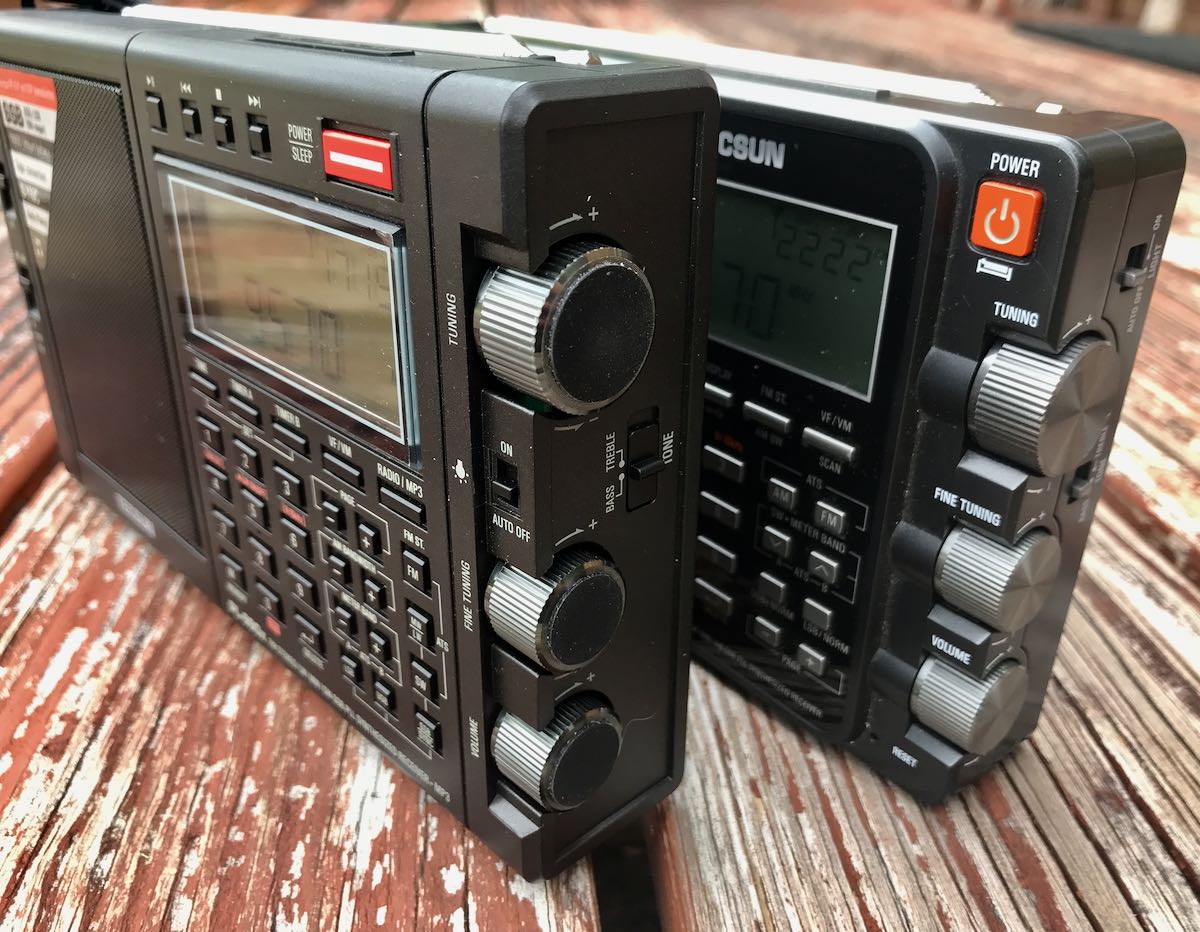 A number of PL-880 owners have been asking if it’s worth upgrading to the PL-990. I’m pretty sure Dan and I–both being primarily shortwave enthusiasts–would agree that it’s not worth upgrading to the PL-990 at this point. I would wait to see how the upcoming, much larger, H-501 performs.
I’ve also been asked by readers what I like about the PL-990 in comparison with the PL-880. Here’s a list from my notes:
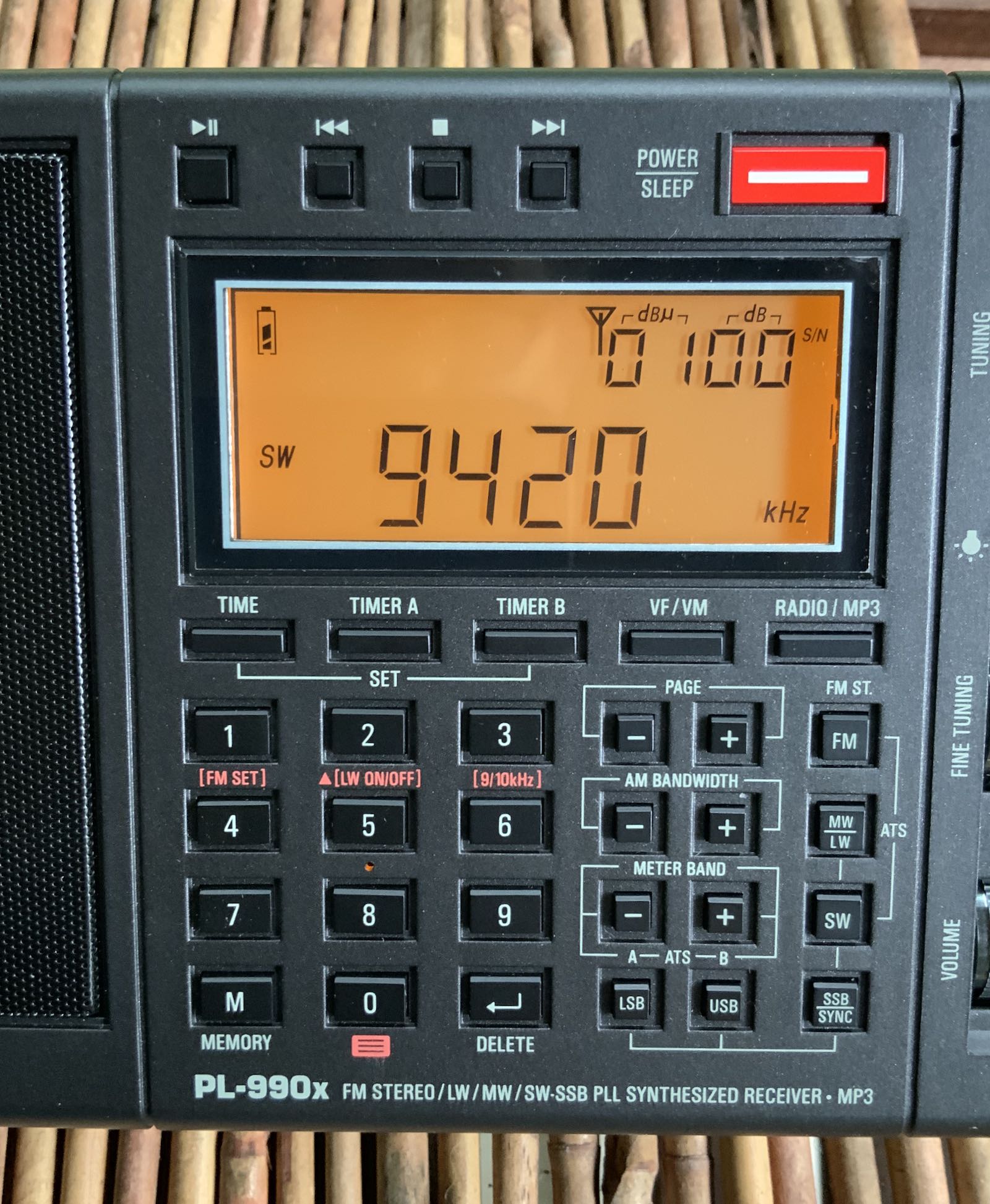
I prefer the ergonomics and front panel layout of the PL-990. The PL-880 is fine, but the PL-990 is better in my opinion.
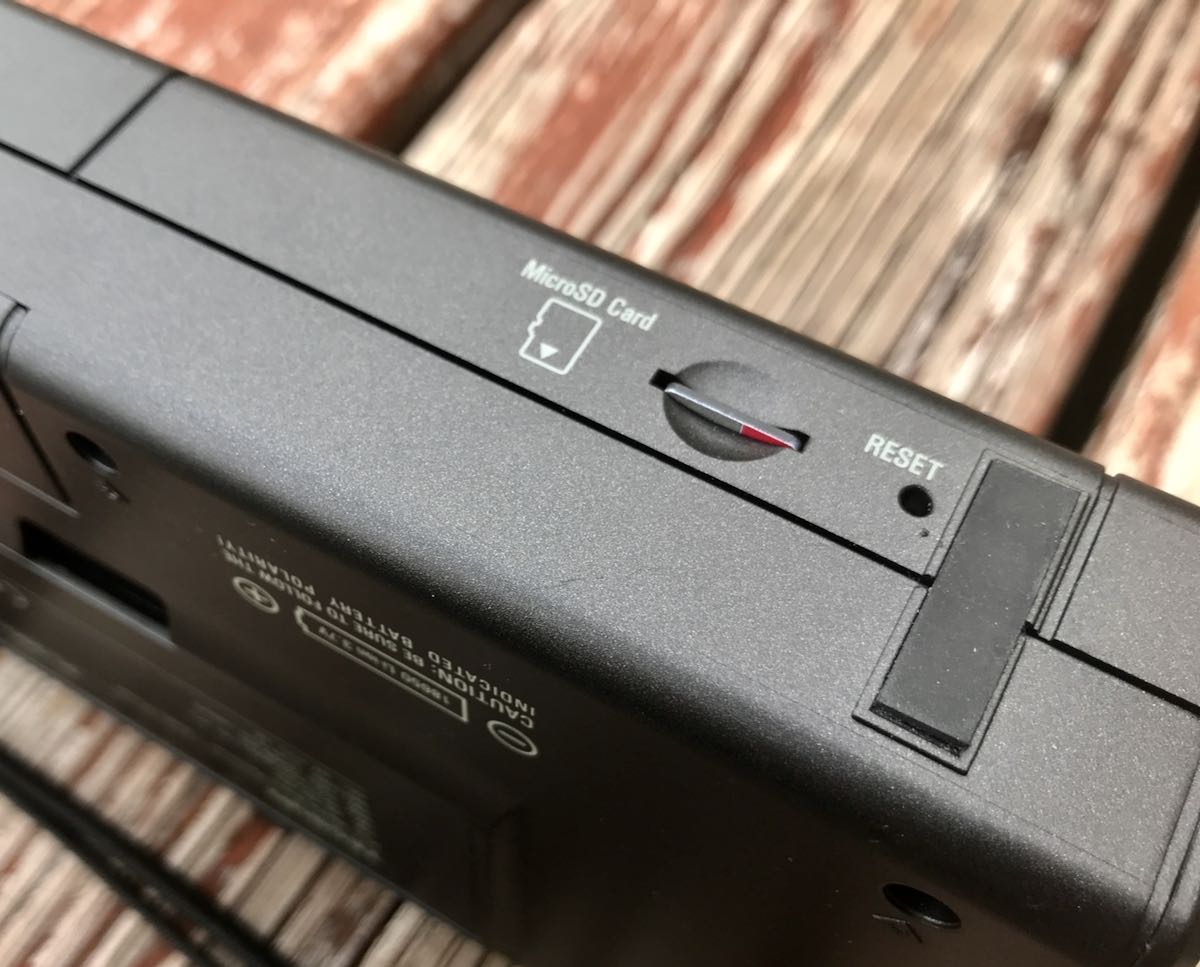
The MicroSD card is found on the bottom of the radio.
While I really wished the PL-990 had a recording feature, I do appreciate the new digital audio player with removable MicroSD storage. It’s a simple process to load music, audiobooks, or podcasts on the PL-990. This is especially a bonus for me while I travel because I can also load recordings of ambient noises (from myNoise) to help with sleep in, say, a noisy hotel. (But golly I wish it could record as well!)
Why it’s a “hidden feature” I’m not sure, but I appreciate the fact that the PL-990 can also double as a capable Bluetooth speaker.
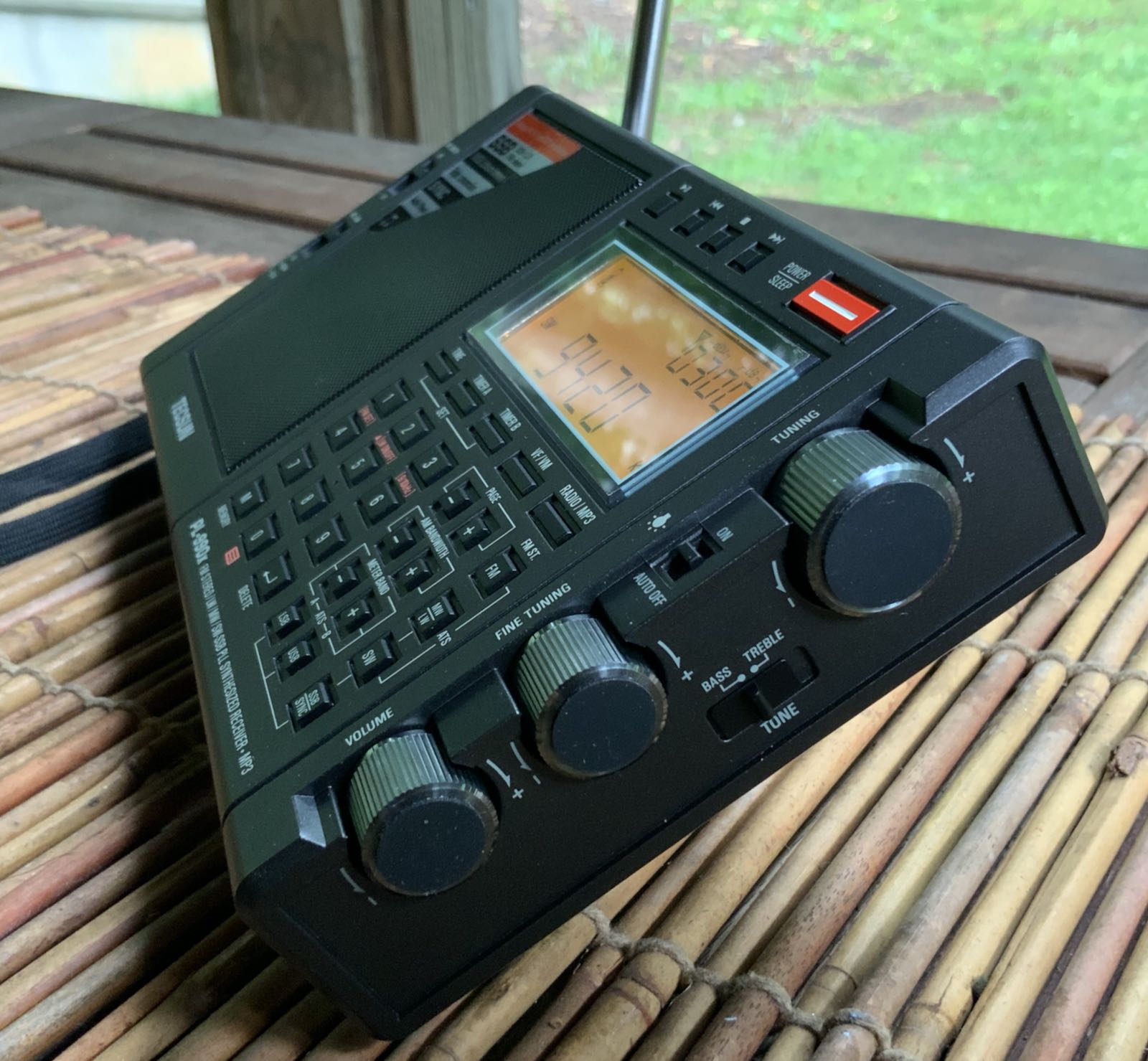
In the end, the PL-990 is not a game-changer in the Tecsun product line: it’s an incremental upgrade in terms of features.
If you own the PL-880 and are primarily an SWL, there’s no need to grab a PL-990 just yet. Wait for the H-501. If you’re considering either the PL-990 or PL-880 and prefer slightly better mediumwave performance, digital audio playback, and Bluetooth functionality, grab a PL-990.
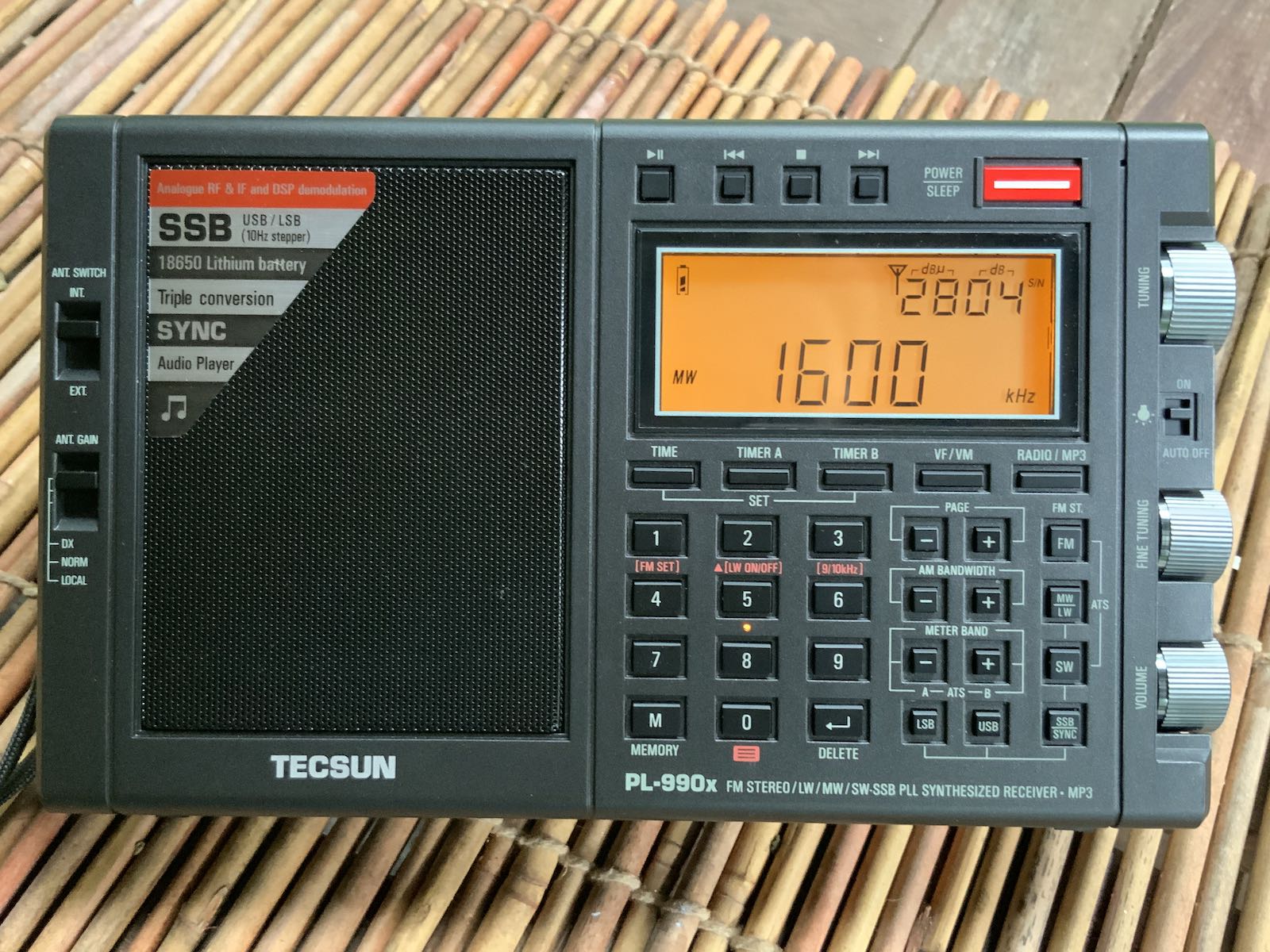
Tecsun Radio Australia has just received their first batch of PL-990 inventory and are immediately available for $550 AUD.
Nevada Radio plans to receive their first batch of the PL-990 in the UK next week and have a pre-order price of £259.95.
Anon-Co has not yet posted pricing or availability of the PL-990x, but I expect they will soon.
Tecsun Radio Australia has kindly offered to send me one of their production PL-990 units to compare with the pre-production PL-990x. I’m very grateful to them for doing this as it will be interesting to see if there are any differences between the two models. Of course, I’ll report my findings in the 2021 WRTH review and notes here on the SWLing Post. The production PL-990 is already en route to SWLing Post HQ via DHL.
Please consider supporting us via Patreon or our Coffee Fund!
Your support makes articles like this one possible. Thank you!

Both the Radio Amateurs of Canada (RAC) and Radio Society of Great Britain (RSGB) will hold their 2020 annual conferences online and open to the public.
Check out press releases for both evens below:
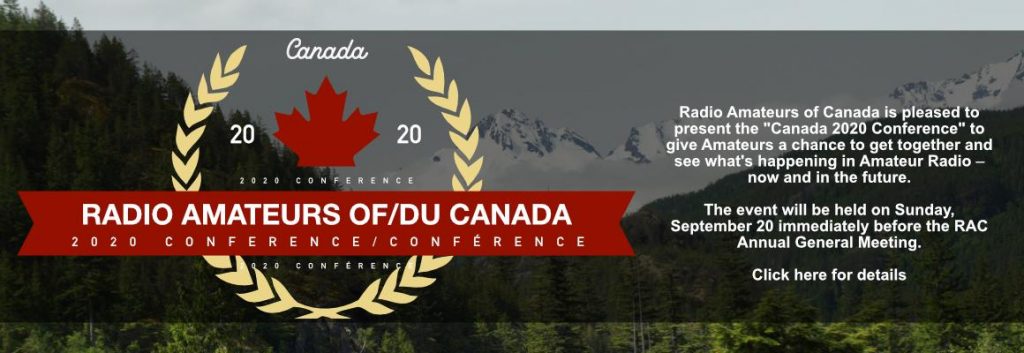
Radio Amateurs of Canada is pleased to welcome all Amateurs to the RAC Canada 2020 Conference which will be held on Sunday, September 20 before the RAC Annual General Meeting.
There is no registration fee for this event and registration is now underway.
Canada 2020 Conference Overview:
The RAC Canada 2020 Conference is an interactive mini-conference that will feature interesting presentations on a wide range of topics as shown below. Whether you are a new Amateur or have been enjoying Amateur Radio for many years there will be something of interest for you to discover.
Given the great response we have received, we have now decided to extend the schedule to include a keynote presentation followed by three sessions.
Each session will have multiple presentations so that participants can choose those presentations that are of most interest to them. In addition, all sessions will be recorded for viewing later so you won’t miss out if two of your favourites take place at the same time.
The Annual General Meeting will then begin after the Conference at 4 pm ET.
Conference Presentations and Schedule:
The following is a list of presentations and the schedule of events.
Keynote Presentation: 12 noon to 12:50 pm ET
“A Fireside Chat”: “Amateur Radio during the Global Pandemic and other topics”
An informal discussion featuring the following distinguished guests:
In these unprecedented times, this is an excellent – and possibly historic opportunity – to engage in a discussion on the challenges we face today and the future of Amateur Radio.
First session: 1 pm to 1:50 pm ET
Second session: 2 pm to 12:50 pm ET
Third session: 3 pm to 3:50 pm ET
Instructions for Presentations:
Our volunteers are now hard at work preparing the instructions for all of the presenters and we will be sending them to you in the coming days. We thank you for your patience.
Please stay tuned to the RAC Canada 2020 Conference webpage for more information. We hope to see you at the event!
Jason Tremblay, VE3JXT
Conference Organizer
RAC Community Services Officer
[email protected]
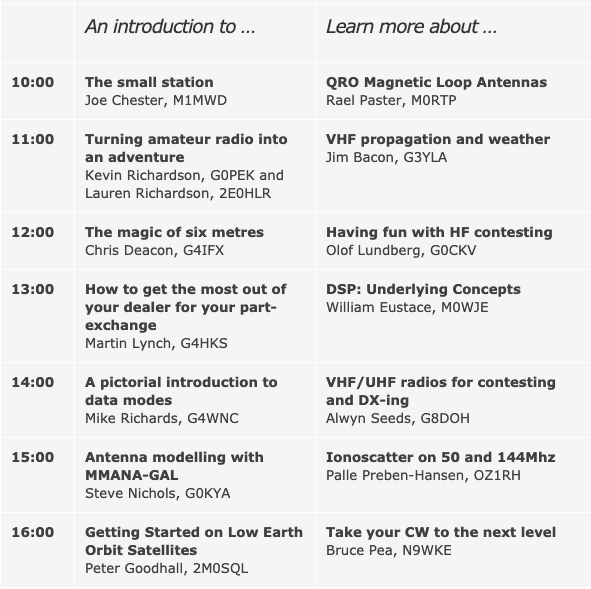
 In response to the UK’s continuing social distancing regulations, the RSGB Convention Committee has changed the arrangements for this year’s event and is holding an online Convention on Saturday, 10 October 2020
The programme will be split into two streams and whether you’re a new licensee or have been enjoying amateur radio for many years there will be a range of topics from expert speakers that you can enjoy free throughout the day.

The RSGB Construction Competition will again be sponsored by Martin Lynch & Sons.
Find out more, including how to enter, on the Construction Competition web page.
The RSGB Convention is proudly sponsored by Martin Lynch & Sons
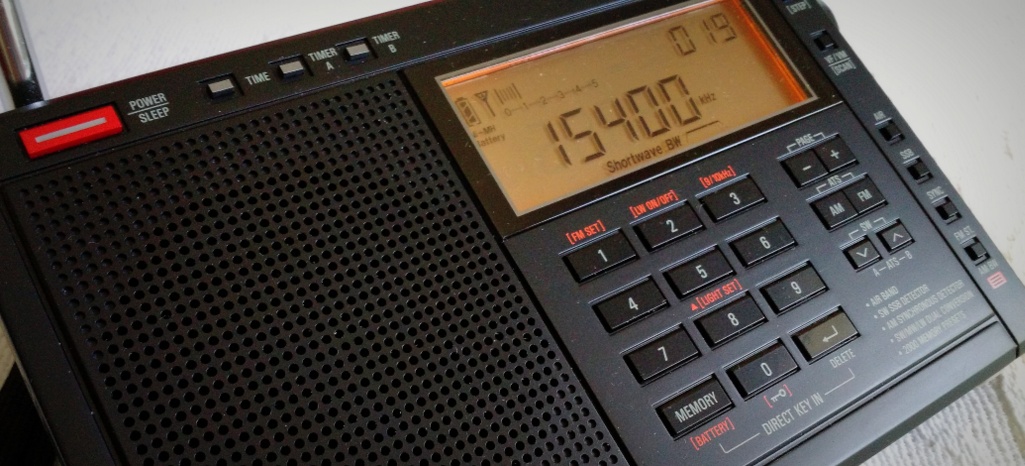 This morning, I received a question from Andrew, an SWLing Post reader in the UK. Andrew writes:
May I ask a question please? I am very much a newbie to this. I am not really interested in FM, but I would like to listen to international stations on SW, utilities stations, amateur broadcasts and if possible, local airports, aircraft on air band.
I have just purchased a Tecsun PL-680 and have tried it inside my home with the telescopic and wire aerial that came with it, plugged into the antenna port and clipped to a point near the ceiling. All inside the house and the wire aerial did improve the reception, but I get hardly and channels either during the day or night.
Grateful for your detailed advice on what I need to do exactly to improve the number of stations I can receive.
Kind regards
Andrew
Thank you for your question, Andrew, and I hope you don’t mind that I share it here on the SWLing Post as I receive this question so frequently from new shortwave radio enthusiasts.
Of course, a number of things could be affecting your shortwave radio reception and there is, of course, the possibility the receiver is faulty–however, this is very unlikely. Let’s talk about what is most likely the culprit:
RFI is quite often the elephant in the listening room. It’s not always immediately obvious–especially if you’re new to shortwave listening.
RFI (also known as QRM) is radio noise that is created locally and often concentrated in our homes and neighborhoods. RFI deafens our shortwave radios by overwhelming the receiver with strong spurious signals. Even if you can’t hear the noise, it could still be overwhelming your receiver from a different portion of the band.
RFI can emanate from most any modern electronic or digital device in your home: televisions, power supplies, dimmer switches, smart appliances, and even computer hard drives. Honestly, most any device could be the culprit.
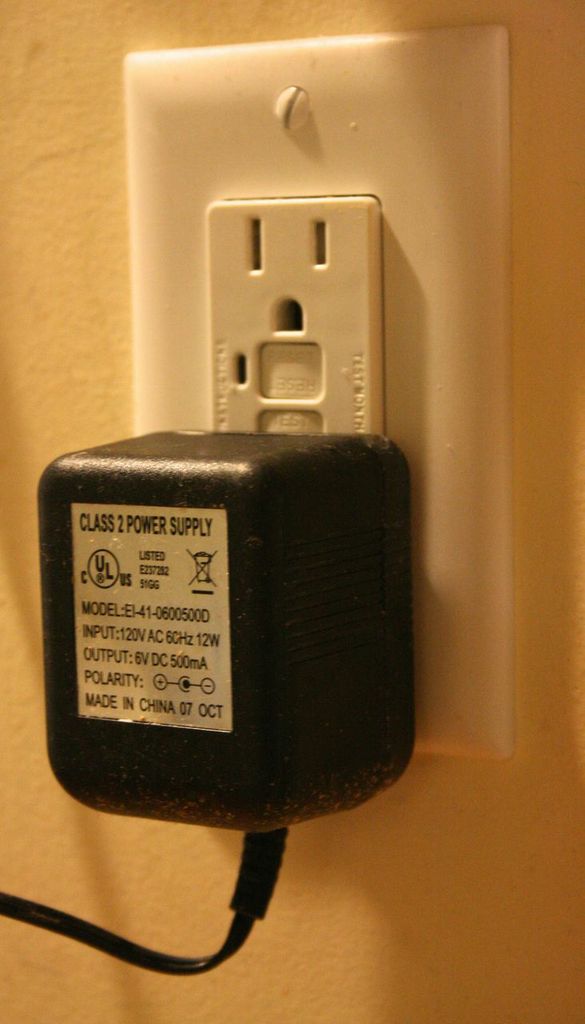
These “Wall Wart” type adapters can create a lot of RFI
RFI can also be caused by power line noises outdoors which have a much larger noise footprint and typically require intervention from your local utilities company/municipality.
In all likelihood, though, it’s a noise inside your home.
There’s a quick way to determine if RFI is the culprit:
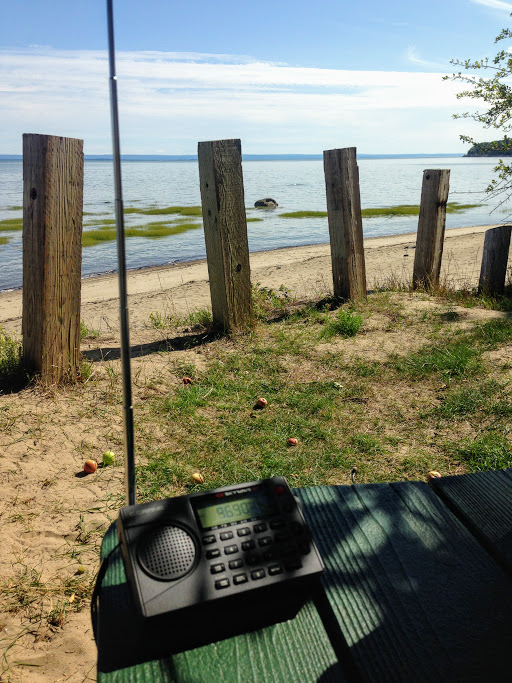 Depending on where you live, this might only require walking with your radio to the far end of your garden/yard, or it might require hopping in your car and visiting a local park. The idea is to find a spot far removed from houses and buildings, outdoor lighting, and even power lines if possible.
Once you find a listening spot, turn on your portable and tune through some of the popular shortwave radio bands.
If in the late afternoon or evening, I like tuning through either the 31 meter band (9,400–9,900 kHz), 41 meter band (7,200–7,450 kHz) and, if late evening, the 49 meter band (5,900–6,200 kHz). Jot down the frequencies where you hear stations and perhaps even make notes about the signal strength. Then go back home and see if you can receive as many stations. Shortwave stations change frequencies often, but if you listen from home at the same time the following evening, the radio landscape should be similar.
My guess is that you’ll hear many more stations in the field than you can from within your home.
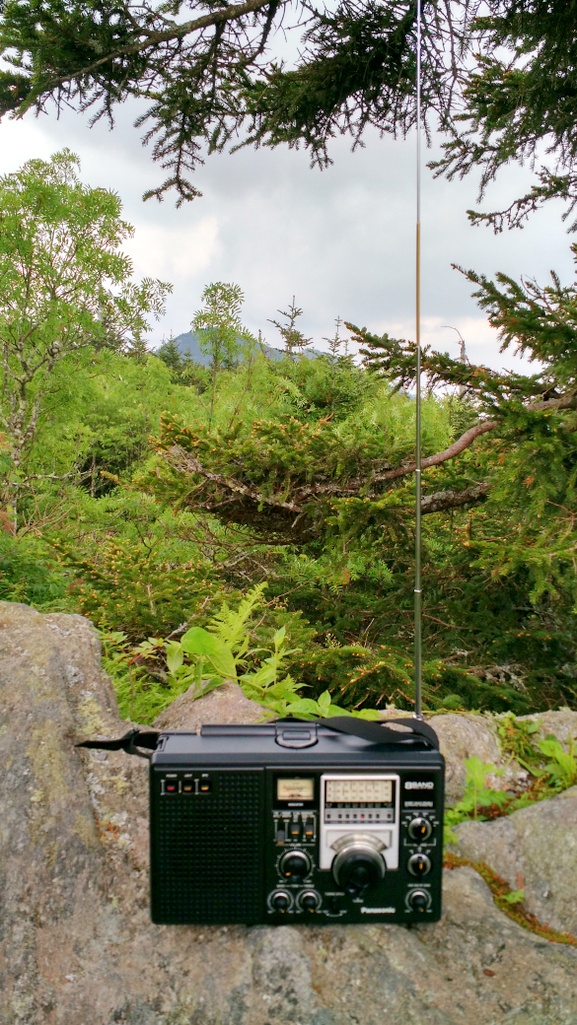
Sadly, RFI is just a fact of life in this century. It’s very hard to escape, especially for those of us living in dense urban areas. This is one of the reasons I’m such a big fan of taking radios to the field.
There are things you can do to improve reception and I would encourage you to read through this post from our archives (the first two points in the article directly address RFI). Do your best to track down sources of noise and eliminate them.
If you find that, even in the field, your shortwave receiver can’t receive stations with the antenna fully extended, then it may indeed be an issue with the radio itself and you might need to send it back to the manufacturer or retailer if it’s within the return window.
Post readers: If you have other suggestions, feel free to comment!
Please consider supporting us via Patreon or our Coffee Fund!
Your support makes articles like this one possible. Thank you!
 Many thanks to SWLing Post contributor, Harald (DL1AX) who shares the following (translated) announcement from the RAE Buenos Aires, German Service:
Dear friend,
On Saturday, September 19th LRA36 Radio Nacional Arcángel San Gabriel will broadcast from the Antarctic station Esperanza in Spanish, German and English.
The transmission takes place at 15.476 kHz in USB mode.
- From 15:00 to 19:00 UTC in Spanish
- From 19:00 to 19:30 UTC in German (1)
- From 19:30 to 20:00 UTC in Spanish
- From 20:00 to 2030 UTC in German (2)
- From 20:30 to 22:00 UTC in English
Reception reports will be confirmed with a special QSL card from LRA 36, please write to: [email protected]
Two 30-minute programs will be broadcast in German and will be presented to the world by Rayén Braun from RAE – Argentina.
For the dissemination of this information among DXers and radio amateurs as well as for publication in social networks and the like. we would be grateful to you.
ATTENTION, important note: if the local weather conditions do not allow it, a new schedule will be planned.
Good luck!
73 + 55
Rayén Brown

Many thanks to SWLing Post contributor, Mark (VA3MK), who writes:
I found a great website written by the former head of broadcasting in Finland.
I hope this brings back memories of YLE Radio Finland.
I used to listen regularly on 15.400 MHz when they were on the air. Enjoy:
http://www.ulkomaanmedia.net/RFTIMELINE.html
What a fabulous deep dive into YLE Radio Finland history! Thanks for sharing, Mark.
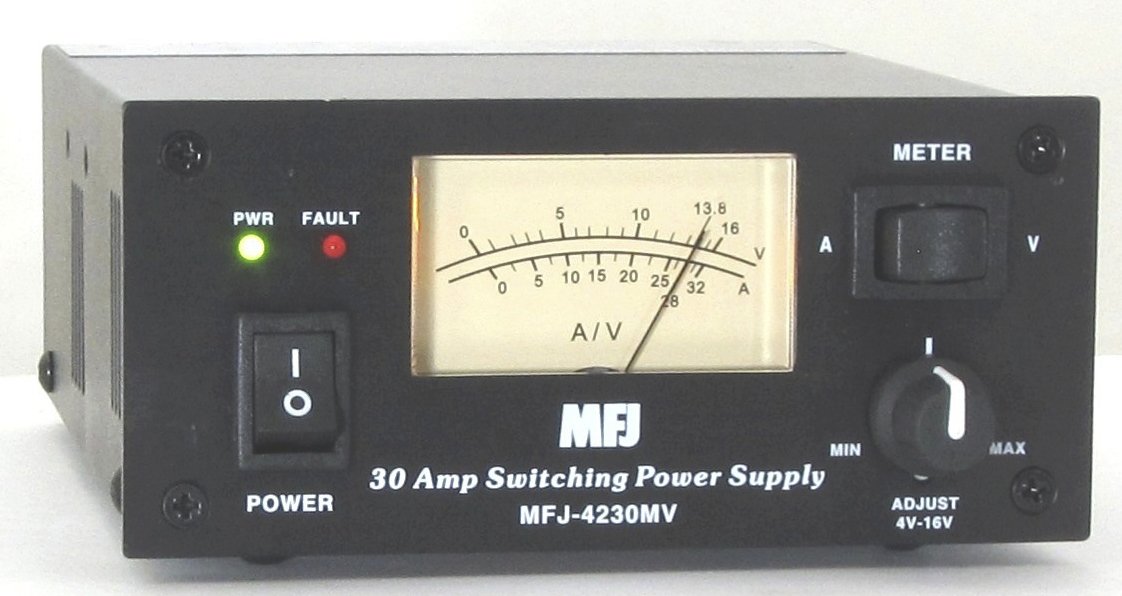 Many thanks to SWLing Post contributor, Jack Dully, who writes:
MFJ has gone through a metamorphosis with their marketing and I thought that some radio readers might find this brief origins of MFJ interesting!
From their September 2020 Newsletter:
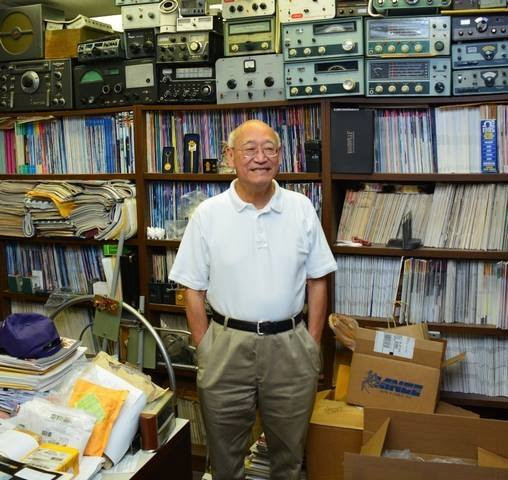
Richard “I am not a crook” Nixon was our country’s president, The Dallas Cowboys beat the Miami Dolphins in Super Bowl VI, The Godfather was released to cinemas, George Carlin is arrested in Milwaukee, Wisconsin for uttering his ” Seven Words You Can Never Say On Television” comedic routine, Bobby Fischer defeats Boris Spassky in a chest match in Iceland, and in the small college town of Starkville, Mississippi a young Martin Jue started MFJ Enterprises, Inc., while still teaching at Mississippi State.
Martin F. Jue built this company back in 1972 with his bare hands. There were no other employees besides himself and he had a full time teaching job at Mississippi State University. The CW-F2 was his first product. It came about through a love of ham radio and in particular Morse code.
Since it is the day after Labor Day we thought we would salute the gentleman that brought us where we are today, The World Leaders in Amateur Radio Accessories! Without Martin Jue’s undying love and hard work for his namesake business, we all wouldn’t be enjoying our years here. MFJ has never had a major layoff or shutdown for any reason. 48 years later from Martin Jue’s single man company, we own four other businesses, have a tremendous product line and some of the most wonderful folks building ham radio toys under MFJ Enterprises, Inc.
Thanks again Martin Jue for your Labor of Love, MFJ the business. We are all grateful to you to be a part of your very successful venture into the world of business and ham radio. Your labor of love is greatly appreciated!
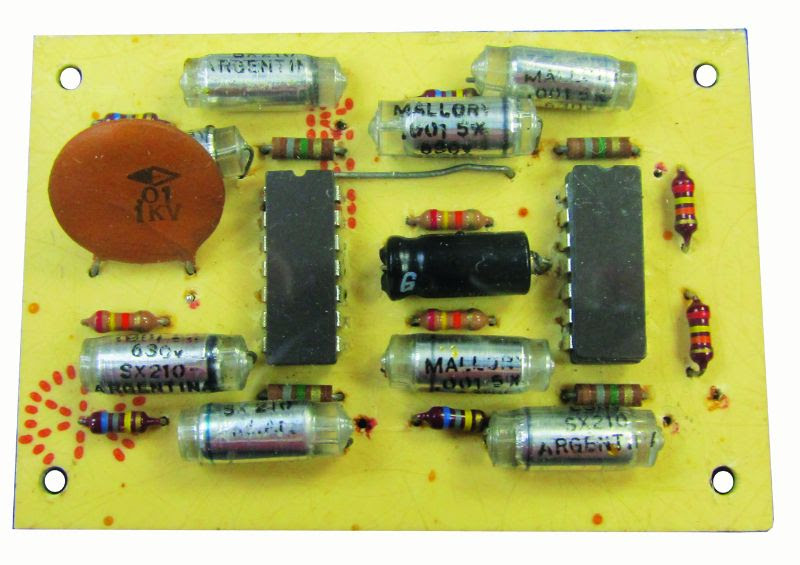
Produced in October 1972, the CW-F2 was designed for the big boat anchor rigs of the time to help in CW filtering. The CW-F2 could separate two CW signals and make for more enjoyable listening. Mr. Jue used to give extra credit to his students if they helped build some of these.
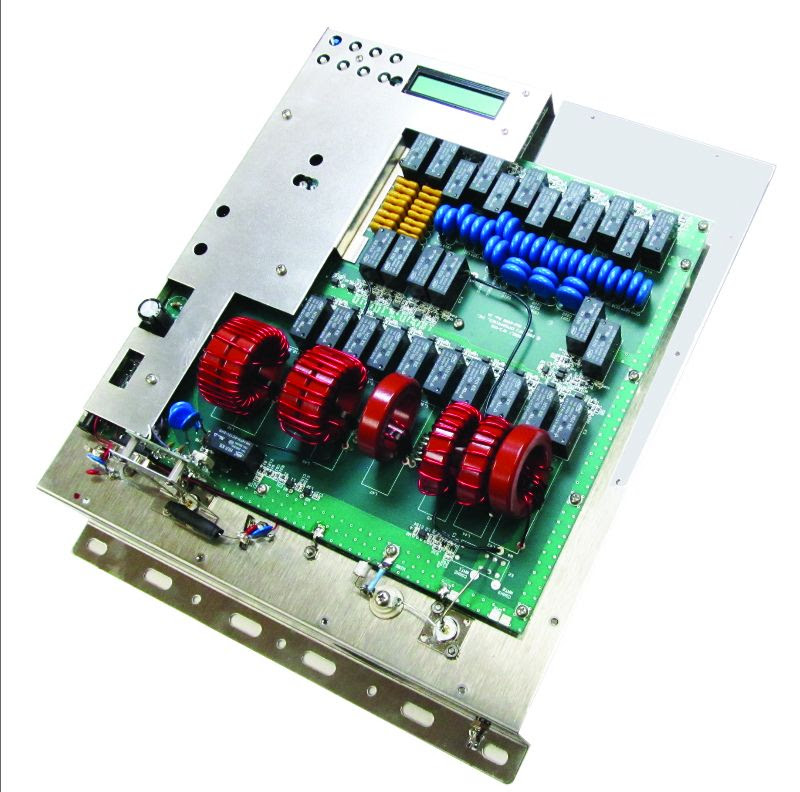 Look at how far we have come! SMT, modern metal punching and forming machines. Here are the insides of the modern MFJ-998RT, legal limit automatic remote antenna tuner.
We salute all laborers out there for a job well done, especially our front line doctors, nurses, police officers, our US military, and Army National Guard during these crazy times. We appreciate you and our many customers! God Bless You All!
BTW — If you want to build your own modern CW-F2 kit today, the product is still alive on our Vectronics kit line as a CW audio filter kit.
P.S. VEC-820K is very similar to the first product of MFJ. A CW Audio Filter kit that you can have fun building yourself and relive a little history of MFJ!
Thank you for sharing this, Jack!
MFJ does something that few other US manufacturers can do. They still keep the majority of their manufacturing in Mississippi and they have a solid warranty. You can even reach a human being in customer service and they repair or replace their own gear. They do this while keeping their prices very competitive.
Their gear must be the most widely used here in the States. You’re hard-pressed to find a ham who hasn’t purchased from MFJ.
Their founder and president, Martin Jue, is a top-shelf fellow, too. I’ve met him a number of times. He’s an inspiring guy with an amazing story. His employees love him, too, because he’s fully invested in his company, his community and his hobby. His company has virtually no churn at all–most of his employees have been with MFJ their entire working career.
Last month, I was very proud to add MFJ as a sponsor of the SWLing Post.