Author Archives: Thomas

Cook Islands restores AM broadcast service

Sunset on the Cook Islands (Photo by Gary DeBock)

(Source: Radio New Zealand)

The signal was lost in August when the main transmitter’s rusty mast on Rarotonga was dismantled.

Radio Cook Islands’ general manager Jeanne Matenga said Blue Sky, which manages the network, reactivated a smaller transmitter near the airport late last week.

She said the government seemed to be worried about the absence of a radio signal to some parts of the country as the cyclone season neared.

“People in Aitutaki can hear it and I got a text message from someone in Mitiaro saying they could hear it there as well.

“If it reaches Mitiaro, it will get Atiu and Mauke because those islands are very close to each other. Possibly Palmerston might be able to get a signal too because it’s closer to Aitutaki, and the Northern Groups still have their FM.”

Click here to read at RNZ.

RTÉ returns to longwave after maintenance

(Source: Radio Today)

RTÉ Radio 1 has reappeared on 252 LW after being off-air for the last six weeks for significant remedial works.

The essential maintenance work will ensure the service can continue for at least another couple of years, according to a Fine Gael TD.

Chair of the Oireachtas Communications Committee, Hildegarde Naughton, welcomed RTE’s decision to undertake the work earlier this year. Deputy Naughton said: “The maintenance of long wave radio for the Irish diaspora is a significant concern to the Committee. The UK regulator, Ofcom, will not grant RTÉ, as a non-UK broadcaster, the necessary licence to broadcast on digital in the UK at this time.

“I welcome the efforts being made to continue this service, which serves as an invaluable link between the diaspora and home.

“However I intend to work with the committee to explore other longer-term alternative solutions to ensure this service continues.”

RTÉ has explored broadcasting on at least one DAB multiplex in the UK but has yet to gain permission, as Ofcom only allows UK-registered companies to be granted a licence.

Click here to read this article at Radio Today.

An inexpensive portable radio pack with excellent features

Many thanks to SWLing Post contributor, James Fields, who writes:

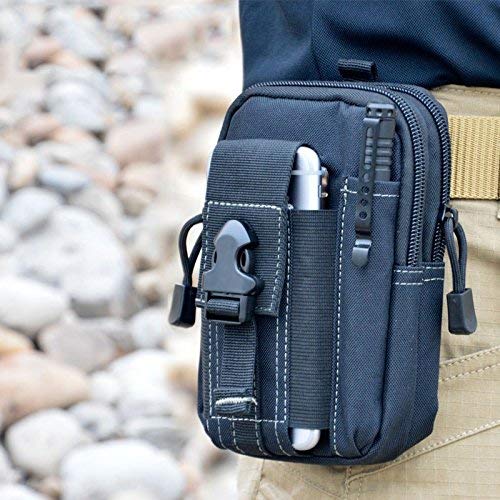
Something I always appreciate on the SWLing Post are articles and comments suggesting bags and cases. A while back I wound up with an account on wish.com – a site that sells “stuff from China” for lack of a better description. Some things are junk, some are not quite what is advertised, but one area where I’ve had remarkably good luck is bags and pouches of varying sizes.

If you search wish.com for “tactical waist bag” you should see a bunch of entries for a smallish canvas bag. The prices will range from $1 to $3, with shipping varying from free to about $3. These are canvas bags with some snaps and fasteners and compartments, and they are a near perfect fit for various travel portables.

The Skywave (and Skywave SSB). Tecsun PL-310ET and PL-380, and Digitech AR-1780 all fit well in this bag. The XHData D808 would be tight as it’s slightly wider than the AR-1780 but it might go. There is plenty of room for spare batteries and a wire antenna. The bags are padded nicely.

If you want to see one of these without visiting the wish.com site, there are some Amazon resellers that have them, usually around $10 (which is not bad with free Prime shipping).

Click here for one example on Amazon.com (affiliate link).

I have several of these bags in various colors – they’re very convenient for travel, and for me they work better than hard-shell cases.

Thank you for the suggestion, James! I love the fact this pack has Molle attachments on the back. That’s huge for those of us with tactical packs!

GCHQ “hidden past” in the press

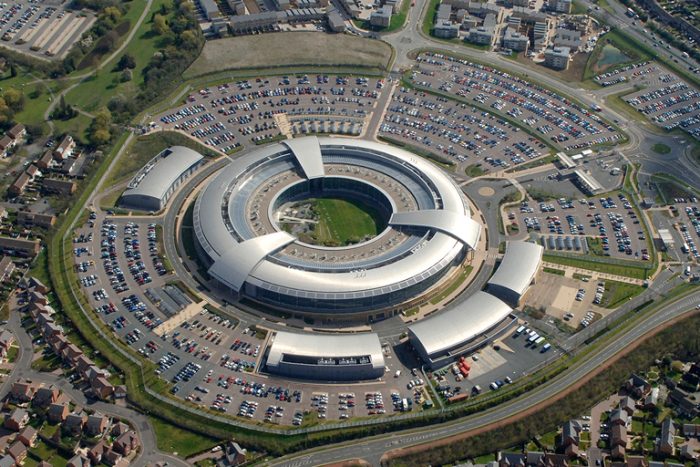
Benhall Aerial View (Source: GCHQ.gov.uk)

Many thanks to SWLing Post contributor, Kris Partridge, who writes:

You recently posted about the on going GCHQ exhibition at the Science Museum here in London.

I now offer you two more GCHQ items. Both radio related.

First one from BBC Radio:

How Scarborough saved the world

The Secret History of GCHQ

Stories from the intelligence agency’s hidden past – and how it’s been listening in for the last 100 years. With BBC security correspondent Gordon Corera.

Click here to listen online (when available).

This will be transmitted tonight at 20h00 London (BST, UTC +1) that’s at 15h00 East Coast time! This will be available after TX on BBC Sounds, the replacement for BBC iPlayer radio.

The second, also radio related, is/has US interest:

GCHQ’s secret hilltop site in Scarborough revealed as having pivotal role in Cuban missile crisis

he pivotal role in the Cuban missile crisis played by a secret outpost of GCHQ in Scarborough has been revealed.

The task of the tiny bunker on the North Yorkshire coast, described by staff as dank and often smelly, had been to monitor the Soviet Baltic fleet and merchant shipping in the northern hemisphere.

In 1962 this somewhat unglamorous job for Britain’s cyber spy agency was thrust into the centre of world affairs as tensions between the West and the Soviet Union threatened to escalate into nuclear war.

On October 16, 1962, US President John F Kennedy had been told the Soviet Union was secretly shipping nuclear missiles to Cuba, just 90 miles off America’s south eastern coast.

US forces established a naval blockade, preventing the arrival of any ships, but some Soviet vessels were already on their way to the island. Any confrontation between the two naval forces risked escalation into nuclear war.

The operators in the Scarborough bunker were able to intercept the Soviet ships reporting back their position and establish where they were heading.

“Traditionally just another task at the bottom of Scarborough’s priority list, suddenly escalated to the very top priority for British intelligence,” Tony Comer, GCHQ’s historian told the BBC.[…]

Click here to continue reading the full story at The Telegraph.

and [from the BBC]:

Scarborough’s role in the Cuban missile crisis revealed

A secret base in Scarborough played a key role in resolving the Cold War’s Cuban missile crisis, it can now be revealed.

Up on a hilltop, not far from a caravan park in England’s North Yorkshire coast sits what is believed to be the longest continually running listening station in the world.

The GCHQ base at Scarborough was established just before World War One because its position was ideal to intercept German naval radio signals in the North Sea.

During World War Two, it helped locate German U-boats in the Atlantic. By the Cold War it shifted to monitoring Soviet communications.[…]

Click here to read the full story at the BBC.

I hope, for you in time to hear it “live”, and the online version for your blog readers.

I managed to do just that, Kris! Thank you so much for sharing these links and stories. I especially look forward to the Radio 4 piece later today.

Tecsun H-501 prototype drawing and photo

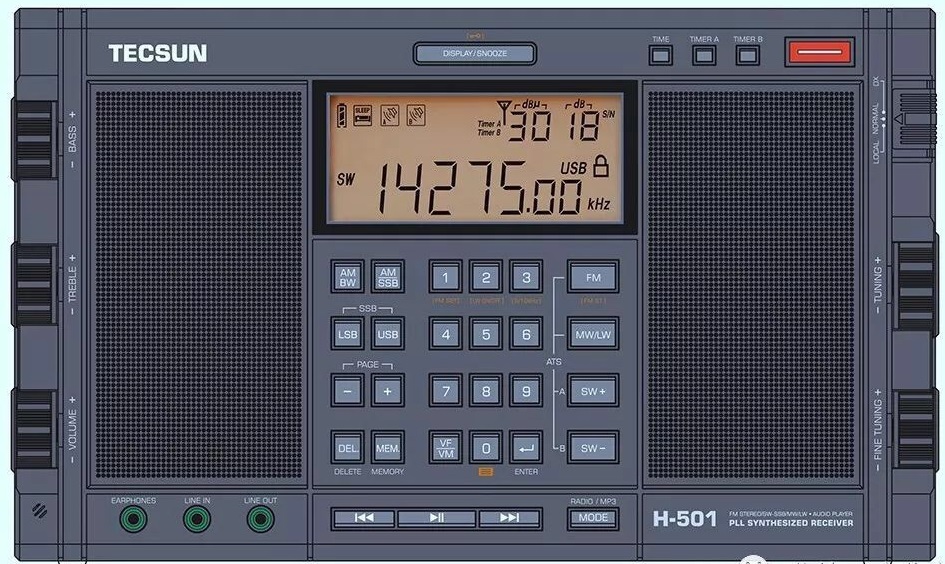
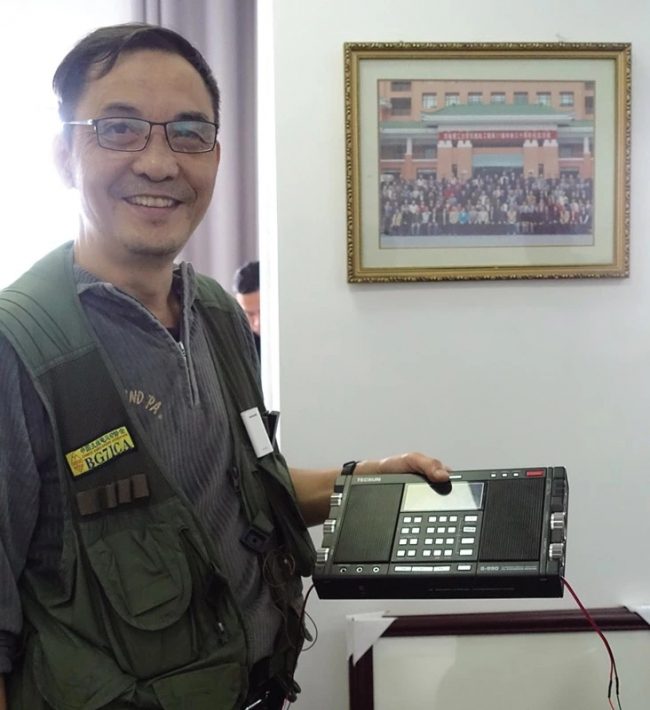
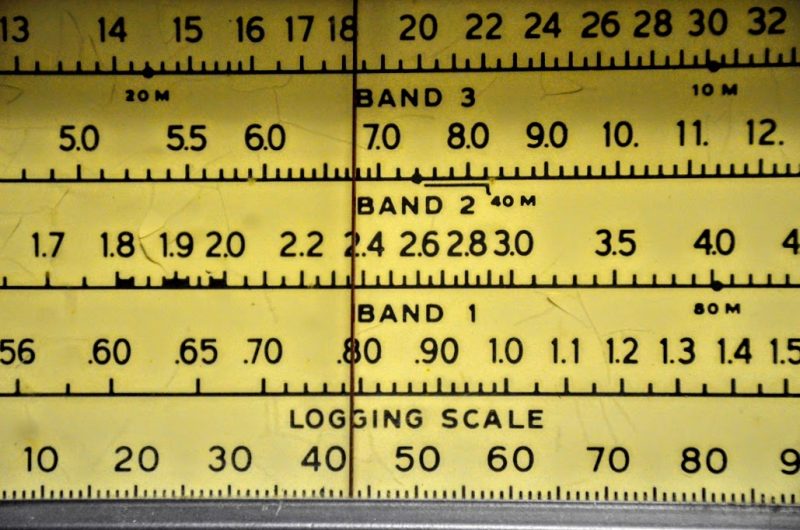
Many thanks to SWLing Post contributor, Robert Richmond, who shares two images of the Tecsun H-501 dated June 21, 2019 from this radio forum.

As Robert notes, “Probably a prototype, so YMMV.” Very true–it’s quite possible further changes could be made to the design or silkscreening before a full production run.

The photo above with BG71CA does give us an indication of the radio’s overall size.

Thanks for sharing, Robert!

Listen to RFE Hungary’s 1956 Revolution Broadcast

Many thanks to SWLing Post executive producer, Scott Gamble, who shares the following article from Hungary Today:

From October 19th until November 12th, Radio Free Europe‘s (RFE) Hungarian broadcast recorded around and during the 1956 Revolution can be listened to online, exactly how it was aired 63 years ago minute by minute, HVG reported.

The Hungarian broadcast of RFE’s 1956 program that was aired on shortwave, through foreign transmitters, was recorded at the repeater stations, and has been preserved thanks to the German government’s examination of the radio’s role in the revolution, launched after the events.

After the inquiry, however, the footage, consisting of 60 tapes, was concealed in a basement for decades, until it was rediscovered in the 90s, transferred to cassettes, and digitized.

In the framework of the First University Radio in Pest’s (Els? Pesti Egyetemi Rádió- EPER) voice memorial project dubbed “SZER56” (derived from the radio’s Hungarian name: Szabad Európa Rádió), people can hear (once again) these recordings. The recordings were restored, digitized, and published by the National Széchényi Library (OSZK), which EPER then restored to the original broadcast session.

The footage includes four days that preceded the outbreak of the Revolution, making it the only available recording that preserved the 50s’ “every day” shows. Moreover, this would be the first time the public can hear this outstanding piece of media history. In addition to political broadcasts, the recordings include radio plays, musical compositions, and even quizzes.

The “broadcast” will be available from Saturday on eper.elte.hu or here and here.

Click here to read the full article at Hungary Today.

Thank you for the tip, Scott!

Readers: If you know of any way we could obtain these recordings, I would love to add them to the Shortwave Radio Audio Archive.

LRA36 anniversary broadcast today!

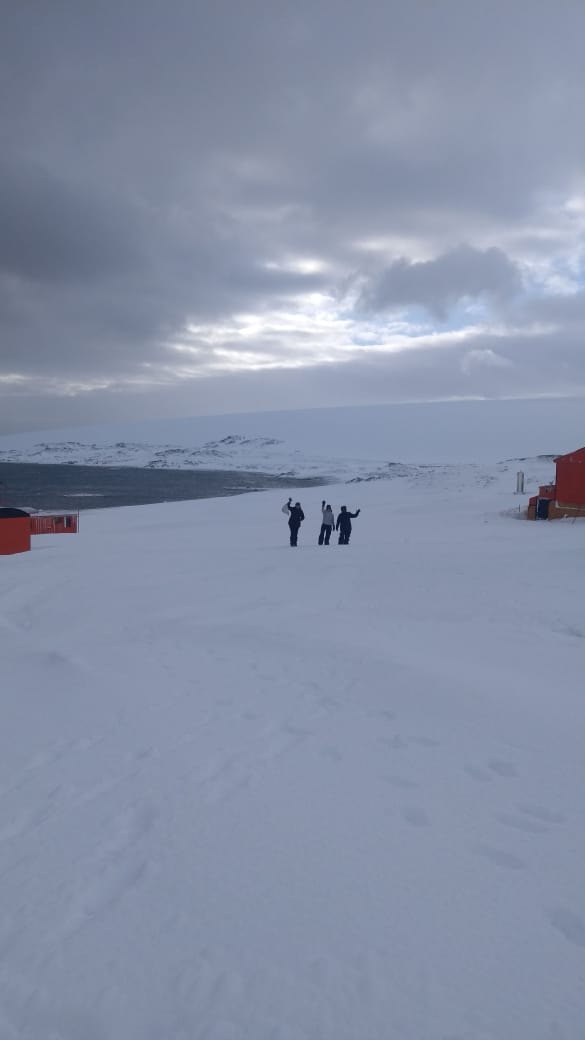
Many thanks to SWLing Post contributor, Adrian Korol, who shares the photo above and video below of the LRA36 crew heading to the broadcast building on the Argentine Antarctic Research Station this morning.

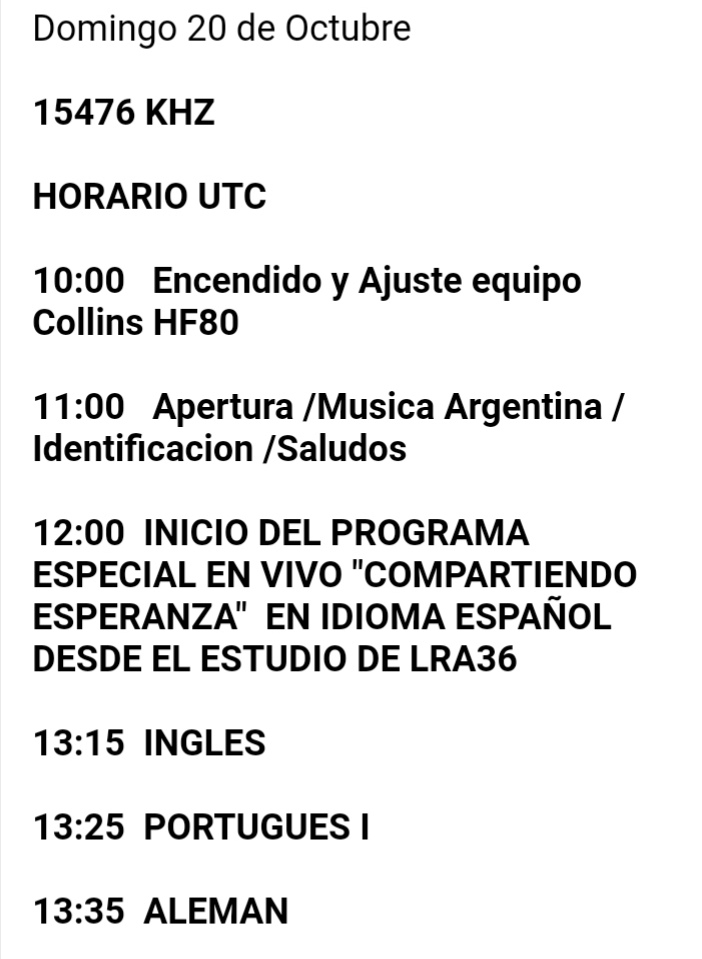
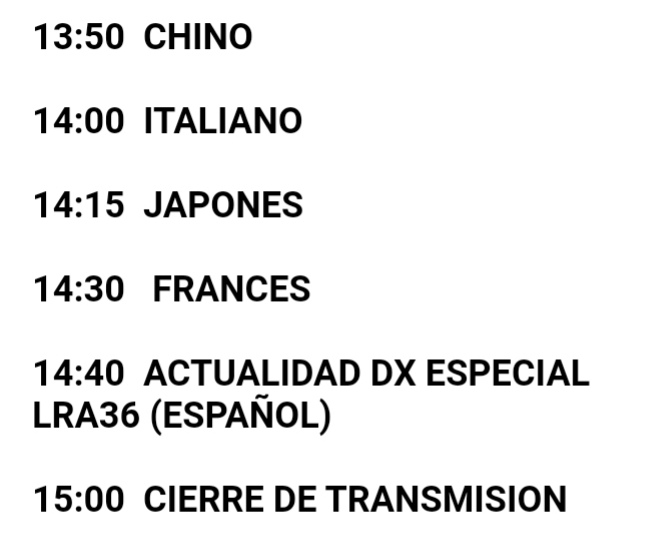
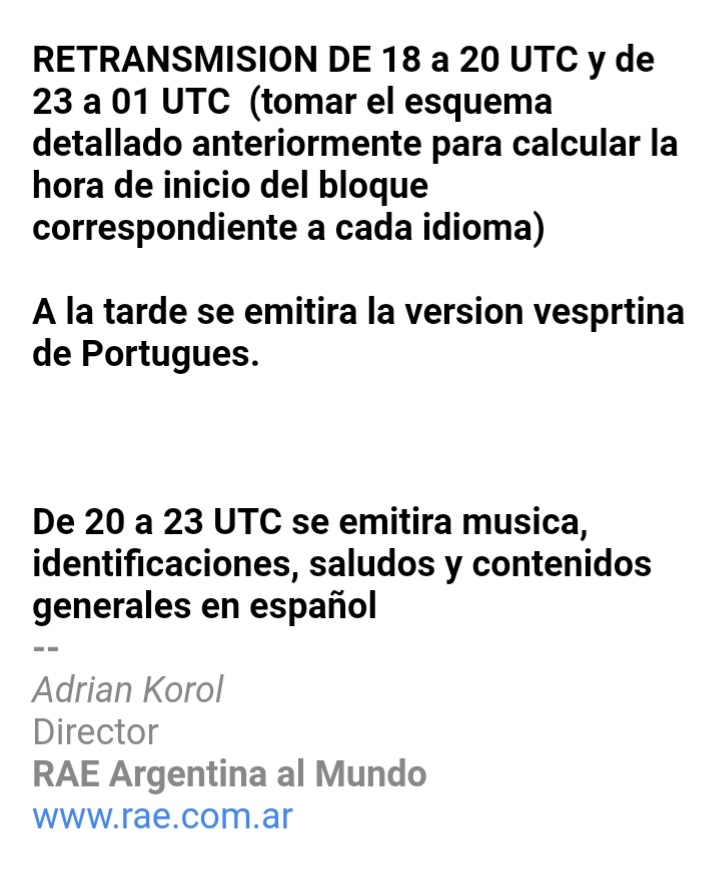
Adrian has also provided the following broadcast schedule (in Spanish) for the anniversary program:

This frequency has not yet opened to eastern North America, but I will be listening today, all day. I have noted that there are few KiwiSDR stations in South America available at the moment. No doubt, listeners are taking up the available seats in hopes of hearing the anniversary broadcast.

I suspect this may be one of the largest audiences LRA36 has broadcast to over its 40 years on the air!

Post Readers: If you manage to capture a good recording of the broadcast, I’d love to post it on the Shortwave Radio Audio Archive.