Category Archives: Ham Radio

Initial impressions of the ALT-512 QRP transceiver

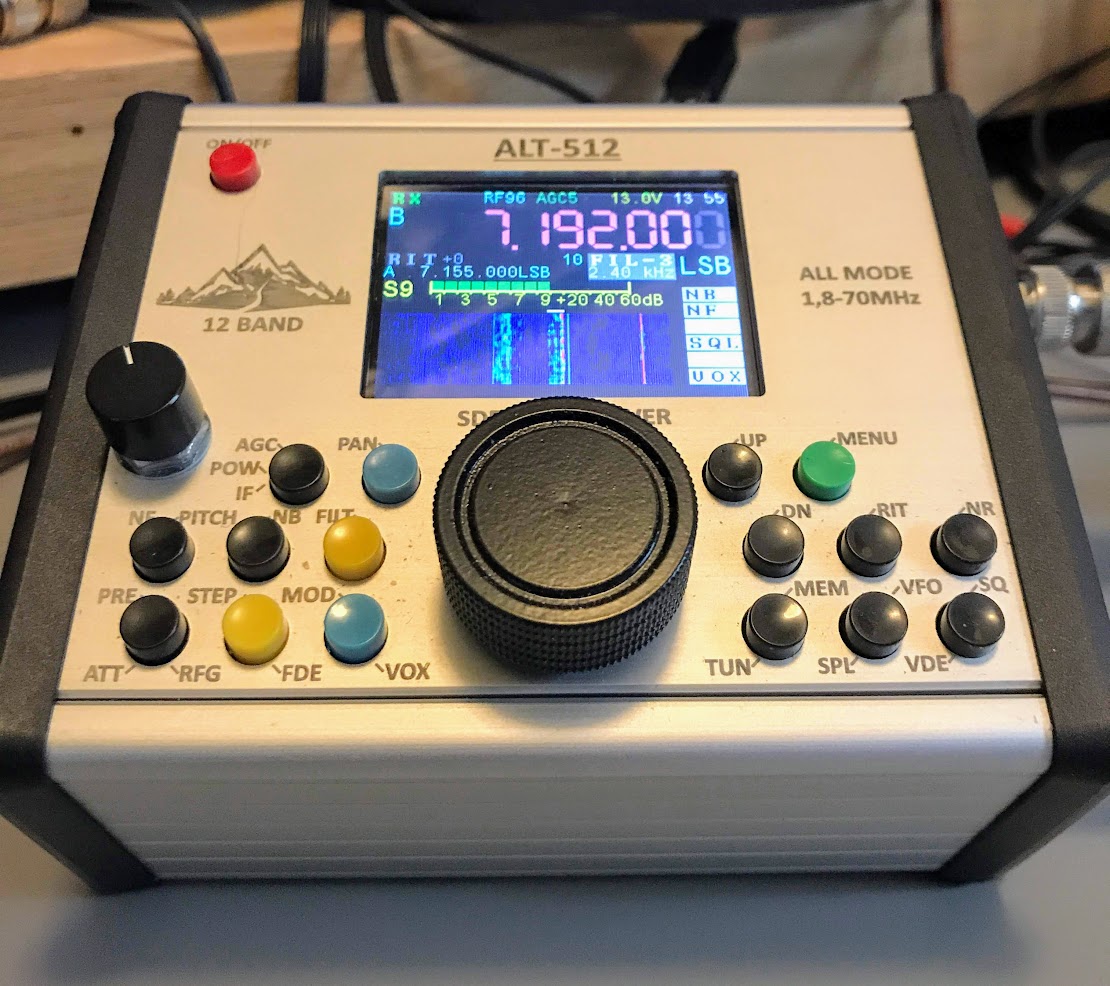
So the ALT-512 QRP SDR transceiver has landed at SWLing Post HQ. This little rig is on loan from Aerial-51 and I’ll be spending the next month or so putting it through the paces.
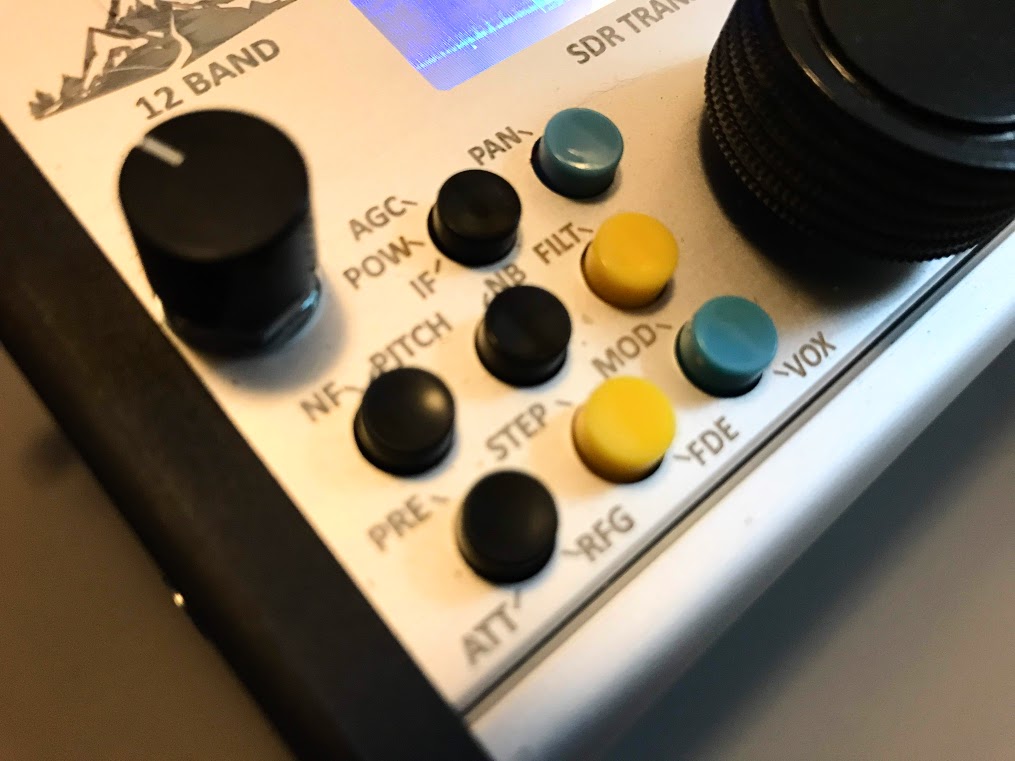
I can already tell that the ALT-512 has some strong points:

  • It’s incredibly portable and easy to take to the field, providing you have a battery and resonant antenna (or external ATU).
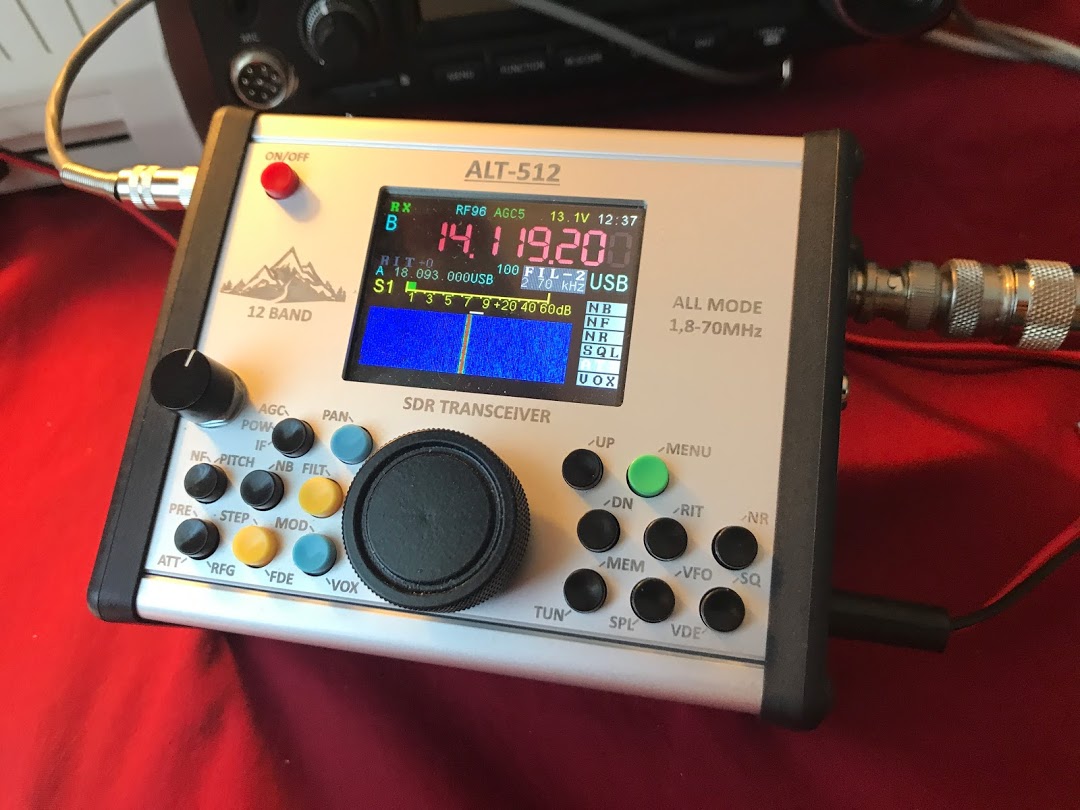
  • The color backlit display is quite readable at any angle despite being rather information-dense.
  • I really like the waterfall display. It’s large enough to be quite useful.
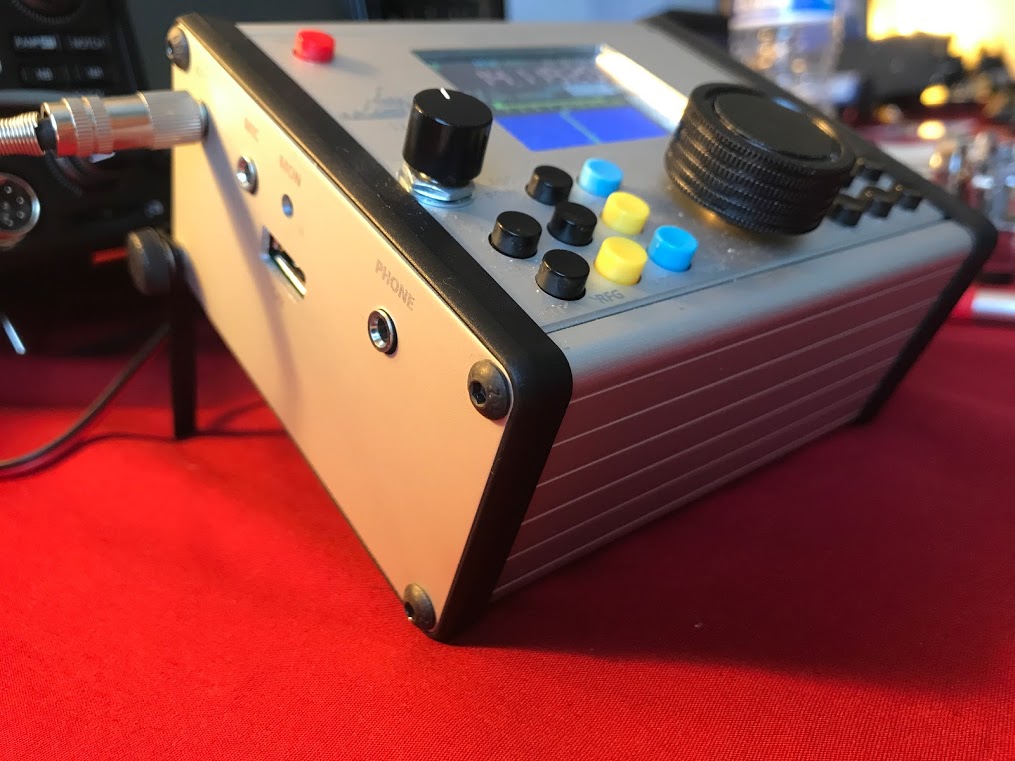
  • The ALT-512 can connect directly to your computer for digital modes like FT-8. No external sound card needed.
  • The menu system contains a wide array of features and options for granular tweaks and modifications.
  • The ALT-512 includes the European 4 meter band.
  • Although I prefer using headphones with small radios, the ALT-512’s small internal speaker does a fine job.
  • Rob Sherwood tested the ALT-512 (indeed, this very unit) recently and added it to his receiver test data. It performed quite well especially considering the price.
Any negatives so far?  Nothing major:

  • No internal ATU or battery options. At this price point (799 EUR), I wouldn’t expect either of these.
  • The ALT-512 is not general coverage. This is a negative for those of us who like SWLing, but a positive for ham radio use as the ALT-512 sports band-specific bandpass filters to reject out-of-band strong stations. You can tune to some stations above the 40M band and also the full mediumwave band and below (down to 100 kHz), although I wouldn’t expect stellar performance in those regions.
So far, I’m very pleased with the ALT-512’s performance.

Next, I’ll be taking it to the field and see how easily I can activate a few POTA (Parks On The Air) sites! Stay tuned!
Click here to check out the ALT-512 at Aerial-51.

David reviews and compares the MLA-30 magnetic loop antenna

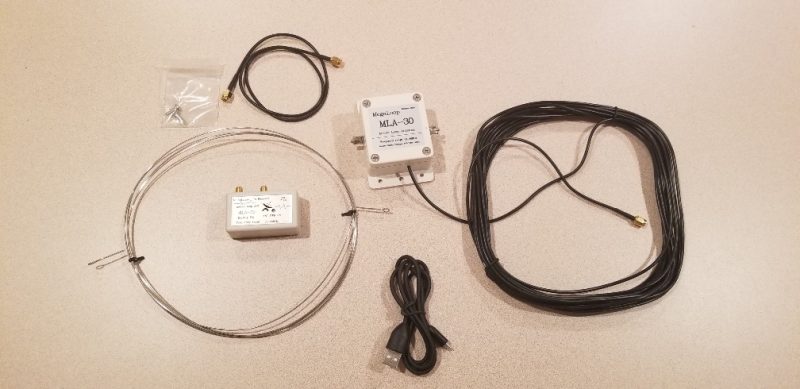
Many thanks to SWLing Post contributor, David Day (N1DAY), who has completed a thorough review of the MLA-30 loop antenna. In this review, he compares the MLA to the Wellbrook ALA1530-LF and a 30 foot square ground loop antenna.

In short, he finds that the MLA-30 performs fairly well on the AM broadcast/mediumwave band, but can’t compete with the Wellbrook otherwise–especially in terms of noise floor. David also noted that “the MLA-30 had a very serious issue with IMD and in some cases, stations that were clearly heard with both the Wellbrook and the ground loop were totally obliterated by IMD when switching to the MLA-30.”.

Click here to read David’s full review on his blog, Ham Signal. 

Click here to view the MLA-30 on eBay.

WSPR explained

Many thanks to SWLing Post contributor, Bill Patalon, who shares a link to the following article on Extreme Tech:

Last Tuesday at 1744 UTC (1:44 PM EDT) UR3RM, a ham radio station in Ukraine blindly sent out a message on 7040.138 kHz.  It was automated. It was text. Maybe someone would hear it. Maybe not.

The “maybe not” part is easy to understand because UR3RM’s transmitter was putting out one milliwatt, .01 watts. To put that in perspective, a Class 2 Bluetooth transmitter, the ones good for around 30 feet, run 2.5 milliwatts.

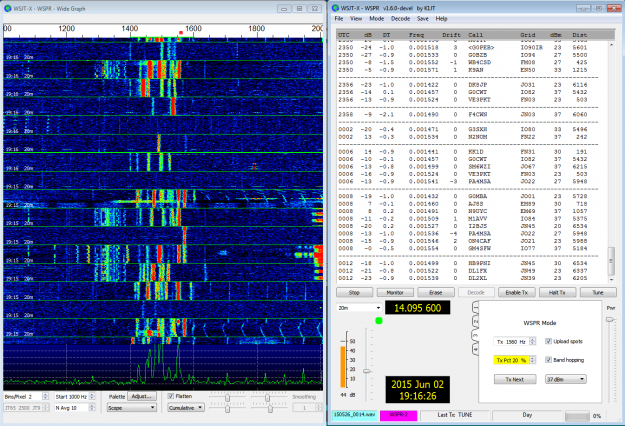
UR3RM was using a mode called WSPR for Weak Signal Propagation Reporting. Unlike most of ham radio, this is a one-way mode. Not only is there little expectation anyone will be listening, but there’s even less that the signal would make it back. Radio propagation isn’t always a two-way path.

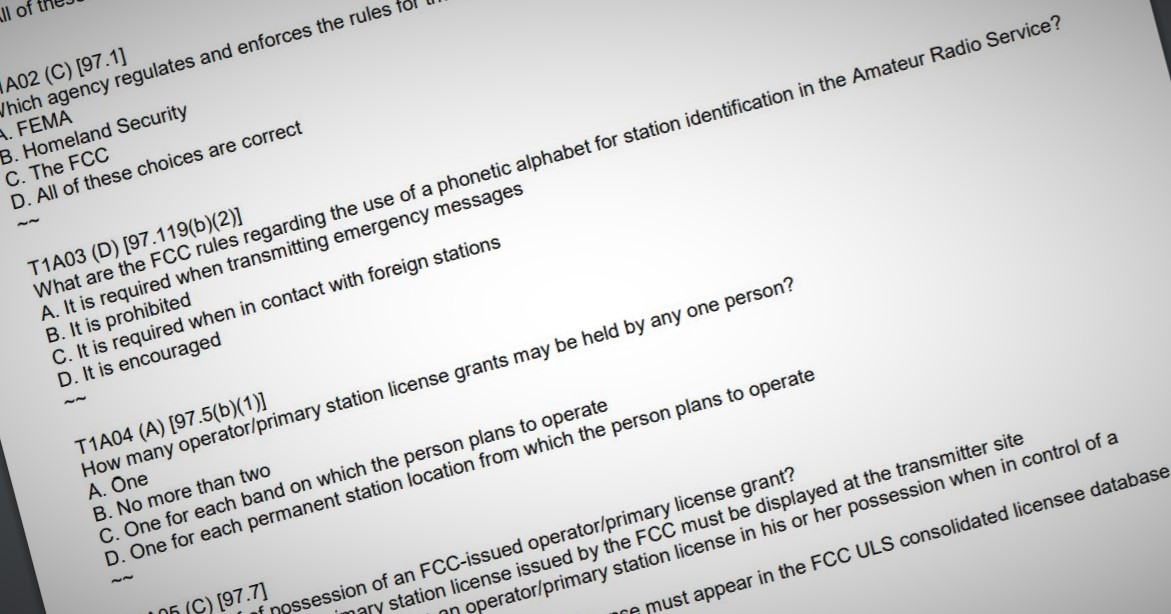
WSPR’s biggest selling point is you can do it on the cheap. It’s easy to set yourself up for not much more than $100 and often a whole lot less. And, though a ham radio license is needed to transmit, anyone can put up a receiver. And the US ham license test is multiple-choice, all published and online.[…]

Click here to continue reading at Extreme Tech.

Post Readers: How many here have received and/or transmitted using WSPR?  Please comment!

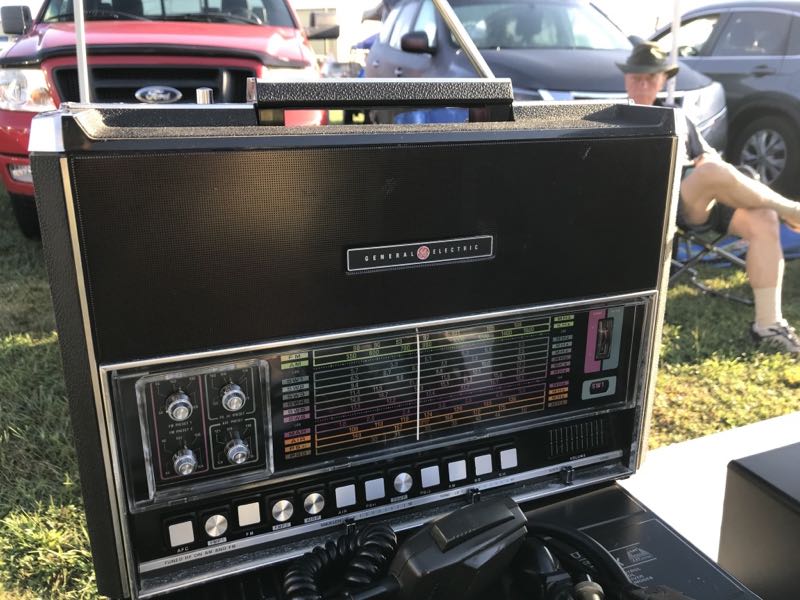
A photo tour of the 2019 Shelby Hamfest

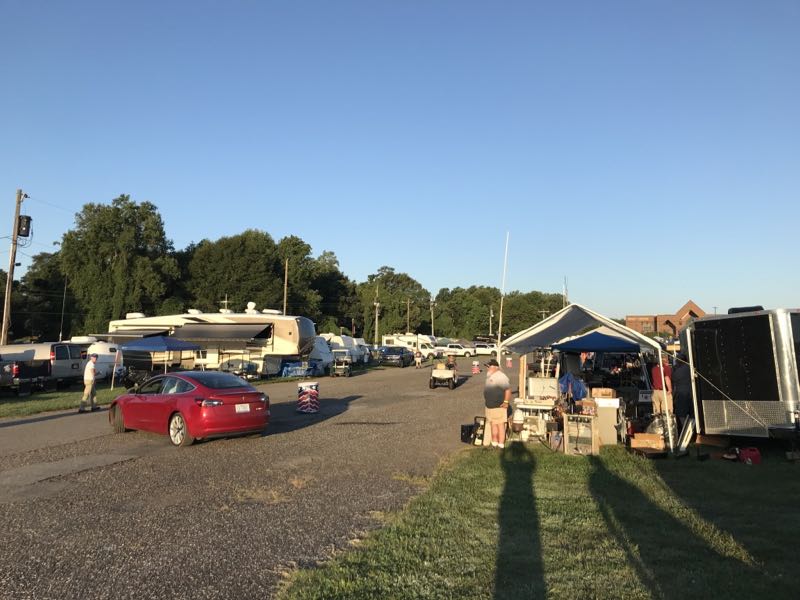
My Labor Day weekend was free of travel this year, so I was able to make another pilgrimage to the Shelby (North Carolina) hamfest with my good buddy, Vlado (N3CZ).

The Shelby Hamfest–referred to, locally, as “The Grand-Daddy of them All”–has long been regarded as one of the largest outdoor hamfests in the southeast US. This is the fourth year I’ve made a concerted effort to publish a photo tour of the event.

Weather was ideal for the hamfest–clear skies, sunshine and a dry weekend. No doubt, this was one of the reasons I believe the hamfest was well attended.

Shelby Photo Gallery

Click on the thumbnails below to enlarge or comment on the photos:

Note that if you’re viewing this post via our email newsletter, the embedded gallery (above) might not be viewable. Click here to view via web browser.


Do you enjoy the SWLing Post?

Please consider supporting us via Patreon or our Coffee Fund!

Your support makes articles like this one possible. Thank you!

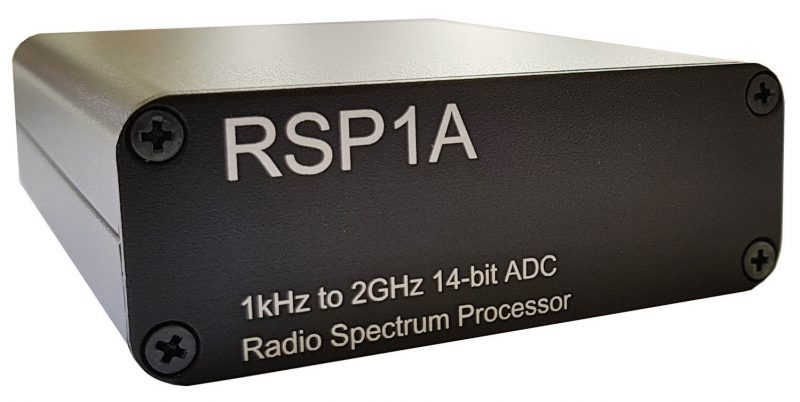
Last call for SDRplay RSP/RSP1a metal cases

Many thanks to Mike Ladd of SDRplay who shared the following note on the SDRplay Facebook page:

Just a heads up. The RSP1/RSP1a metal case upgrade are almost all gone. I will not be re-releasing this case. Grab them now while you can.

Click here to purchase on eBay.

Click here to view on Amazon (affiliate link).

FCC recommendation to make all ULS filings electronic

(Source: ARRL)

The FCC is seeking comment on a Notice of Proposed Rulemaking (NPRM) that is part of an overall plan to complete its transition to electronic filing, licenses, authorizations, and correspondence. The notice proposes to make all filings to the Universal Licensing System (ULS) completely electronic, expand electronic filing and correspondence elements for related systems, and require applicants to provide an email address on the FCC Forms related to these systems. Although much of the FCC’s ULS filings are already electronic, the changes suggested in the NPRM (in WT Docket No. 19-212) would require all Amateur Radio Service applications to be filed electronically. Under current rules, Amateur Radio applications may still be filed manually, with the exception of those filed by Volunteer Examination Coordinators (VECs).[…]

Click here to read the full article at the ARRL website.

W9IMS: Last chance for the Checkered Flag Award

Many thanks to SWLing Post contributor, Brian (W9IND), who writes:

If you’re chasing the W9IMS Checkered Flag Award, this weekend marks your last chance to snare the third and final special event of the year. The Brickyard 400 operation will conclude at 11:59 p.m. Sunday, Sept. 8 (Indianapolis time)/0359 UTC Sept. 9.

The W9IMS crew will be working other amateurs around the world, but SWLs can qualify for the same certificate and QSL cards that are offered to hams. The Checkered Flag Award is available to anyone who contacts or tunes in W9IMS during all three special events commemorating the major races at the Indianapolis Motor Speedway – the IndyCar Grand Prix (early May), the Indianapolis 500 (late May), and the Brickyard 400 (September).

For those who already logged W9IMS during the IndyCar Grand Prix and the Indianapolis 500, this is your opportunity to complete the clean sweep and earn the colorful 2019 certificate, as well as the three QSL cards. Even if you missed one or both of the previous races, you’re still eligible for a Brickyard 400 QSL card, which is redesigned every year.

Look for W9IMS on 20, 40 and 80 meters – generally as close as possible to 3.840, 7.245 and 14.245 MHz, and often with two SSB stations on the air simultaneously. W9IMS also has a digital presence, periodically transmitting in FT8 mode.

To see if the station is on the air at any given time, go to DX Summit – http://dxsummit.fi/#/ – and type “W9IMS” in the search box.

For more information about W9IMS, including how to obtain certificates and QSL cards, go to www.w9ims.org. The W9IMS page also contains a link to the Brickyard 400 operator schedule, but remember that ops can get on the air at any time between now and Sunday night.

If all else fails, look for W9IMS during its final hour of operation, between 11 and 11:59 p.m. Sunday (0300 to 0359 UTC Monday). That’s usually the time when W9IMS engages in a contest-style “happy hour” blowout, sometimes on two bands, as the closing minutes tick away.

Thank you for the reminder, Brian!